New Landowner Finds a Deeded Right-of-Way Blocked After Thirty Years of Free Access — Then the Neighbor Demands a Yearly Fee to Keep Using It
Photo credit: AI-generated image created using ChatGPT. Illustrative only.
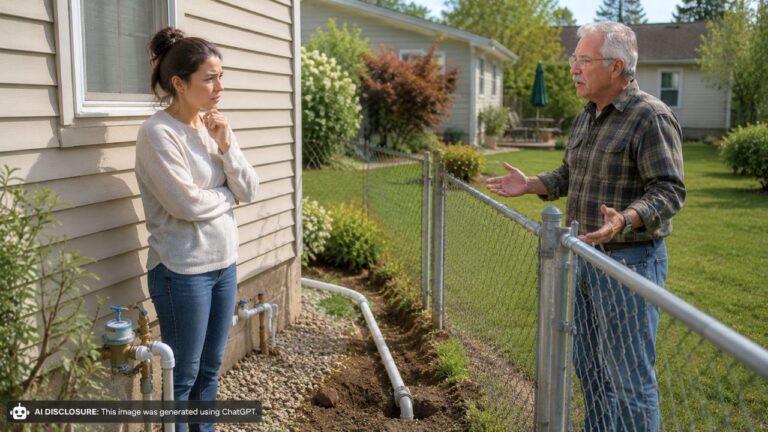
Buying a property with a deeded right-of-way sounds like one of those boring, settled details—until the day it’s suddenly not usable. One homeowner with a zero-lot-line setup found themselves staring at a new fence where open access used to be, cutting off the narrow strip they’ve intentionally kept clear for future maintenance.
In the original post, the owner explains that their right-of-way is legal and specifically meant to allow access onto the neighbor’s lot for repairs and upkeep. The fence, they say, blocks that access on both sides. And in the kind of neighbor twist that makes people’s stomach drop, the blockage has now turned into pressure: keep using it, but pay for the privilege.
A zero-lot property turns “access” into a survival need
On a typical suburban lot, you can usually walk around your own house to inspect siding, fix a hose bib, or patch a foundation crack. Zero-lot properties don’t work like that. One side of the structure may sit tight to the property line, and practical homeownership depends on a sliver of shared understanding—sometimes literally written into the deed.
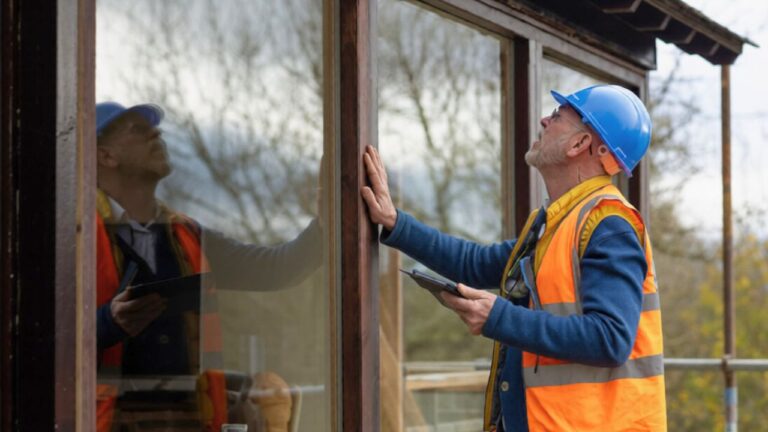
That’s why the right-of-way matters here. The owner describes it as access for “maintenance and repairs,” which is not some optional convenience. It’s how you deal with the unglamorous realities: exterior paint, flashing, pest entry points, window replacement, drainage fixes, or anything that requires a ladder and a little elbow room.
They’ve even kept their own side clear on purpose, thinking ahead for future work and not wanting to create problems for “my next neighbor” down the line. That detail tells you this wasn’t a casual shortcut. It was treated like part of the property’s long-term maintenance plan.
The fence went up, and suddenly the deed felt like a suggestion
The change wasn’t subtle. The homeowner says the neighbor erected a fence that “completely blocks this access on both sides.” That’s the kind of thing you notice immediately—maybe not the same day it’s installed, but certainly the first time you need to get through or even just walk the line and check things.
This is where these disputes get messy in real life. A fence feels permanent. It visually announces ownership and control. And once it’s up, every normal homeowner task becomes a negotiation: “Can I squeeze through?” “Can I open a gate?” “Can I bring a ladder?” “Can I get a contractor back there?”
Even if you’re trying to stay calm, a blocked access route changes how you think about your own home. Small repairs get postponed. Preventive maintenance gets skipped. And what starts as a neighbor-to-neighbor awkward talk can quietly turn into a building-envelope problem—because water and pests don’t care about property lines.
Why this isn’t just about walking space
It’s easy for someone not living in a zero-lot setup to shrug and think, “How often do you really need to go over there?” But right-of-way for maintenance exists because homes age. Caulk fails. Gutters overflow. Siding gaps open up. Something eventually needs attention on the side you can’t otherwise reach.
If access is blocked, the homeowner isn’t just annoyed—they’re boxed into worse choices. They may end up forced to use specialized equipment, pay more for labor, or delay a fix until the problem becomes obvious (and more expensive). And if a contractor can’t safely access the work area, the work might not happen at all.
There’s also the neighbor angle most people don’t think about: if a repair can’t be made in time and damage spreads—moisture, rot, insects—one property’s problem can become the other property’s problem. That’s why these access provisions exist in the first place. They’re a pressure-release valve for tight property layouts.
The awkward part: trying to keep it friendly when the stakes are high
The homeowner’s tone is careful. They want to handle it “amicably,” and they’re not opening with threats or chest-thumping. They’re asking how to approach the neighbor and what steps they can take to “maintain my access rights.”
That’s the trap, though. Once a fence is built, the conversation is no longer hypothetical. It’s about removal, modification, gates, keys, schedules, and boundaries. And when a neighbor escalates to demanding a yearly payment to keep using a deeded right-of-way, it changes the emotional temperature fast.
A fee turns a recorded property right into something that feels like rent. It also sets a precedent: if you pay once, the neighbor may treat that as proof they were entitled to charge you. And if you refuse, they may dig in harder, because the fence is already standing there as a physical bargaining chip.
The homeowner is essentially staring at two bad options: confront the issue now and risk a sour relationship, or avoid the argument and risk future maintenance becoming impossible when something breaks at the worst possible time.
What people urged: document first, talk second
Even without a blow-by-blow comment thread included in the source material, the pattern in these property access disputes is predictable: people tend to push for proof and paperwork before any heated doorstep conversation. When a fence goes up and blocks a legal access route, emotions run hot—but the solution usually hinges on documents, not volume.
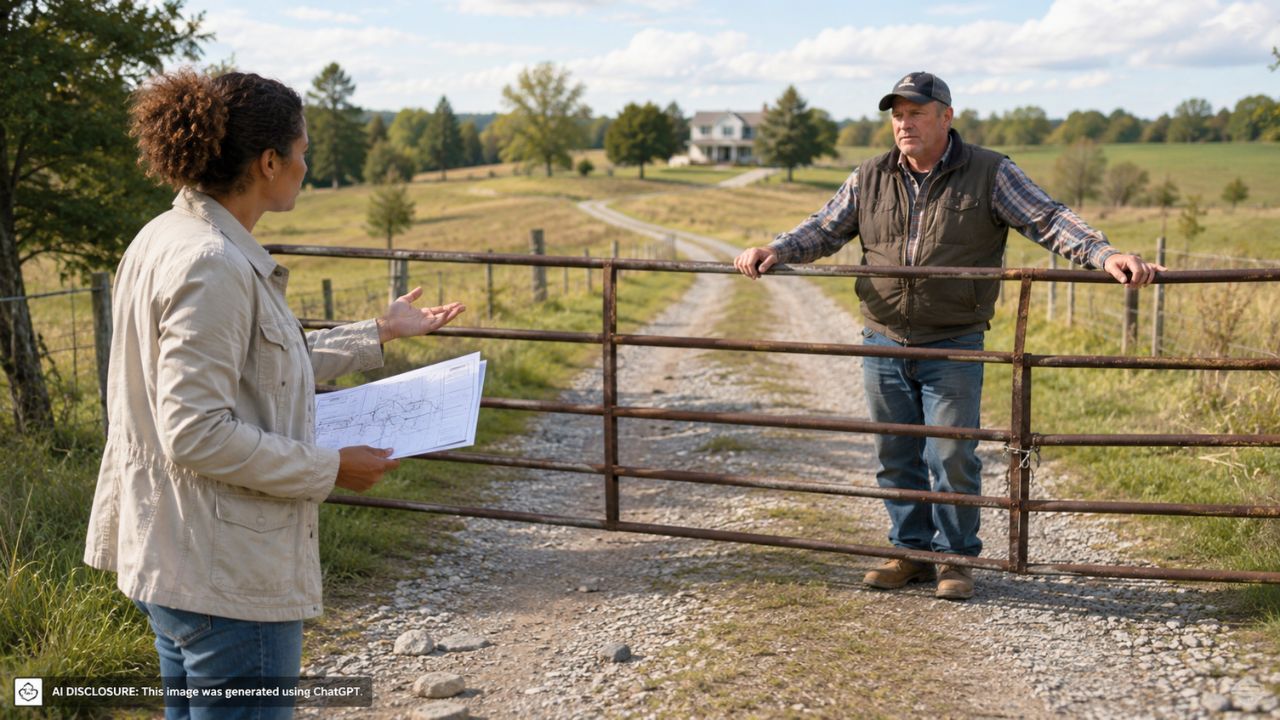
The practical reaction most homeowners have in this moment is to get their hands on the recorded language for the right-of-way and any survey or plot plan that shows where it sits. Not because you’re eager to “get legal,” but because misunderstandings thrive in vague memories. A neighbor may claim they didn’t know. Or they may insist the access area was “never meant” for regular use. Clear documents narrow the argument.
People also tend to encourage written communication once the basics are confirmed—something calm, factual, and traceable. A friendly conversation can be misremembered later. A short written note that references the right-of-way and asks for a practical fix (a gate, an opening, coordinated access) creates a record without instantly turning the issue into a war.
And yes, many homeowners also think about cameras, photos, and dated notes. Not for drama, but because fences have a way of “always having been there” once time passes, and proving when access was blocked can matter if the conflict doesn’t resolve quickly.
Where it leaves a homeowner: stuck between repairs and retaliation
The hardest part of this kind of standoff is that home maintenance doesn’t wait for neighbor diplomacy. If you discover damaged siding or a leak path behind a downspout, you don’t have months to negotiate. You need access now, while the weather is decent and before the next storm.
At the same time, nobody wants to live next to someone they’re actively fighting with. On close-together properties, neighbor retaliation can get petty fast: complaints, noise, blocking workers, or just a constant low-grade tension every time you take out the trash. So homeowners often hesitate, hoping the other person will “come around.” But the fence is already the neighbor’s answer in wood and nails.
For this homeowner, the immediate reality is simple: they planned ahead, kept their side clear, and expected the deeded access to be there when needed. Now they’re looking at a barrier and a demand for payment, and trying to figure out how to push back without turning their home into a permanent cold war.
In tight-lot living, the outside of your house is still your responsibility—even when you can’t physically reach it without stepping onto someone else’s land. A deeded right-of-way is supposed to prevent exactly this moment. But when a neighbor decides otherwise, it stops being a line on a document and becomes a very real fence you have to deal with.
Like Fix It Homestead’s content? Be sure to follow us.