New Landowner Finds the Neighbor Wants to Tap Into the Property’s Water Line After Thirty Years of Sharing a Well — Then Threatens to Sue If Refused
Photo credit: AI-generated image created using ChatGPT. Illustrative only.
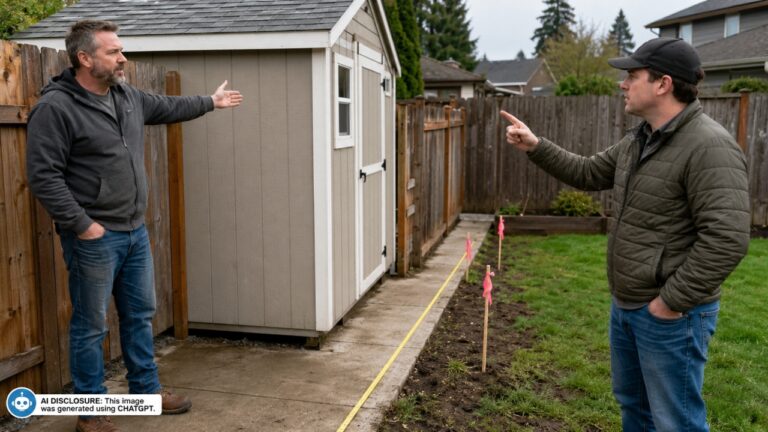
It starts out sounding simple: a neighbor needs water, and there’s already a line nearby. But for a new landowner trying to keep their property clean and sale-ready, “just let me run a connection through your yard” can feel like the first crack in the foundation of a peaceful move-in.
The original discussion came from the source post, where the homeowner laid out what happened and how others responded.
That’s the pressure behind the original post, where a homeowner describes a neighbor wanting to connect a water line through their property to reach the main. The homeowner’s immediate worry wasn’t only the trenching or the pipe—it was the long tail: Would this become a problem when it’s time to sell?
A request that sounds temporary can turn into something permanent
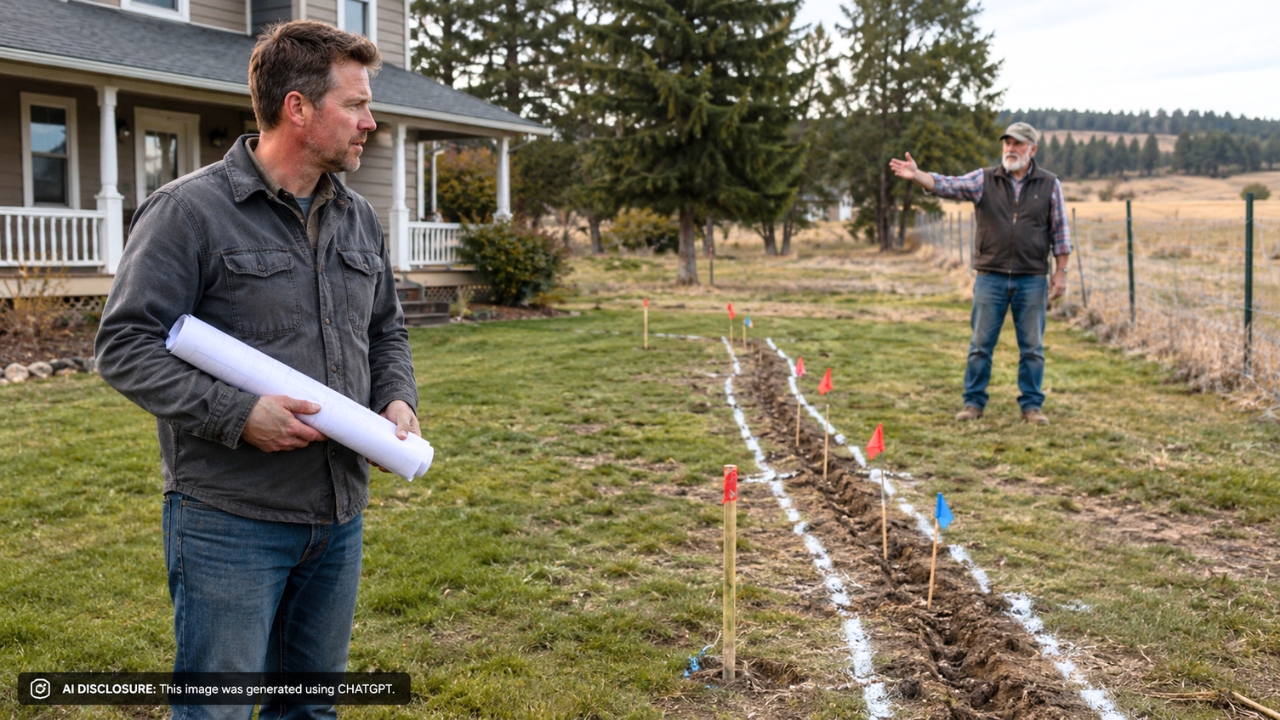
On paper, the ask is straightforward. The neighbor wants a water line routed across someone else’s property to get to the main line, which implies digging, placing pipe, and—most importantly—creating an access path for future repairs.
That last part is where these deals can quietly harden into “forever.” Even if everyone is friendly today, water lines break. Soil shifts. Roots invade. A simple connection becomes an ongoing reason for someone else to enter your land, possibly with equipment, possibly in a hurry, and possibly when you’re not home.
For a new owner, that can feel like buying a property and immediately inheriting a shared-infrastructure arrangement you never asked for. And if the headline fear is that the neighbor has been relying on shared water access for decades, that history can come with expectations—even if nothing is written down.
The real landmine: who owns the pipe, and who gets access
A commenter cut right to the question that decides whether this becomes a manageable utility detail or a full-blown property headache: are the pipes going to belong to the neighbor, or to the water company?
In the commenter’s experience, if the water company is the one running the connection through the property—and the meter is on the other side—it may be “no big deal.” Utility-owned infrastructure tends to come with established standards: permitted work, known materials, and a clear party responsible for maintenance.
The messier version is when a neighbor runs their own line across your land to tie into the utility. That’s when you can end up with a private pipe you don’t control sitting under your yard, and a neighbor who feels entitled to dig it up whenever something goes wrong. It’s also when disputes pop up over who pays for what, and who has the right to access the line if you’re not cooperating.
Older “it used to be one property” setups can come back to haunt everyone
The commenter described seeing this kind of connection in older setups where one person used to own multiple properties, so routing water lines across what later became separate lots wasn’t a big deal at the time. That sort of “it made sense back then” solution can look a lot different after the land is split and sold.
Once separate owners are involved, casual arrangements become leverage points. One side needs water service. The other side wants control over their own land. And suddenly a trench route becomes a negotiation over boundaries, access, and future rights.
This is also where the tone of the neighbor matters. A request can turn into pressure. Pressure can turn into “I’ve always had access,” and then into threats about lawyers. Even without a lawsuit filed, a threat alone can freeze a homeowner into indecision—especially if they’re worried about resale or don’t want to start their new chapter with a feud.
Selling the house is where this can bite hardest
The original poster’s question—“Will be a problem when I sell the house?”—is the right one, because resale is when informal deals get dragged into daylight. Buyers ask what’s on the property. Lenders and title companies ask what rights other people have. Inspectors notice odd utility routing and flag it.
The commenter pointed to the biggest practical issue: an easement could limit what a future buyer can do with the property, and that can become a negative at sale time. Even a narrow utility easement can affect plans for fences, additions, landscaping, driveways, sheds, or anything that requires digging.
And it’s not just the easement’s existence—it’s the uncertainty. A prospective buyer who hears “the neighbor has a water line running through here” may picture worst-case scenarios: emergency repairs tearing up the yard, disputes over damage, or access fights when the neighbor needs to dig. Some buyers will walk simply to avoid inheriting conflict.
Commenters didn’t argue about kindness—they zeroed in on paperwork and responsibility
The advice in the comments wasn’t about being generous or being stubborn. It was about structure: figure out who is running the line and who will own it.
The commenter’s distinction—utility-run connection versus neighbor-run pipe—acts like a decision tree. If the utility handles it, it may follow established processes. If the neighbor handles it, the homeowner could be left negotiating terms, boundaries, and future access every time something happens underground.
The commenter also hinted at how these arrangements become “issues they’ve had to correct.” That word—correct—says a lot. It implies that once these older private connections are uncovered, they don’t always stand up to modern expectations, property divisions, or utility standards. Fixing it later is rarely cheaper or calmer than sorting it out up front.
The original poster responded simply: “Thank you. It was very helpful.” It’s a small reply, but it reads like the moment a homeowner realizes this isn’t just a neighbor favor. It’s a property-rights decision with long-term consequences.
When the ground gets opened up, you can’t pretend it’s not your problem anymore
There’s a specific kind of stress that comes from buried infrastructure disputes: nothing looks wrong until someone wants to dig. Then suddenly you’re imagining trenches, disturbed soil, repairs, and the awkward reality of having someone else’s essential service crossing your yard.
If the neighbor is pushing hard—especially with talk of suing—this stops being a handshake problem and becomes a “what will be recorded, and who is obligated” problem. Because once a line is in and an easement is granted, it’s not a weekend project you can undo. It’s part of the property’s story.
For a new landowner, that story matters. A quiet property can turn noisy when utilities are shared, access is contested, or old arrangements are treated like entitlements. And when you’re thinking about future resale, the safest outcome is usually the one that leaves the least ambiguity: clear ownership, clear responsibility, and clear boundaries—before the first shovel hits the ground.