New Property Owner Finds a Neighbor’s Gravel Road Cutting Through the Back Acre — Then the Deed Tells a Different Story
Photo credit: Fix it homestead
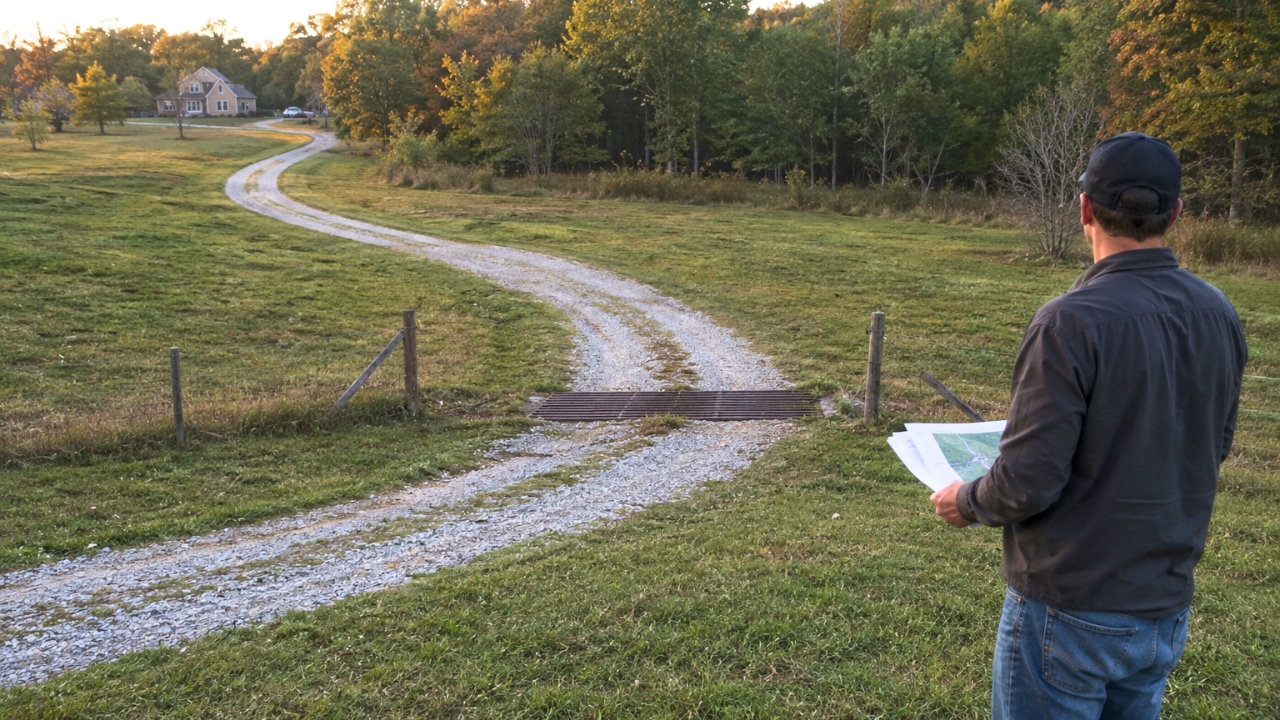
A gravel road across the back of a rural property can look harmless at first.
It may be narrow, worn down, and old enough to seem like part of the land itself. Maybe it disappears through a gate, runs along a fence line, or cuts through a back acre that nobody uses much. A new owner might see it during a showing and assume there is a reasonable explanation.
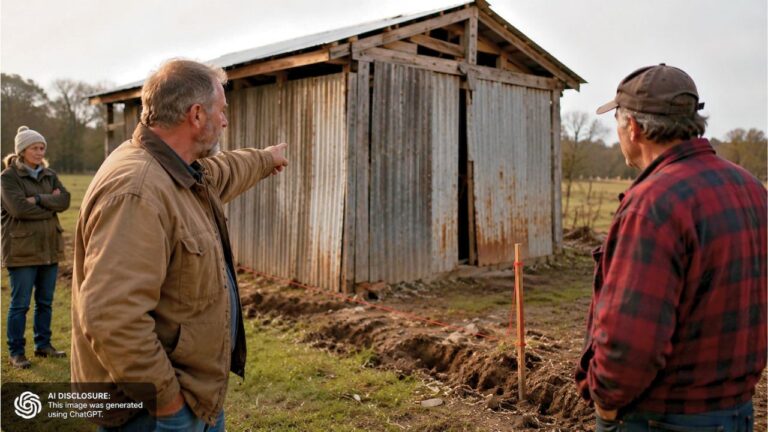
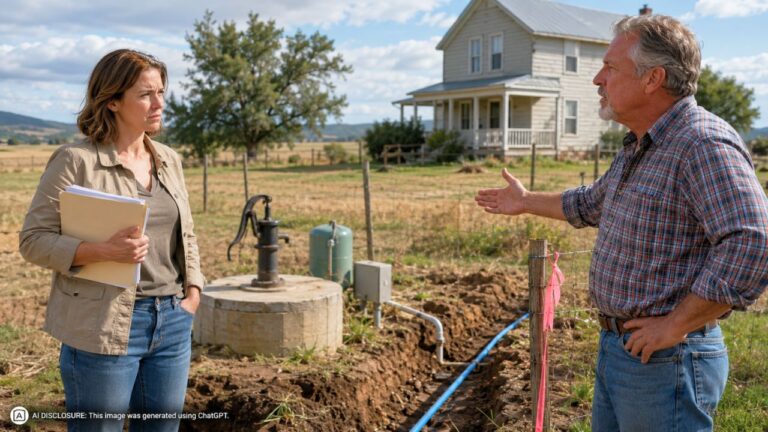
But one new property owner started asking questions after realizing the neighbor was using a gravel road that cut through the back of the land.
At first, the road may have seemed like an old access route.
Then the deed told a different story.
That was when the owner had to ask a much bigger question: why was someone else driving through land they had just bought?
The road looked established
Old access roads can be misleading.
A path that has been used for years can look official even when the paperwork does not support it. Gravel makes it feel even more permanent. Tire tracks, a gate, drainage ditches, and regular maintenance can all give the impression that the road belongs there.
That may have been what made the situation confusing.
The neighbor may have been using the road long before the new owner arrived. Maybe previous owners did not object. Maybe the route was convenient. Maybe it led to another pasture, barn, back field, hunting spot, or driveway connection.
But a road being convenient is not the same as a road being legal.
Once the new owner checked the deed, the informal arrangement started looking much less certain.
The deed did not match the neighbor’s use
The deed mattered because it showed what rights came with the property.
If there was a recorded easement or right of way, the neighbor might have a legal basis to use the road. The details would still matter, but at least there would be something in writing.
But if the deed did not show a right for the neighbor to cut through the back acre, the owner had reason to be concerned.
A neighbor cannot usually turn private land into an access road simply because it is useful. And a previous owner casually allowing use does not always create a permanent right.
That is why the new owner needed clarity.
Were they dealing with a recorded easement that was missed? A verbal permission arrangement? A road used by habit? A mistake from a prior property split? Or a neighbor who had simply gotten used to crossing land that was not theirs?
The road changed how the land could be used
A gravel road is not just a strip of rock.
It affects the land around it.
The owner may not be able to fence the back acre freely. They may not want vehicles passing near livestock, gardens, sheds, children, or private areas. They may worry about ruts, dust, gates being left open, trash, trespassers, hunting access, liability, or damage after heavy rain.
If the neighbor continues using the road, the owner’s control over that part of the property becomes limited.
And if the owner ever wants to sell, the road could raise questions for future buyers. A buyer may wonder whether the neighbor has an access right, whether the road is part of the sale, or whether the land comes with an unresolved dispute.
That is why the deed’s silence mattered.
The owner needed to resolve the issue before the road became an even bigger problem.
The neighbor may have believed the road was allowed
Not every access dispute starts with bad intentions.
The neighbor may have honestly believed they had the right to use the road. Maybe the prior owner told them it was fine. Maybe their family had used it for years. Maybe an old fence, farm road, or gate made the route feel shared.
But belief is not proof.
If the neighbor claimed they had a right to drive through, the new owner needed to see the document that created that right.
A deed. An easement. A recorded agreement. Something official.
Without that, the neighbor’s argument may have been based on habit rather than ownership.
And habit can create a messy fight, especially when the new owner is the first person to seriously question it.
The owner had to be careful before blocking it
A new property owner might be tempted to close the gate, drop a chain, or block the road immediately.
But access disputes can get complicated.
If there is a recorded easement somewhere, blocking the road could create legal trouble for the owner. If the neighbor depends on the road for access to landlocked property, the issue could escalate quickly. If the road has been used for many years, the neighbor may claim some kind of prescriptive or historical right depending on local law.
That does not mean the owner should simply allow the road forever.
It means they should confirm the facts before taking action.
The smart first step is usually gathering documents, reviewing the survey and title work, checking county records, and communicating in writing.
Commenters focused on written proof
When rural road disputes come up, people often tell owners the same thing: do not argue over memories.
Ask for paperwork.
If the neighbor says the road is allowed, they should be able to show where that right is recorded. If they cannot, the owner may need to make it clear that continued use is not permitted without a legal basis.
Commenters also tend to recommend documenting current use. Photos of tire tracks, gates, gravel placement, road location, and any damage can matter. So can written notes about when the neighbor uses the road and what they say about it.
If the issue is not resolved quickly, a real estate attorney may be needed to prevent a casual access route from becoming a long-term property problem.
The real issue was whether the back acre was truly private
What made the discovery so frustrating was that the owner thought they had bought the whole property.
Then they found a neighbor using part of it like a road.
The deed raised questions. The gravel road raised more. And the neighbor’s continued use made the back acre feel less private than the buyer expected.
A road does not have to be paved to matter.
Once vehicles start cutting through land, the owner has to decide whether that use is legal, temporary, or something that needs to stop.
And when the deed tells a different story than the tire tracks, the property owner cannot afford to ignore the road just because it has been there a long time.
Like Fix It Homestead’s content? Be sure to follow us.