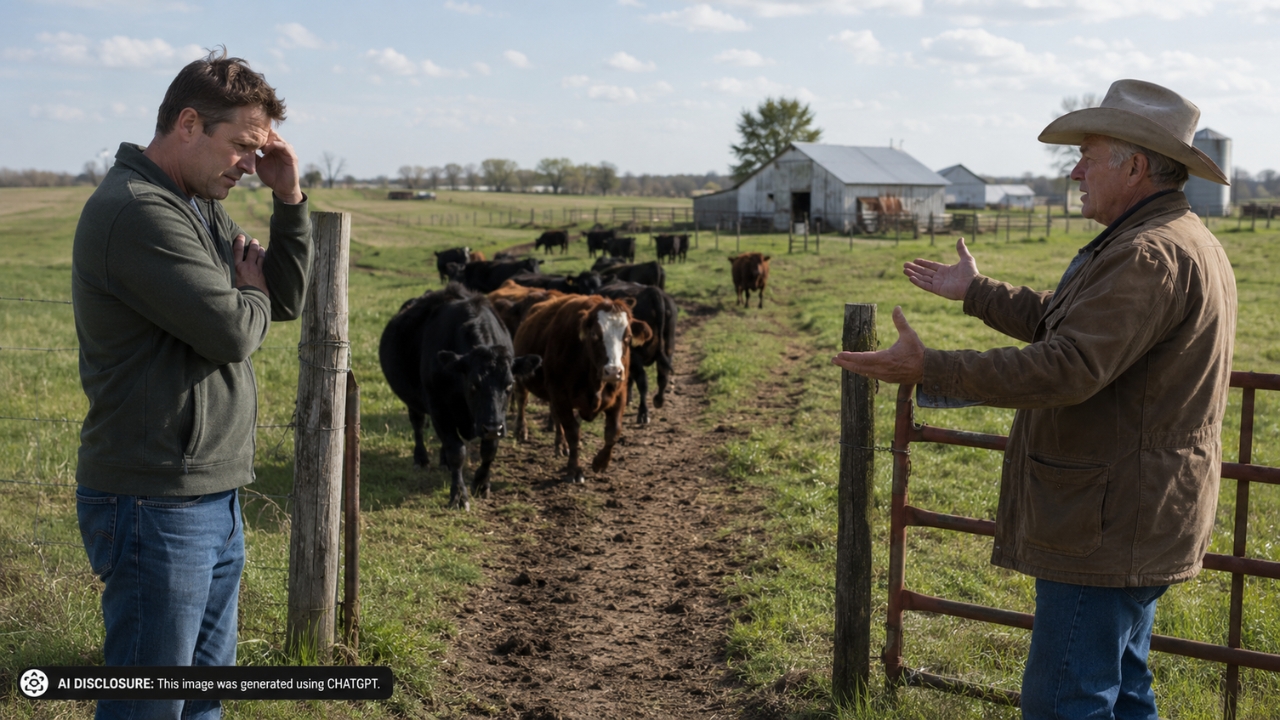
New Rural Landowner Finds the Neighbor Has Been Running Cattle Across the Property for Years — Then the Neighbor Says Blocking Access Would Destroy Their Entire Farming Operation
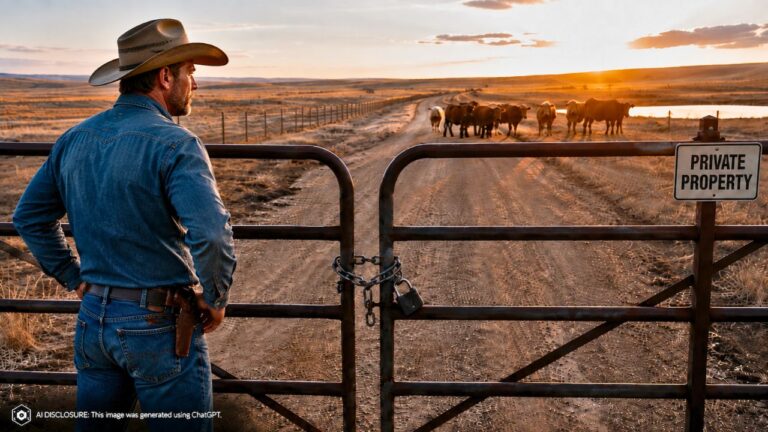
Photo credit: AI-generated image created using ChatGPT. Illustrative only.
You buy rural acreage expecting quiet—maybe a few surprises like downed trees and old equipment. Instead, this new landowner walked into a long-running access tradition: a rough trail and logging road that locals have been using for decades to reach the river and an old railroad track path.
In the original post, the owner explains they just purchased 150 acres in West Virginia from a lumberyard. The land butts up against their existing hunting cabin on a smaller 6-acre parcel. The problem isn’t that people are on the land—it’s what happens if someone gets hurt, and what happens if the owner tries to change anything at all.
A property line on paper, a public road in real life
The 150 acres came with a built-in headache: a logging road that runs from the main road down to the river. For more than 50 years—back when the lumberyard owned it—people have treated that route like a community trail, riding four-wheelers and side-by-sides through the property to get down to the water.
The new owner isn’t trying to shut it down. In fact, they say they plan to use it the same way. But buying land turns “everybody’s always done it” into a personal risk: if someone flips an ATV, steps in a hole, or gets injured, the landowner is the one whose name is attached to the dirt.
That’s where the tension starts. Posting signs, adding a gate, or changing access might protect the owner—but it could also broadcast “outsider moved in,” especially since the property isn’t their primary residence.
The last time they owned land here, vandalism taught them the rules
This isn’t the owner’s first round with rural pushback. A decade earlier, when they bought the hunting cabin on 6 acres, they dealt with vandalism and property destruction. They responded the way a lot of part-time rural owners eventually do: fortify and document.
They installed gates, cameras, and heavy-duty shutters for the windows and doors—practical upgrades, but also a signal that the cabin had become something worth targeting. Now, with 150 more acres next door, they’re trying not to repeat the cycle.
They’re worried that a hard “no trespassing” stance could invite the same kind of trouble again—only bigger, because it’s not just a cabin now. It’s an entire stretch of land that locals have been using longer than the owner’s been alive.
“I don’t mind” meets “I don’t want the liability”
The owner’s goal is specific: allow pass-through use without absorbing the risk. They want to post the property as private in a way that “covers” them if someone is injured, but they don’t want to ignite backlash by throwing up a gate and effectively declaring war on the existing pattern of use.
That’s the hard part about rural land that comes with informal traditions. A trail can feel like a handshake agreement until somebody gets hurt or somebody new buys the parcel. Then it becomes a question of boundaries, responsibility, and whether the old use has turned into an assumed right.
The owner also points out a practical issue: they don’t live in West Virginia. If things escalate—if someone damages signs, cuts locks, or targets the cabin again—they can’t be there every day to respond.
The tree stand turned the trail issue into a face-to-face problem
While hiking the new property, the owner found a tree stand. Not long after, they got a call from the person who put it there. The caller had been leasing hunting rights from the lumberyard and learned that the land had changed hands.
Again, the owner’s first instinct isn’t to ban anyone. They say they have “no issue” with the hunter continuing. The difference is that when a company owns the acreage, people assume there’s insurance, formal paperwork, and some corporate distance if something goes wrong.
When an individual owns it, it feels personal. If the hunter gets hurt climbing into a stand, or if there’s property damage, or if someone else is invited onto the land under that informal permission, the owner doesn’t want to learn the hard way what they’re responsible for.
So now there are two overlapping access problems: recreational traffic using the trail to the river, and a hunter whose previous permission came from a lease agreement that may not carry over cleanly to a new owner.
People pushed one theme: get clarity before you try to be “nice”
The owner mentions they’re already talking to an attorney, but they asked for the human side of it—how to avoid becoming the villain when you’re the new name on the deed.
And that’s usually where rural property stories get sticky: being kind and being clear are not the same thing. Letting people continue using the land informally can feel neighborly, but it can also create expectations. If you later decide you need a gate, or if an injury happens, the “friendly” approach can backfire into “you always allowed it.”
Even without a blow-by-blow of responses in the source material, you can see the shape of what people tend to recommend in these scenarios: document access, put terms in writing, and don’t rely on vague verbal permissions. The moment someone calls you about a tree stand, your land isn’t just land anymore—it’s an active place other people are operating on.
The other theme is control without confrontation. The owner isn’t trying to punish anyone; they’re trying to avoid being punished for something they didn’t cause. That often means changes that feel small to the owner—signage, designated routes, written permission—but feel huge to locals who’ve treated the trail like it was never really “owned” at all.
A quiet property can turn loud fast, even if no one is “wrong”
What makes this land purchase feel tense is that nothing dramatic has happened yet. No fresh vandalism is described on the new parcel. No blowup with neighbors is spelled out. It’s the anticipation—because the owner has already lived through the “we’ll just leave it alone” phase on their cabin property, and it ended with gates, cameras, and shutters.
They’re trying to thread a narrow needle: keep the peace, keep the trail usable, and still protect themselves if somebody gets hurt or if the hunting arrangement goes sideways. That’s a tough balancing act when you’re an out-of-state owner and the land comes with 50 years of local habits baked into it.
For now, the owner is doing what most people wish they’d done sooner: getting counsel early and thinking through boundaries before a crisis forces their hand. But the uneasy part remains—once you post a sign, change a lock, or renegotiate access, the land stops being “the old lumberyard property” and becomes “that new owner’s place.” In rural areas, that label can be the biggest change of all.