Rural Landowner Discovers the Neighbor Had a Septic Tank Installed on Their Land Without Permission — Then the Neighbor Says the Homeowner Will Need to Pay to Have It Removed
Photo credit: AI-generated image created using ChatGPT. Illustrative only.
Six months after buying a quiet plot of land in a small Nebraska town, a future homeowner drove out to meet with a contractor and check on the place. Construction on a new house was supposed to start in about two months. Instead of a simple site visit, they found fresh disturbance near the edge of the property—dirt work that didn’t match any plans they’d approved.
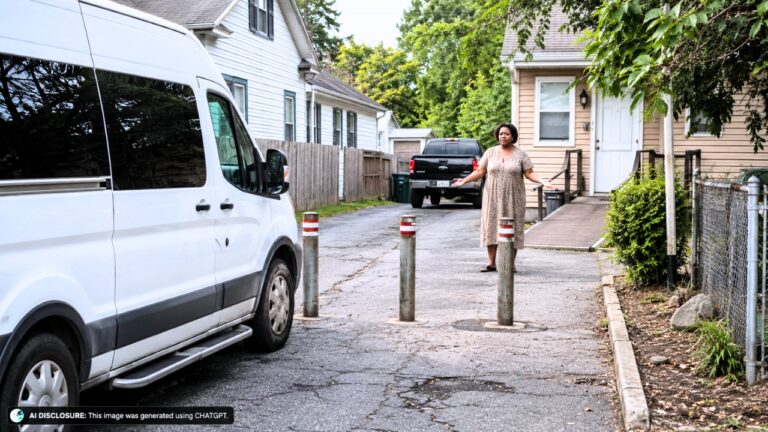
What came next turned into the kind of neighbor dispute that makes rural property ownership feel anything but peaceful. In the source post, the landowner explained that a neighbor had replaced a failing septic system and, somehow, the new work appeared to cross the property line—without permission, without notice, and with the neighbor now claiming the landowner should pay if it needs to be removed.
A building timeline just got blindsided
The landowner and their wife weren’t living on the property yet. They were still in another state, and the land was “pretty much unattended,” which is exactly how surprises happen. When you aren’t there day-to-day, you’re trusting that basic boundaries and common sense will keep things in place.
The plan was also straightforward: build soon, and hook the future home to the town’s sewer system. Septic wasn’t part of the design. So finding out a brand-new septic installation might be sitting where their future build needs room—on land they just bought—wasn’t just annoying. It threatened the schedule and the entire layout.
The dirt told a story before anyone did
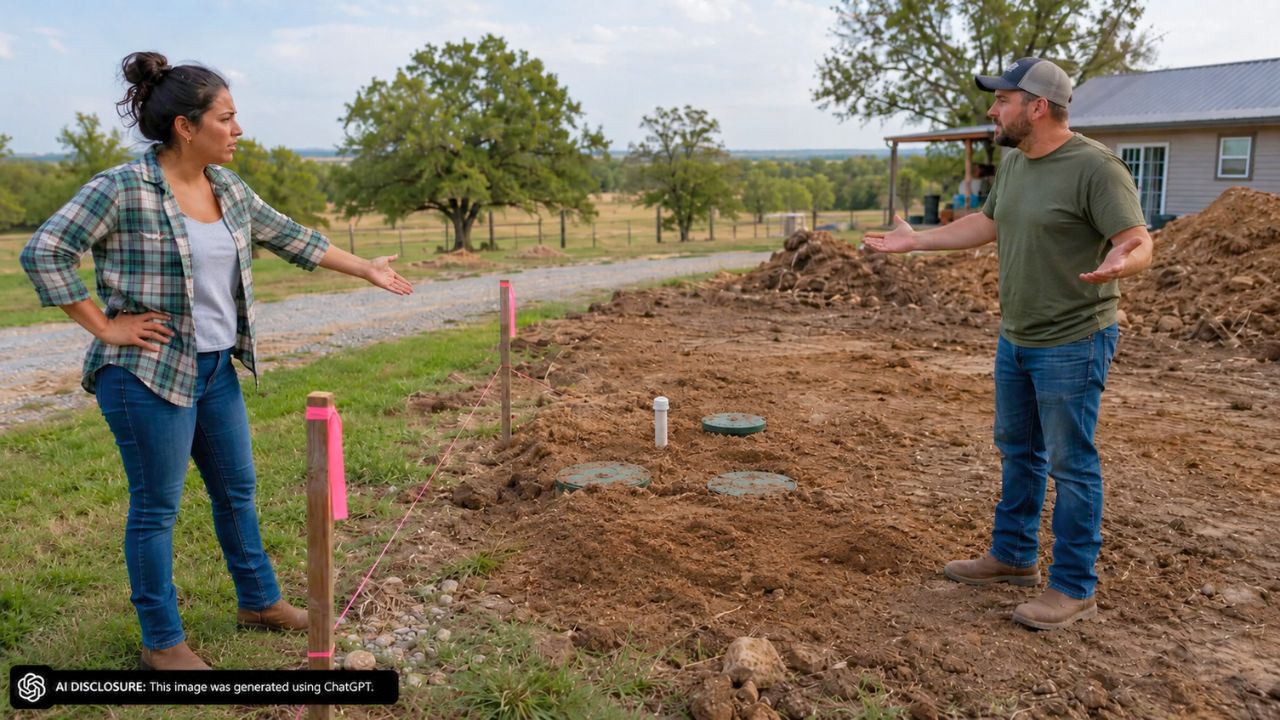
They didn’t know the exact location of the tank at first, but they knew where the digging began. The “start of the dirt they dug up” was about 25 feet from the property line, close enough to make anyone’s stomach drop. In rural areas, lines can be vague in people’s memories, but a trench and disturbed ground is a loud, physical marker that something changed.
Even worse, the work wasn’t fresh. The neighbor said the septic job had been finished more than a month earlier. That meant time had passed for the ground to settle, for paperwork to get filed (if it was), and for everyone involved to get comfortable with the idea that it was “done.”
The neighbor’s first move: question the boundary, then send a bill
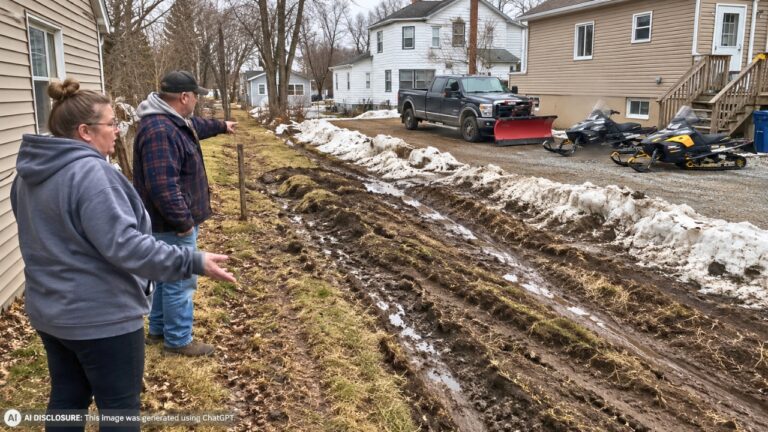
When the landowner confronted the neighbor, the neighbor acted shocked and insisted the property line was farther out than the markers showed. The landowner pointed out the marker locations from their survey done only six months earlier by a reputable company. The neighbor’s response was to request a new survey “by his own guy” to verify it, with that survey scheduled for the following week.
But the neighbor didn’t stop at “let’s confirm the line.” He jumped straight into what he called the “only viable solution”: the landowner should buy the septic system from him. He said it cost $9,000 and offered to settle it for $7,000, framing it like a deal.
That would be a hard sell even if the landowner wanted septic. They didn’t. Their plan was to connect to the town system, making the neighbor’s proposed fix feel less like a compromise and more like an attempt to offload a mistake.
“You’ll have to pay to undo it” is where it turned ugly
The landowner’s preference was simple: reverse what was done and restore the land to how it was. That’s the instinct most property owners have when someone builds on their land without permission—put it back the way you found it. The neighbor shut that down quickly, saying removal “is not possible” because he didn’t have the money.
Then came the line that pushed this from a boundary disagreement into a full-blown standoff: the neighbor said the landowner would have to pay for removal themselves. Not “let’s work something out.” Not “give me time.” The message was basically, “If it’s on your land, you can deal with it.”
Along with the purchase offer, the neighbor floated alternatives that would permanently change the landowner’s property rights: buying an easement for that section of land, or buying that portion outright. Those options might be reasonable in a totally different context—like a planned utility corridor negotiated in advance. Here, they landed like pressure tactics after the fact.
What people zeroed in on: proof, paperwork, and who approved the install
Even with limited details, the practical questions are immediate. Was there a permit? Who signed off on the location? Was anyone supposed to confirm setbacks and boundaries before digging? The landowner admitted they didn’t know what the law required or whether anyone was supposed to check, only that “obviously at this point there is a huge issue.”
That uncertainty is part of why these cases get so tense. A septic system isn’t a shed you can drag back across the line. It’s buried infrastructure tied into sanitation and health rules, and it often comes with inspections, diagrams, and required distances from property lines and water sources. If the neighbor’s installer placed it wrong, there may be a trail of documents showing who designed it, who installed it, and what was approved.
And then there’s the timing problem: construction is set to start in two months. Even a short delay can cost real money when contractors have schedules and materials ordered. Meanwhile, an underground tank and field (if that’s part of the system) can affect where heavy equipment can drive, where foundations can be placed, and what parts of the lot can be disturbed.
A rural reality: unattended land is easy to “borrow” until it isn’t
This is the part that will sound familiar to anyone who’s owned vacant property in a small town. If land sits quiet and no one’s living there, neighbors sometimes treat edges and corners like flexible space—parking equipment, stacking materials, mowing “a little over,” or assuming a boundary based on an old memory.
But a septic replacement isn’t casual borrowing. It’s expensive, disruptive, and hard to undo. The landowner was left staring down a set of bad options: accept an unwanted septic system, negotiate away property rights through an easement or sale, or prepare for a fight over removal and restoration—while their own home build clock keeps ticking.
The neighbor’s insistence that the landowner should pay to correct it added a final layer of insult. The landowner wasn’t just being asked to tolerate the mistake. They were being asked to fund it.
For now, everything hinges on that upcoming survey the neighbor requested—despite the landowner already having a recent one. If the markers hold and the line is where the landowner says it is, the next steps won’t be about friendly small-town problem-solving. They’ll be about who, exactly, is responsible for putting buried infrastructure on the wrong side of a boundary—and how quickly it can be fixed before a planned house build runs straight into someone else’s tank.