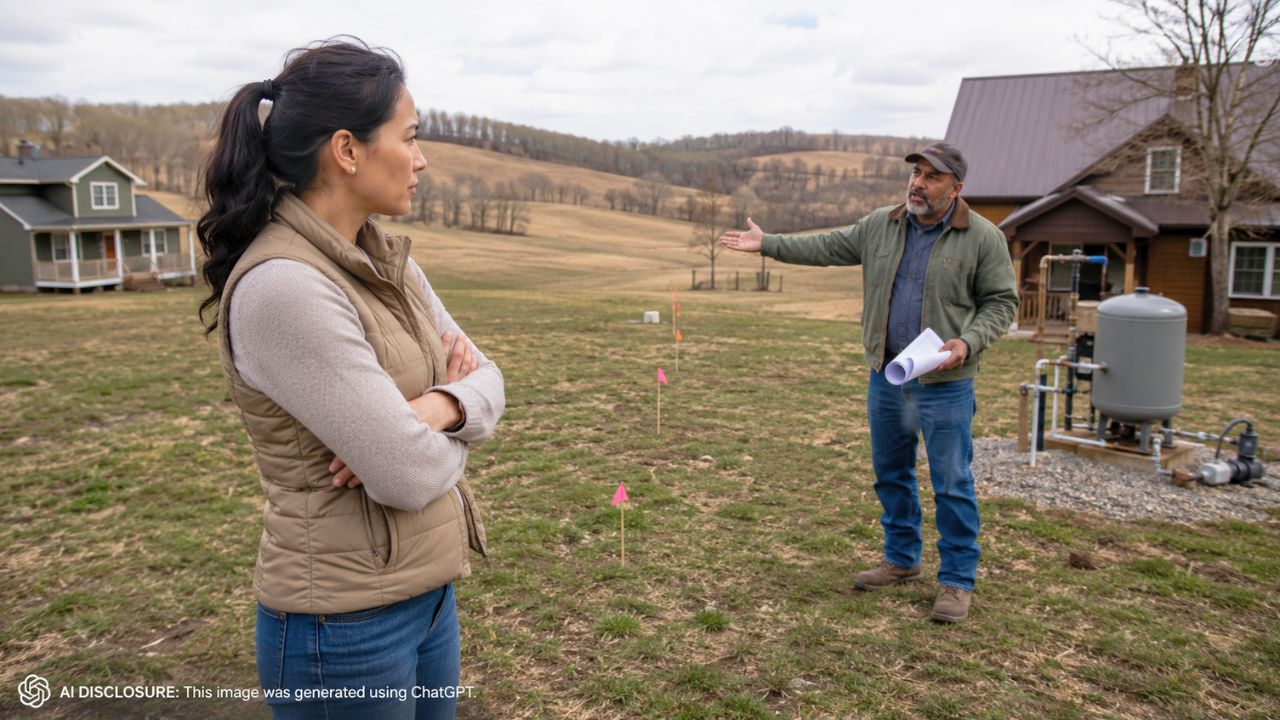
Rural Property Owner Is Asked to Allow the Neighbor to Connect a Water Line Through the Land — Then the Neighbor Says It Is the Only Option and Refuses to Pay for a Formal Easement
Photo credit: AI-generated image created using ChatGPT. Illustrative only.
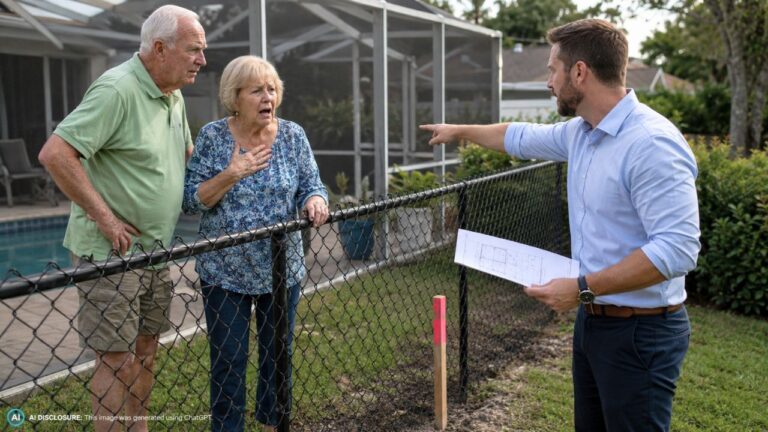
It started as one of those rural neighbor asks that sounds simple on the surface: “Can I run my water line through your property to reach the main?” But once you picture a trench cut across your land, a pipe you don’t control, and future buyers asking questions, “simple” turns into “permanent.”
In the original post, a property owner laid it out plainly: the neighbor wants to connect a water line through their land to the main line, and the owner’s big worry is whether agreeing now becomes a problem later when it’s time to sell.
A friendly request that comes with a long shadow
In the country, neighbors help neighbors. People share driveways, swap equipment, and keep an eye on each other’s place when someone’s out of town. So when a neighbor asks for access to get water hooked up, the first instinct can be to look for a way to make it work.
But water lines aren’t like letting someone cross your field once or parking a trailer for a weekend. They’re buried infrastructure. Once it’s in the ground, it becomes part of the property story—something a future buyer, lender, or title company may want explained in writing.
That’s why the homeowner’s question wasn’t really about plumbing. It was about permanence, paperwork, and whether a favor today turns into a headache tomorrow.
“It’s the only option” quickly becomes pressure
This kind of request often comes with a push: the neighbor frames it as the only possible route to water. Whether that’s truly the only route or simply the cheapest route can be hard for a homeowner to verify without maps, utility details, and sometimes a survey.
And once “only option” enters the conversation, the tone can change. What starts as a request can feel like pressure to comply—especially in rural areas where options are limited and people know each other’s routines.
The homeowner was already thinking ahead: if the line runs through their land, what obligations follow? Who repairs it if it breaks? Who decides where it goes? What happens if they want to build, fence, grade, or plant later and the line is in the way?
The real issue is what happens when you sell
The question in the post hits the nerve most owners feel immediately: will this be a problem when the house sells? That’s the moment the casual handshake idea starts to wobble.
A buried water line used by someone else can affect how a property is marketed, negotiated, and insured. Even if nobody is trying to be difficult, future buyers may ask whether there’s a recorded easement, where it runs, and what rights the neighbor has to access the line for repairs.
If there’s no formal documentation, it can turn into a “he said, she said” situation years later. The neighbor might believe they have the right to dig whenever there’s an issue. The owner might believe they allowed it once, under certain conditions. A new buyer may not want to inherit that ambiguity at all.
And it’s not just buyer nerves. Title work tends to surface anything that looks like a third party using the land. When the paperwork doesn’t match reality, closing gets slower and more stressful.
What makes water lines different from other neighbor favors
A water line isn’t visible day to day. That invisibility is part of the problem. A shared fence line is obvious. A shared driveway shows tire tracks. A buried line sits quietly until something goes wrong—and then suddenly there are backhoes, mud, and an urgent need to access your property.
If the neighbor’s line breaks, the repair path often involves digging. That can mean torn-up grass, damaged landscaping, disturbed drainage patterns, and the kind of patchwork restoration that never quite matches what was there before. Even with good intentions, the person doing the digging usually prioritizes restoring water service, not restoring your yard to pre-trench perfection.
There’s also the question of liability and timing. If the neighbor needs access while you’re away, or while you’re hosting family, or after you’ve just installed a new gate or driveway, how does that get handled? Without a clear agreement, the “emergency” argument can bulldoze normal boundaries.
That’s why owners tend to get nervous when the neighbor wants the benefit of the connection but doesn’t want to pay for the formal steps that make it clean and saleable.
Reactions focused on paperwork, not politeness
Even when people sympathize with a neighbor who needs water, the practical reaction in these disputes usually lands in the same place: if a line is going in, it should be documented. Not as a punishment—just as a way to keep the property usable and marketable.
Homeowners reading a scenario like this tend to zoom in on the part that doesn’t age well: informal agreements. A verbal “you can run it along the edge” can turn into a disagreement about where the edge was, how deep the pipe is, and whether heavy equipment is allowed across the land for future repairs.
People also tend to point out the imbalance that can happen when one side is desperate. The neighbor wants water badly enough to insist it’s the only option, but not badly enough to cover the cost of doing it properly. That gap is often where neighbor relationships start to sour, because the homeowner is left holding the risk while the neighbor gets the utility.
And while most rural neighbors aren’t looking to start a fight, the advice is often the same: protect your future self. The version of you trying to sell in five or ten years doesn’t want to explain a mystery pipe to a cautious buyer.
The tension: being helpful without giving away control
This is the tightrope rural property owners walk all the time. You want to be the good neighbor. You don’t want to be the person who blocks someone’s basic needs. But you also don’t want to accidentally create a permanent burden on your land that you can’t undo.
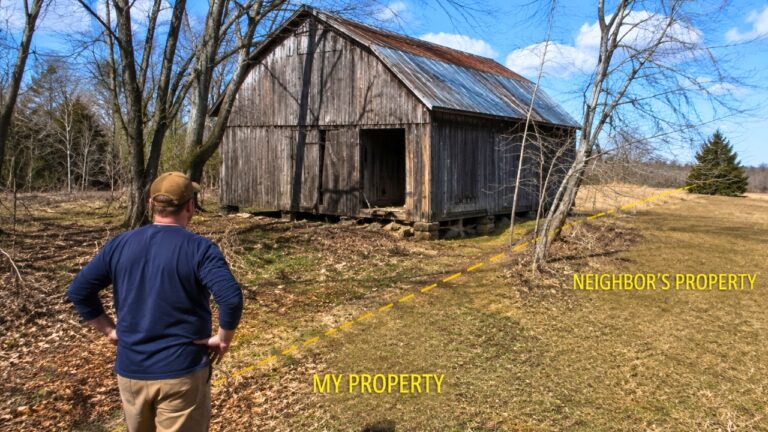
A water line across your property isn’t just a trench today—it’s access tomorrow. It’s the possibility of digging later. It’s a line on a map that can complicate a fence upgrade, a barn pad, or a future subdivision idea. It’s also the potential for hard feelings if you ever say, “No, not there,” after it’s already been placed.
The homeowner who posted wasn’t dramatizing. They were doing the mental math every landowner learns to do: if I agree, does this become my problem? And if I refuse, does this become my problem anyway—just in a different, more personal way?
Rural living is full of favors that keep the peace. But the favors that involve utilities tend to outlive friendships, outlive handshakes, and sometimes outlive ownership itself. That’s what makes this kind of request so loaded—and why a simple question about a water line quickly turns into a question about the future of the property.