Rural Landowner Finds the Neighbor’s Water Line Was Buried Through the Property With No Recorded Easement — Then the Neighbor Says Removing It Would Cut Off Their Only Water Supply
Photo credit: AI-generated image created using ChatGPT. Illustrative only.
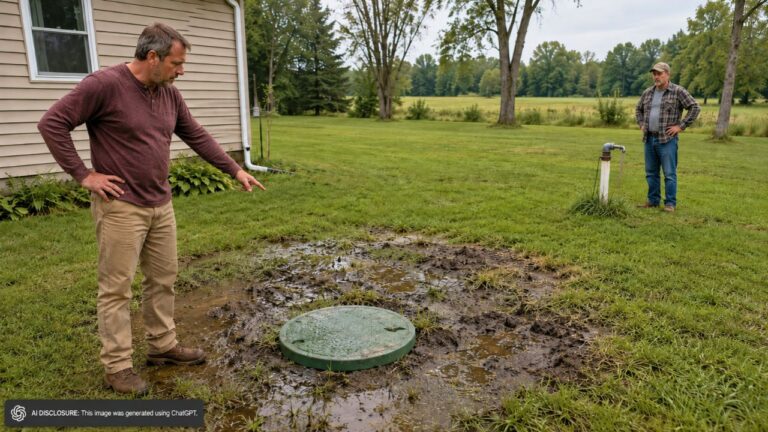
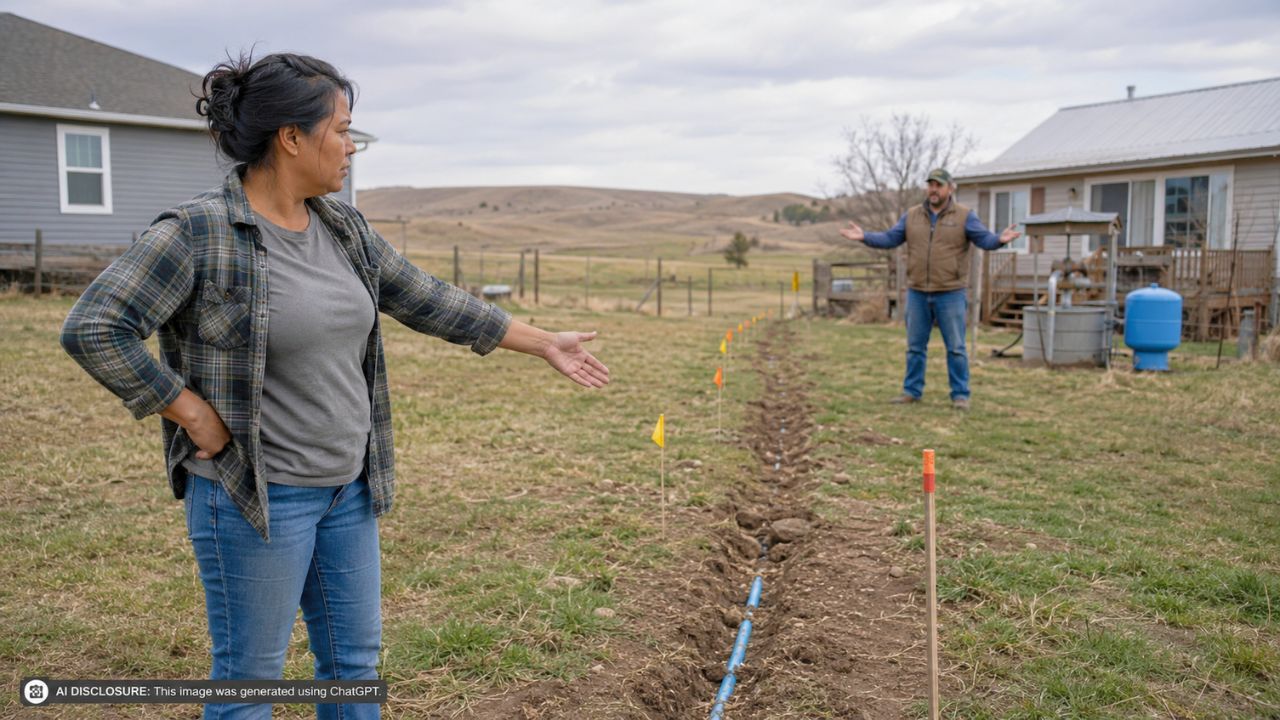
It started with something that looks like a normal yard problem: water bubbling up in the corner of a property. But when the city checked it out, the homeowner learned the wet spot wasn’t a broken sprinkler or drainage issue. It was the neighbor’s water line—buried and running along the homeowner’s yard.
In the original post, the rural Wisconsin landowner describes how a hidden utility line turned into a boundary fight, a landscaping loss, and a bigger question: if there’s no recorded easement, can the neighbor be forced to stop using that line—or even remove it—especially when the neighbor claims it’s their only water supply?
The first sign was water where it didn’t belong
The homeowner’s first clue was simple: water surfacing at the corner of the yard. They did what a lot of people would do—call the city, get it investigated, figure out whether it’s public infrastructure or a private break.
That’s when the surprise landed. The city determined the water line belonged to the neighbor and was routed along the homeowner’s yard. It wasn’t a line the homeowner knew about when they were maintaining the property, planting along the edges, or treating that corner as fully theirs to landscape and use.
At that point, the homeowner tried to be cooperative. They allowed the neighbor to come in and make the repair, partly because it sounded limited—“only…10 feet in”—and partly because it felt like the neighborly thing to do.
A “small repair” turned into heavy equipment and privacy lost
The neighbor reportedly promised to fix the disturbed portion of the yard after repairing the line. The area affected wasn’t just open lawn. It was lined with privacy bushes—8 to 10 feet tall—forming a living barrier and a sense of separation.
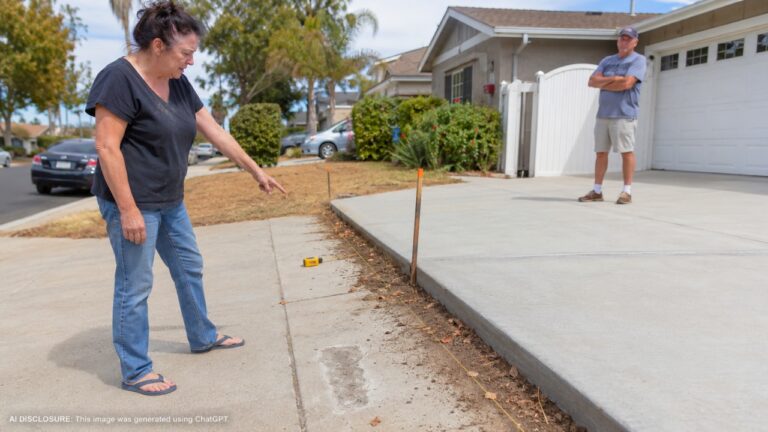
But the repair didn’t stay small. The homeowner says the crew parked a backhoe inside the yard, destroying an additional 40 feet of those established bushes. Instead of restoring the tall privacy screen, the replacement plants were “18” scrubs,” leaving the property exposed.
That’s the kind of damage that doesn’t just change how a yard looks. It changes how it feels. A dense hedge can block headlights, foot traffic, and sightlines. When it’s suddenly replaced with short shrubs, you can feel like your outdoor space is on display.
And once the landscaping is gone, time becomes part of the bill. Even if the replacement shrubs are healthy, they won’t provide real privacy for years.
Then came the paperwork shock: no easement on record
After the damage, the homeowner went looking for the formal permission that would explain why a neighbor’s water line was allowed to cross their property in the first place. What they found was…nothing.
According to the homeowner’s update, city hall said there was no easement. The deed, plat survey, and even the water utility’s records also showed no easement.
That’s where the story shifts from “a messy repair” to “a long-term property problem.” A buried water line isn’t like a temporary trespass. It’s an ongoing use of someone else’s land. It can affect where you build, where you plant, how you dig, and what you disclose if you ever sell. And when something goes wrong again—as buried lines eventually do—the repair crew is back in your yard.
The homeowner’s question wasn’t just about replacing bushes. It was about control: can they require the neighbor to stop running a private utility line through their property?
The legal clock question: 30 years, 20 years, or right now?
Trying to make sense of the options, the homeowner started reading Wisconsin statutes and got stuck in the timeframes. One section they found referenced “Action concerning real estate” and a 30-year window. Another referenced “Prescriptive rights by adverse user” and a 20-year period.
In plain homeowner terms, that confusion is relatable: does the neighbor gain rights over time just by having the line there? If so, when does that clock start? And if the homeowner wants the line removed, how fast do they have to act before it becomes “too late”?
The tension gets sharper when the neighbor’s leverage is implied by the headline-level reality: removing the line could cut off the neighbor’s only water supply. When a utility is involved—especially something as basic as water—people can get dug in fast. The neighbor may see it as survival. The homeowner may see it as a private pipeline they never agreed to, one that already cost them mature landscaping.
Even without a recorded easement, it’s easy to imagine how quickly this becomes a standoff: one side wants their property back, the other wants to keep the tap running.
What other homeowners pushed: document first, then decide how hard to push
Although the post itself focuses on the homeowner’s description and questions, the practical direction people tend to land on in these disputes is consistent: treat it like a property and damage claim, not just a handshake disagreement.
When someone else’s utility line is on your land, “proof” becomes the currency. The homeowner already did an important thing by checking multiple sources—city hall, deed, plat survey, and the water utility—for easement documentation. That kind of paper trail matters because it separates “everyone always knew” from “this was never formally allowed.”
The other half is the damage. The homeowner describes a specific before-and-after: tall privacy bushes replaced with 18-inch shrubs, plus additional destruction from equipment placement. That’s the sort of detail that makes it possible to talk about restoration in a real way, whether that means replacing like-for-like plantings, paying for mature replacements, or compensating for the time it takes new plants to reach the old height.
And once the conversation turns to ongoing access—future repairs, digging, and who gets to authorize entry—homeowners often realize the uncomfortable truth: even if you’re willing to be reasonable, you don’t want to be permanently responsible for someone else’s water problem.
A yard can heal, but the line is still there
Privacy bushes can be replanted. Soil can be graded. But a water line that was quietly routed across someone else’s property doesn’t stop being an issue just because the leak is fixed.
The homeowner in Wisconsin is left staring at two problems at once: the visible loss of a mature hedge and the invisible reality of a neighbor’s pipeline still crossing their land without a recorded easement. Every future landscaping project, every fence post, every shovel in that corner now comes with a question mark.
And that’s what makes this kind of homestead drama so hard. You can want to be neighborly and still need boundaries—literally. When water is involved, the stakes are high on both sides, but the yard belongs to someone, and the paper records (or lack of them) don’t magically fix themselves.