The fence mistake that makes a yard look messy even when it’s clean
Photo credit: Sydni Rudowitz/Shutterstock.com
Your fence frames every view of your yard, so when something is off at the perimeter, the entire space reads as cluttered, even if the lawn is freshly mowed and the patio swept. The most common culprit is not toys on the grass or leaves on the path, but a structural mistake that quietly turns the fence line into a visual dumping ground. Fixing that one detail can instantly make your yard look intentional, polished, and far more valuable from the street.
That mistake is letting the bottom of the fence disappear into soil, mulch, and plants so there is no clean, deliberate gap between the boards and the ground. Once you understand how that narrow strip functions, you can redesign it to control mud, weeds, and water, and your yard will look cared for even on the days when you have not had time to do a full tidy.
The real “messy yard” culprit: a buried fence line
You can keep your grass trimmed and your beds mulched, but if the fence boards sink into dirt or mulch, the entire boundary looks like an afterthought. When the bottom edge is buried, soil splashes up, organic debris piles against the wood, and the line where yard meets fence turns into a dark, uneven band that reads as grime from across the street. Exterior cleaning specialists warn that dirty fences drag down curb appeal because they dominate the sightline long before anyone notices your planting scheme.
Professionals who repair fences point out that the Bottom of the should not be in constant contact with the ground at all. When the boards are touching soil, moisture and insects have a direct path into the wood, which accelerates staining, warping, and rot. That structural damage shows up visually as sagging panels and uneven lines, so the same mistake that makes your yard look messy also shortens the life of the fence you paid for.
Why a clean gap matters more than you think
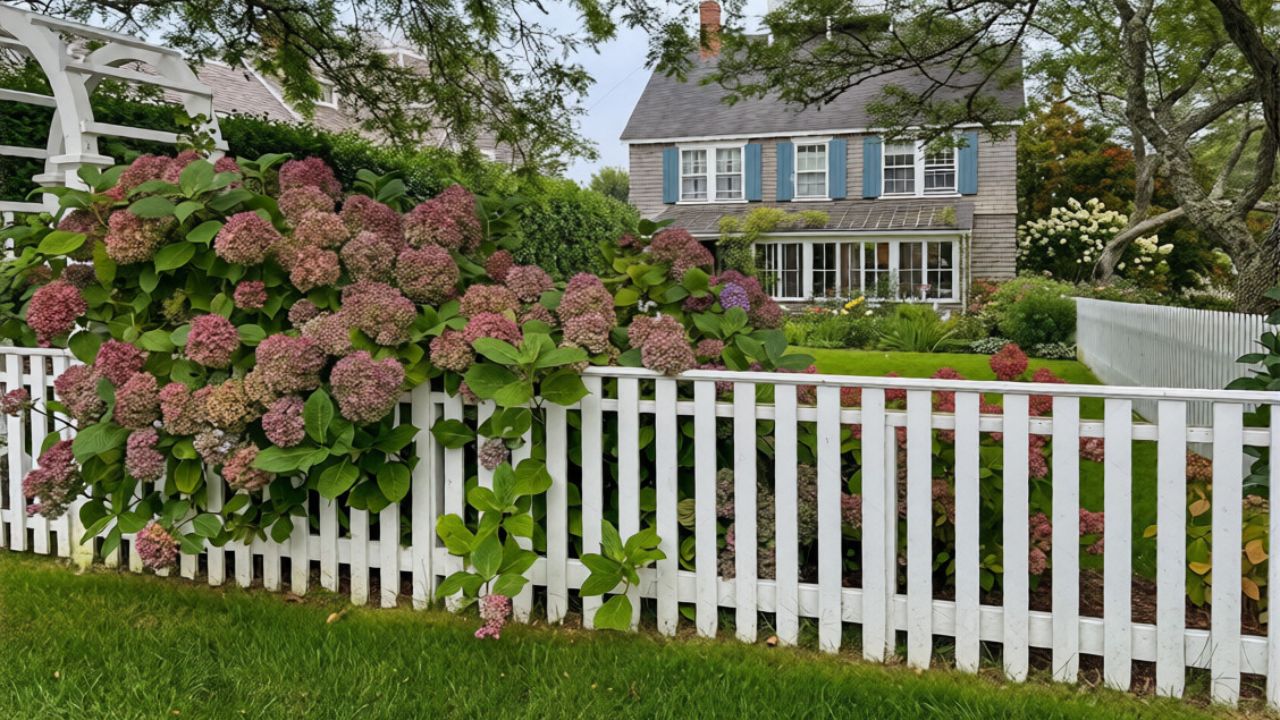
Leaving a deliberate gap between the boards and the soil does more than protect the lumber, it creates a crisp visual horizon that makes the yard feel ordered. When you can see a consistent strip of air or stone under the fence, your eye reads the boundary as straight and intentional, even if the lawn is not perfectly edged that week. Repair specialists stress that whether you have vertical or horizontal wood fences, the boards should sit slightly above grade rather than Touching the Ground the yard is flat or sloped.
That small separation also keeps mud from splashing directly onto the boards every time it rains. Specialists in cedar fencing note that you can control the splashing that causes discoloration by managing how water hits the base of the fence and by keeping a buffer between wet surfaces and the wood, advice that appears in detailed Tips To Help. When you respect that gap, the fence stays lighter, cleaner, and more uniform, which instantly makes the whole yard feel less chaotic.
How soil, mulch, and weeds quietly bury your fence
The problem is that most yards slowly erase that gap over time. Each season, you top up mulch, rake leaves toward the perimeter, or let grass creep closer, and the ground level rises until it presses against the boards. Landscape pros in Salt Lake County warn that if you DON’T manage that build up, you effectively invite moisture and pests to live where the fence should be breathing.
Once weeds and plants are allowed to press against the boards, they trap debris and hide early signs of damage. The same guidance explicitly cautions you not to Allow Weeds or Plants to Grow Against the the rest of your landscaping should work together, not against each other, so that the boundary stays visible and low maintenance instead of becoming a tangle that makes the yard feel neglected.
Drainage, rot, and the hidden cost of a low fence
Beyond appearances, burying the bottom of the fence changes how water moves through your yard. When soil and mulch are banked against the boards, they hold moisture right where the posts and rails are most vulnerable. In COVINGTON, LA, experts have flagged Poor yard drainage as a leading cause of fence failure, especially when landscaping is built too close to fence posts and water has nowhere to go.
When that happens, the UNITED STATES homeowners in similar climates see posts heave, panels lean, and stains creep up from the ground, all of which telegraph disrepair even if the rest of the yard is tidy. The same report from COVINGTON, LA, UNITED STATES notes that water pooling too close to fence posts accelerates decay and can undermine the entire structure, so keeping the base clear is as much about structural integrity as it is about aesthetics, particularly in regions where heavy rain is common and UNITED homeowners are already battling soggy ground.
The edging mistake that makes the mess worse
Even when you try to create a neat border, the details can sabotage you. Garden edging that is installed too shallow allows mulch and soil to spill over, which blurs the line between lawn and fence and gives weeds a perfect foothold. Specialists in metal edging describe how Aug is a frequent time when people notice that mistake, because summer growth quickly overwhelms a low barrier.
They call out that a frequent error is laying edging too shallow, which fails to create a clear separation between lawn and border. When that happens along a fence line, the mulch that spills over ends up right against the boards, effectively burying the base and recreating the same messy, moisture trapping band you were trying to avoid.
Cleaning mistakes that lock in the “dirty” look
Once the bottom of the fence is stained, many homeowners try to blast it clean, but the wrong approach can etch dirt into the grain or leave patchy discoloration that looks worse than before. Deck and fence specialists warn that Using the Wrong can strip protective finishes or react with metals in fasteners, leaving streaks that are almost impossible to hide.
They also note that aggressive pressure washing at the base of the fence can drive water into joints and soft wood, which shortens the life of the structure and can cause fuzzing or splintering along the bottom edge. Another guide on maintenance explains that you should Let the right cleaners and gentle techniques do the work instead of relying on brute force, especially where the boards meet soil, because that is where damage will be most visible and most likely to make the yard look unkempt.
Simple fixes: stone strips, smart planting, and better materials
The good news is that you can correct the buried fence mistake without rebuilding the entire structure. One practical solution is to add a narrow strip of gravel or rock under the boards so there is a hard, clean surface instead of exposed soil. In a homeowner discussion, Denise Paige Boise recommended that you Add #2 stone along the bottom of the fence line, explaining that river rocks or number 2 stone make it much harder for dirt to cake up on the boards.
Fence specialists echo that idea when they advise you to keep a buffer between sprinklers, soil, and wood so you can control splashing and reduce weathering, guidance that appears again in detailed Here instructions for cedar. When you combine that stone strip with smarter planting, keeping shrubs a few inches off the boards and choosing varieties that do not sprawl, you create a tidy negative space that reads as intentional design instead of neglect, and you give yourself a low maintenance way to keep the fence from visually dissolving into the ground.
Maintenance habits that keep the line crisp
Once you have re established a gap, the way you maintain the fence will determine whether it stays sharp or slides back into looking buried. Specialists in restoration emphasize that you should Clean It Regularly so that mildew, dirt, and algae do not build up along the bottom edge, where they are most visible and most likely to spread.
The same guidance, introduced with a simple Here, also urges you to replace damaged boards or rails promptly so that one warped or rotted section does not drag down the appearance of the entire yard. Regular inspections, especially after heavy rain, help you catch early signs that soil is creeping back up or that drainage is failing, so you can correct the issue before it becomes another full scale cleaning project.
Designing the fence to work with your landscape, not against it
Over the long term, the cleanest looking yards are the ones where the fence and landscape were planned together. That starts with choosing materials that suit your climate and maintenance style. Specialists in residential fencing stress that you should Pick The Right is perhaps the most crucial step, because the wrong material will weather quickly and show every splash and stain along the bottom edge.
When you integrate the fence into your planting plan, you can use low groundcovers, gravel bands, or steel edging to frame that gap so it looks like a deliberate design feature rather than an empty strip. Landscape guidance also reminds you that fences and beds should not fight each other, which is why you are told again not to Allowi plants to overwhelm the boards. When you respect that boundary, your yard reads as composed and clean, even on the days when there are toys on the grass or leaves on the patio.
When to call in pros and what they actually fix
If the fence line is already stained, sagging, or buried in soil, professional help can reset the baseline so your regular maintenance is easier. Exterior cleaning companies note that Fortunately professional fence and deck cleaning can remove deep staining and restore a uniform color, which immediately improves curb appeal.
Fence repair experts, including those who share case studies in videos where personalities like Crusty the Pizza Man react to what happens when fences go wrong, also show how resetting posts, trimming boards, and re grading soil away from the base can bring back that crucial gap. When you pair that structural work with better drainage, smarter edging, and regular cleaning that avoids the common mistakes outlined in guides on 5 common errors, you end up with a fence that makes your yard look composed even on imperfect days.
Like Fix It Homestead’s content? Be sure to follow us.
Here’s more from us:
- I made Joanna Gaines’s Friendsgiving casserole and here is what I would keep
- Pump Shotguns That Jam the Moment You Actually Need Them
- The First 5 Things Guests Notice About Your Living Room at Christmas
- What Caliber Works Best for Groundhogs, Armadillos, and Other Digging Pests?
- Rifles worth keeping by the back door on any rural property
*This article was developed with AI-powered tools and has been carefully reviewed by our editors.