The inspection requirement homeowners learn about too late
Homeowners often assume the stressful part ends when you close on a house and secure an insurance policy. In reality, one of the most consequential inspections happens after you move in, when your insurer quietly sends someone to decide how risky your property really is. That post‑binding review can change your coverage, your premium, or even your eligibility, and many owners only discover the rules when a warning letter lands in the mailbox.
Understanding how this behind‑the‑scenes inspection works, what inspectors look for, and how to prepare can save you from surprise cancellations and expensive last‑minute repairs. It can also help you use other, optional inspections strategically, so you are not blindsided by problems that an insurer, builder, or lender already expects you to manage.
The inspection that shows up after you think you are done
Once your homeowners policy is approved and in force, you are not actually finished with underwriting. Insurers routinely bind coverage first, then send someone out to inspect the property and verify that the home matches what was on your application. One detailed guide notes that Insurers commonly schedule this visit within the first 30 to 60 days after the policy takes effect, which means the real judgment on your home comes after you have already moved in and started paying premiums.
That timing is not an accident. It lets the company start collecting payments while still reserving the right to adjust your rate or cancel if the property turns out to be riskier than expected. One breakdown of what happens After you are approved explains that the inspection window, again up to 60 days, is when the company decides whether your roof, wiring, or other systems are acceptable or need immediate attention. If you are not ready for that visit, you can find yourself scrambling to fix big-ticket issues on a deadline you did not know was coming.
Why insurers care so much about your roof, wiring, and plumbing
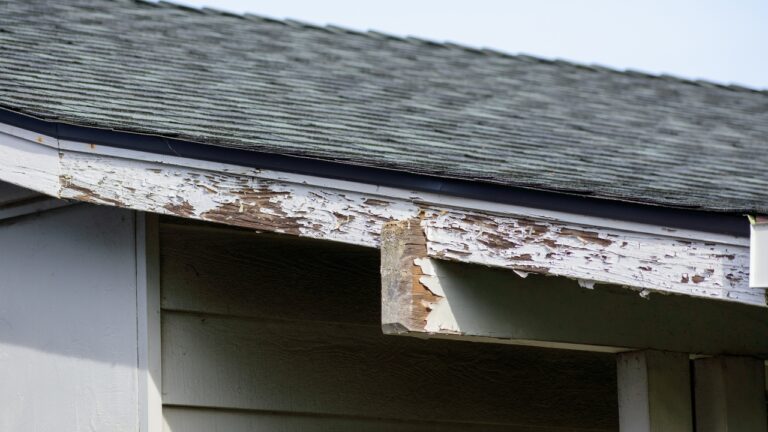
From the insurer’s perspective, the post‑binding inspection is about hard numbers, not aesthetics. Companies are trying to quantify how likely you are to file a claim, and the fastest way to do that is to look at the age and condition of the systems most likely to fail. In Frequently Missed Inspection discussions, inspectors point out that certain areas, like roofs and drainage, hide problems such as damaged shingles, leaks, or bad runoff that can lead directly to water damage claims.
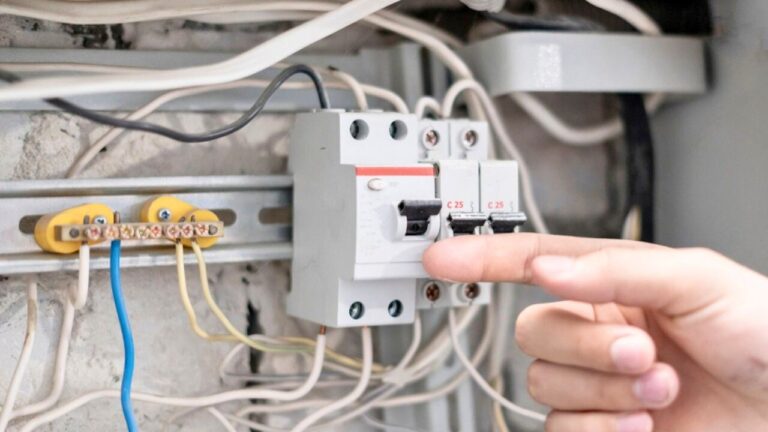
In some markets, the focus is formalized into a specific checklist. A widely used format is the “4‑point” review, which zeroes in on the roof, electrical system, plumbing, and HVAC. One practitioner notes that a 4 points inspection is required mainly by Citizens insurance so the company can see the age and type of plumbing, the electrical panel, the HVAC system, and the overall condition of the house. If those core systems are outdated or visibly failing, the insurer sees a higher probability of fire, burst pipes, or storm damage, and your policy terms shift accordingly.
How the “insurer of last resort” raised the bar
Nowhere is the inspection requirement more explicit than in states where private carriers have pulled back and public programs have stepped in. In Florida, the state‑backed insurer of last resort, Citizens Property Insurance requires a four‑point inspection for all applications on homes more than 20 years old. That means if your house crosses that age threshold, you cannot even get in the door without a formal report on those same four systems.
Private carriers are watching the same risks, even if they do not use the exact same form. A broader overview of companies that sometimes skip inspections still notes that no‑inspection policies are the exception, not the rule, and even those carriers may still order a review later if something about the property or claim history raises a red flag. For you, the takeaway is simple: once your home hits a certain age, you should assume that a detailed inspection of its major systems is not optional if you want to keep coverage affordable and uninterrupted.
What actually happens when the inspector arrives
Home insurance inspections are not glamorous, but they are thorough. One homeowner in a Comments Section thread described how the inspector walked through every room, opened closets, and took photos of each space. Another account in the same Cautious thread noted that She documented exterior features as well, looking for things like missing handrails, cracked steps, or overgrown trees that could fall on the roof.
From the company’s standpoint, this is a data‑gathering exercise. The inspector is checking whether the home matches the description on your application and whether there are obvious hazards that were not disclosed. A detailed explainer on what home inspections cover notes that the carrier may use the findings to adjust your replacement cost estimate, recommend repairs, or require you to address specific issues within a set time frame. If you treat the visit as a chance to walk through concerns and show that you are maintaining the property, you are more likely to come out with manageable recommendations instead of ultimatums.
The letter that turns your dream home into a deadline
For many owners, the first sign that the inspection is more than a formality is a terse notice from the insurer. One homeowner in a widely shared thread wrote, “I received a notice today from my insurance company that they need an inspection,” then learned that HOI providers have made this standard practice as they reduce risk exposure. A commenter in the same You discussion spelled out the stakes bluntly: you comply with the request or face cancellation.
Another buyer in a separate thread described how they had “barely had the house two weeks” when a notice arrived from their carrier. A commenter using the handle Ugh explained that they knew the roof was over 20 years old and would need replacement, but the inspection compressed that long‑term plan into an immediate requirement. The pattern is consistent with formal guidance that, After approval, the company can use the inspection window of up to 60 days to demand repairs or cancel. If you are not budgeting for that possibility, the letter can turn your dream home into a race against the clock.
Why your pre‑purchase inspection is not enough
Many first‑time buyers assume that the inspection they ordered before closing will satisfy everyone. In reality, that report is designed to protect you during negotiations, not to meet your insurer’s underwriting standards. A buyer‑focused advisory stresses that the buyer’s inspection, along with termite, radon, and sewer checks, are recommended but optional, and that All of them can be waived if a purchase contract is written that way.
That flexibility can tempt you to cut corners in a hot market, but it does nothing to change what your insurer will require later. A separate warning to new buyers notes that Many first time homebuyers make the mistake of thinking they are in the clear once they have signed a sales contract, and urges you to Remember that the process is not over until you have the keys and the right coverage. If you waive or rush your own inspection, you may not discover issues that an insurer will flag later, leaving you with less leverage to negotiate repairs and no easy way to walk away.
The social‑media chorus: “All homes get an inspection”
Real‑world stories from owners and agents have started to fill in what the fine print leaves out. In one Hey Friends post aimed at recent buyers, an agent opens with “Hope this helps you and your clients,” then spells out that All homes get an inspection for insurance purposes, typically after closing. That simple line captures the disconnect: buyers treat the policy as the finish line, while insurers treat it as the start of a deeper review.
Other threads echo the same theme. One homeowner who “recently purchased a house, needs repairs” shared their surprise at how quickly the insurer’s inspector appeared, prompting a flurry of advice from more experienced owners. In parallel, a separate HOI discussion framed the inspection as something that “has become the normal for several years” as companies try to reduce risk. When you read those accounts together, the pattern is clear: if you are buying now, you should plan for an insurance inspection as a standard, near‑term event, not a remote possibility.
The other inspection deadline: your builder’s warranty
Insurance is not the only area where a quiet deadline can cost you money. If you bought new construction, your builder’s warranty typically runs for one year, and the most effective time to document problems is just before that coverage expires. One detailed explainer asks, “What is an 11‑month warranty inspection?” and answers that it is a full home inspection performed by a professional before the builder’s warranty ends, so you can require the builder to fix defects while they are still responsible.
Another guide on end‑of‑warranty checks opens with “Does your home builder warranty on your new construction house expire soon?” and follows with “Have you conducted your own thorough home inspection yet?” The message is blunt: if you miss that 11‑month window, you could be stuck paying thousands of dollars in future repair expenses that would have been covered. When you line that up next to the insurer’s 30 to 60 day review, you start to see a calendar of inspections that can either protect your investment or quietly erode it.
How to get ahead of inspections instead of dreading them
Once you accept that these inspections are coming, the question becomes how to use them to your advantage. One consumer‑education video frames the process as “know before you owe,” explaining that the goal is to make sure people are aware of key issues before they make the biggest purchase of their lives. The presenter in that Nov segment urges buyers to treat inspections as a planning tool, not just a negotiation tactic, so you can budget for upcoming roof, plumbing, or electrical work instead of being forced into emergency projects.
On the insurance side, you can apply the same mindset. A detailed overview of what Insurers look for suggests that you review your roof, railings, steps, and visible wiring before the company’s inspector arrives, and fix obvious hazards in advance. A separate breakdown of Frequently Missed Inspection highlights areas like attics, crawl spaces, and roof edges where small problems can hide until they become big claims. If you or a trusted inspector check those spots early, you are far more likely to sail through the insurer’s visit with minor recommendations instead of a repair ultimatum.
Turning fine print into a checklist
When you step back, the “inspection requirement homeowners learn about too late” is really a cluster of overlapping obligations that arrive at predictable moments: right after you bind coverage, when your home hits a certain age, and just before your builder’s warranty expires. A practical way to manage them is to build your own checklist. Start by assuming that your insurer will send someone within the first 30 to 60 days, that a carrier like Citizens Property Insurance will demand a four‑point review once your home is over 20 years old, and that your builder’s obligations largely end at month eleven.
From there, you can schedule your own inspections to stay ahead of each deadline. Use a pre‑purchase inspection not just to haggle over price, but to map out the repairs you will tackle before the insurer’s visit. Plan an 11‑month inspection so you can hand your builder a punch list while the warranty is still active, as outlined in the 11‑month guidance and the end‑of‑warranty reminders. If you treat each inspection as a scheduled opportunity to catch problems early, rather than a surprise judgment, you turn the fine print into a plan that protects both your home and your budget.
Like Fix It Homestead’s content? Be sure to follow us.
Here’s more from us:
- I made Joanna Gaines’s Friendsgiving casserole and here is what I would keep
- Pump Shotguns That Jam the Moment You Actually Need Them
- The First 5 Things Guests Notice About Your Living Room at Christmas
- What Caliber Works Best for Groundhogs, Armadillos, and Other Digging Pests?
- Rifles worth keeping by the back door on any rural property
*This article was developed with AI-powered tools and has been carefully reviewed by our editors.