The pipe-freeze prevention move that takes 10 minutes and saves thousands
When temperatures plunge, the most expensive damage in your home often starts inside a narrow copper or plastic line hidden in a wall. A single burst pipe can soak drywall, buckle flooring, and force you into weeks of repairs that run into the thousands, yet the simplest way to avoid it takes about ten minutes of preparation. By combining a quick faucet drip with a few targeted checks, you can turn a vulnerable plumbing system into one that rides out Arctic blasts without drama.
The core idea is straightforward: keep water moving, keep cold air away from pipes, and give any expanding ice somewhere to go. If you treat that ten‑minute routine as non‑negotiable whenever a hard freeze is in the forecast, you dramatically cut the odds of waking up to a flooded kitchen or a collapsed ceiling. The rest is about knowing where to look, what to adjust, and how to back up that fast fix with smart, low‑cost upgrades.
Why frozen pipes are a five‑figure problem waiting in your walls
You feel a cold snap in your fingers and toes, but your plumbing feels it in pressure. When water inside a pipe freezes, it expands and pushes outward on the pipe walls until something gives. That rupture might be in a crawl space, a garage, or a ceiling cavity, but the result is the same: once the ice plug thaws, pressurized water can gush into your home at full line pressure, soaking everything in its path. Guidance on what to do if you have frozen or burst pipes explains that this expansion is exactly why a frozen line that looks harmless at dawn can become a catastrophic leak by lunchtime.
The financial stakes are just as stark as the physics. A short video warning that the cheapest winter insurance you can buy is pipe protection notes that with wind chills dropping to -20°F or lower, frozen pipes are the number one winter headache for homeowners and that a single burst can cost thousands in repairs, from flooring and cabinets to insulation and electrical work, all before you factor in temporary housing or insurance deductibles, as highlighted in a Dec cold‑weather warning. When you weigh that against a few minutes spent preparing your plumbing, the math is brutally simple: prevention is not just cheaper, it is the only rational choice.
The 10‑minute move: drip the right faucets, the right way
The fastest, most effective step you can take before a freeze is to let a small stream of water run from selected taps. Moving water is harder to freeze than standing water, and it relieves pressure if ice does begin to form. Emergency guidance notes that When the weather is very cold outside, letting cold water drip from the faucet served by exposed pipes helps prevent those lines from freezing by keeping water moving through them. That is the ten‑minute move in a nutshell: you are buying safety with a trickle of flow.
To make that trickle count, you need to be deliberate. Municipal guidance on how to Prevent Frozen Pipes advises that if prolonged freezing temperatures are in the forecast, some residents may wish to drip their faucets to avoid water freezing in the lines and to keep lines from freezing altogether. Plumbing specialists go further, explaining that Understanding the Need to Drip Faucets, and Maintaining a slow but steady flow, means Moving water reduces the risk of frozen pipes significantly. In practice, that means opening the cold side of the faucet farthest from your main shutoff to a thin, pencil‑lead stream, then repeating the process for any taps that feed vulnerable runs, such as those on exterior walls or above unheated spaces.
How much drip is enough, and what about your water bill?
Homeowners often hesitate to run water overnight, worried that they are trading one bill for another. The reality is that the volume involved in a proper drip is modest compared with the cost of a single repair. Plumbing experts who focus on how to drip faucets properly stress that to effectively protect your plumbing, you only need a small, continuous flow, and that this approach reduces the risk of frozen pipes significantly without turning your sink into a firehose, as outlined in advice on Drip Faucets. In most homes, that translates to a stream that is thicker than a drip but thinner than a pencil, just enough to be clearly running rather than intermittently dropping.
That small stream might add a few dollars to a monthly bill during a severe cold spell, but it is still a fraction of what you would pay to replace soaked drywall or refinish hardwood floors. Public guidance on how to Prevent Frozen Pipes reinforces that you should Drip cold water in the farthest faucet from your meter during cold weather, and pair that with a thermostat setting above 55 degrees to keep the whole system safer. When you compare the cost of a few extra gallons to the thousands tied to a burst, the economics tilt decisively toward that ten‑minute routine.
Set your thermostat and cabinets to work for you
Water in your pipes does not care what the weather app says, it cares about the temperature of the air around the pipe itself. That is why your thermostat setting is part of your freeze‑prevention toolkit. Cold‑weather campaigns that focus on how to Prevent Frozen Pipes recommend that you Set home thermostats above 55 degrees during cold weather so interior lines never flirt with freezing. That figure, 55, is not about comfort, it is about physics: it gives you a buffer so cold air that sneaks into a wall cavity or under a sink has to lose a lot more heat before it can threaten your plumbing.
Inside the house, you can also enlist your cabinets and doors. Consumer guidance on how to keep pipes from freezing notes that if you have small children, you should remove any harmful cleaners and household chemicals from open cabinets before you leave them ajar so warm air can circulate around the plumbing, a point highlighted in advice published in Oct. The combination of a steady indoor temperature and open cabinet doors turns what would have been a cold, stagnant pocket of air into part of your heated living space, which is exactly what you want when the forecast calls for a brutal overnight low.
Do a 10‑minute exterior sweep: hose bibs, garages, and crawl spaces
Your quick freeze‑prep should not stop at the kitchen sink. A fast walk around the outside of your home can eliminate some of the most common failure points. Outdoor spigots are a prime example, especially older designs that leave water sitting right behind the handle. Guidance on preventing winter damage explains that with Regular Hose Bibs, you should Find attached hoses, disconnect them, and pour out any water that is standing inside the hose, then Wipe down the connection so no trapped moisture can freeze and expand inside the fitting, as detailed in advice on Regular Hose Bibs. That ten‑minute ritual removes a hidden reservoir of water that can turn a simple spigot into a cracked pipe inside your wall.
While you are outside, take a moment to close or insulate foundation vents that blow frigid air into crawl spaces, and check that garage doors are fully closing so pipes near the slab are not sitting in a wind tunnel. A televised segment on Jan cold‑weather tips underscores that with the coldest air of the season just a couple of hours away, now is the time to think ahead and plan before it arrives, not after you see frost on the inside of your windows. That exterior sweep, paired with your faucet drip, turns a vulnerable perimeter into a first line of defense.
Insulation: the cheap upgrade that multiplies your 10‑minute effort
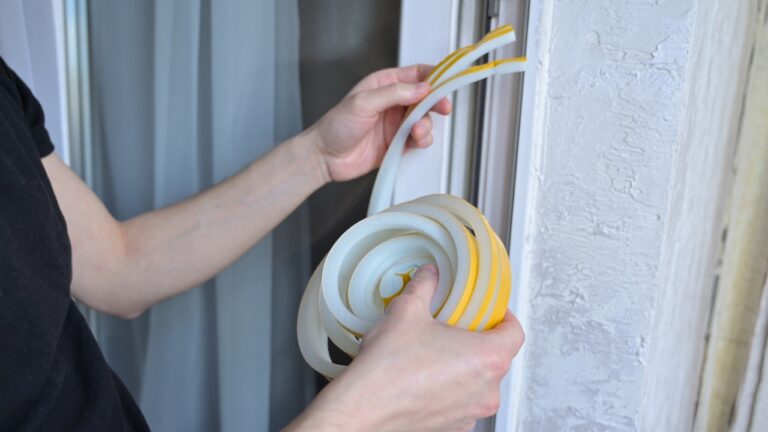
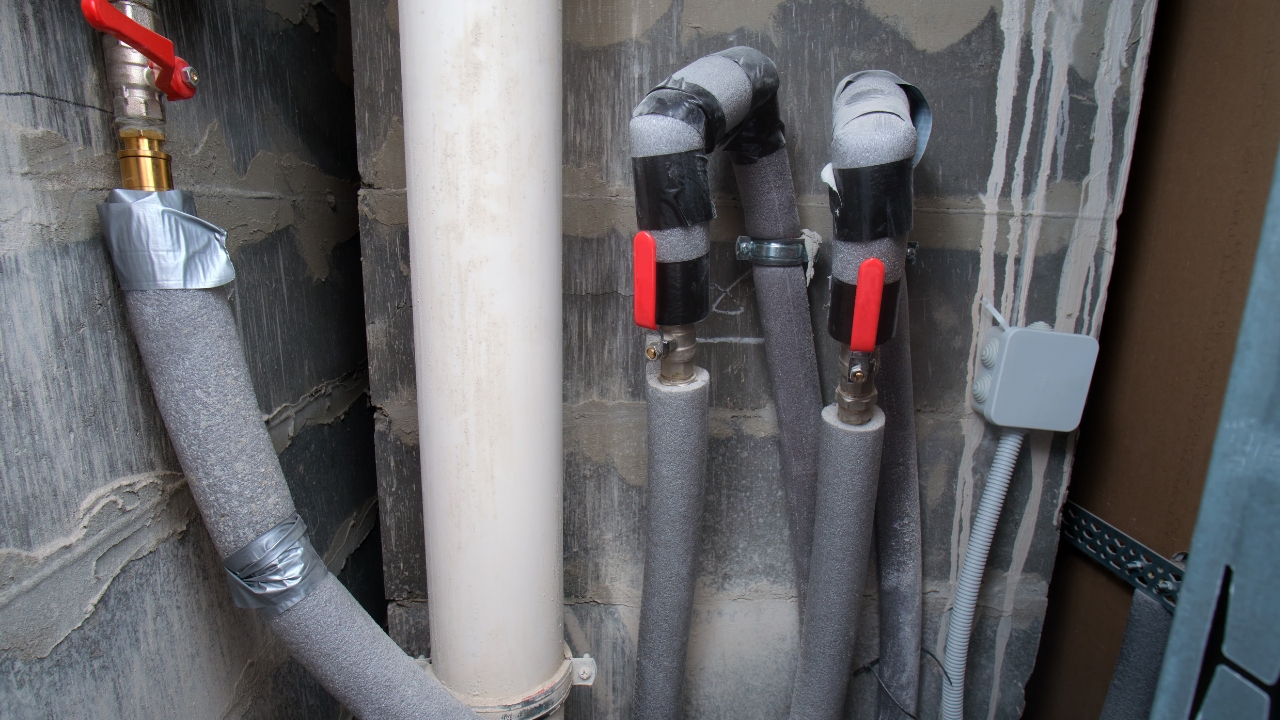
Dripping faucets buys you time, but insulation buys you margin. Wrapping exposed lines in foam or fiberglass keeps them closer to room temperature, which means your ten‑minute routine has less work to do when the mercury plunges. A detailed guide on how to Prevent Frozen Pipes notes that There are number of steps you can can take when learning how to keep pipes from freezing, and that Insu materials like foam sleeves are inexpensive and easy to cut to size. Once you know how to identify vulnerable runs, you can walk into a home center and head straight to the exact aisle and bay for the right Pipe insulation.
Professional service checklists echo that message. A guide titled Six Ways to Prevent Frozen Pipes stresses that you should Insulate your pipes because Pipe insulation is cheap and widely available at home improvement stores, making it one of the highest‑value upgrades you can install in an afternoon. Combined with the ten‑minute drip routine, that foam wrap turns a marginal pipe into a resilient one, especially in basements, attics, and crawl spaces where air temperatures can lag far behind the rest of the house.
Know your home’s weak spots before the next Arctic blast
The most effective ten‑minute routine is the one tailored to your specific floor plan. That starts with mapping where your pipes actually run. Guidance on how to Prevent Frozen Pipes explains that once you know how to spot vulnerable lines, such as those in exterior walls or unheated spaces, you can target your efforts instead of guessing. That might mean prioritizing a bathroom over a laundry room, or a kitchen sink that sits on a north‑facing wall over one that backs onto a heated pantry.
Local emergency planners and utility departments also encourage you to think about how your house rests on its foundation and where cold air naturally pools. Consumer guidance tied to Oct cold‑weather preparation notes that while it may be tempting to focus only on the obvious fixtures, you should also consider pipes that run through garages, overhangs, and additions that were built with less insulation. Once you have that mental map, your ten‑minute move becomes a targeted checklist: open the right cabinets, drip the right taps, and verify that the coldest corners of your home are getting at least some warmth.
What to do if a pipe still freezes despite your best efforts
Even a disciplined routine cannot control every variable, especially in older homes or during record‑breaking cold. If you turn on a faucet and only a trickle comes out, you may already be dealing with a frozen section. Guidance on Why frozen pipes sometimes burst explains that Water expands as it freezes, pressurising the pipe until it fails, which is why you should act quickly but carefully. Turn off the main supply if you suspect a rupture, and start gently warming the affected area with a hair dryer or space heater, keeping safety in mind and avoiding open flames.
Emergency preparedness guidance on Running water through the line once it begins to thaw can help melt remaining ice and relieve pressure, but you should stay nearby to watch for leaks as the flow returns. Professional service checklists, such as those in the Prevent Frozen Pipes and thawing guidance, emphasize that if you see bulging, hear hissing, or notice water stains, it is time to call a licensed plumber rather than pushing your luck. Your ten‑minute routine reduces the odds of reaching this point, but if you do, a calm, methodical response can still limit the damage.
Turn a one‑night fix into a winter habit
The real power of that ten‑minute move is not in a single night of dripping faucets, it is in turning it into a reflex whenever the forecast threatens your plumbing. A short Jan segment on tips to avoid frozen pipes as temperatures plummet urges viewers that with the coldest air of the season just hours away, now is the time to think ahead and plan, not to wait until pipes are already frozen. If you treat each cold wave as a drill, you build muscle memory: check the thermostat, open the cabinets, walk the exterior, and set the right taps to a steady drip.
Over time, you can layer in upgrades that make that routine even more effective, from foam sleeves on exposed lines to frost‑free spigots that keep water deeper inside the wall where it is warmer, as described in guidance on Frost‑free bibs. You might add smart leak detectors under sinks or in basements, or a programmable thermostat that never lets the house dip below that critical 55 degree mark. Each step compounds the value of your ten‑minute habit, turning a simple faucet drip into a comprehensive, low‑cost strategy that keeps thousands of dollars in your pocket and winter stress firmly under control.
Like Fix It Homestead’s content? Be sure to follow us.
Here’s more from us:
- I made Joanna Gaines’s Friendsgiving casserole and here is what I would keep
- Pump Shotguns That Jam the Moment You Actually Need Them
- The First 5 Things Guests Notice About Your Living Room at Christmas
- What Caliber Works Best for Groundhogs, Armadillos, and Other Digging Pests?
- Rifles worth keeping by the back door on any rural property
*This article was developed with AI-powered tools and has been carefully reviewed by our editors.