The water heater warning sign that shows up right before it quits
When a water heater dies, it rarely does so without sending up a flare first. The most important early clue is a subtle but unmistakable change in how your hot water behaves in the days or weeks before the tank finally gives out. If you learn to recognize that warning sign, and the smaller red flags that cluster around it, you can schedule a replacement on your terms instead of waking up to a cold shower and a flooded utility room.
The core signal to watch for is a shift from steady, reliable hot water to inconsistent, lukewarm, or rapidly cooling water that never quite recovers. Once you notice that pattern, the clock is already ticking on the system, and the rest of the symptoms in this guide help you decide whether you can nurse the heater along or need to move straight to replacement.
The key warning sign: hot water that just will not stay hot
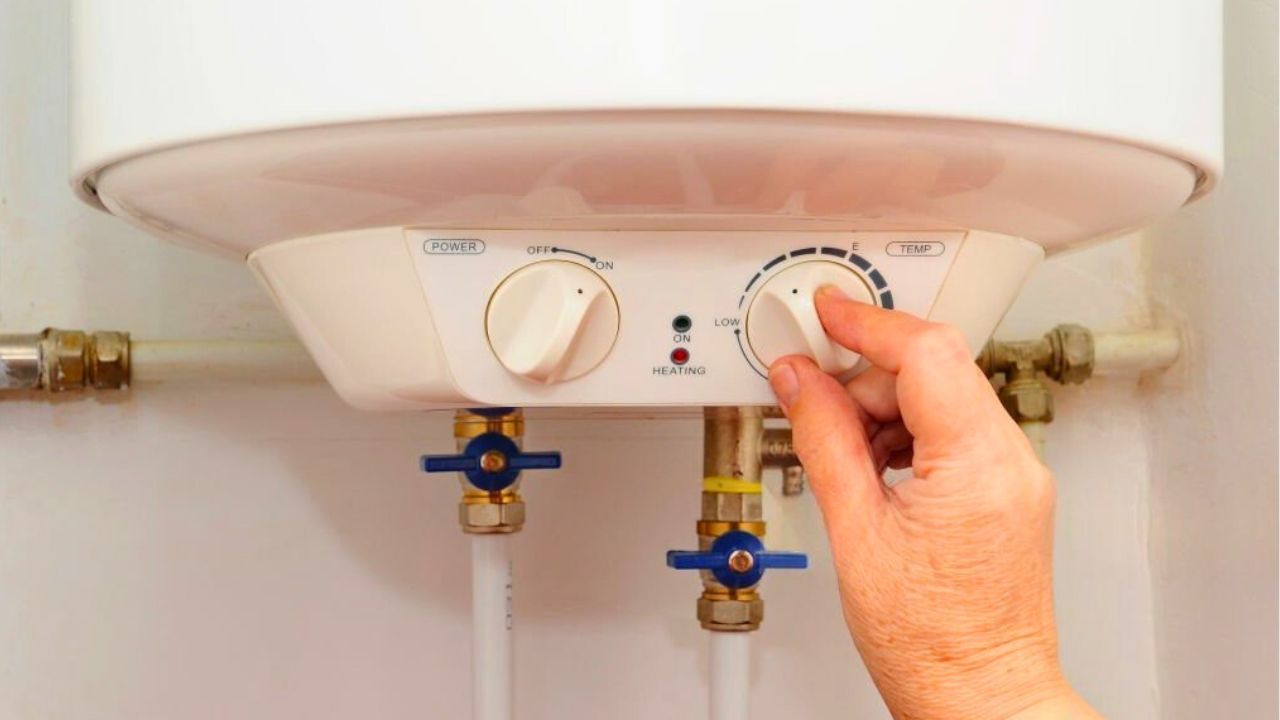
The clearest sign that your water heater is about to quit is not a dramatic leak or a loud bang, it is when your hot water turns unreliable. You might step into the shower expecting a steady stream of heat and instead get water that is only lukewarm, swings from hot to cool, or runs cold halfway through. That kind of inconsistent or lukewarm water temperature is singled out by multiple plumbing experts as the first and most common sign that something inside the tank is failing, from the heating element to the thermostat or the layer of sediment that insulates the water from the burner.
Professionals describe this as a shift from normal performance to insufficient or inconsistent water temperature, and they treat it as a primary indicator that the system is nearing the end of its useful life. Other guides on Top signs your water heater is about to fail and on recognizing inconsistent water temperature echo the same point, noting that when hot water never gets truly hot or does not last as long as it used to, you should start planning for replacement rather than assuming it is a minor glitch.
Why temperature trouble usually shows up first
There is a practical reason that temperature problems tend to appear before more dramatic failures. Inside a typical tank, the burner or electric element has to fight through mineral buildup that settles at the bottom over years of use, and as that layer thickens, it takes longer to heat the same volume of water and the tank struggles to keep up with demand. That is why you may notice that your showers cool off faster, or that it takes longer for hot water to reach a distant bathroom, long before you see a leak on the floor.
Plumbing specialists who list common signs your hot water heater is going to fail consistently put running out of hot water quickly near the top of the list, alongside water that is too hot or not hot enough. Broader explainers on understanding why water heaters fail point to sediment, worn heating elements, and aging thermostats as the usual culprits behind these early performance issues, which is why you should treat temperature swings as a structural problem inside the tank, not just a comfort annoyance.
How to tell the difference between a failing heater and a simple fix
Not every lukewarm shower means your tank is on its last legs, so your first step is to rule out easy explanations. If you have guests staying over or you have added a new appliance like a large-capacity washing machine, you may simply be using more hot water than the tank can supply at once. In that case, staggering showers and laundry cycles or turning up the thermostat slightly within a safe range can restore normal performance without any repair.
When the problem persists even after you adjust your usage, you are in different territory. Guides that walk through common signs your water heater is failing recommend paying attention to patterns: if the water is always inconsistent, or if you are constantly running out of hot water quickly, the issue is more likely a failing element, thermostat, or tank. Other checklists on water heater warning signs every homeowner should know stress that repeated lukewarm water, especially when combined with other symptoms like noises or discoloration, is your cue to call a professional rather than keep tweaking the controls.
Strange noises: when your tank starts talking back
Once temperature problems begin, unusual sounds are often the next clue that the system is struggling. A healthy water heater operates quietly, with only a soft hum or faint burner noise, so if you start hearing rumbling, popping, banging, or crackling from the tank during heating cycles, that is a sign that something inside is not working as designed. Those sounds usually come from water bubbling through thick sediment or from metal parts expanding and contracting under stress.
Plumbers who urge you to listen to your tank describe strange noises as a clear warning that the heater is struggling to transfer heat efficiently, which shortens its life and raises your energy bills. Another guide on warning signs your water heater is about to fail explains that rumbling and popping often mean sediment has hardened at the bottom of the tank, forcing the burner to overwork and increasing the risk of cracks or leaks, especially when combined with the temperature swings you are already noticing.
Leaks, rust, and discolored water you cannot ignore
As internal components wear out, the tank eventually starts to show visible damage, and that is when the stakes rise from inconvenience to potential water damage. Any moisture around the base of the heater, from a steady drip to a small puddle, suggests that the metal shell or a connection is compromised. Experts who list The Heating Tank Is Leaking Water as a top warning sign emphasize that leaks rarely fix themselves and usually mean the unit needs to be replaced, especially if the tank wall itself is seeping.
Even before you see water on the floor, your faucets may give you a preview of what is happening inside the tank. If you notice brown, orange, or metallic-tasting water when you run the hot tap, that points to rust and corrosion inside the heater, which cannot be reversed. Other overviews of top signs you need to replace your water heater underline that rust and corrosion are clear indicators it is time to start considering a replacement, especially when they appear alongside leaks or temperature problems.
Age, status lights, and beeping alarms
Even if your heater is still producing hot water, its age can quietly push it into the danger zone. Most standard tanks are built to last roughly 6 to 15 years, and once you cross that range, the odds of sudden failure climb quickly. Consumer guidance that lays out key points on when to replace water heaters notes that most units fall into that 6 to 15 year window, and that rising utility bills or performance changes are your cue not to procrastinate on a replacement decision.
Modern heaters also come with their own built-in distress signals, and you should not ignore them. If you suddenly have no hot water and notice that the status light on your gas valve is not blinking, you may be dealing with a safety shutdown, a problem that is common enough that tutorials walk through what to check when you see that status light on your water heater is not working. Some newer models go further and sound an audible alarm when they detect overheating, leaks, or venting issues, and plumbing pros who explain why your water heater is beeping stress that the beeping is triggered by built-in safety sensors and should be treated as a prompt to investigate, not as a nuisance to silence.
When lukewarm water is part of a bigger pattern
The real danger is not missing a single symptom, it is overlooking the pattern that emerges when several of them show up together. That pattern often starts with the core warning sign of unreliable hot water, then adds subtle changes like longer recovery times between showers, faint rumbling during heating cycles, or a slight metallic tint to the water. On their own, each of those issues might be easy to dismiss, but together they paint a picture of a system that is wearing out from the inside.
Plumbing checklists that outline warning signs your water heater is about to fail in your home urge you to look at the whole set of clues rather than chasing one symptom at a time. Another guide that frames the issue as warning signs to watch for warns that ignoring inconsistent or lukewarm water, strange noises, and minor leaks can turn a manageable replacement into a sudden system breakdown, complete with water loss and potential damage to surrounding floors and walls.
What you can do before the heater fails completely
Once you recognize that your heater is sending distress signals, you still have a window to act before it quits outright. Start by checking the age and capacity of the unit, then compare that to your household’s current hot water needs, which may have grown since the heater was installed. If the tank is already in the typical 6 to 15 year lifespan and you are seeing performance issues, it is usually smarter to plan a replacement than to invest heavily in repairs that only buy a short reprieve.
Service guides that list common signs your hot water heater is going to fail recommend calling a licensed plumber as soon as you notice running out of hot water quickly, leaks, or noises, because a professional can tell you whether a flush, anode rod replacement, or new thermostat will meaningfully extend the life of the heater. Other resources on signs your water heater is about to quit and on warning signs your water heater is about to fail highlight that not enough hot water, especially when it is tied to a broken thermostat or heavy sediment, is often the tipping point where replacement becomes the most cost effective option.
How to stay ahead of the next failure
Once you have navigated one failing heater, the goal is to avoid a repeat surprise with the next one. That starts with choosing a unit that matches your household’s size and usage patterns, then keeping basic records like the installation date and model number somewhere you can find them quickly. Regular maintenance, including annual flushing in areas with hard water and periodic checks of the anode rod, helps slow the sediment buildup and corrosion that lead to the temperature swings and noises you have just learned to recognize.
Plumbing pros who compile Top signs your water heater is about to fail and what to do about it emphasize that proactive steps like flushing and inspections can extend the life of the heater and give you early warning when parts start to wear. Broader advice on warning signs your water heater is about to fail and on why your water heater is beeping also underscores the value of paying attention to small changes in sound, temperature, and alerts, because those are the quiet messages your next heater will send long before it ever leaves you with nothing but cold water.
Supporting sources: The Warning Signs Your Water Heater Is About to Fail – Colair, Inc..
Like Fix It Homestead’s content? Be sure to follow us.
Here’s more from us:
- I made Joanna Gaines’s Friendsgiving casserole and here is what I would keep
- Pump Shotguns That Jam the Moment You Actually Need Them
- The First 5 Things Guests Notice About Your Living Room at Christmas
- What Caliber Works Best for Groundhogs, Armadillos, and Other Digging Pests?
- Rifles worth keeping by the back door on any rural property
*This article was developed with AI-powered tools and has been carefully reviewed by our editors.