What Actually Keeps Chipmunks Out of a Foundation
Photo credit: Fix It Homestead
Chipmunks look harmless until you hear the scratch-scratch inside a wall or find a little pile of seed husks at the sill plate. Once they find a gap, they’ll use it all season, and they’ll bring friends. Keeping them out is less about one magic repellent and more about shutting down the easy paths and easy food.
1. Seal Gaps With Steel, Not Foam
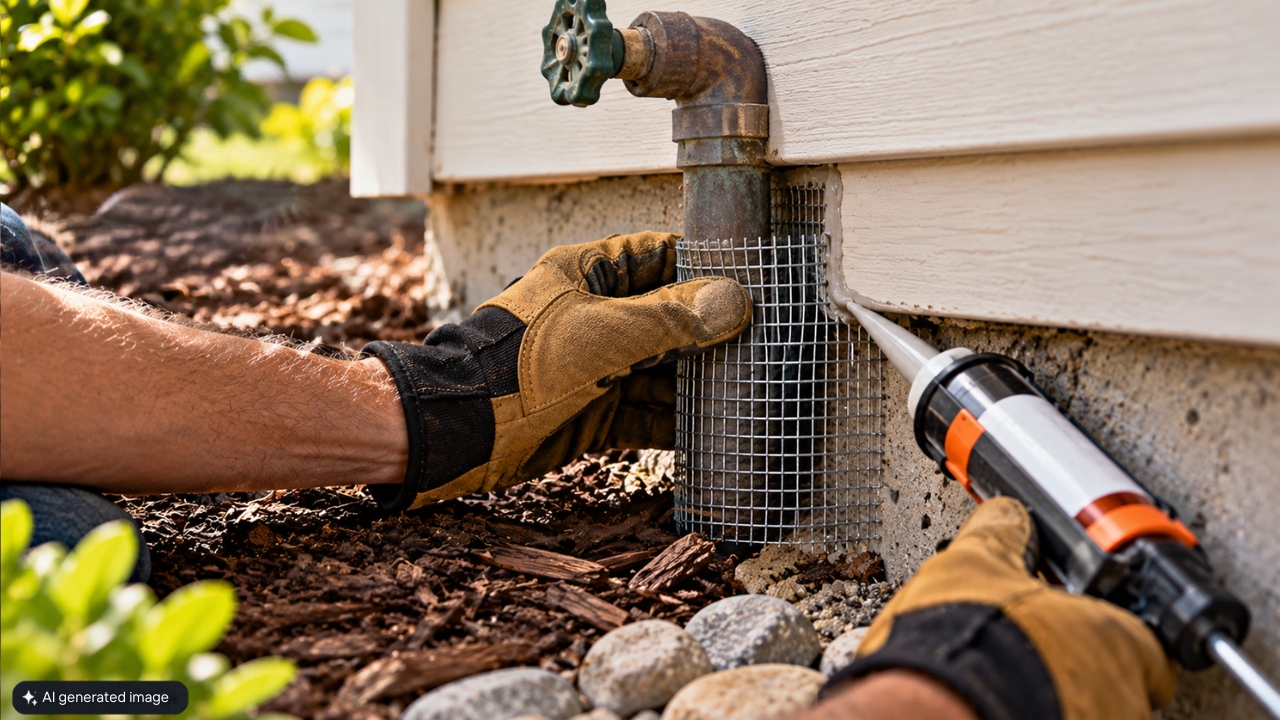
Spray foam feels like progress because it fills space fast, but chipmunks can chew it, shred it, and keep going. The same goes for soft rubber plugs and flimsy plastic vent covers. If the gap is around a pipe, behind a hose bib, or where siding meets a stoop, assume teeth will test it.
Use steel wool or copper mesh as the chew barrier, then lock it in with a real sealant. For small cracks, pack copper mesh tight and finish with polyurethane caulk. For bigger voids, cut a patch from galvanized hardware cloth and fasten it with masonry screws or exterior screws into framing, then seal edges so water can’t get behind it.
2. Bury Hardware Cloth At Entry Points
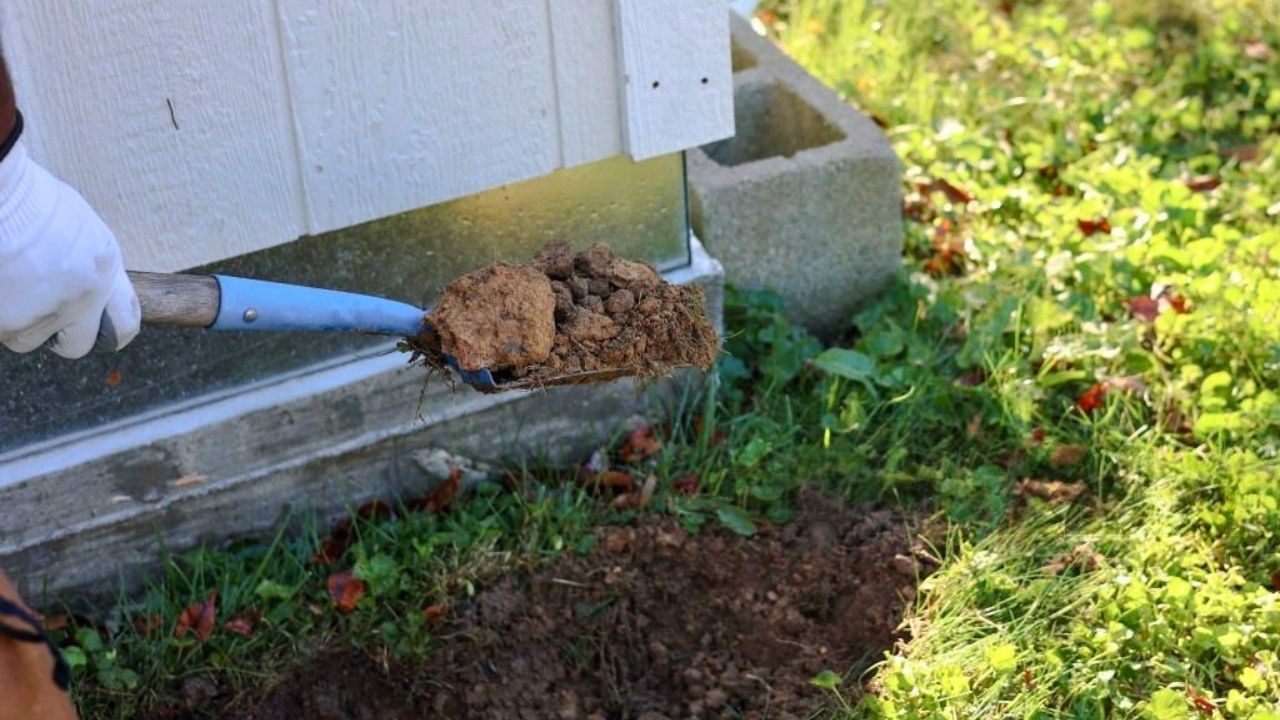
Most “mystery entry holes” start at ground level, right where you can’t see well. Chipmunks don’t need much space, and they love digging along a foundation where soil is loose and warm. If you only close what’s above grade, they’ll move a foot lower and try again.
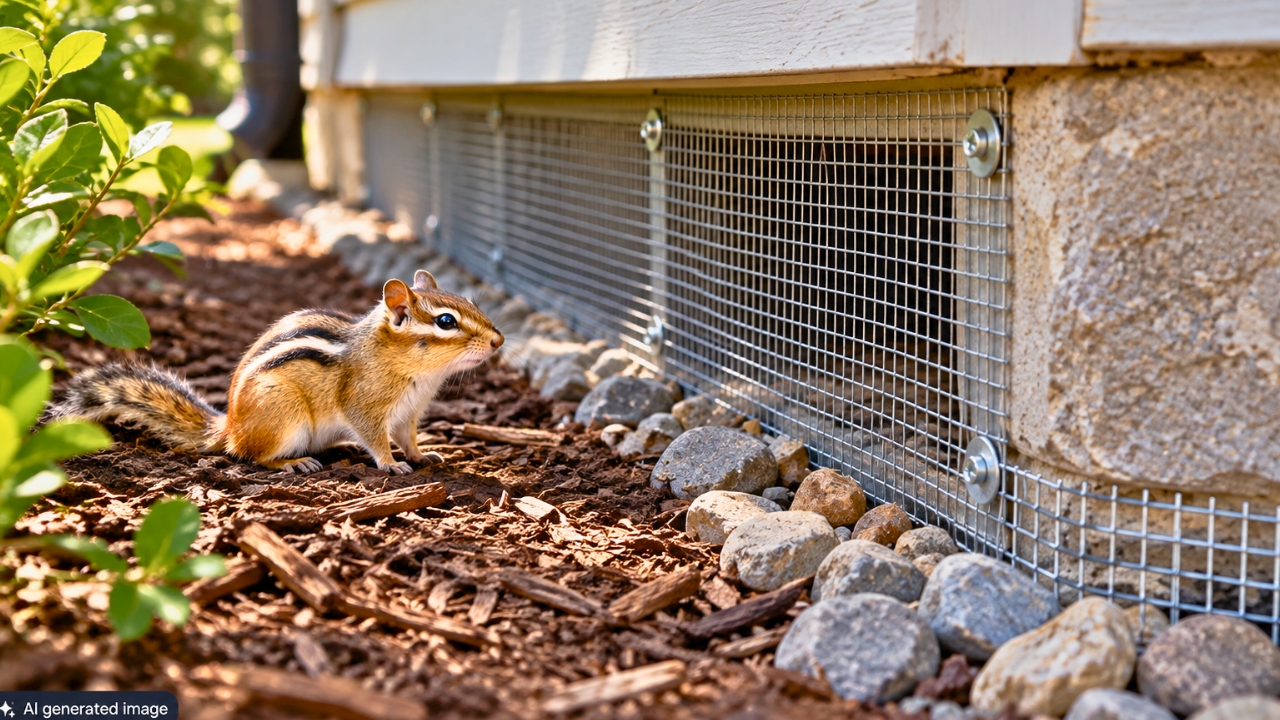
Dig down 8 to 12 inches along the spot they’re using, or along a short run where the foundation meets a porch, steps, or an old flower bed. Staple or screw 1/4-inch hardware cloth to the structure, then bend it outward in an L shape and bury it so digging hits wire. Call 811 before you dig if you’re anywhere near utilities, and wear gloves because that wire edge is sharp.
3. Fix The Settled Walkway Gap
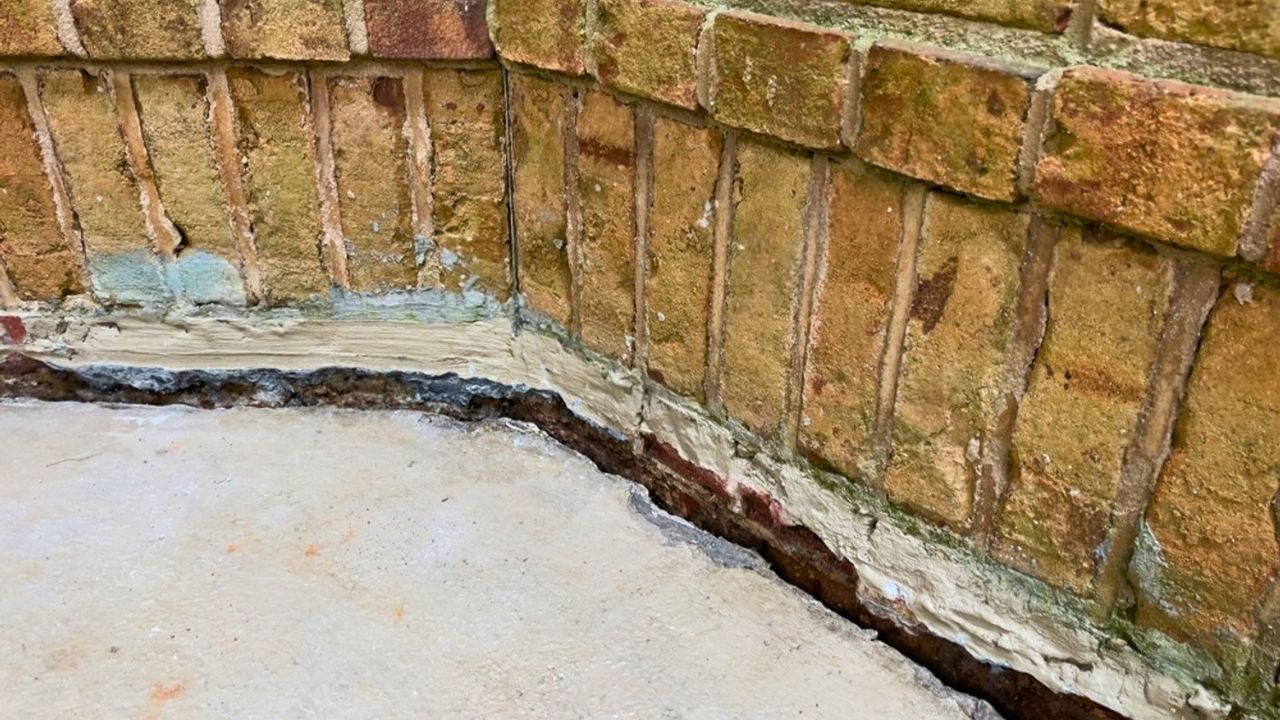
A sinking sidewalk or patio slab can open a perfect tunnel right against the foundation. You’ll see a narrow dark slot, usually with crumbly soil under it, and it stays dry even after rain. That gap is basically a covered runway straight to the basement wall.
For a small opening, clean it out and pack it with backer rod and a self-leveling polyurethane joint sealant made for concrete. If the slab has dropped enough to keep reopening the joint, mudjacking or foam lifting is worth paying for once, because it also helps drainage. Chipmunks like the gap, but water likes it too, and water wins the long game.
4. Cut Shrubs Back From The Wall
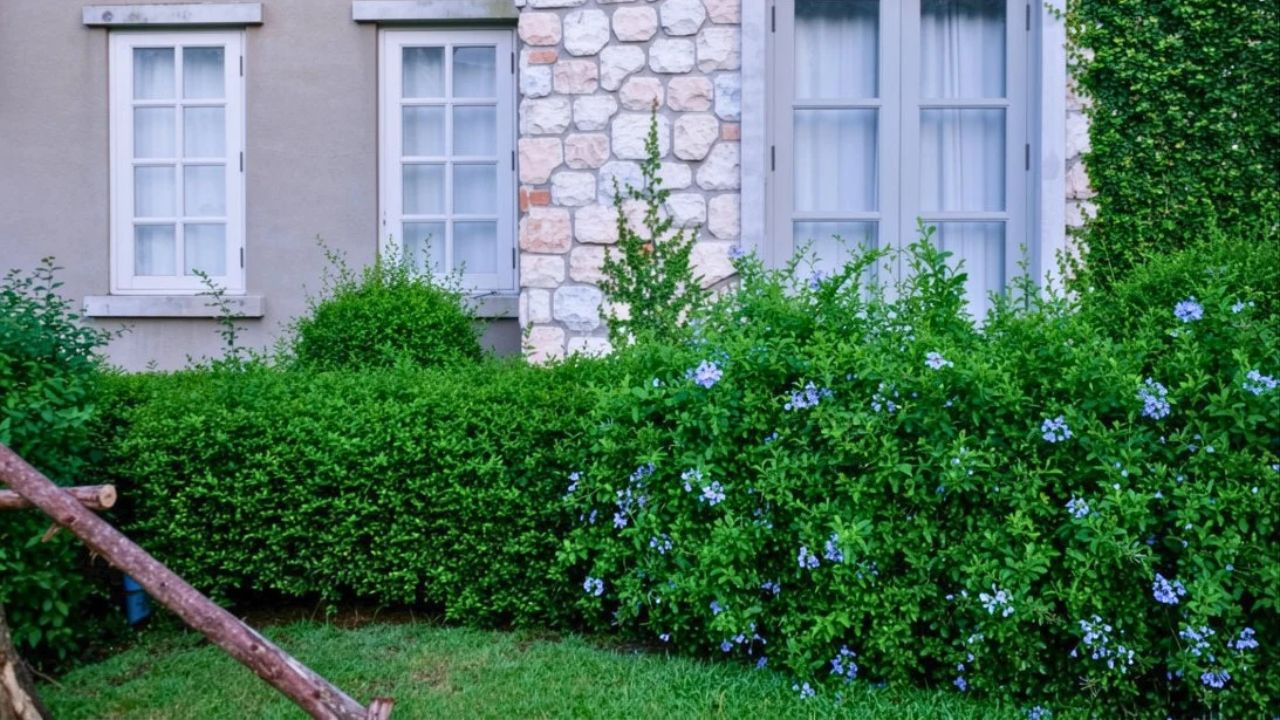
Ever notice how the worst burrows show up under yews, junipers, and overgrown hostas? Dense plants hide holes from you and from predators, and they keep the soil from drying out. That cool, covered edge along the house is a chipmunk condo.
Trim shrubs so there’s a clear band of air between the plant and the wall, and so you can see the ground. Pull back groundcover that runs right to the foundation. If you’re redoing beds, pick plants that don’t form a solid skirt at the soil line, and keep mulch thin near the house.
5. Stop Feeding Them Without Meaning To
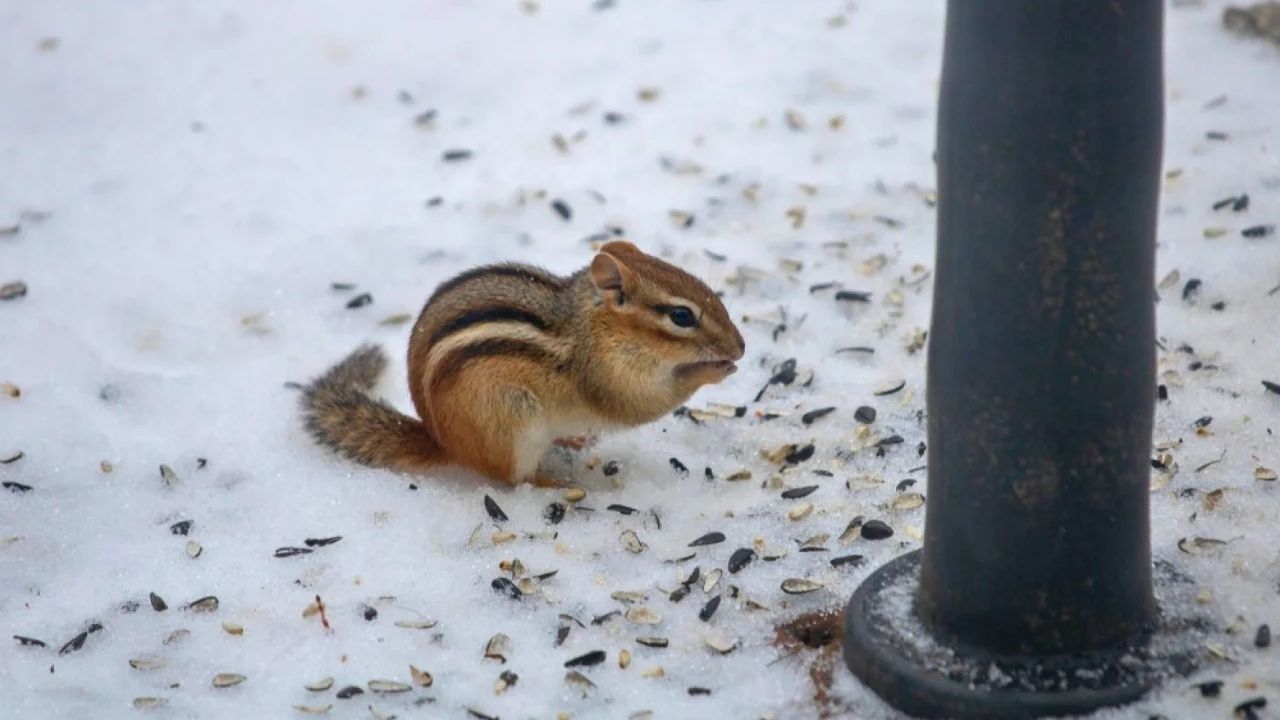
Bird feeders are chipmunk feeders. The seed that hits the ground is an all-you-can-eat buffet, and once they set up shop nearby, the foundation is just next door. You’ll often find little “shell piles” near a crack or under a deck, like someone dumped sunflower husks in a teacup.
Move feeders as far from the house as you can, and clean up spilled seed. A seed tray helps, but it still needs emptying. If you won’t give up feeding birds, switch to less messy feed and hang it over a hard surface you can sweep, not over mulch.
6. Screen Every Vent And Weep Gap
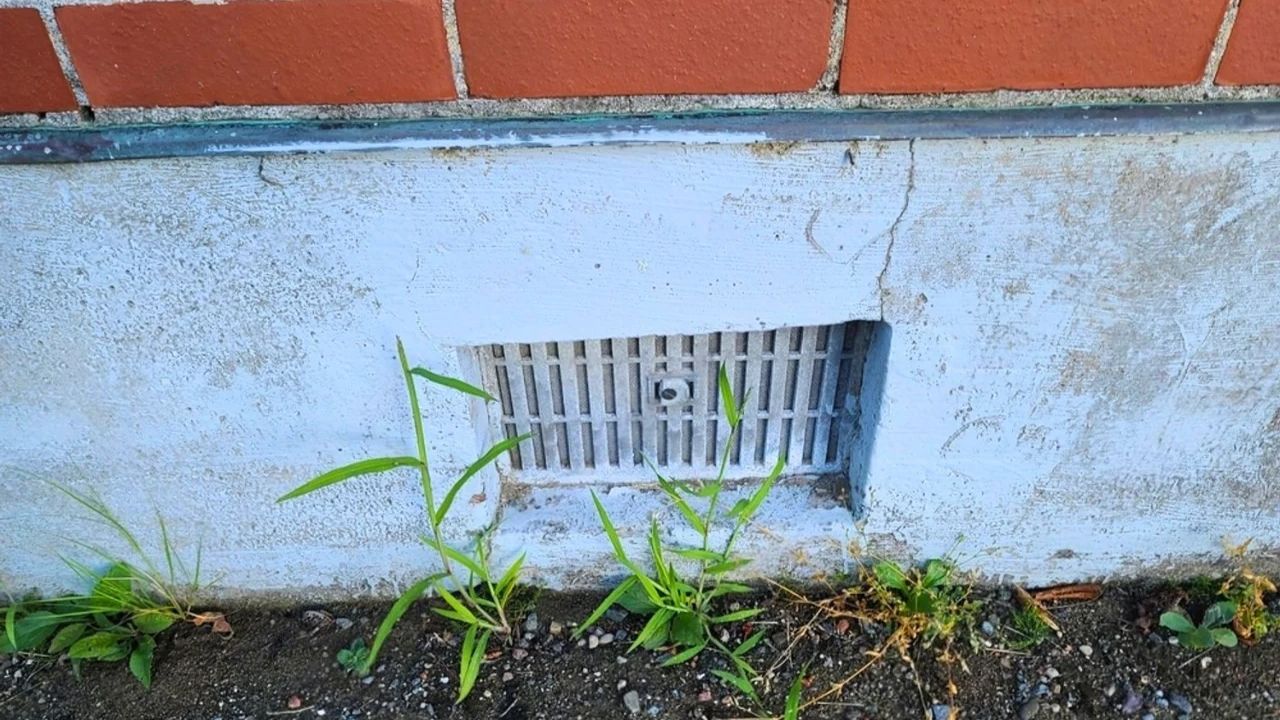
Foundation vents, crawlspace vents, dryer vents, and weep holes get treated like they’re too small to matter. Chipmunks don’t agree. A loose louver, a torn screen, or a missing vent flap is a straight shot into warm framing and insulation.
Use 1/4-inch metal mesh for vent screens and fasten it so it can’t be pushed in. Replace broken vent hoods instead of taping them. If you have brick veneer, don’t plug weep holes with caulk. That can trap water, and trapped water causes bigger problems than chipmunks. Use stainless or plastic weep hole screens made for masonry so drainage still works.
7. Remove Wood And Junk Piles Near Concrete
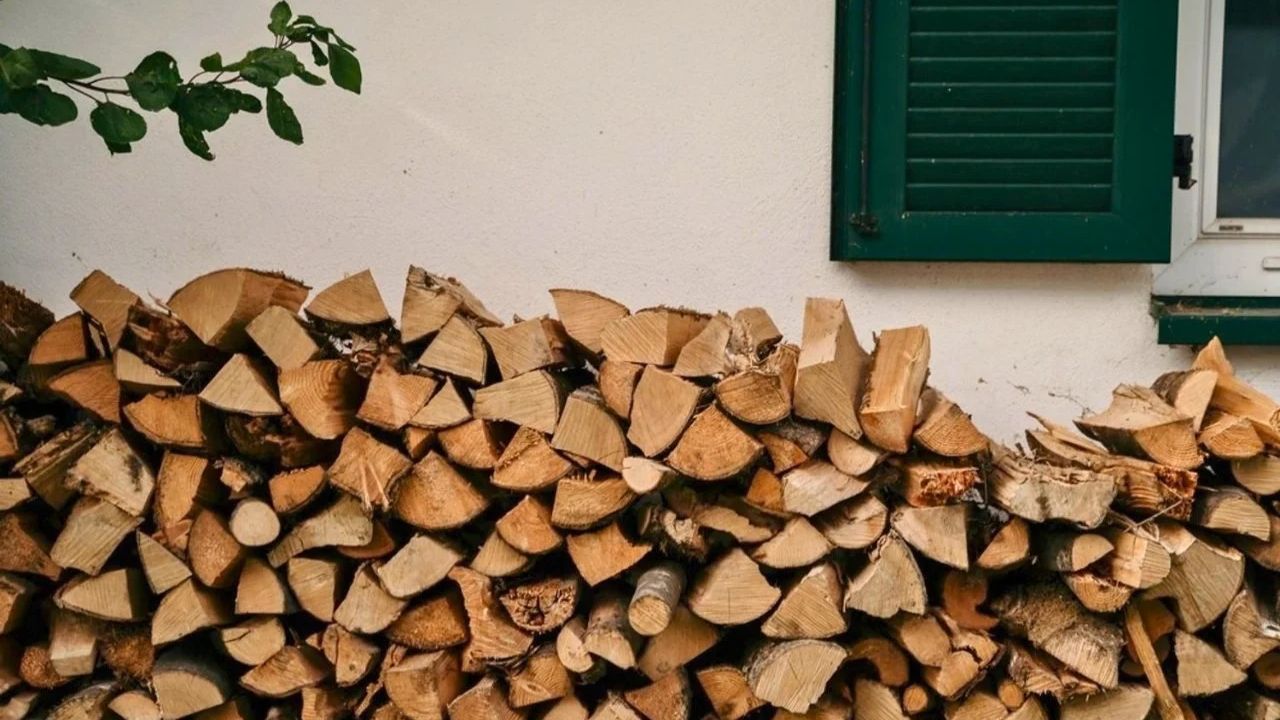
A stack of firewood, scrap boards, old pots, or “maybe useful someday” stuff beside the house becomes cover. Chipmunks use it like a hideout between the yard and the foundation. You’ll see quick darting runs and hear rustling in the pile at dusk.
Store firewood well away from the house and up off the ground on a rack. Keep storage bins sealed and off the soil. This one is boring, but it’s cheap, and it removes the comfort zone that makes them bold.
8. Use Gravel Where Mulch Keeps Getting Tunnels
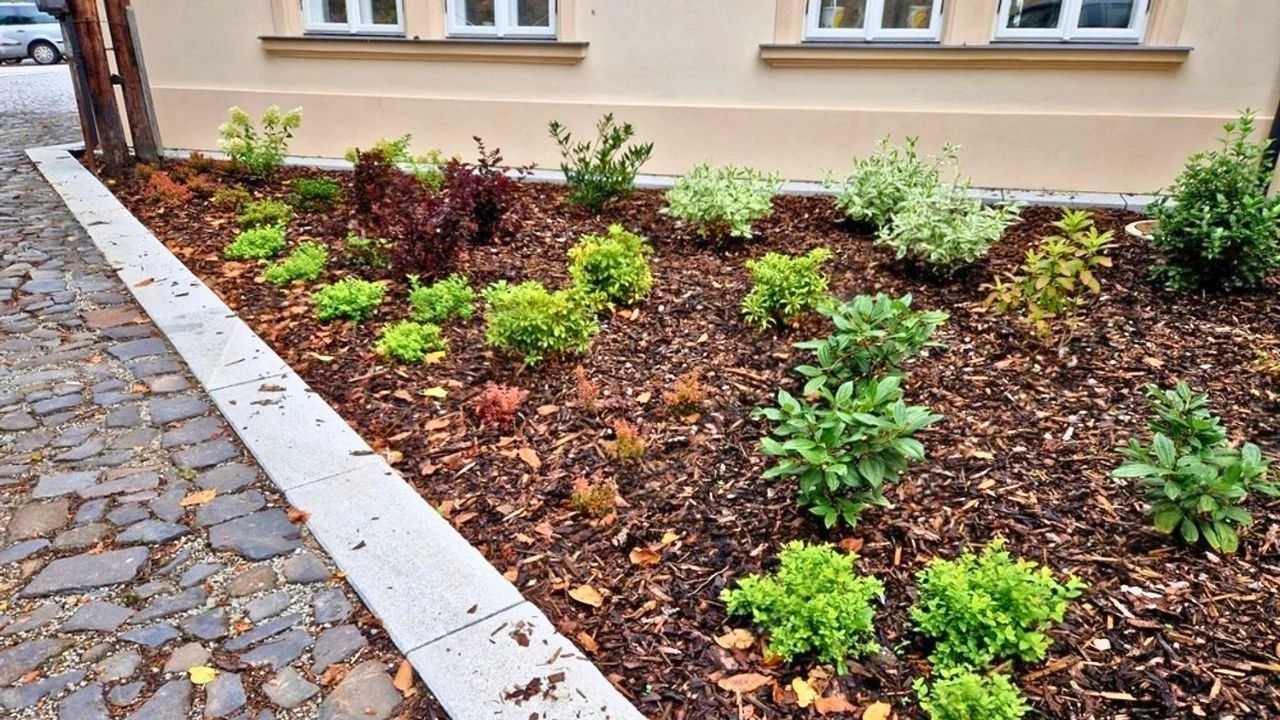
Deep, fluffy mulch is easy digging. If you keep seeing little half-moon holes along the bed edge, mulch is helping them more than any “repellent” ever will. Mulch also hides their entrances until the damage is done.
In problem spots, swap to a strip of coarse gravel or crushed stone, a couple feet wide, especially near corners, steps, and porch supports. It doesn’t stop a determined animal by itself, but it makes digging annoying and makes fresh holes obvious. Keep the grade sloped away from the foundation so rainwater doesn’t start using the same path.
9. Don’t Count On Smells And Noise
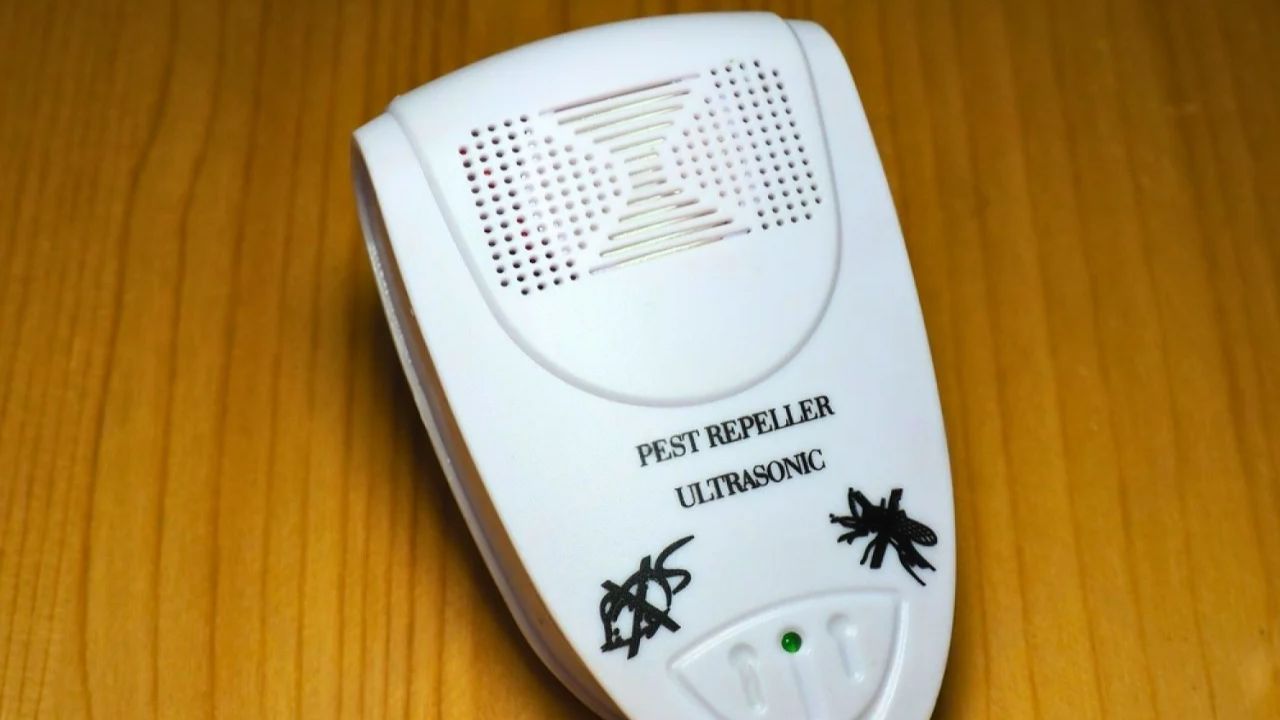
Predator pee, mothballs, ultrasonic plug-ins, strong oils, and “natural repellent” sprays sell because they sound easy. Outdoors, smells fade fast and chipmunks learn the pattern. If you can still smell it strongly, you’re the one living with it, not the chipmunk.
There’s one honest exception. A small amount of plain household ammonia on rags in a sealed, inaccessible void can make an active nest site unpleasant for a short time, but it’s not a barrier and it’s not a long-term plan. Skip it if the space shares air with your living area, and never mix chemicals. Put your money and effort into closing holes and removing cover.
10. Trap The Residents Before Sealing Everything
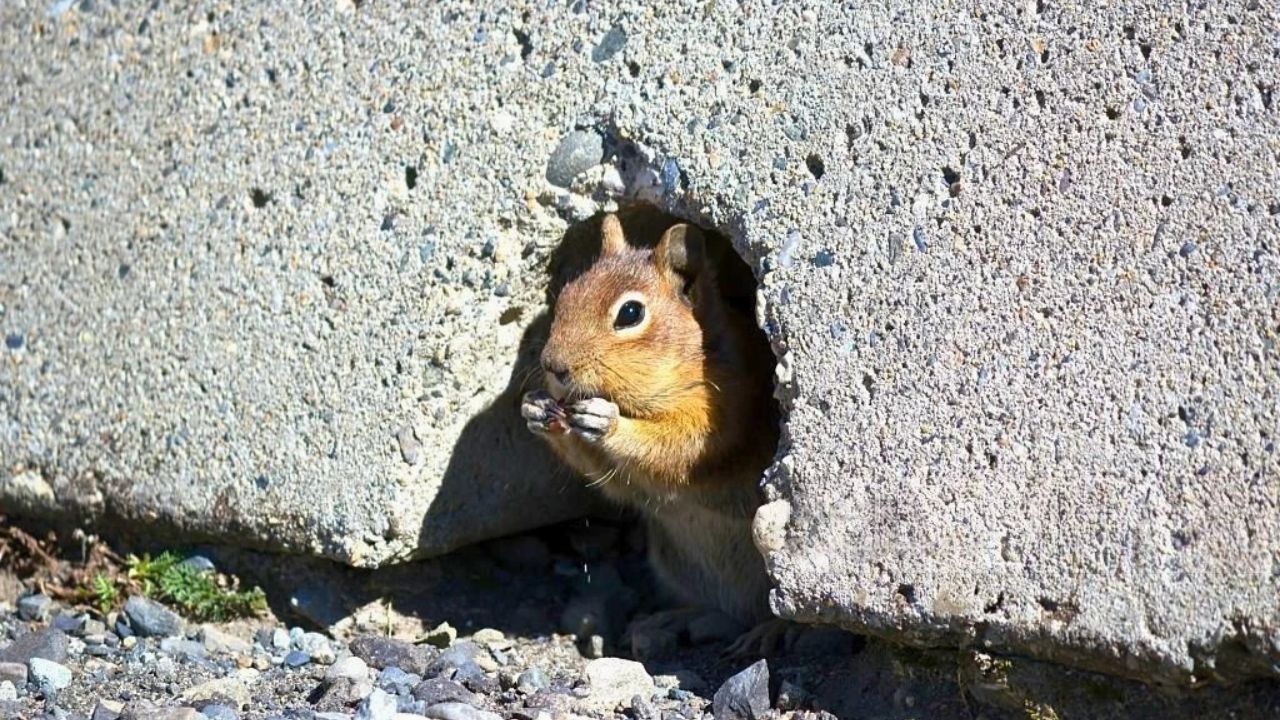
Sealing entrances while chipmunks are still inside can turn into a smell problem and a wall repair later. You’ll hear frantic scratching, and then it gets quiet in the worst way. Also, if you close the main hole, they’ll sometimes chew an uglier exit someplace you liked better.
Use a basic live trap or kill trap rated for small rodents, and place it along their travel lines, tight to the wall or under a deck edge. Follow local rules on trapping and relocation, since some places don’t allow moving wildlife. Once activity drops off, then seal and screen, fast, so the vacancy doesn’t get filled by the next tenant.
11. Repair Rotten Sills And Loose Rim Joists
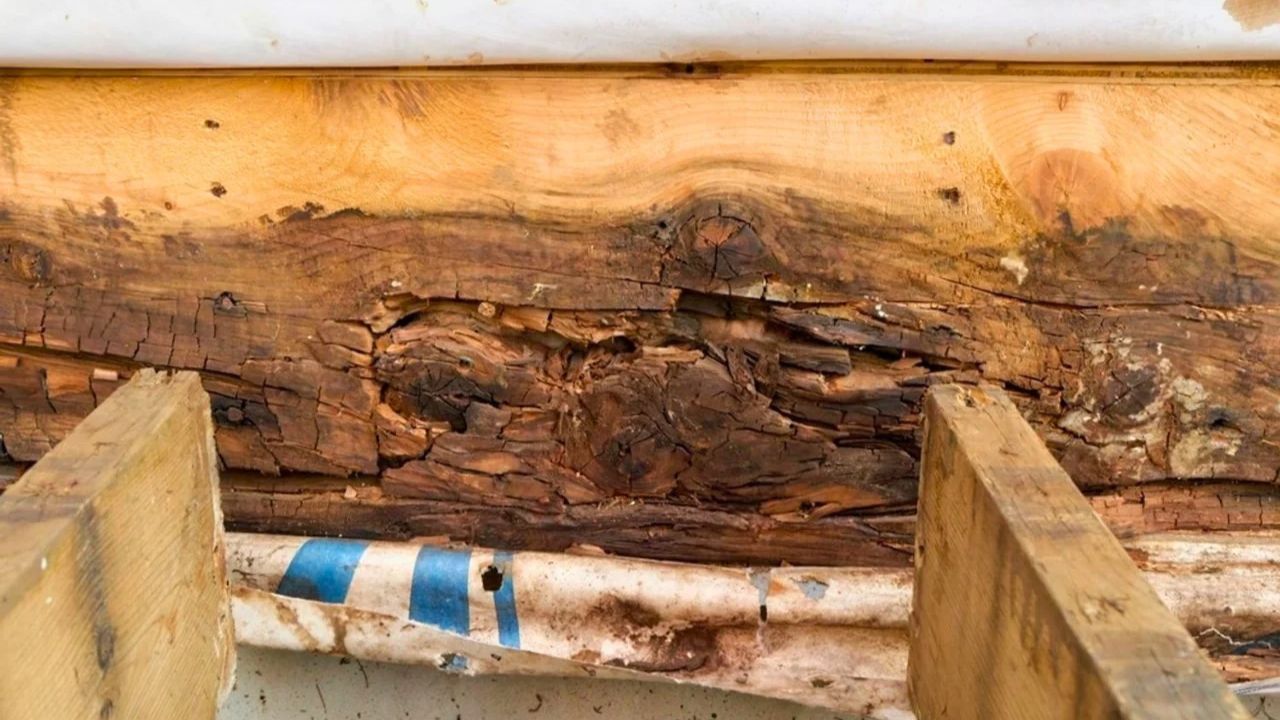
If wood at the base of the wall is soft, punky, or already crumbling, no screen or caulk will hold for long. Chipmunks take advantage of rot and loose boards because it’s pre-chewed for them. You might notice ants, damp insulation in a crawlspace, or paint that keeps peeling right above the same spot.
Small rot can sometimes be stabilized, but if a sill plate, rim joist, or porch ledger has real damage, this is a job for a qualified carpenter, and permits can apply. Fix the water source first, bad gutter discharge, missing flashing, soil too high against the siding. Once the structure is solid again, your hardware cloth and sealant finally have something worth sticking to.
Chipmunks are stubborn, but they’re also predictable. Take away the easy cover, the easy snacks, and the soft entry points, and they usually move on to an easier address. Stay on it for a couple weeks during spring and early fall, and you’ll catch the new attempts before they become a new tunnel system.
Like Fix It Homestead’s content? Be sure to follow us.