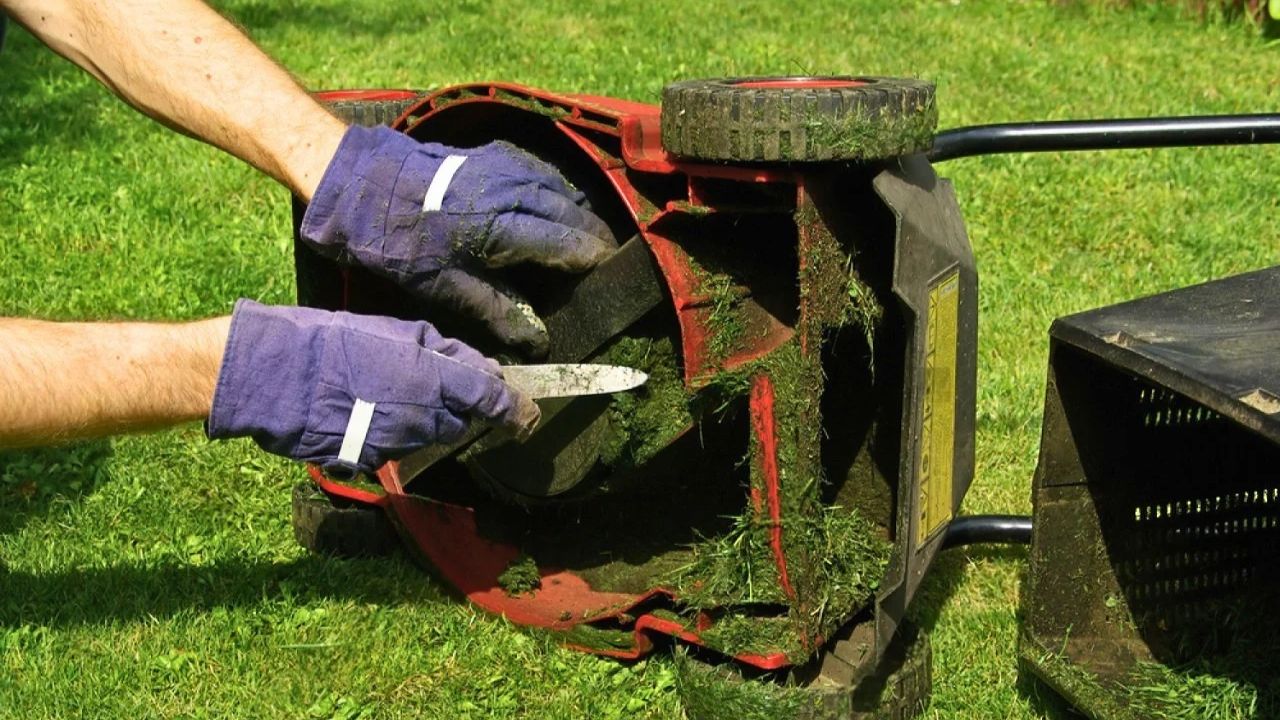
10 Things That Dull Mower Blades Faster Than Anyone Expects
Photo credit: LianeM/Shutterstock.com
A mower with sharp blades sounds steady and leaves the lawn looking clean. When the blades go dull, you hear the engine work harder, the cut turns ragged, and brown tips show up a day later. The surprise is how often the damage comes from stuff that feels normal in a yard, not “abuse.”
1. Mowing Over Sand And Road Grit
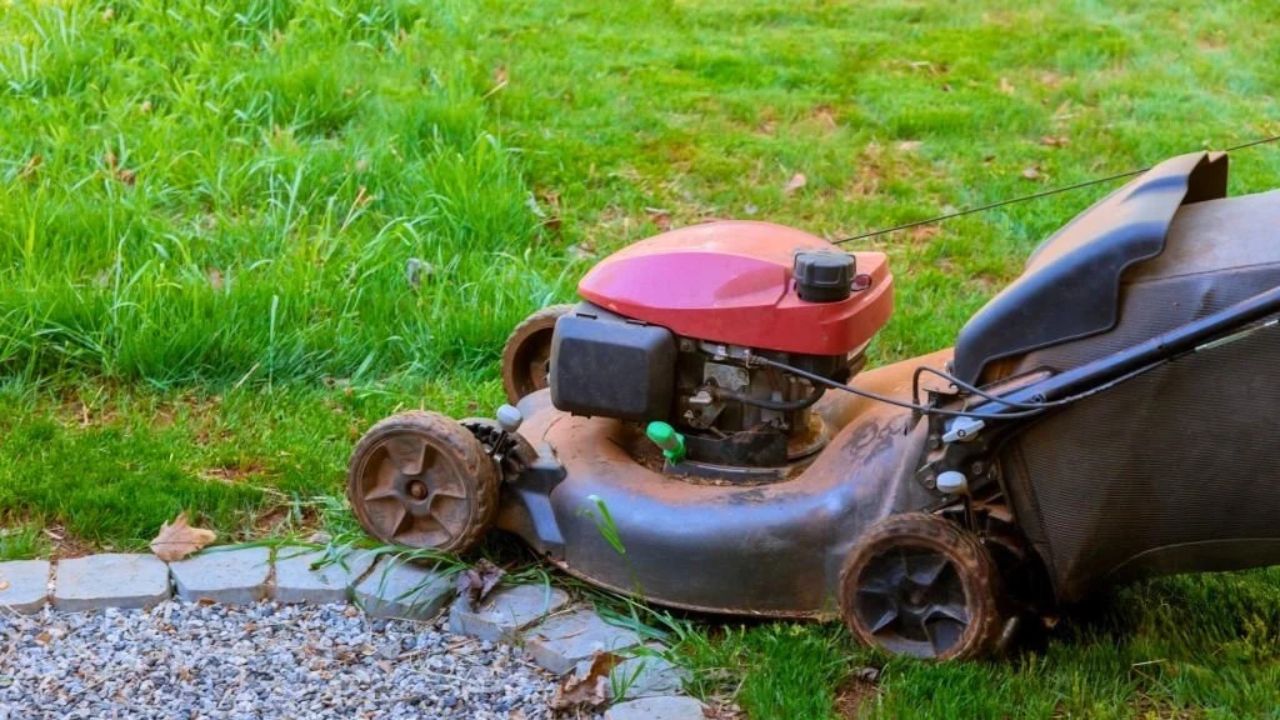
The fastest way to take the edge off a blade is to turn it into a fan for sandpaper. If your lawn borders a gravel drive, a dusty roadside, or a sandy walkway, the tires kick grit into the cutting path. One pass along that edge can dull a blade more than a week of clean grass.
Blow or rake the gritty strip back into place before mowing, especially after a dry spell or after spreading gravel. If you can, mow those border passes last so you are not carrying grit across the whole yard. On really sandy soil, plan on sharpening more often and avoid “scalping” low, since that pulls sand right into the blade.
2. Hitting Ant Hills And Dirt Mounds
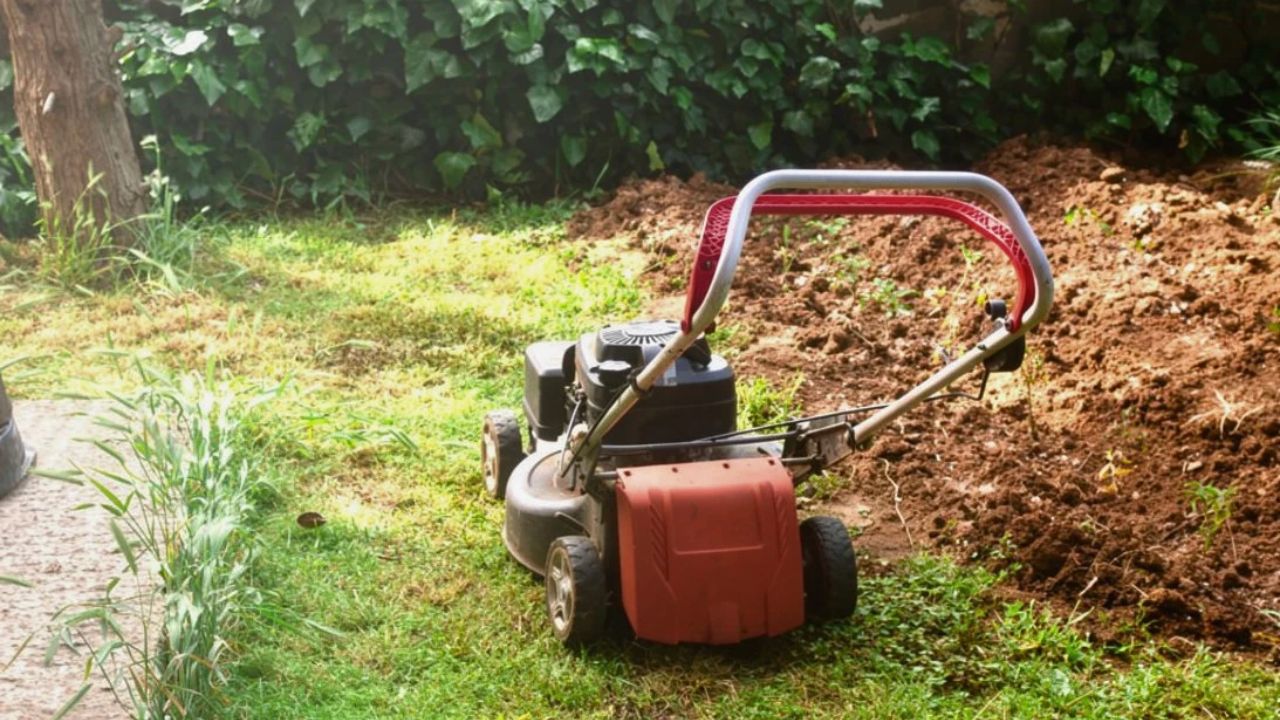
Ant hills look soft until a blade smacks one at full speed. Dirt is abrasive, and even a light hit rounds over the cutting edge. You might not notice right away, but the mower starts leaving fuzzy streaks and the deck packs with clippings.
Knock mounds flat with a rake before you mow, or spot treat them and come back later. If you have molehills, level them first and set the deck a notch higher for that section. Low mowing over bare soil is basically grinding compound for steel.
3. Cutting Sticks And Fallen Twigs
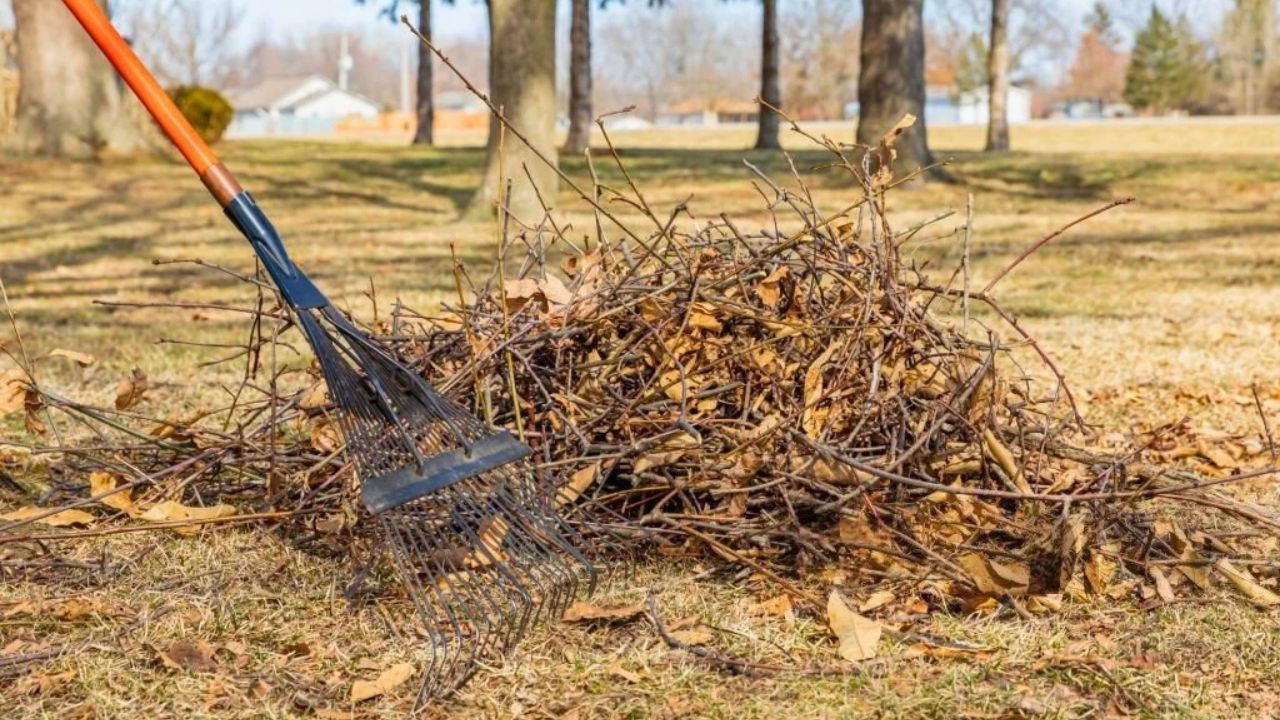
Small sticks are sneaky because the mower “handles” them without stalling. The blade edge still takes the hit, and repeated nicks add up fast. After a windy night, that nicking can happen every few feet.
Do a quick walk and toss twigs into a bucket, especially under trees and along the fence line. If you mulch leaves in fall, take the extra minute to pick up finger thick branches first. Your blades will stay sharper, and you will stop hearing that sharp clack-clack sound from inside the deck.
4. Mowing With The Deck Set Too Low

That tight, golf course cut comes at a price. When the deck is low, the blade is closer to dirt, roots, and hidden bumps, so it hits more grit and more “almost dirt” than you think. It also increases the chance of striking a high spot and bending a blade.
Raise the deck one notch and see if the lawn actually looks worse. In most yards, it looks better and stays greener in summer heat. There’s an honest exception here: if you are knocking down an overgrown patch for the first time, a slightly lower first pass can be fine, but do it after you clear debris and accept you may be sharpening afterward.
5. Mowing Wet Grass And Muddy Spots
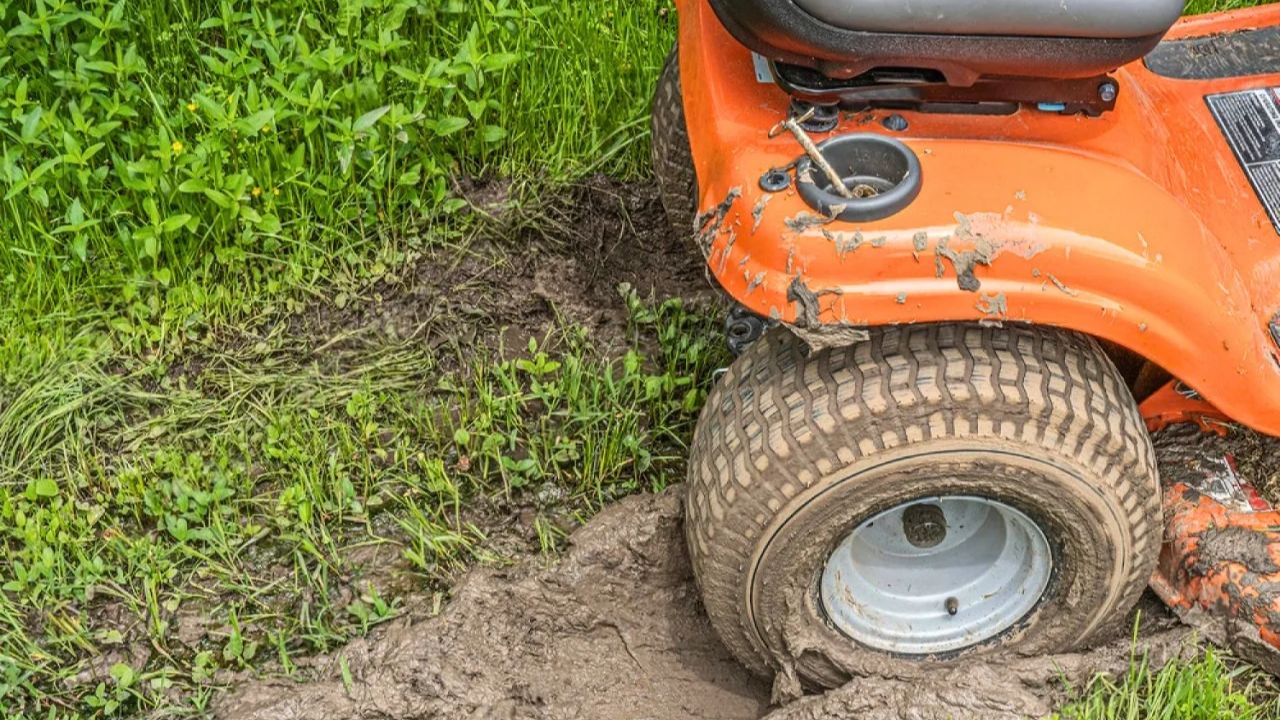
Wet grass alone does not dull steel like sand does, but wet lawns hide the stuff that does. Tires rut, mud splashes into the deck, and the blade ends up chewing grit you cannot see. The cut gets stringy because the blade is dragging through clumps instead of slicing.
If the yard squishes, wait. If you can’t wait, avoid the low spots and come back later when they firm up. A clean-out with a plastic scraper after mowing helps too, because dried mud inside the deck keeps rubbing on the blade and the airflow parts every time you mow.
6. Mulching Leaves With Hidden Acorns
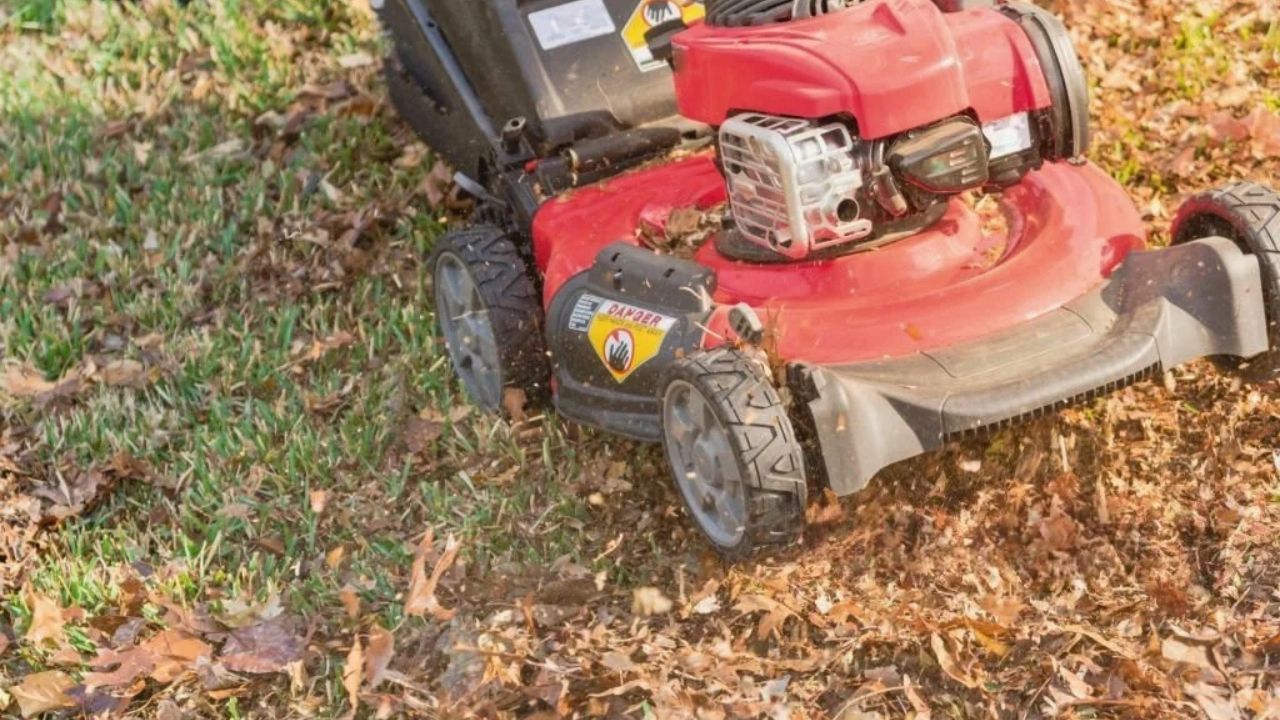
Fall mowing can wreck a sharp edge in one afternoon. Leaves hide acorns, small walnuts, sweetgum balls, and pine cones that bounce around the deck like rocks. You finish thinking you “just mulched leaves,” then the next week your lawn looks shredded.
Rake the heavy drop zones first, or blow the nuts out from under trees before you mow. If the yard is loaded with hard debris, bagging can be the cheaper choice in the long run because you are not paying in blade sharpening and extra fuel. When you hear repeated clicking under the deck, stop and clear it instead of powering through.
7. Using Cheap Blades On Rocky Yards
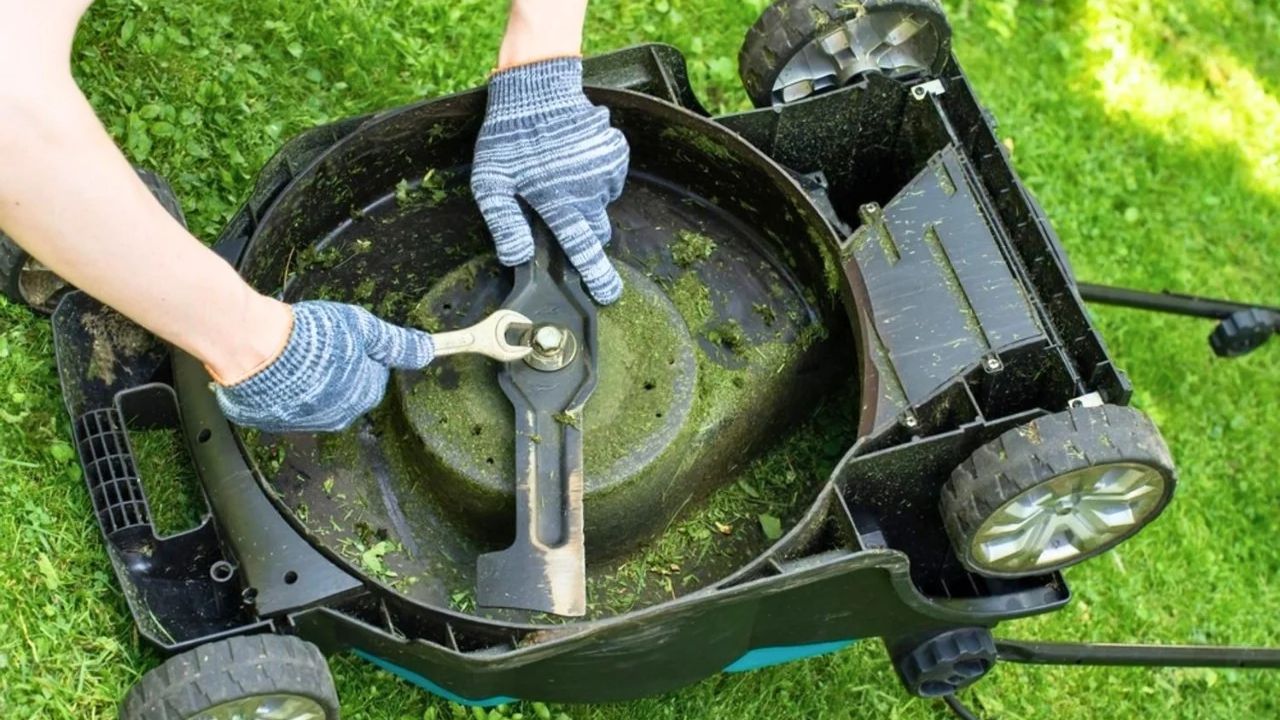
Not all replacement blades are made the same. The cheapest ones can be softer steel, and on a yard with gravel edges, tree roots, or occasional stones, they round over fast. You end up sharpening constantly or replacing them mid-season.
Spend a little more for a blade that matches your mower and your mowing style, especially if you mulch a lot. The exception is a perfectly clean, flat lawn that gets mowed high. In that situation, a budget blade can do fine if you keep it sharp, because it is not getting beat up by grit and impacts.
8. Letting The Blade Get Bent
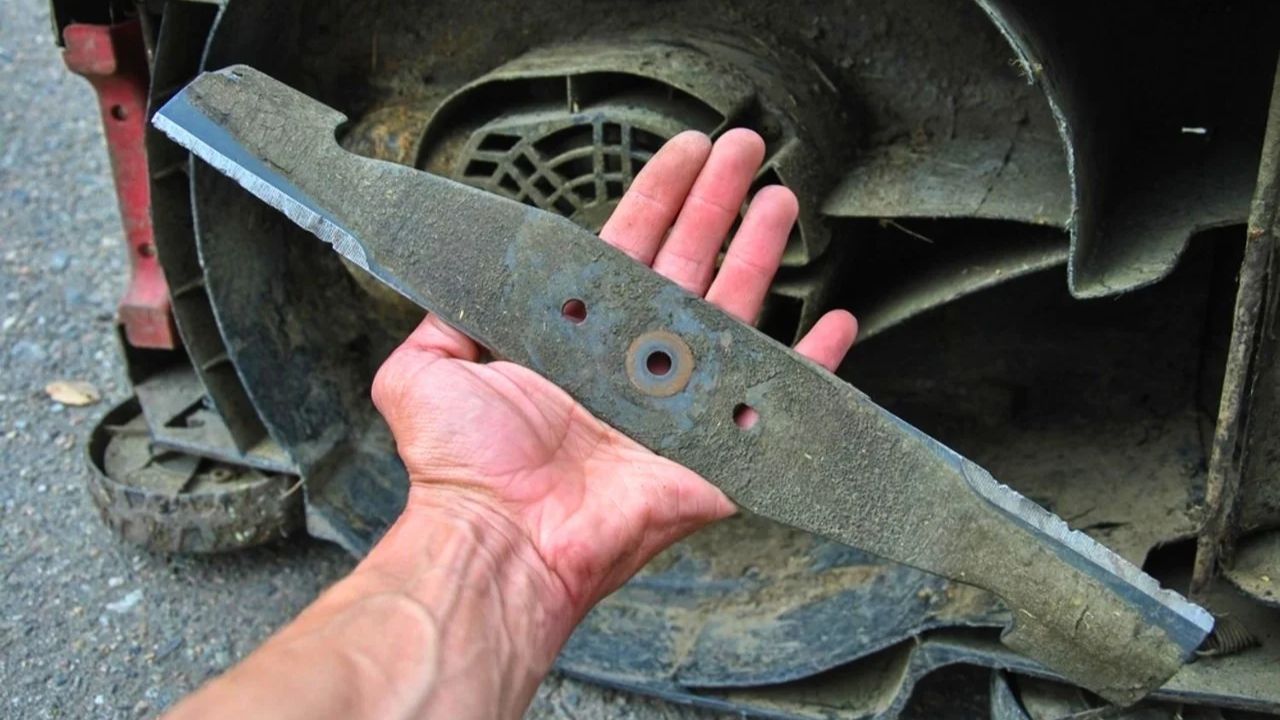
A blade that took one hard hit might still spin, so it’s tempting to keep mowing. The problem is the bent section changes the angle of attack, and the “high spot” keeps smacking the same area of grass and debris over and over. Dulling speeds up, and so does vibration that can chew up spindle bearings.
If the mower suddenly shakes or you see a weird scalloped cut, stop and inspect. Disconnect the spark plug wire on a gas mower or remove the battery key on a riding mower before reaching under the deck. A bent blade should be replaced, not hammered straight, and if the spindle or crankshaft got damaged, that’s often a shop job.
9. Pressure Washing The Deck Too Often
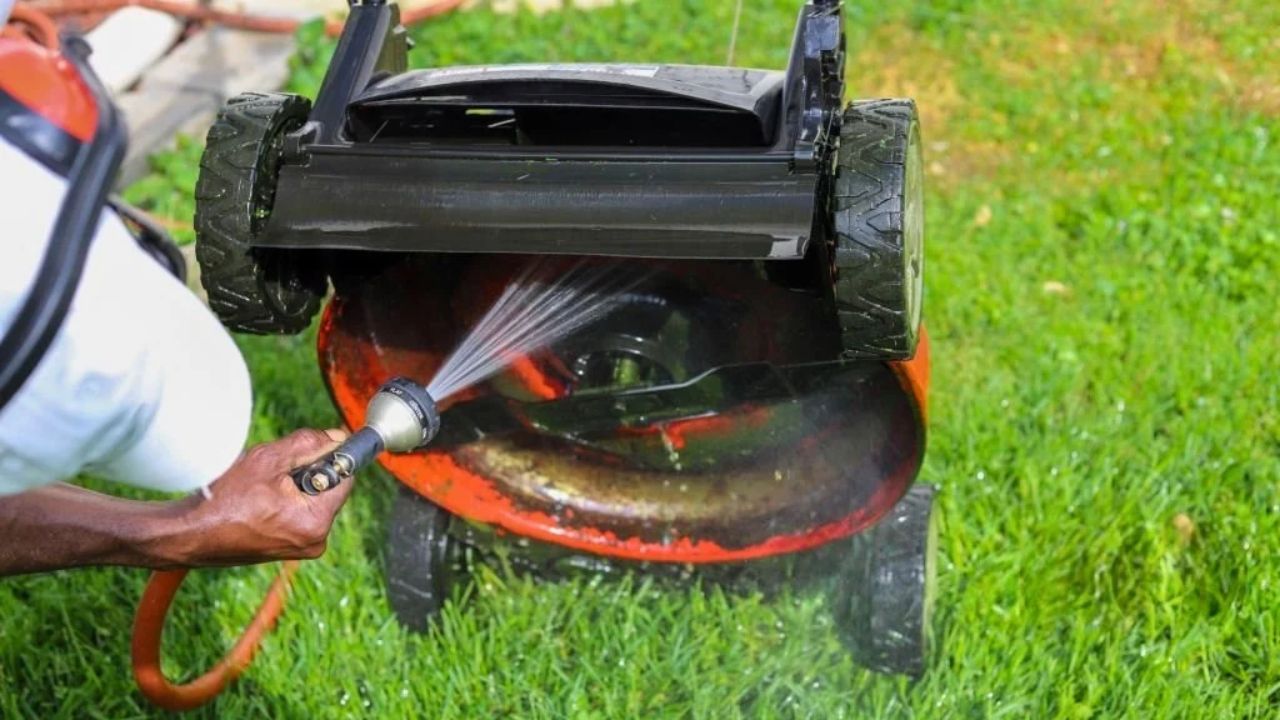
Blasting the underside clean feels satisfying, but water plus bare metal equals rust, and rust pits act like tiny files on anything moving past them. Some decks also have areas where water sits, so you create a constant damp zone that eats paint and keeps clippings stuck. The blade edge sees more abrasive crud because the deck surface is getting rougher.
Scrape dry buildup most of the time and save the wash for a couple times a season. If you do wash, tip the mower the safe way for your engine type and let it dry, then run it a few minutes to sling off moisture. Touch up flaking paint inside the deck when you can, because a smooth deck sheds clippings and treats blades better.
10. Ignoring Balance After Sharpening
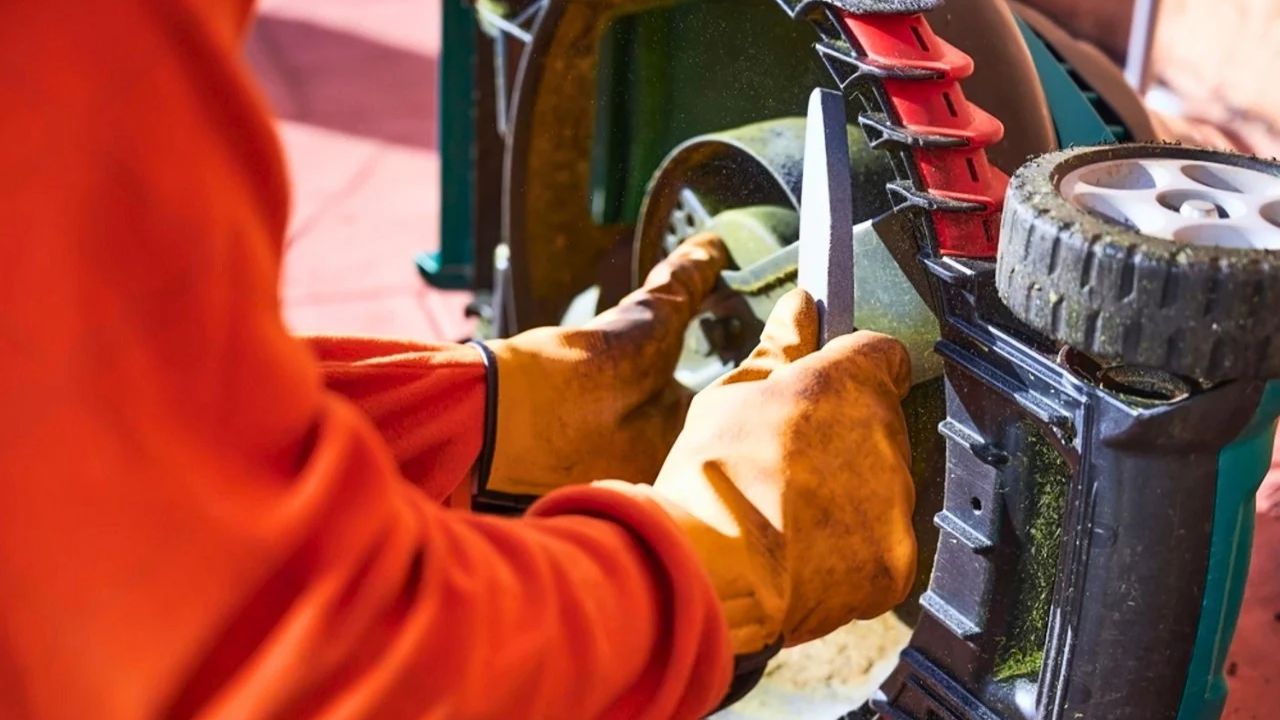
A freshly sharpened blade can still go dull fast if it is out of balance. When one side is heavier, the mower vibrates, the blade wobbles slightly, and the edge does not meet grass cleanly. You also put extra stress on spindles and engine shafts, which gets expensive.
Use a simple cone balancer or a nail in the wall to check balance after sharpening. If one end drops, take a little more off that same end until it sits level. If you do not have a grinder and the blade is badly nicked, paying a shop for sharpening and balancing once or twice a year is money well spent.
Sharp blades are cheap compared to turf repair, spindle parts, and wasted Saturdays re-mowing a lawn that looks torn up. Treat grit and hidden debris like the real enemy, and your mower will sound happier and cut cleaner all season.
Like Fix It Homestead’s content? Be sure to follow us.