What happens when homeowners ignore routine upkeep for years
When homeowners put off basic upkeep year after year, the damage rarely shows up all at once. It creeps in through small leaks, clogged filters, hairline cracks and missed inspections, quietly eroding a property’s safety, value and insurability. What looks like saving a few weekends and a little cash can, over time, turn into structural decay, health hazards and five‑figure repair bills that were entirely avoidable.
I see the same pattern repeat: small, boring tasks get deferred, the house absorbs the punishment for a while, then the bill comes due with interest. From the heating system to the roof, from indoor air quality to insurance coverage, the evidence is clear that routine maintenance is not cosmetic, it is the only thing standing between a home that ages gracefully and one that becomes a liability.
Entropy at home: what really happens when you stop maintaining a house
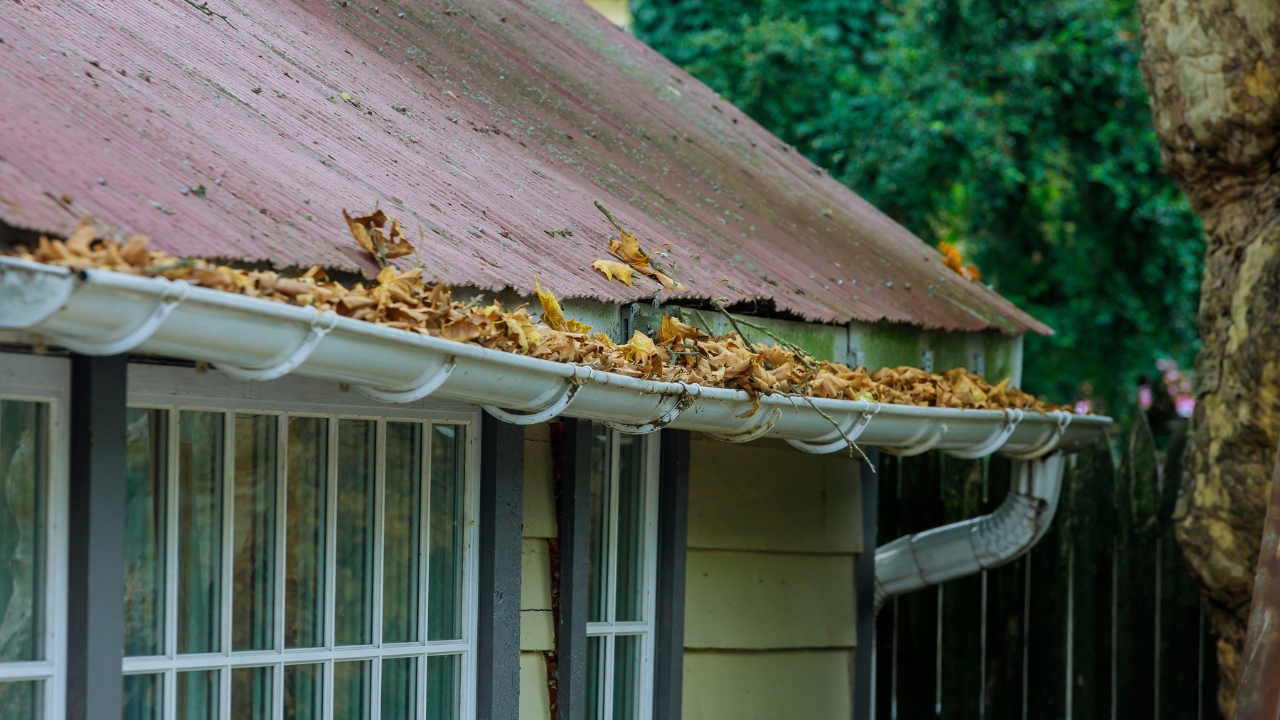
Every building is in a constant tug of war with time, weather and gravity, and ignoring upkeep simply lets those forces win faster. Experts on building science point out that Houses without maintenance will eventually deteriorate as moisture, temperature swings and pests break down materials, from roofing shingles to framing lumber. When gutters clog and overflow, water seeps into fascia boards and foundations; when caulk fails around windows, drafts and rain find their way inside, accelerating rot and corrosion that would have been cheap to prevent.
That slow decay is why seasoned contractors stress the The Importance of Home Maintenance long before anything looks broken. Too many homeowners, as one veteran builder puts it, wait until something fails before paying attention, even though neglected caulking and insulation alone can lead to water intrusion, mold and energy loss that cost far more than a tube of sealant. The physics are simple: small openings invite in water and air, water and air damage materials, and damaged materials eventually compromise the structure itself.
The domino effect: how small problems become big expenses
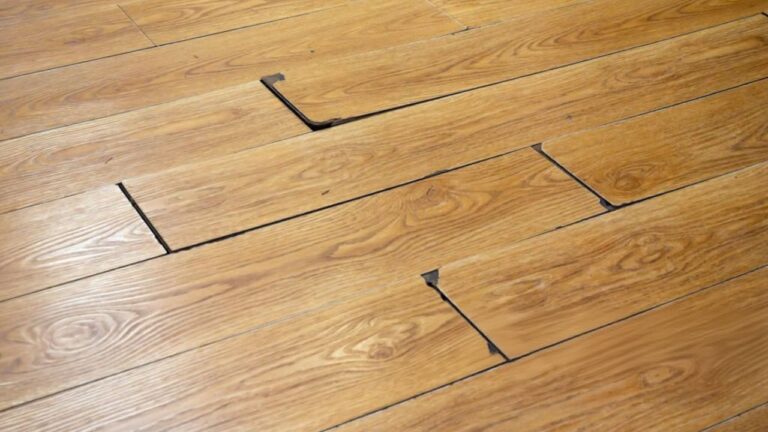
Financially, deferred upkeep behaves like high‑interest debt: the longer it sits, the more expensive it becomes to clear. Property specialists describe The Domino Effect of Neglect in blunt terms, explaining how a tiny leak that could have been fixed for the cost of a service call can, left alone, saturate insulation, buckle flooring and invite termites, turning into a full remediation project. One of the most insidious aspects of this pattern is that the early stages are easy to ignore, because the damage is hidden behind walls and under floors until it is too extensive to miss.
That same logic shows up in community settings, where boards that skip routine work to keep dues low often discover later that they have to levy special assessments. Analysts who look at shared properties have spelled out how skipping inspections and minor repairs forces Let boards to eventually Breakdown The True Cost of Neglecting Preventative Maintenance in the form of emergency roof replacements and failing mechanical systems. Homeowners in those communities learn the hard way that a predictable, cost‑effective preventative maintenance strategy would have been far cheaper than crisis repairs funded by sudden, painful fees.
Comfort systems and hidden health risks
Heating and cooling equipment is one of the first places where years of neglect quietly erode both comfort and budgets. Technicians warn that skipping tune‑ups leads directly to poor Energy Efficiency, because a dirty HVAC system has to work harder to move the same amount of air. One immediate result of ignoring filters, coils and refrigerant levels is higher utility bills, followed by premature breakdowns that can force a full system replacement years earlier than necessary.
The health stakes are just as real. A neglected home collects dust, pet dander and spores that circulate through ductwork, and Over time that buildup can trigger allergies, aggravate asthma and create conditions where mold thrives. Indoor air quality experts note that a dirty environment does not just look cluttered, it undermines the basic promise of a home as a safe, healthy place to live, especially for children, older adults and anyone with respiratory issues.
Deferred maintenance, safety hazards and legal risk
Beyond comfort, ignoring routine tasks can turn a house into a safety risk for the people who live there and anyone who visits. Real estate professionals define deferred maintenance as work that has been postponed despite being necessary, and they warn that unresolved issues can create Safety Risks ranging from loose handrails and uneven steps to outdated electrical systems that increase the chance of shocks or fires. When those hazards cause injuries, homeowners may face not only repair costs but also potential legal liabilities that far exceed what it would have cost to fix the problem early.
Some of the most troubling dangers are the ones that do not show up in a quick walk‑through. Analysts who track household hazards emphasize that The Hidden Dangers of Neglected Home Maintenance include slow gas leaks, aging water heaters without proper relief valves and deteriorating decks that can collapse under normal use. A well‑maintained home, they argue, goes beyond fresh paint and updated fixtures; it is one where critical systems are inspected and serviced on a schedule, precisely so that invisible failures do not turn into emergencies.
When neglect hits your wallet: value, insurance and surveillance
From a financial perspective, the market punishes homes that show years of deferred care. Appraisers and contractors alike point out that a neglected house might lose value faster than one that receives regular attention, while Slower Depreciation is one of the quiet benefits of staying on top of repairs. Regular upkeep on roofs, siding and mechanicals signals to buyers and lenders that a property has been cared for, while peeling paint, stained ceilings and outdated systems invite lower offers and tougher inspections.
Insurers are also watching more closely, and not just when a claim is filed. Consumer advocates have documented how Are insurance companies using drones and aerial imagery to spot cluttered yards, overgrown trees and unrepaired damage, then using those images to justify non‑renewals or coverage limits before a disaster hits. Credit unions now warn members that Insurance companies use drones and satellite imagery to investigate not only claims but also the general condition of a property, and that Some carriers will act on what they see even if the homeowner has not made a claim.
In high‑risk states, the scrutiny is even sharper. Real estate advisers in California report that Several of their clients have faced abrupt policy cancellations, new inspections and steep premium hikes as insurers decide which properties they will continue to insure. One California homeowner who spent $200,000 on remodels still saw a policy dropped after drone images flagged exterior clutter that carriers viewed as a sign of risk. In that environment, routine upkeep is no longer just about pride of ownership; it is a prerequisite for keeping basic coverage in place.
Regret, stress and the psychology of putting things off
For many owners, the cost of ignoring maintenance is not just measured in invoices but in anxiety and second‑guessing. Surveys of homeowners show that nearly a third regret delaying work, and that Jan findings highlight how Regular maintenance for commonly neglected areas like roofs, crawl spaces and attics is especially important. Those are the places that are hardest to reach and easiest to forget, which is exactly why problems there tend to be discovered only when they have already become expensive.
The mindset behind deferral is familiar from other parts of life. Financial coaches describe The Cost of Neglect Ignoring your finances as similar to skipping regular checkups on a house: the issues do not vanish, they compound quietly until they are impossible to ignore. Home maintenance works the same way. Hoping that a small leak will dry up or that a flickering light is just a quirk is not a strategy; it is a bet that the underlying problem will somehow fix itself, even though the evidence shows it almost never does.
How to break the cycle without breaking the bank
The good news is that reversing years of neglect does not require perfection, it requires a plan and a willingness to start. Home service companies that specialize in catch‑up work stress that The Hidden Cost of Deferred Home Maintenance is that so much of it could have been avoided with basic, timely care, and they encourage owners to prioritize roofs, plumbing, electrical systems and exterior drainage before cosmetic projects. Why Being Proactive Pays Off is simple: each small fix reduces the odds of a catastrophic failure that would wipe out a savings account.
From there, the focus can shift to preserving value and avoiding future regret. Contractors who see the aftermath of neglect every day remind clients that What Could Go Wrong If You Don’t Upkeep Your Home starts with Decreased Property Value and can end with disruptions that upend daily life and finances. On the flip side, property managers note that What Happens When a Tenant Does Not Report a Maintenance Issue in a rental shows the same pattern of small oversights turning into big bills, which is why they urge owners to treat their own homes with at least the same discipline they expect from renters.
Supporting sources: How Skipping Home Maintenance and Repairs Puts Your Insurance ….