What to do in the first 10 minutes of a winter outage so you’re not making risky choices
The first ten minutes after the lights cut out on a freezing night are when you either quietly stabilize your home or set yourself up for a cascade of avoidable problems. You do not have time for guesswork, but you do have time for a short, deliberate sequence that keeps people safe, protects your house, and buys you hours of breathing room. Think of it as a checklist you can run almost on autopilot so you are not forced into risky choices later when the temperature and your patience both drop.
1. Take a breath, then stabilize people and hazards
Your first move is not to sprint for candles or the breaker panel, it is to make sure everyone in the home is accounted for and safe. Call out, use your phone’s flashlight, and get children, older adults, and anyone with mobility or medical needs into one central area so you can see and support them. A detailed winter outage checklist stresses that you should stabilize your home and check on people first, before you worry about gear or gadgets, because the house will hold its heat for a while even if the power is gone.
Once everyone is together, do a quick hazard scan. Turn off any stove burners, ovens, or space heaters that might have been running so they do not come roaring back unattended when electricity returns. If you smell gas or see sparks, leave the building and call for help from outside. National guidance on outages notes that power failures can disrupt communications, water and transportation and close retail businesses, so assume emergency services may be stretched and act conservatively around anything that could start a fire or cause a leak.
2. Confirm it is an outage, not a house problem
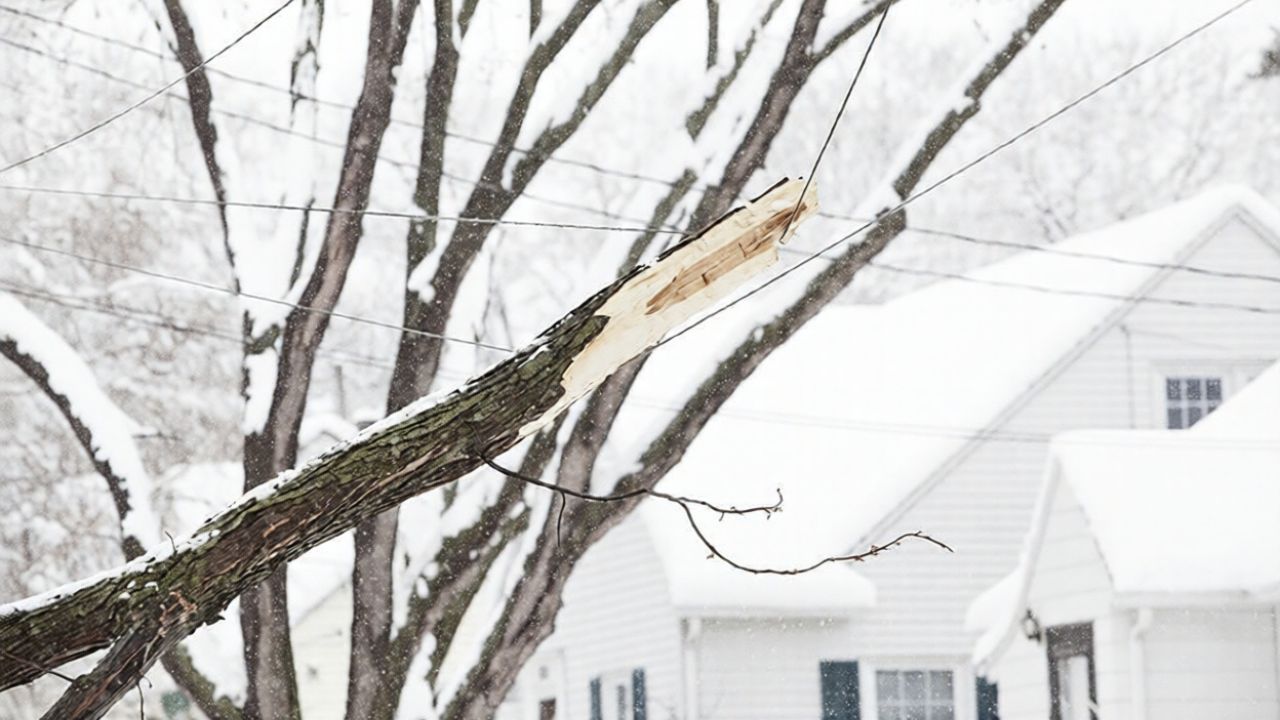
Once people are safe, you need to figure out whether you are dealing with a neighborhood outage or a problem inside your own walls. Look outside for streetlights, porch lights across the road, or the glow from nearby buildings. If everything is dark, it is likely a wider grid issue. If neighboring homes are lit while yours is not, check your breaker panel for a tripped switch and reset it only once, firmly, to avoid compounding a fault.
If you confirm that the problem is not just your house, report it and get yourself into the information loop. Utilities urge customers not to wait passively for power to return but to use outage maps, text alerts, or phone lines to log the problem and receive updates. One safety checklist advises you to have a Storm Safety Kit and a backup plan ready before trouble hits, including enrollment in alert systems, so that when you do lose power you can quickly confirm the cause and likely duration instead of guessing in the dark.
3. Guard your heat: close, layer, and consolidate
Cold does not rush in all at once, it seeps, and your job in the first ten minutes is to slow that seepage as much as possible. Shut exterior doors firmly, close windows, and pull curtains or blinds to add a thin layer of insulation. If you have rooms you rarely use, close those interior doors too so you are not trying to keep the entire house warm. Guidance on winter outages emphasizes that when the grid fails in a storm, Things You Must Do Fast include focusing on a smaller living area and preserving the heat you already have before the house has time to cool.
At the same time, start dressing for a longer stretch without power. Put on thermal base layers if you have them, then a warm shirt, then a sweater or fleece, and add insulated pants or long underwear under jeans or work pants. One practical guide recommends you Dress in layers and Start with thermal wear, then add Insulated pants so your body heat does more of the work and you are not tempted to improvise unsafe heating later with grills or open ovens.
4. Protect your pipes before they freeze
In a winter outage, frozen plumbing can turn a temporary inconvenience into a five‑figure repair. You do not need to drain the whole system in the first ten minutes, but you should take quick, targeted steps to keep water moving and warmer air circulating around vulnerable lines. If temperatures are dropping fast, start a slow drip at faucets on exterior walls or in unheated spaces so water does not sit still in the coldest sections of pipe. Cold‑weather guidance explains that letting faucets drip can keep water moving enough to prevent freezing, especially when combined with other protective steps.
Next, expose the plumbing to whatever warmth remains in the house. Open the doors on any cabinets that house pipes, particularly along outside walls, so heated air can reach them. One step‑by‑step guide on cold‑weather outages notes that Step one is to open the doors on any cabinets that house pipes, especially along the outside walls of your home, because that simple move can raise pipe temperatures just enough to avoid ice. If you have time and access, wrap exposed sections in towels or foam sleeves to add a bit more insulation.
5. Use water wisely to limit damage risk
Once you have taken the immediate steps to keep pipes from freezing, think about how water could damage your home if something does go wrong. If you rely on an electric well pump, remember that your water supply may be limited to what is already in the pressure tank and lines, so avoid long showers or laundry cycles that could leave you dry when you most need to flush toilets or wash hands. Some winter outage guides recommend that in the first hour of a blackout you Start a controlled trickle at key faucets and manage water use so you are balancing freeze prevention with conservation.
If you live in a multi‑story home, know where your main water shutoff is and make sure it is accessible, not buried behind storage boxes or stuck under a frozen hatch. In a worst‑case scenario where a pipe bursts, being able to cut water quickly can limit damage to a single room instead of an entire floor. Cold‑weather plumbing advice also stresses basic exterior prep, such as turning off and draining sprinkler systems, disconnecting outside hoses, and wrapping exposed outdoor spigots, so that when an outage hits you are not fighting ice on multiple fronts. One detailed checklist on dangerous cold urges you to Keep pipes from bursting by making sure sprinklers are turned off and drained, Disconnect outside hoses, and Wrap exposed pipes well before the storm, so your first ten minutes can focus on fine‑tuning rather than scrambling.
6. Protect food, medicine, and critical gear
Refrigerators and freezers are surprisingly resilient if you do not keep opening them to “check” the contents. As soon as the power goes out, decide that you will treat those doors like vaults and only open them when you have a specific plan for what you are taking out. Federal guidance on outages notes that you should keep freezers and refrigerators closed to preserve cold as long as possible, since every peek lets warm air in and shortens the safe window for your food.
Medications and medical devices deserve the same early attention. If you or someone in your home uses refrigerated medicine, check the label to see how long it can safely stay at room temperature and whether there are special instructions for outages. State emergency planners advise that you Check with your pharmacist for guidance on medicine storage well before a storm so you are not guessing in the dark. For powered equipment like oxygen concentrators or CPAP machines, move backup batteries or manual alternatives into the same room where you gathered everyone earlier so you can monitor their status and avoid last‑minute scrambles.
7. Light and heat safely, without improvising
When the room goes dark, your instinct may be to reach for candles or crank up a gas stove for warmth, but those are exactly the kinds of risky choices that turn outages into emergencies. Instead, lean on flashlights, headlamps, and battery‑powered lanterns that you have already tested. Preparedness checklists urge you to Check flashlights and battery-powered portable radios Before a power outage so that when the lights fail you can simply grab reliable gear instead of improvising with open flames.
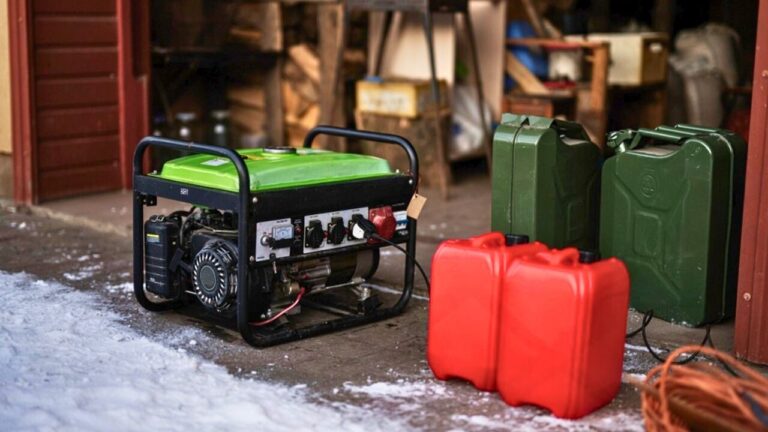
For heat, stick to devices that are designed for indoor use and properly vented, and never run a generator, charcoal grill, or propane heater inside a home, garage, or enclosed porch. Carbon monoxide is colorless and odorless, and it can build up quickly in tight spaces. A winter storm survival guide underscores that when the grid fails, one of the Things You Must Do Fast is to Seal Leaks and Drafts Immediately and Insulat key areas so you rely less on high‑risk heating workarounds. If you have a fireplace or wood stove, use it only if it has been maintained and the chimney is clear, and keep a window slightly cracked to allow fresh air exchange.
8. Unplug smartly and lean on your outage kit
Power surges when electricity returns can quietly destroy electronics that survived the storm itself. In your first ten minutes, walk through the main rooms and unplug sensitive devices like televisions, gaming consoles, desktop computers, and nonessential chargers. One outage checklist recommends that you unplug appliances and electronic devices during an outage so they can be powered back up later in a more controlled environment, instead of all at once in a surge.
This is also when your preparation either pays off or leaves you scrambling. If you have assembled an emergency stash, pull it into your central room so you are not hunting through closets with a phone flashlight. Co‑ops and emergency managers consistently urge households to Prepare an Outage Kit that includes items like a battery radio, spare batteries, a first‑aid kit, blankets, shelf‑stable food, and copies of important documents. National hazard sheets on outages emphasize that being PREPARED FOR POWER OUTAGE before severe weather hits is what allows you to move calmly and methodically in those first minutes instead of improvising under stress.
9. Plan your next moves and check on others
Once the immediate steps are done, you can shift from reaction to strategy. Use your phone sparingly to preserve battery, but take a moment to check official outage maps or text alerts so you have a rough sense of how long you might be without power. State emergency guidance on winter outages advises you to Ensure your device is charged and Stay informed about warming or cooling locations open near you, so you can decide early whether to shelter in place or head to a community site if the outage looks prolonged.
Finally, widen your focus beyond your own walls. Check on neighbors, especially anyone who is older, lives alone, or relies on powered medical equipment. A winter outage checklist notes that once everyone in your home is accounted for and your house is stable, you have a window before the building cools significantly to look in on others and coordinate support. Regional guidance on the first hour of a winter outage highlights that simple steps like sharing information, pooling safe heat sources, and coordinating rides to warming centers can be as important as any single gadget. Those first ten minutes set the tone, not just for your household, but for your block.
Like Fix It Homestead’s content? Be sure to follow us.
Here’s more from us:
- I made Joanna Gaines’s Friendsgiving casserole and here is what I would keep
- Pump Shotguns That Jam the Moment You Actually Need Them
- The First 5 Things Guests Notice About Your Living Room at Christmas
- What Caliber Works Best for Groundhogs, Armadillos, and Other Digging Pests?
- Rifles worth keeping by the back door on any rural property
*This article was developed with AI-powered tools and has been carefully reviewed by our editors.