What to Put Up at the Property Line to Keep Predators Out for Good
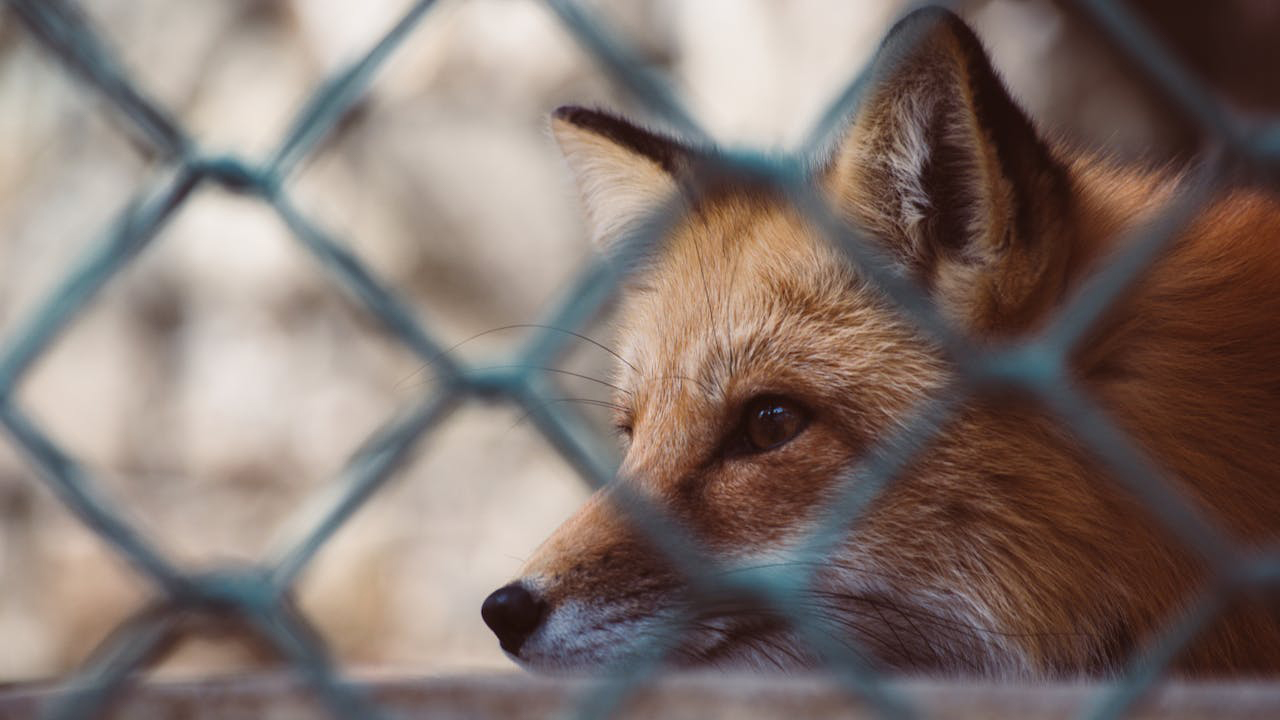
Predators don’t care about your fences unless they’re built right. Coyotes, foxes, raccoons, and even bobcats will test your perimeter if they think there’s food inside. That means livestock, eggs, and even pet bowls left out are all on the menu.
If you want to keep them out for good, you’ve got to stop thinking about fences as suggestions—and start building barriers they won’t want to mess with.
Tall, Tight Fencing with a Hot Wire

A basic fence won’t stop predators that can climb, jump, or dig. You’ll want something at least six feet tall, preferably with a wire mesh tight enough to stop paws and snouts. Add a hot wire at the top and bottom—top to deter climbers, bottom to stop diggers. The shock won’t hurt them, but it’ll make them think twice about coming back.
Welded Wire Works Better Than Woven
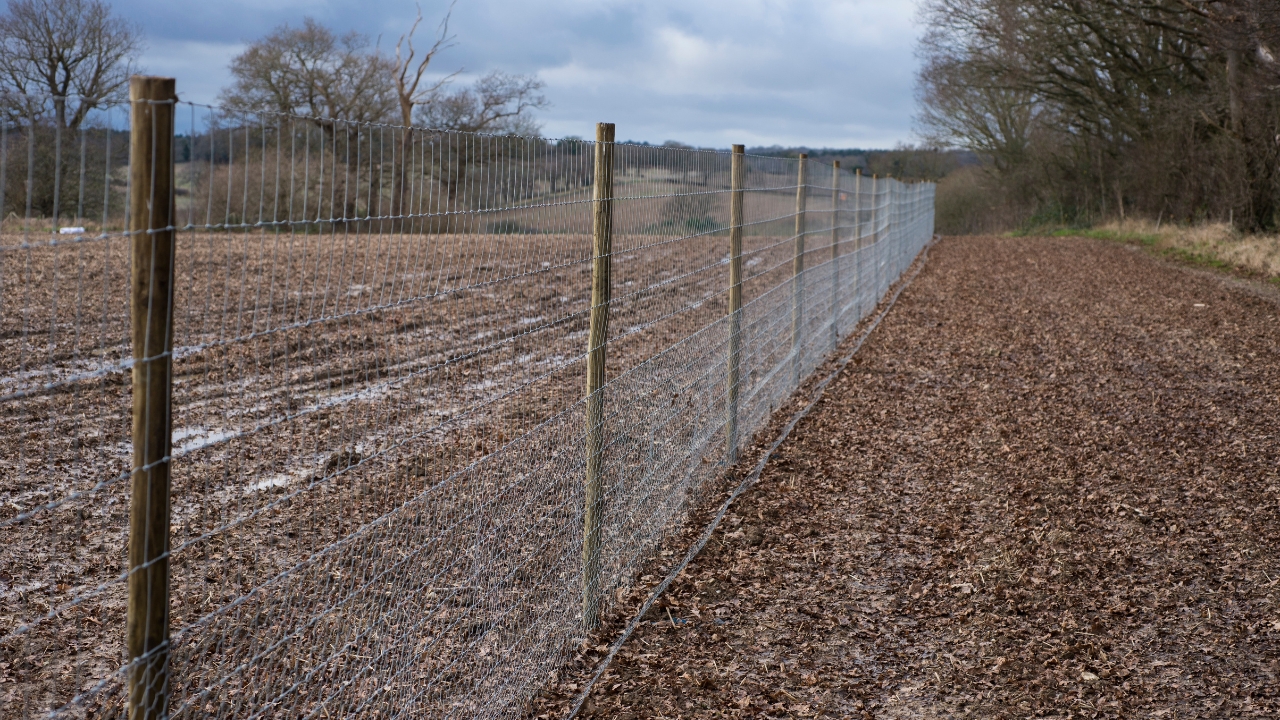
If you’ve got predators like coyotes or dogs trying to break in, skip woven wire. It’s too easy for them to push through. Welded wire holds its shape better and resists pressure. Attach it firmly to strong posts, and don’t leave gaps at the bottom. That little bit of extra strength goes a long way when something’s testing your setup in the middle of the night.
Bury Wire or Use a Predator Apron
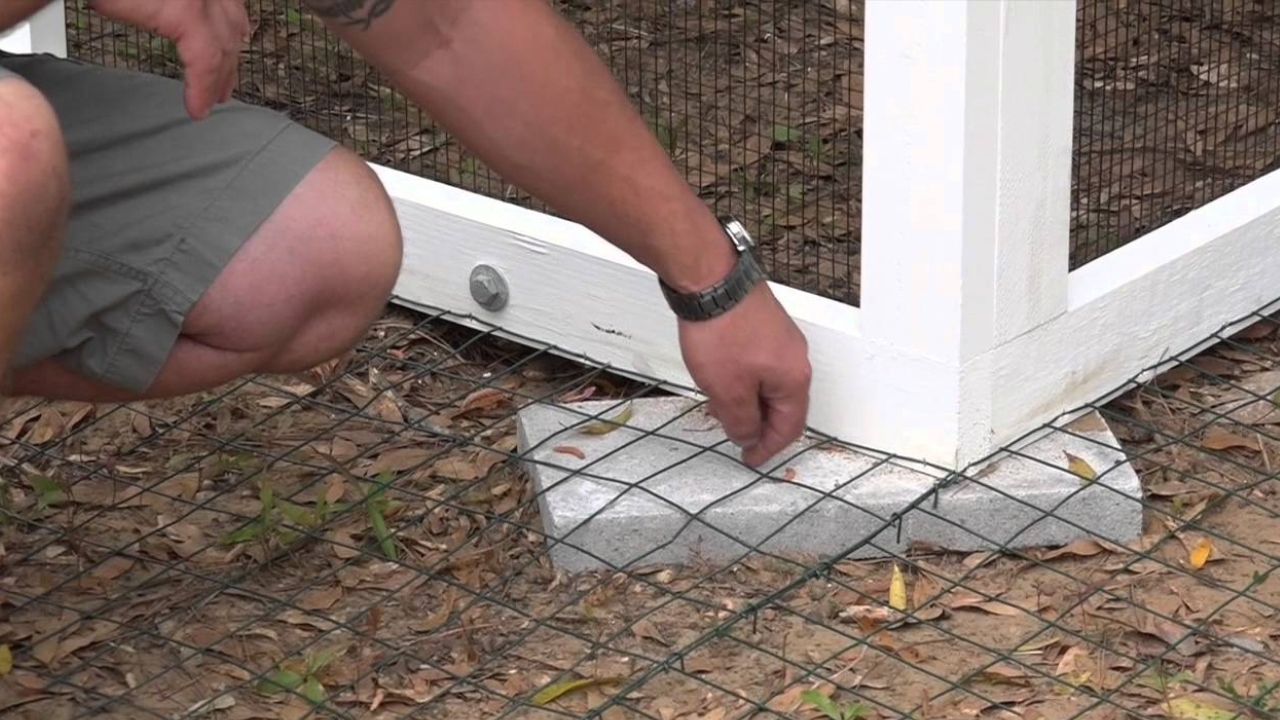
Digging is a big problem with raccoons, foxes, and coyotes. They’ll tunnel under in no time if the fence stops at ground level. One option is to bury your fence a foot down. A quicker fix is to run a predator apron—an L-shaped wire that extends out from the base, making it hard to dig close to the fence. It’s easier than trenching and works just as well.
Skip Chicken Wire for Anything Serious
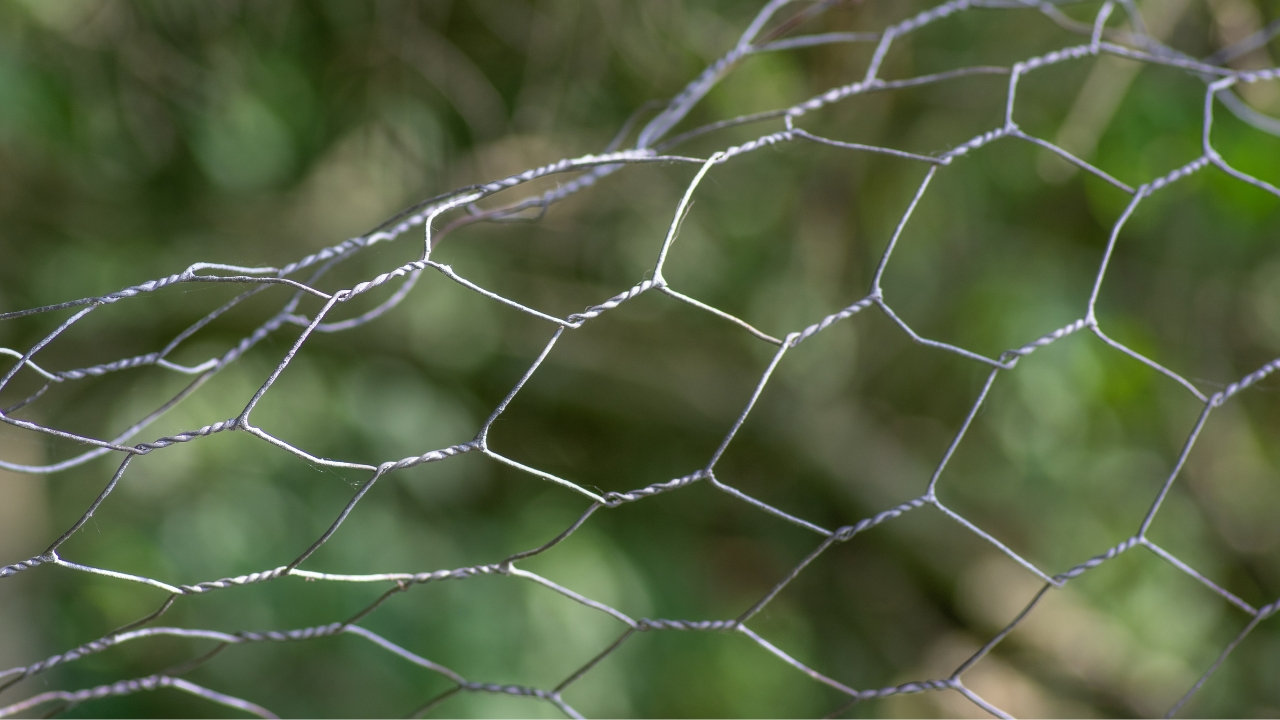
Chicken wire might look like it’ll do the job, but it doesn’t. It’s too flimsy, easy to tear, and rusts out fast. It might slow something down, but it won’t stop a determined predator. Use something heavier like 2×4 welded wire or hardware cloth if you’re protecting smaller animals or birds. A strong fence now saves a lot of heartache later.
Use Motion Lights or Alarms as Backup
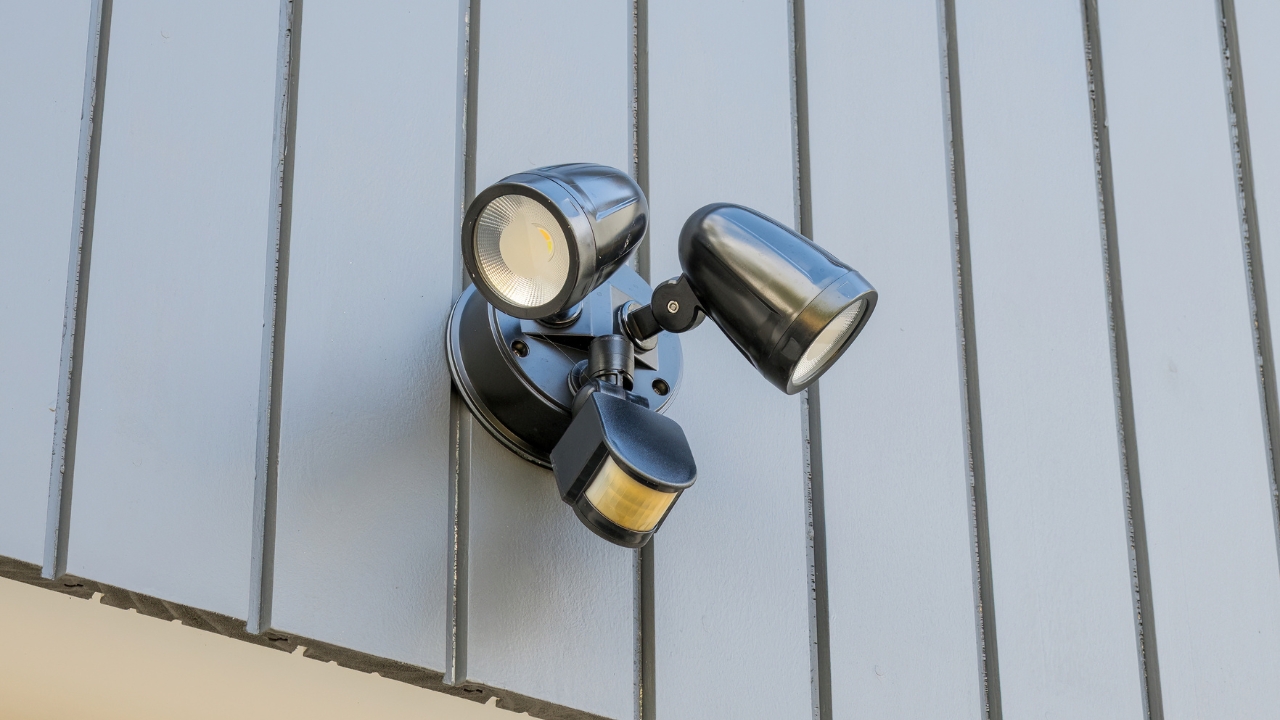
Lights and alarms won’t stop predators on their own, but they’re a good extra layer. Motion-activated lights can spook animals that are creeping along the fence line. The trick is to change things up now and then so they don’t get used to it. These tools are useful, but only when your physical barrier is already doing the heavy lifting.
*This article was developed with AI-powered tools and has been carefully reviewed by our editors.