What you should power first when the grid goes down
When the power cuts out, panic sets in fast. Lights go off, the house goes quiet, and suddenly you’re forced to decide what really matters. If you’ve got a generator or backup setup, it’s tempting to plug in everything you can.
But that’s how people end up overloading their systems or wasting power on the wrong things. The smartest move is to focus on essentials—the things that protect your home, your food, and your safety first.
Keep your refrigerator running
The first thing you need to keep powered is your refrigerator and freezer. Once those shut down, the clock starts ticking. Perishables can spoil within hours, especially in warm weather. If you’ve stocked up on meat or frozen goods, that’s a lot of money and food you don’t want to lose.
Run the fridge intermittently if you have to—thirty minutes every few hours is often enough to maintain safe temperatures without burning through fuel or battery life. Avoid opening the doors unless absolutely necessary to keep cold air sealed inside.
Power your water source
If you’re on a well, your pump is essential. Without it, you lose access to water for drinking, cleaning, and even flushing toilets. A small generator can easily handle a standard well pump, but you’ll need to budget power carefully if you’re running other appliances too.
City water can keep flowing during short outages, but it’s not guaranteed. If you have a water heater, skip powering it unless it’s electric and absolutely necessary—cold water beats no water every time.
Run the essentials for heat or cooling
Temperature control can quickly become a safety issue, not a comfort one. In winter, power a small space heater or the blower on a gas or wood furnace. In the summer, a fan or small window unit can prevent heat exhaustion.
Skip trying to power the entire HVAC system unless you have a large generator designed for it. Focus on keeping one main area livable instead of draining power across the whole house.
Keep communication lines open
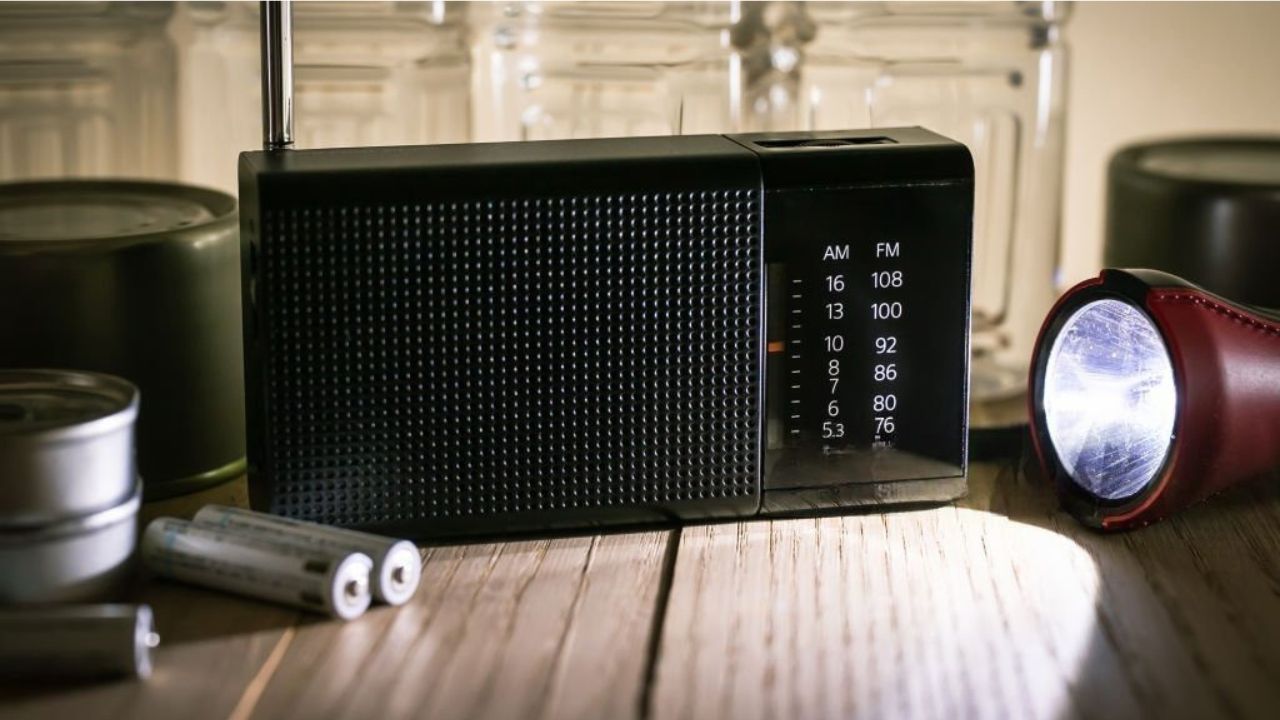
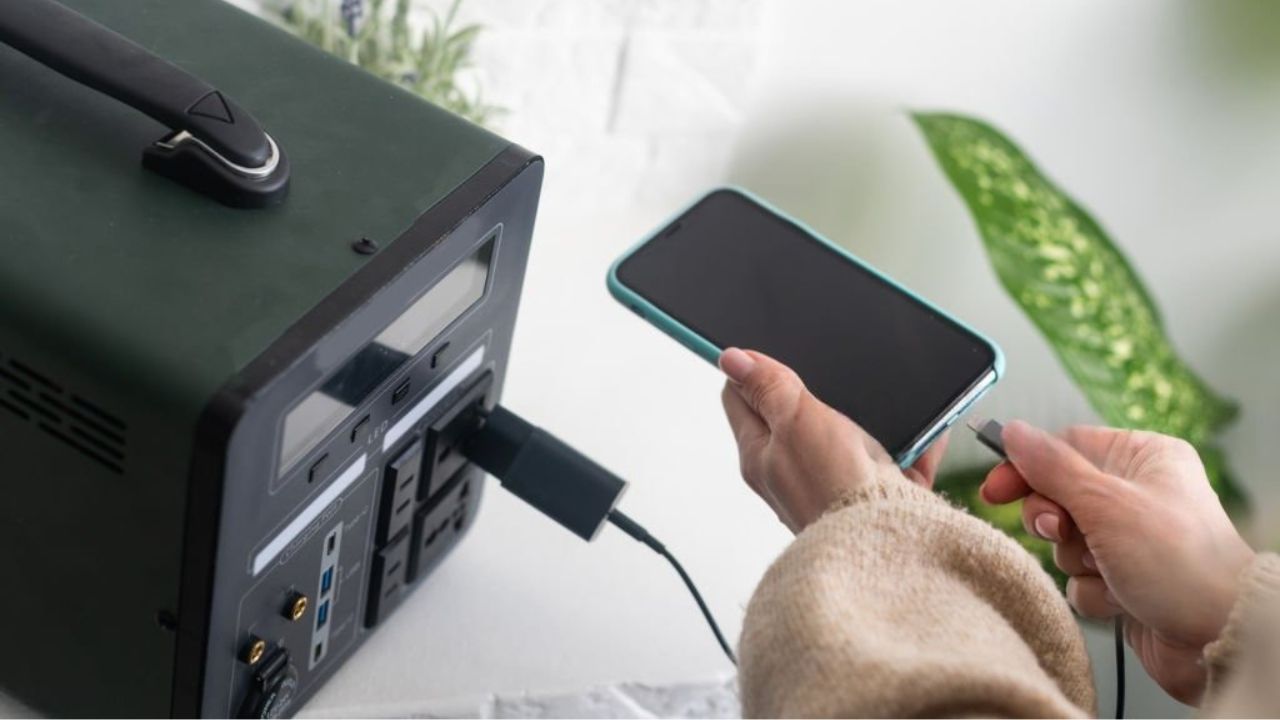
Phones, radios, and routers (if you’ve got limited internet) should be next. A charged phone lets you call for help, check weather updates, and coordinate with neighbors or family. A battery-powered radio or small router on backup power helps you stay informed when cell towers get overloaded or signals drop.
It doesn’t take much power to charge these devices, but the peace of mind they provide is worth prioritizing early on.
Power what keeps food and medicine safe
If you rely on medication that needs refrigeration or medical equipment like a CPAP, those take priority right after the main fridge. Many people forget to account for these smaller but critical needs during long outages.
Label those items on your power plan ahead of time so you’re not deciding in the dark. Having a small backup battery or dedicated inverter for them can make a huge difference if the outage lasts days.
Light only what you need
It’s easy to waste fuel keeping every light in the house on. Focus on one central area with good visibility, ideally near your food, gear, or sleeping space. Use battery-powered lamps, LED strips, or solar lights if you’ve got them charged up.
Save your generator power for higher loads. You can always move around with flashlights when needed—LED bulbs stretch your battery life a lot further than old incandescents ever did.
Keep sump pumps and drainage systems active
If you live in a flood-prone area or have a basement, your sump pump should be high on the list. Once it stops running, water buildup can happen fast—especially in heavy rain. It’s one of those systems people don’t think about until it fails, and by then, the damage has started.
Even a small backup pump or battery-powered version can buy you time. Protecting your foundation and stored items is a lot cheaper than replacing them later.
Limit kitchen appliances and laundry
Cooking and laundry can wait. Electric stoves, microwaves, and dryers pull huge amounts of power, and unless you’ve got a large backup setup, they’ll drain your resources quickly. Stick to gas or outdoor grills for meals and hand-wash essentials until power returns.
It’s better to ration power for what keeps you comfortable and safe than to waste it on convenience.
Save your backup power for long-term use
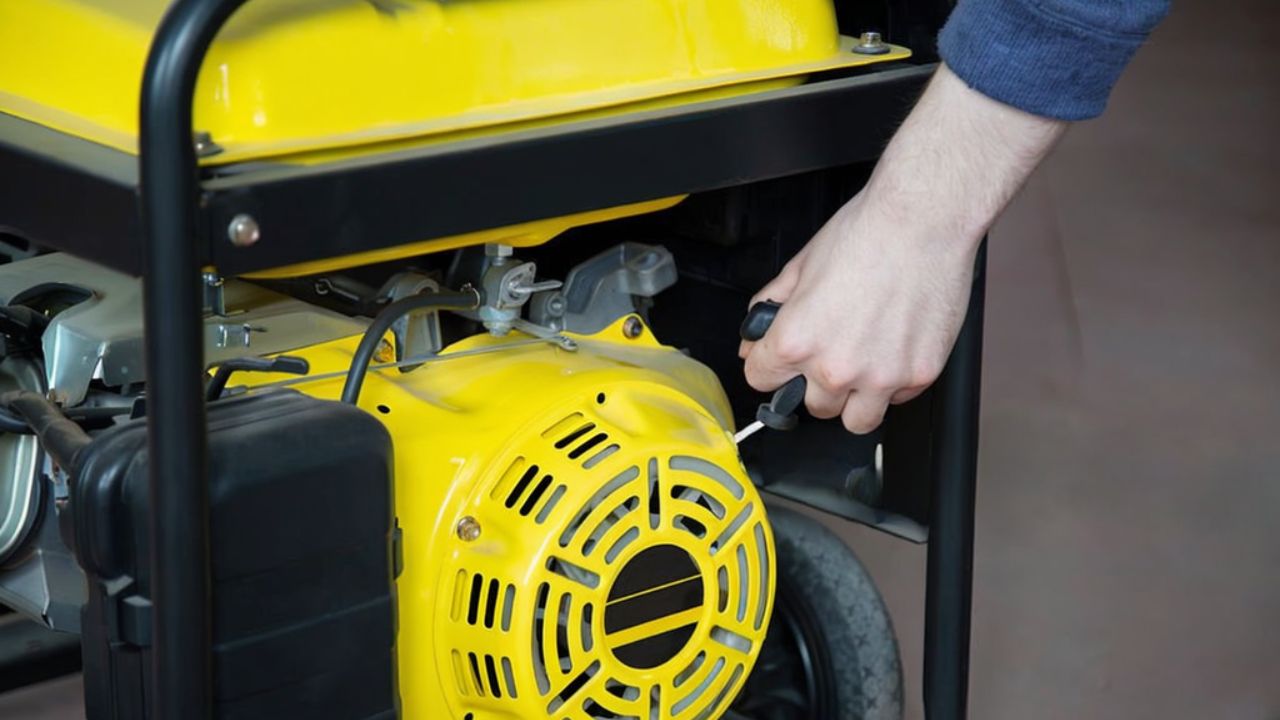
Once the immediate needs are covered, rationing is the real skill. Rotate which systems run at a time instead of trying to power everything nonstop. Run your generator in cycles—maybe a few hours on, then a few off—to stretch fuel and reduce wear.
You’ll stay powered longer, use fewer resources, and have enough to last through an extended outage if it comes to that.
Plan your priorities before the lights go out
When the grid fails, you don’t want to be guessing what to plug in first. Every home has different needs, but the order rarely changes—food, water, temperature, communication, and safety. Write it down, label your outlets or circuits, and practice before an actual outage.
If you plan ahead, you’ll spend less time scrambling and more time keeping your home running smoothly when everything else around you goes dark.
Like Fix It Homestead’s content? Be sure to follow us.
- I made Joanna Gaines’s Friendsgiving casserole and here is what I would keep
- Pump Shotguns That Jam the Moment You Actually Need Them
- The First 5 Things Guests Notice About Your Living Room at Christmas
- What Caliber Works Best for Groundhogs, Armadillos, and Other Digging Pests?
- Rifles worth keeping by the back door on any rural property
*This article was developed with AI-powered tools and has been carefully reviewed by our editors.