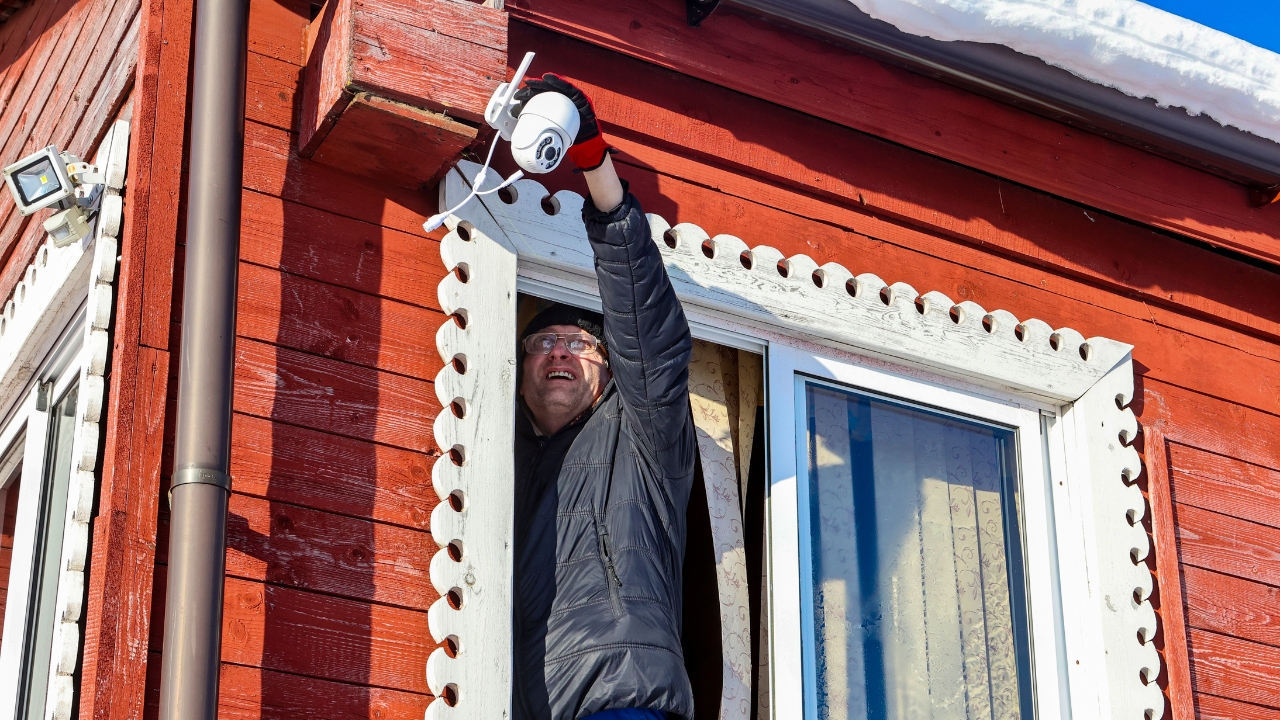
Woman Says Her Neighbor Kept Recording Her — Then Police Found Cameras and Speakers Inside His House
Photo credit: Grigvovan/Shutterstock.com
A woman in Washington said she tried to get one simple thing from her neighbor: stop pointing a camera into her bedroom window.
That request turned into more than a year of police calls, court dates, late-night noises, hidden cameras, emergency calls, floodlights, and a legal process that left her feeling like the system had run her down more than the neighbor ever did.
According to the Reddit post, the woman first noticed her neighbor had a camera pointed directly at her bedroom window. His house was roughly 50 feet from hers, close enough that she felt there was no question where the camera was aimed. She contacted police, but said they told her the neighbor had the legal right to record whatever he wanted from his property.
After police visited him, the camera was moved slightly toward the street. For a little while, that seemed like progress. Then, about a month later, it was aimed at her bedroom window again.
When she personally asked him to move it, he threatened her and gave her a dismissive answer along the lines of his house, his rules. He also claimed he had a recording of her using a racial slur, which she said never happened. To her, that made the camera feel even more threatening. It was not only pointed at her private space; he was also claiming he had recordings he could use against her.
At that point, she was exhausted. She asked Reddit whether she had any right to block the camera with a board on her own property because she felt like that was the only option she had left.
But the camera was only part of the problem.
In a later update, she said the neighbor had also started using noise to harass them. He played random sounds in the middle of the night, often short enough and unpredictable enough that they were hard to record. The pattern was clear to the people living through it, but proving it became its own miserable project.
She started keeping a detailed log. Every time something happened, she wrote down the date, time, what occurred, and whether she called police. She called almost every time. After major incidents, she dropped written statements off at the police station for the code enforcement officer.
The city eventually started looking at noise violations. But she got tired of waiting for things to move and paid to file paperwork for an anti-harassment order. She made sure to include the bedroom camera and the late-night noise campaign in the paperwork.
The neighbor was served with a temporary order the same day. Instead of stopping, the noises got worse.
Before the anti-harassment hearing, they were also subpoenaed as witnesses for the noise violation case. They brought evidence, statements, and even witnesses familiar with the neighbor’s behavior. The neighbor did not show up for the first court date. His lawyer arrived late and got the case pushed back.
Then the anti-harassment hearing came. Again, the neighbor did not show, and his lawyer asked for more time.
Another delay.
By the next hearing, the woman and her husband were ready. They had call logs, statements, and videos. When the neighbor’s lawyer tried to argue that the woman and her husband might be the ones making noise, they pointed out the obvious problem with that defense: the neighbor had a camera aimed at their home. If they were the ones making noise, he should have had proof.
The judge granted the anti-harassment order. It barred the neighbor from making more noises, pointing cameras into their windows or at them in general, and coming within 25 feet of them. The neighbor immediately moved the visible camera so it sat flush with the side of the house.
For the first time in months, they had some peace.
Then the noise started again.
The visible camera also began slowly shifting back toward their garage and bedroom window. When police came out, they noticed something strange in the tinted window directly below the outdoor camera: a red light.
Officers shined a flashlight and saw a lens.
The neighbor had allegedly placed another camera inside his window, pointed toward their bedroom, while the anti-harassment order was already in place. Police told them to stay quiet because they were seeking a search warrant.
The next weekend, the neighbor was arrested. The woman and her husband sat outside while police went through the house and removed cameras and equipment. Officers seized speakers, megaphones, and other noise-making items. They told her the room with the camera had four feet of insulation around it, and the front door of the home was barred shut.
That detail made the whole thing feel even more disturbing. This was not someone casually leaving a camera in the wrong spot. The setup sounded planned, insulated, and deliberate.
Still, the outcome did not feel like justice. Police seized the equipment, but she said they would eventually give it back. The neighbor was out of jail the next day. Because officers did not have a warrant for his hard drives, they could not pursue voyeurism charges, even though she said they told her they had seen her and her husband on his laptop.
For a while, at least, the noises stopped and the hidden camera issue seemed handled.
Then the neighbor found a new way to harass them.
Months later, an officer came to the door asking whether they had heard gunshots. They had not. The officer said the neighbor had called it in. The next day, a police cruiser sat across from their home for more than an hour.
When the woman emailed an officer she had been working with, she learned the neighbor had been calling 911 on their address every single day, claiming gunshots. Every day, he came home, lived his normal life, and called emergency services on them.
The city prosecutor initially seemed ready to pursue harassment and wrongful use of emergency services. But as the case dragged on, delays piled up again. Prosecutors changed. Emails went unanswered. The woman said the silence from the only people who seemed able to help made her anxiety worse.
Eventually, she and her husband gave up on staying.
They planned to move out of state. The house went up for sale, and even that brought another scare when she thought the neighbor might try to schedule a showing and get inside her home. It turned out not to be him, but by then she was so worn down that every normal thing felt suspicious.
The neighbor later pleaded guilty to three counts of misusing emergency services and one other unexplained charge. He was ordered not to contact or bother them or anyone on the property and was required to get a mental health evaluation.
Even then, the harassment did not stop cleanly. After a court date, he put floodlights up and aimed them toward their bedroom window. The lights came on at 10 p.m. every night and shone through the bedroom, even with blackout film.
Police documented it, and she was required to appear as a witness in court. But once again, the hearing went nowhere. A judge said the wording of the neighbor’s plea deal was too vague and questioned why the case mattered since the woman and her husband were moving soon.
She broke down in tears in court.
By the end, she said she would never get the two years of her life back. They had sold the house, left the property, and accepted that getting away was the only real ending they were going to get.
Commenters were furious at how long the situation dragged on and how little consequence the neighbor seemed to face. Many said the hidden camera, insulated room, speakers, megaphones, and daily false 911 calls showed a level of planning that should have been treated more seriously from the start.
Several people were especially alarmed by the false gunshot reports. Some worried he was trying to create a record that would make police suspicious of the couple or numb them to repeated calls. Others said that kind of emergency-service abuse can put innocent people in real danger if officers respond expecting weapons.
A lot of commenters were relieved the woman and her husband moved, but they were also frustrated that leaving was the only thing that truly protected them. The common reaction was that the legal system made the couple document, call, testify, wait, pay, and relive everything while the neighbor kept finding new ways to harass them.
Many also worried about whoever bought the house next. The woman said the neighbor was ordered not to bother anyone on the property, but commenters doubted a court order would change someone who had already ignored boundaries, cameras, police visits, and basic decency for that long.