You won’t realize your fencing mistake until you’ve already lost livestock
Anyone who’s ever chased a loose cow at sunrise knows this truth the hard way—your fence is only as strong as its weakest point. It doesn’t matter how straight your lines are or how expensive the wire was; one bad decision during setup can cost you animals, time, and peace of mind.
The problem is, most fencing mistakes don’t show up right away. They show up when it’s too late.
You trusted the wrong materials
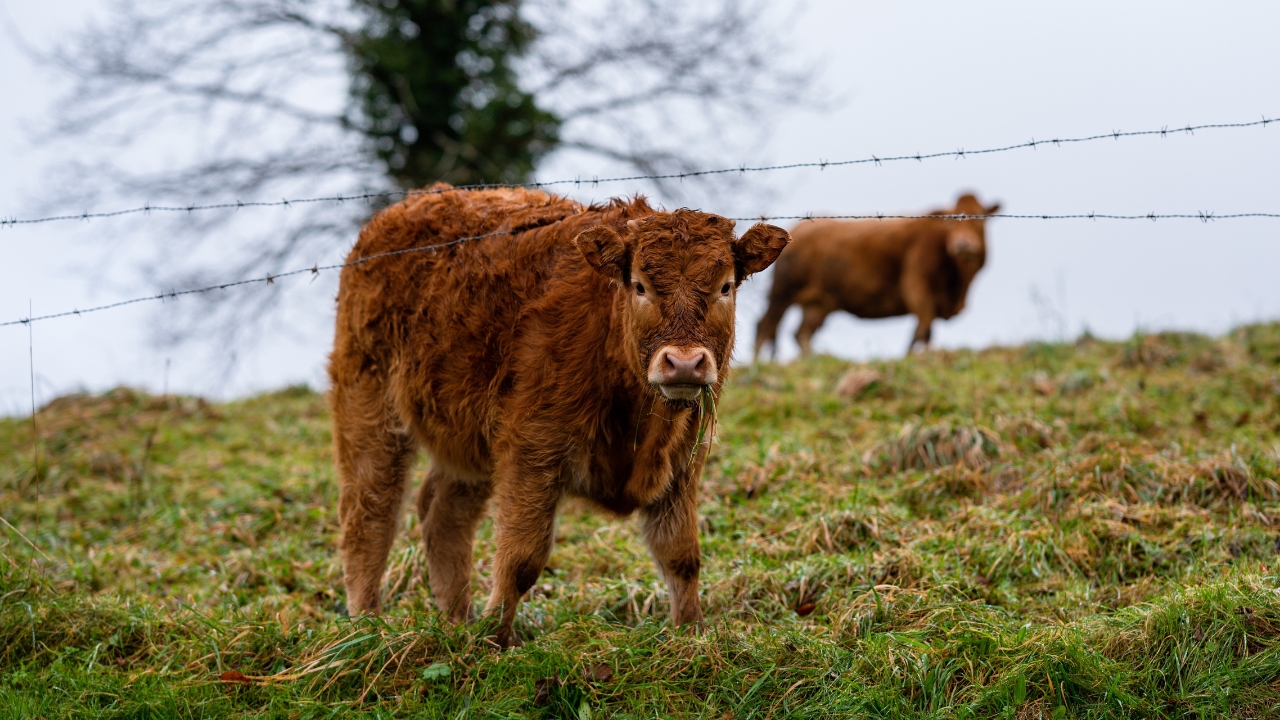
Cheap wire looks good on the shelf, but it rarely holds up to weather or pressure. Goats, hogs, and even calves will test your fence daily, and once they find a weak spot, it’s game over. If you used lightweight wire, poorly treated posts, or cheap insulators on electric lines, you’re basically building an escape route. Spend more up front—it’s cheaper than replacing lost animals or repairing damage every few weeks.
Your posts aren’t deep enough
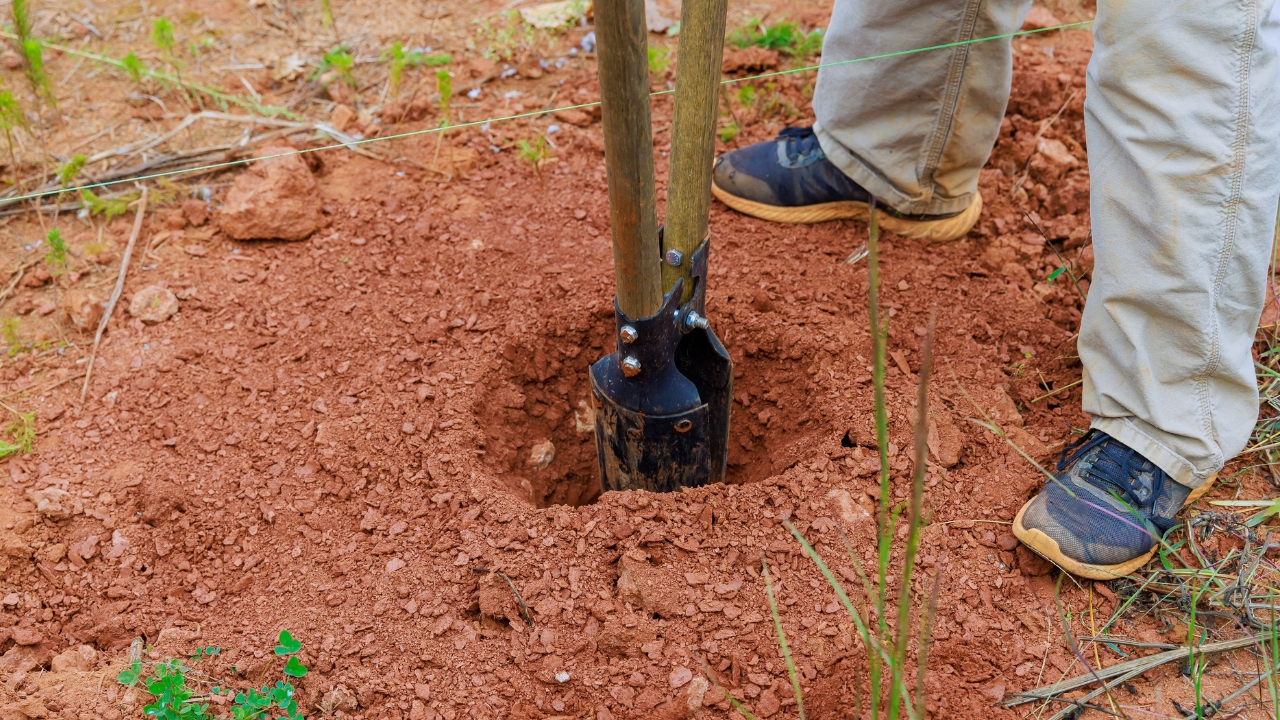
You can’t rush post setting, no matter how much ground you’re trying to cover. Shallow posts will start leaning within a season, especially after heavy rain or frost heave. Livestock will find that give and push it further every time they rub or lean. Set corner and gate posts at least three feet deep with properly packed soil or concrete, or you’ll be rebuilding faster than you think.
You skipped the grounding or tension check
If you’re running electric, grounding rods and tight lines aren’t optional—they’re everything. A fence that doesn’t deliver a consistent shock turns into a joke to your livestock. The same goes for loose tension on wire; it sags, catches debris, and loses effectiveness fast. Check voltage weekly, tension after storms, and replace worn insulators before they fail.
You built for looks, not behavior
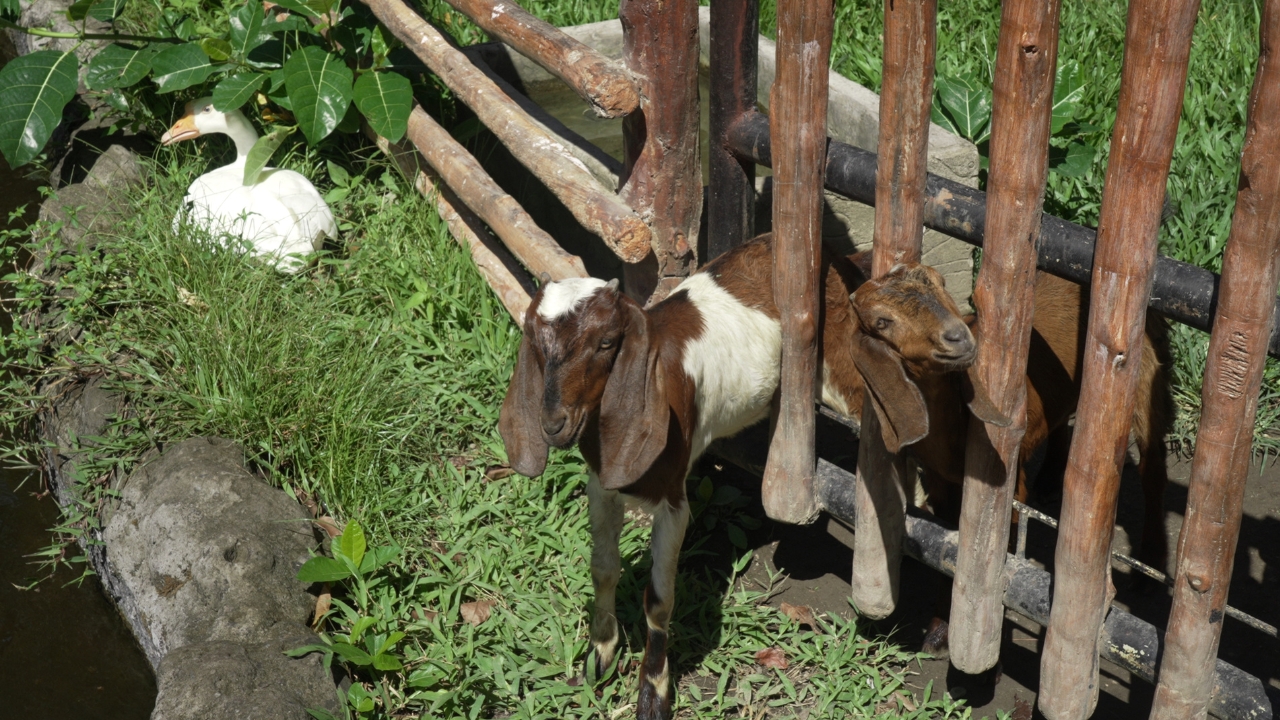
A good fence matches your animals’ instincts, not your Pinterest board. Goats climb, pigs root, and horses lean. What works for one species won’t hold another. Smooth wire looks clean, but cattle will walk through it. Wood fencing feels solid, but goats will chew it bare. Building with behavior in mind saves you from fixing the same problem over and over.
You didn’t plan for maintenance
Every fence—no matter how solid—needs attention. Weather, tree limbs, and pressure from animals will wear it down. The mistake people make is treating it like a “set it and forget it” job. Make checking your perimeter part of your weekly routine. Catching a weak post or broken strand early means you keep your animals safe and your sanity intact.
Living with livestock teaches you fast that good fencing isn’t a one-time project—it’s ongoing work. You don’t build it once and move on; you build it right and keep it strong. Because once that fence fails, it’s not a small inconvenience. It’s hours of chasing, repairing, and wishing you’d done it right the first time.
Like Fix It Homestead’s content? Be sure to follow us.
- Man Says He Found Out the Fence He Paid For Wasn’t Actually on His Property
- Woman Says Her Neighbor Started Taking Mulch From Her Delivery Pile Before She Could Even Spread It
- I made Joanna Gaines’s Friendsgiving casserole and here is what I would keep
- What Caliber Works Best for Groundhogs, Armadillos, and Other Digging Pests?
*This article was developed with AI-powered tools and has been carefully reviewed by our editors.