Your power bill might spike this winter if you skip this one habit
Most people blame rising rates or “bad weather” when their winter power bill jumps, but in reality, it’s usually something preventable. The habit that saves you the most isn’t fancy or new—it’s sealing and maintaining your home’s insulation before the cold hits.
Even small drafts around doors, windows, and outlets can bleed warm air faster than you realize, forcing your system to run twice as long to keep up.
Heat loss adds up faster than you think
Warm air always looks for the easiest escape route, and your home is full of them. Tiny cracks around window frames, unsealed attic hatches, and gaps in baseboards all act like open doors. You might not feel a draft, but your thermostat does—constantly kicking the system back on to replace the heat you’re losing. Spending a weekend sealing those leaks with weatherstripping or caulk can lower your bill by as much as 20%.
Your HVAC system works overtime
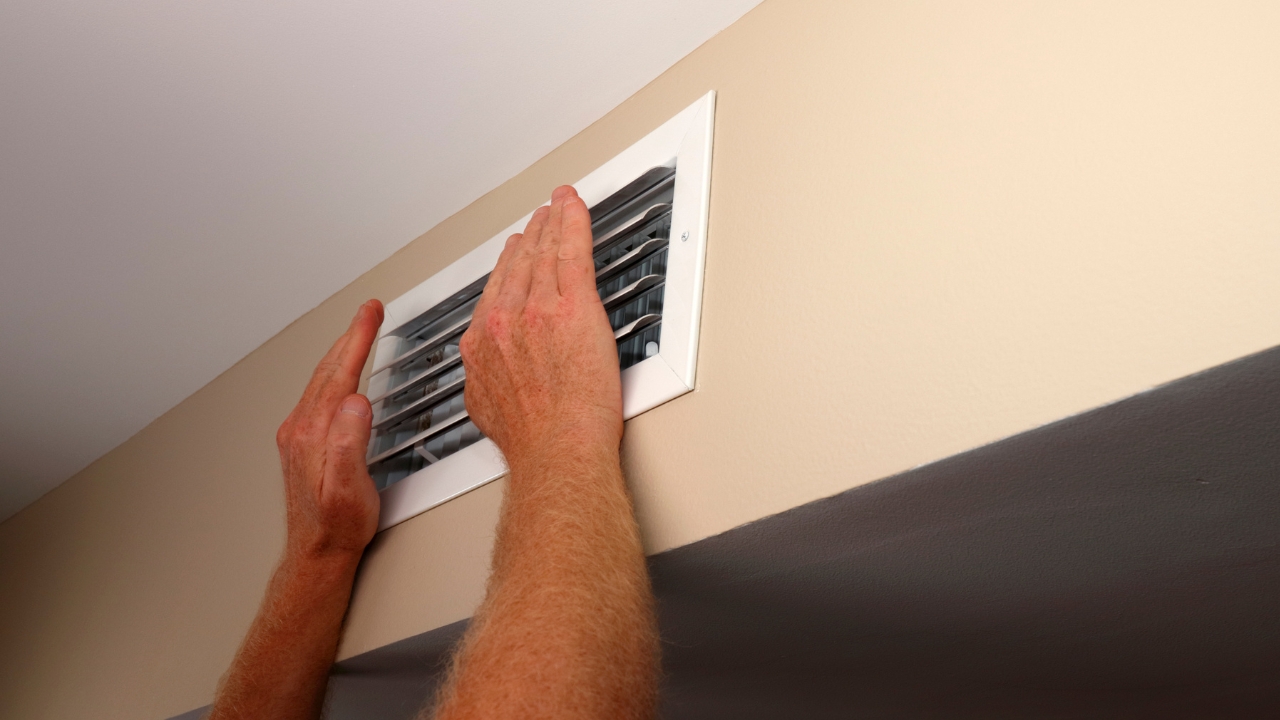
When heat keeps slipping out, your system runs longer to keep the temperature steady. That doesn’t just raise your bill—it wears down your furnace or heat pump faster. Dirty filters, leaky ducts, or uninsulated attics can push your system to the edge without you realizing it. Making sure your air filters are clean and your vents are open helps your system work efficiently instead of constantly fighting to stay ahead.
Insulation makes or breaks your winter comfort
Even if your walls are insulated, older homes often lack proper attic or crawl space coverage. Heat rises, and if your attic isn’t sealed, you’re basically paying to warm the sky. Adding insulation to these areas can keep the temperature consistent and drastically cut energy loss. The upfront cost might feel annoying, but it pays for itself quickly when your system doesn’t have to run nonstop.
Thermostat habits can make or break your savings

Constantly cranking your thermostat up and down makes your system less efficient. It’s better to find a comfortable setting and leave it steady or use a programmable thermostat that automatically adjusts when you’re asleep or away. A consistent temperature prevents your system from constantly reheating cold air, which burns more energy and money in the long run.
The simplest fix saves the most
If you do nothing else this winter, focus on sealing up your home before the first cold front. You don’t need to replace windows or buy expensive insulation kits. A roll of weatherstripping, a tube of caulk, and an afternoon of work can make your home noticeably warmer. It’s not a glamorous project, but it’s the one that keeps your power bill from climbing all winter long.
Like Fix It Homestead’s content? Be sure to follow us.
- I made Joanna Gaines’s Friendsgiving casserole and here is what I would keep
- Pump Shotguns That Jam the Moment You Actually Need Them
- The First 5 Things Guests Notice About Your Living Room at Christmas
- What Caliber Works Best for Groundhogs, Armadillos, and Other Digging Pests?
- Rifles worth keeping by the back door on any rural property
*This article was developed with AI-powered tools and has been carefully reviewed by our editors.