10 Chicken Breeds That Keep Laying Through the Cold
Photo credit: Sergey Kolesnikov/Shutterstock.com
Winter is when egg baskets go quiet and feed bills stay loud. Cold cuts daylight, birds burn more calories, and a drafty coop turns a decent layer into a freeloader fast. If you want eggs when the waterers keep freezing, start with breeds that don’t fold the minute the weather turns.
1. Rhode Island Red Winter Workhorses
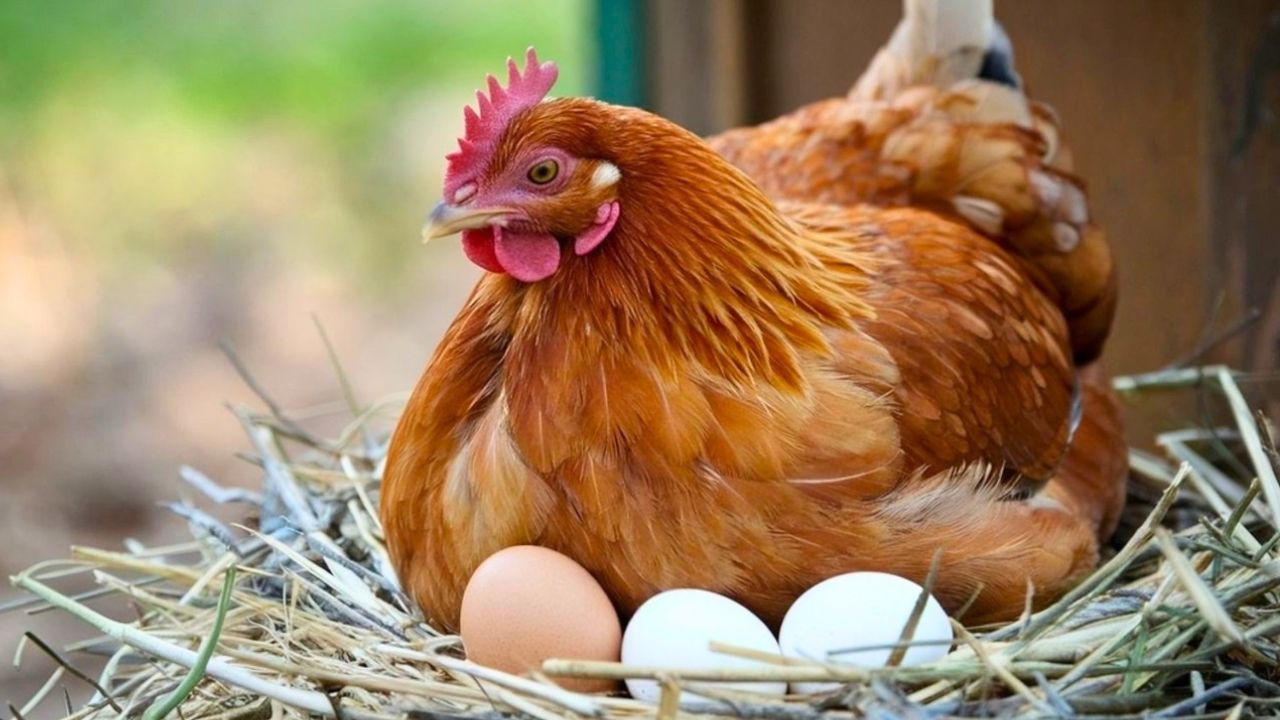
Some birds act like a cold snap is a reason to stop working. Rhode Island Reds usually don’t. They’re hardy, they keep a steady appetite, and they tend to keep laying when the coop stays dry and out of the wind.
You still need to do your part. Give them a high quality layer feed, keep water liquid, and block drafts at roost height without sealing the coop up tight. If their combs are large, watch for frostbite in bitter wind and keep ventilation high and direct airflow off the birds.
2. Plymouth Rock Cold-Weather Steady Layers
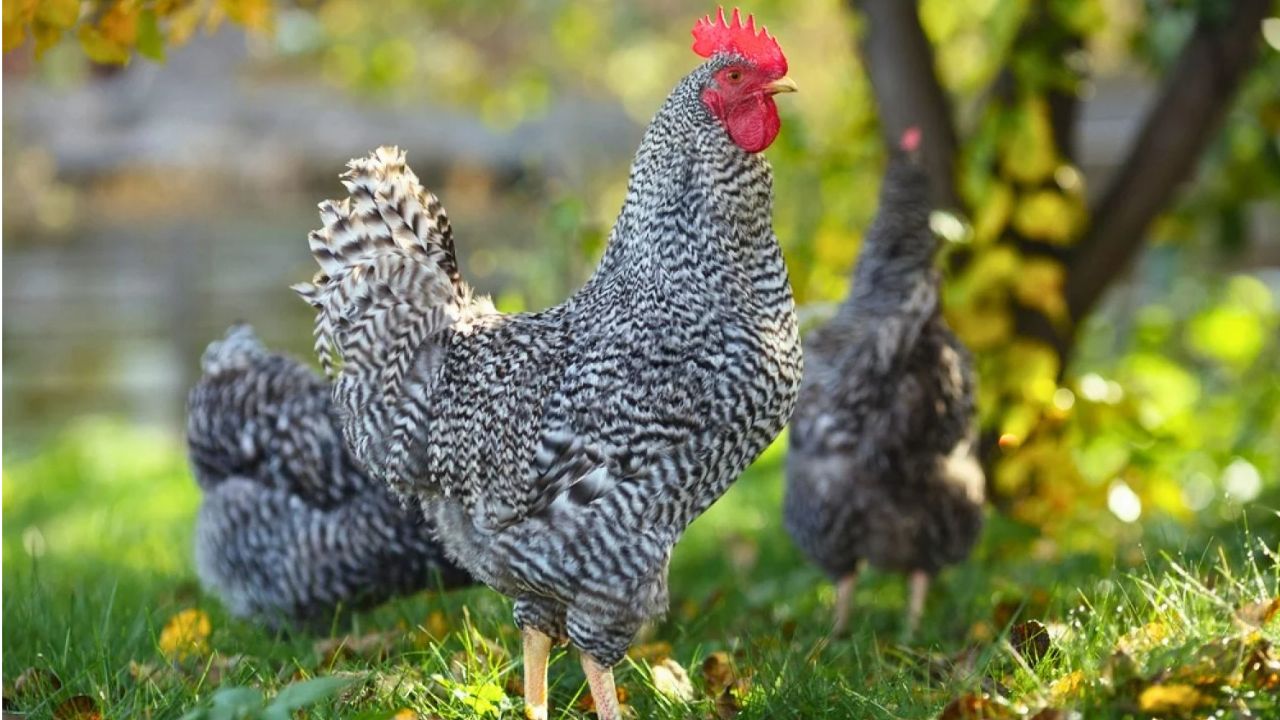
Barred Rocks and other Plymouth Rock varieties are the kind of birds that don’t make winter dramatic. They’re broad, well-feathered, and they handle confinement better than flighty breeds when snow keeps them inside.
They do best with routine. A consistent roosting spot, deep dry bedding, and enough feeder space keeps pecking order nonsense from turning into stress, and stress is what kills winter laying. If you’re running a mixed flock, Rocks often keep the peace.
3. Buff Orpingtons That Keep Going
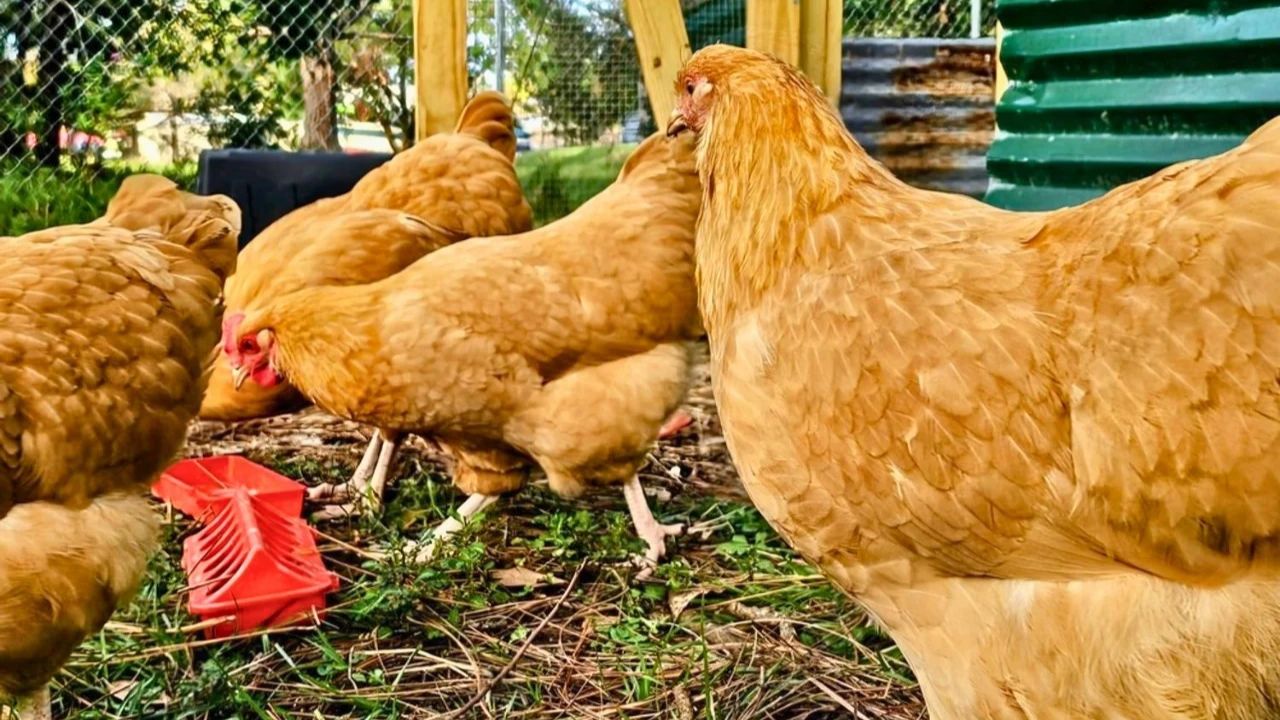
Buff Orpingtons are fluffy, calm, and built for cold. That extra feathering helps them hold heat, which means more energy can go toward eggs instead of just staying warm.
The tradeoff is mud season. Their feathering picks up wet litter fast, so winter is the time to stay on top of bedding and leaks. Fix roof drips, keep the run from becoming soup, and you’ll get a bird that keeps producing when sleeker breeds take a break.
4. Australorps With Quiet Winter Output
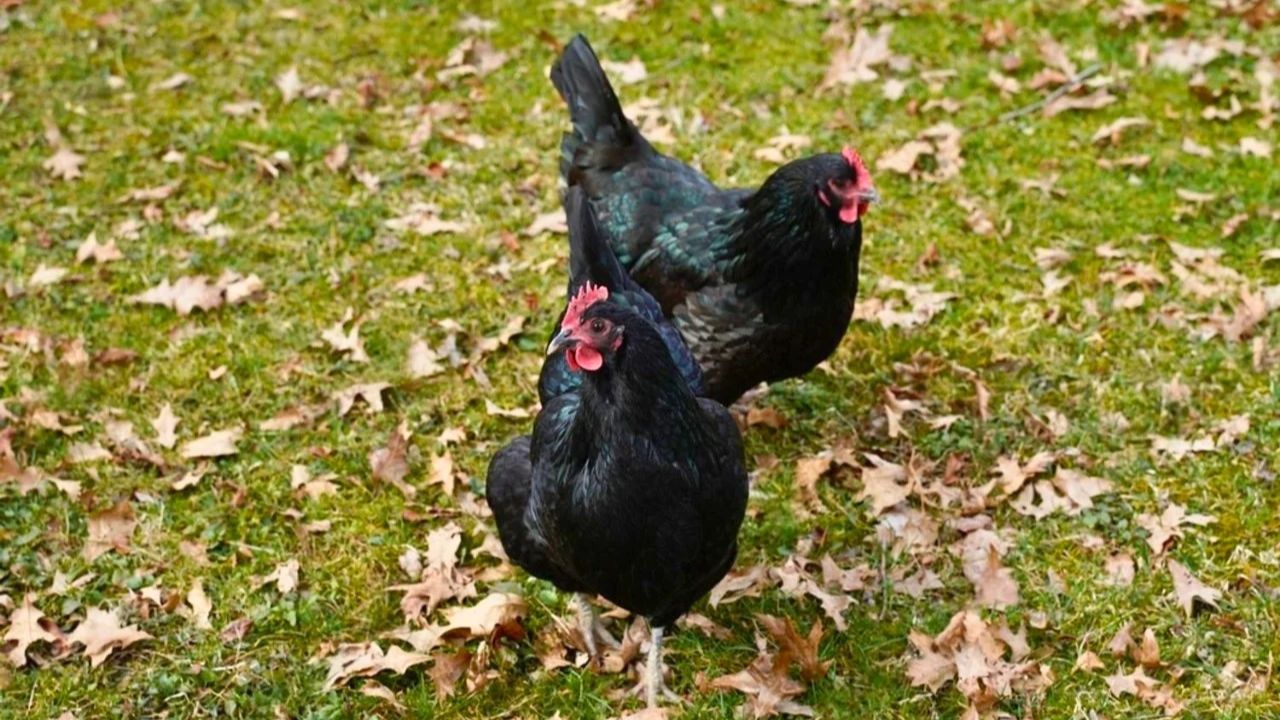
If you want a layer that doesn’t need babysitting, Australorps are worth a look. They’re efficient birds that often keep producing through cold stretches if they have decent feed and stable conditions.
They’re also usually easy on fencing and neighbors. Less panic-flapping means fewer injuries in icy runs and fewer broken feathers, which matters when every feather is insulation. Give them a dry dust bath spot indoors and they’ll keep their skin and feathers in better shape all winter.
5. Sussex Hens That Don’t Quit Early
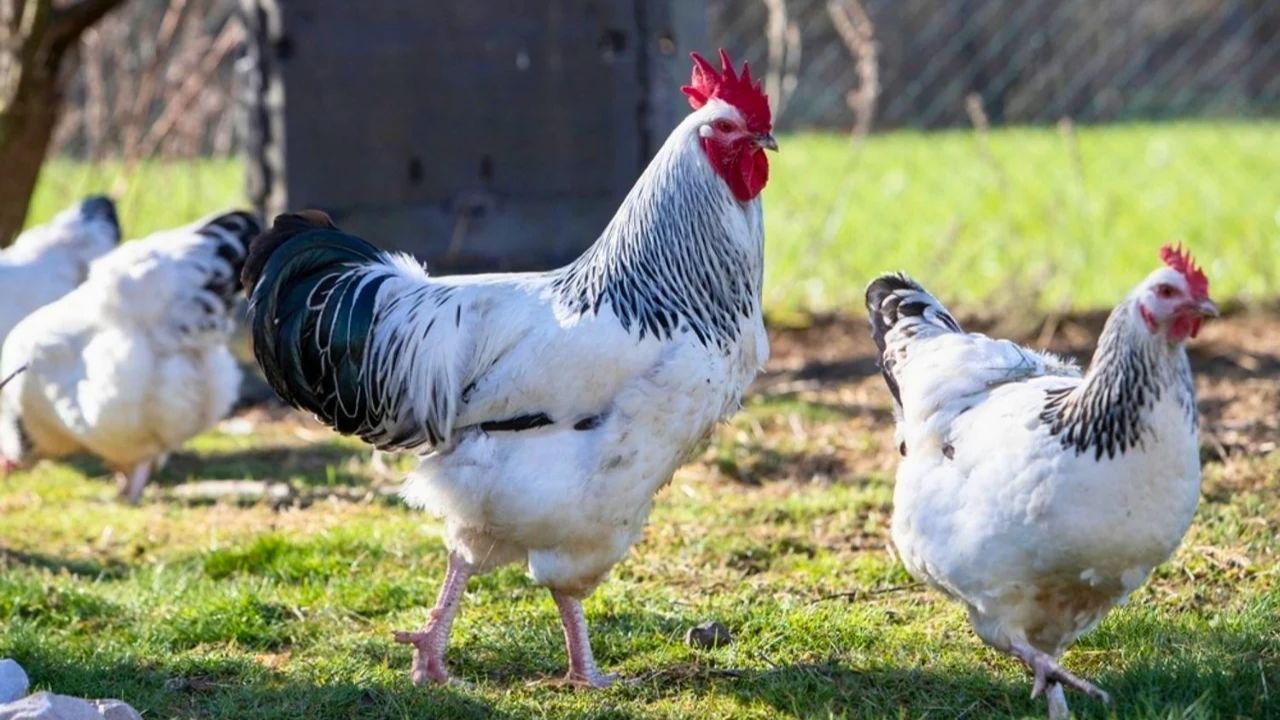
Sussex are underrated for winter eggs. They’re sturdy, good foragers when the ground isn’t buried, and they tend to keep laying later into the season than a lot of flashy backyard favorites.
They can get bored if they’re cooped up, and bored birds pick on each other. Hang a cabbage, toss in scratch sparingly in the evening, and give them something to do that doesn’t wreck their diet. If you see feather pulling start, add space or distractions before it becomes a habit.
6. Wyandottes Built For Frost And Wind
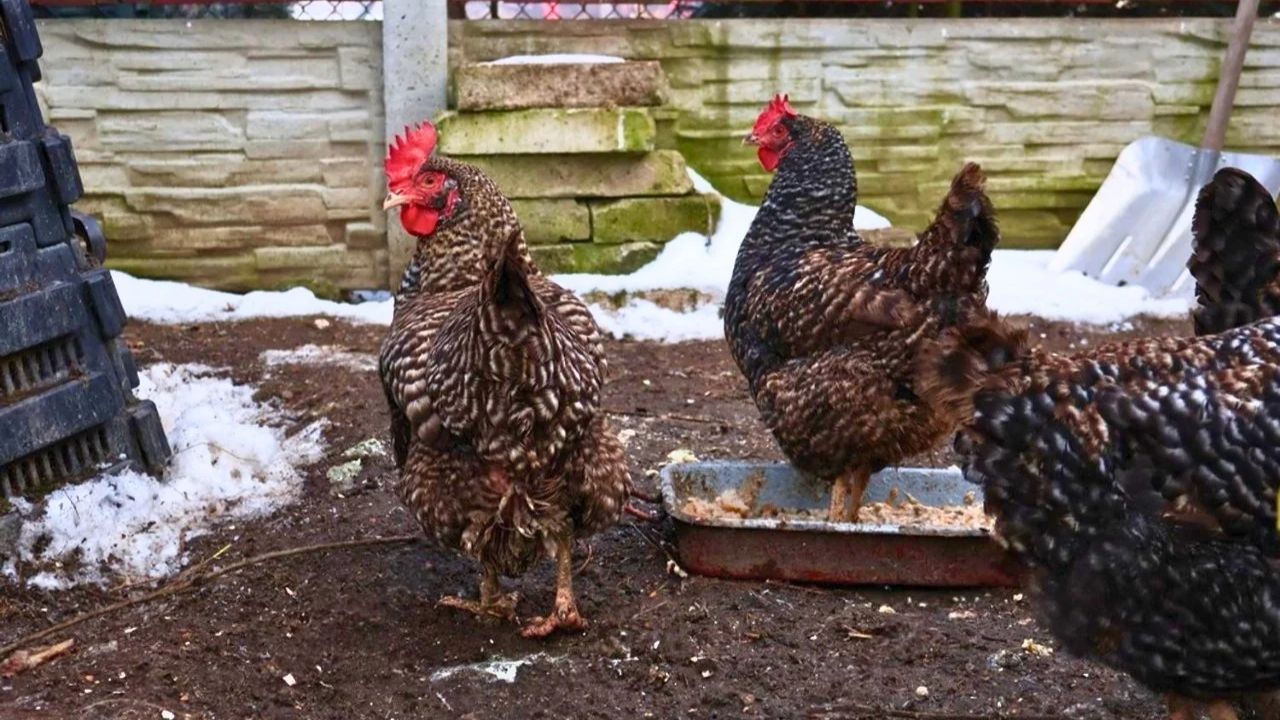
Wyandottes earn their keep when winter is harsh. Their rose comb is a real advantage in freezing weather because it’s less likely to get frostbite than tall single combs.
They’re not always the softest personalities, especially in tight quarters. If the coop is small, make roost space generous and spread out feed and water stations so one bully can’t guard everything. A little management keeps production from dropping due to flock stress.
7. Chanteclers Made For Real Cold
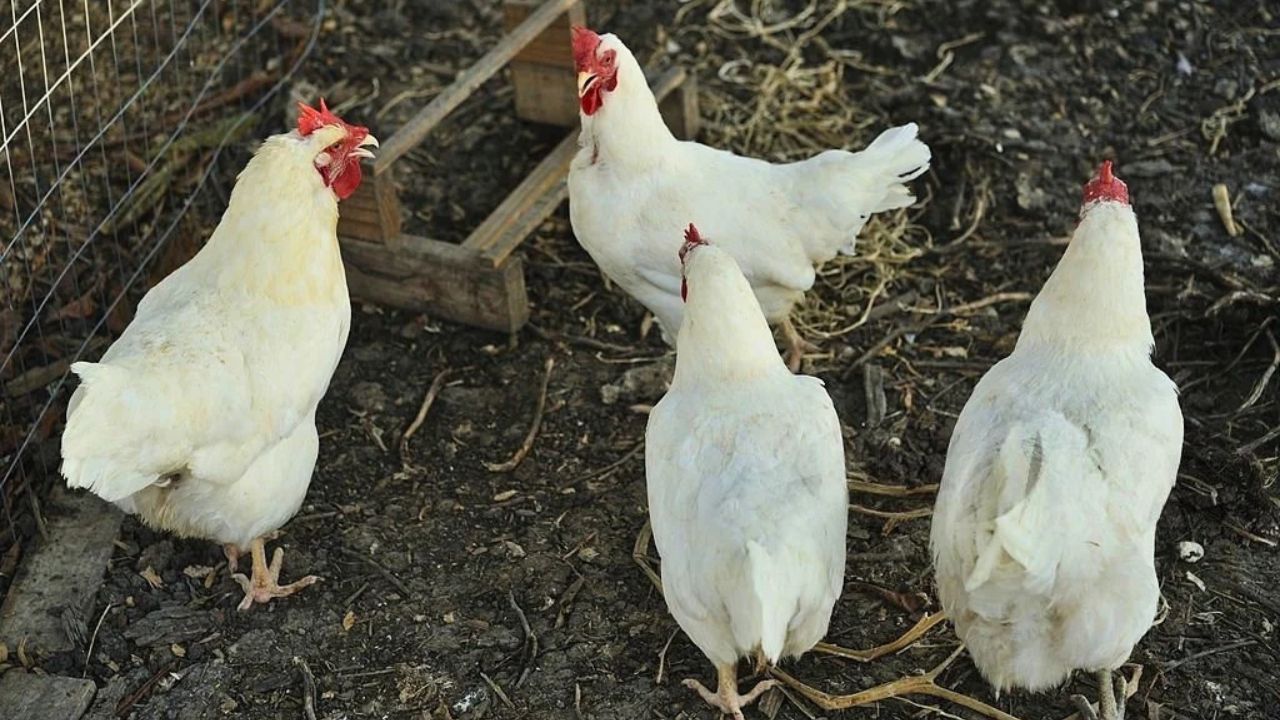
Chanteclers were developed for cold climates, and it shows. Small combs, dense feathers, and a body built to hold heat make them a smart choice if winter means long stretches below freezing.
They’re a practical pick when you’re tired of babysitting frostbite. Keep ventilation working and the litter dry, and you won’t be doing emergency comb checks every morning. If you live where storms knock out power, a breed that handles cold without extra heat is money saved and worry avoided.
8. Faverolles For Short-Day Consistency
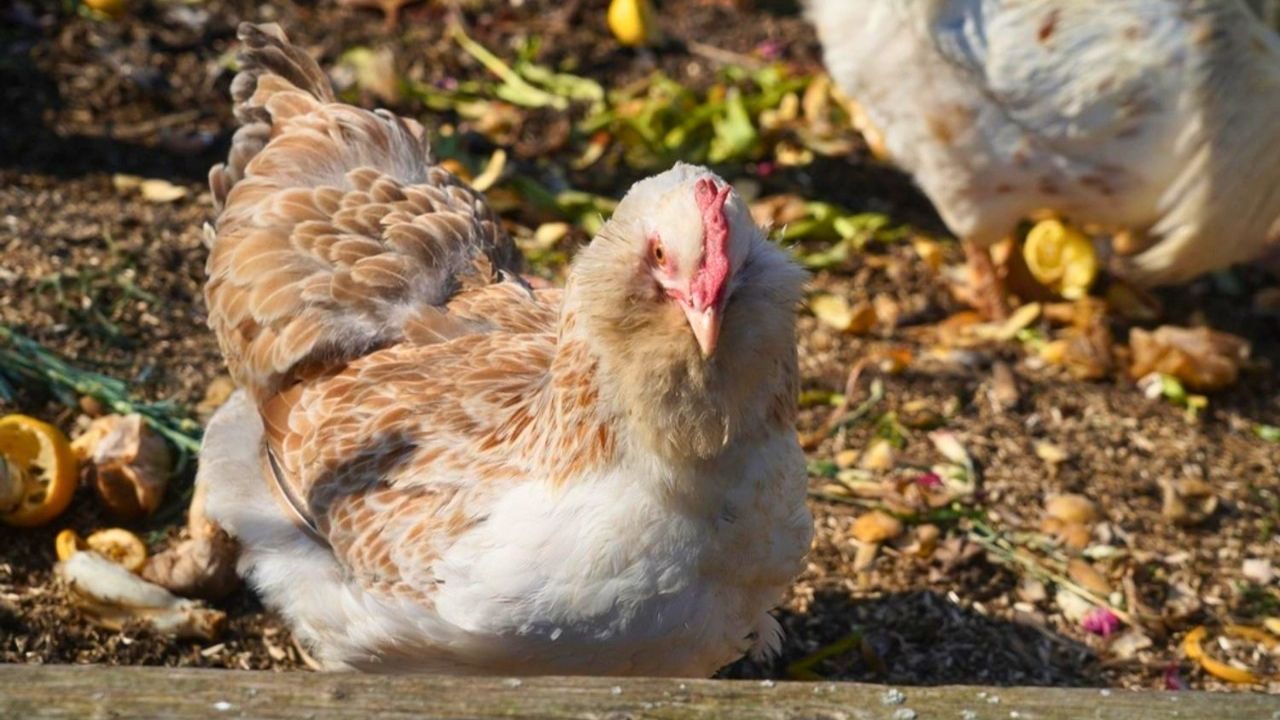
Want something a little different that still produces when days are short? Faverolles often keep laying better than expected, and their heavy feathering helps them ride out cold spells.
They have feathered feet, which is both cute and annoying. Wet snow can clump and freeze, so keep their walking areas as dry as you can and don’t let the run turn into slush. A covered section of run with dry footing helps a lot and doesn’t cost much to build.
9. Welsummers That Lay Through Chilly Weeks
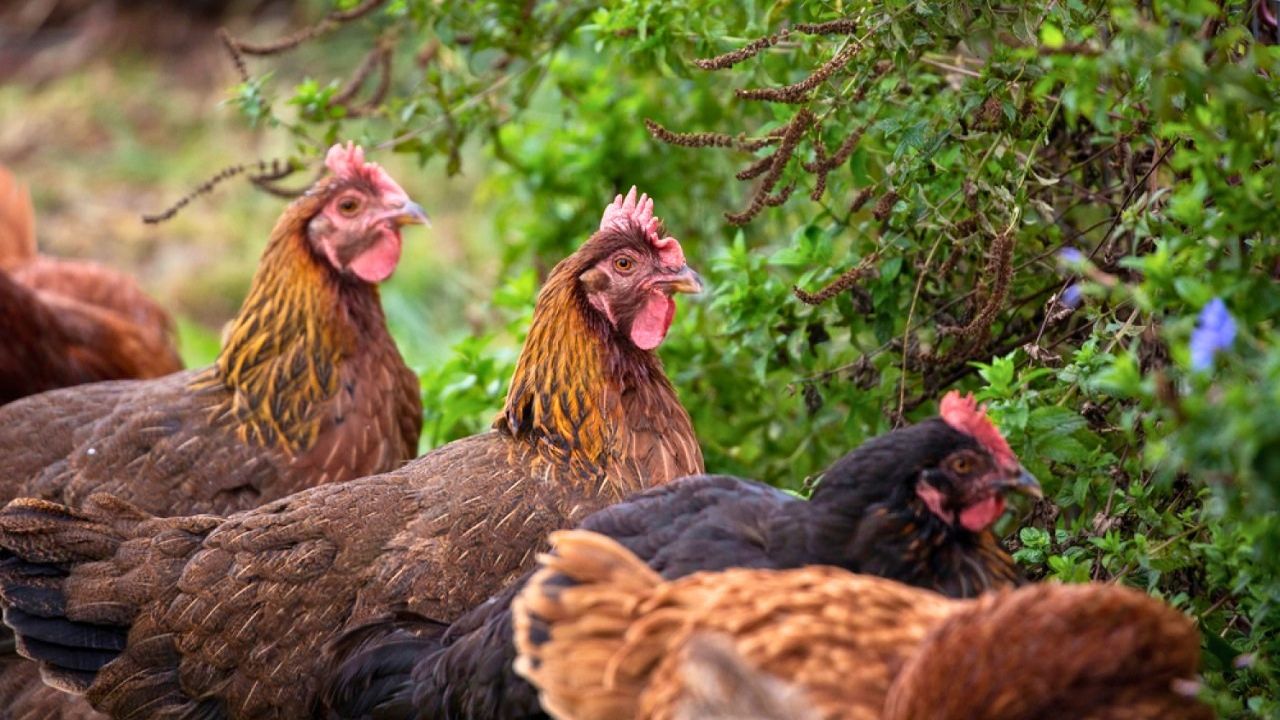
Welsummers don’t always get mentioned in cold-weather talks, but a healthy hen can keep producing into winter, especially if the coop setup is solid. They’re active and like to forage, which helps them stay in better condition going into the cold months.
Don’t expect them to power through neglect. If water freezes daily or the coop is damp, they’ll slow down fast. Fix the basics first, then enjoy the bonus of those darker eggs showing up when you’re sick of store-bought.
10. Leghorns That Surprise In Dry Cold
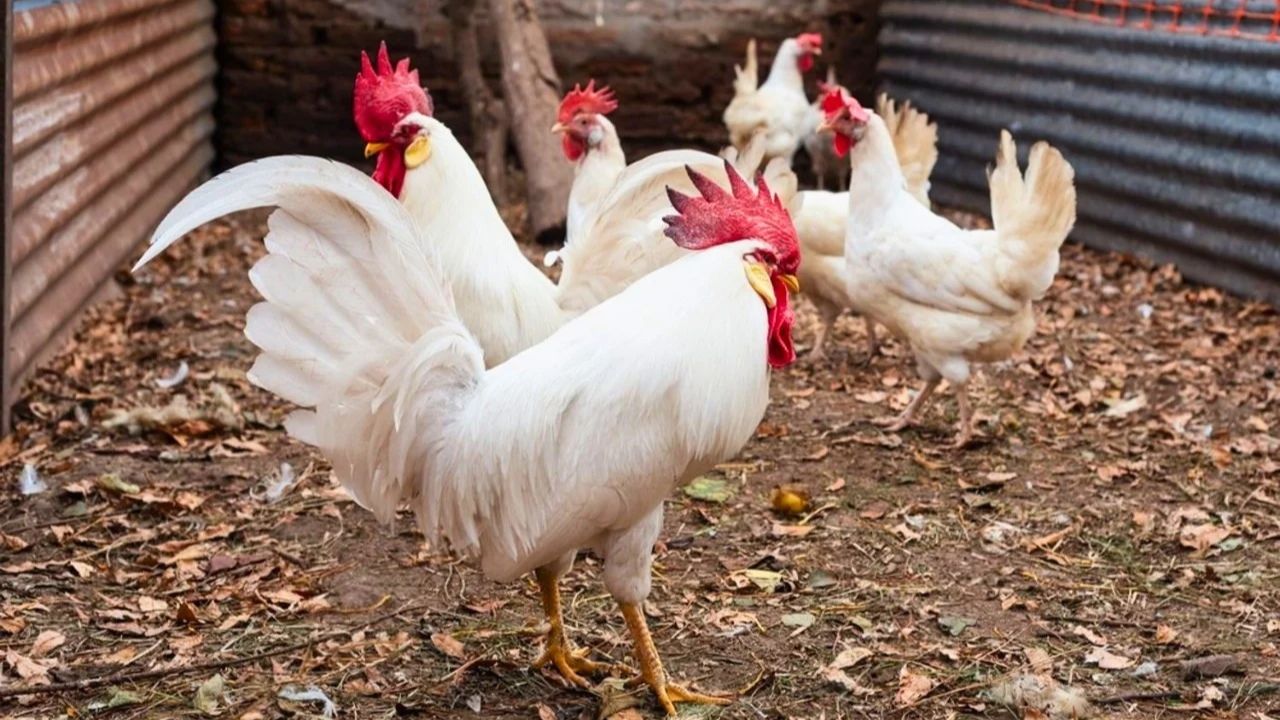
Are Leghorns too “Mediterranean” for winter laying? Not always. In a dry, draft-controlled coop, they can keep laying well because they’re efficient and not prone to going broody, which stops egg production for weeks.
The exception is harsh wind and deep cold with big single combs. If your winters are brutal, comb frostbite becomes a real problem, and this is where a rose-combed breed is the better tool. But if your cold is more dry than extreme, and you’re not heating the coop, Leghorns can still pull their weight.
No breed lays great in a dark, wet box with frozen water and stale air. Pick birds that match your climate, then spend a weekend tightening up drafts, fixing leaks, and setting up winter water so you’re not hauling warm buckets twice a day. The eggs you get in January usually come from good setup as much as good genetics.
Like Fix It Homestead’s content? Be sure to follow us.