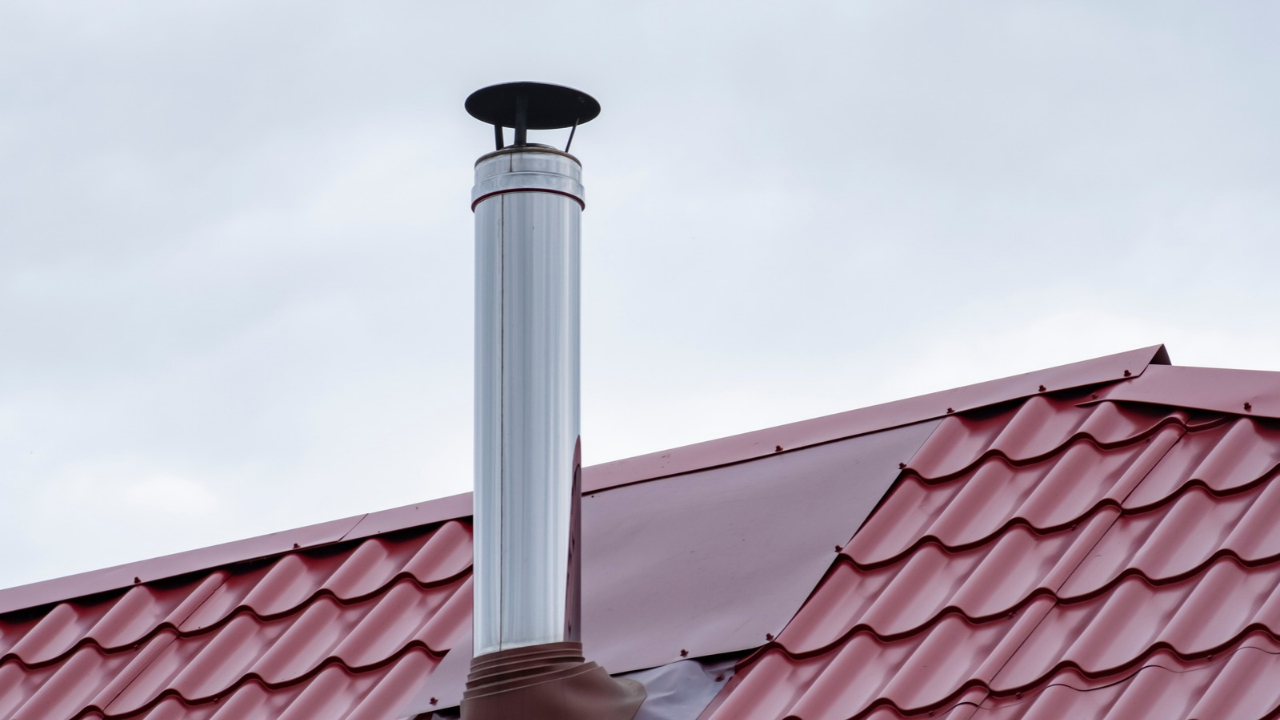
10 Chimney Details That Matter More Than the Stove Itself
Photo credit: Denis Klimov 3000/Shutterstock.com
You can buy a great stove and still end up with smoke smell, lazy drafts, and soot where it doesn’t belong. Most of that trouble starts above the firebox. The chimney is a system, and the small details decide whether it runs clean for decades or becomes a yearly headache.
1. Flue Size That Matches The Appliance
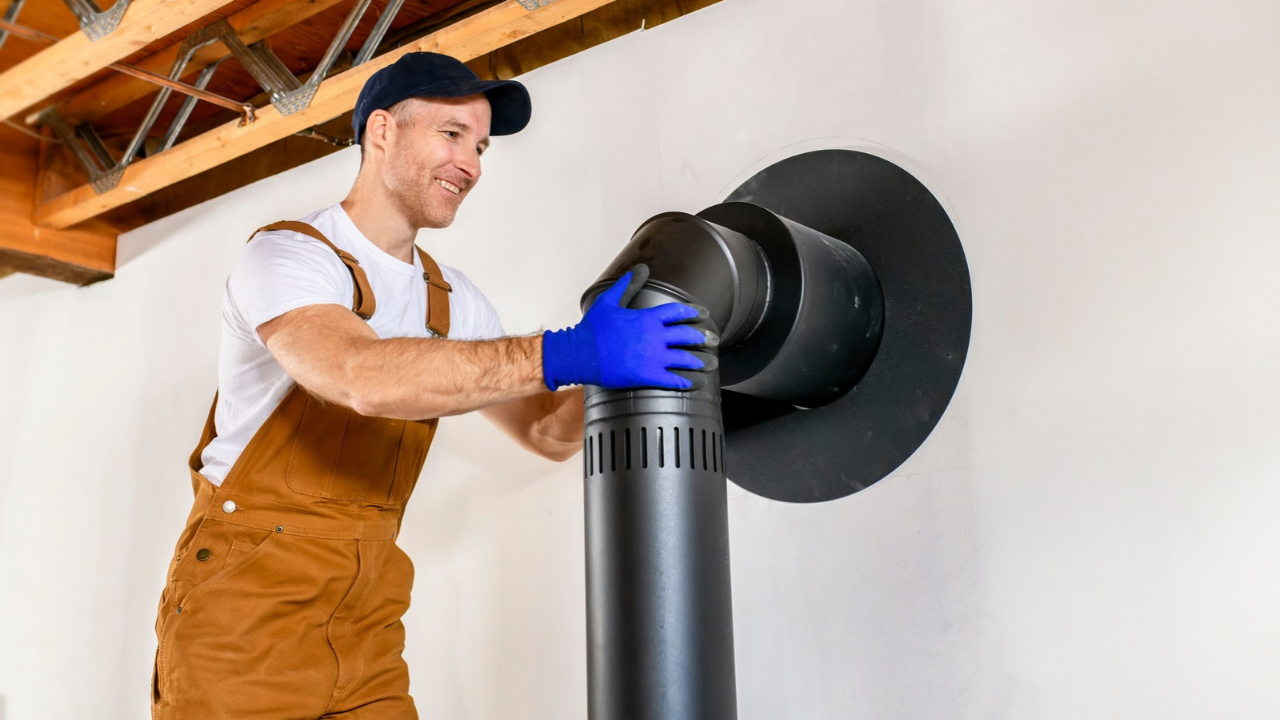
A stove can’t “pull” right through the wrong size flue. Too small, and you fight smoke spillage every time you crack the door. Too big, and the gases cool off too fast, which means creosote builds quicker and your draft feels weak on mild days.
Check the stove manual for the required flue diameter and type, then confirm what’s actually installed. If you’re changing appliances, don’t assume the old chimney is close enough. Resizing usually means a properly sized liner, and that’s often a pro job because it ties into code, clearances, and sometimes permits.
2. Liner Condition And Correct Material
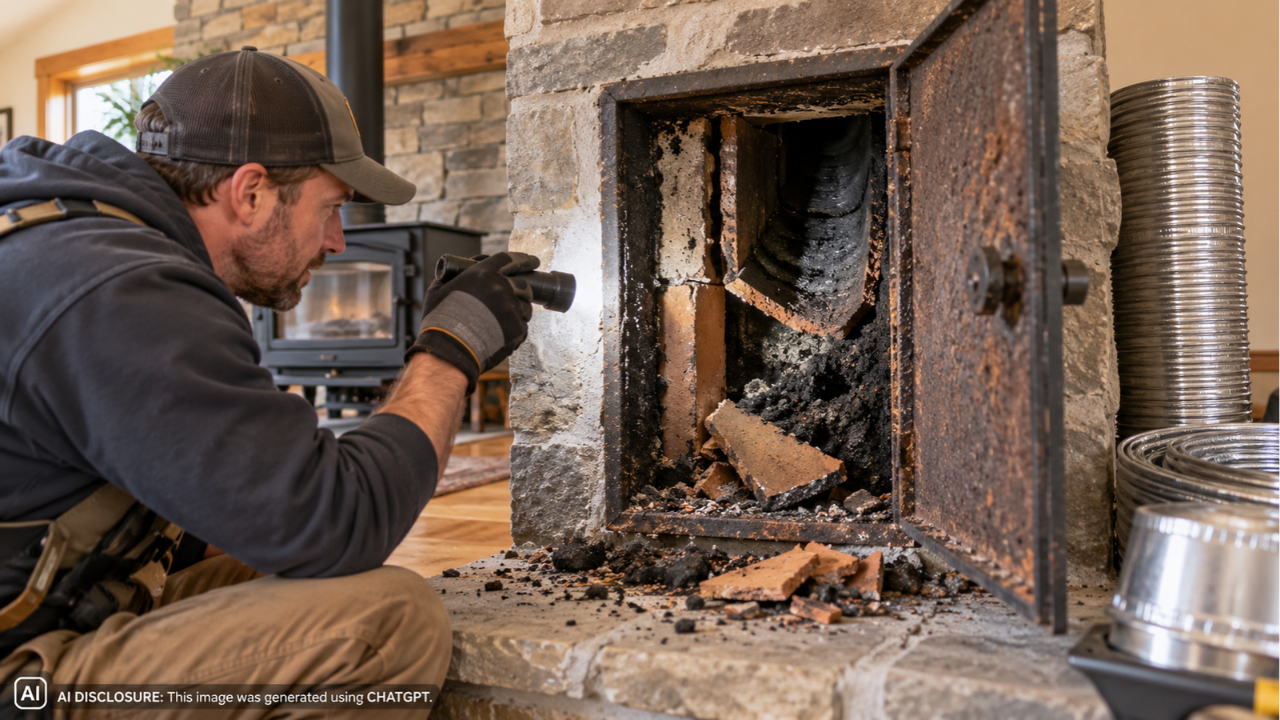
People skip looking inside because the outside “looks fine.” Meanwhile, a cracked clay tile, missing mortar, or the wrong liner material can let heat and smoke into places you can’t see. That’s how you get that sharp smoke smell in a back bedroom, or a mystery brown stain that shows up on drywall weeks later.
For wood, a stainless steel liner rated for solid fuel is the usual fix when the masonry flue is rough or oversized. For some inserts, an insulated liner makes the stove behave better because the flue stays warmer. If you see chunks of tile in the cleanout, hear a rainstick sound of debris falling, or find fluffy black deposits after a sweep, schedule an inspection before burning again.
3. Cap And Spark Screen That Stay Clear
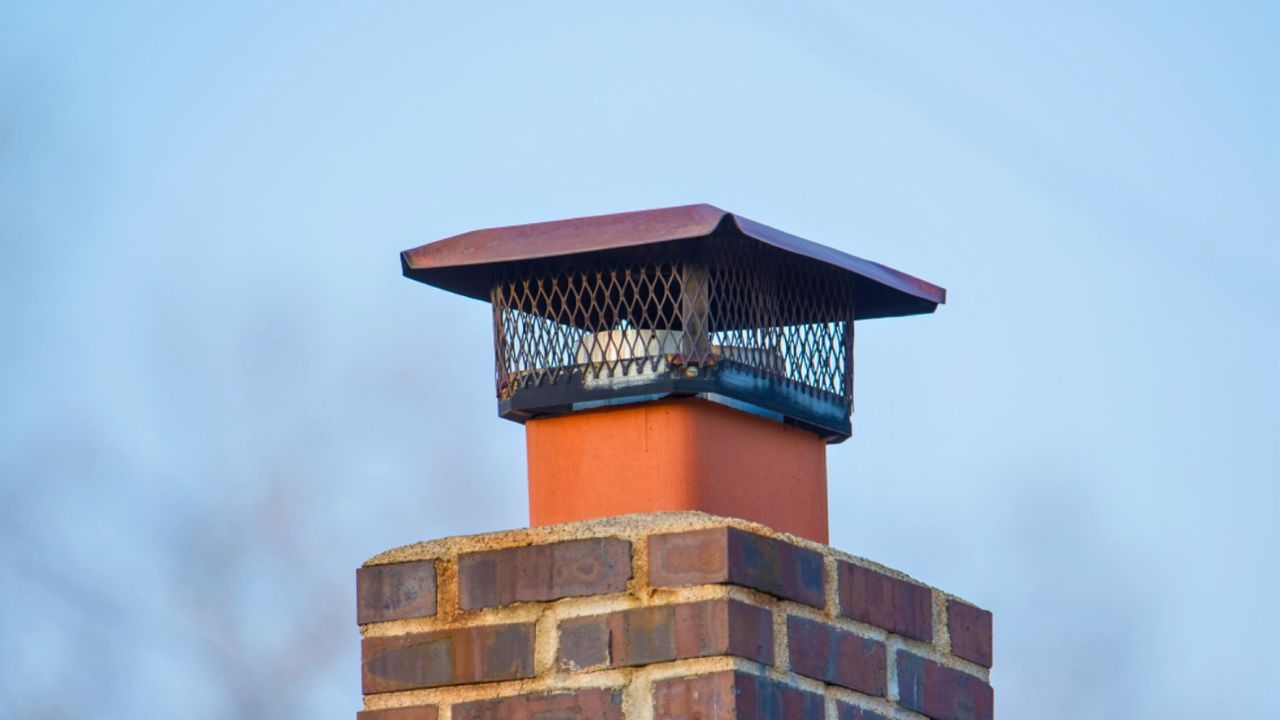
A missing cap invites rain, squirrels, and downdrafts. A clogged cap does something worse, it chokes the flue. The first sign is often a stove that used to draft fine and now burps smoke when you reload, especially on damp fall days.
Look up from the ground with binoculars a couple times a season. If the screen is packed with soot or the cap is crooked, deal with it before the cold snap when you need heat. Some screens clog faster with smoldery fires, so burn dry wood and run the stove hot enough to keep the top of the chimney clean.
4. Flashing That Actually Fits The Roof
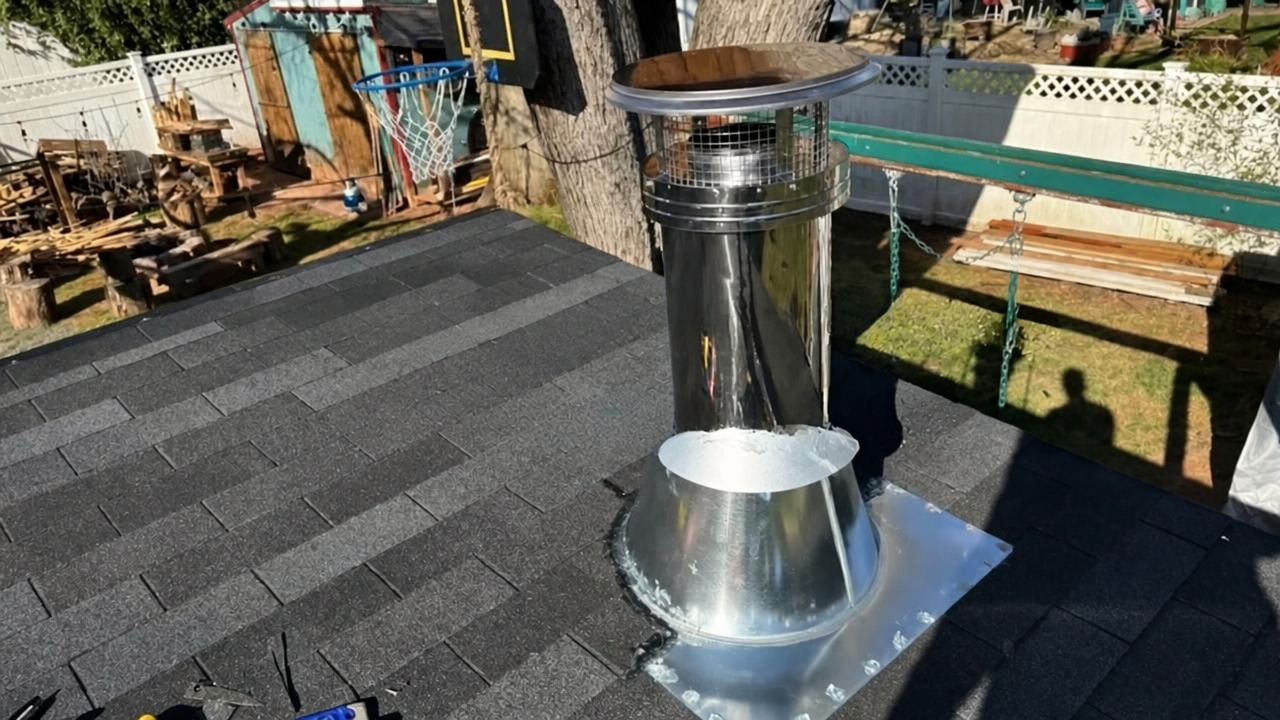
Lots of “chimney problems” are really roof leak problems. Water gets in around bad flashing, soaks the chimney chase or masonry, and then freezes. After a winter or two you see spalling brick, white powdery stains, rusty damper parts, and damp smells in the room below.
Good flashing is layered with the shingles and tied into a proper counterflashing or a reglet cut into masonry, not a bead of caulk doing all the work. Caulk is a maintenance item, not a plan. If you’re not comfortable on a roof or your pitch is steep, pay a roofer for this one, it’s cheaper than repairing rotten rafters later.
5. Crown And Wash That Shed Water
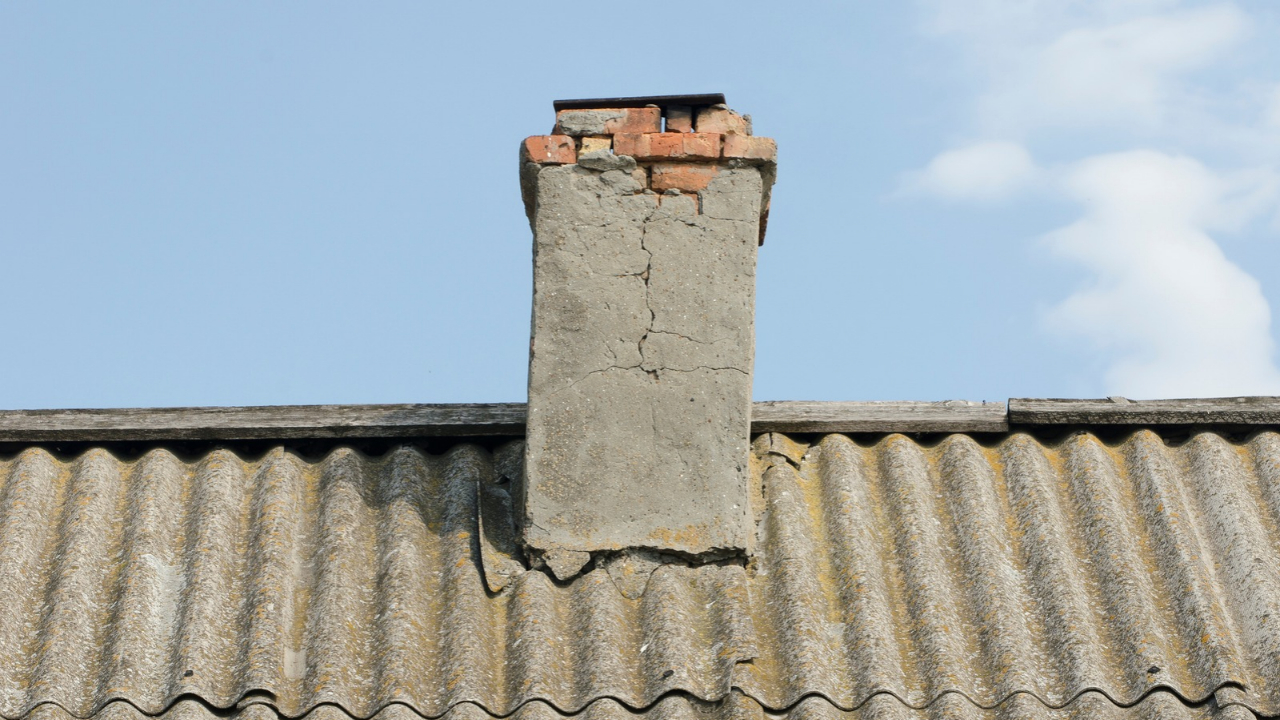
The concrete or mortar “cap” on top of a masonry chimney takes a beating. When it’s flat, cracked, or made from weak mortar, it soaks water like a sponge. Then the freeze and thaw cycles start popping off corners and loosening bricks.
A proper crown has a slope so water runs off, plus an overhang and a drip edge so it doesn’t crawl back onto the brick face. Small cracks can sometimes be sealed, but a crown that’s already crumbling needs a rebuild. This is messy work at height, so it’s fine to hire out if access is sketchy.
6. Clearances To Wood You Can’t See
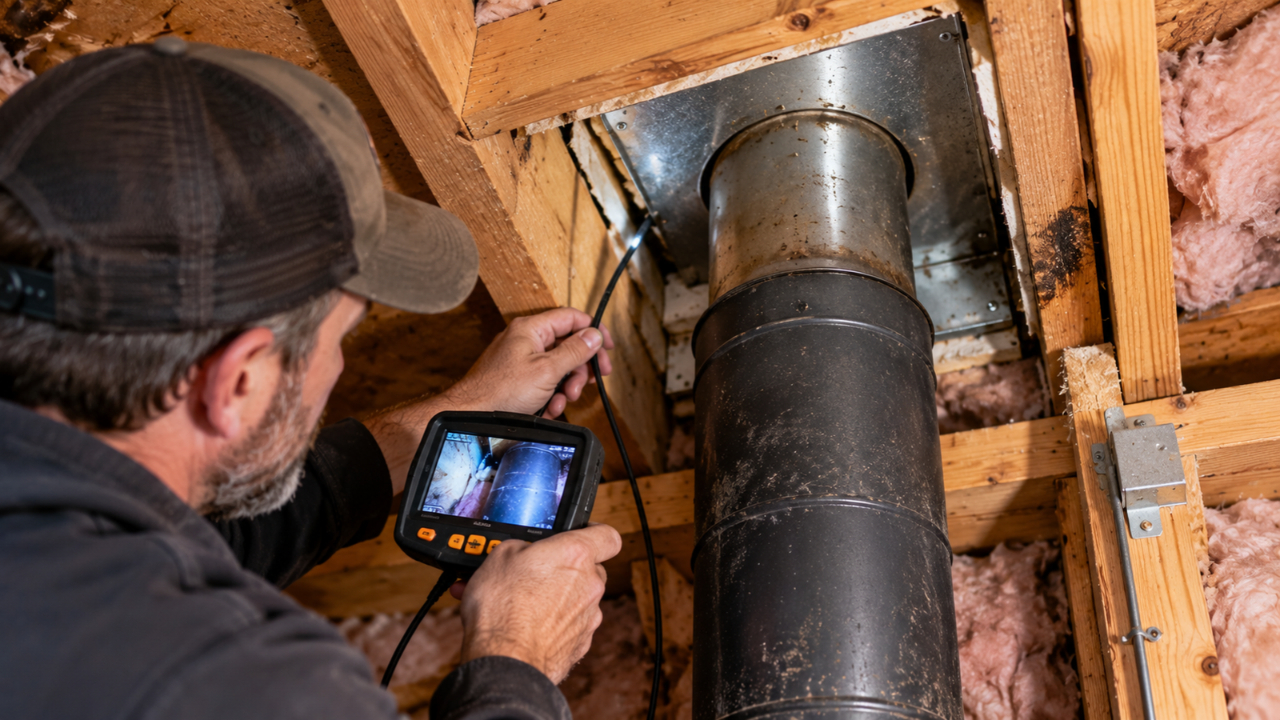
Some of the worst setups look tidy on the outside because the danger is hidden in the framing. Chimneys and stovepipes need air space to combustibles, and “it’s been fine for years” isn’t proof. Heat dries wood out and lowers its ignition point over time.
Any time you open a ceiling, remodel a chase, or replace a stove, take a hard look at clearances. Use an inspection camera or remove a small panel where the pipe passes through, don’t guess. If you find framing jammed against the chimney or an improvised sheet metal shield, stop using the appliance and get a certified sweep or installer to lay out a fix that meets local code.
7. Support Box And Bracing That Don’t Sag
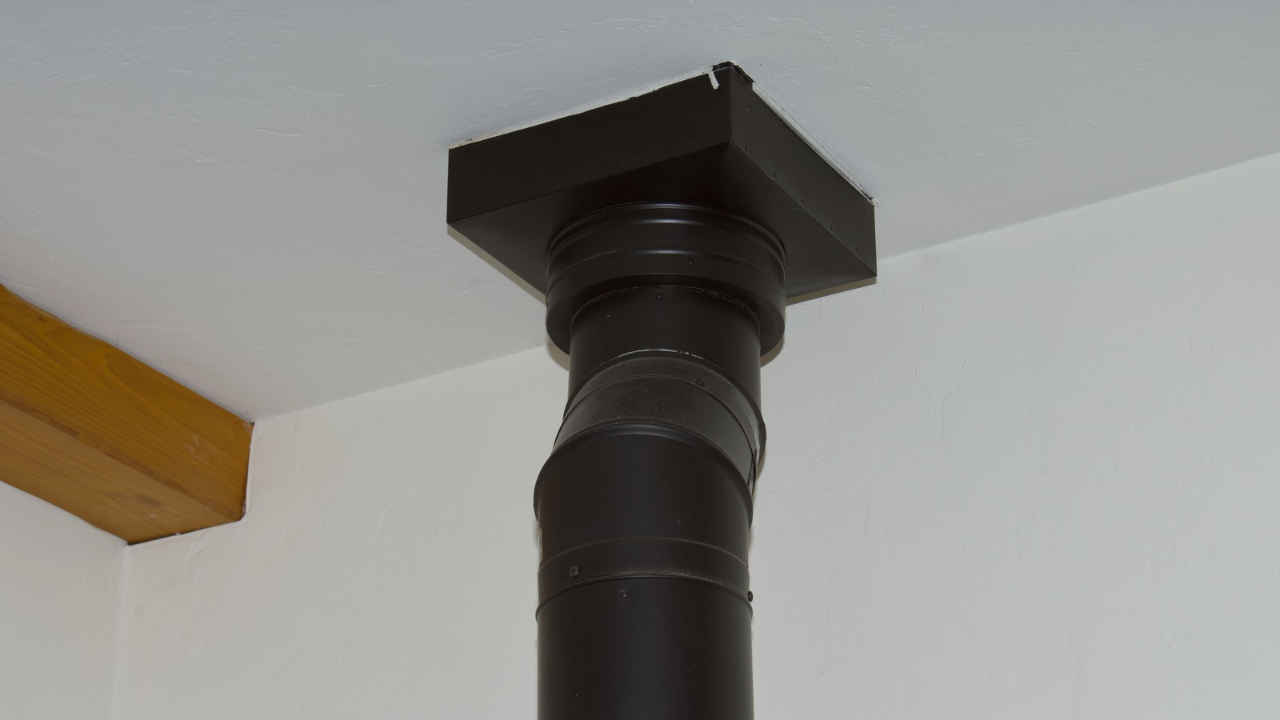
Metal chimney systems are great when they’re installed like the instructions say. When they aren’t, the weight starts pulling on joints, and you get gaps, squeaks in wind, and stains at the ceiling support. Sometimes the first clue is a hairline crack in drywall around the support box after a windy week.
Check that the chimney is properly supported at the ceiling or roof and braced above the roof if required for height. Twist-lock joints need to be fully seated and secured the way the manufacturer calls for. If anything looks off, don’t “tighten it up” blindly, take photos, find the model instructions, and call a pro if you’re unsure because this is both structural and fire safety.
8. Cleanout Access That People Actually Use
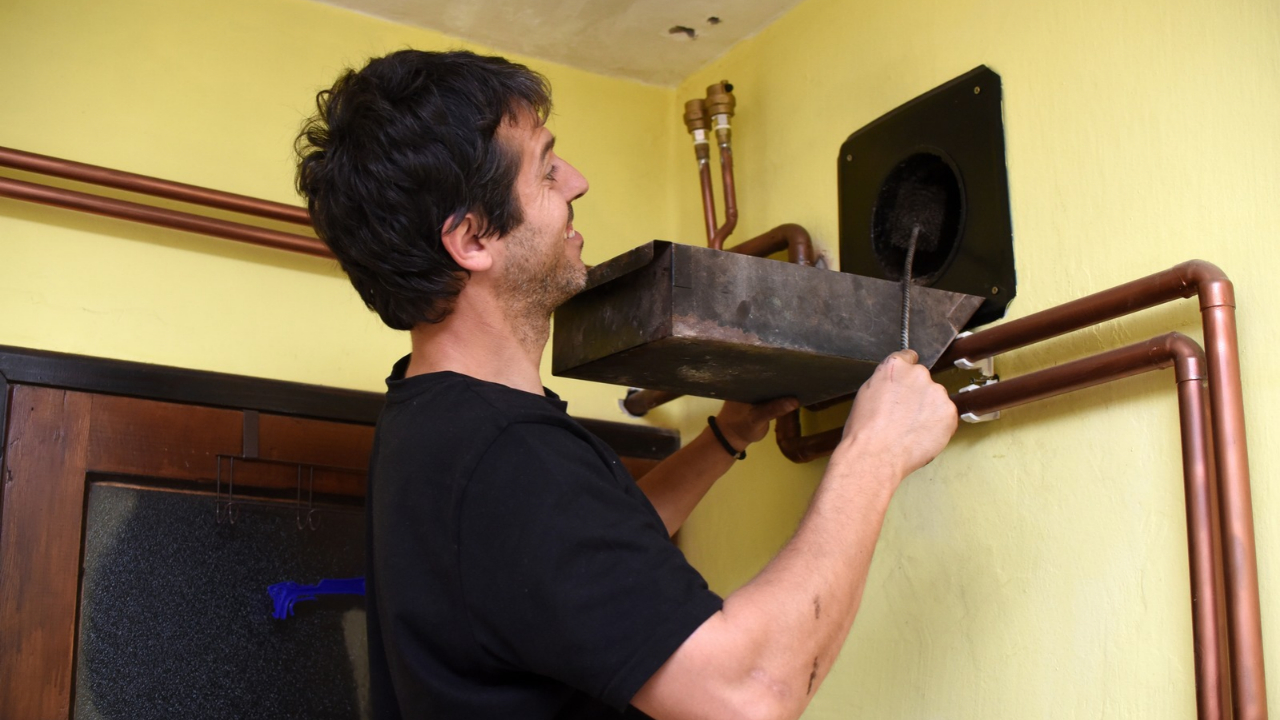
A cleanout door buried behind shelving or a stove jammed tight to the wall means the chimney won’t get cleaned on time. Then you’re dealing with a crunchy, glazed mess instead of a quick brush job. You also end up tracking soot through the house because there’s no space to work.
Give yourself working room and a plan for ash and soot. A metal ash bucket with a lid, a drop cloth, and a shop vac with a fine dust bag make cleanup manageable. If your setup makes sweeping miserable, adjust it now, not the first weekend you’re snowed in and the stove starts drafting slow.
9. Outside Chimneys Need Insulation, Not Luck
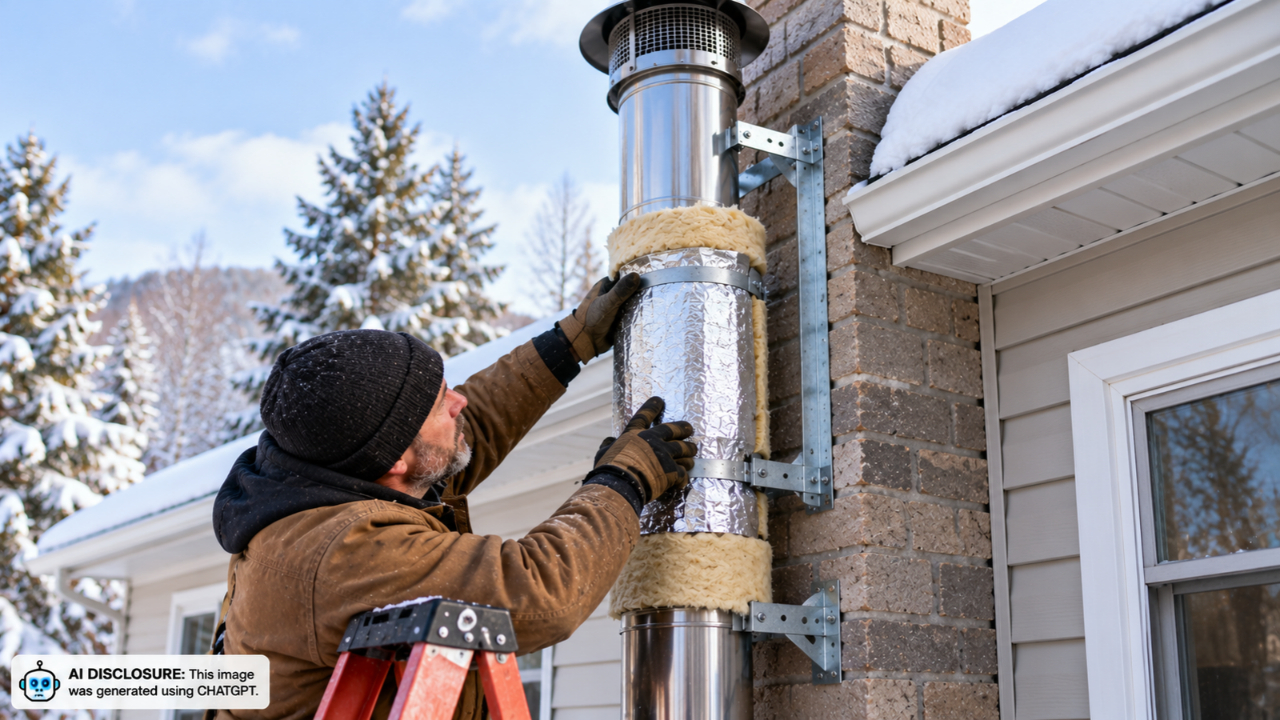
Chimneys on an exterior wall run colder, so they draft worse and make more creosote. You notice it in shoulder season when the stove won’t “take off” and you keep feeding kindling. By January, the same chimney can be fine because the temperature difference is bigger.
An insulated liner or an insulated factory-built chimney section keeps flue gases warmer and reduces that sticky buildup. Don’t try to solve a cold exterior chimney by choking the air and burning slower, that just makes more deposits. The cheap fix that’s actually fine is using a top-down fire with dry wood and a little patience on mild days, as long as the system is sized and lined correctly.
10. Termination Height And Nearby Wind Effects
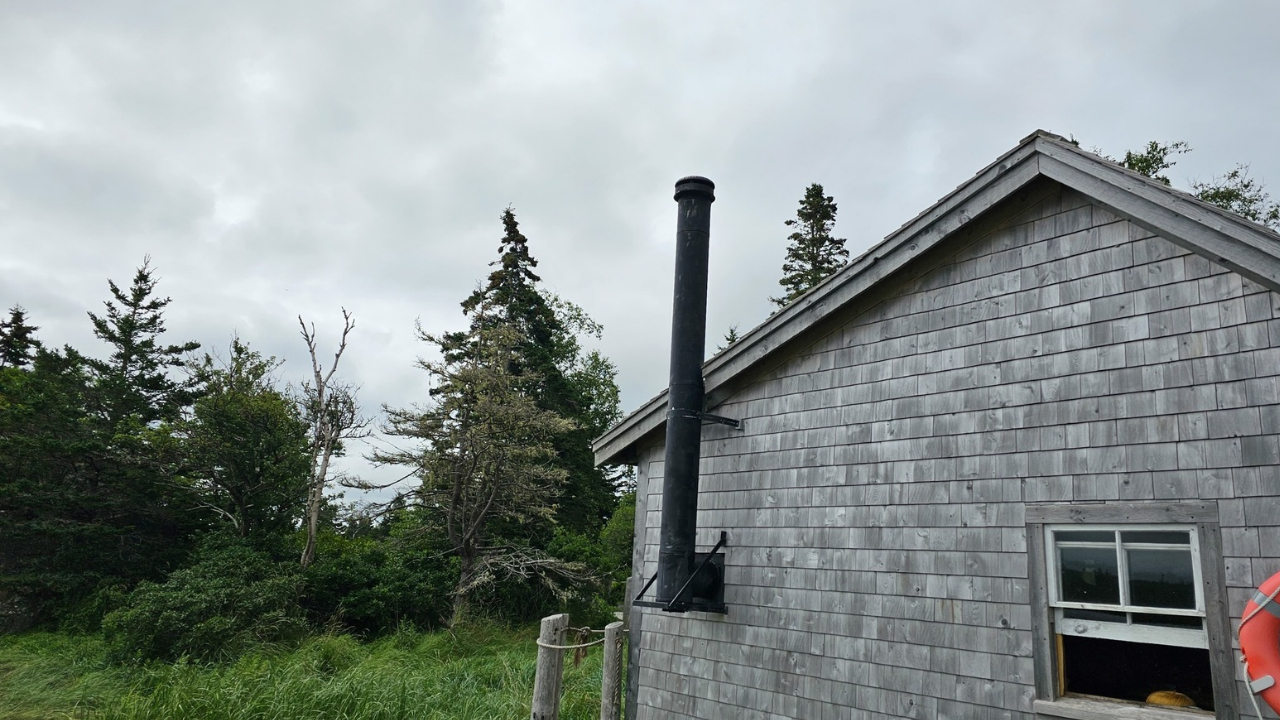
Sometimes the problem isn’t inside the chimney at all, it’s what the wind is doing at the top. A chimney that’s too short near a ridge line, a taller gable, or a stand of evergreens can get slammed by downdrafts. You’ll smell smoke outdoors near the house and occasionally get a puff back into the room when a gust hits.
Height rules exist for a reason, and local code spells them out. If your termination is marginal, adding length can help, but it also adds load and may require bracing. This is the kind of change that’s worth doing once and doing right, with someone who can evaluate the whole run, not just bolt on a piece and hope.
If your stove has been acting up, don’t start by blaming the firebox or buying new gadgets. Look up, inspect what you can safely see, and schedule a professional inspection when anything involves the roofline, liner work, or hidden clearances. A chimney that stays dry, warm, and properly supported makes everything else easier.
Like Fix It Homestead’s content? Be sure to follow us.