10 Electrical Updates You Can (Legally and Safely) Do Yourself
I’ve wired plenty of lights, replaced outlets, and added switches over the years, and I can tell you this: some electrical jobs are totally doable on your own—as long as you know what you’re doing and stay within what’s allowed in your area.
These projects are smart, safe, and doable. You don’t need to be an electrician to handle the basics, but you do need to respect the power you’re working with. Here’s what you can tackle yourself—legally and safely.
Replace a Light Switch
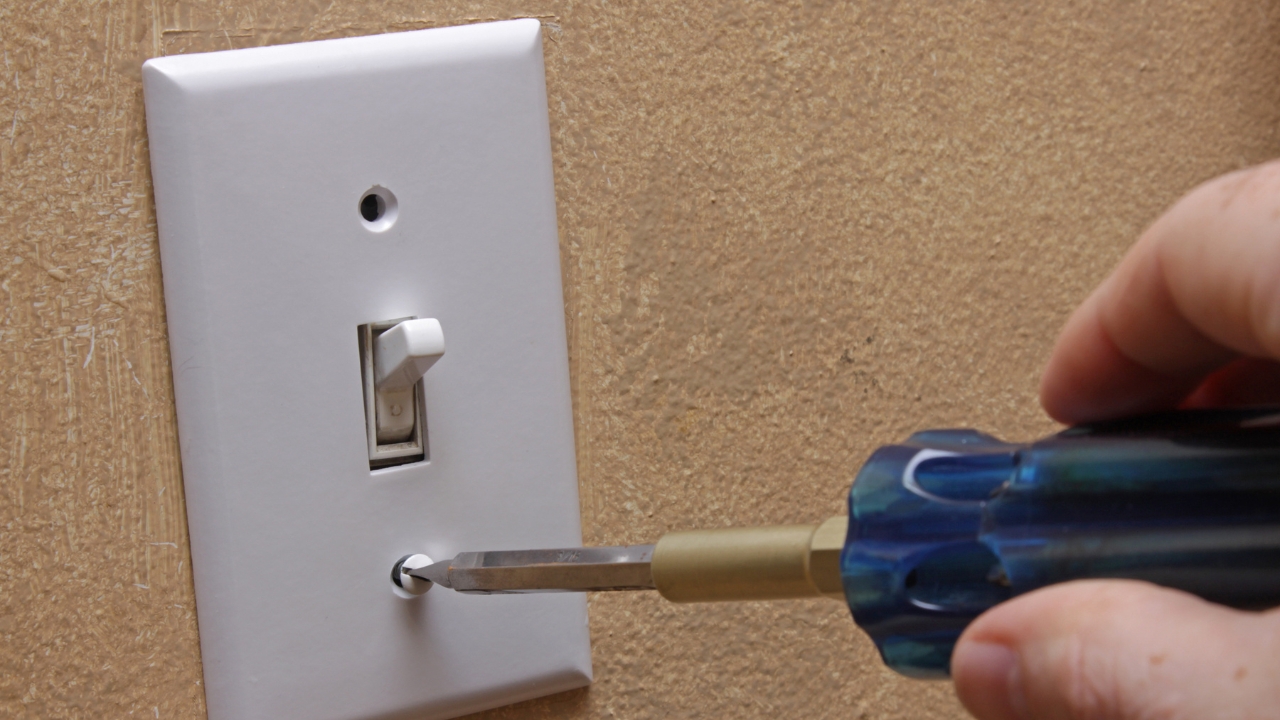
Swapping out a basic light switch is a job most folks can handle with a screwdriver and 15 minutes. Just cut the power at the breaker, double-check with a voltage tester, and match your wires. If you’re upgrading to a dimmer, make sure it’s rated for the type of bulb you’re using—LEDs need compatible dimmers or they’ll flicker like crazy.
This is one of the easier upgrades you can do yourself without needing a permit in most areas. Still, if your box is ancient or the wiring looks sketchy, it might be best to call in a pro.
Swap Out an Outlet
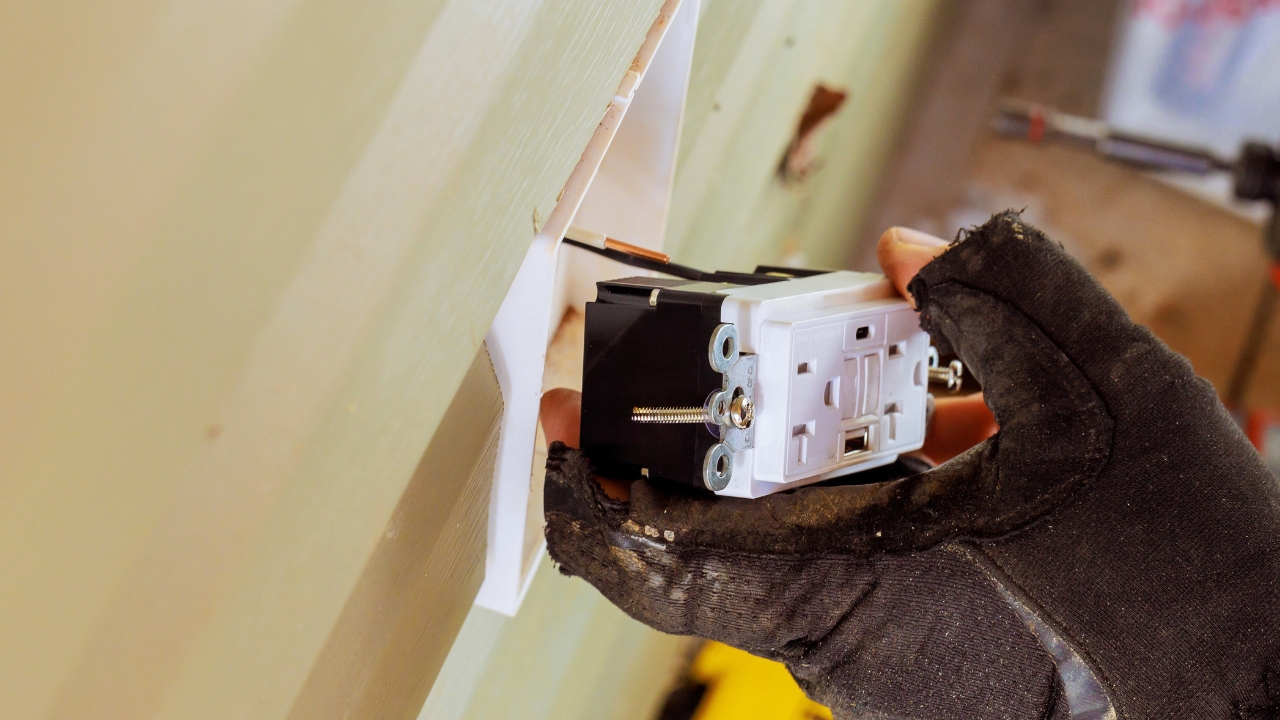
If an outlet is cracked, discolored, or loose, it’s time to replace it. As long as you’re doing a one-for-one swap—not changing amperage or adding anything fancy—it’s typically allowed without a permit.
Make sure you know how to identify hot, neutral, and ground wires. Take a picture before removing the old outlet, so you know where everything goes. And remember, if your home’s wiring is aluminum (older homes may have it), call an electrician. That stuff needs special connectors.
Install a GFCI Outlet

Installing a GFCI is doable, but you’ve gotta be careful. These outlets protect you from shock in areas like kitchens and bathrooms. The tricky part is wiring them correctly—there’s a “line” side and a “load” side. Mix those up, and the outlet won’t protect anything.
If you’re replacing an old outlet with a GFCI in the same spot, you’re usually fine to DIY. Just don’t try to add one in a brand-new location unless you really know your way around a circuit panel.
Replace a Light Fixture

This one’s pretty common for homeowners. You can legally swap out an old light fixture for a new one as long as you’re not moving the location or messing with the wiring layout. Just make sure the mounting bracket fits and the box is secure.
Always double-check the fixture’s weight if you’re hanging something heavy. If it’s over 50 pounds (like some chandeliers), you might need a different box or extra support.
Add a Plug-in Motion Sensor

Plug-in motion sensors are a smart, simple way to add some automation without touching any wiring. You just plug them into an outlet or screw one into a light socket, and you’re done.
Since they don’t involve opening up any walls or electrical boxes, there’s no code issue here. Just make sure whatever you’re plugging them into is grounded properly and not overloaded.
Install a Smart Thermostat
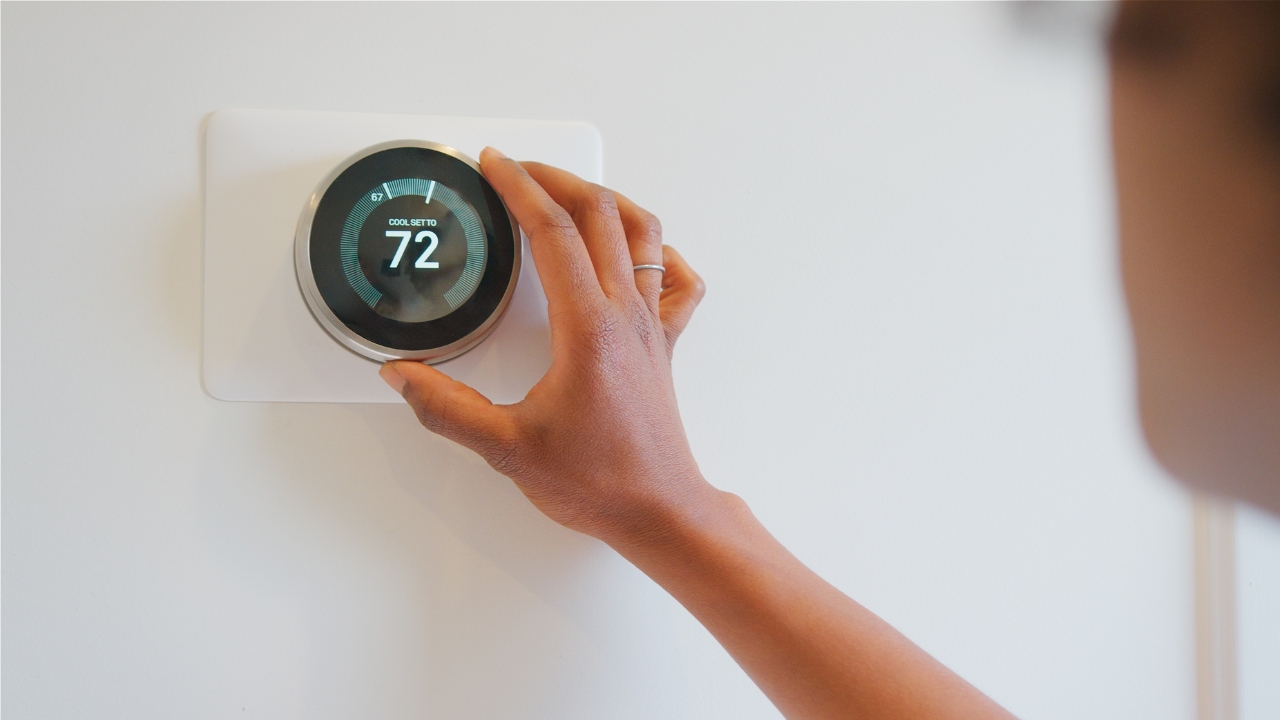
Most smart thermostats are designed for DIY installs—especially if you’re replacing an old one with the same voltage system. If your heating and cooling run off a 24V system (most do), it’s usually a simple job with a screwdriver and a little patience.
But if you’ve got baseboard heaters or anything that runs on 240V, skip it. That wiring gets dangerous quick, and messing it up could fry your system.
Replace a Doorbell or Chime
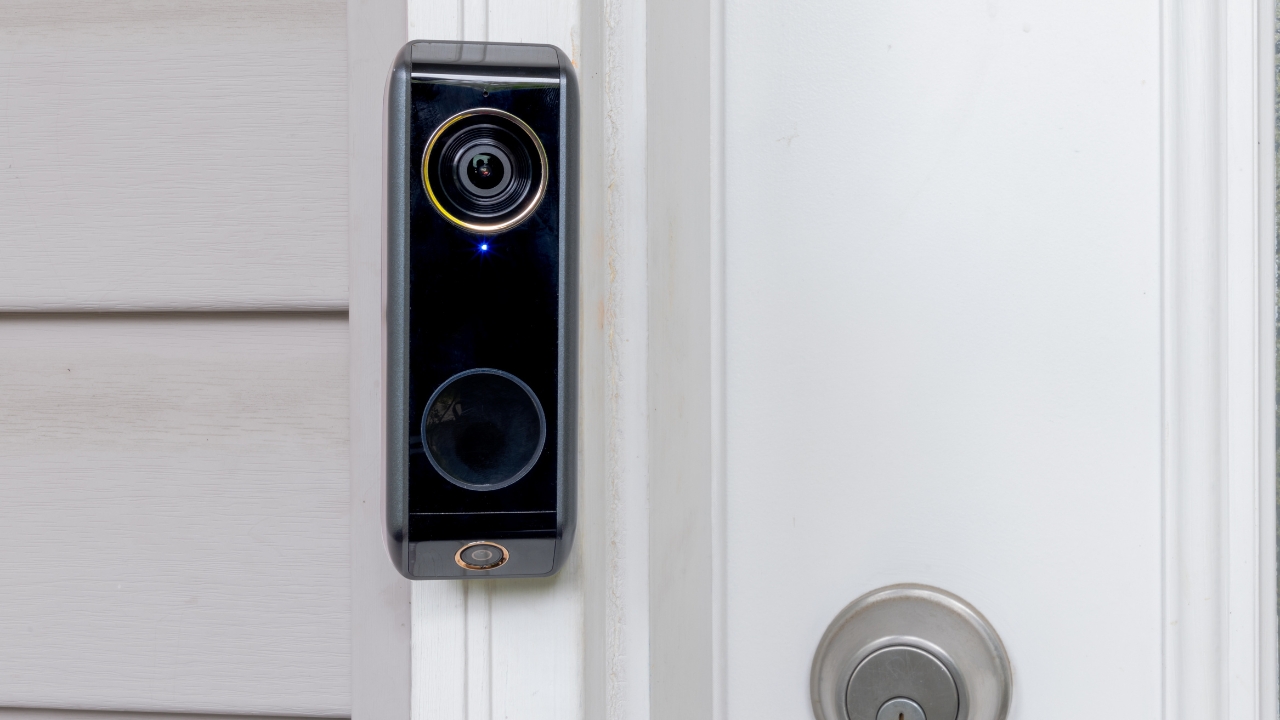
Standard doorbells are low-voltage, and that makes them safer to work with. Replacing the button, transformer, or chime is something most homeowners can legally do themselves.
Smart doorbells often just wire into your old doorbell system, which keeps things simple. Just make sure your transformer can handle the load if you’re upgrading.
Swap a Light for a Ceiling Fan
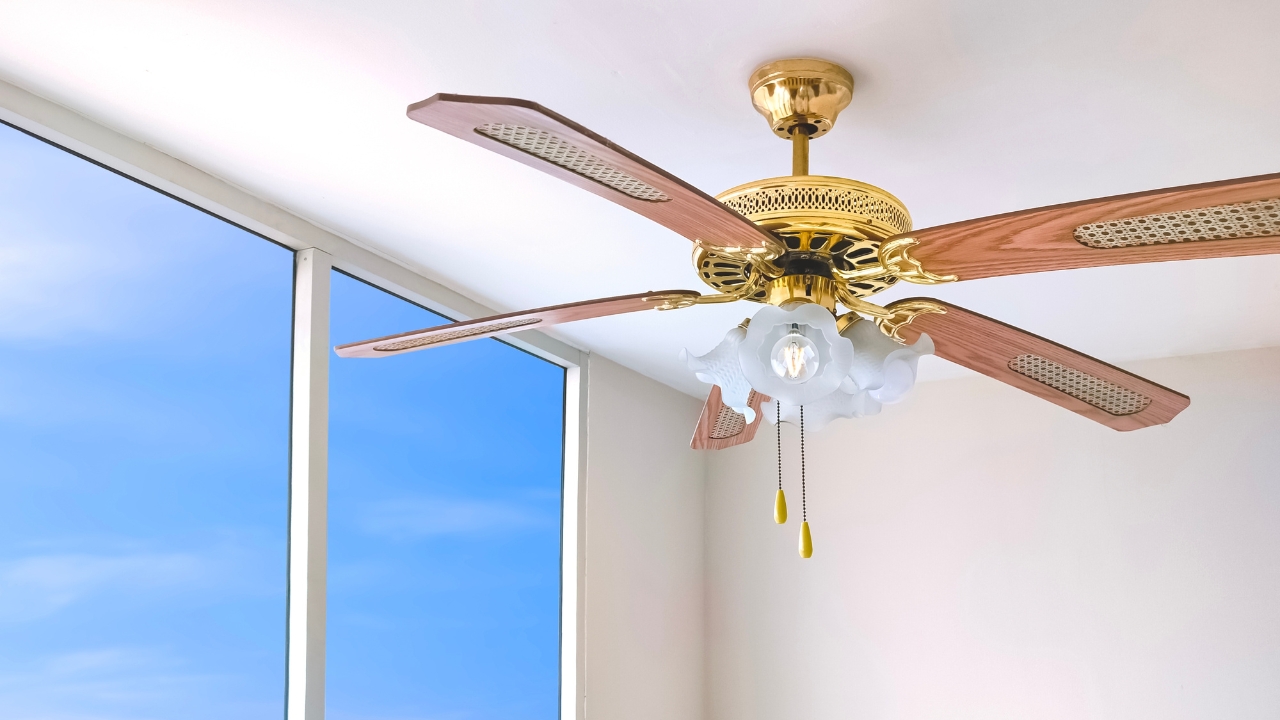
If you already have a fan-rated box in the ceiling, swapping out a light for a fan isn’t too bad. The biggest thing is making sure the box is solid enough to support the weight and motion of the fan.
If you’ve only got a standard light box, don’t risk it. A fan can rip that thing out of the ceiling. Have an electrician upgrade the box first, then you can handle the fan install from there.
Install Plug-in Under-Cabinet Lighting

Want more light on your counters without hardwiring anything? Plug-in under-cabinet lights are the answer. These mount with screws or adhesive and plug into a standard outlet.
You don’t have to cut into drywall or fish wires through cabinets. It’s an easy upgrade that’s totally code-compliant since you’re not altering the home’s electrical system.
Replace Outlet Covers or Switch Plates

This is about as basic as it gets, but it makes a surprising difference in how clean your space looks. Cracked or yellowing covers make your whole room feel dated.
You don’t need a permit or even to shut off the power (though it’s smart if you’re working close to wiring). Just unscrew the old plate, line up the new one, and you’re good to go.
*This article was developed with AI-powered tools and has been carefully reviewed by our editors.