10 Garden Choices That Attract the Wrong Insects
Some garden decisions can make life harder without you realizing it. While you might be trying to create a pollinator-friendly space or boost your blooms, a few common choices can bring in more of the bugs you don’t want—like mosquitoes, aphids, wasps, or even roaches.
It’s not always about the plant itself either—placement, watering, and soil can all factor in. If you’ve noticed an uptick in unwanted bugs, it might be worth rethinking a few of these habits.
Overwatering Your Garden Beds
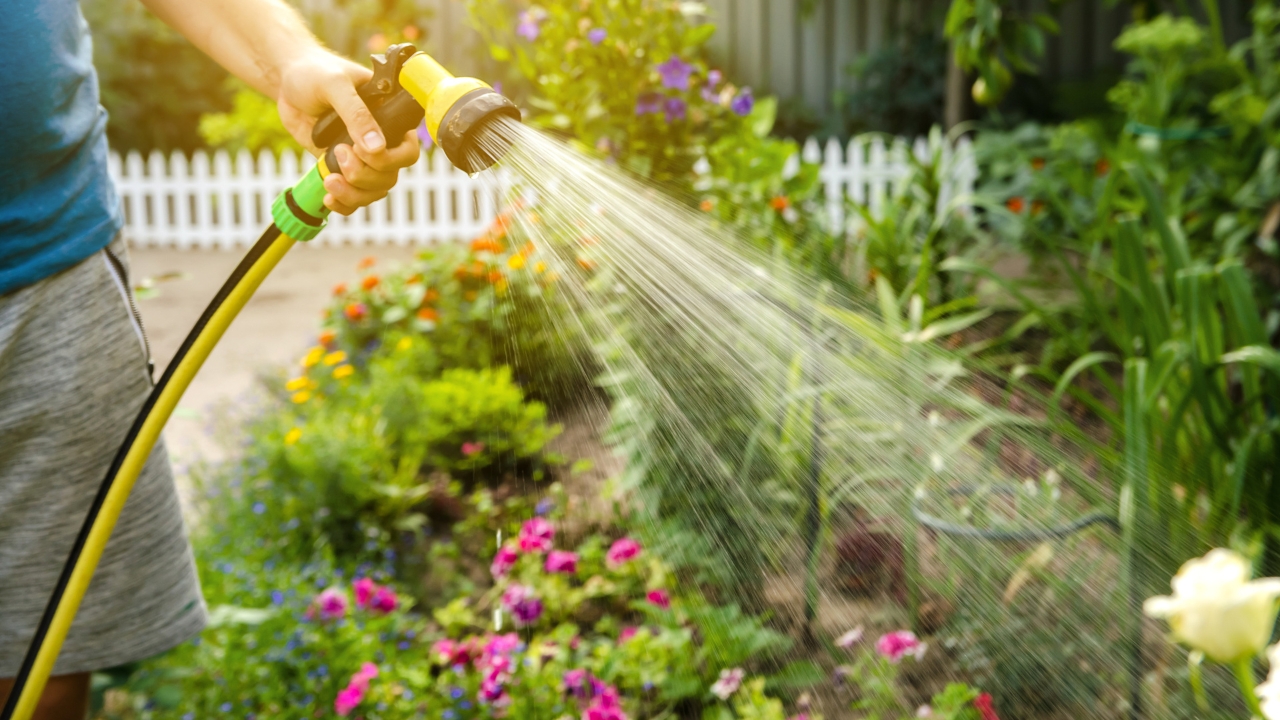
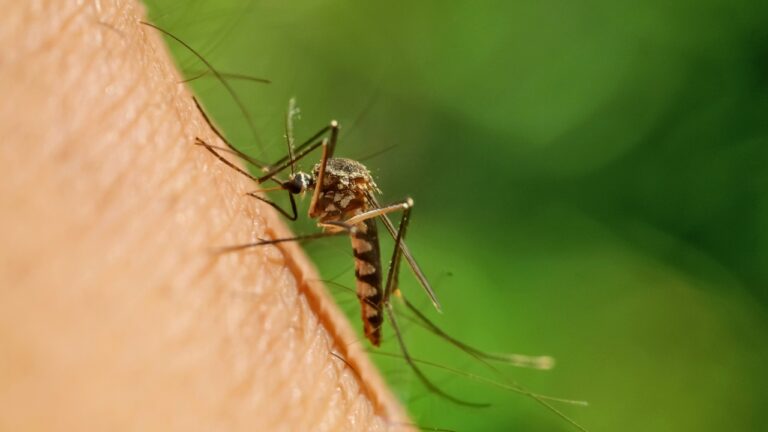
Too much water doesn’t just drown roots—it draws in mosquitoes, fungus gnats, and slugs. All of them thrive in wet environments, especially in spots where the soil stays soggy.
Make sure your soil drains well and stick to deep, occasional watering instead of daily sprinkles. Raised beds or compost-rich soil can help reduce puddling. Keeping things too wet is one of the fastest ways to attract trouble.
Letting Mulch Pile Up Too High

While mulch is great for locking in moisture and keeping weeds down, too much of it turns into a hiding place for earwigs, ants, and even cockroaches. It stays damp underneath and gives them a cool, undisturbed place to settle in.
Stick to about two inches and keep it pulled back from plant stems and the foundation of your house. Reapply in thin layers instead of dumping new mulch over old, and give it time to dry between waterings or rain.
Planting Sweet-Smelling Flowers Too Close to Entry Points
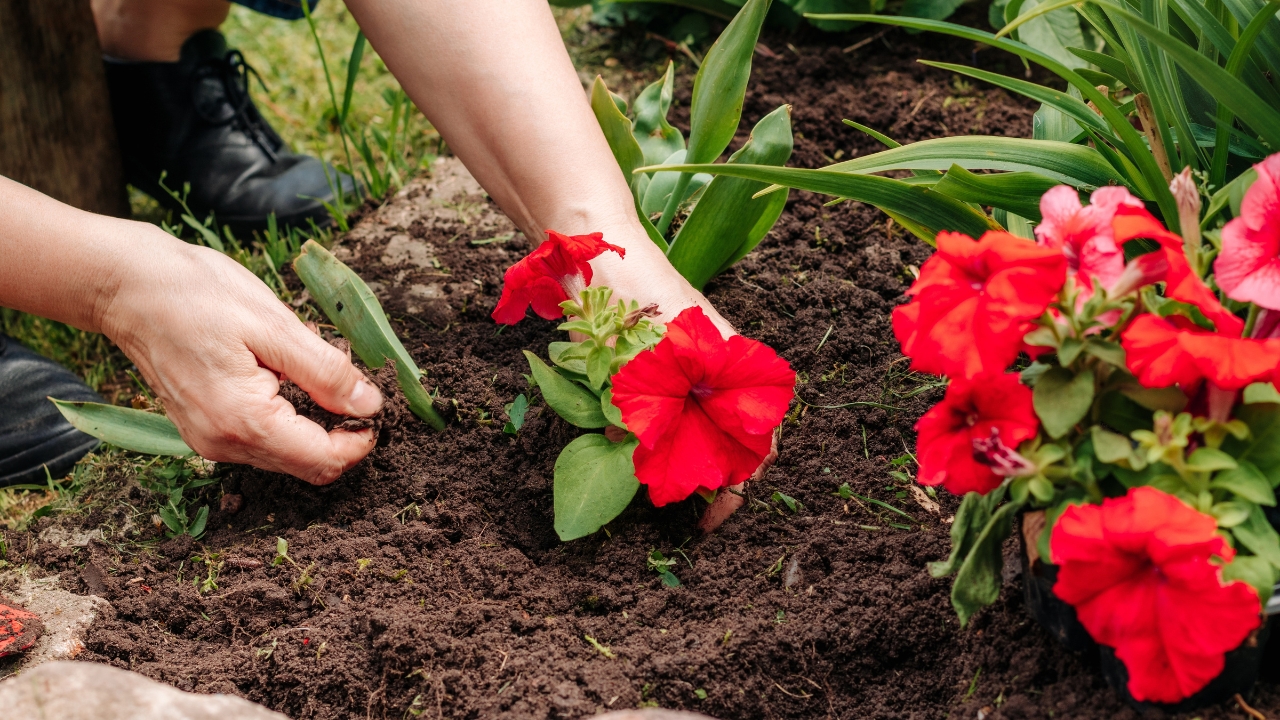
Strongly scented flowers like marigolds, honeysuckle, and petunias attract all kinds of flying insects. That’s great for bees—but not so great when you’re also luring wasps, hornets, or ants right up to your doors and windows.
Use these blooms in the yard, not right next to patios or exterior walls. If you’re planting near walkways or porches, go for more neutral-scented plants that won’t draw unwanted attention.
Keeping Fallen Fruit on the Ground
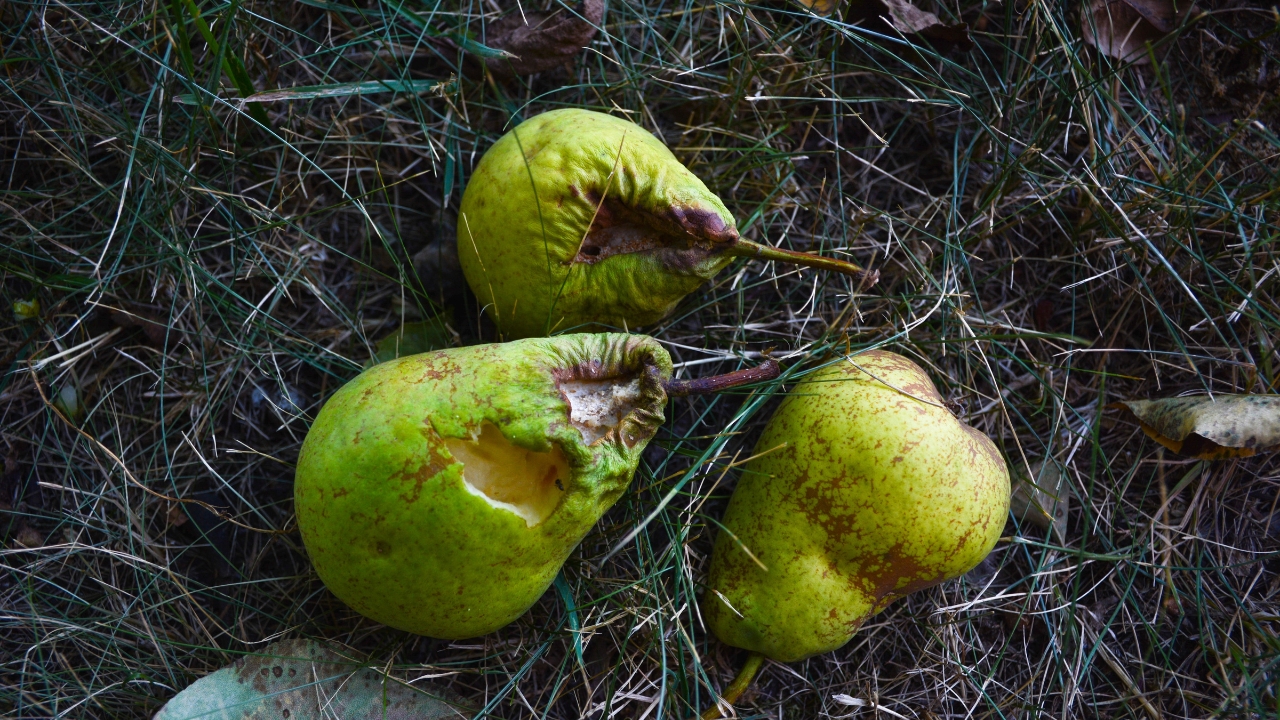
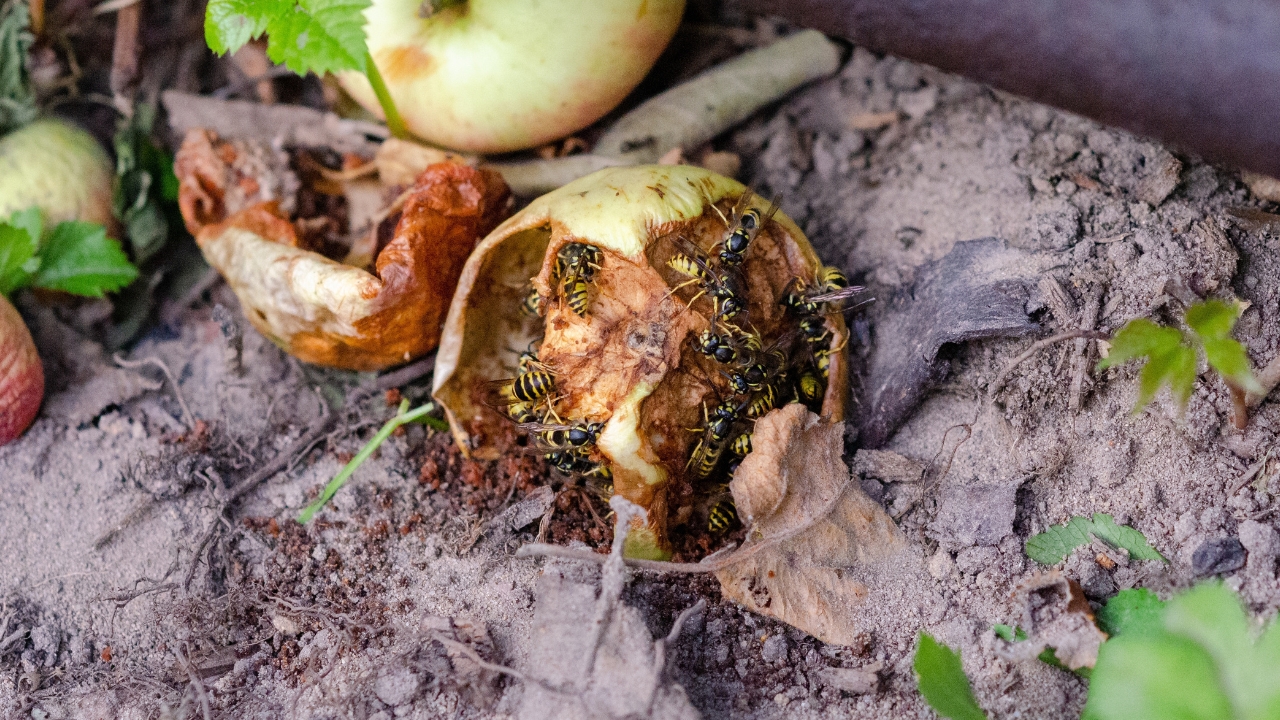
If you’ve got fruit trees or berry bushes, don’t let the ripe or rotting ones sit in the soil. They’re a magnet for fruit flies, ants, yellow jackets, and even larger pests like rodents.
Pick up any fallen produce as often as you can. It doesn’t take long for insects to find it, and once they do, they’ll keep coming back. Compost what you can—but do it away from your garden beds.
Choosing Dense, Low-Growing Ground Cover
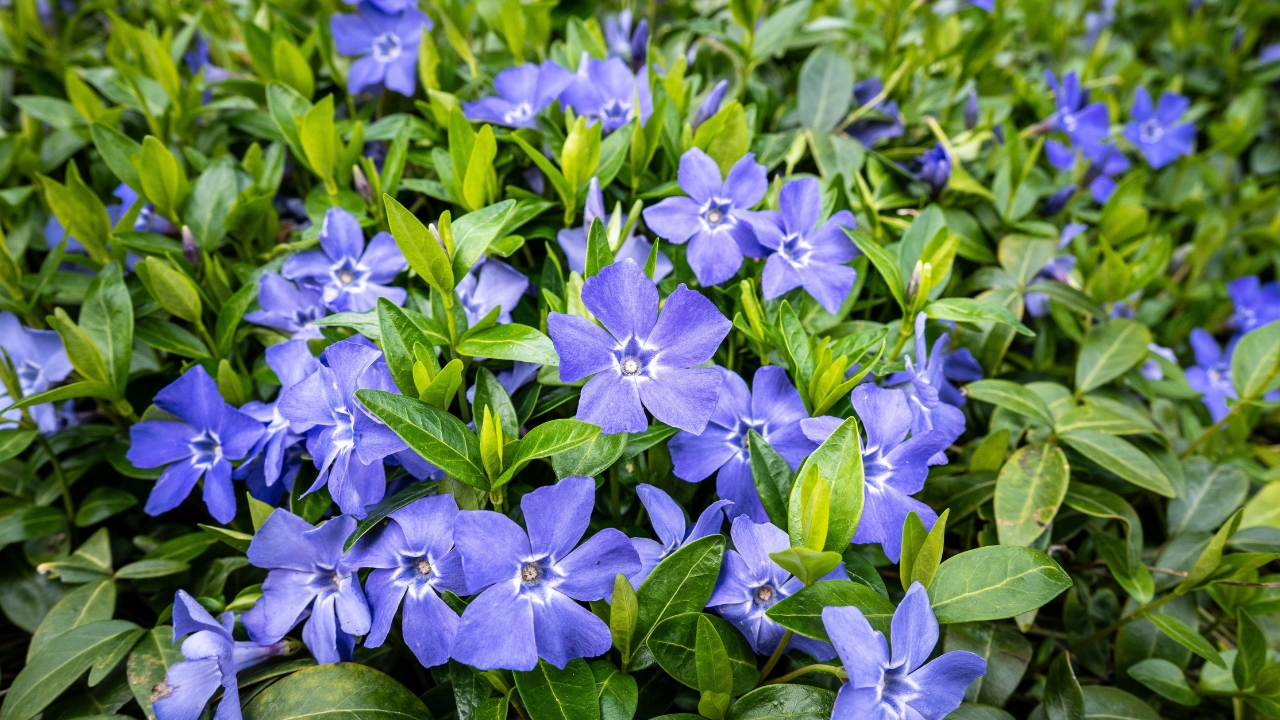
Tight ground cover like ivy, vinca, or even mint can trap moisture and provide a cool, shaded place for pests like pill bugs, spiders, and ticks. If the area underneath stays dark and damp, bugs will move in fast.
Try to keep low plants trimmed and avoid letting them sprawl up against your foundation or raised beds. Leave some airflow between plants, and don’t forget to check underneath every now and then.
Using Too Many Night-Blooming Plants

Plants that open up in the evening, like moonflower or four o’clocks, attract moths—and with moths come their larvae. Depending on the species, that can mean caterpillars that chew through your leaves or even pantry pests sneaking into the house.
It doesn’t mean you have to avoid night bloomers entirely, but mix them in thoughtfully and keep them farther away from the home or main gathering spots.
Letting Your Compost Pile Go Untended
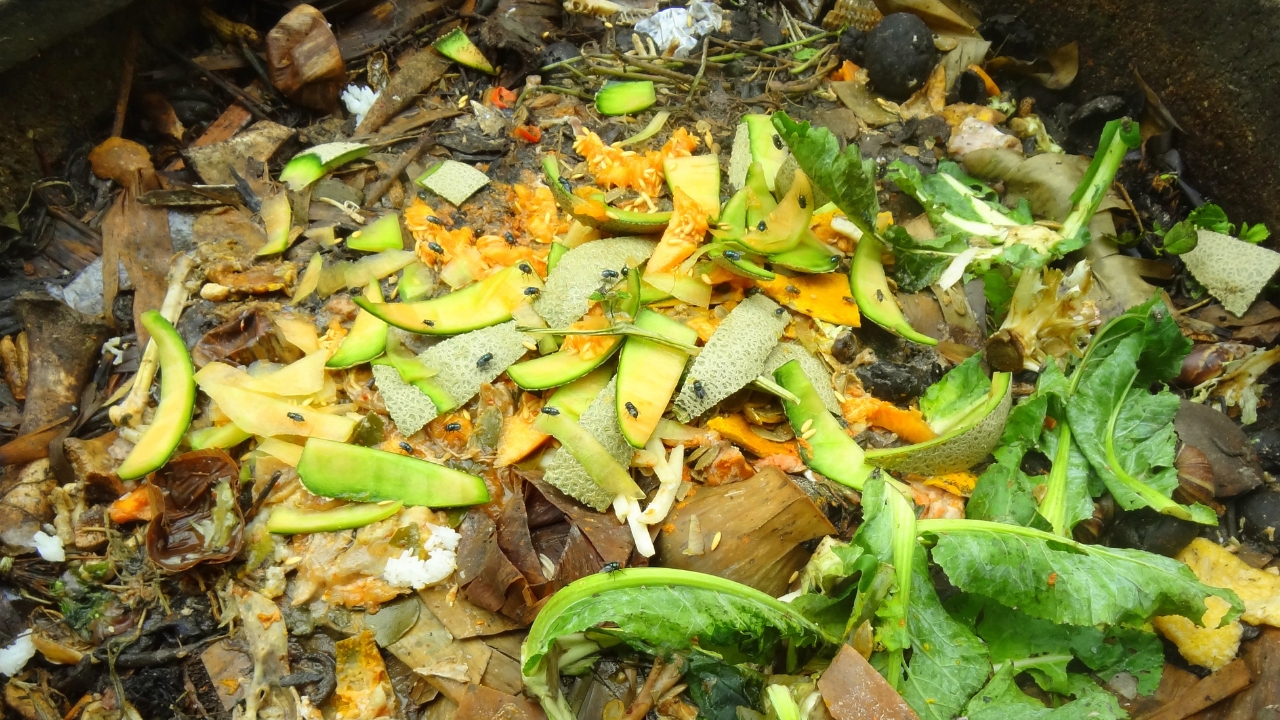
If you’re composting, you’ve got to stay on top of it. An untended pile with too much moisture or exposed food scraps can bring in everything from roaches to flies.
Turn your compost regularly and keep a balance of greens and browns. If it starts to smell off or attract bugs, it’s usually too wet or full of kitchen scraps. Cover fresh food scraps with dry material like leaves or sawdust to keep pests away.
Using Bright Garden Décor With Sweet Smelling Oils
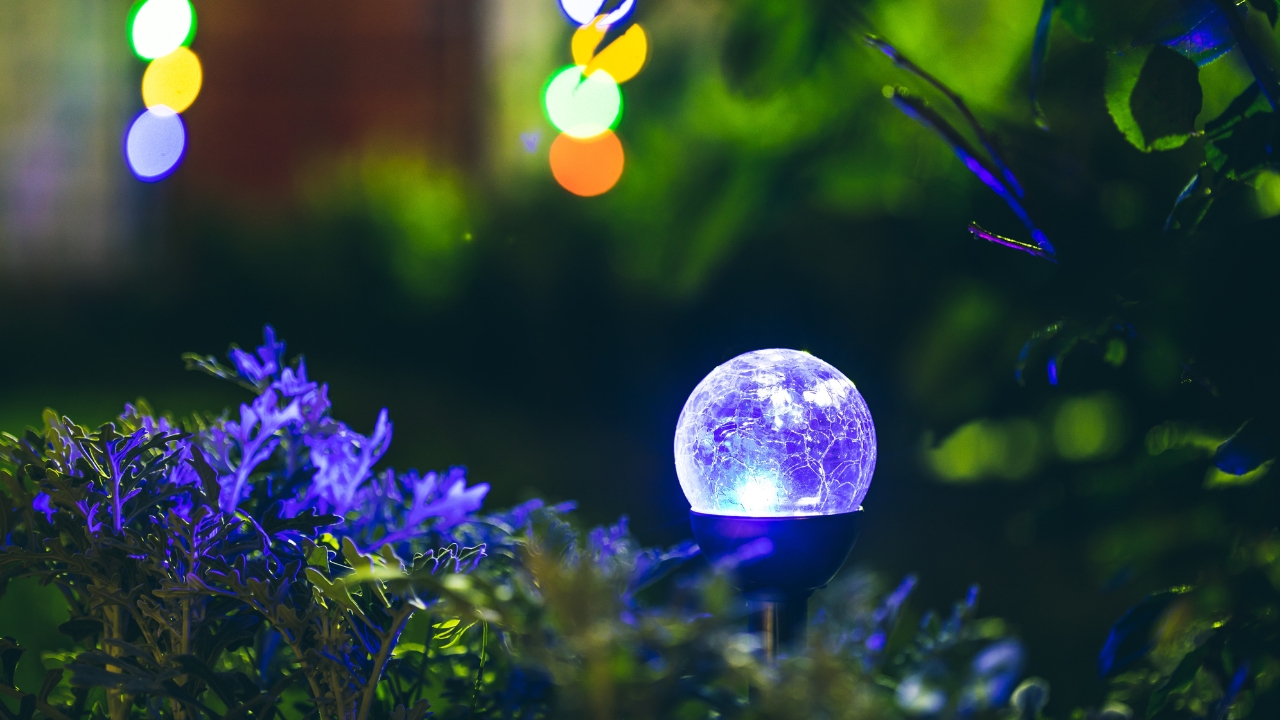
Some citronella torches, solar lights, or garden ornaments use scented oils or sugary liquids to ward off bugs—but they can backfire. Certain scents lure wasps or beetles in instead of repelling them.
If you’re adding decorative pieces, check what oils or additives they use. Unscented options tend to attract fewer bugs, and placement matters too. Don’t line your garden paths with things that draw stingers in closer.
Growing Too Many Aphid-Magnet Plants Together
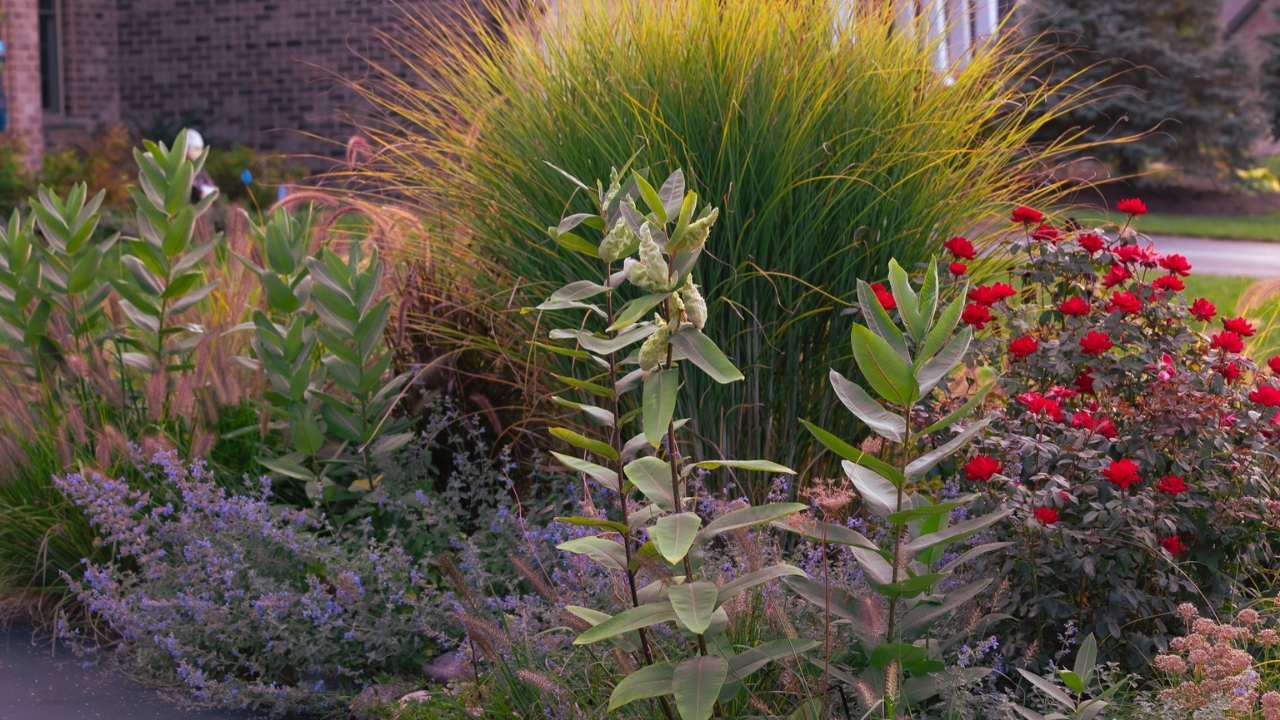
Some plants—like roses, milkweed, nasturtiums, and hibiscus—tend to attract aphids. Cluster them together, and you’re giving aphids a buffet. Once they settle in, they bring ants with them and can spread to other plants fast.
Space out known aphid favorites and keep a close eye on the leaves. You can also plant trap crops or use beneficial bugs like ladybugs to help control the population.
Ignoring Pest-Prone Weeds
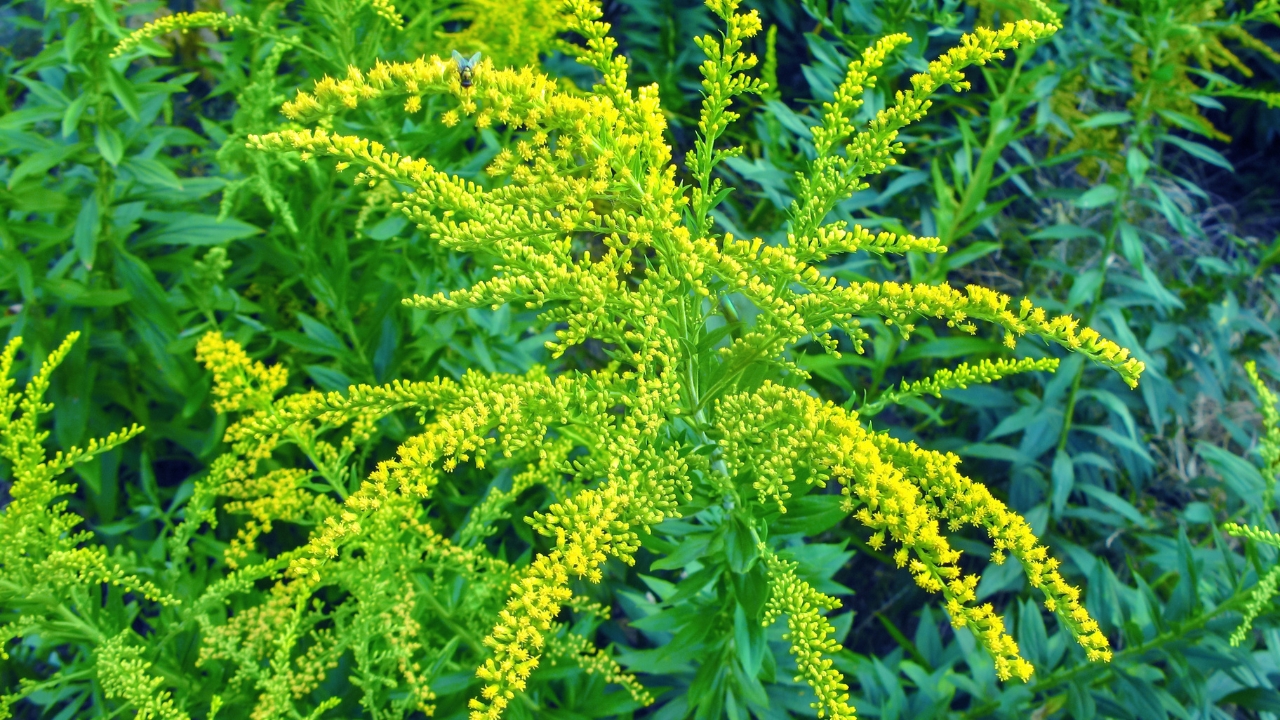
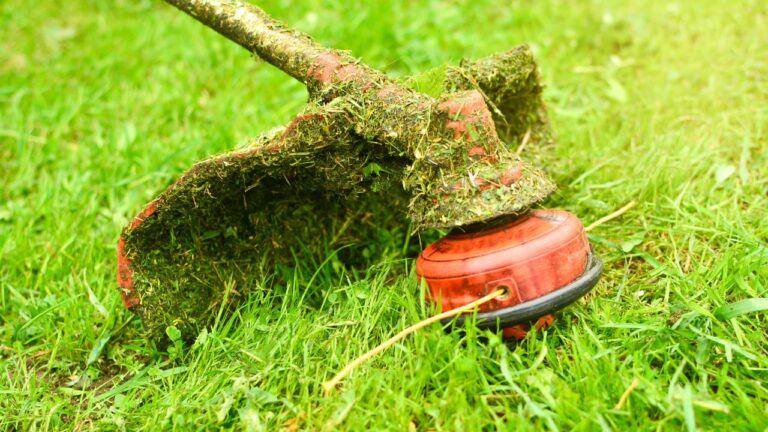
Weeds like ragweed, nettles, and spurge can attract harmful bugs while also stealing water and nutrients from your plants. Some even harbor aphids or spider mites that move right into your garden beds.
Staying on top of weeding isn’t just about keeping the garden neat—it’s about keeping insect issues in check. Pull them out before they seed or spread, and keep your borders clear so you’re not unknowingly hosting trouble.
*This article was developed with AI-powered tools and has been carefully reviewed by our editors.