10 Gutter Choices That Cause Ice Dams Later
Photo credit: Mariana Serdynska/Shutterstock.com
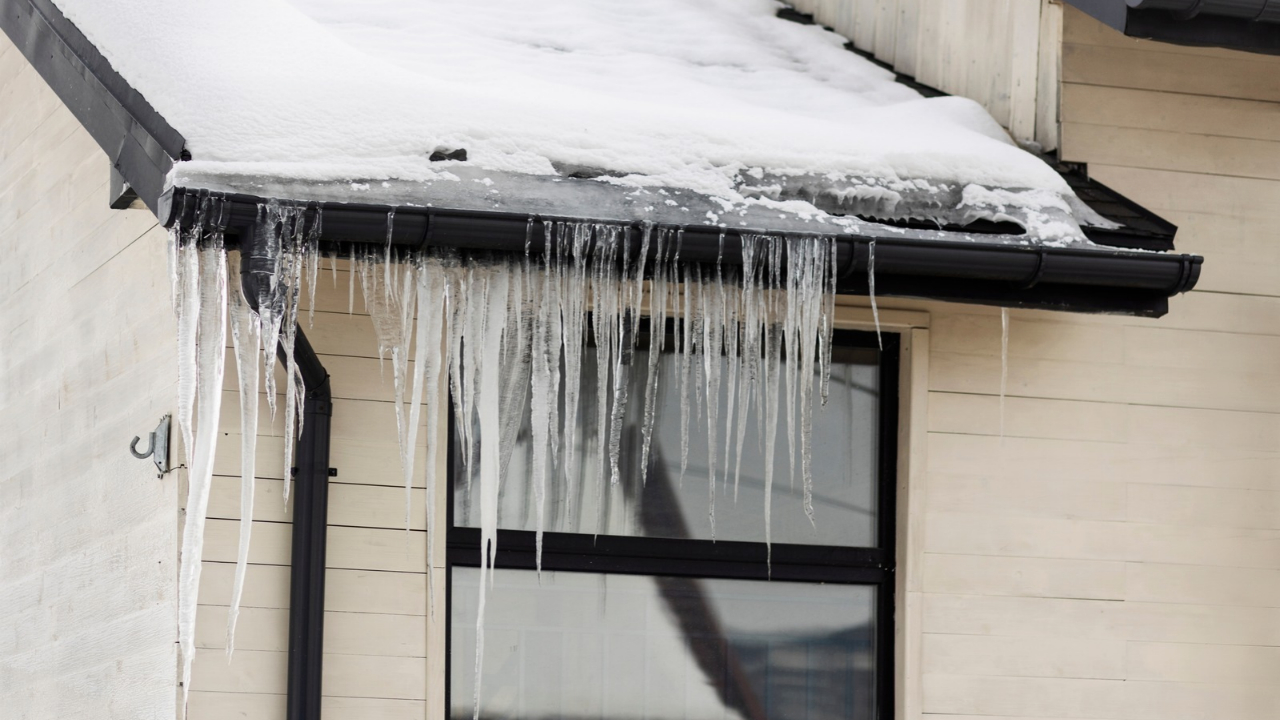
Ice dams usually show up after the first real stretch of freeze and thaw. You notice thick ridges of ice at the eaves, gutters that look “packed,” and water stains that weren’t there in October. A lot of it starts with a choice you made when you hung the gutters, or when you tried to “upgrade” them.
1. Shallow Pitch That Holds Water
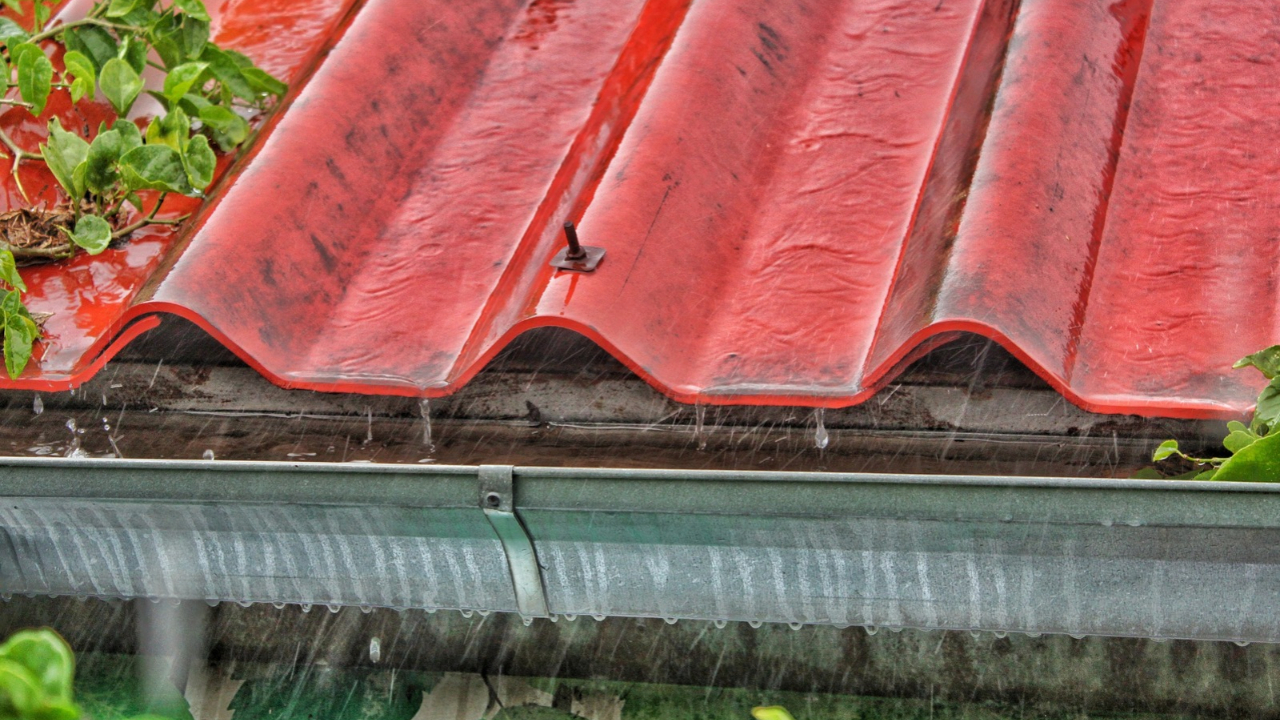
When a gutter is hung too level, it keeps a little ribbon of water instead of draining it. That water freezes first, then the next melt runs into it and stacks up. You get a solid ice plug near the downspout, and after that the whole run becomes a trough of ice.
Fixing it is usually a hanger adjustment, not a full replacement. Snap a chalk line, check the drop, and set the hangers so the gutter falls steadily toward the outlet. A torpedo level helps, but the real test is a bucket of water, it should move with no puddles left behind.
2. Oversized Gutters On Cold Eaves
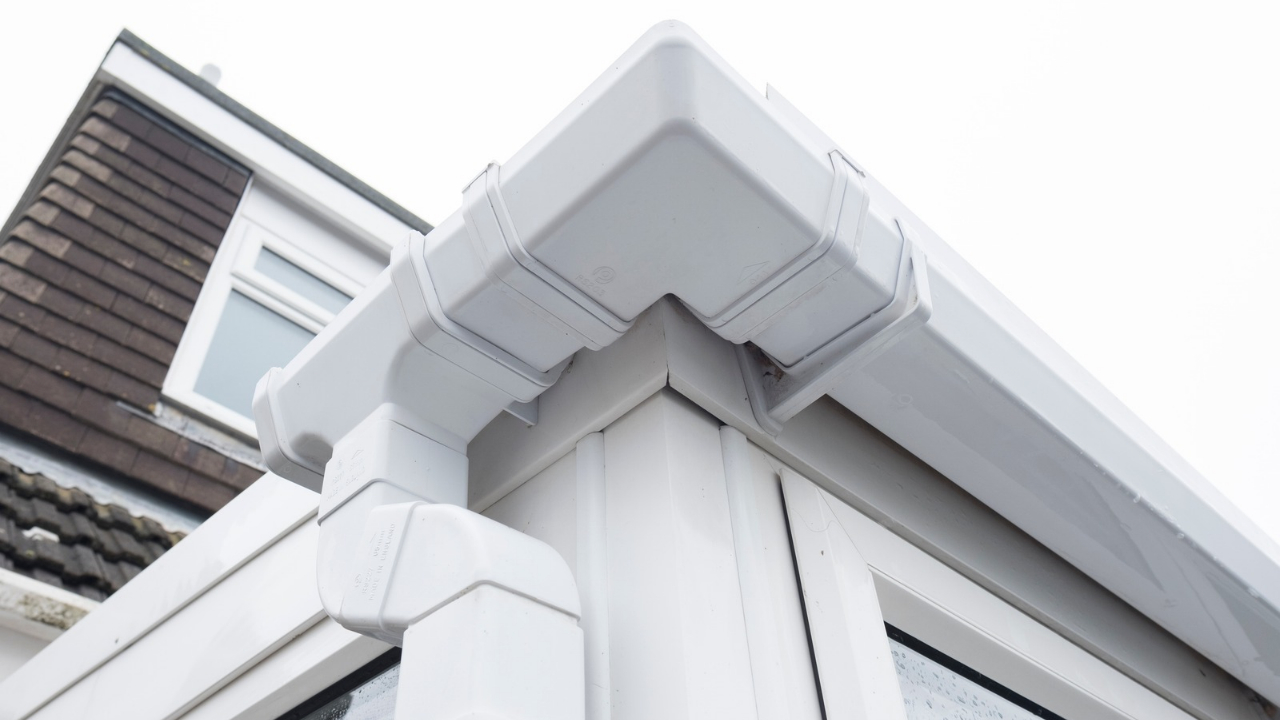
Bigger gutters sound like smart planning for heavy rain, but deep troughs under a cold roof edge can turn into ice boxes. The meltwater from higher up hits the cold section, slows down, and freezes in place. By mid-winter that extra capacity is just extra ice mass hanging on your fascia.
If you’re in snow country, match size to roof area and your downspout layout, not just “bigger is better.” Sometimes the better move is normal-size gutters with more downspouts, so water clears the eave faster. If you already have oversized gutters, improving attic air sealing and adding heat at the eave does more than swapping sizes.
3. Too Few Downspouts For The Run
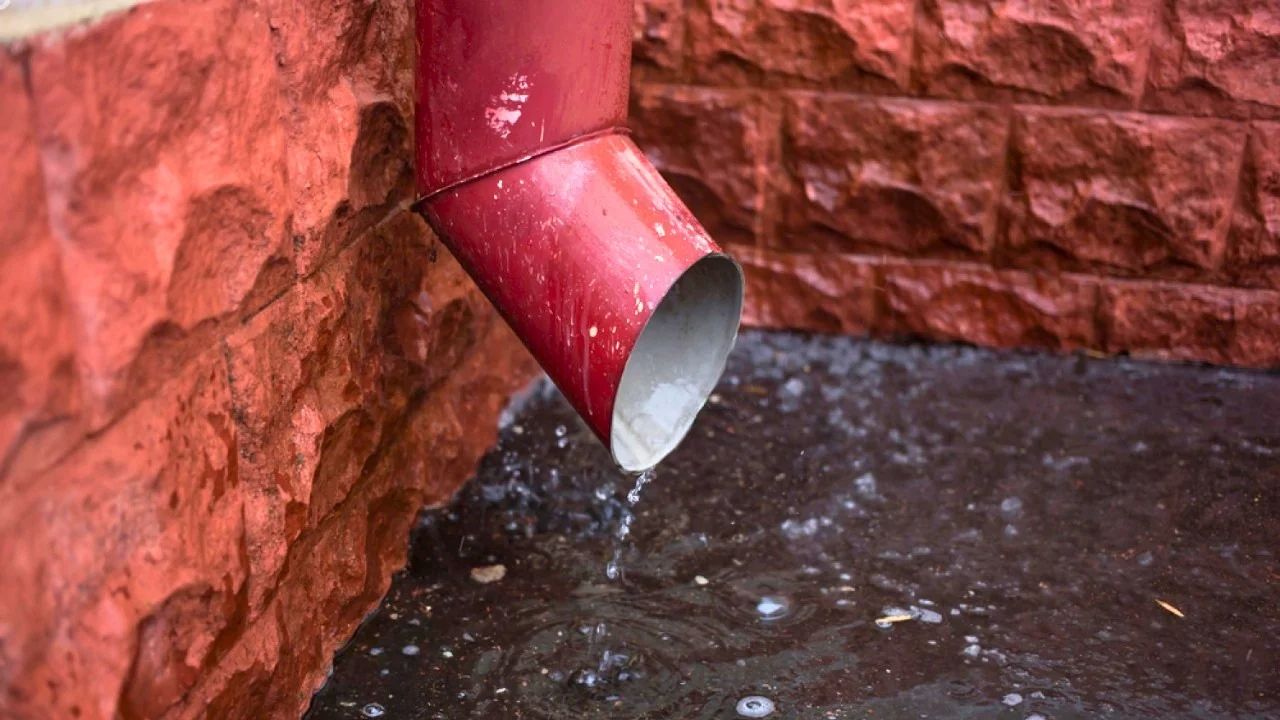
Long runs with one downspout are a classic way to build an ice dam inside the gutter. Even when the pitch is right, water has a long way to travel and it chills as it goes. Once the outlet area freezes, everything upstream backs up and turns into a solid bar.
Add a second outlet and downspout so each section has a shorter drain path. This is a drill-and-rivet job for some setups, and a cut-in drop outlet for others. If you’re not comfortable cutting aluminum overhead on a ladder, pay a gutter crew for an hour and be done with it.
4. Tiny Downspouts That Plug First
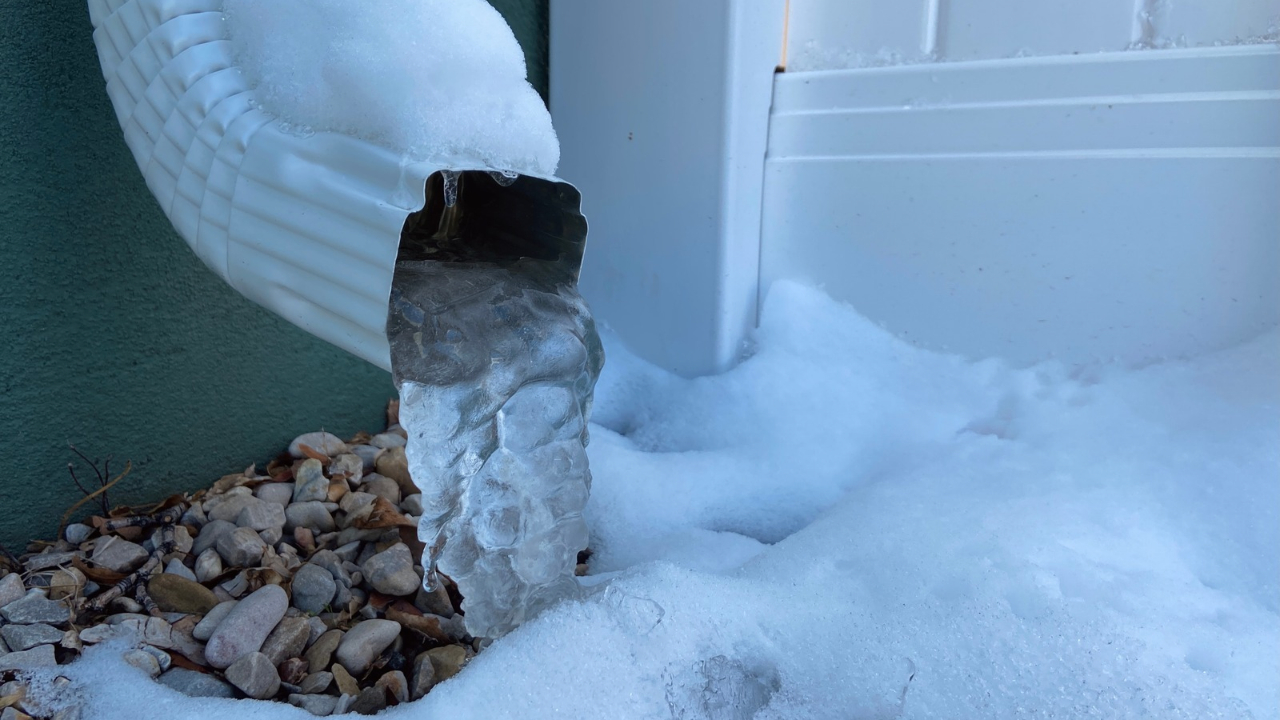
Small downspouts clog with slush and refreeze faster than larger ones. The first sign is a “glug” sound in a thaw and then nothing, followed by a gutter that stays full. Once the downspout is blocked, your gutter has no chance.
Going up a size on downspouts often helps more than changing the whole gutter. Keep bends to a minimum and avoid tight elbows right out of the outlet, because those are freeze points. If you have to keep a small downspout for looks, at least add another one so each handles less flow.
5. Corrugated Flex Extensions In Winter
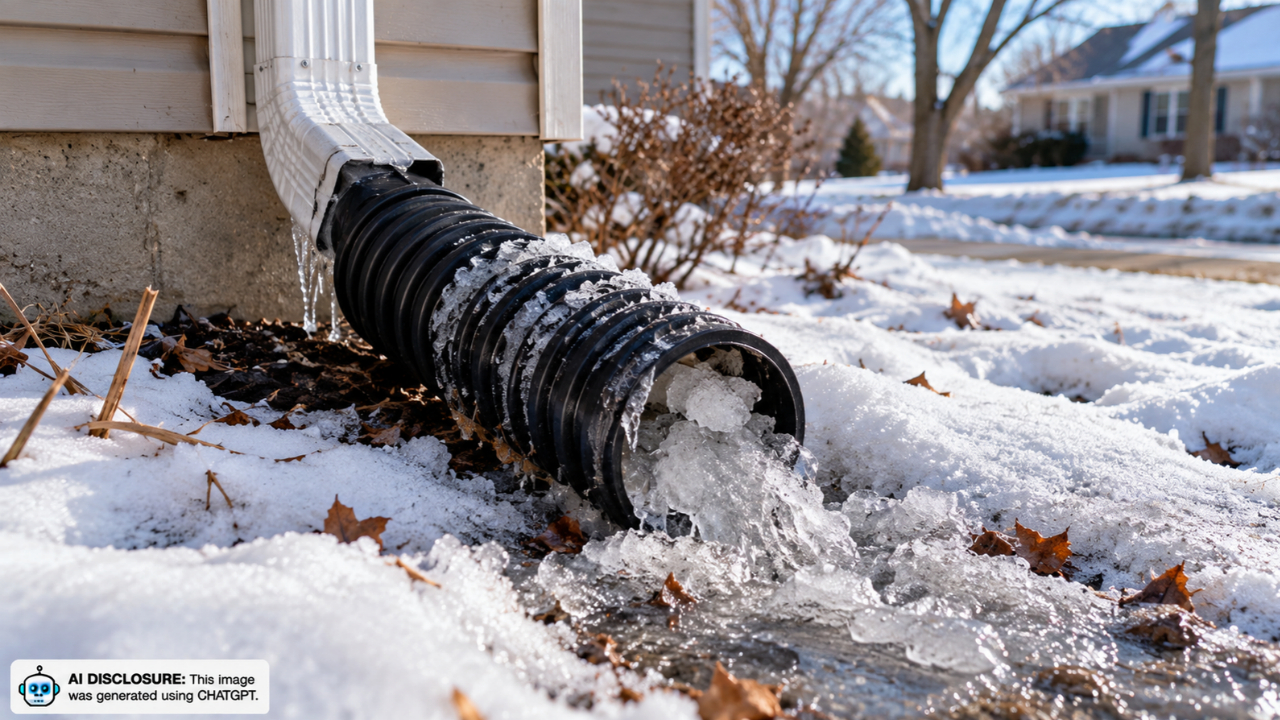
Those black corrugated extensions are cheap, quick, and they look fine in summer. Then winter hits and they become slush traps. The ridges hold water, they freeze solid, and the blockage works its way up into the downspout.
Swap them for smooth-wall extensions or solid drain pipe that sheds water cleanly. Keep the end pitched so it drains fully, not into a low spot that freezes. If you need to cross a walkway, a buried solid line to daylight is cleaner, just call for utility locates before you dig.
6. Gutter Guards With Tight Micro Holes
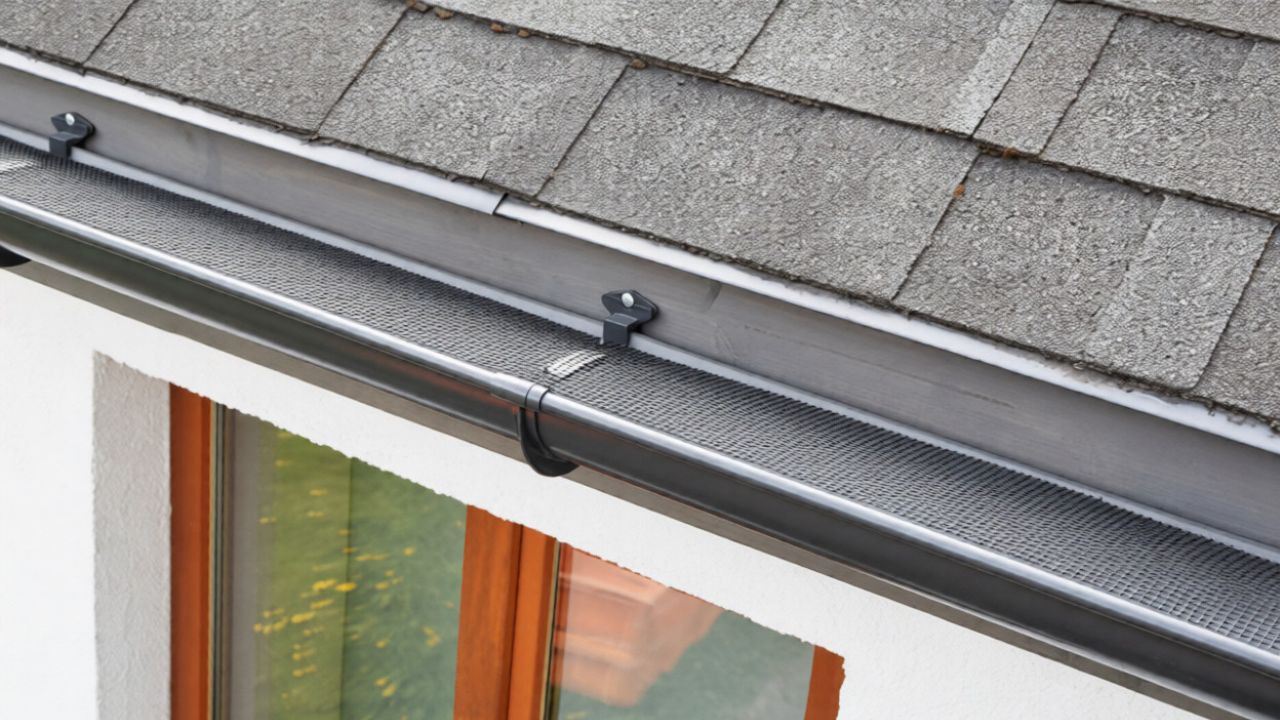
Some fine-screen and micro-hole covers keep leaves out, but they also slow winter drainage. In a thaw, water sheets over the top and refreezes at the edge, building a lip of ice that catches more meltwater. Then you get icicles off the guard while the gutter underneath stays partly full.
This is one of those times the “upgrade” can backfire. If you have lots of pine needles, a screen can still be the right choice, but it needs regular cleaning and enough slope to move water fast. In heavy snow areas, simple open-top gutters that you clean in late fall can be the better option.
7. Hidden Hangers That Let Gutters Sag
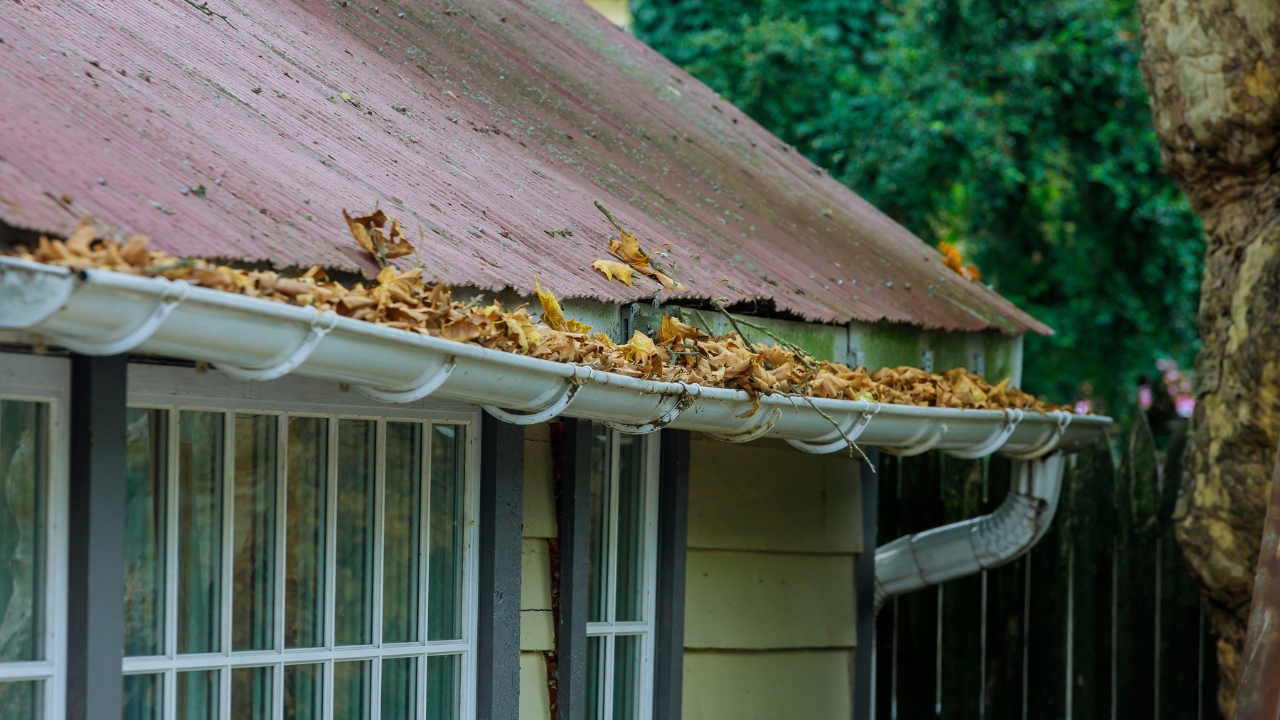
Hidden hangers look neat, but if they’re spaced too far apart or the fasteners bite into punky fascia, the gutter slowly sags. You won’t notice until the first winter when the low spot becomes an ice pool. Then the weight makes the sag worse, and you get a ripple effect down the line.
Check spacing and add hangers where the gutter bows, especially near corners and outlets. If the fascia is soft, you’re past “gutter problem” and into wood repair, because new screws will just strip out again. Fix the rot, then rehang the gutter so it’s supported like it should be.
8. Valley Dumping Right Into One Spot
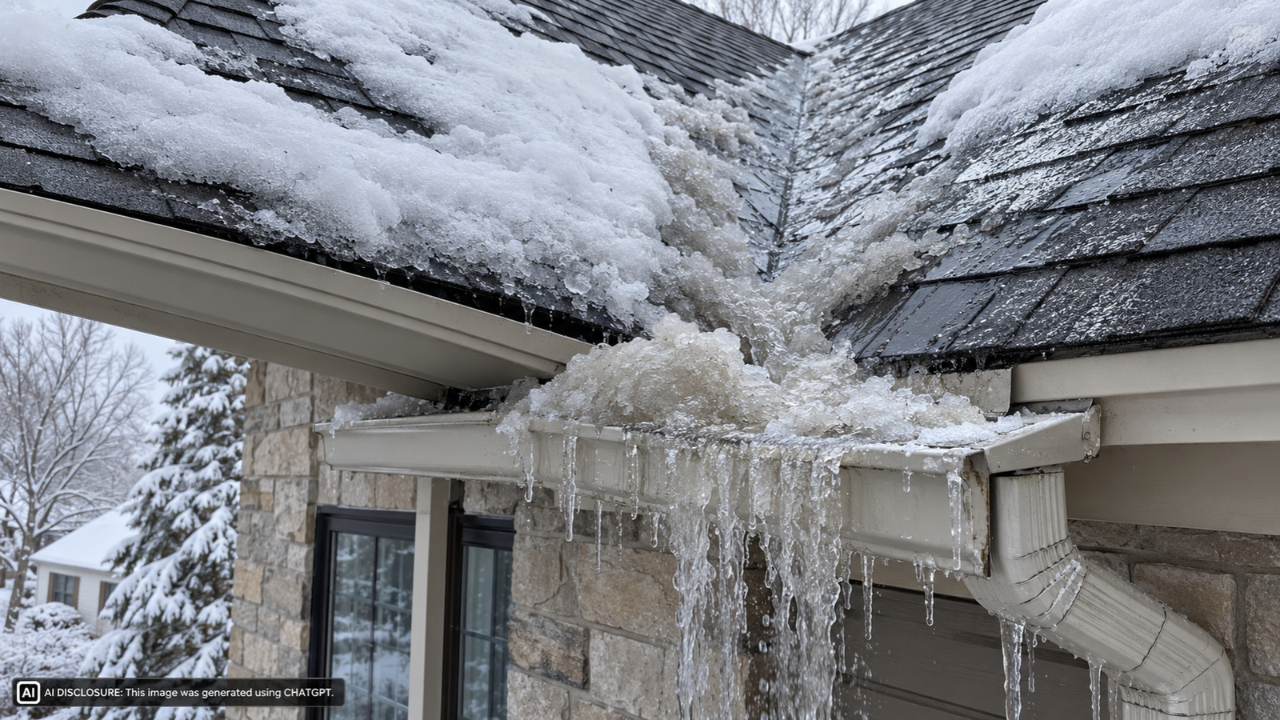
When two roof planes meet, that valley sends a lot of water to one short section of gutter. In winter it sends slush. The surge hits, the outlet can’t keep up, and you get a frozen mound right where the valley drains.
Give valley areas special treatment. Add an extra downspout close to the valley, or use a wider outlet and smoother elbows so the rush clears quickly. Also check that the valley flashing is clean and intact, because debris in the valley makes the surge even more violent.
9. Heat Cables Laid Inside The Gutter
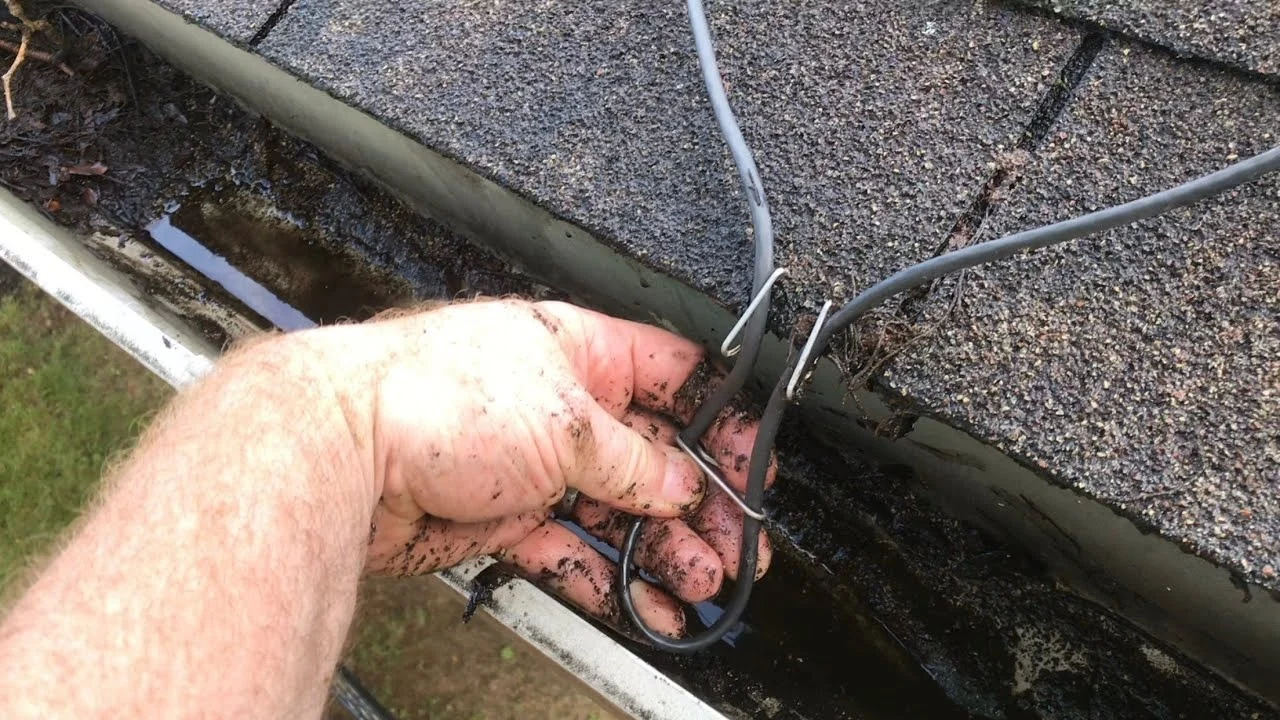
Heat cable can help, but running it inside the gutter often creates a weird melt-freeze pattern. The cable melts a channel, the water runs to a colder spot, and refreezes into a harder plug. You also end up with cables buried in ice, which is wasted electricity.
If you use heat cable, follow the manufacturer layout for your roof edge and downspout, and use a GFCI-protected outlet. Replace damaged cable instead of splicing mystery fixes, and don’t staple it to the roof. If you’re unsure about circuits outdoors, call a licensed electrician and get it done to code.
10. Dark Metal Gutters In Full Sun
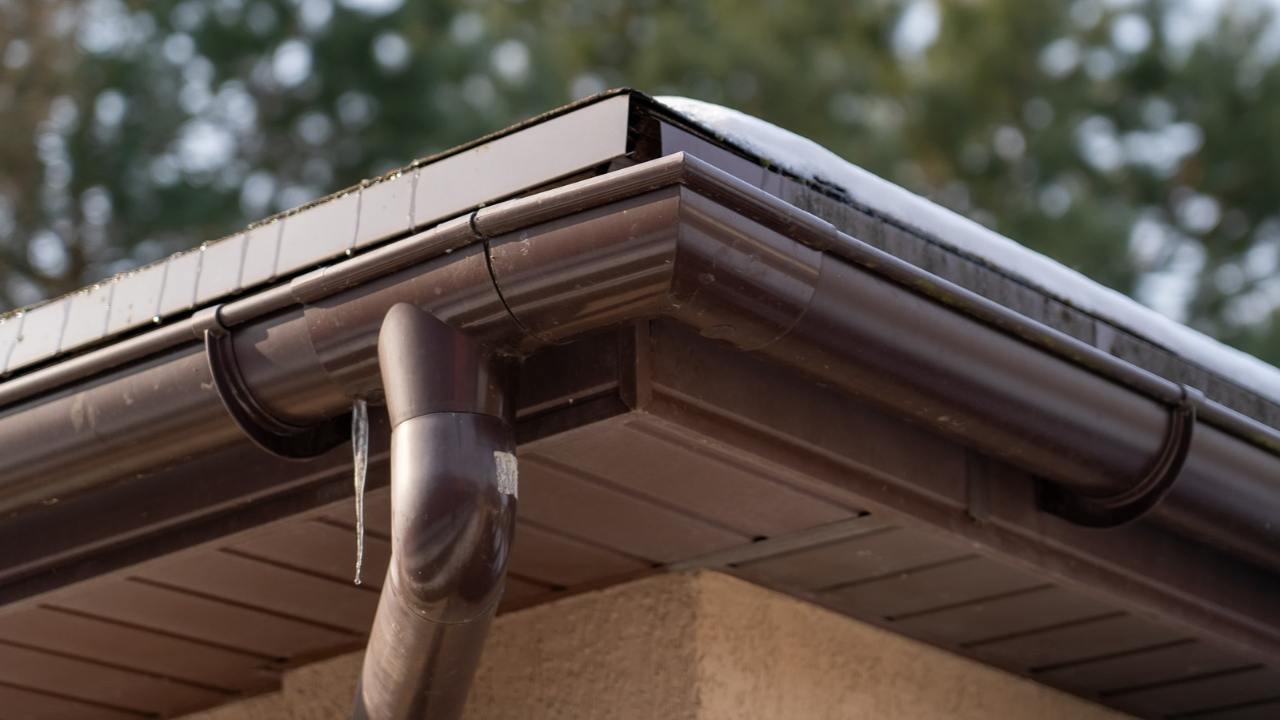
This one surprises people. Dark gutters in a sunny spot warm up on clear winter days, melt snow, then refreeze fast when the sun drops. That daily cycle builds thick ice fast, even when everything is pitched correctly.
You don’t need to panic and replace them just for color, but you do need to plan for the swing. Keep downspouts big and short, keep outlets clear, and focus on attic insulation and air sealing so you’re not adding extra meltwater from heat loss. Sometimes the fix is in the attic, not on the fascia.
When gutters turn into ice molds, the damage usually shows up inside the house later as wet insulation, stained drywall, and peeling paint at the top of the wall. A couple hours spent re-pitching, adding a downspout, or swapping one bad accessory can save you a roof-edge mess when the next thaw hits.
Like Fix It Homestead’s content? Be sure to follow us.