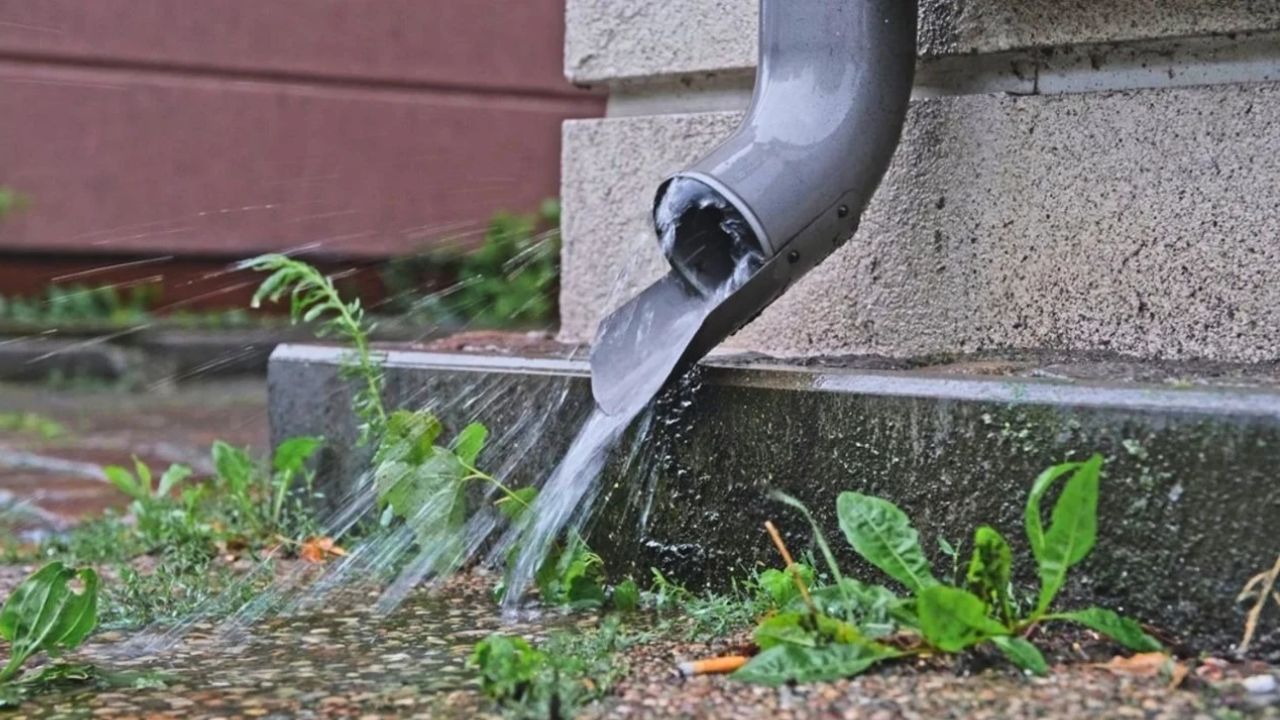
10 Gutter Problems That Turn Into Foundation Damage
Photo credit: Moomin201/Shutterstock.com
Rainwater is supposed to leave your roof, hit the gutter, and get dumped well away from the house. When that path breaks, water hangs around the foundation and starts changing the soil, the concrete, and the crawlspace air. You usually notice it as basement damp, sticking doors, or a new crack that wasn’t there last year.
1. Downspouts Dumping Water Beside The Wall
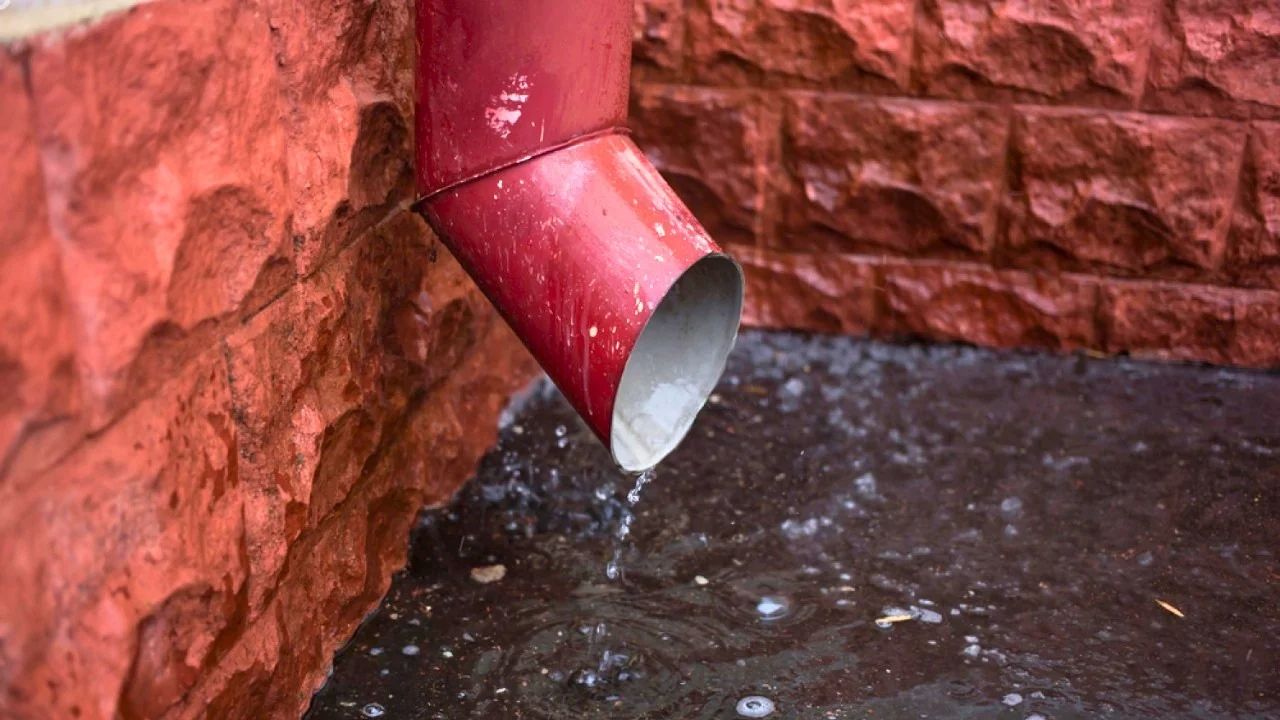
If the downspout ends right at the corner, the ground takes a beating every storm. You get a muddy trench, splashed siding, and water soaking into the soil right where your footing sits. Over time that wet soil settles and shifts, and the foundation gets blamed for what the gutter caused.
Add an extension and send the water out at least several feet, farther if your yard slopes back toward the house. A simple corrugated extension is fine if it stays hooked up and isn’t a trip hazard. If you’re burying a solid drain line, call for utility locates before digging and pitch it so it actually drains.
2. Gutters Pitched The Wrong Direction
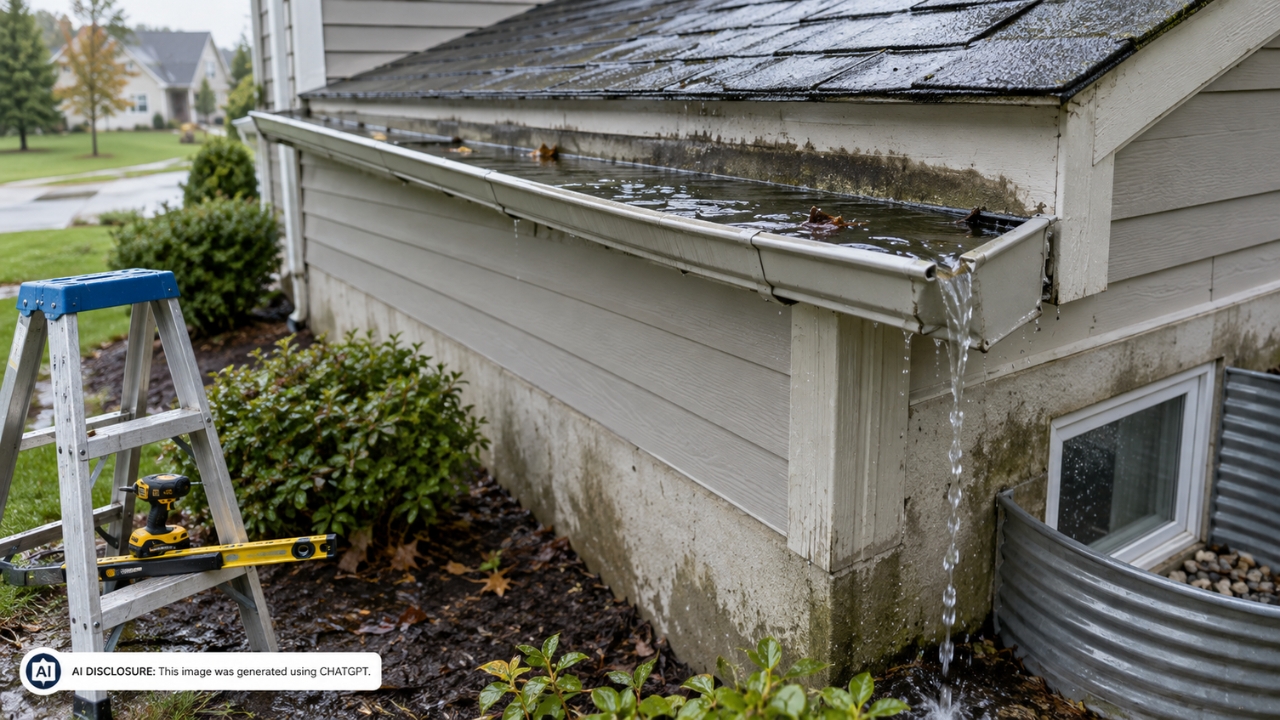
This shows up as a gutter that stays full long after the rain quits. Water sits there, heavy, and it finds a low spot to spill over, often right above a window well or a foundation corner. You’ll also see a dark stripe on the fascia where it’s been running behind the gutter.
Check the slope with a level or even a tight string line. Most runs need a gentle fall toward the downspout, not dead level. Re-hanging a short section with a drill, new screws, and a ladder is doable, but if the roof edge is high or the run is long, paying a gutter crew for a quick reset beats a fall.
3. Clogged Troughs From Leaves And Seed Pods
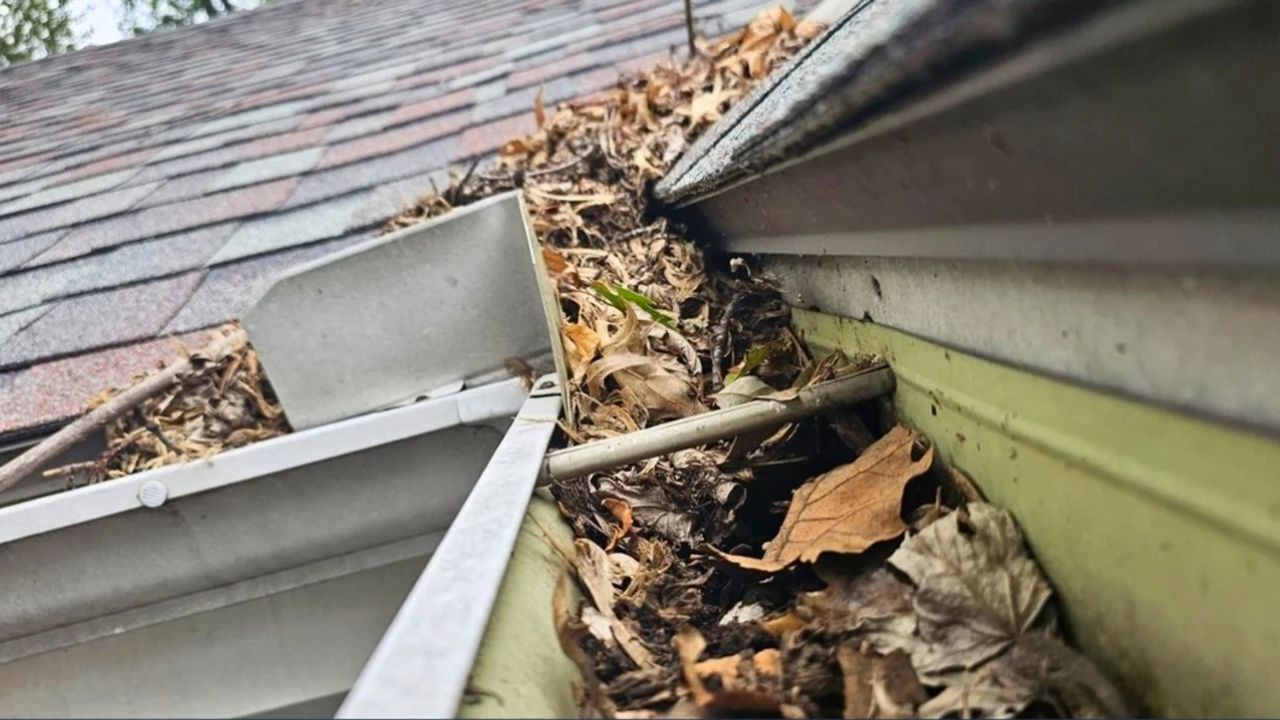
In late fall, a gutter can turn into a wet compost bin. Water backs up, spills over the front edge, and lands right at the drip line where soil gets hammered into a low trench. That trench becomes a channel that steers even more water toward the foundation.
Clean them before freeze season and again after the spring drop if you have maples, pines, or cottonwoods. A scoop, gloves, and a bucket work, then flush with a hose and watch how it runs. If you can’t safely reach, hire it out. It’s cheaper than dealing with chronic basement moisture.
4. Hidden Clogs Inside Elbows And Pipes
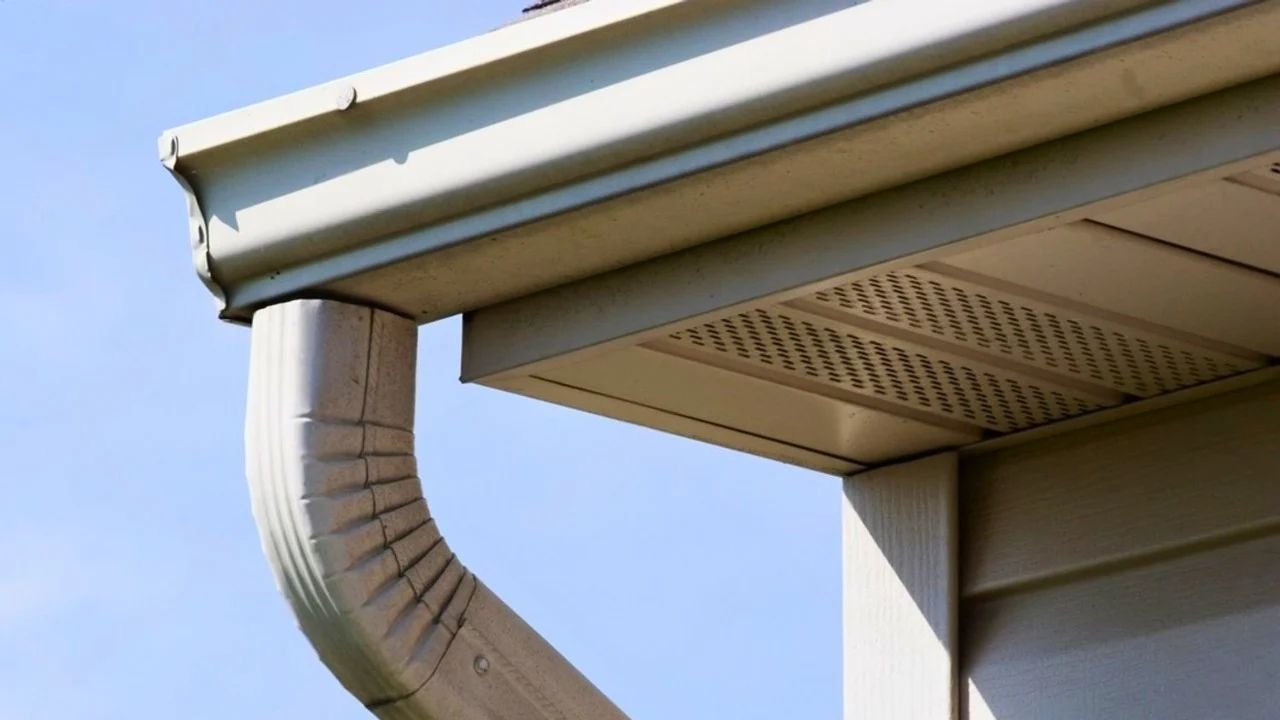
Sometimes the gutter looks clean but the downspout is packed. The giveaway is water shooting out of a seam, or the downspout thumping and gurgling like it’s full of marbles. In a hard rain, that blockage forces overflow right where your foundation is weakest, at corners and steps.
Pop the bottom elbow off and see if a wad of shingle grit, maple helicopters, or a tennis ball sized clump is sitting there. A plumber’s snake or a blast from a hose can clear a straight run. If the downspout ties into an underground drain that’s plugged or collapsed, that’s a dig-and-fix job, and it’s often worth bringing in a pro with a camera.
5. Loose Hangers Letting Gutters Sag
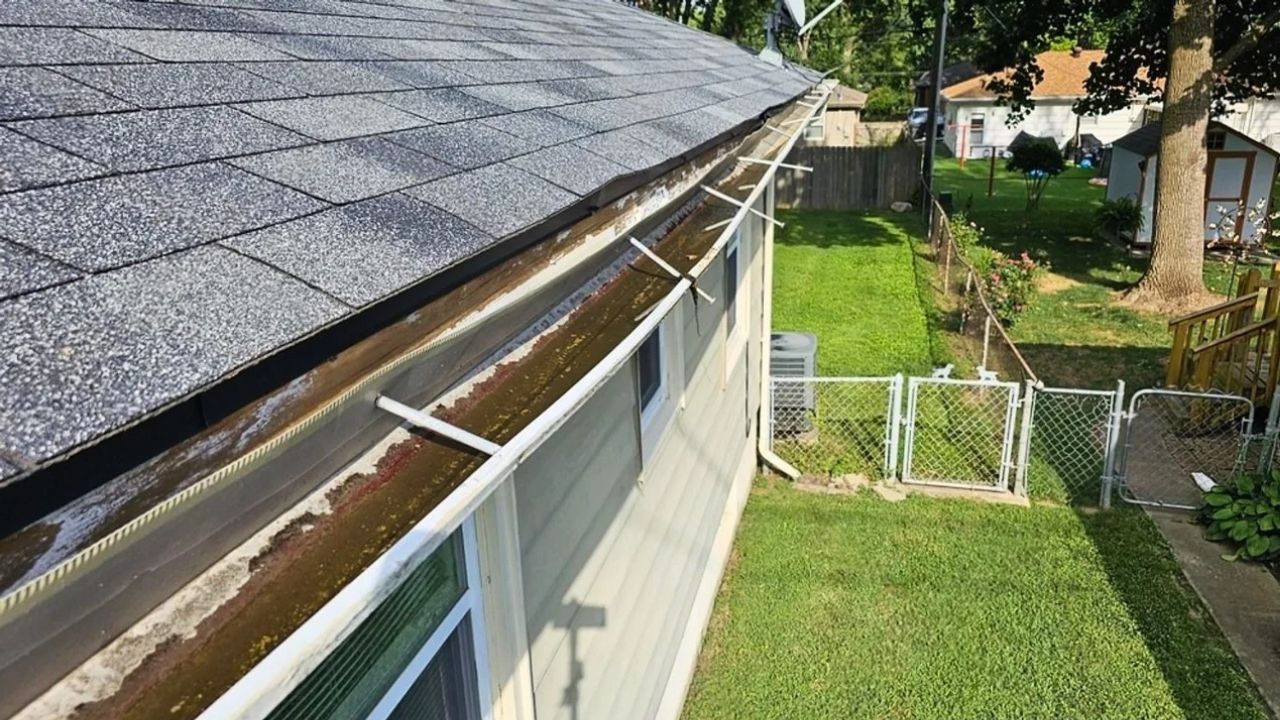
People notice the drip, then ignore the gutter that’s slowly drooping like a wet noodle. When the hanger spacing is too wide, or nails back out, the trough bows and holds water. That constant weight pulls it farther, and eventually it dumps in the same spot storm after storm.
Swap the old spikes for gutter screws with hidden hangers and tighten things back to the fascia. If the fascia wood is soft, the screw won’t bite and the gutter will never stay put. Fix the rot first or you’re just hanging a water trough on mush.
6. Roof Drip Sliding Behind The Gutter
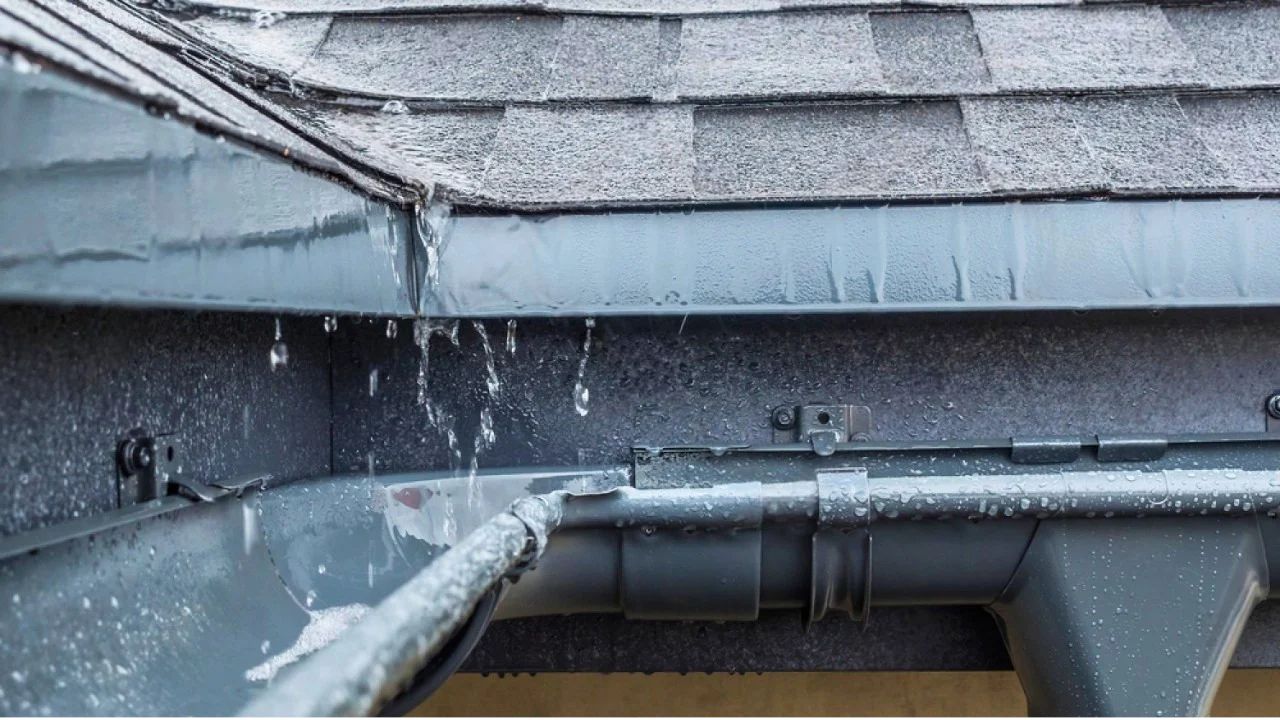
If water is getting between the gutter and fascia, it’s not going where you think. You’ll see rotted fascia, peeling paint, and sometimes a line of carpenter ants scouting the damp wood. That rot opens gaps, then water hits the wall and runs straight down to the foundation.
This is usually a drip edge problem or a gutter hung too low. Adding or correcting drip edge is a roofing detail, and working at the roof edge isn’t the place to get brave. If you’re not comfortable on a ladder with both hands busy, call a roofer and have it set right.
7. Ice Dams Forcing Water Over The Edge
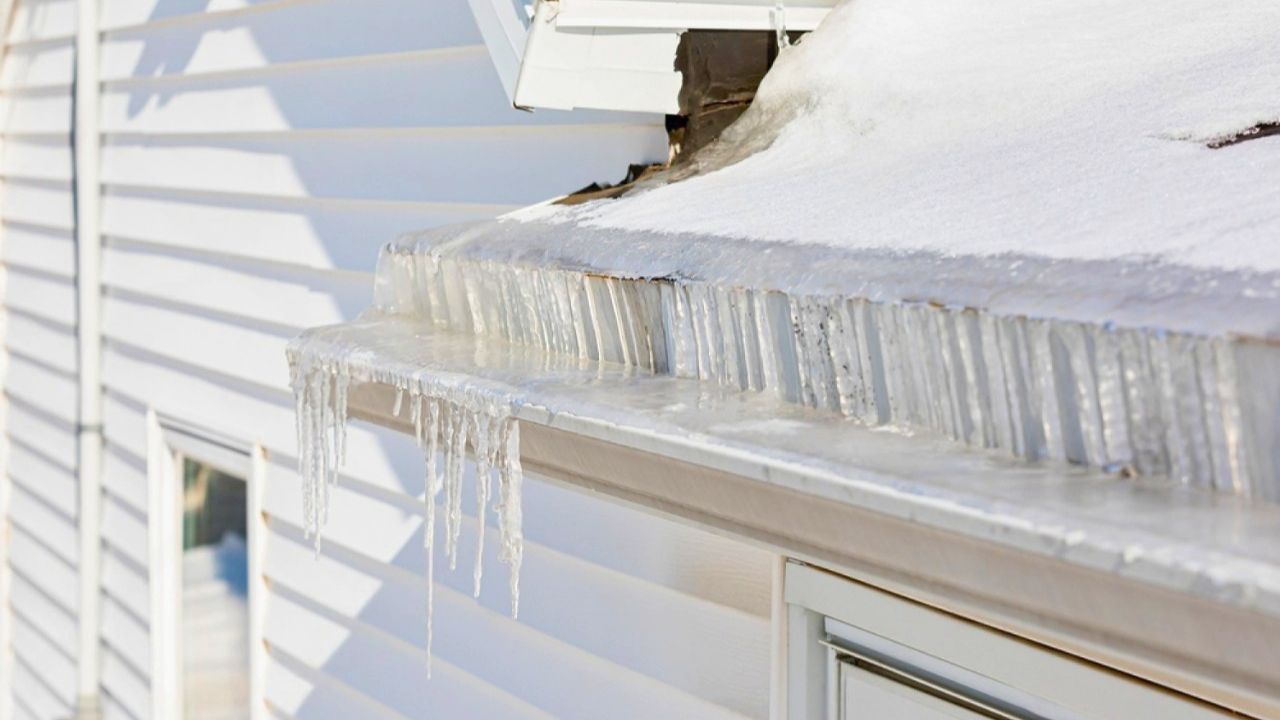
Mid-winter is when the quiet damage happens. Meltwater hits a cold gutter, freezes, and builds a dam that shoves the next melt right over the edge. That water lands next to the foundation and can refreeze as a slick rink along walkways too.
Start with attic air sealing and insulation so the roof stays colder and snow doesn’t melt as fast. Keep gutters clear before winter so there’s room for water to move. Heat cables can help in specific trouble spots, but they don’t fix the root cause and they add an electrical load, so don’t treat them like a permanent bandage.
8. Splash Blocks Missing Under Downspouts
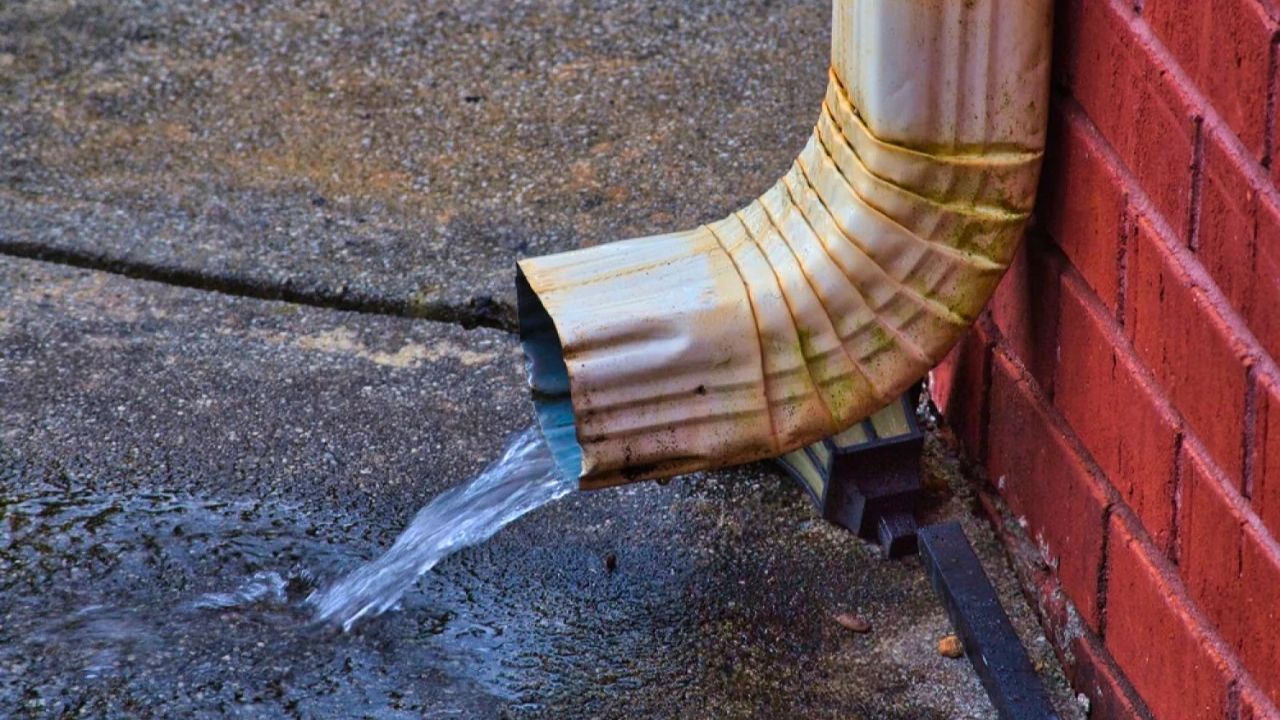
Sometimes all you need is a cheap piece of plastic or concrete, and it’s not there. Without a splash block, a downspout can dig a crater in one season, especially in clay. That crater turns into a funnel that holds water right against the foundation.
Set a splash block on compacted soil and angle it away from the house. This is one of the few cheap fixes that’s actually fine, as long as it stays in place and the outlet isn’t aimed at a sidewalk where it ices up. If the area stays soggy, step up to an extension or a drain line.
9. Gutters Too Small For The Roof Area
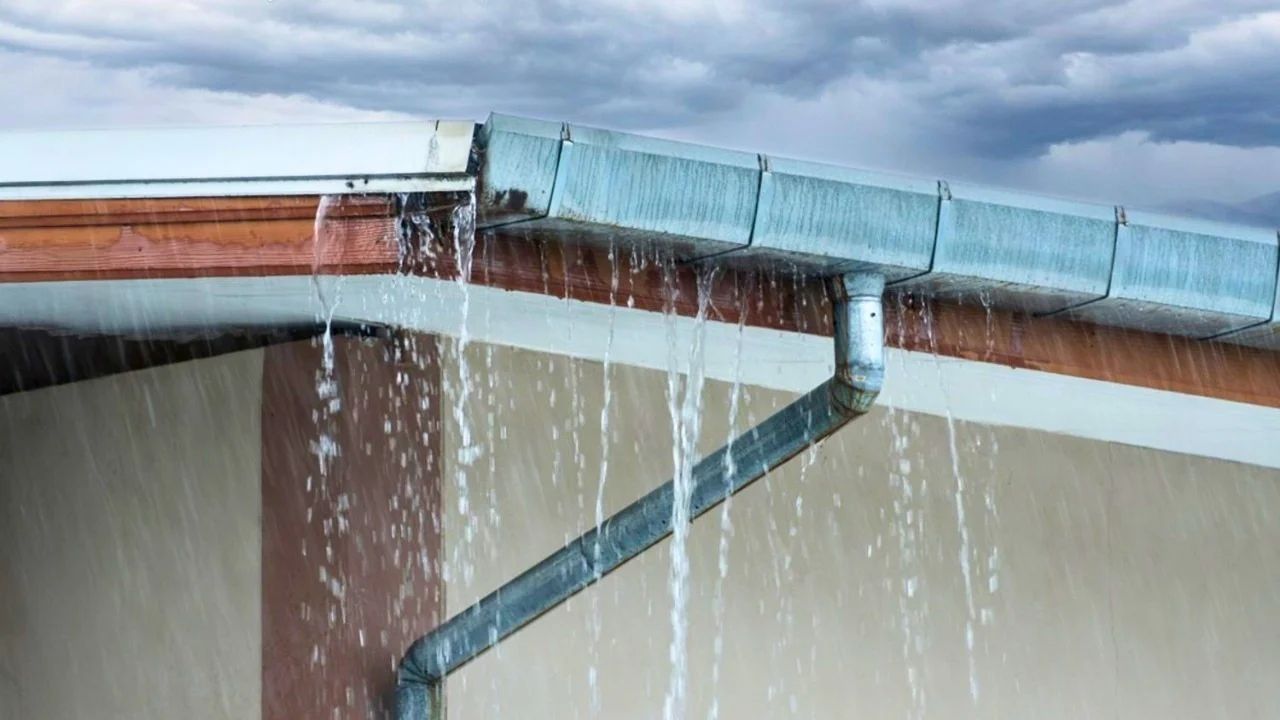
After a big downpour, you see a curtain of water pouring over the front, even though the gutters are clean. That’s a capacity problem, not a maintenance problem. The overflow pounds the soil and can overwhelm your grading, especially on steep roofs or long runs.
Adding another downspout is often easier than replacing all the gutters. Sometimes stepping up to a larger gutter size makes sense, but it’s usually a pro install to get the pitch, outlets, and seams right. If you’ve got water staining the foundation after every heavy rain, this upgrade pays for itself in reduced moisture headaches.
10. Downspout Drains Tied Into Footing Systems
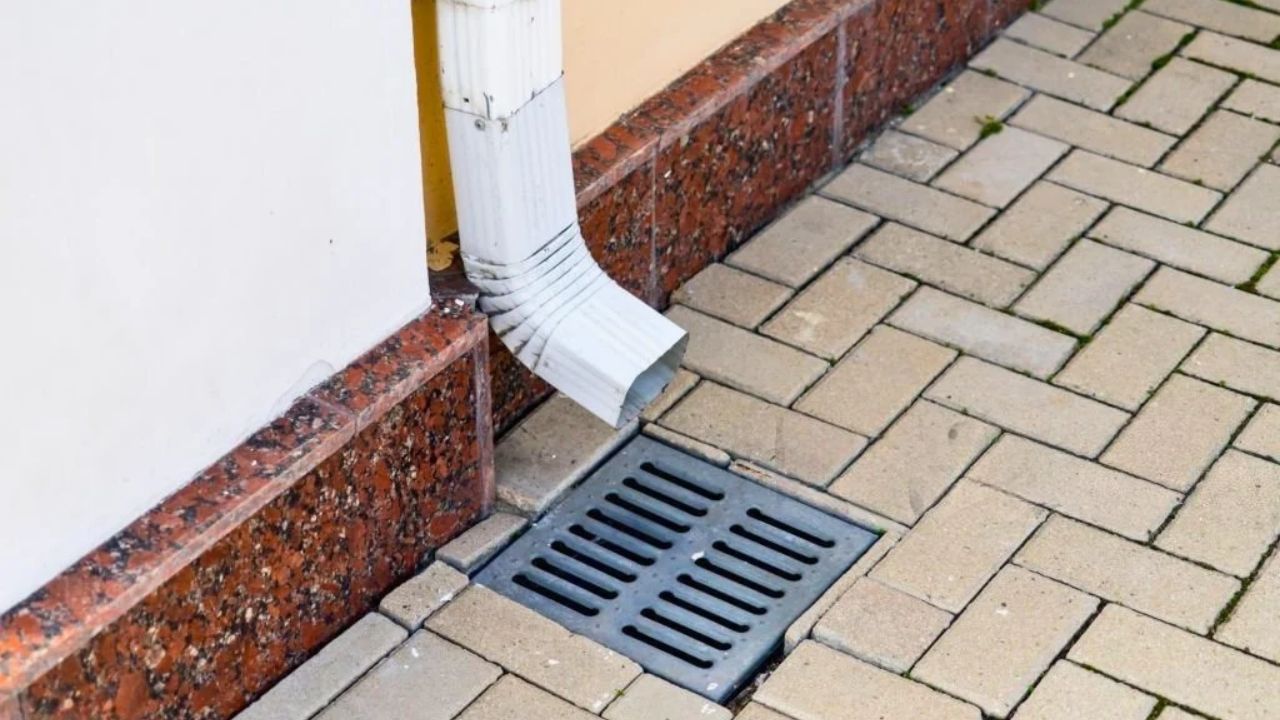
Some older setups route roof water into the same pipe meant to relieve groundwater around the footing. When that line clogs or the outlet freezes, the system can back up and dump water right where you don’t want it, along the foundation wall. You won’t see it until the basement smells musty or the sump runs nonstop in a storm.
Roof runoff should have its own path to daylight, a dry well, or a proper storm connection where allowed by local code. If you’re not sure where your downspout disappears to, a small camera inspection is money well spent. Any work that changes where water discharges can be regulated, so check with your town before you reroute it.
A good gutter system is boring on purpose. Once water is landing far from the house and the ground slopes away, a lot of “foundation issues” stop getting worse. Put gutter checks on the calendar the same way you do smoke alarms, because the fix is small right up until it isn’t.
Like Fix It Homestead’s content? Be sure to follow us.