6 Things That Make Rural Water Setup a Pain
Photo credit: JJPDesigns/Shutterstock.com
Getting water set up on rural land isn’t always as easy as calling the city and connecting to a meter. From permits to pressure issues, it can become a project all its own. Here’s what made our experience harder than it needed to be—so you can avoid the same mess.
Not Calling the Water Department Soon Enough

We assumed we could just call when we were ready for water. Turns out, the wait list for our rural water provider was months long.
By the time we actually needed water, we were stuck hauling it in. Call early—even if you don’t have your house in place yet. The sooner you get on the schedule, the better.
Trying to Save Money on the Trench
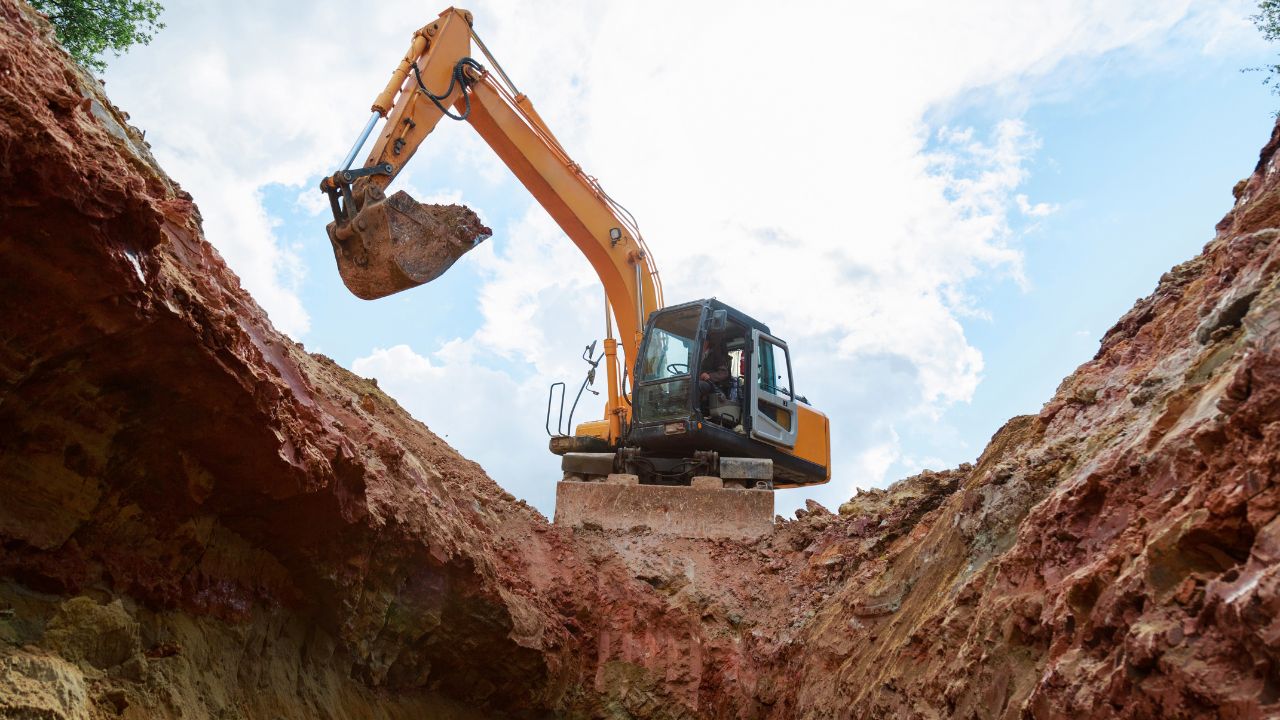
We figured we could save some cash by digging the trench ourselves. The rocky clay proved otherwise. It took way longer than expected, and we still had to pay someone to fix parts of it.
If your soil is difficult or your route is long, it might actually cost more to DIY it. Sometimes it’s worth hiring it out from the start.
Not Checking Pressure Before Hooking Up

We thought once we were connected, we’d have great pressure. Instead, showers trickled and laundry took forever. Turns out the pressure from the tap was too low.
We had to install a pressure tank and pump just to make it usable. Test your flow and pressure before assuming you’re good to go.
Letting the Line Run Too Shallow

Our original trench wasn’t deep enough in some spots, especially near trees. One freeze later, and we were replacing cracked pipe.
Make sure your water line is deep enough for your region’s frost line, and keep it well away from roots that could eventually crush or shift it.
Assuming the Meter Location Made Sense
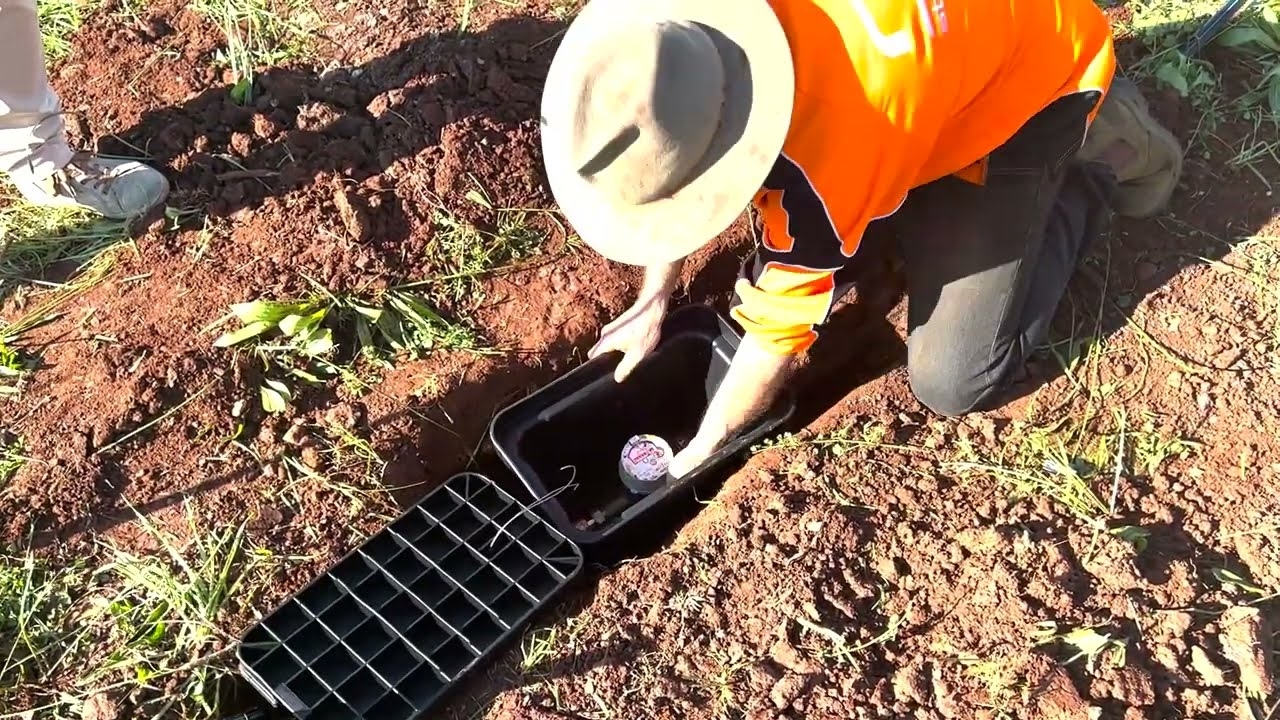
We let the water company decide where to place the meter without pushing back. It ended up across the property in a spot that made no sense for where we put the house.
That meant extra pipe, longer trenching, and more money. Ask them if there are any options or flexibility before they install it.
Forgetting to Plan for Irrigation Later

We originally set up our system for household use only. A year later, when we wanted to irrigate a garden and water animals, we realized we had no good access points.
Now we’re planning another upgrade we could’ve handled from the start. Always think about what water needs you might add later.
*This article was developed with AI-powered tools and has been carefully reviewed by our editors.