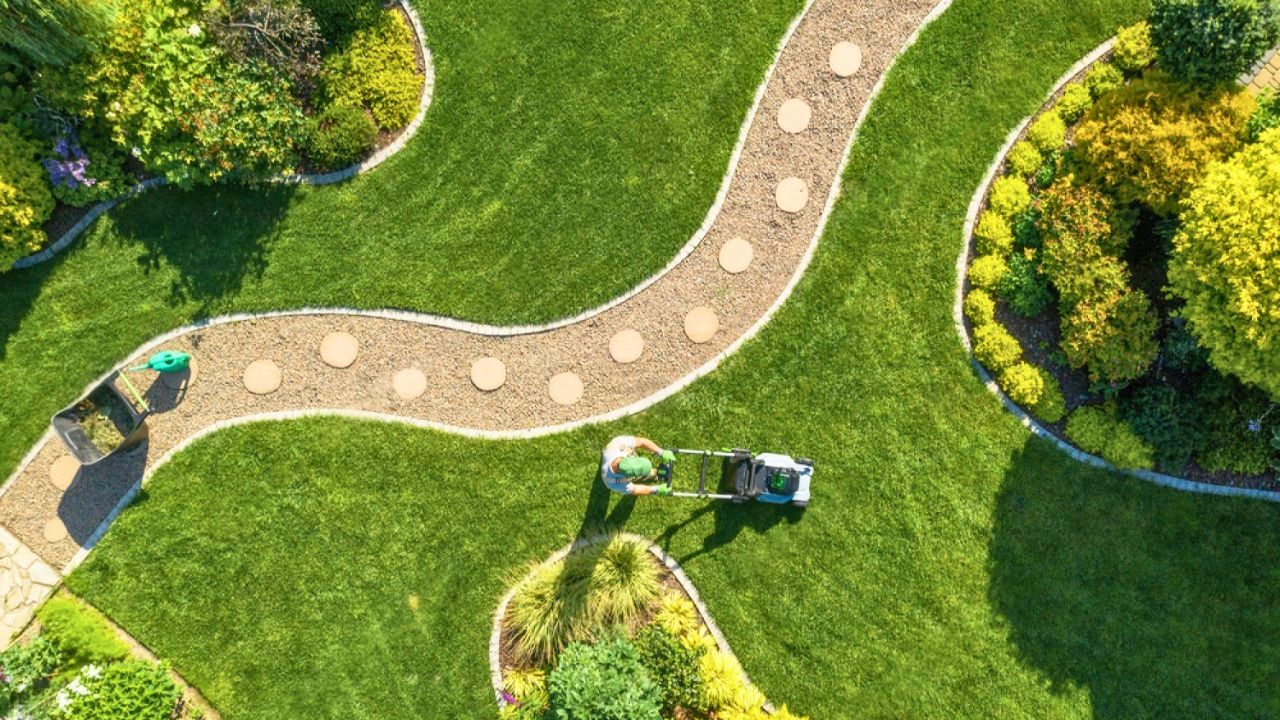
10 Landscaping Choices That Look Dated Within Two Years
Photo credit: Virrage Images/Shutterstock.com
You can spend a weekend making the yard look sharp, then watch it start to feel stale before the next couple seasons are up. A lot of that “dated” look comes from choices that don’t age well in sun, rain, and real use. Some are style trends, some are cheap materials, and some are just a pain to keep looking tidy.
1. Bright White Rock Mulch Everywhere
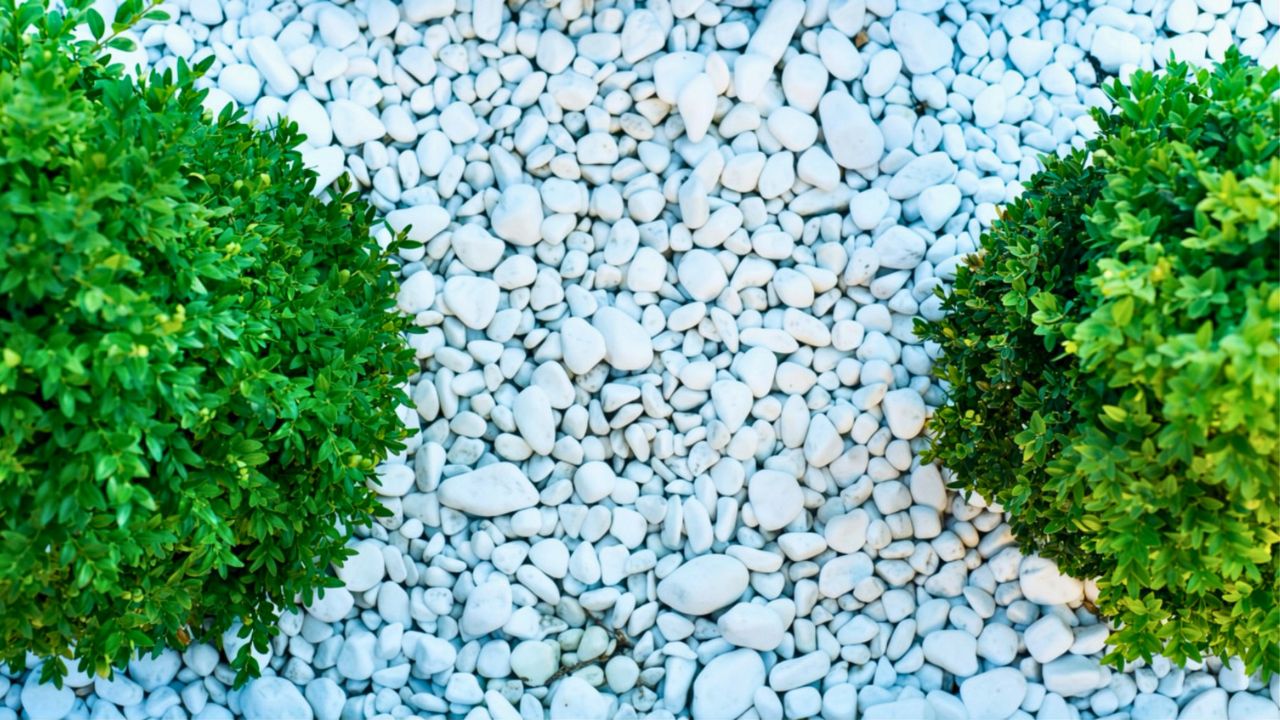
Fresh white stone looks crisp for about five minutes, then the real world hits. Dust, leaf stain, algae, and mower grime turn it blotchy, and you can’t rake it clean like bark. In full sun it can also throw heat back at your plants and your house.
If you want stone, pick a mid-tone gravel that hides dirt, and keep it in smaller areas like along a shed or under downspouts. Use heavy-duty landscape edging to keep it out of the lawn, and put down a thick layer so you’re not seeing the fabric in year one. Otherwise, stick with shredded bark or pine fines and top it off once a year.
2. Red Dyed Mulch Around Every Bed
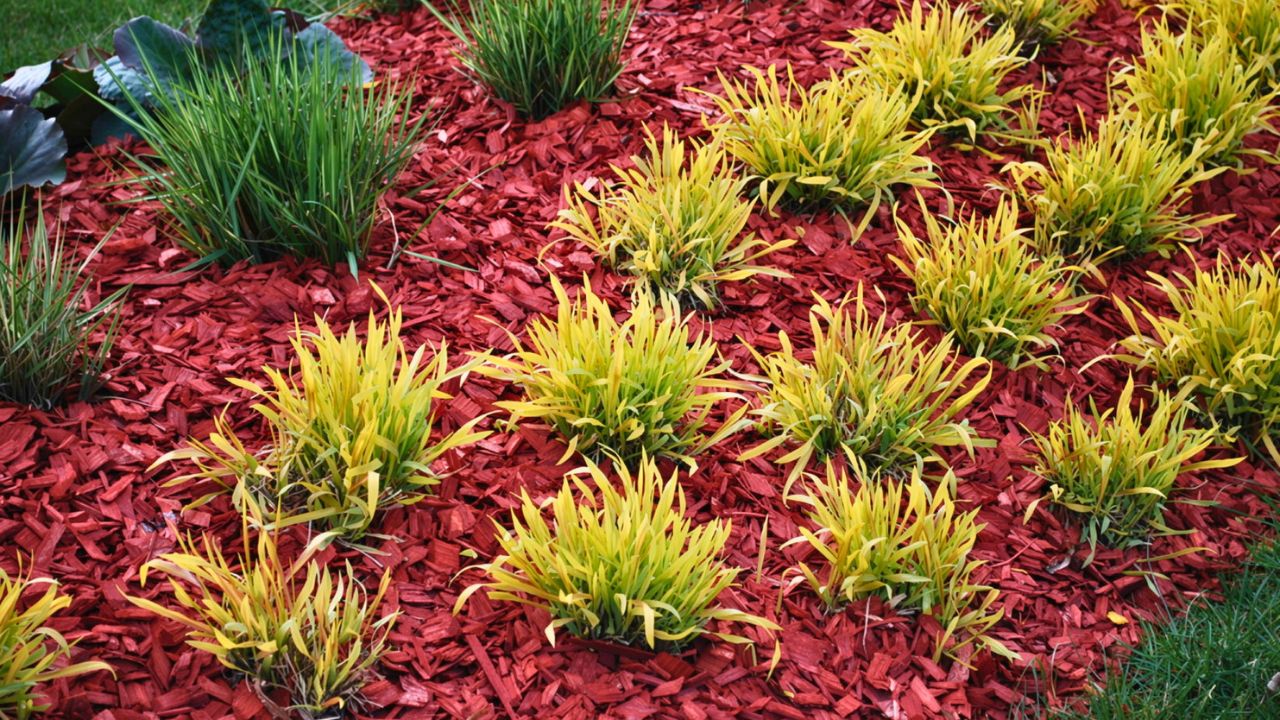
Red mulch screams “installed last weekend,” then it fades fast and starts looking like old brick dust. It also shows every weed and every piece of trash that blows in. The color can bleed onto concrete after a hard rain, especially on sloped beds.
Natural dark mulch or pine bark ages better and looks like it belongs in more yards. If you like the contrast, use dyed mulch only in one small accent bed and commit to refreshing it each spring. A pre-emergent in early season helps keep it from turning into a weedy red mess by July.
3. Spiral Junipers And Other “Mall Shrubs”
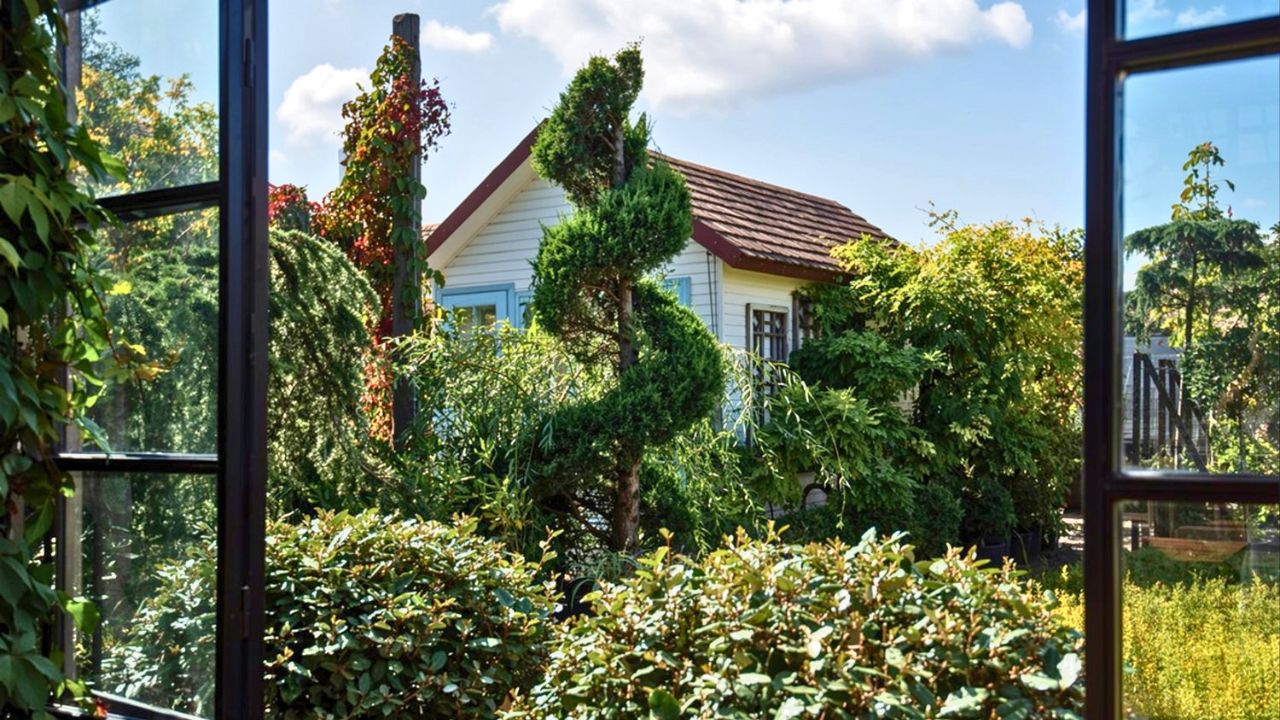
Those tightly clipped spirals and lollipop shrubs look fancy at the garden center, then they start fighting your climate. Winter burn, uneven growth, and dead patches show up quick. Miss a couple trims and the shape gets weird, then you’re stuck trying to “fix” a plant that wants to be something else.
Pick shrubs that look good in their natural form and fit the mature size of the spot. If you want structure, use boxwood or yew only where they actually do well in your area, and plan on hand pruners and a light trim a couple times a season. If the goal is low effort, ornamental grasses and native shrubs usually age better with less babysitting.
4. Tiny Trees Planted Too Close Together
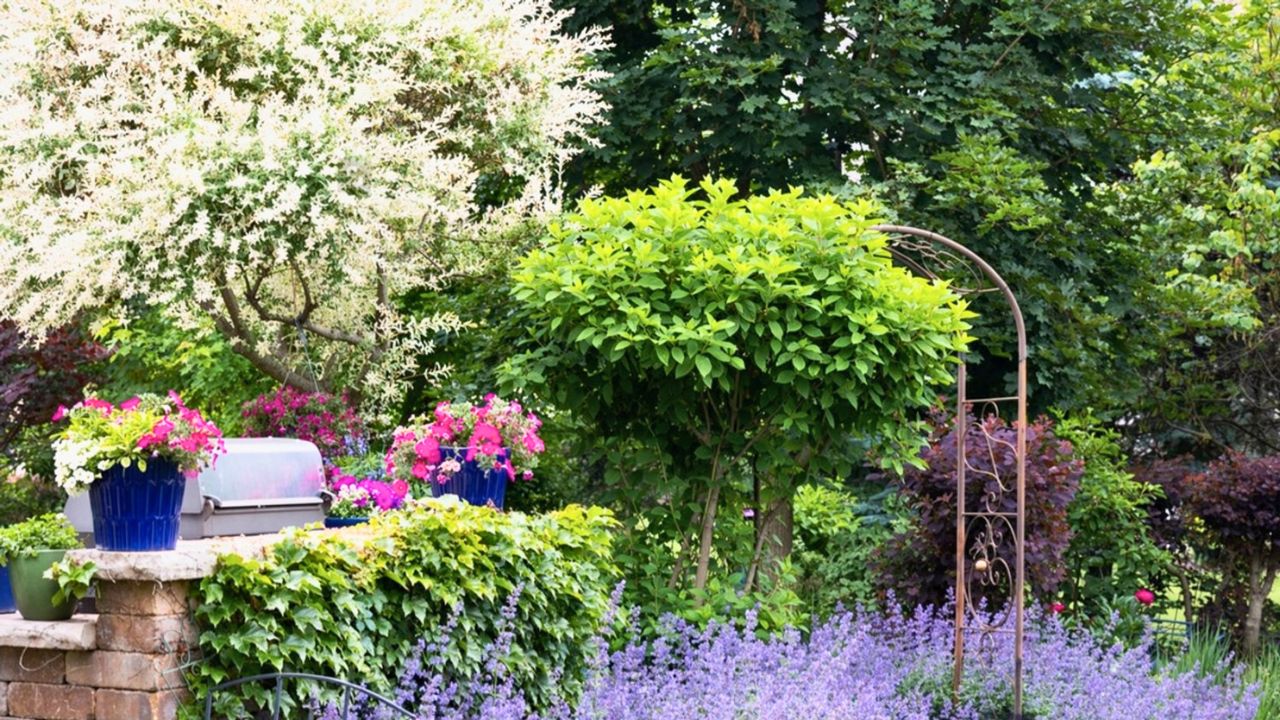
Year one looks great, year two starts to crowd, and by year five you’ve got a tangled mess that feels dark and cramped. People do this because small trees look lonely when spaced right. Then the roots compete, the canopies rub, and the “privacy screen” turns into constant pruning.
Plant for the mature width, not the size in the pot. Use a tape measure and actually mark the spots with flags before you dig. If you need instant screening, mix in a temporary solution like tall annual grasses, a simple lattice panel, or even a seasonal row of sunflowers while the real trees grow in.
5. Plastic Edging That Pops Up
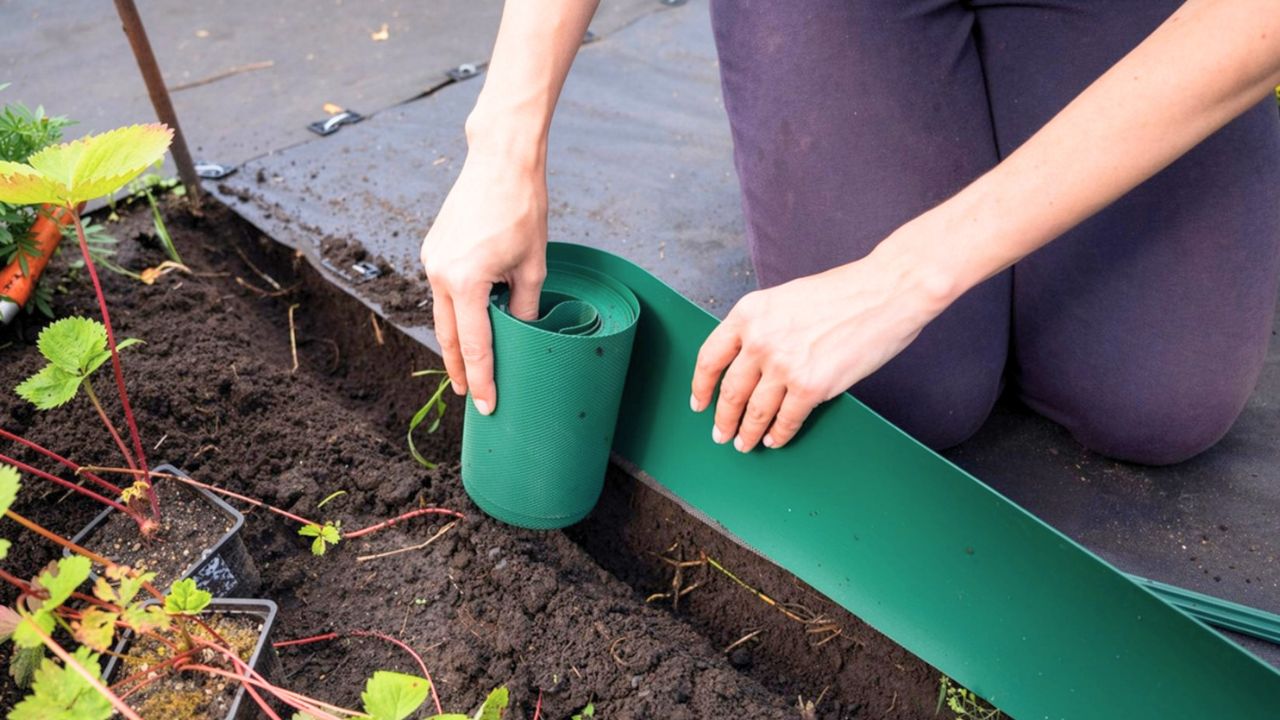
Thin black plastic edging looks clean until frost heave, mower bumps, and sun make it wave like a loose belt. Within a couple seasons it kinks, gaps open, and you’re back to string trimming the edge anyway. You also end up catching it with the mower wheel, then it starts creeping out of the ground.
If you want a hard line, steel edging or aluminum edging holds up better and stays flatter. The cheap option that actually works is a cut edge, just slice a clean trench with an edger or a flat shovel a few times a year. It’s an hour of work, not a weekend of repairs.
6. Solar Path Lights Lining Every Walk
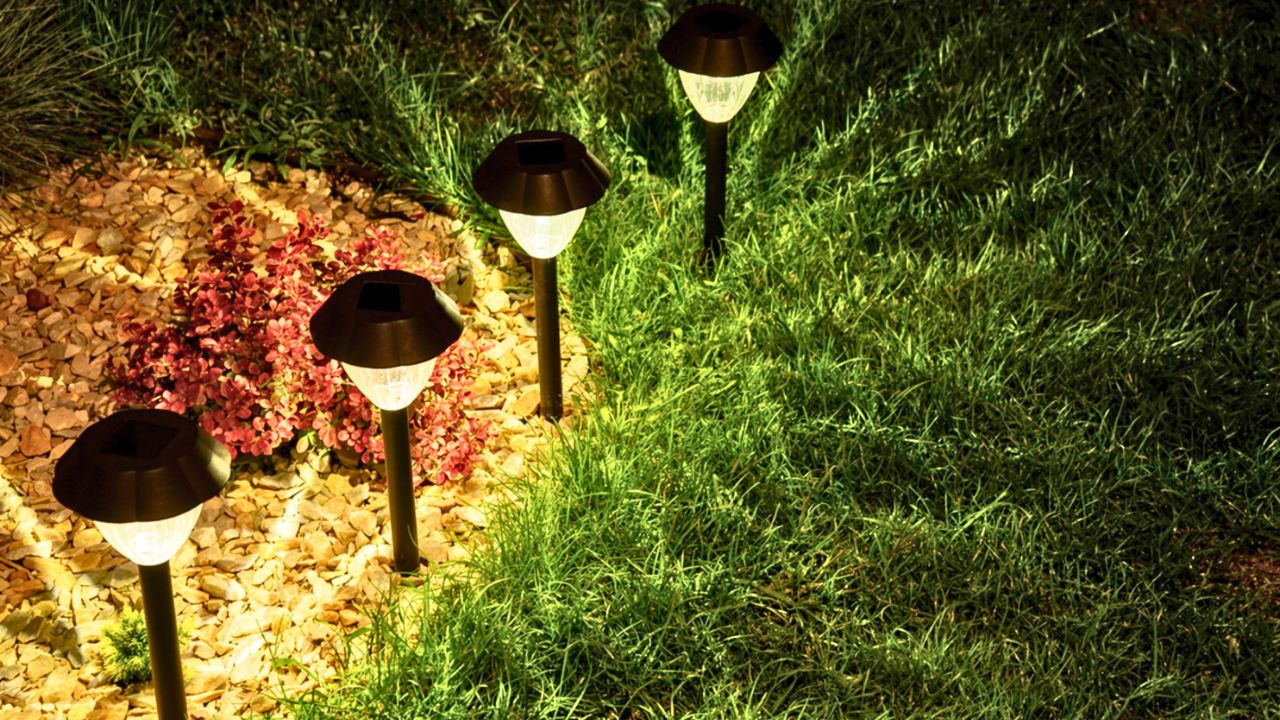
The stake lights are fun for one season, then half of them turn dim or start leaning. Water gets into the housing, the plastic lens hazes, and the batteries quit holding a charge. By year two you’re looking at a row of mismatched brightness and broken stakes.
Use fewer lights and place them where they matter, like a step, a gate, or a dark corner. If you want a clean look for longer, run low-voltage landscape lighting with a proper transformer, buried cable, and weather-rated fixtures. If you don’t want to trench and wire, skip the “runway” effect and go with one or two good solar spotlights aimed at a tree or address sign.
7. Shiny Metal Garden Art Clutter
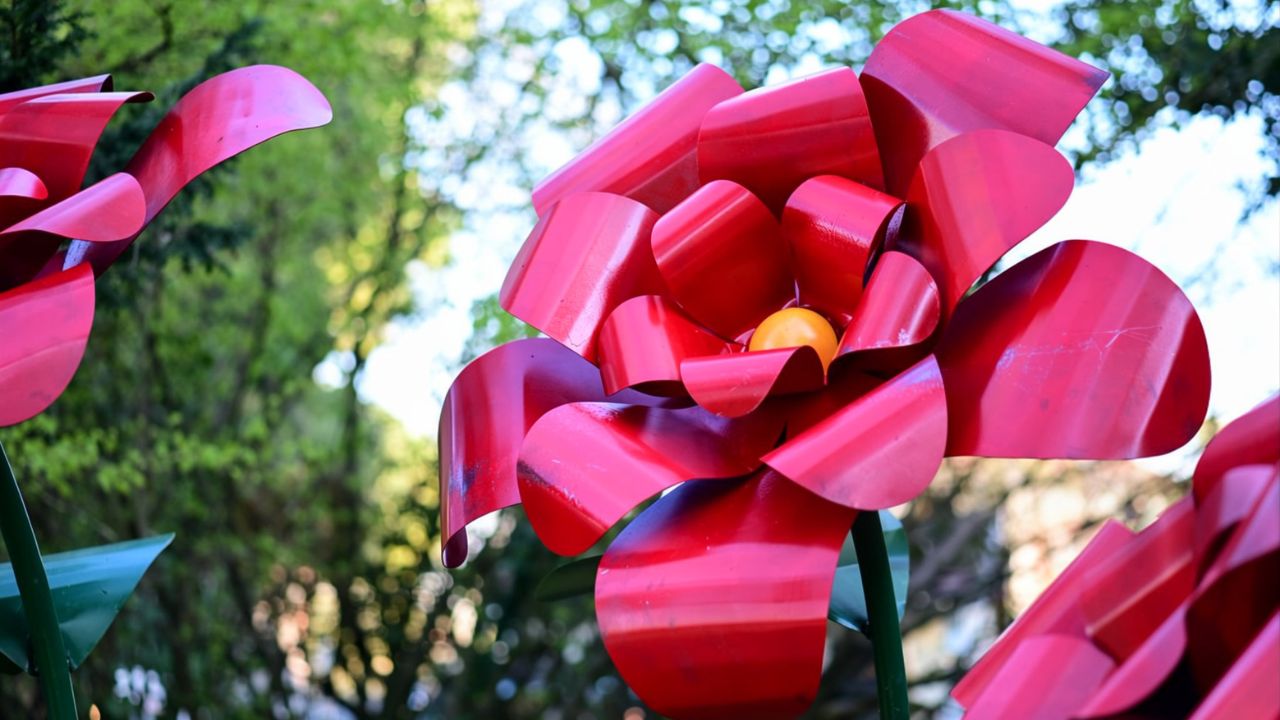
Those mirrored balls, pinwheels, and glossy sculptures look sharp in a store display, then they weather fast. The finish pits, the paint fades, and wind loosens the hardware so it rattles at night. Once it starts looking rough, it doesn’t read as “whimsical,” it reads as “yard sale leftovers.”
Pick one statement piece and give it space, not ten little ones in a row. If you love the look, buy materials that age on purpose, like stone, real wood, or metal that develops a patina. Store lightweight pieces in a shed over winter so they’re not getting sandblasted by ice and wind for no reason.
8. Fake Boxwood Panels And Faux Hedges
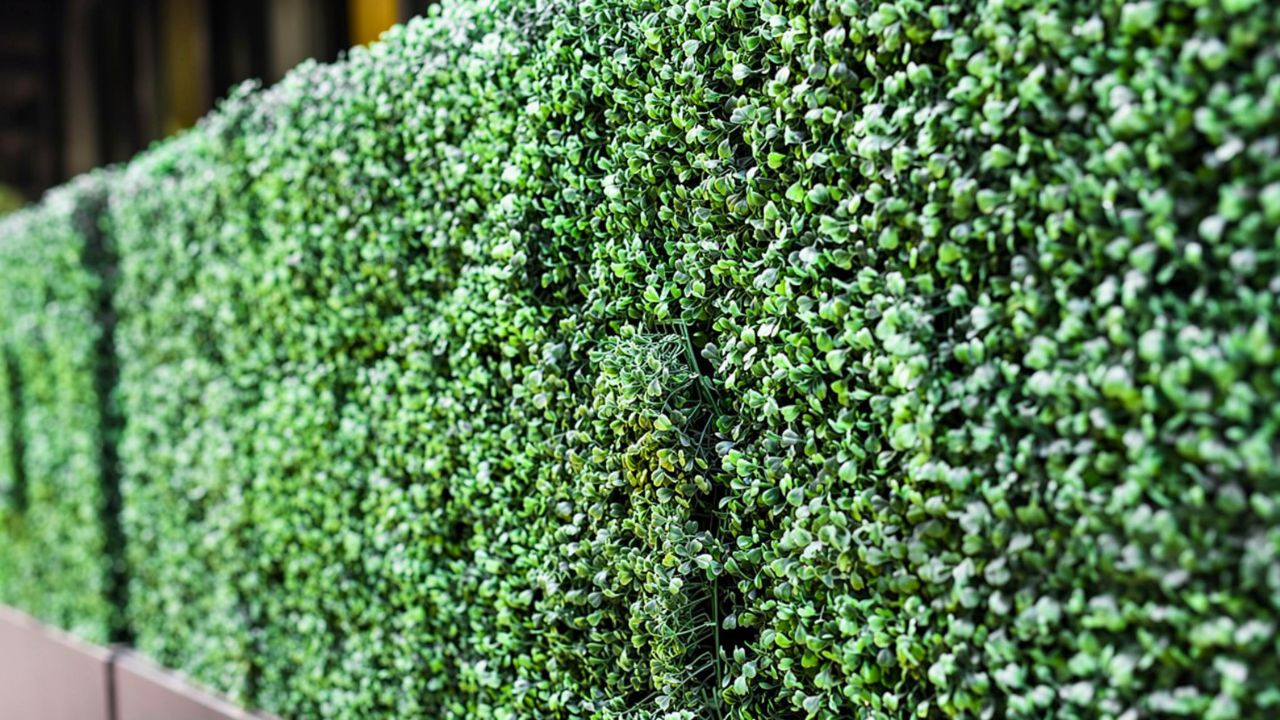
Faux greenery looks tidy online, but outdoors it tends to go plastic-fast. Sun fades it, dust sticks to it, and wind turns it into a noisy sail on a fence. Up close, it’s hard to unsee.
An exception exists, small faux panels can make sense on a covered porch where they stay out of full sun and rain. Outside in the open, a real vine on a trellis or a simple wood privacy screen usually looks better and doesn’t end up brittle and chalky.
9. Stacked Stone Veneer With No Caps
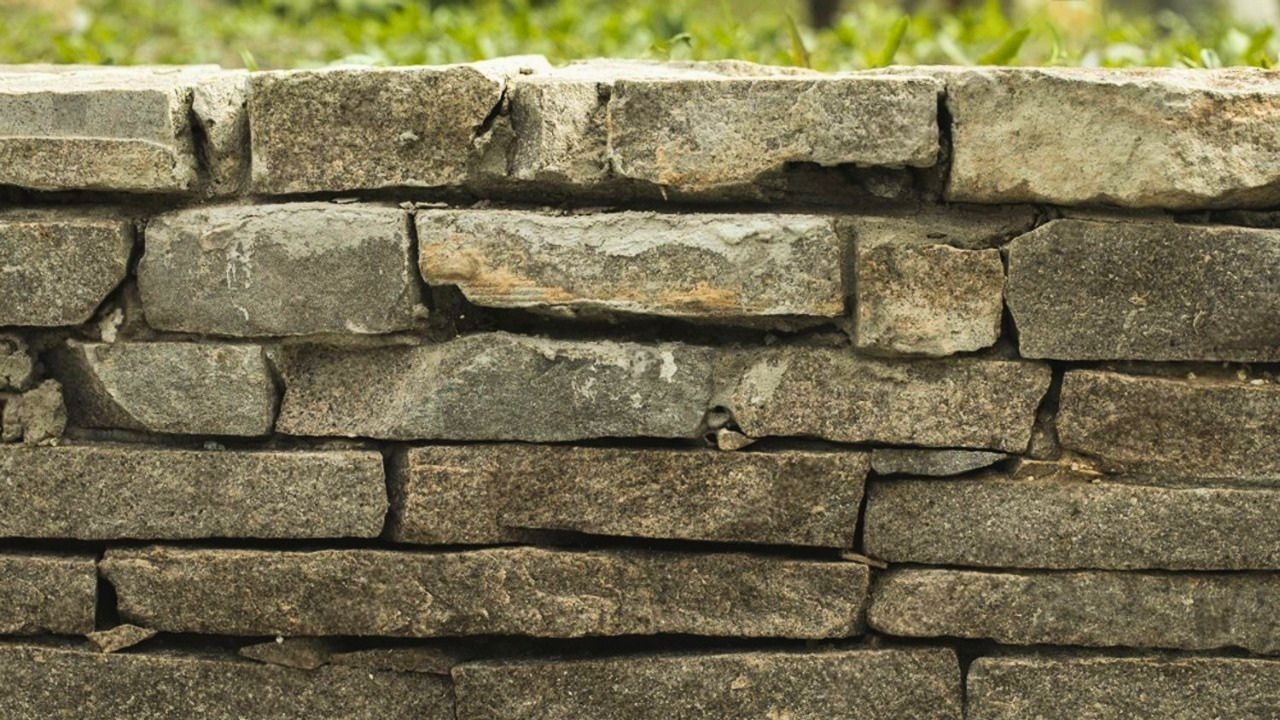
Thin stone veneer and short stacked walls can look high-end, but the shortcuts show quickly. Without proper caps and water management, freeze-thaw pushes pieces loose and leaves white mineral streaks. A couple wobbling stones makes the whole feature look tired.
If you’re building a retaining wall over a couple feet tall, this is where paying a pro can be worth it, and local codes can apply. Even for low walls, use the right base material, compaction, and drainage stone behind it, and call 811 before you dig. Cap stones cost more, but they stop water from soaking the top course all season.
10. Patchy Lawn From Quick Seed Mixes
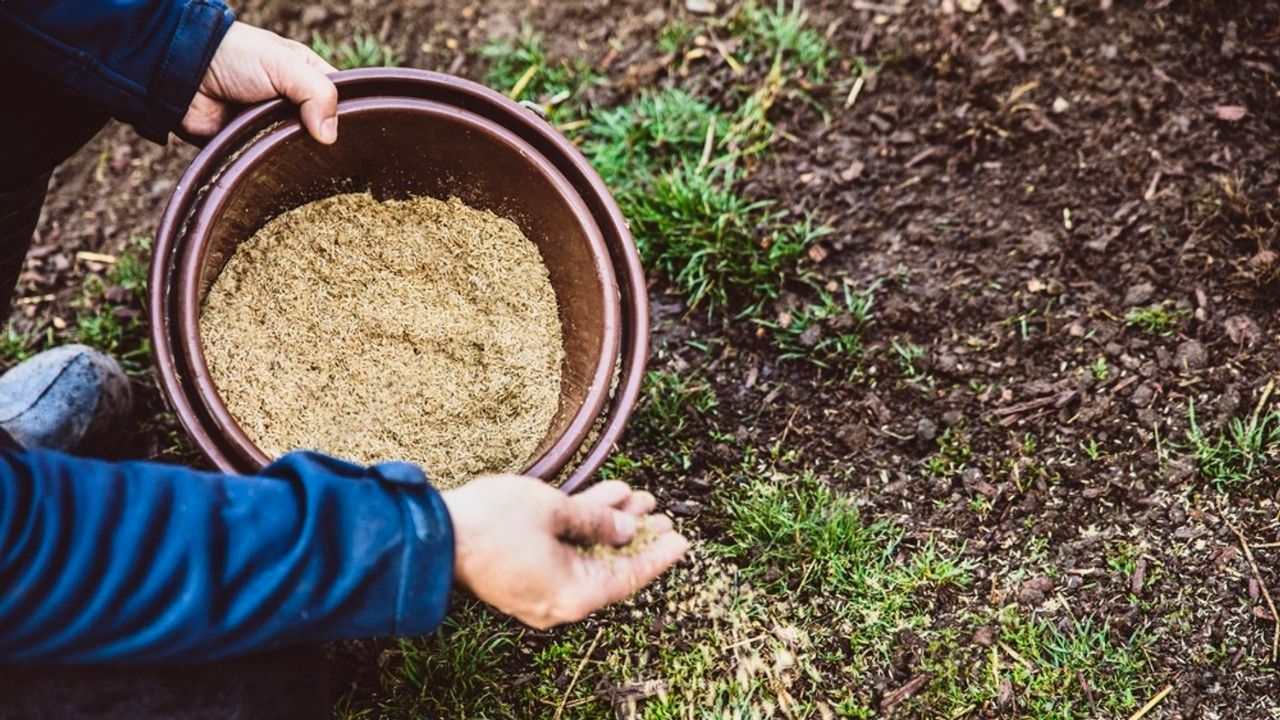
Throwing down a bargain seed mix in spring feels productive, then summer heat hits and the weak varieties burn out. You get clumps of bright green, clumps of straw, and weeds filling the gaps. From the street, it looks like a rental flip even if the rest of the yard is solid.
Match grass type to your region and sunlight, and seed in the right season, usually fall for cool-season lawns. Prep matters more than fancy seed, rake in a thin layer of compost, keep it damp for a couple weeks, and don’t scalp it with the mower. If you’re in a dry area, consider shrinking the lawn and using tough groundcovers or mulch beds where grass never stays happy.
A yard that stays fresh usually has fewer fussy materials, fewer tiny repeats, and more room for plants to grow into themselves. Spend your effort on the parts you touch every day, the entry walk, the edge lines, the shade and privacy, and let the rest be simple enough that it still looks good when life gets busy.
Like Fix It Homestead’s content? Be sure to follow us.
- Man Says He Found Out the Fence He Paid For Wasn’t Actually on His Property
- Woman Says Her Neighbor Started Taking Mulch From Her Delivery Pile Before She Could Even Spread It
- I made Joanna Gaines’s Friendsgiving casserole and here is what I would keep
- What Caliber Works Best for Groundhogs, Armadillos, and Other Digging Pests?