10 Reasons a Snow Blower Throws Snow So Poorly
Photo credit: Ultraskrip/Shutterstock.com
You fire up the machine, it roars like it means business, and then it dribbles snow a few feet to the side. Now you’re walking the same strip twice, packing slush into the chute, and wondering why the neighbor’s blower launches snow into next week. Poor throwing usually comes from a small, fixable problem, not a “bad snow blower.”
1. Wet Snow Packing The Chute
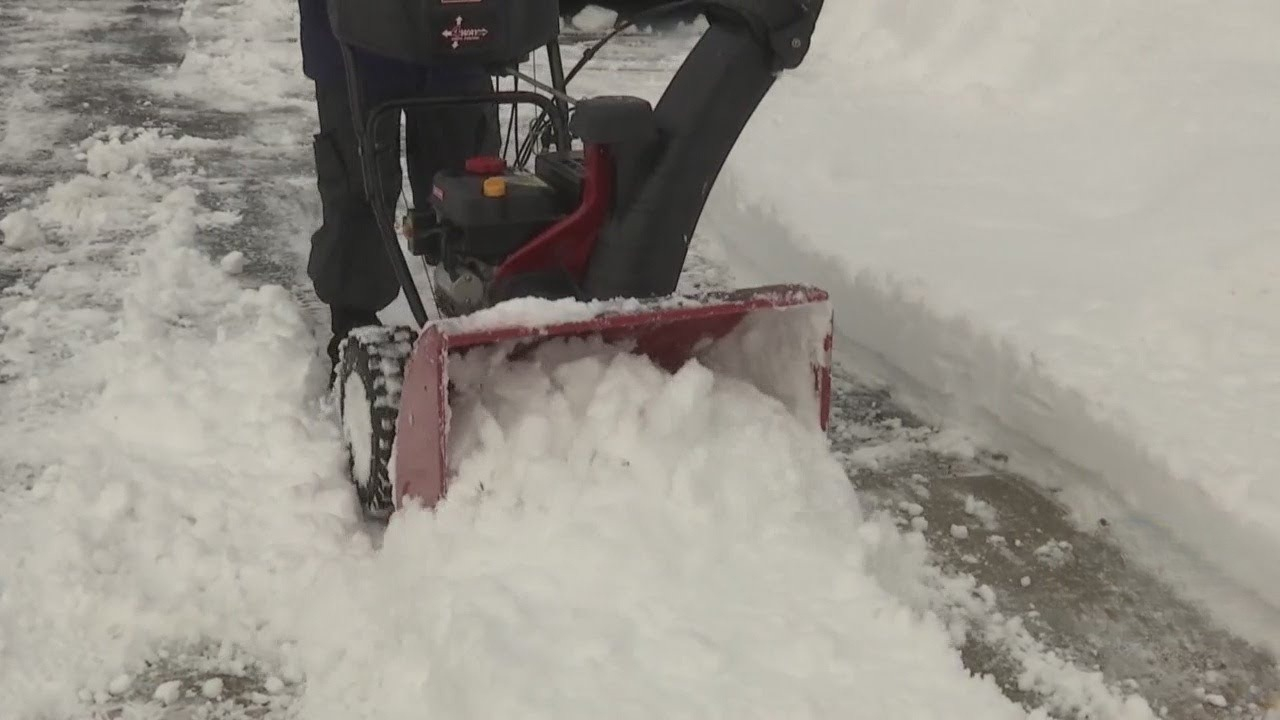
The machine can be in perfect shape and still throw terribly when the snow is warm, heavy, or mixed with sleet. It sticks to the chute walls, bridges at the discharge opening, and the impeller just churns a snowplug. You’ll hear the engine load down, then the stream turns to a lumpy burp.
Slow down and take narrower passes so you’re feeding less snow at once. If your manual allows it, spray the inside of the chute with a silicone snow spray before you start, not cooking spray that turns gummy. In truly sloppy conditions, sometimes the smartest move is to clear early, then come back later for the last inch.
2. Worn Or Loose Auger Belts
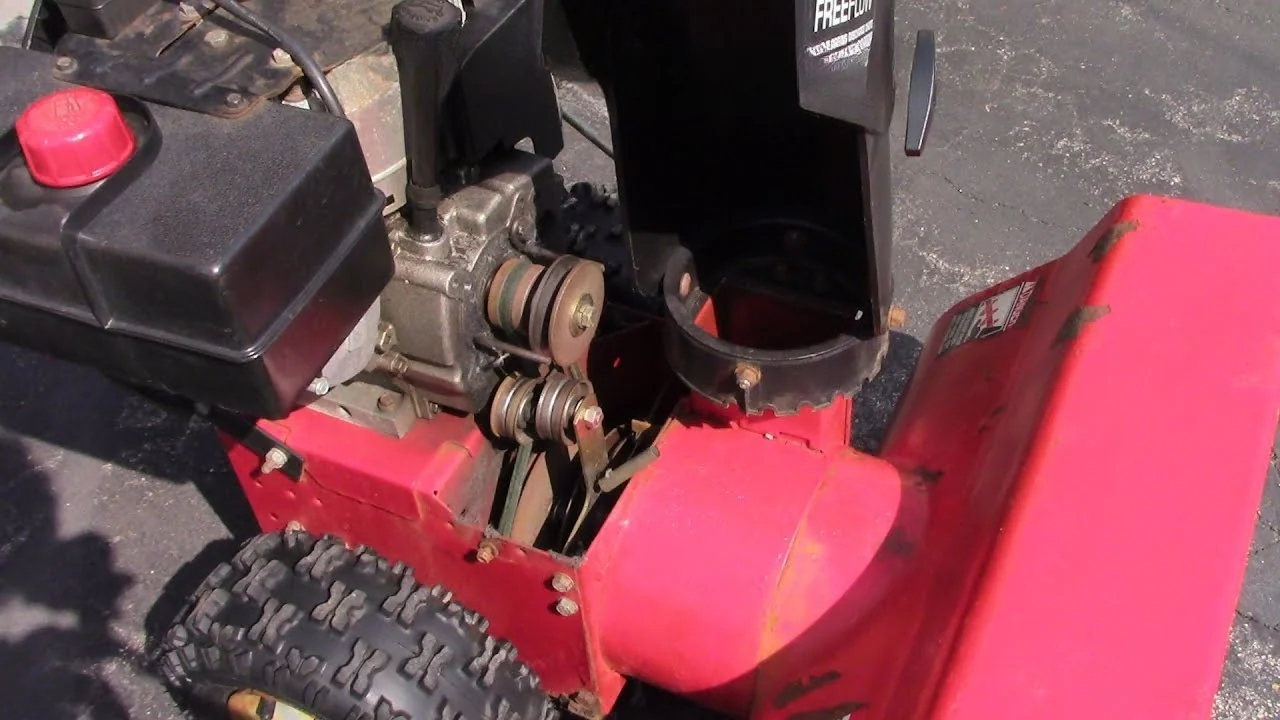
When belts slip, the auger turns slow even if the engine sounds strong. The blower will pick up snow but won’t “throw” it with any snap, and the stream will look weak and short. Some machines also squeal under load, which is a big hint.
Pop the belt cover and check for glazing, cracking, or a belt sitting deep in the pulley. Many units have an adjustment for belt tension, but if it’s stretched, adjustment just buys a little time. Belts are usually a few bucks to a few dozen and swapping them is a basic hand-tool job if you can follow a diagram.
3. Shear Pins Missing Or Half-Sheared
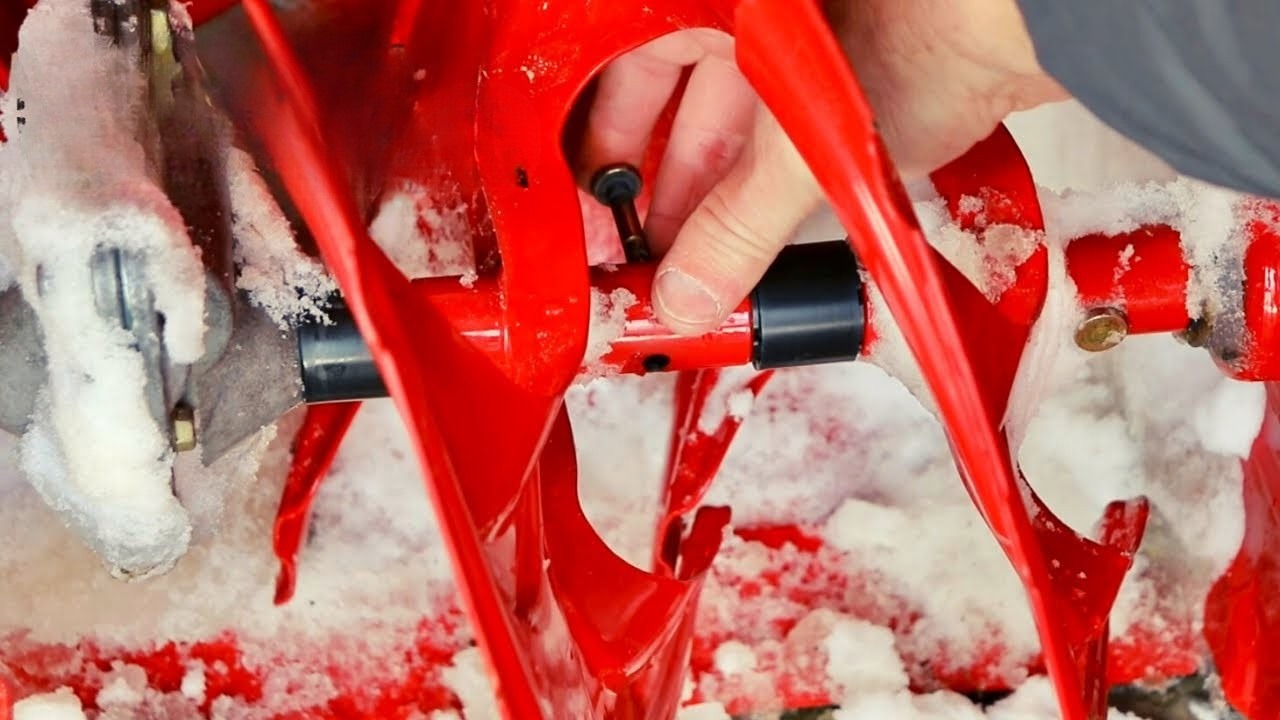
If you hit a newspaper, dog toy, or a chunk of ice, the blower protects itself by sacrificing a shear pin. The auger on that side stops doing real work, and now the machine feeds snow unevenly. You’ll notice it pulls to one side or leaves a ridge of snow in the center.
Shut it down, remove the key, and look at both augers. Replace shear pins with the right type for your model, not a random bolt from the coffee can. A too-hard bolt can turn a cheap fix into a broken gearbox.
4. Impeller Gap Too Wide
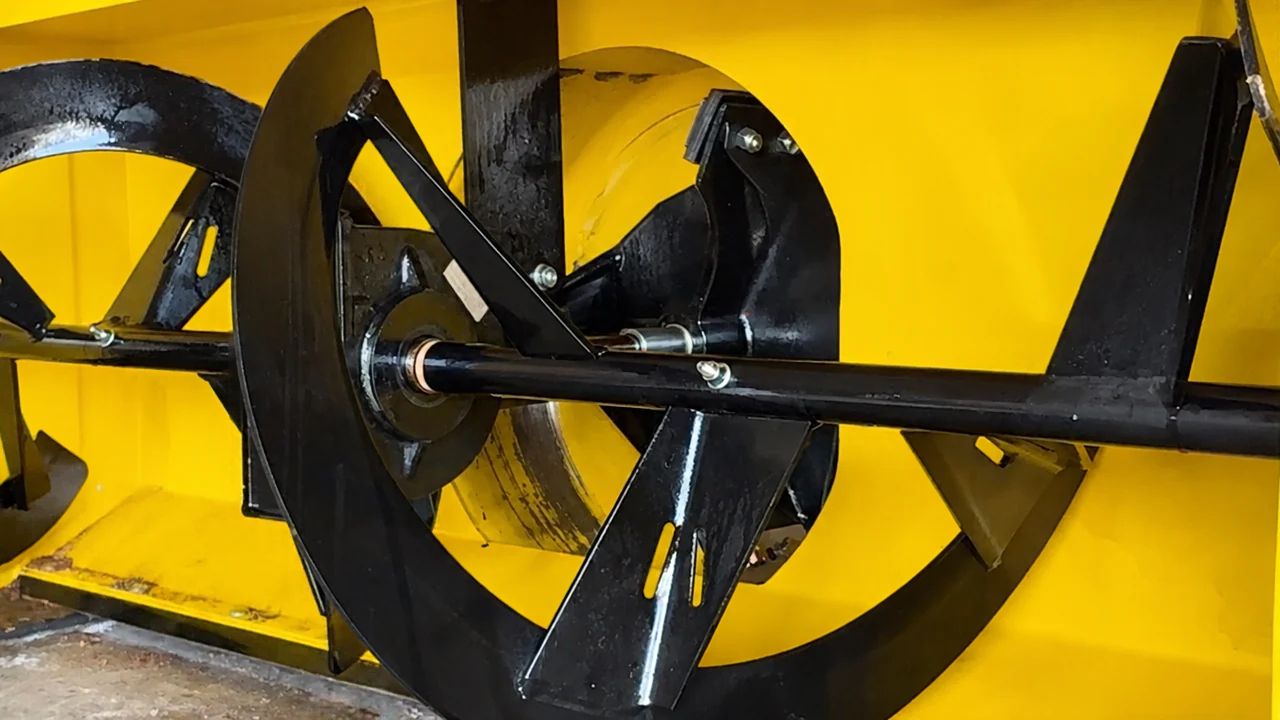
On a lot of older two-stage blowers, the impeller blades don’t run close enough to the housing anymore. Snow leaks back around the blades instead of getting shoved up the chute, especially when it’s wet. The result is a machine that “moves snow” but doesn’t launch it.
There’s a common fix called an impeller kit, often simple rubber paddles bolted to the impeller to tighten that gap. It’s a legit improvement, but it’s also spinning hardware, so take your time and follow a proven kit and instructions for your exact impeller. If drilling metal and setting bolts straight isn’t your thing, a small engine shop can do it in about an hour.
5. Skid Shoes Set Too Low
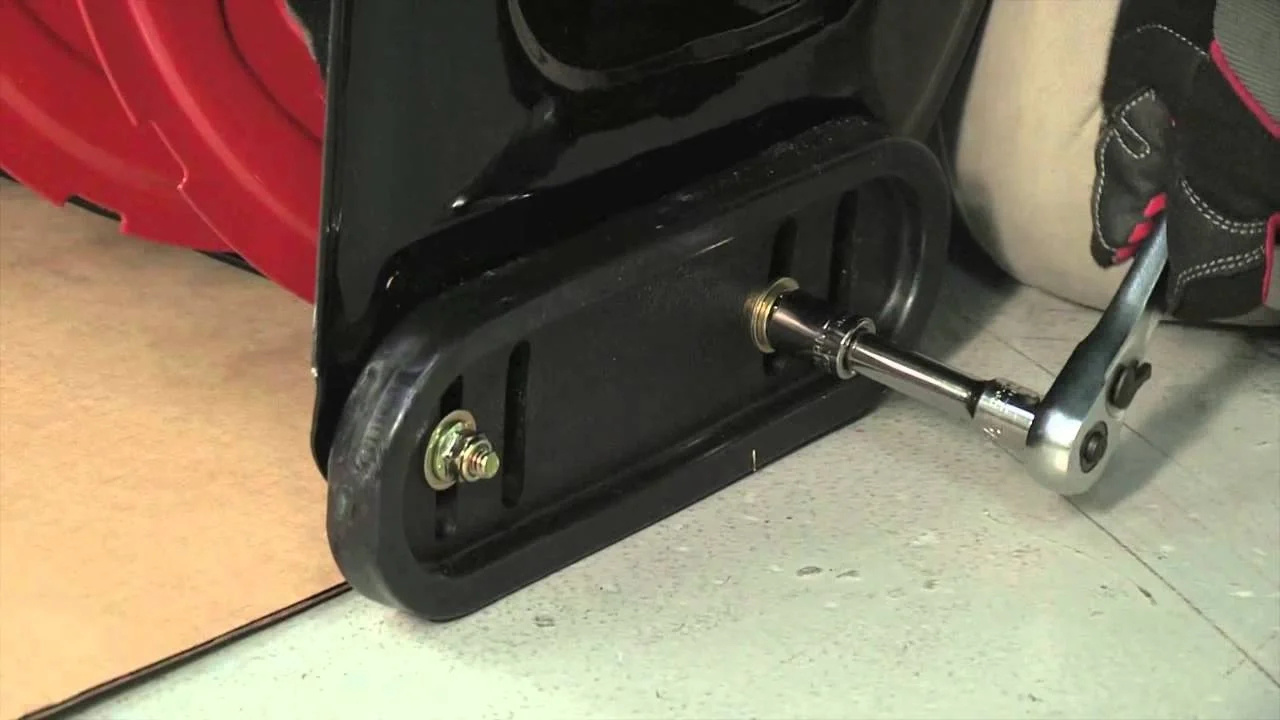
Some people drop the skid shoes down to scrape clean, then wonder why the machine throws poorly. You’re not just picking up snow, you’re scooping gravel, bark, and frozen dirt that clogs the chute and chews up the auger and impeller. You’ll hear it, a nasty rattling and pinging, and the snow stream will start and stop.
On gravel drives, set the shoes so the scraper bar rides about a half inch up, sometimes more early in the season. After you’ve got a packed base, you can lower it. This is one of those cheap adjustments that saves shear pins and saves your gearbox from a bad day.
6. Chute Rotation Not Fully Locked
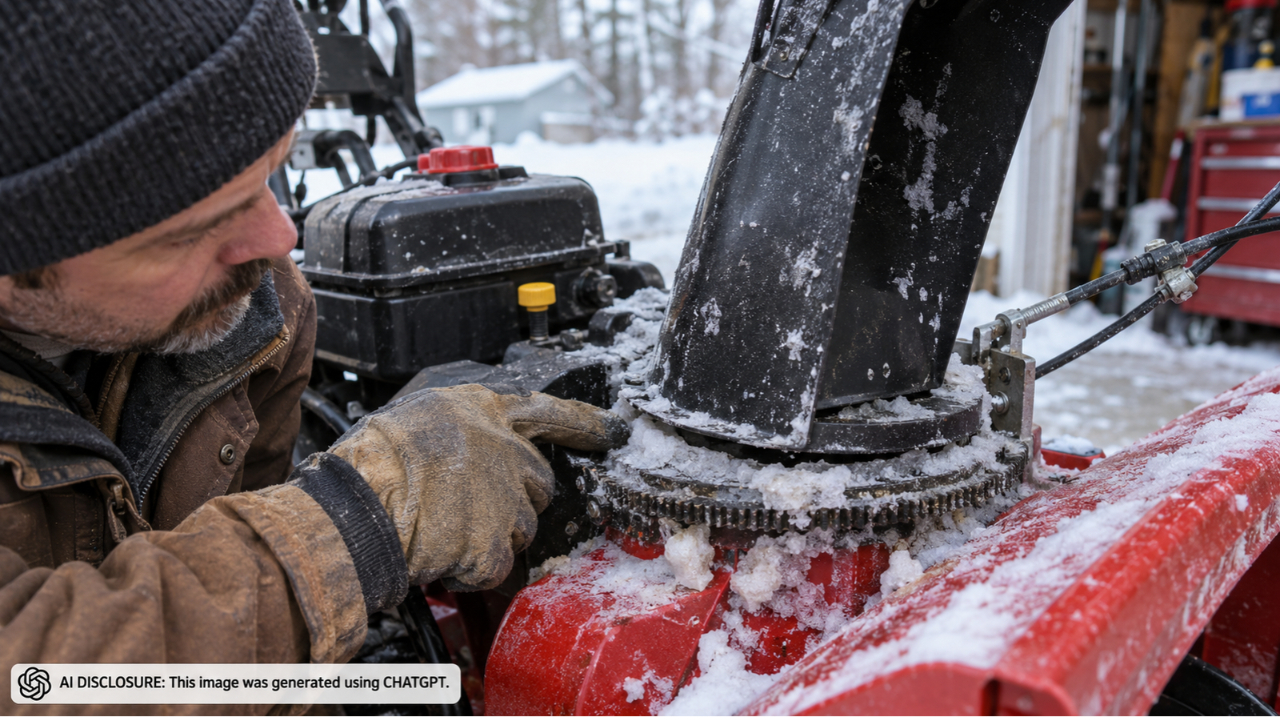
If the chute won’t stay where you point it, the stream hits the edge and loses force, or it sprays sideways and looks weak. On some blowers the chute ring gets packed with ice and the locking tabs never seat. On others, the cable or worm gear is loose and you’re fighting it the whole time.
Clean the chute base and the ring so the chute sits flat, then check the fasteners and the cable tension. If the plastic chute is cracked or warped, it may never seal up right again, and replacement is usually the real fix. This problem wastes time more than it damages anything, but it’ll make you hate the machine.
7. Running The Wrong Engine RPM
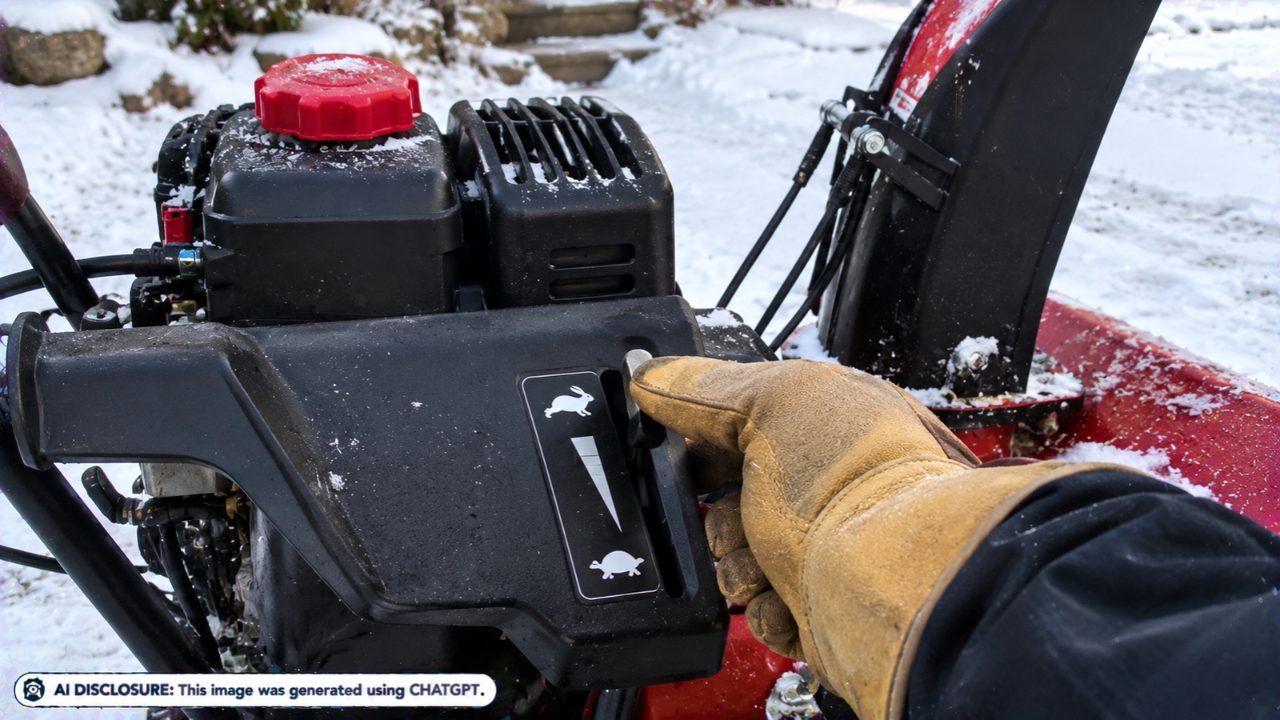
A two-stage blower throws best at full governed speed. If you run it at half throttle to “take it easy,” you lose impeller tip speed and the stream falls out of the chute. The engine note will sound lazy and the machine will bog sooner.
Set the throttle to fast and control the load with ground speed and bite size, not engine speed. The honest exception is some small single-stage units where feathering the throttle can help in very light powder to reduce blowback, but most machines want full RPM for throwing distance.
8. Drift Cut Too Wide Too Fast
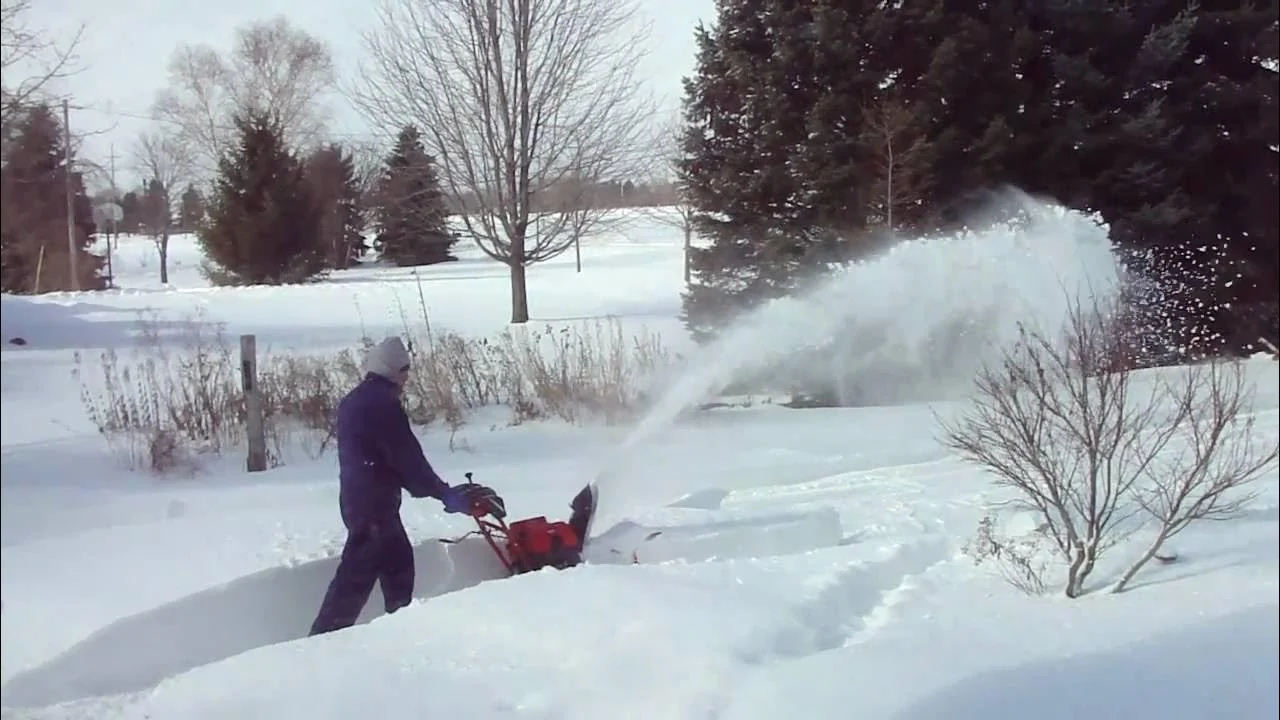
One pass into a deep drift can overload even a healthy blower. Snow piles up in front of the housing, the auger can’t feed it fast enough, and the chute turns into a cork. Then you’re digging out by hand and poking the chute every 30 seconds.
Attack drifts in layers. Take the top half first, then the bottom, and keep your forward speed slow enough that the auger stays ahead of the pile. If you’ve got a hydrostatic drive, use it, that smooth crawl is what it’s for.
9. Old Fuel And Gummed Carburetor
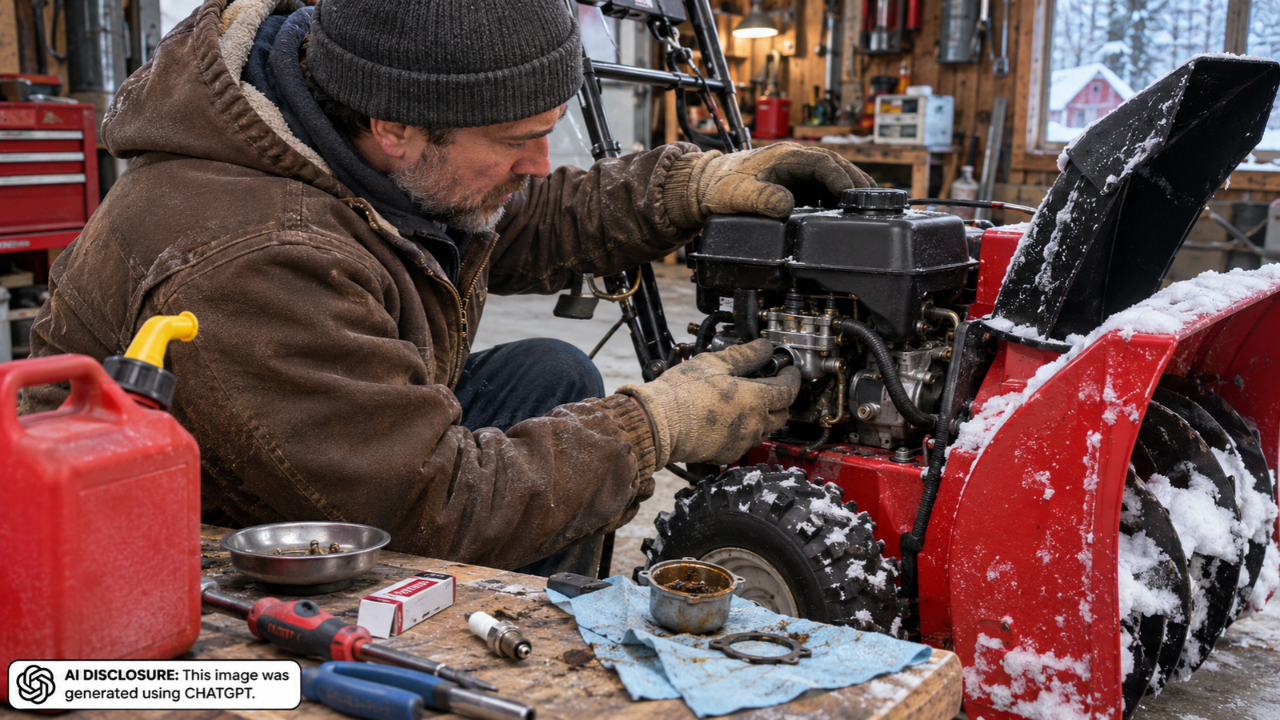
If the engine hunts, surges, or dies when you hit heavier snow, it’s not making full power. That shows up as short throws and constant clogs because the impeller can’t keep speed under load. This is common after summer storage with ethanol fuel left in the tank.
Start with the easy wins: fresh fuel, a clean spark plug, and a clean air filter if your model has one. If it still won’t hold power, the carb likely needs a proper cleaning or rebuild, which is cheap in parts but fiddly work. Paying a shop once is often worth it if you’d rather be blowing snow than learning tiny jets and springs on the workbench.
10. Bent Auger Flights Or Damaged Impeller
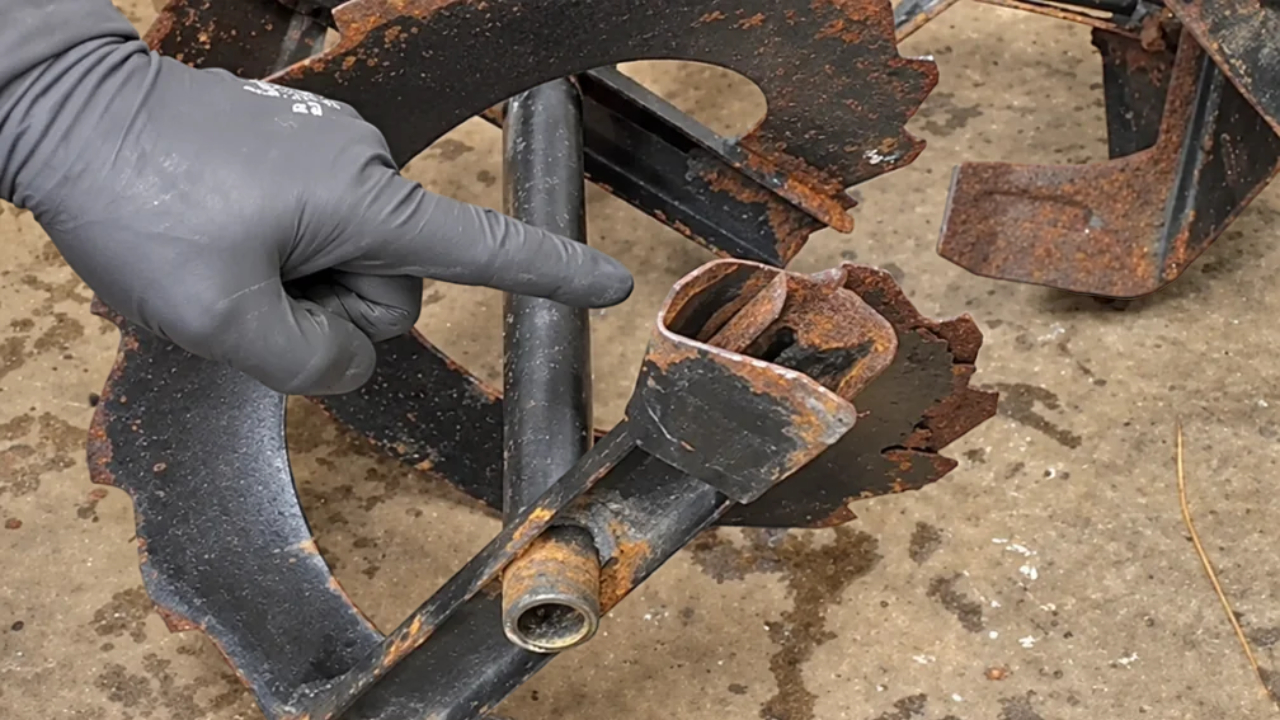
Smacking a curb, chunk of ice, or a buried log can bend an auger flight or nick an impeller blade. The machine will vibrate, it may “walk” on you, and it won’t feed snow smoothly into the center. Throwing distance drops because the snow isn’t being delivered evenly to the impeller.
Shut it down, pull the key, and inspect with a bright light. Minor bends sometimes can be corrected, but metal fatigue is real, and a cracked auger or impeller is a parts replacement job. If the gearbox housing is leaking grease or the auger shaft has play, stop and take it to a shop before you turn a repair into a full rebuild.
If you fix the one or two weak links that match what you’re seeing, you’ll usually get your throwing distance back without buying a new machine. Keep a spare set of shear pins, a chute clean-out tool, and the right wrenches on a hook near where you park the blower, because the next storm always shows up when the stores are closed.
Like Fix It Homestead’s content? Be sure to follow us.