10 Reasons a Well Runs Low in Winter
Photo credit: Fix It Homestead
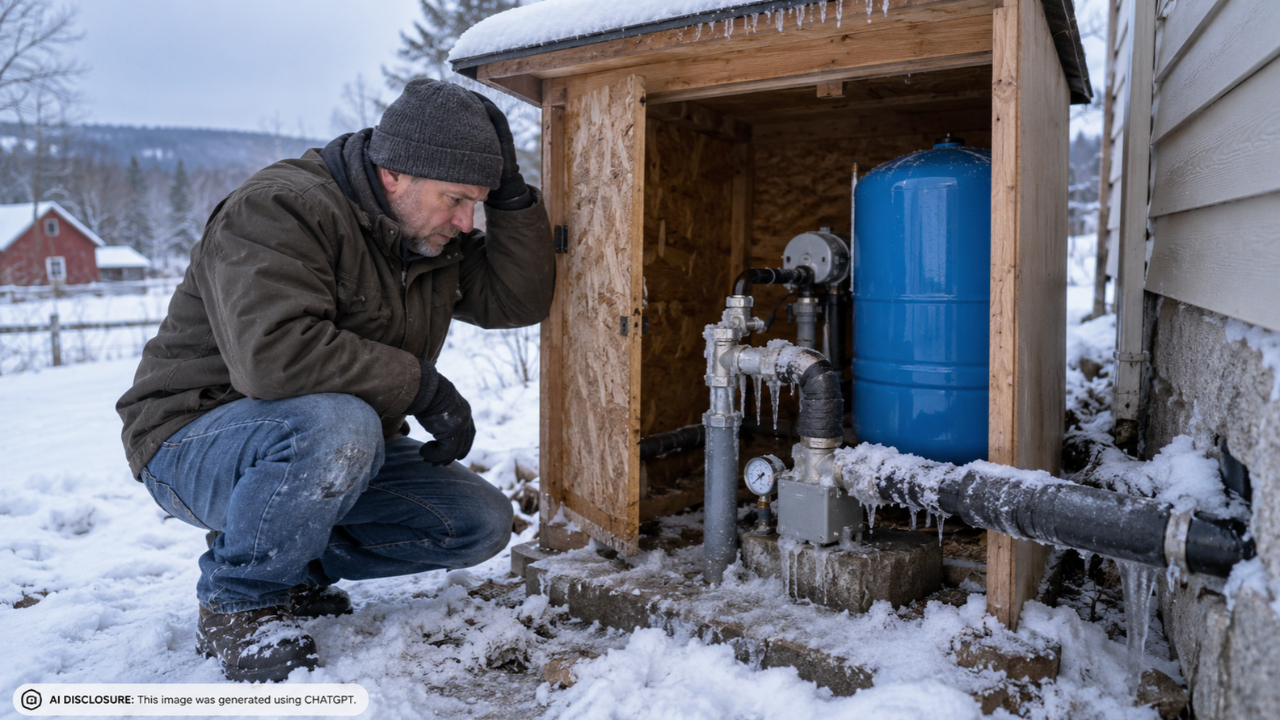
Cold snaps have a way of turning a “mostly fine” well into a headache. You go to fill a stock tank or start a load of laundry and the pressure drops, the pump short cycles, or the faucet spits air. Winter doesn’t create water problems from nothing, it makes small weaknesses show up fast.
1. Falling Water Table After Dry Months

By the time the ground locks up, you’re often living off whatever recharge happened in fall. If late summer and fall were dry, the water table can already be lower than normal, and your pump is suddenly closer to the bottom of the well than you realize. The first sign is usually sputtering faucets, a shower that goes cold then hot, or the pump running longer than it used to.
You can’t “fix” a low water table with a wrench, but you can stop making it worse. Cut back on big draws like filling a hot tub, heavy irrigation for winter greens, or long outdoor hose use for livestock if you have alternatives. If the well is truly marginal, a well pro can evaluate lowering the pump, deepening the well, or adding storage so your peak use doesn’t outpace recovery.
2. Frost-Sealed Ground Blocks Recharge
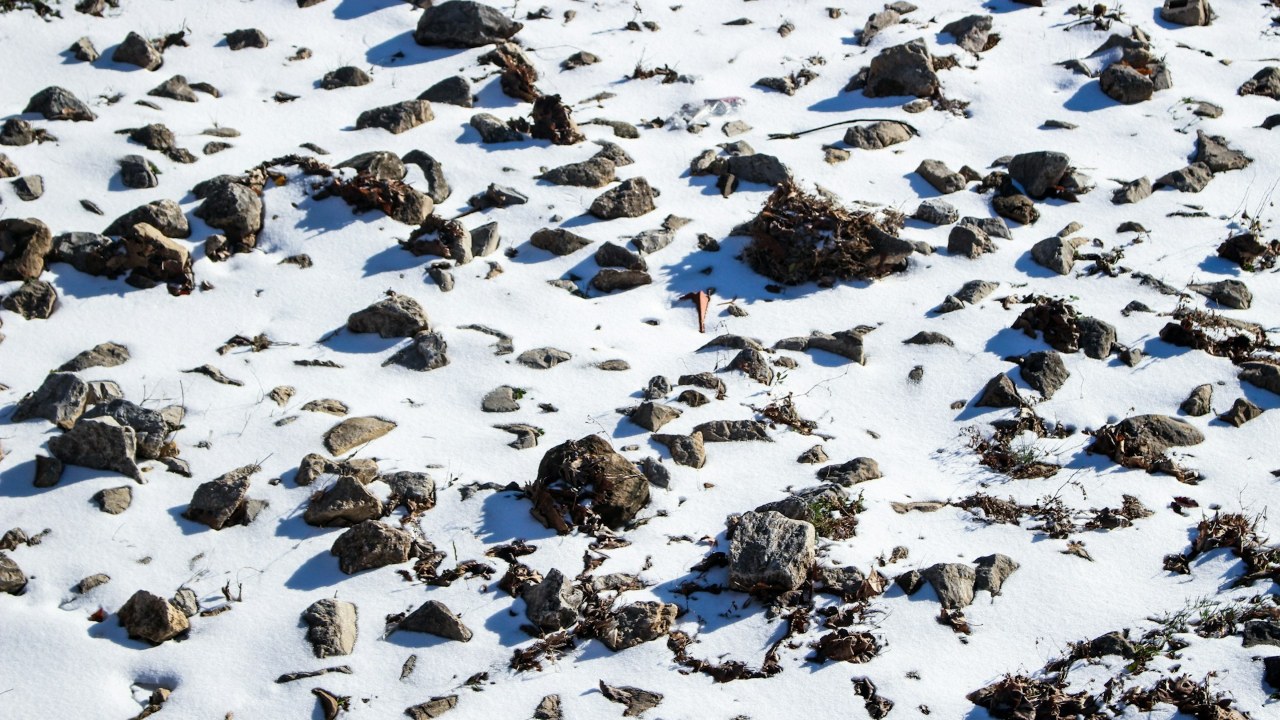
Once the top layer freezes, snowmelt and rain don’t soak in the same way. Water can run off instead of percolating down to the aquifer, especially on slopes or hard-packed driveways and barnyards. That doesn’t always show up right away, but by mid to late winter the well can lag behind demand.
You can help recharge in small ways by managing runoff. Keep downspouts aimed away from foundations but into areas where water can soak in, not across a frozen driveway. Don’t expect miracles, and don’t dump salty meltwater where it can head toward your well.
3. Snow Cover Hides Leaks And Running Water
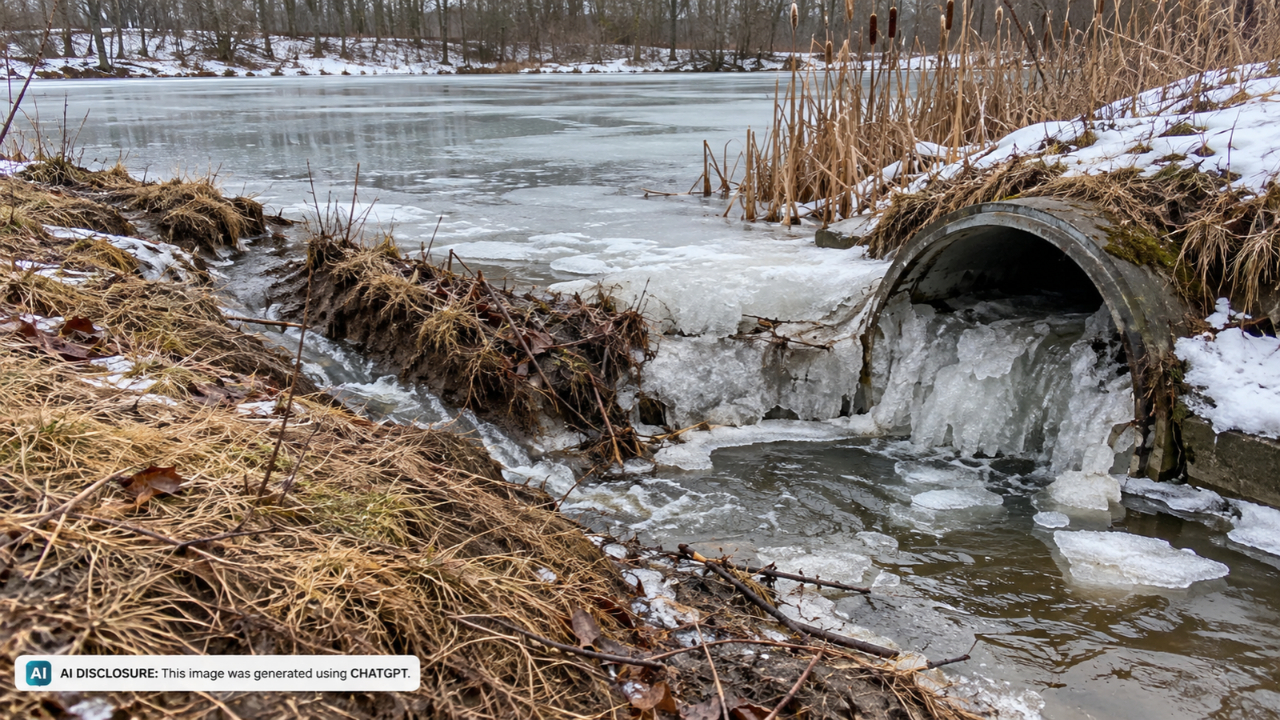
Winter is when a “small” leak becomes an all-day pump run, because you don’t see it. A cracked hydrant, a split garden hose you forgot to remove, or an underground line leak can keep bleeding water under a blanket of snow. The well feels low because you’re literally pumping it onto the ground.
Do a quick reality check: pick a time when no one’s using water and watch the pressure gauge at the tank. If it drops and the pump kicks on, you’ve got flow somewhere. Finding underground leaks usually means shutting valves one at a time, listening for water movement, and sometimes hiring a leak detector or plumber. Before any digging, call for utility locates.
4. Frozen Well Cap Vent Starves The Well

Some wells have a vented cap or a screened vent to let air move as the water level changes. In blowing snow and freeze-thaw cycles, that vent can ice over. The pump runs, a partial vacuum forms, and flow drops off or gets weirdly noisy, like a sucking or gurgling sound.
This is one of those fixes that’s simple but not always comfortable. Clear snow and ice off the top of the casing, and make sure the vent opening is not packed with ice or insect debris. If you’re not sure what you’re looking at, don’t start prying on wiring or seals, a well pro can swap a bad cap in a short visit, and it’s money well spent.
5. Pressure Tank Loses Air Charge In Cold
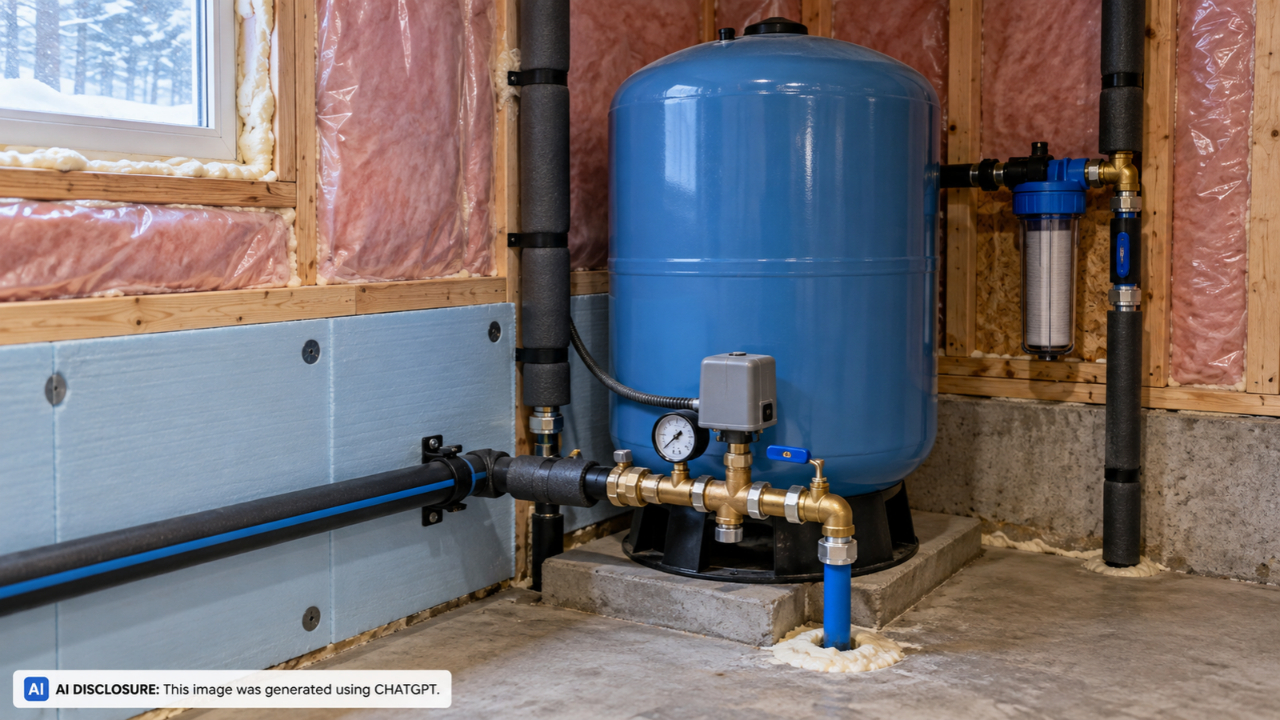
When a pressure tank is low on air charge or the bladder is failing, winter demand makes it show up as short cycling. The pump clicks on and off every few seconds, pressure swings hard, and you start thinking the well “can’t keep up.” The wear is real, short cycling is rough on pumps and controls.
Check the basics on a mild day: shut off power to the well pump, drain water pressure, then check the tank air with a tire gauge at the Schrader valve. If you don’t know the correct precharge for your setup, stop and read the tank label or call a plumber. Adding air is cheap, replacing a waterlogged tank is not free, but it’s still cheaper than burning up a pump.
6. Sediment And Ice Plug A Foot Valve
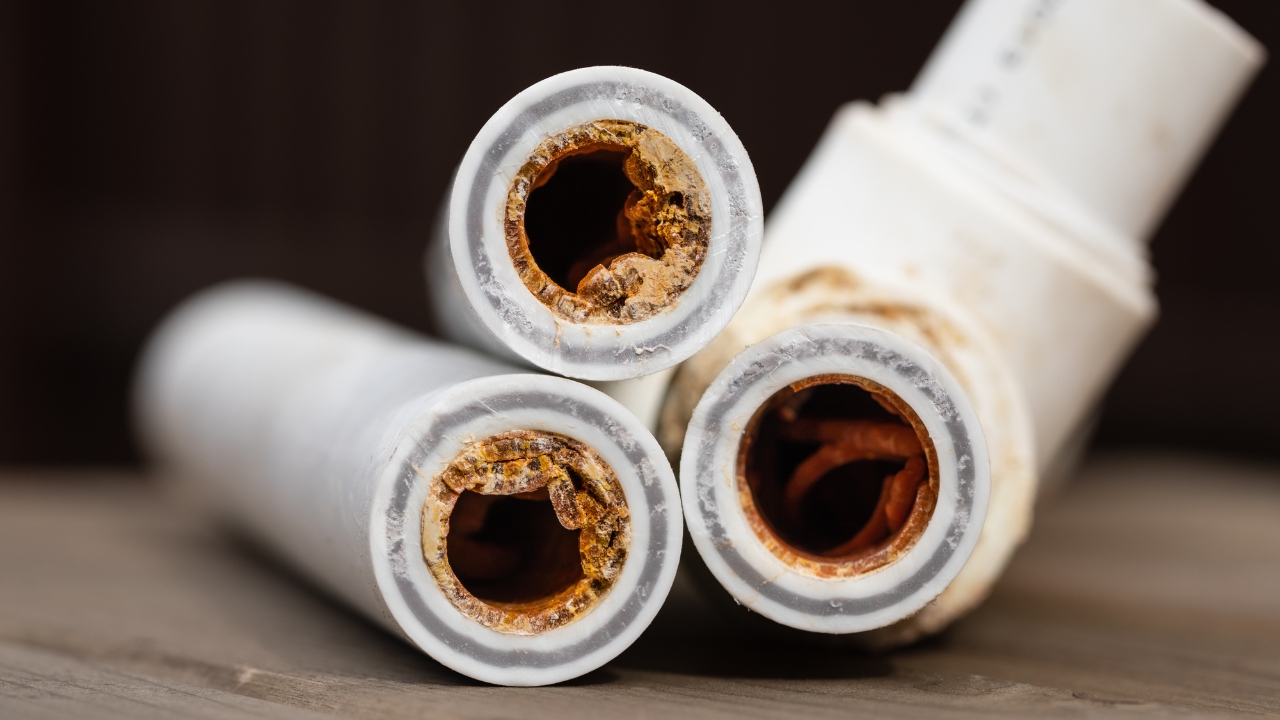
Shallow wells and driven points can pull in more sediment as the water level drops. Add near-freezing water and you can get slush and fine grit collecting where it shouldn’t, including at a foot valve or screen. The pump sounds strained, pressure builds slowly, and the water can look cloudy when it first comes on.
Some of this is a job for a well contractor with the right equipment. Cleaning or redeveloping a well is not a weekend project, and you don’t want to damage a screen or collapse a marginal well trying to force it. If you have a whole-house sediment filter, swap it sooner in winter and keep spare cartridges on hand.
7. Heat Tape Fails On Exposed Well Lines
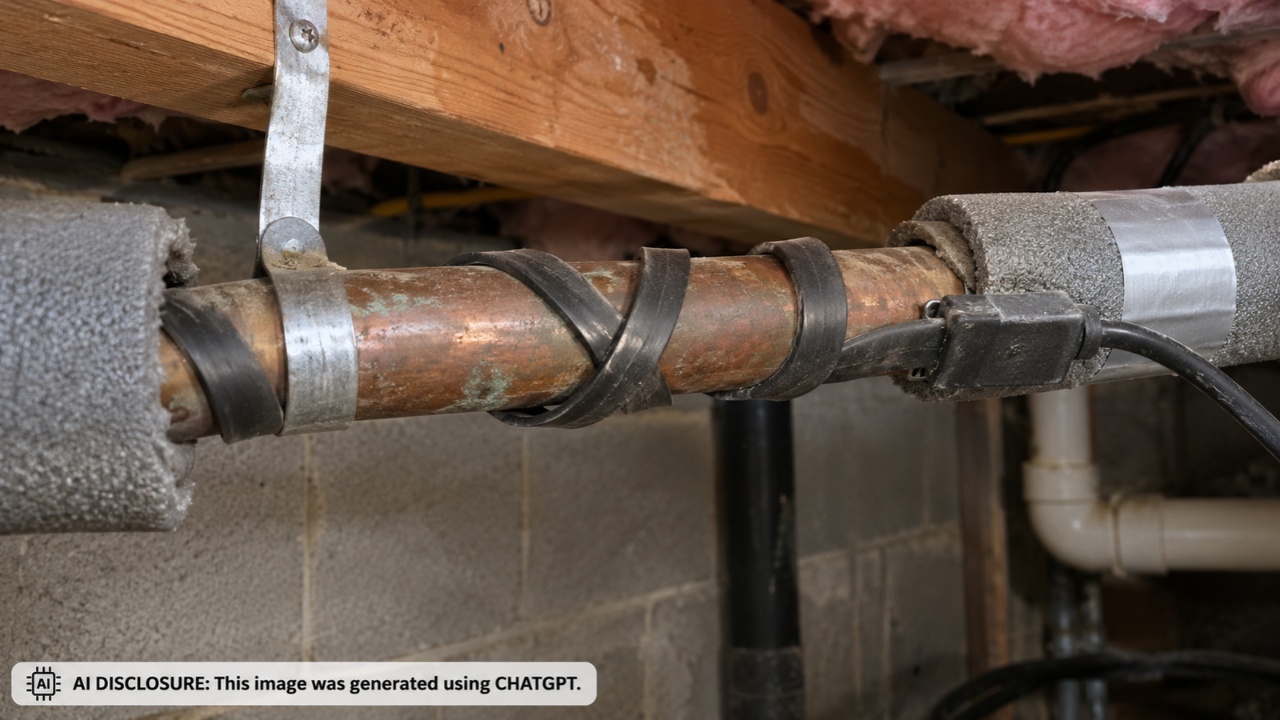
Heat tape is not magic, and a lot of it gets installed wrong. If a section of pipe from the well to the house is shallow, exposed, or in a drafty crawlspace, a cold snap can freeze the line just enough to choke flow. You get a trickle, then nothing, and it feels like the well ran out.
Start by checking what you can safely check. Is the heat tape plugged into a working GFCI outlet, and is the breaker holding? If you see scorch marks, damaged insulation, or taped splices, replace it, don’t patch it. For long-term relief, bury the line below frost depth and insulate where it enters the building, that trenching job often needs a permit and always needs utility locates.
8. Pump Protection Shuts Down After Cycling
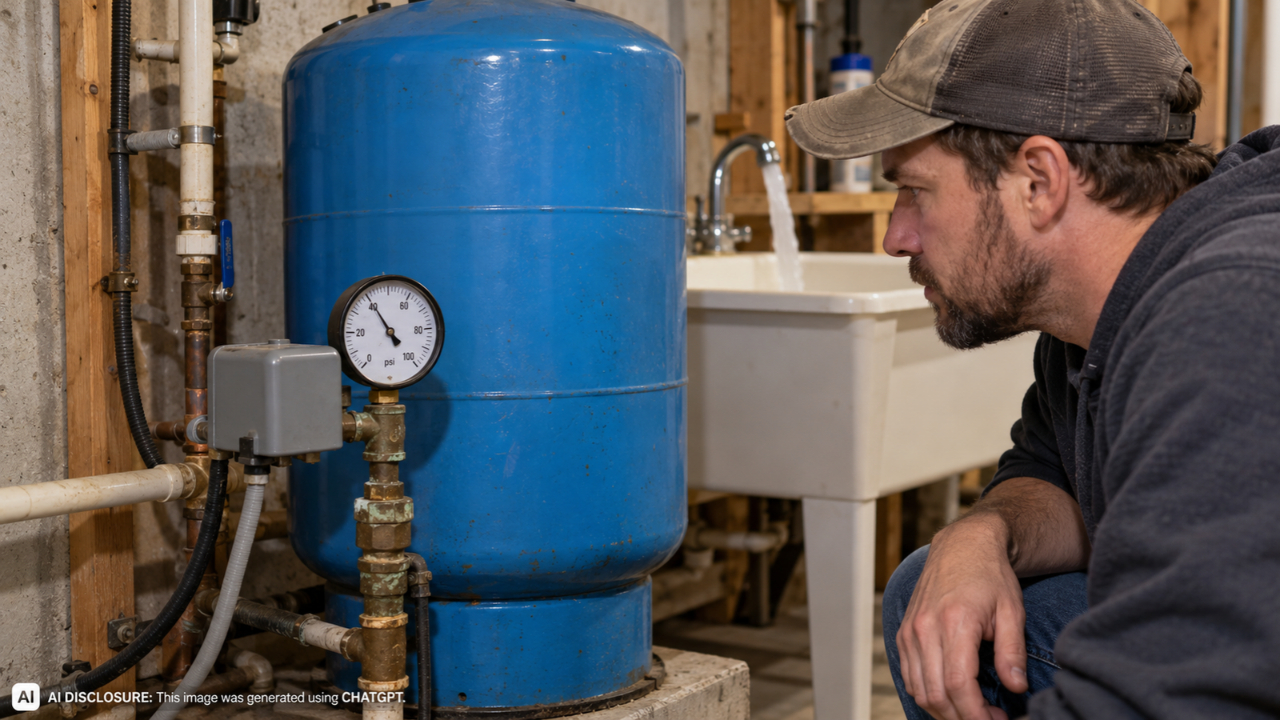
Some setups have a low-water cutoff, pump saver, or a control box that trips when amperage goes weird. In winter, a tired pump or a low well can cause repeated cycling, and the protection does its job by shutting the pump off. From your side of the faucet, it looks like the well went dry.
Resetting controls over and over is a bad habit that can cook equipment. If you don’t know why it tripped, call a licensed well pro or electrician, especially if you’re dealing with control boxes and wiring. An honest exception here: if you have a simple pressure switch that occasionally sticks in extreme cold in an unheated well pit, a careful cleaning and better insulation can be enough. If you have a pit, consider upgrading, pits are trouble in winter.
9. Water Treatment Backwash Drains Storage Fast
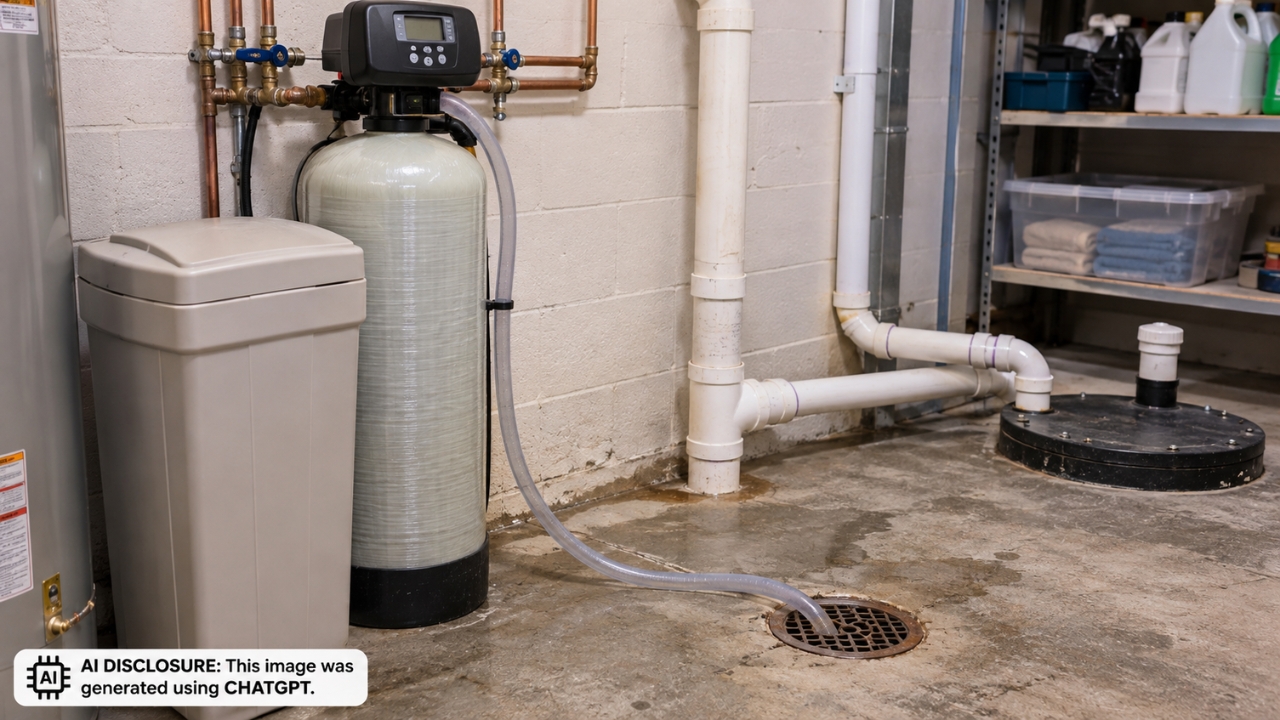
Iron filters, softeners, and some sediment systems dump a lot of water during regeneration or backwash. In winter, that cycle can happen more often because cold water changes performance and your household use shifts. If your well is borderline, a midnight backwash can pull the level down and you wake up to low pressure.
Look at the controller settings and the drain line discharge. You want it flowing freely to an approved location, not freezing and backing up. If the unit is set to regenerate too often, adjust it based on your water test and actual use, or have a water treatment tech set it correctly. Don’t send backwash into a septic system unless the system is designed for it and local rules allow it.
10. Winter Power Issues Slow Or Stop The Pump
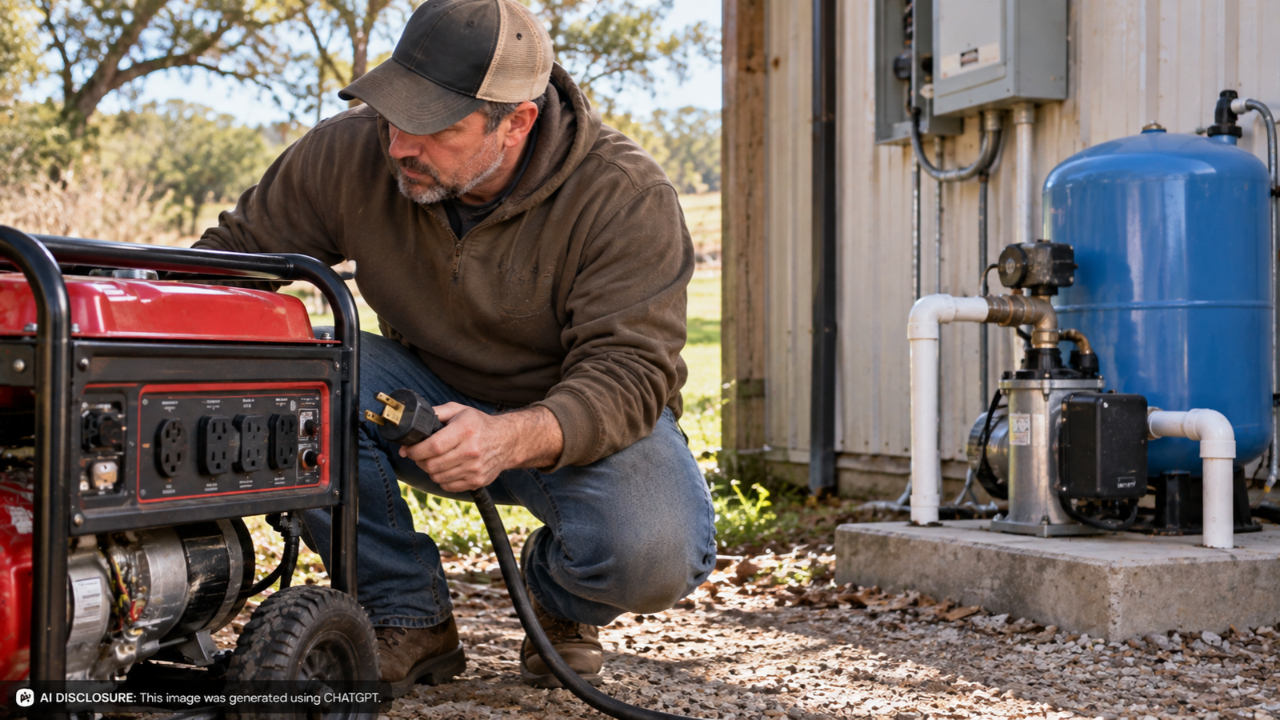
Wind storms and ice can cause brownouts, not just blackouts. Low voltage makes a well pump struggle, run hot, or trip overloads, and you end up chasing a “low well” problem that’s really electrical. You might notice lights dimming when the pump kicks on, or a control box humming louder than normal.
If you suspect voltage trouble, an electrician can check supply and connections safely, and a well pro can check motor draw and start components. A standby generator or a properly sized portable generator can keep water going, but it has to be connected the right way with an interlock or transfer switch. This is not the place for DIY backfeeding.
When water gets iffy in winter, focus on what you can verify fast: leaks, freezing, pressure tank behavior, and any treatment equipment dumping water. If the signs point to a dropping water level or pump trouble, get a well contractor involved sooner rather than later. Waiting until it fully quits usually turns a manageable service call into an emergency.
Like Fix It Homestead’s content? Be sure to follow us.