10 Reasons Your Mulch Isn’t Working
Mulch is supposed to help—less weeding, better moisture retention, healthier soil—but sometimes it just doesn’t seem to be working like it should. If you’re still battling weeds, your plants are struggling, or the beds look messy no matter what you do, the mulch might be part of the problem.
It’s not always about the type you use—it’s how it’s applied, what’s underneath it, and how it’s maintained. Here’s what might be going wrong and how to fix it.
The layer’s too thin.
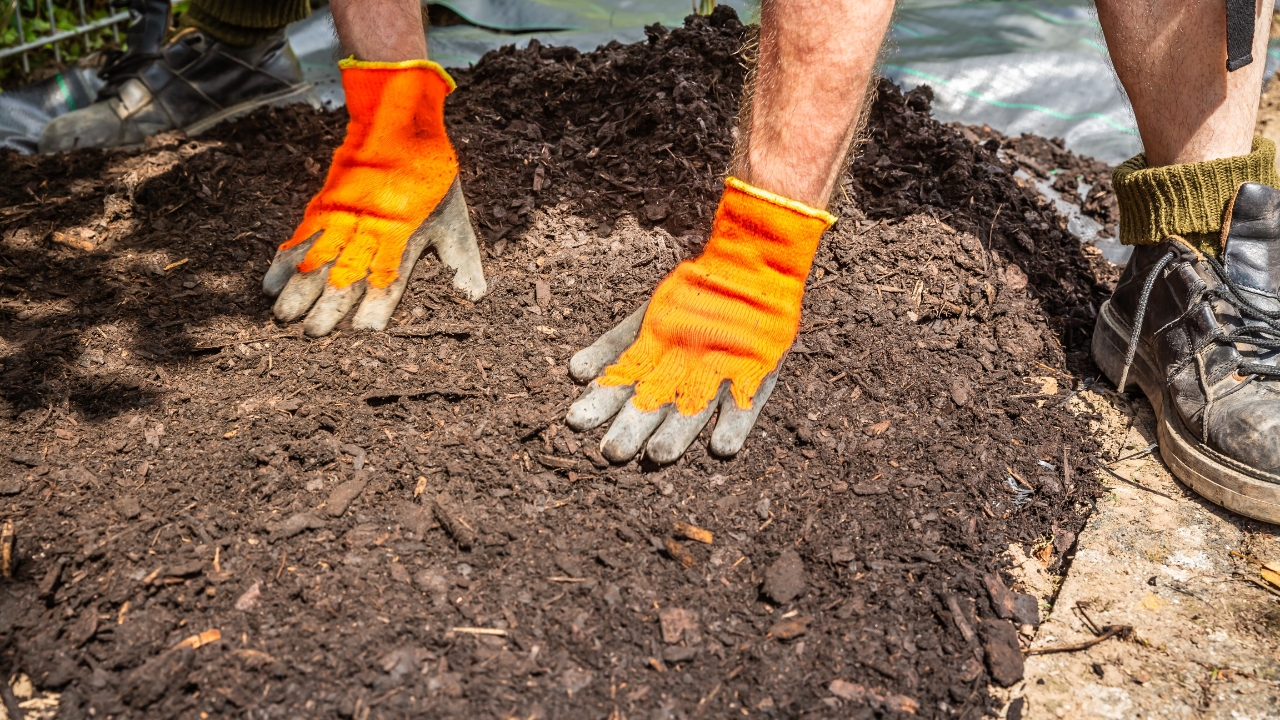
A skimpy layer of mulch won’t suppress weeds or hold moisture. You need about 2 to 3 inches to get the full benefit. Less than that, and sunlight still hits the soil, encouraging weed growth and faster evaporation.
If you’re refreshing mulch that’s broken down, make sure you’re adding enough to build it back up—not just tossing on a dusting. Thicker mulch also helps regulate soil temperature better through seasonal shifts.
You went way too thick.
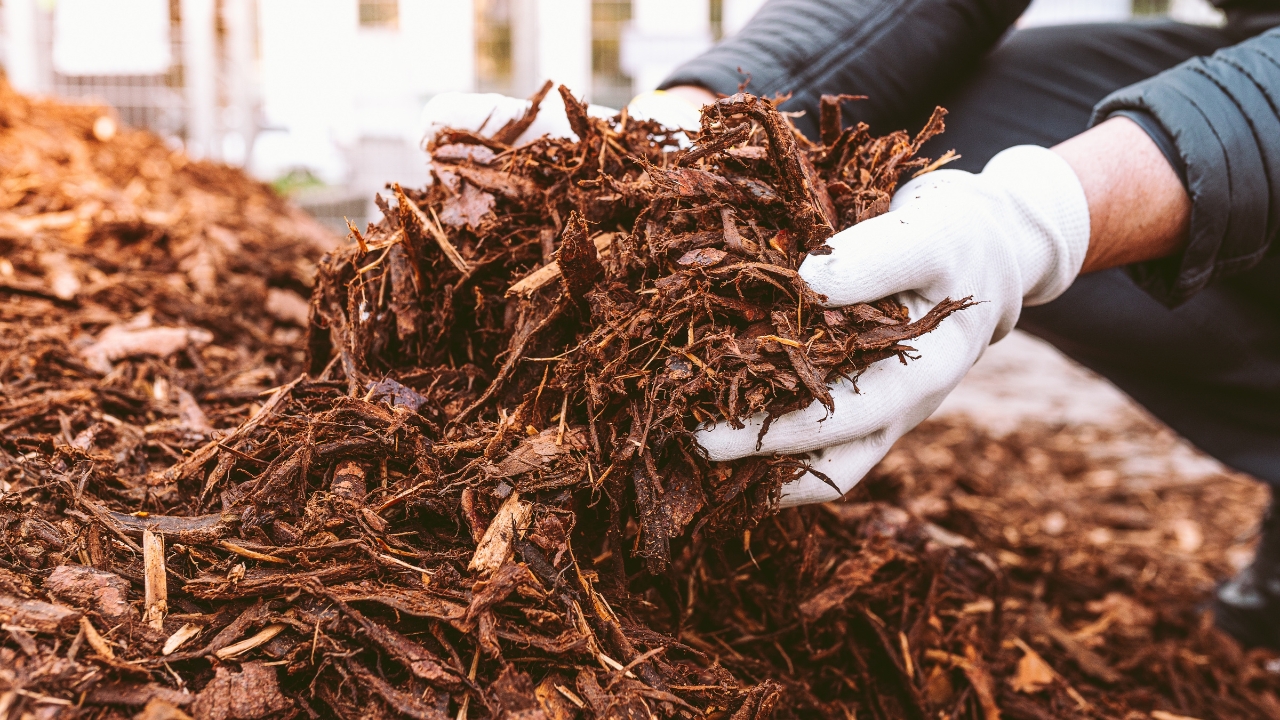
On the flip side, piling mulch on too thick—especially over 4 inches—can suffocate plant roots and prevent water from reaching the soil. It also creates a damp environment that can attract pests and cause rot.
If you’ve overdone it, rake some of it back and spread it more evenly. You want enough to cover but still let air and water through.
It’s touching the base of your plants.

Mulch should never be mounded up against tree trunks or plant stems. That holds moisture right where it shouldn’t be and can lead to rot, disease, or even suffocate the plant.
Pull mulch back an inch or two from the base of each plant. It might not look as tidy at first glance, but it’s much healthier in the long run.
You used the wrong kind for your space.
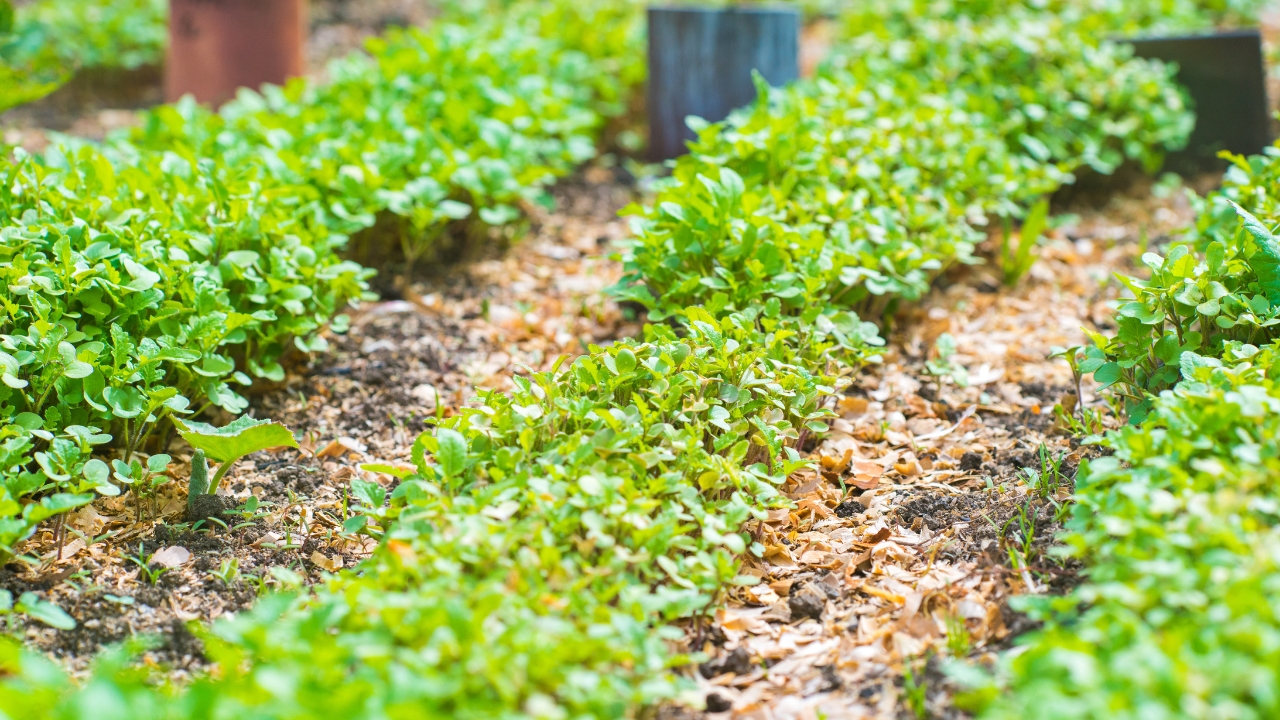
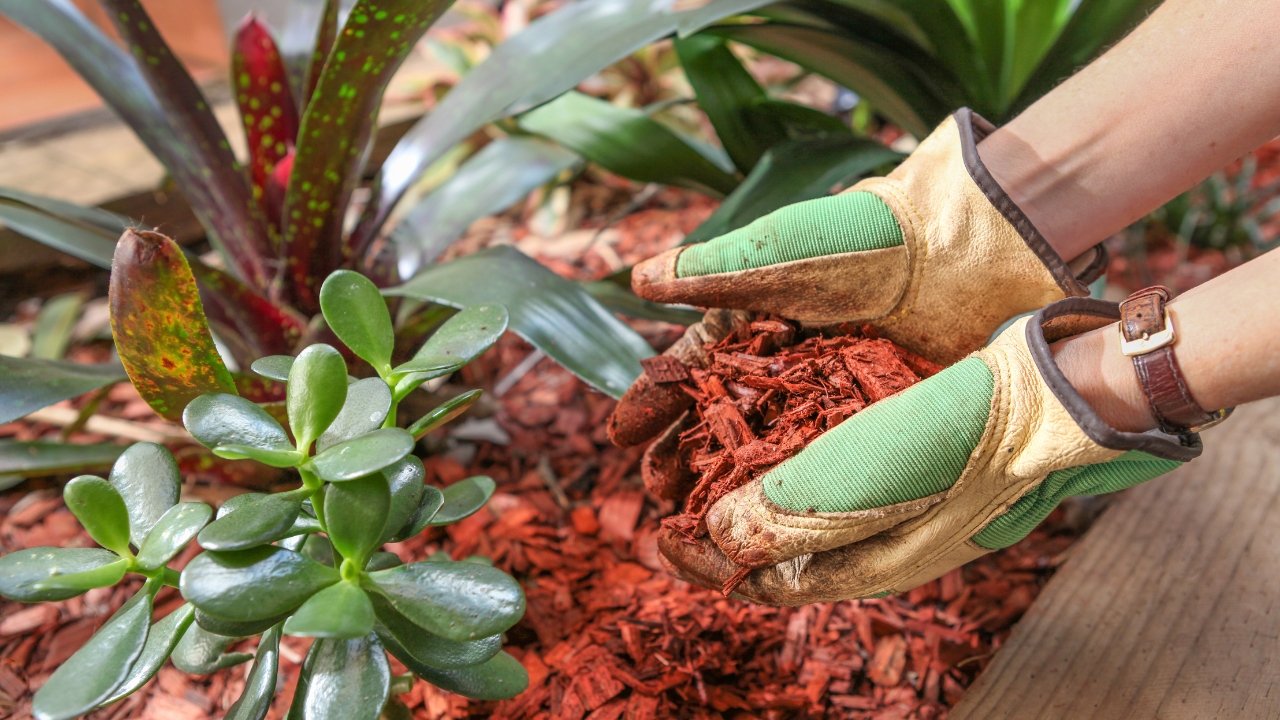
Not all mulch is created equal. Wood chips are great for long-term beds but break down slowly. Straw works well in vegetable gardens but blows away in the wind. Rubber mulch doesn’t improve the soil at all.
If your mulch keeps shifting, breaking down too fast, or isn’t helping your plants, it might be time to try a different kind that better suits your setup.
You didn’t weed before you mulched.
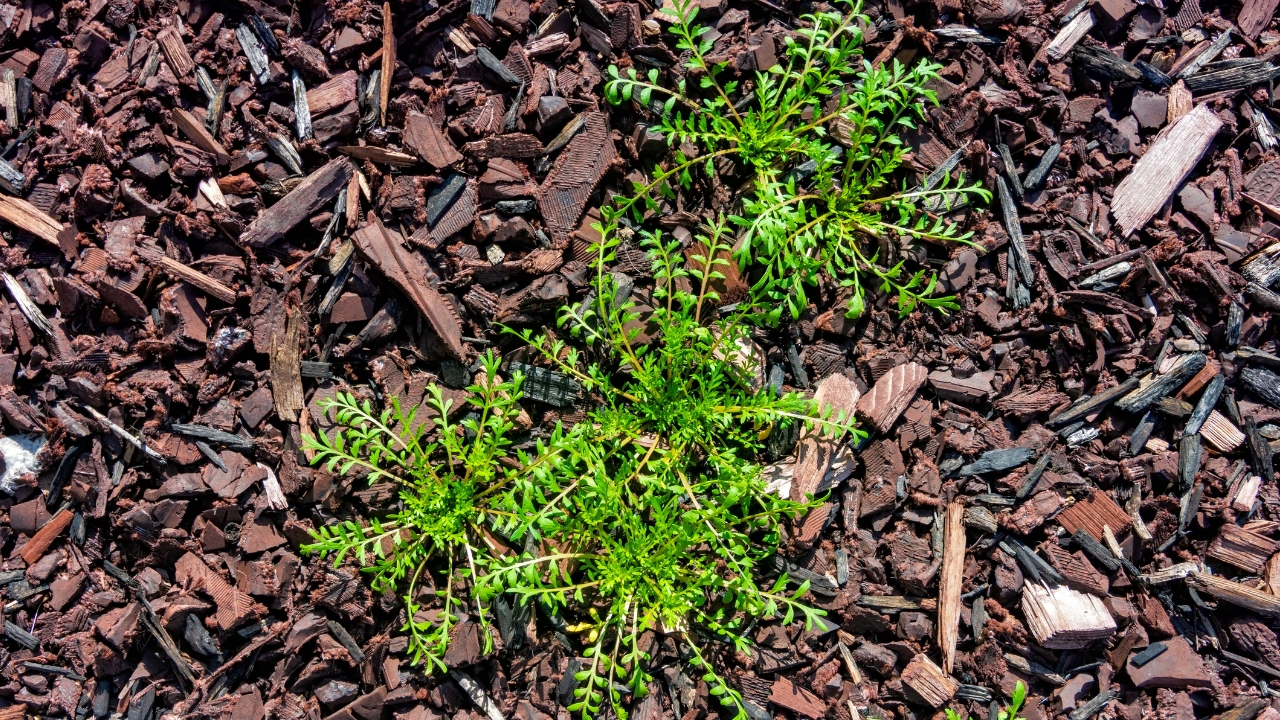
Mulch helps suppress new weed growth, but it won’t magically kill what’s already there. If you throw mulch over active weeds, they’ll push right through or keep growing underneath.
Take time to weed thoroughly before you spread mulch. It makes a big difference in how well the mulch holds up over time.
You skipped edging the beds.
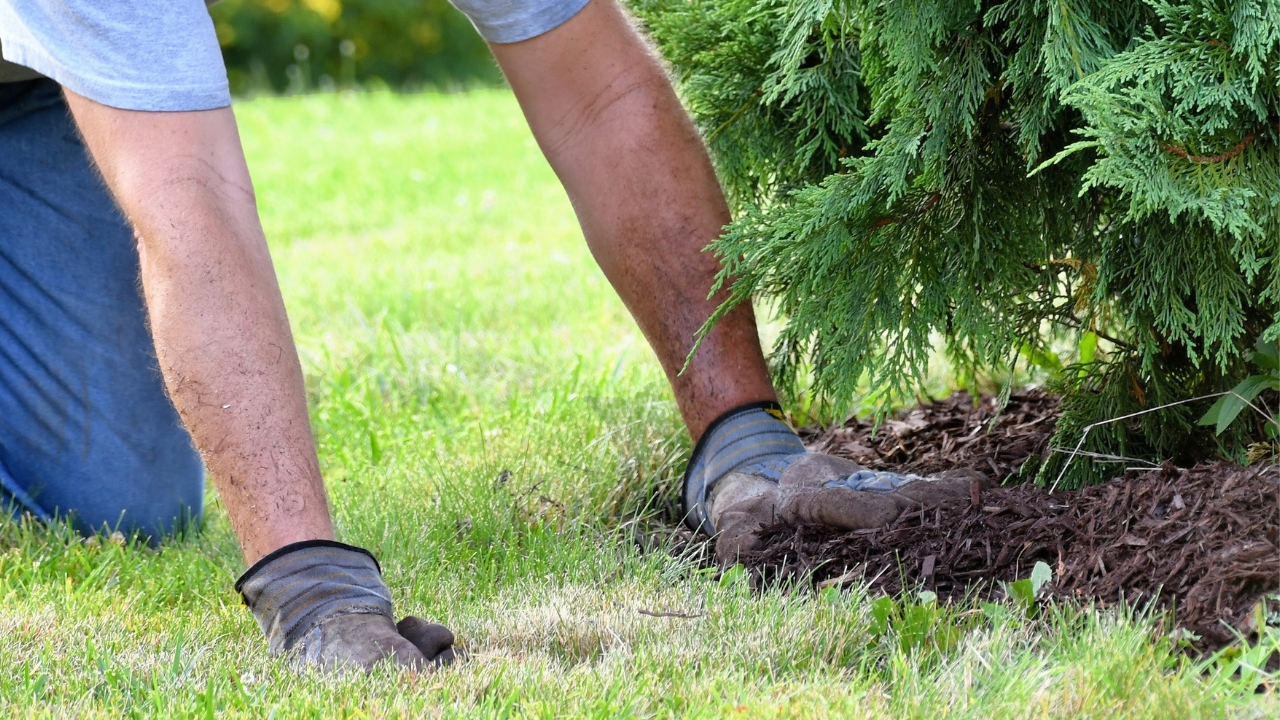
Without a clean edge, mulch tends to spill into the lawn or walkway, making everything look messy. It also thins out faster at the edges where water and foot traffic wear it down.
Even a simple shovel trench or stone border helps keep it in place and looking tidy. It’s a small step that makes a big impact.
You mulched too early in the season.
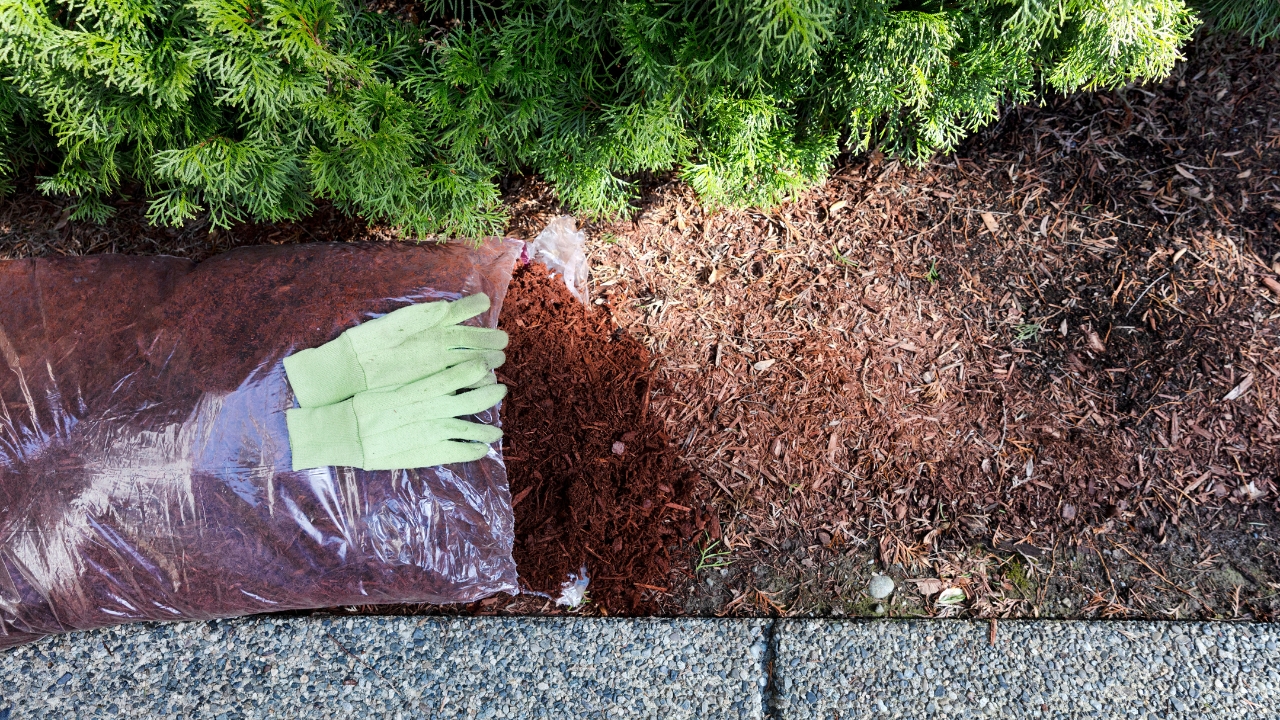
Spreading mulch while the ground is still cold can slow things down for your plants in spring. It traps in the cold and delays soil warming, which can impact early growth.
It’s better to wait until the soil has started to warm up before laying mulch for the season. A few extra weeks of patience pays off.
You didn’t replace it when it broke down.

Organic mulch breaks down over time, which is great for the soil—but only if you stay on top of it. If the layer gets too thin or patchy, it stops doing its job.
Check your mulch every season and top it off when needed. A quick rake to fluff it can also help it look fresh without needing a full replacement.
You used colored mulch that leaches dye.
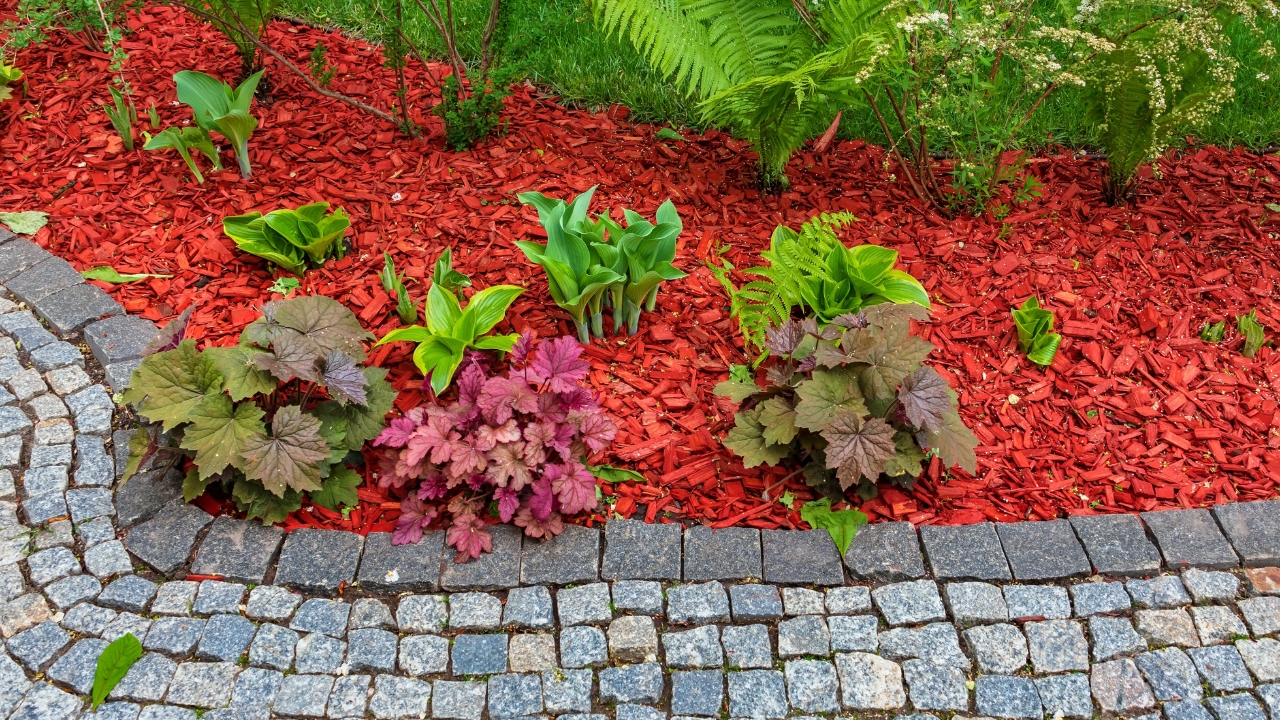
Some dyed mulches use cheap colorants that can leach into the soil and affect plant health, especially in edible gardens. They can also fade quickly, leaving your beds looking tired fast.
If you want colored mulch, look for one made from untreated wood with vegetable-based dyes. Otherwise, stick to natural hardwood or bark.
The mulch is holding too much moisture.
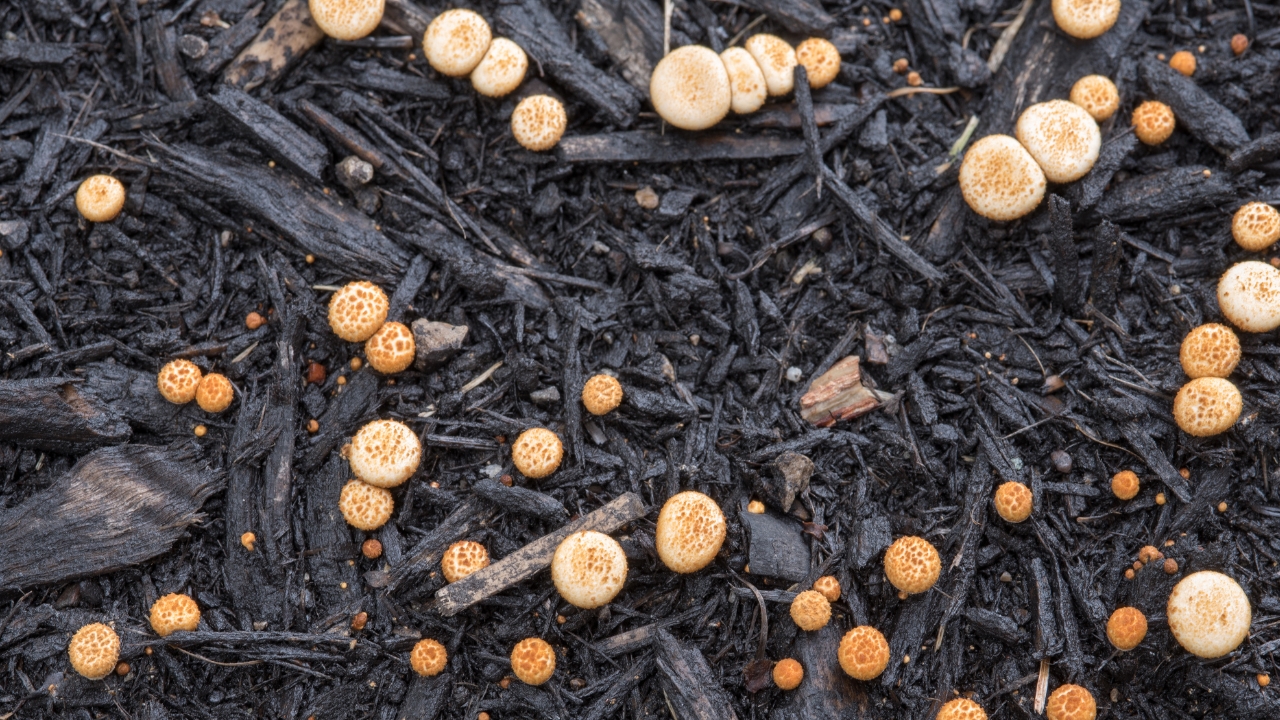
If mulch stays soggy for too long—especially in shaded or poorly drained areas—it can cause fungal problems or even drown roots. This is common with fine, compacted mulch that mats down over time.
Use coarser mulch in these areas or rake the surface regularly to keep it loose. You can also reduce the thickness a bit in wetter spots.
*This article was developed with AI-powered tools and has been carefully reviewed by our editors.