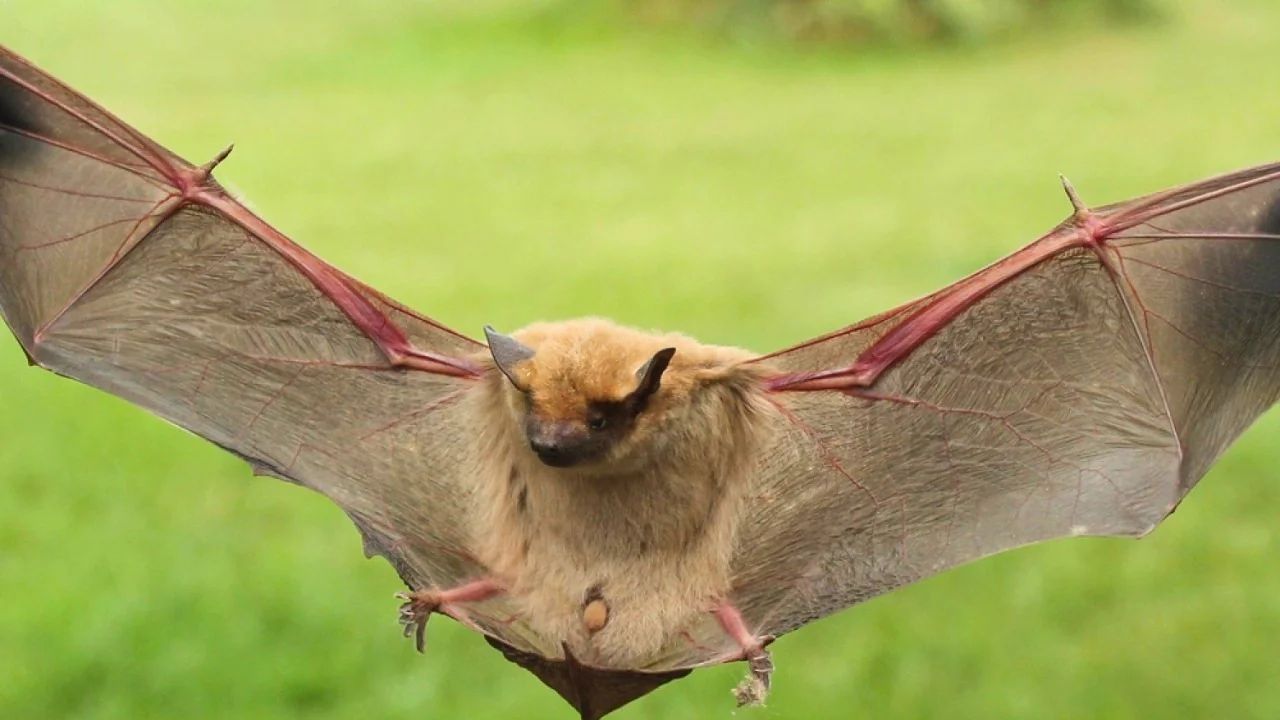
10 Signs Bats Are Roosting in Your Attic
Photo credit: Carlene Atwood/Shutterstock.com
Something living overhead can turn a quiet house into a nightly annoyance fast. Bats don’t chew wires like rodents, but they do leave mess, smell, and health concerns that don’t get better on their own. If you catch the signs early, you can deal with it before the attic insulation and framing take a beating.
1. Scratching And Fluttering After Dusk
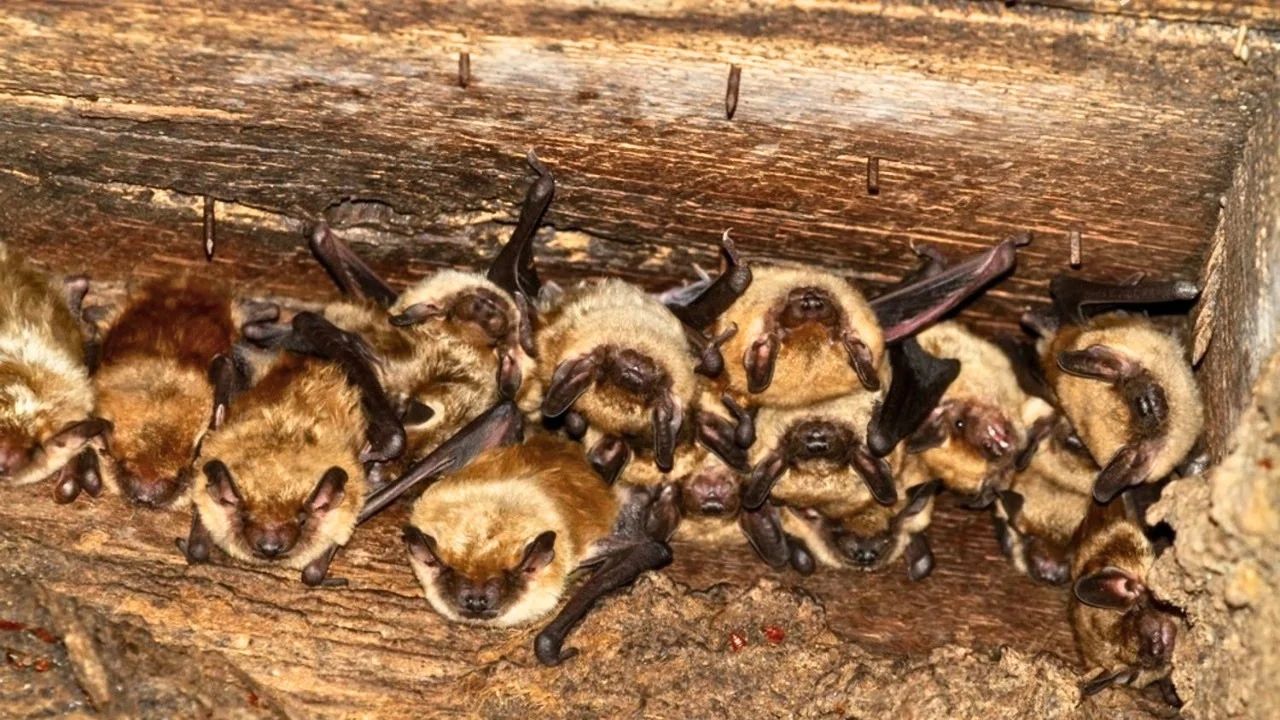
You’ll hear it right around sunset, a dry scratching, light scurrying, then a quick flutter that stops as suddenly as it starts. It’s different from squirrels, which sound like heavy daytime stomping and rolling. Bats are most active at dusk and again before dawn.
Stand in a quiet room under the attic and listen with everything else off. If the noise pattern tracks the sun, that timing is a big clue. Don’t go stomping around up there at night trying to spot them, you’ll stir them up and make an exit into your living space more likely.
2. Dark Grease Stains Near Small Openings
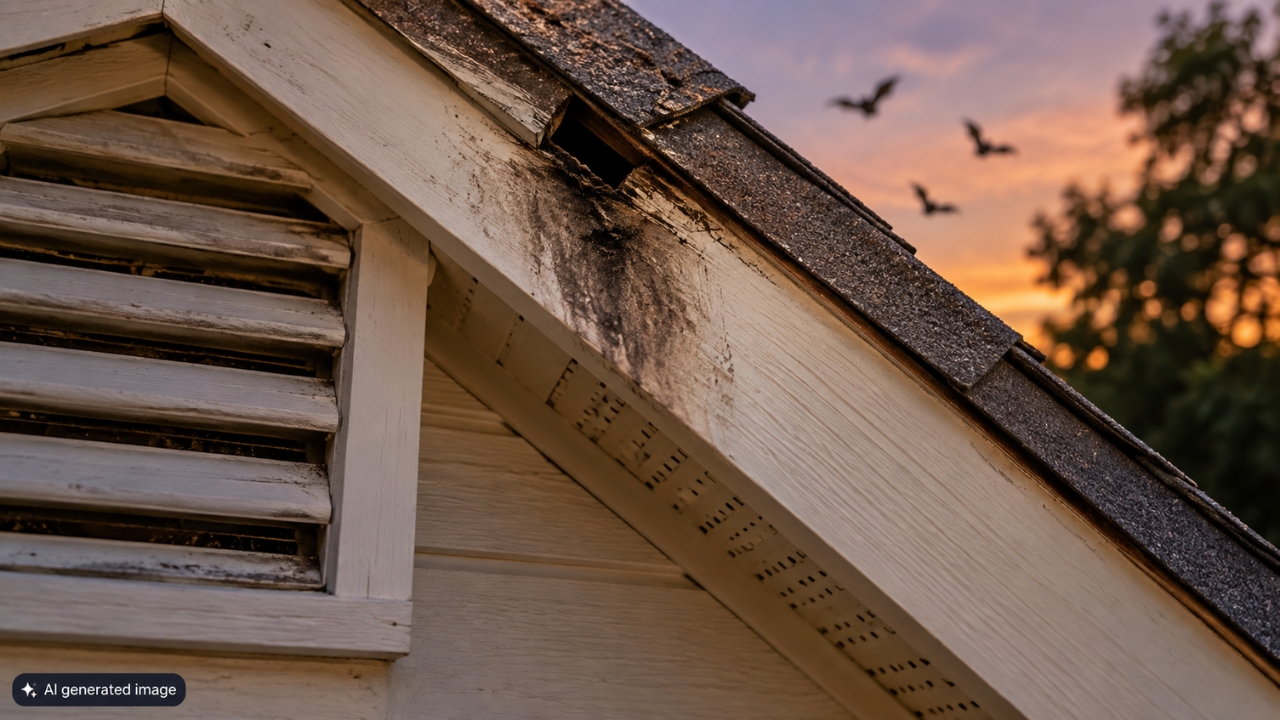
Look for smudgy, dark marks at roofline gaps, gable vents, chimney flashing, and where fascia meets the shingles. A bat’s fur picks up oils and dirt, and repeated passes can leave a greasy stain that looks like someone rubbed charcoal on the wood or siding.
The openings are often smaller than you’d guess, sometimes about the width of a thumb. Check with a bright flashlight from outside at dusk, not by climbing onto a steep roof in the dark. If you find staining, take a photo and mark the spot so you can come back in daylight with the right materials.
3. Guano Pellets On Insulation Or Floor
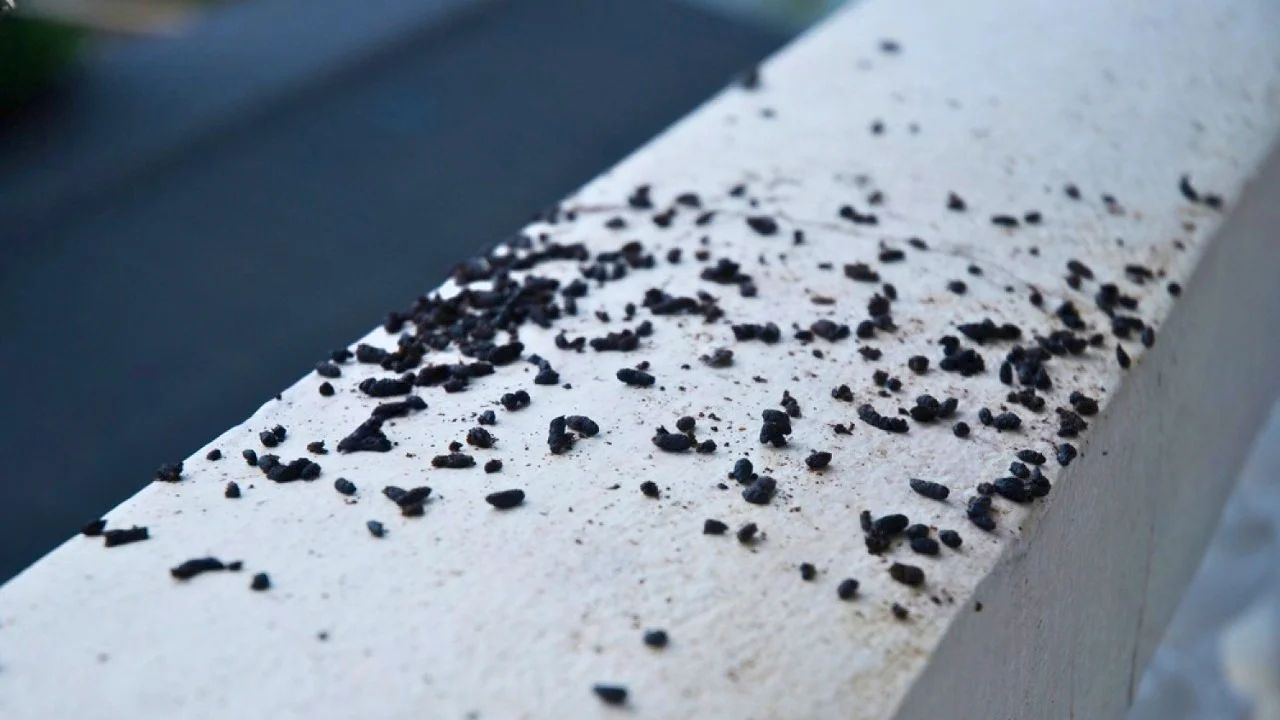
Bat droppings collect under roosting spots and travel routes, and they tend to look like small, dry pellets. They often crumble into shiny bits because of insect parts. You might see them on attic joists, insulation, or stuck in cobwebs near the eaves.
Don’t sweep it dry and call it good. Use gloves, eye protection, and at minimum an N95 style mask, then lightly mist the area to keep dust down before cleanup. If there’s a lot of droppings, the right move is hiring a cleanup crew that handles animal waste, since disturbing it can kick particles into the air.
4. Ammonia Smell That Comes And Goes
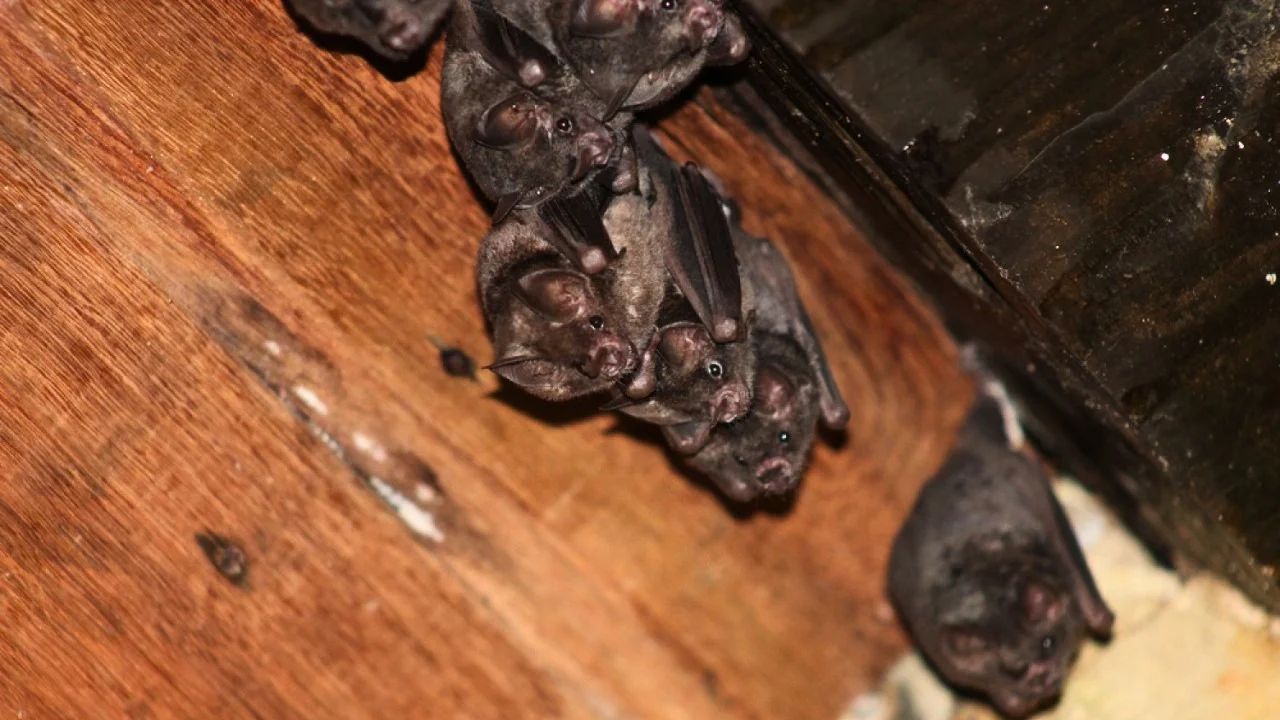
If you get a sharp ammonia odor that’s worse on warm afternoons, think urine and guano. Heat makes smells rise and spread, so the stink can show up in a hallway ceiling, a closet, or an upstairs bedroom before you ever smell it in the attic hatch.
This one matters for resale and comfort, because the odor can soak into insulation and rough lumber. Air fresheners are a waste of time. Find the source, fix the entry points, then plan on removing and replacing any heavily soiled insulation instead of trying to “treat” it.
5. Bats Seen Circling One Roof Spot
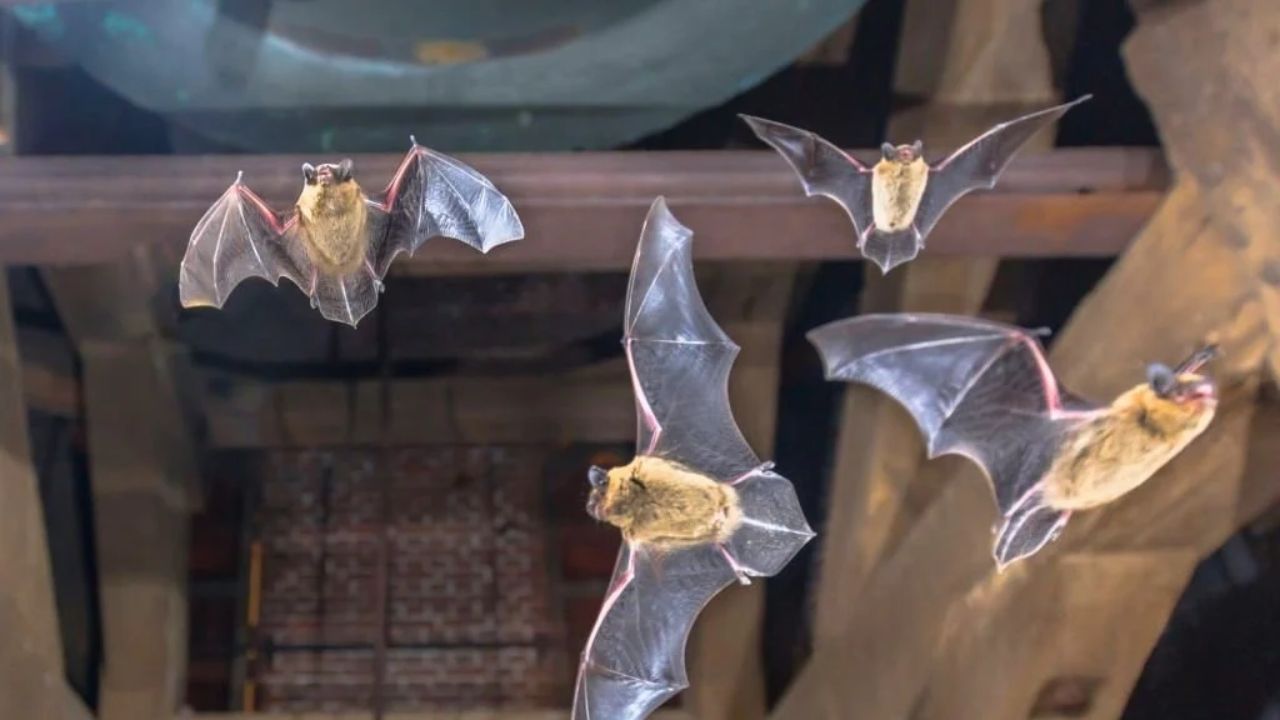
Want a simple check without crawling around? At dusk, stand outside and watch the roofline for 20 minutes. If bats are roosting, you’ll often see them dropping out of one area, then looping back and heading off to feed.
A few bats cruising your yard over a pond or garden doesn’t mean they live in your attic. The clue is repeat traffic from the same gap, vent, or corner. If you see that, you’ve basically found the exit, which is the spot a wildlife pro will focus on for exclusion.
6. Clicking Or Chittering From A Wall
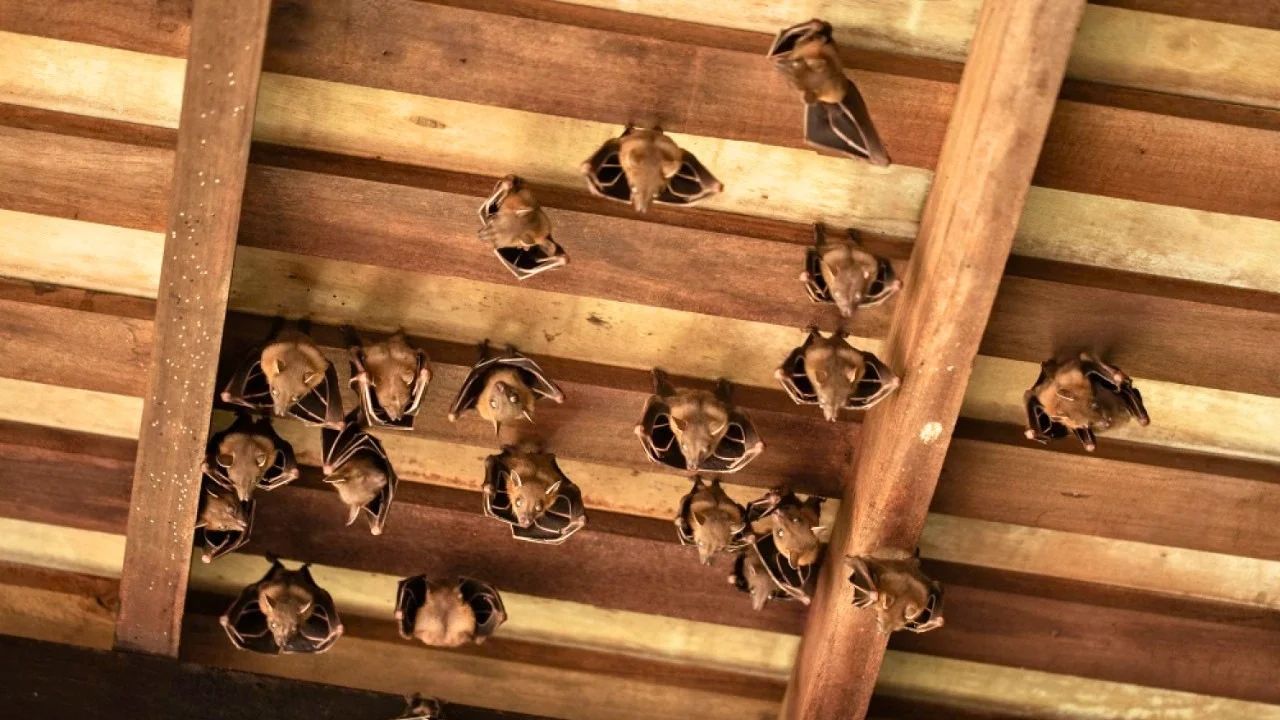
Sometimes the sound isn’t in the attic at all. You’ll hear faint clicking, chirping, or a high chitter in a wall cavity near the top floor, especially if there’s an attic knee wall or a finished bonus room.
This happens when bats tuck into tight framing spaces or behind poorly screened vents. Don’t open the wall and start poking around. The better first step is to locate the exterior entry and get an exclusion plan, because opening a wall can send a frightened bat into the living space.
7. Fresh Droppings Under Eave Vents Outside
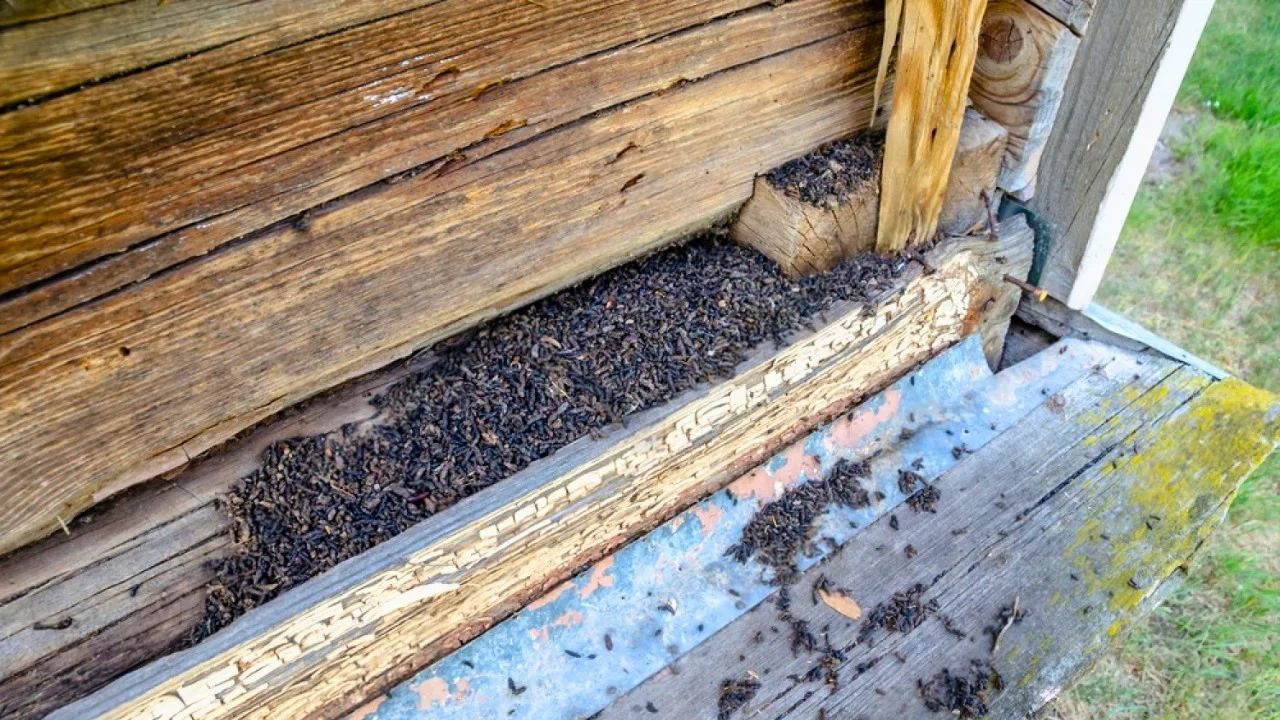
Check the ground and window sills below gable vents, soffits, and roof returns. You might find a small scatter of droppings that looks like pepper spilled in one spot. After a rain, fresh pellets can smear and leave a dark stain on concrete or decking.
This outside sign saves you time, because you can confirm activity without entering the attic. Brush it into a dustpan and wash the area, but treat it as a clue, not the whole job. If pellets reappear within a day or two, something is actively using that opening.
8. Staining Or Mold On Attic Framing
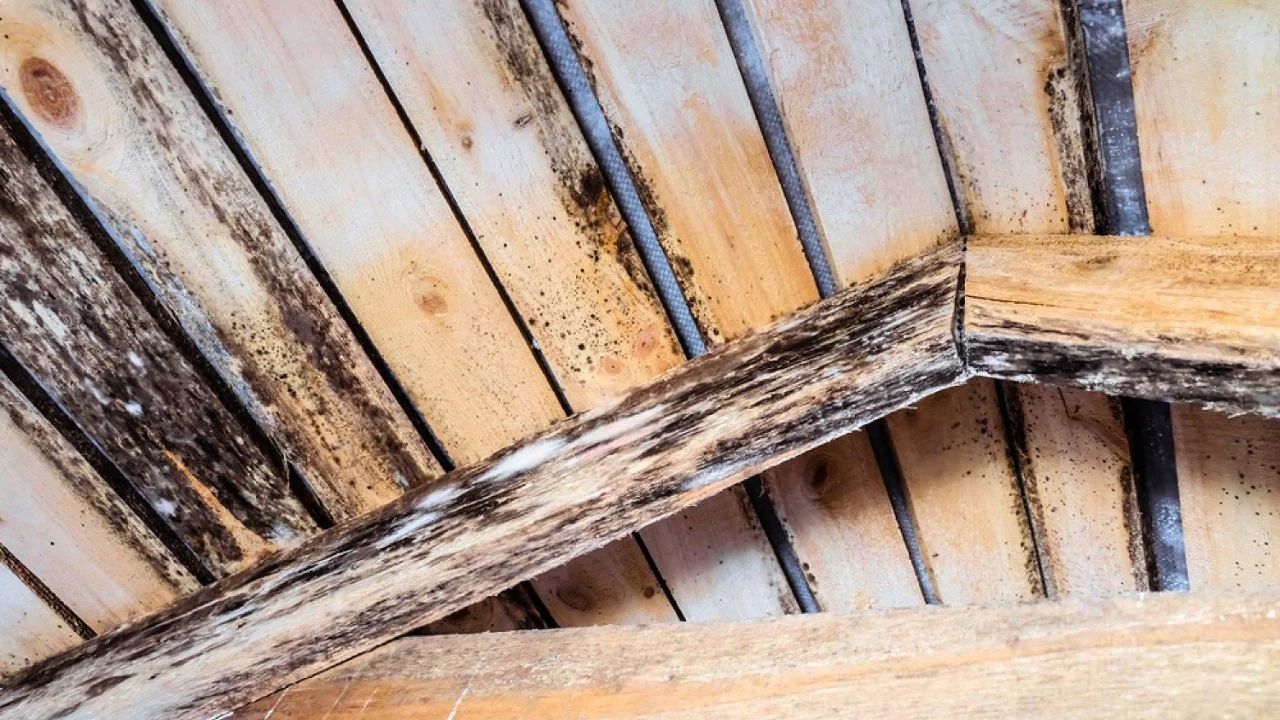
People blame roof leaks first, and sometimes they’re right. But bat urine can also leave streaks on rafters and sheathing, and the dampness can feed mold in a tight, poorly vented attic. You’ll see blotchy dark areas or a yellowed stain that doesn’t match any shingle nail pattern.
Don’t spray bleach foggers and hope for the best. Fixing the moisture source means removing the animals and cleaning the contaminated material, then improving ventilation if the attic is chronically damp. If you’re seeing widespread mold, that’s a good point to bring in a qualified remediation pro instead of guessing.
9. Drafts Around Can Lights And Attic Hatches
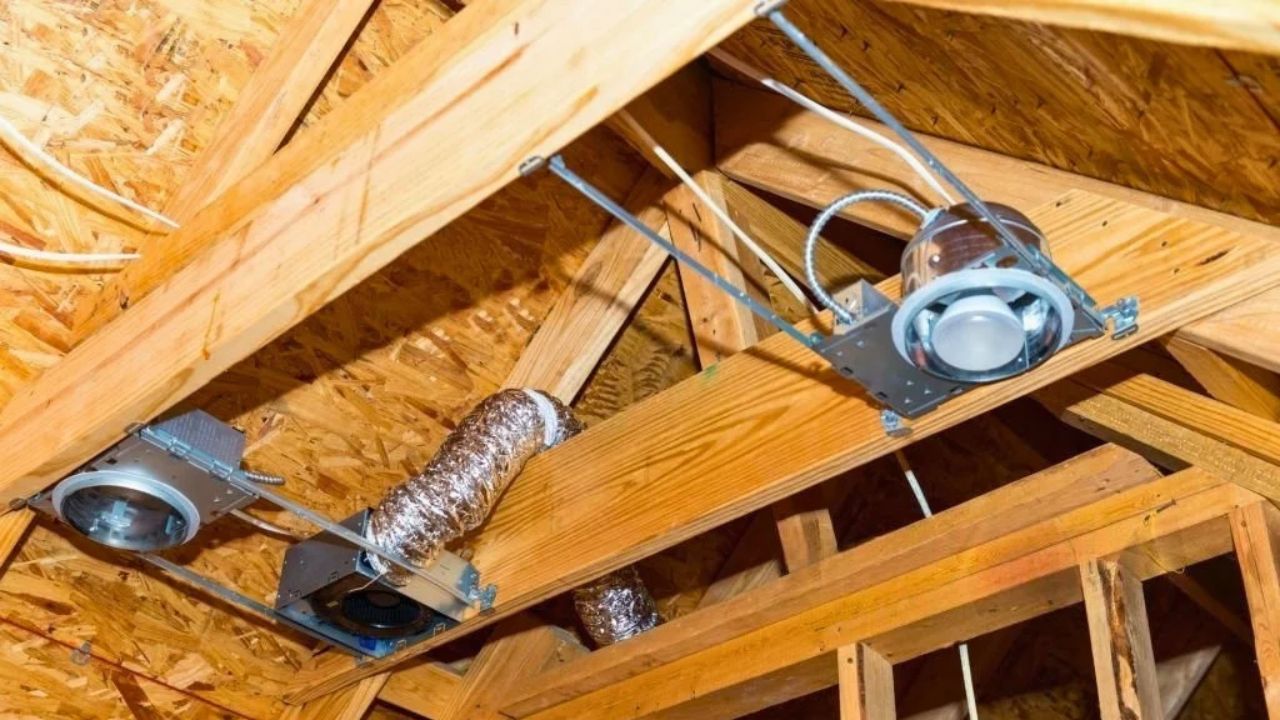
Bats don’t come through your recessed lights, but air does, and that air can carry odor and dust from a contaminated attic. If you notice a funky smell or gritty dust around a pull down stair, a bathroom fan grille, or older can lights, it often points to a bigger attic issue above.
Air sealing is the cheap win here, but it’s not a substitute for removal. Use foam weatherstripping on the attic hatch and seal gaps with the right caulk or foam rated for the location, keeping clearance rules for light fixtures. If the smell keeps coming back after sealing, the attic is still dirty or still occupied.
10. A “Cheap Fix” Screen That Keeps Failing
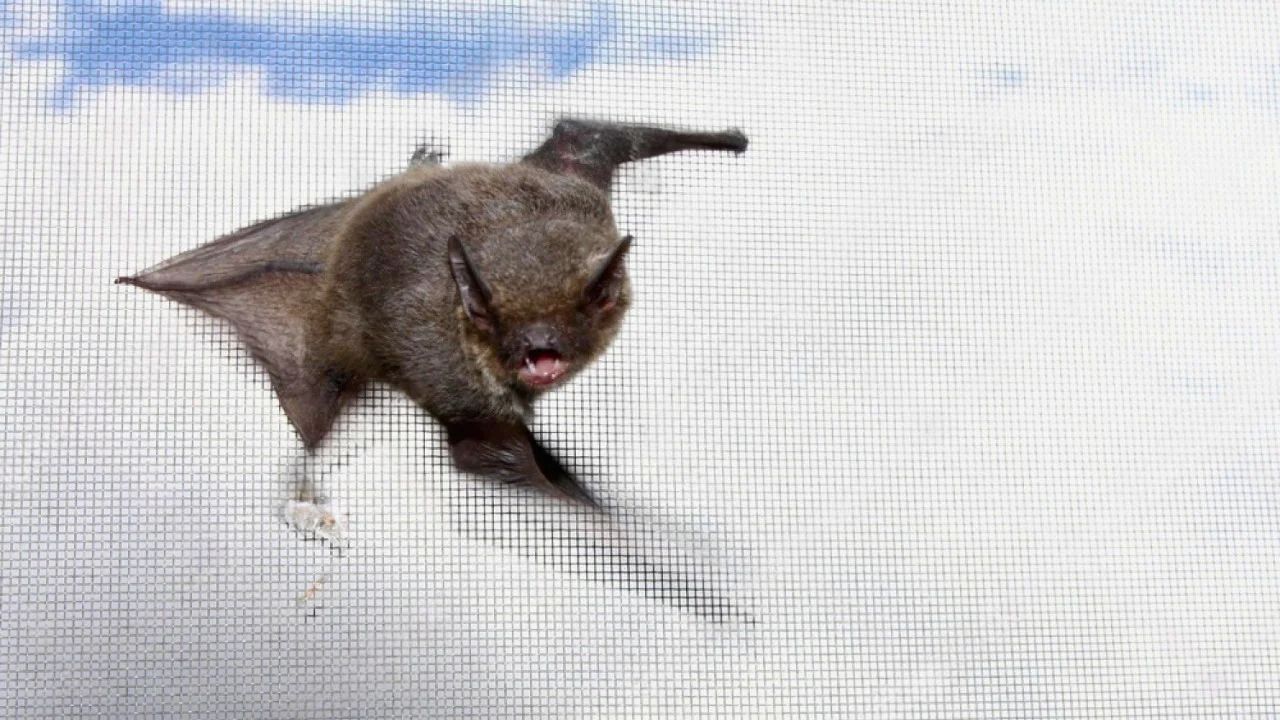
Stapling window screen over a vent feels like a quick solution. It usually fails, because bats can work around loose edges, and cheap screen tears in weather. Then you’re back where you started, except now the opening is uglier and harder to seal.
The exception is small, temporary screening used to confirm an entry point while you plan the real repair, as long as it’s secured well and checked daily. For a lasting fix, use proper hardware cloth or a bat rated vent cover, fastened into solid framing. If you’re not sure about timing, don’t guess, sealing at the wrong time of year can trap young bats inside and create a worse mess.
Once you’ve spotted a couple of these signs, take a breath and slow down. The smartest path is usually exclusion and sealing, not poisons and not trapping. If you’re dealing with a big colony, strong odor, or heavy guano, paying a licensed wildlife control pro is money well spent.
Like Fix It Homestead’s content? Be sure to follow us.