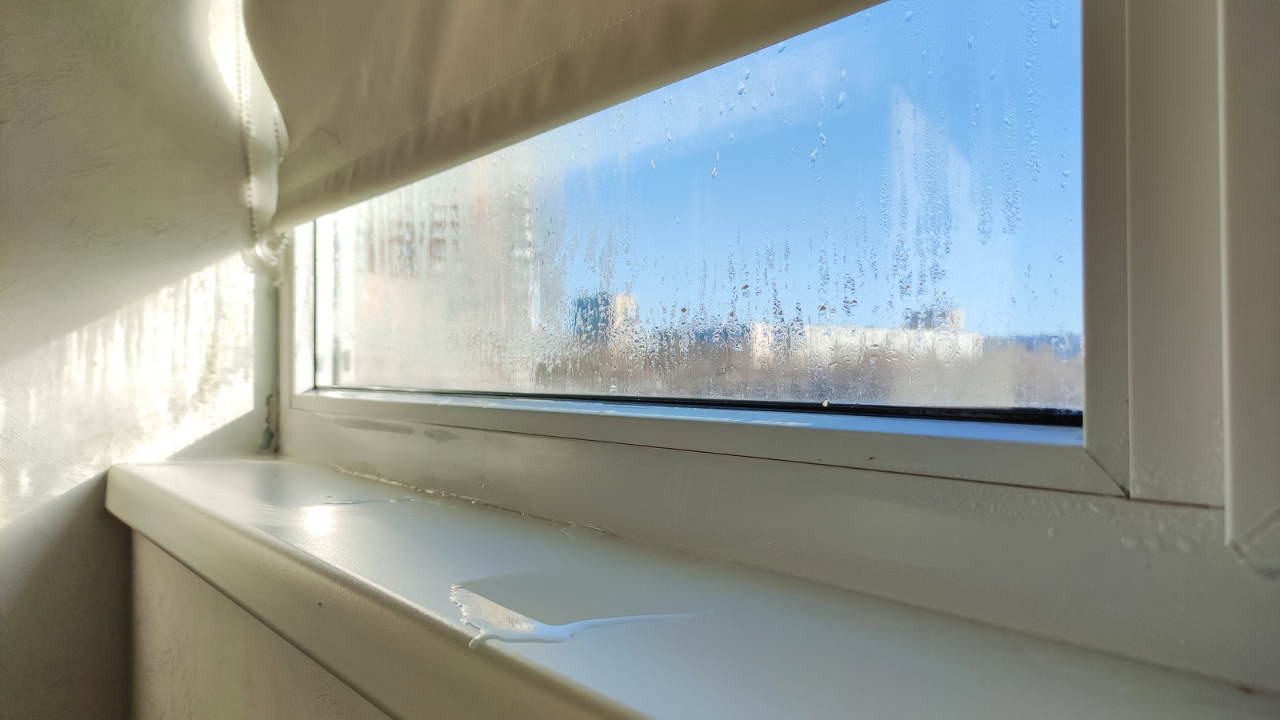
10 Signs Windows Are Costing You All Winter
Photo credit: MariaMiro/Shutterstock.com
Winter bills climb fast when your windows leak heat like an open door. You feel it as cold drafts, fogged glass, and rooms that never get comfortable. Some fixes take ten minutes and a tube of caulk. Others mean it’s time to stop patching and plan a replacement.
1. Drafts You Can Feel By Hand
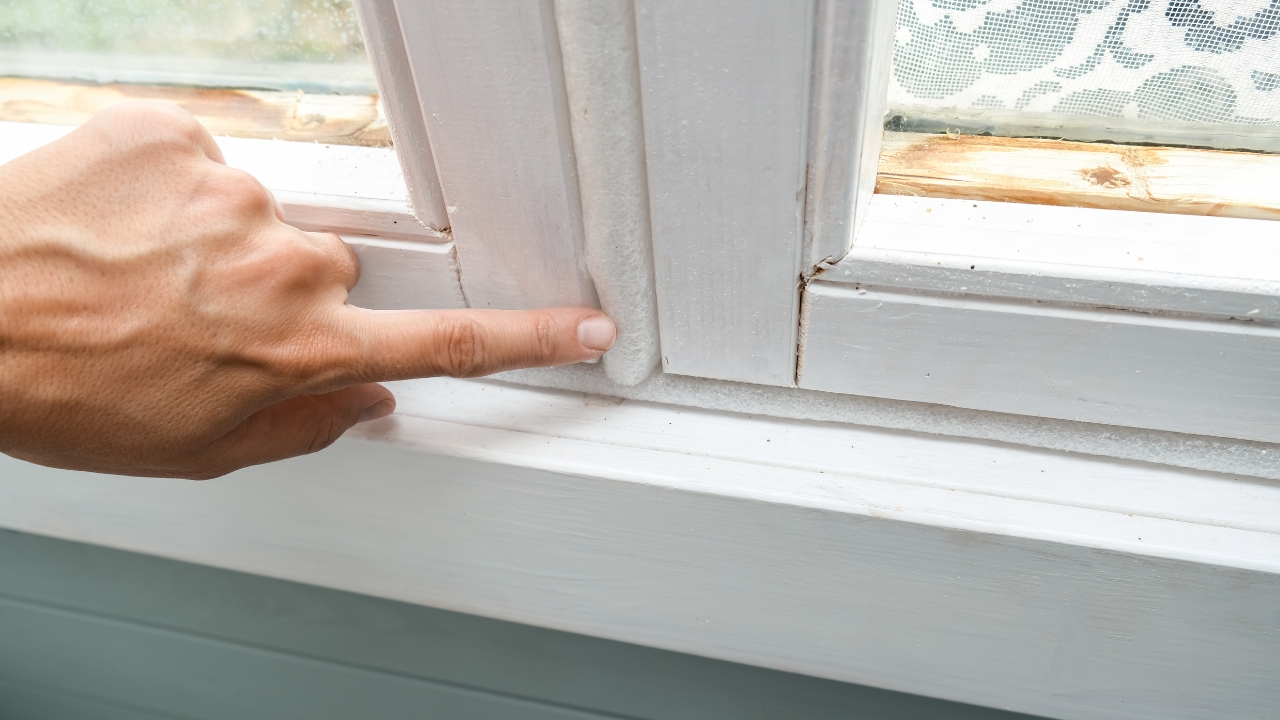
If you can stand by a window and feel cold air on your knuckles, you’re paying to heat the outdoors. This usually shows up on windy nights, and you’ll notice curtains moving or a cold stripe on the floor. Don’t guess, do a quick check with a lit incense stick or a thin strip of tissue and watch for movement along the frame and sash.
Start with the easy stuff: replace worn weatherstripping and add rope caulk or temporary shrink film for the season. Use a good exterior-rated caulk on the outside trim on a mild day, and stop if you see rotten wood that crumbles under a screwdriver. Rot and loose frames need real repair, not more goo.
2. Rattling Sashes When Wind Picks Up
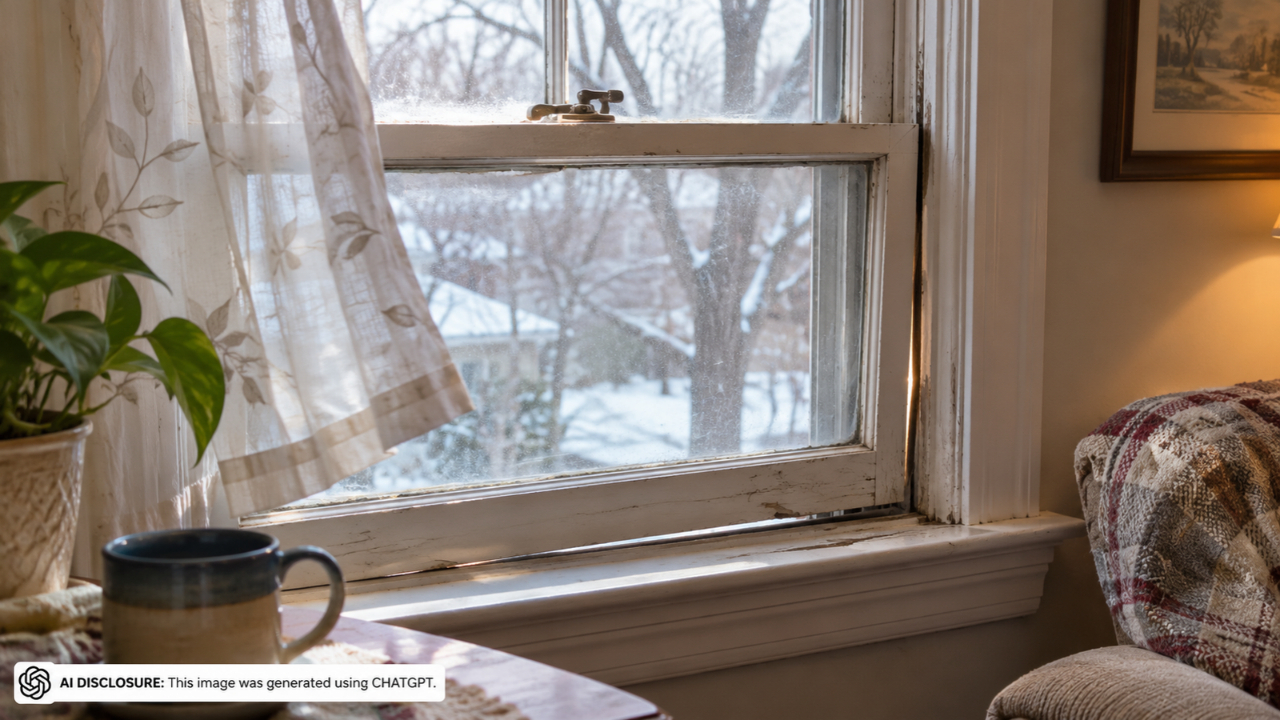
That tapping and rattling sound is the window telling you it’s loose. A loose sash doesn’t seal, so the furnace runs longer and longer. You also get extra wear on the tracks and locks, and the whole unit gets sloppier every season.
Check that the locks pull the sash tight, then look for worn sash guides, broken balances, or missing corner pads. Sometimes a simple adjustment and new weatherstrip is enough. If the sash won’t stay up, don’t wedge it with a stick all winter, replace the balance hardware so it seals properly.
3. Condensation Pooling On The Sill
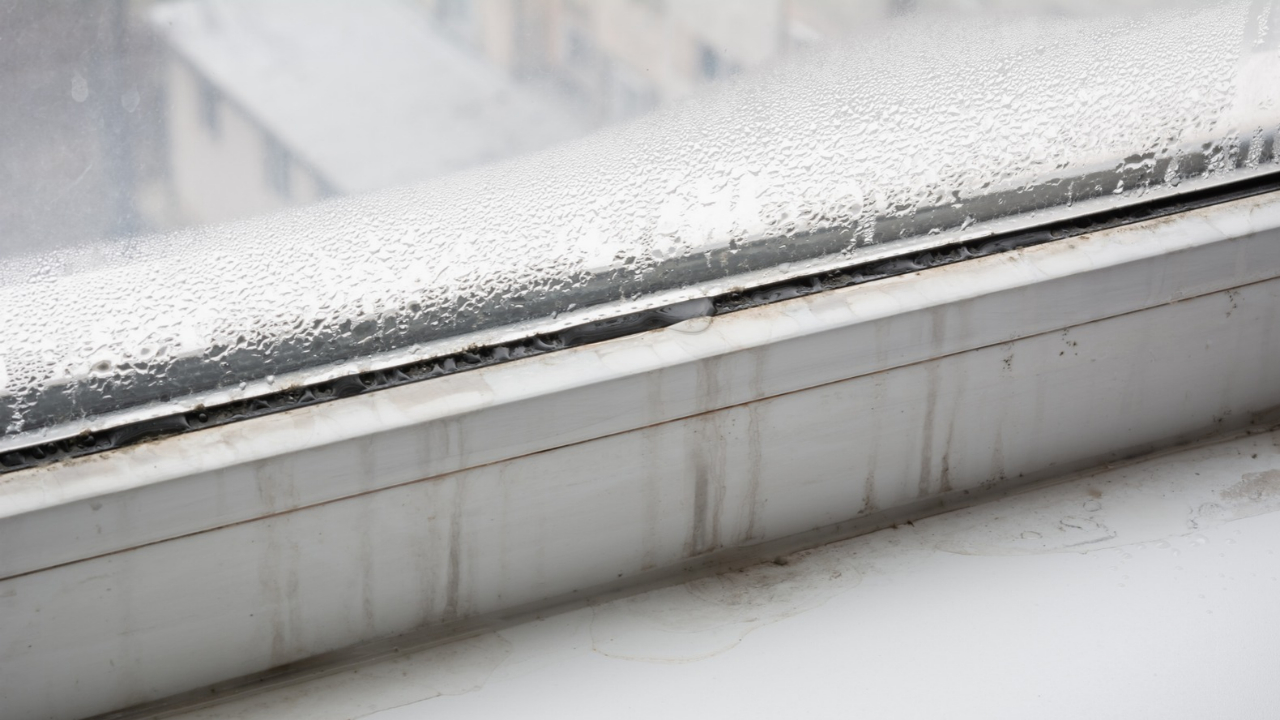
Water on the inside glass is a warning flag, even if the room feels warm. Some condensation is just high indoor humidity meeting a cold surface, but puddles on the sill mean you’re headed for peeling paint, swollen trim, and eventually mold in the casing.
First, deal with moisture sources: run bath fans, use the range hood, and vent a dryer outdoors. Then look at airflow and window temperature. Heavy curtains pressed tight against the wall can trap cold air and make condensation worse, so leave a gap at the bottom or pull them back during the day.
4. Foggy Glass Between Double Panes
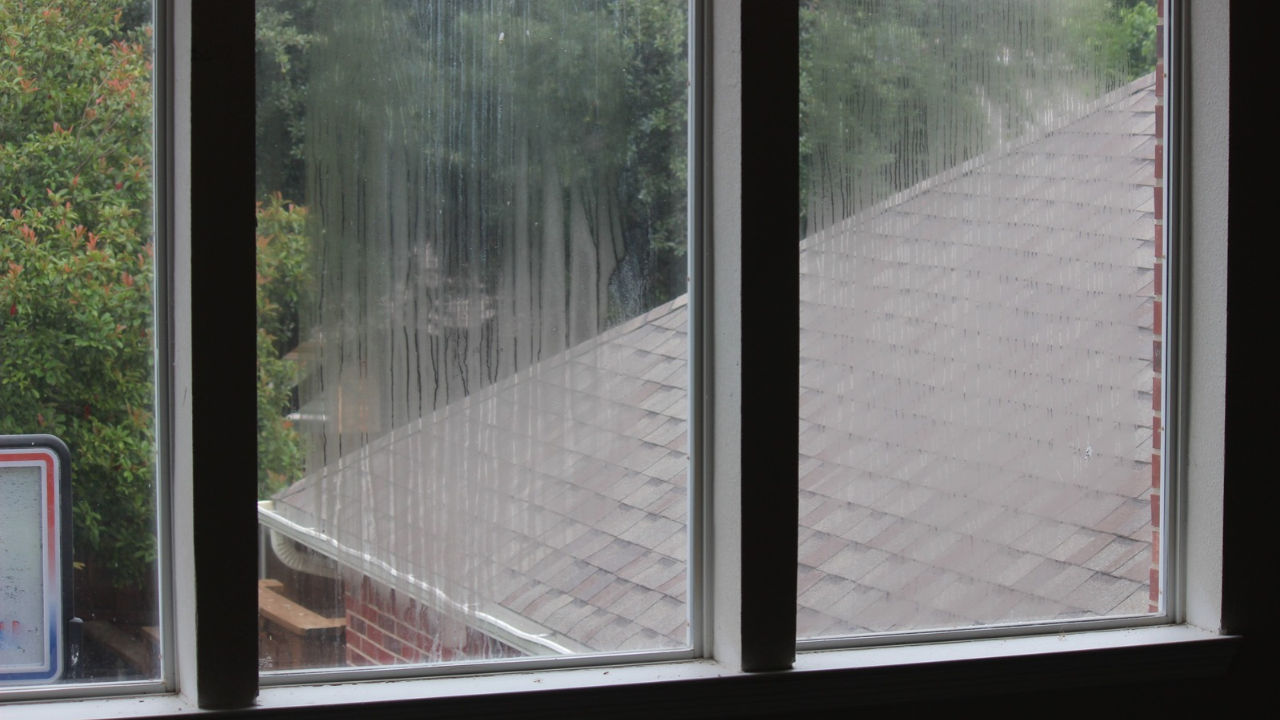
If the haze is inside the sealed unit and you can’t wipe it off, the seal is blown. That gas fill is gone and the spacer is leaking, so the window insulates like a cheap single pane. It’s not an emergency, but it is steady wasted heat all winter.
Some windows let you replace only the insulated glass unit instead of the full frame. Call a local glass shop with the window size and any etching in the corner of the glass. If the frames are also drafty or rotten, put the money toward full replacement instead of feeding a half-fix.
5. Exterior Caulk Cracked Or Missing
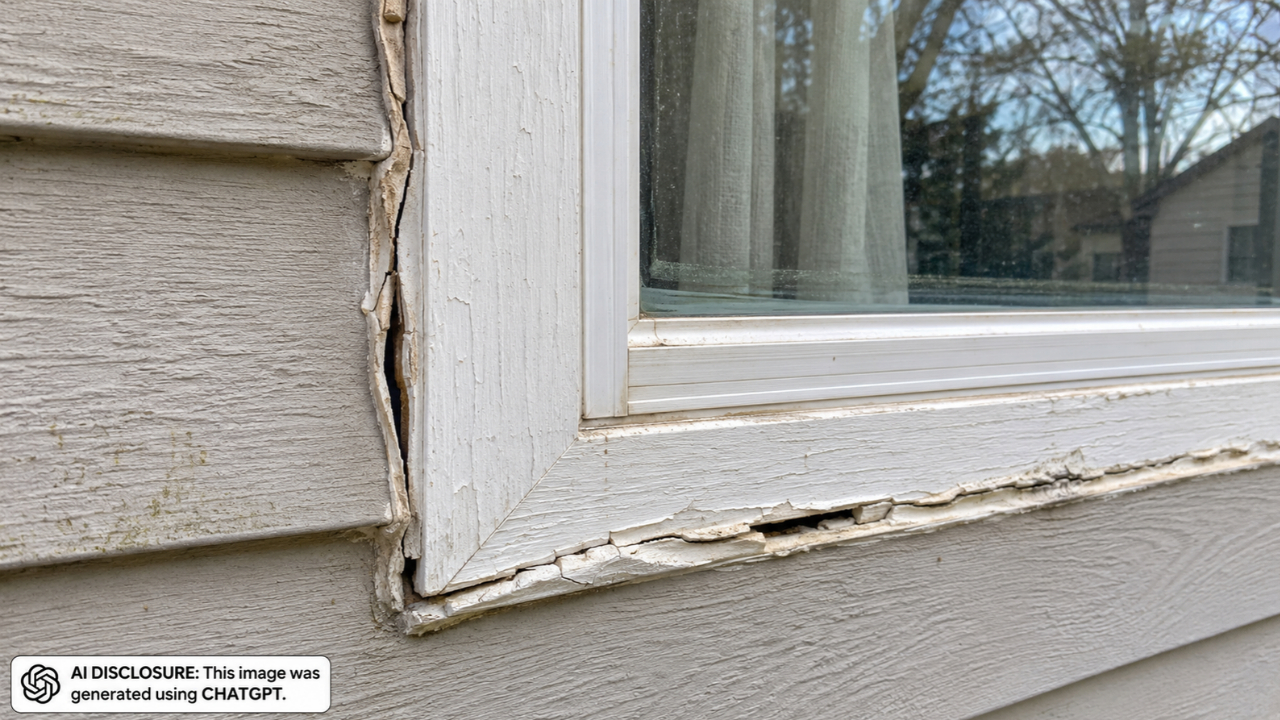
People love to caulk the inside because it’s warm and easy. Most of the air and water trouble starts outside, where sun and freeze-thaw cycles split old caulk and open up tiny gaps. Those gaps pull cold air in and can also push water into the wall when wind-driven rain hits.
Pick a mild, dry day and scrape out loose caulk with a putty knife, then apply an exterior-rated paintable sealant. Don’t caulk over weep holes or drainage paths in modern windows, they’re there for a reason. If you’re not sure what you’re looking at, take photos first so you don’t seal the window shut.
6. Loose Storm Windows Or Missing Panels
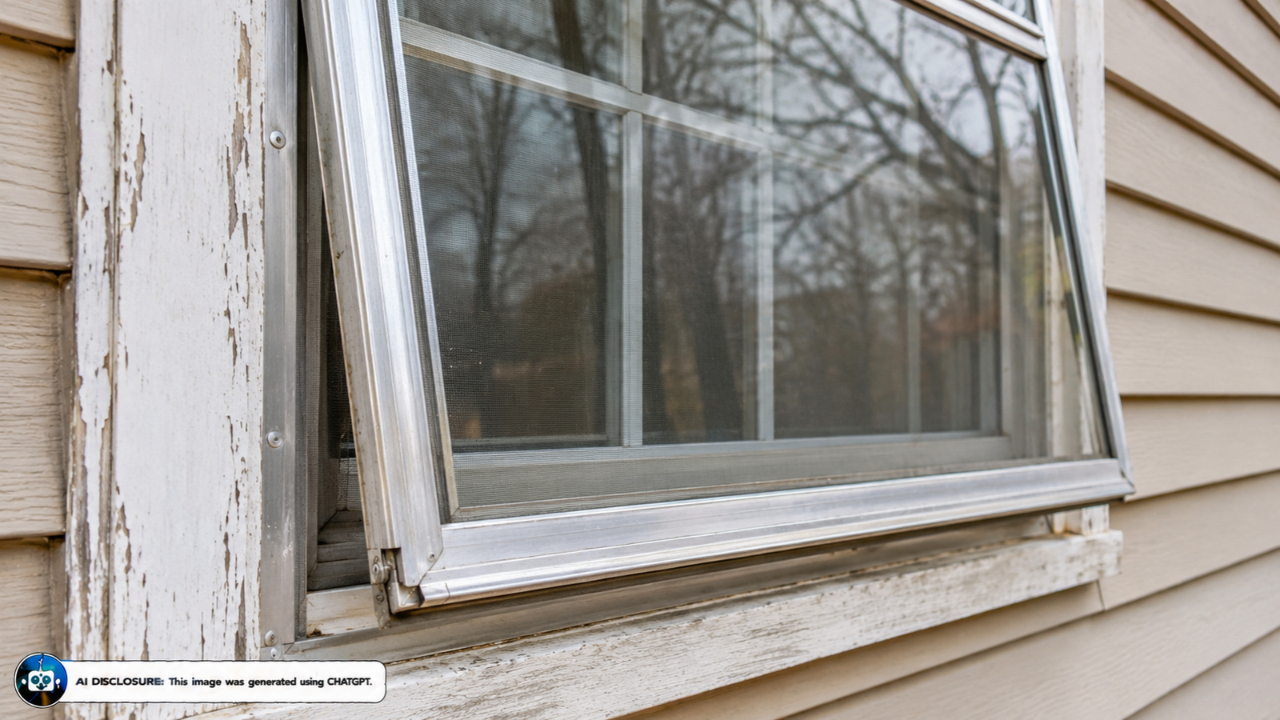
Storm windows get ignored until one is rattling at 2 a.m. A loose storm creates an air pump effect that steals heat, and it can rub paint off the main window frame. Missing panels are worse. That dead air space is part of the insulation.
Tighten the fasteners, replace cracked clips, and add new foam tape where the storm meets the frame. Clean the tracks so it seats flat. For older homes, a well-fitted storm window is a perfectly fine “cheap option,” even compared to some budget replacement windows.
7. Shrink Film Pulling Off Midseason
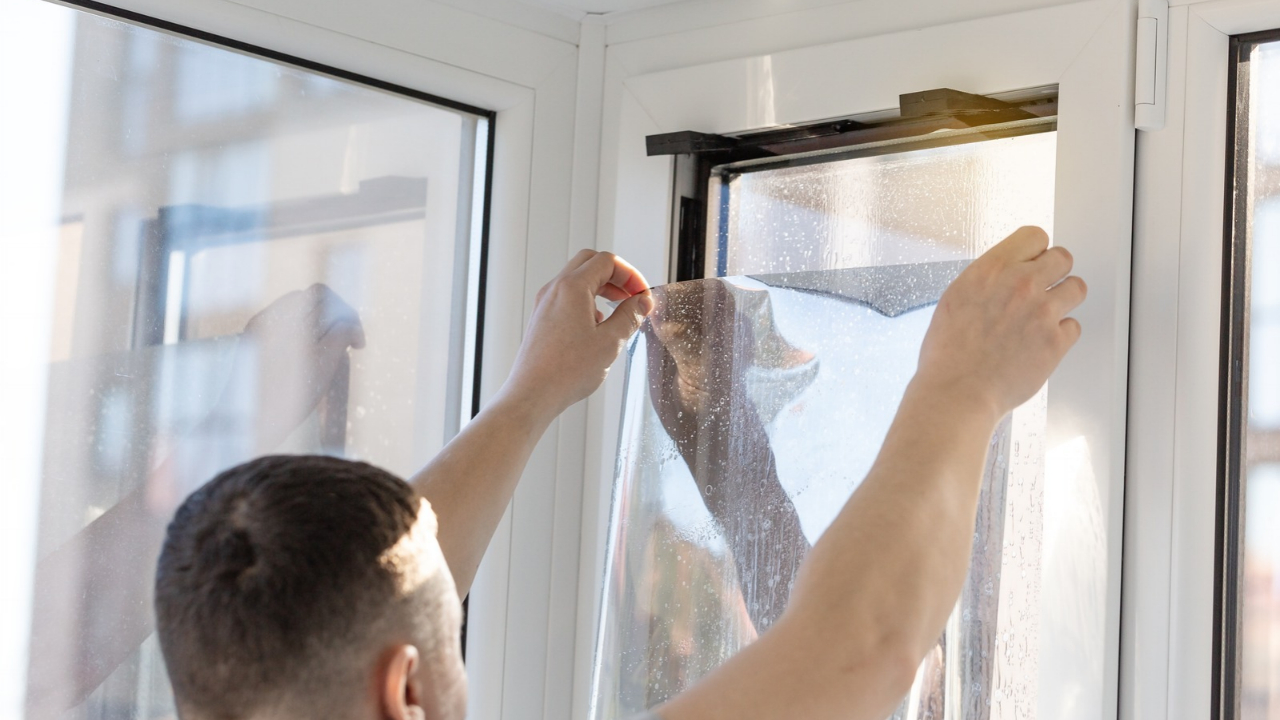
Plastic film works, but only when it’s installed right and the window surface is clean. If it starts peeling in January, you end up with drafts and a flapping sheet that drives you nuts. It also traps dust and can pull at loose paint around old trim.
Wipe the frame with rubbing alcohol, let it dry, then use fresh double-stick tape and a hair dryer to tighten it. Don’t use film on windows you need for emergency exit. In bedrooms, keep at least one window clear and working.
8. Blinds And Curtains Making Cold Pockets

Heavy drapes can help, but they can also backfire. If they hang tight to the wall and cover the baseboard heater or supply register, they block warm air from washing the glass. The window stays colder, condensation increases, and the room still feels chilly.
Shorten or tie back curtains near heat sources and open them on sunny days to grab free heat. Cellular shades usually insulate better than thin metal blinds. If you rent and can’t swap windows, this is one of the best comfort fixes you can do without tools.
9. Frost Forming On The Inside Corners
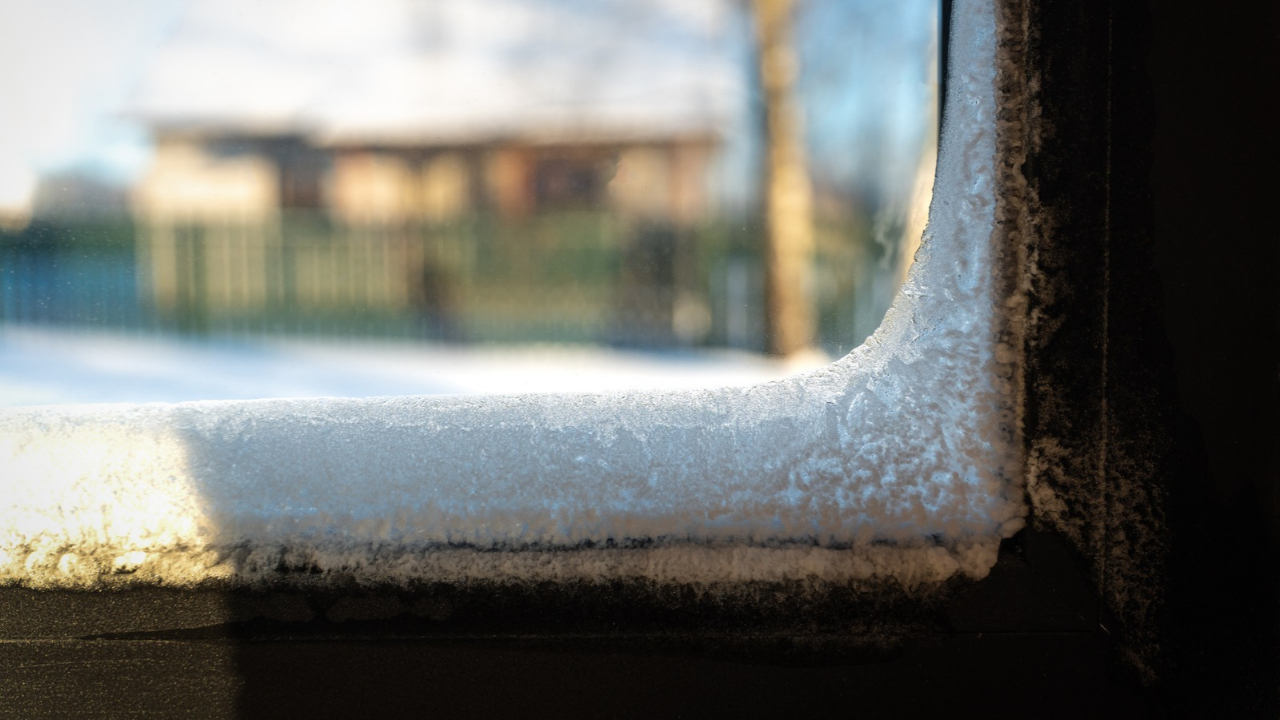
Inside frost is a sign the surface is very cold, and the moisture in the air is freezing on contact. You’ll see it first in corners and along the bottom edge. Leave it long enough and the thaw can soak the sash and trim.
Lower indoor humidity a bit, and look for air leaks around the casing. Pop off interior trim only if you know what you’re doing, because you can wreck plaster or drywall fast. If you find empty gaps around the rough opening, low-expansion foam made for windows and doors can help, but don’t overfill and bow the frame.
10. Paint Peeling And Wood Soft Around Frames
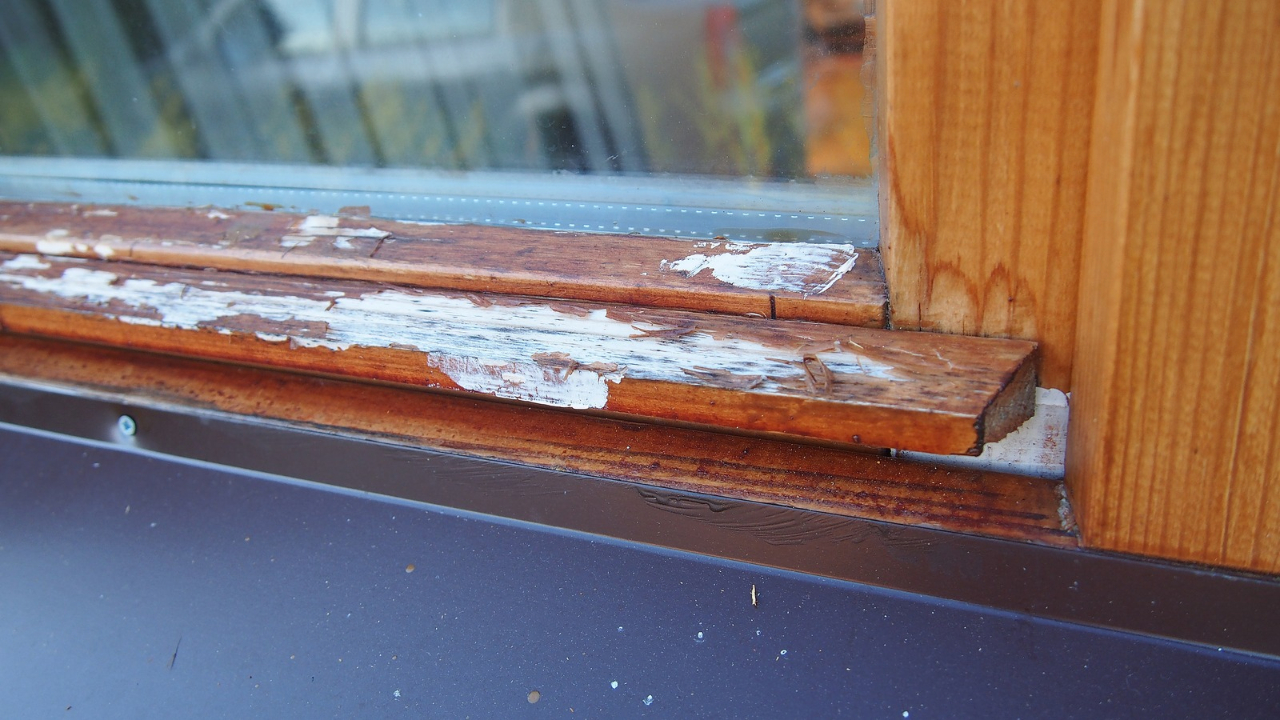
Peeling paint is not just ugly. It often means water has been getting in, then freezing, then breaking things apart a little more every year. Once wood gets soft, the window won’t stay square, locks won’t pull tight, and drafts get worse no matter how much weatherstrip you add.
Poke suspect spots with an awl or screwdriver. If it sinks in, you’re past simple caulk and into carpentry. Small sections can be repaired with epoxy and new trim, but widespread rot or sagging frames are a replacement job, and it’s worth paying a qualified installer so the new unit gets flashed and sealed right.
If you tackle just one window on a cold, windy day, you’ll learn fast what’s been wasting heat. Seal the simple gaps now, control moisture so you don’t rot out the frames, and plan bigger repairs before the next deep freeze hits. A warm house is a lot easier to manage when the windows are doing their share.
Like Fix It Homestead’s content? Be sure to follow us.