10 Things No One Warns You About Living on Land
Photo credit: BearFotos/Shutterstock.com
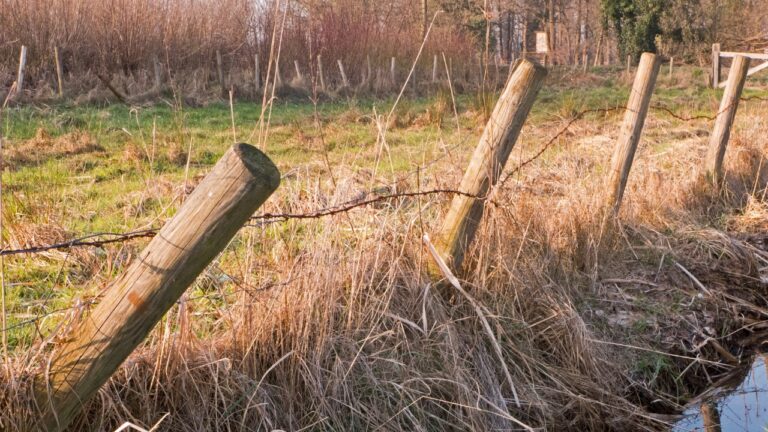
There’s something satisfying about leaving town and setting up on your own land—but there’s also a lot people don’t talk about. Everyone shows the sunset views and quiet nights. They don’t mention the surprises, struggles, or adjustments you’ll make once the new wears off. Here’s what most folks leave out.
Nature Will Try to Move In
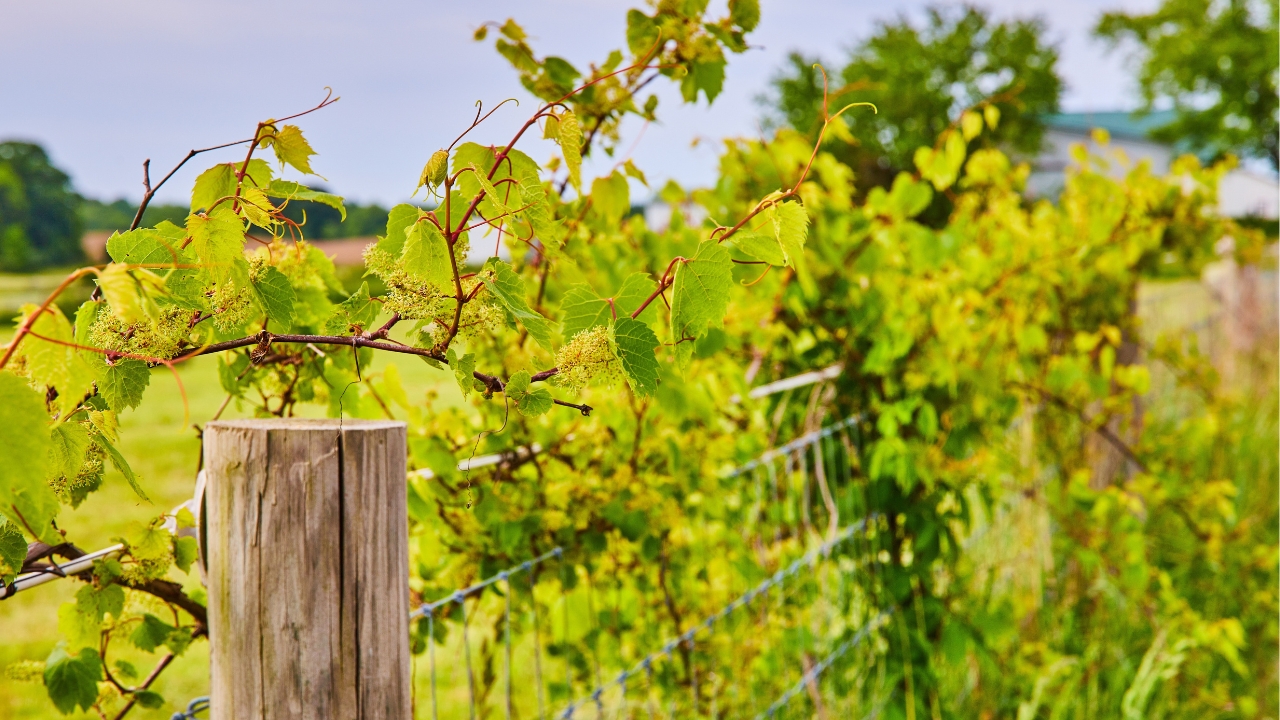
Animals, bugs, and plants all think your land belongs to them. Mice sneak into walls. Wasps build under eaves. Vines choke out fences. If you don’t stay ahead of it, nature takes over fast.
Living on land means fighting back regularly. You’ve got to learn what to spray, trap, cut, or block—or you’ll spend all season playing catch-up.
Delivery Is a Headache

You don’t realize how much you rely on quick deliveries until they stop showing up on time. Out here, the post office might not even come to your house—and good luck getting same-day anything.
You’ll learn to plan better, buy in bulk, and make fewer trips to town. It’s manageable—but it’s a real shift if you’re used to city convenience.
Every Job Is Bigger Than It Looks

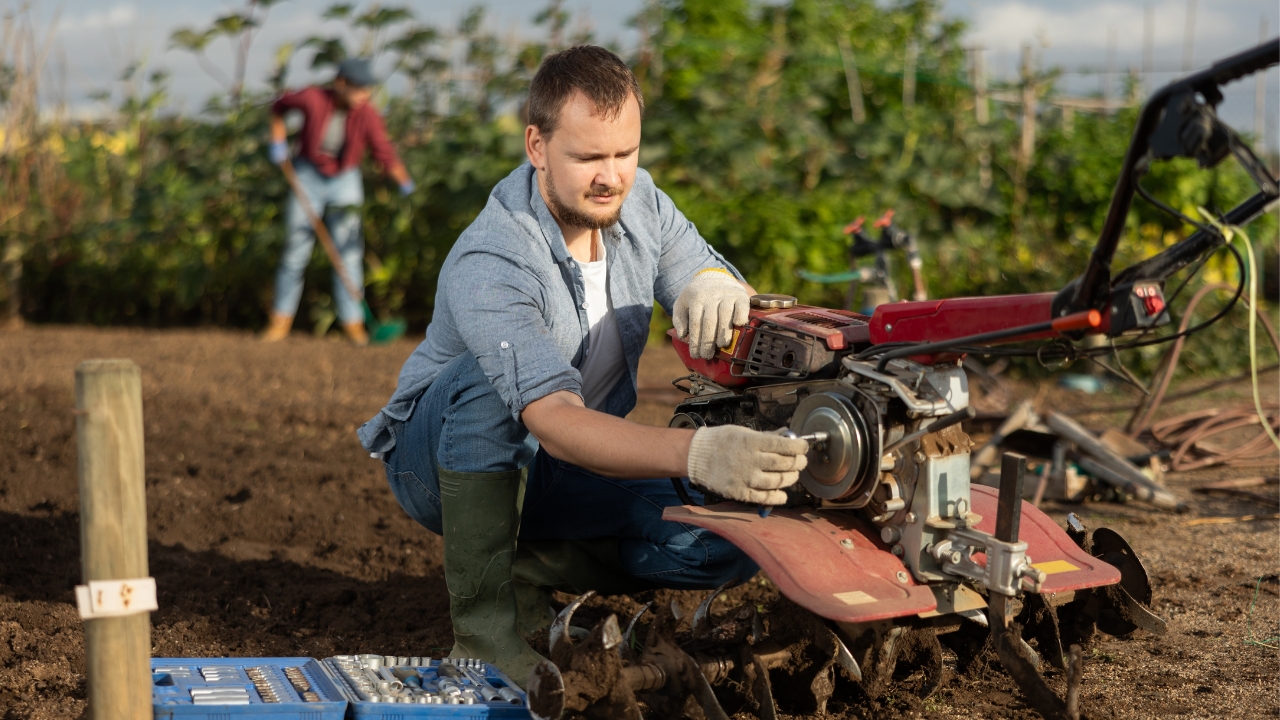
Need to clear brush? Move dirt? Build a gate? It always takes longer than you think. Living on land means most things are manual, and you’ll do a lot of learning the hard way.
You’ll need tools you’ve never owned and strength you didn’t have. The work gets done—but you better respect the size of the job before starting.
Dust and Mud Become Normal
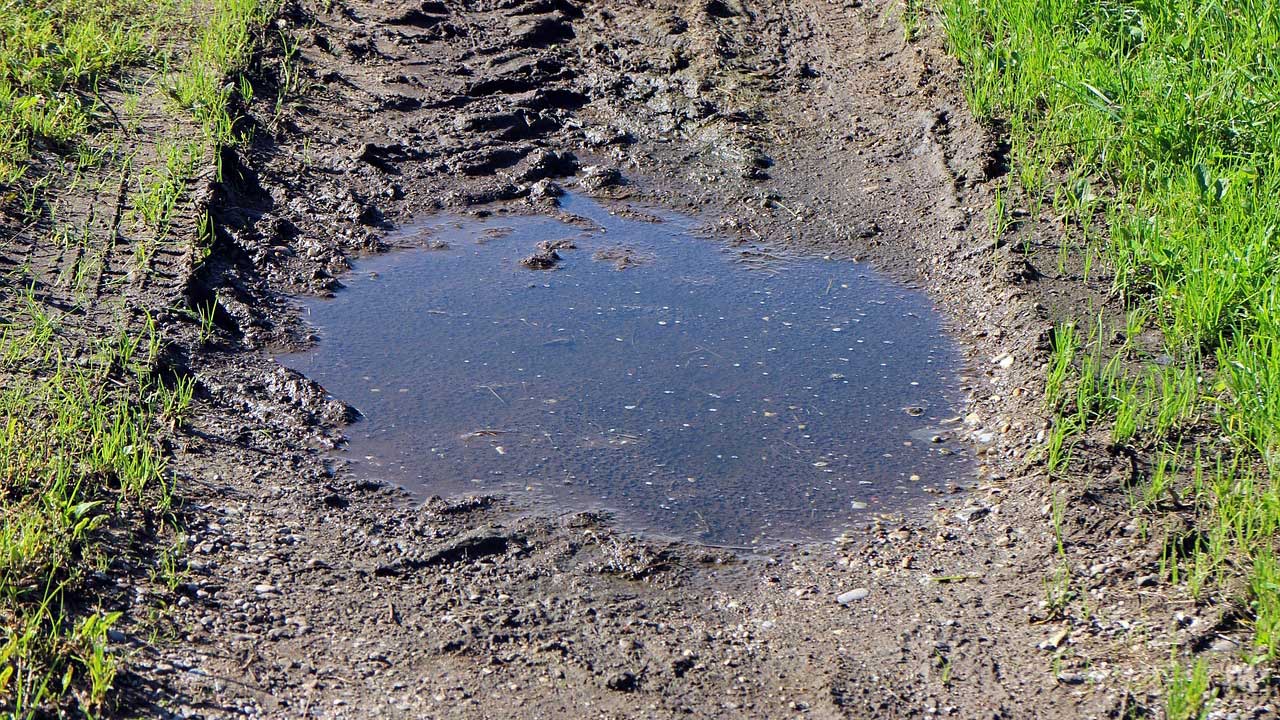
Dry season coats everything in dust. Wet season turns your driveway to soup. There’s rarely an in-between, and your house will track both in constantly.
You’ll wear out brooms, mops, and boots like never before. It’s part of the deal—and worth it—but you won’t stay clean for long.
Cell Service Might Disappear

If you haven’t checked, don’t assume your phone will work once you move. Plenty of rural areas have dead zones, and that means no texts, no calls, no maps.
You’ll probably need a signal booster or landline. And if you work from home, get your internet options nailed down before moving.
Projects Never End
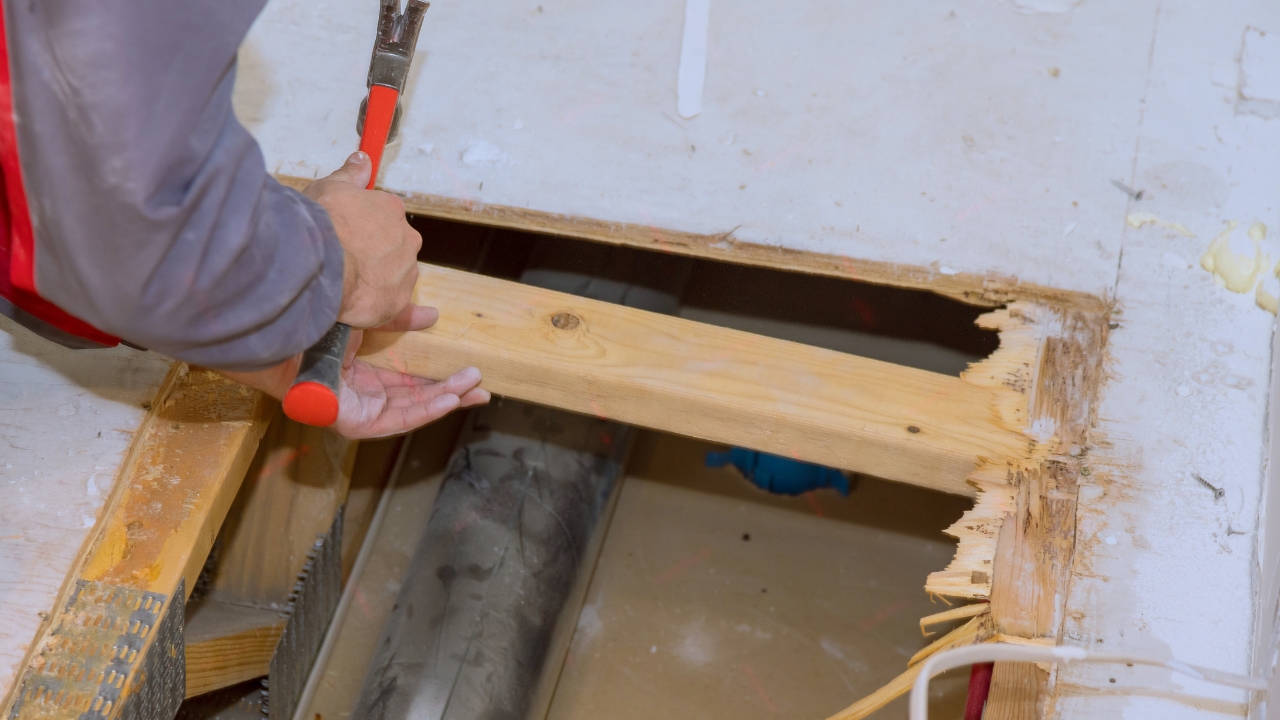
There’s always something that needs fixing, building, moving, or upgrading. You don’t finish living on land—you maintain it constantly.
That can be satisfying or overwhelming, depending on your mindset. If you like staying busy, you’ll thrive. If you need everything perfect, you’ll struggle.
Neighbors Are Far—But Still Matter

You might not see them often, but you still need good neighbors. When something breaks, you’re stuck, or you need a second set of hands, neighbors can be the difference between stuck and saved.
Introduce yourself early. Help when you can. You don’t need to be best friends—but you don’t want to be strangers either.
You’ll Need to Learn Skills Fast
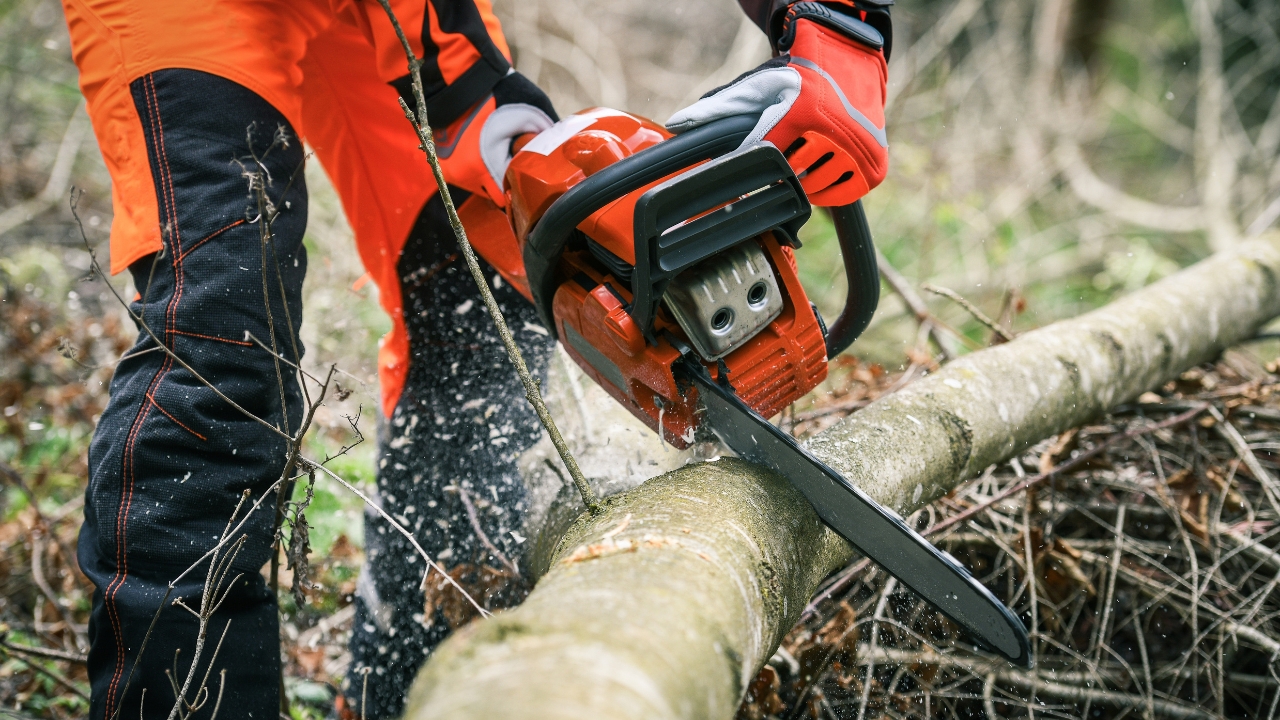
Plumbing, wiring, fencing, chainsaw use, animal care—it all hits fast. You can’t call a specialist for everything, and you won’t want to pay their travel fees.
The sooner you learn to DIY, the better off you’ll be. YouTube helps, but trial and error teaches real fast out here.
Trash Is Your Problem Now

Forget curbside pickup. Most rural properties either haul trash to the dump or burn it. You’ll need a plan for both household waste and animal mess.
Buy a good trash trailer, set up a burn barrel, or schedule your dump runs. If you don’t stay on top of it, it piles up fast.
You’ll Learn What You’re Made Of
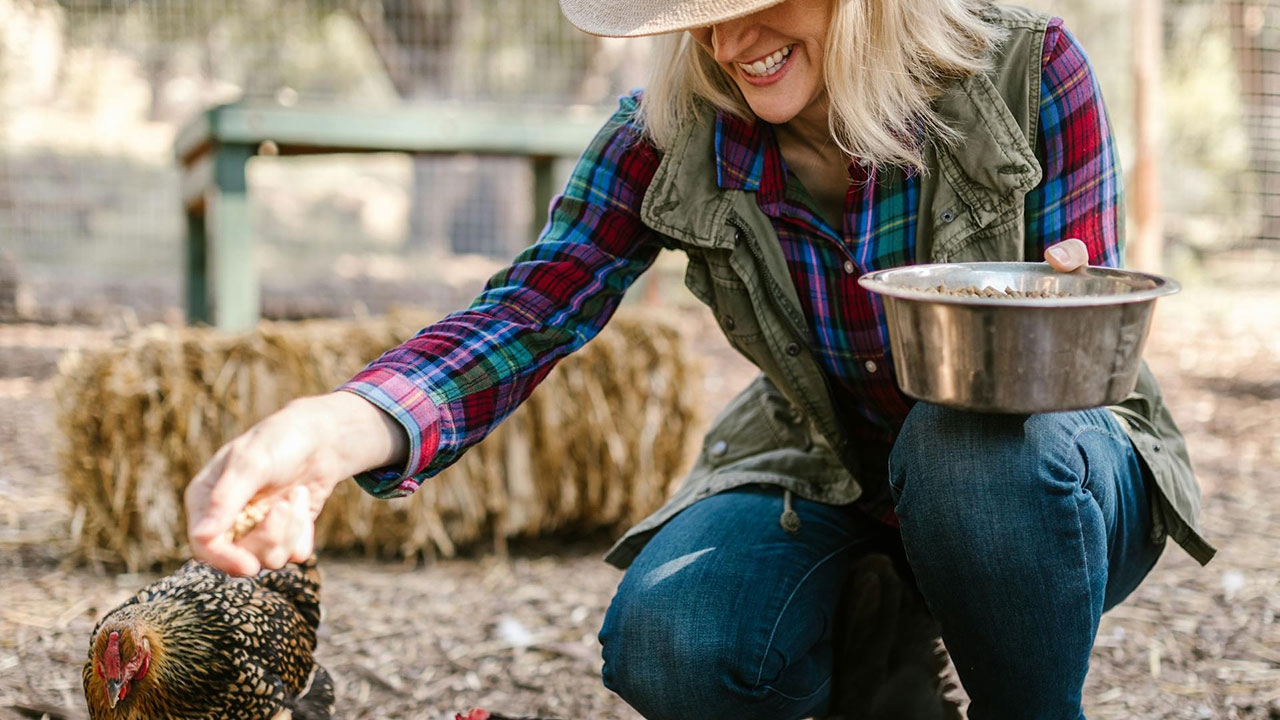
Living on land reveals a lot. It tests your patience, grit, creativity, and work ethic. It’ll stretch you and reward you in ways you didn’t expect.
It’s not always easy, but if you stick with it, it’ll shape you for the better. You’ll walk different. Think different. Live different.
*This article was developed with AI-powered tools and has been carefully reviewed by our editors.
Like Fix It Homestead’s content? Be sure to follow us.