10 Things People Give Dogs in Winter That Cause Problems
Photo credit: sophiecat/Shutterstock.com
Cold weather changes what your dog needs and what your house can handle. A lot of winter “treats” are really just quick fixes that backfire, like soggy beds, upset stomachs, ruined paws, and chewed-up gear. Most of the trouble comes from good intentions and bad materials.
1. Extra Food Like It’s A Free-For-All
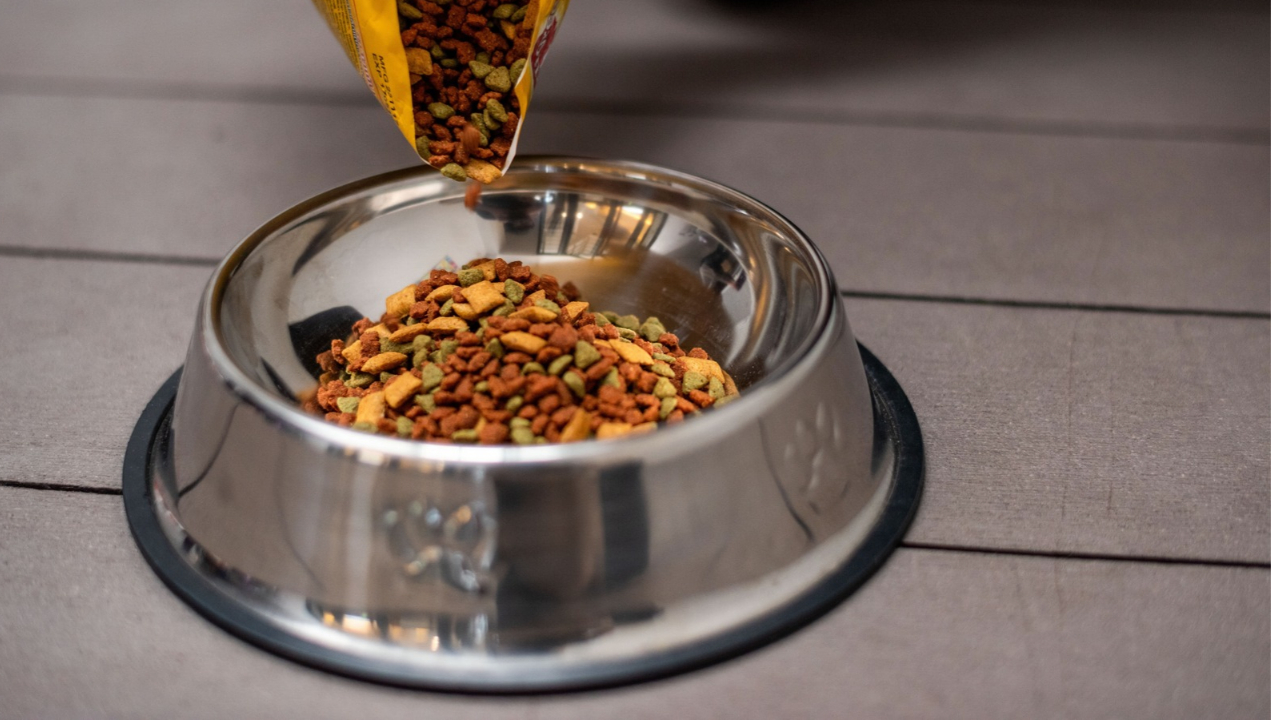
When it gets cold, people start “helping” by heaping on extra kibble, extra treats, and table scraps. The problem shows up fast, sloppy stools in the yard, gas in the house, and weight gain that sticks around long after snowmelt.
If your dog truly spends long hours outside working or hiking, a bump in calories can make sense. For a couch dog that just does quick potty trips, it’s wasted feed and extra strain on joints. If you want to give more, do it slowly, keep portions measured, and ask your vet about winter activity needs instead of guessing.
2. Table Scraps And Greasy Holiday Leftovers
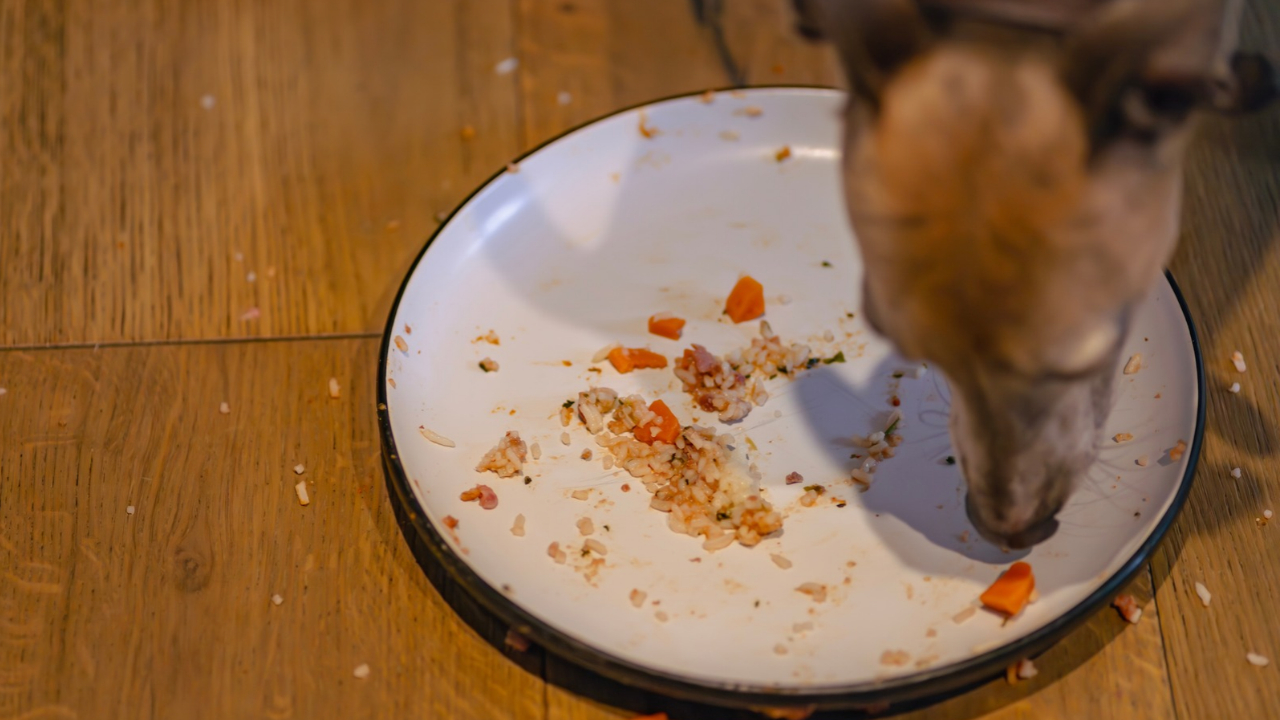
Winter is casserole season, and dogs get the “good stuff.” Fatty trimmings, gravy, rich meats, onions, and sweet baked goods turn into a late-night mess on your floors or a call to the vet.
Keep a scrap container with a lid, and don’t set the “bone bowl” on the counter where it’s easy to cave. If you want to share, stick to plain, unseasoned meat in small bites, or use a portion of their regular food as the treat so you’re not stacking calories.
3. Rock Salt And Ice Melt On Paws
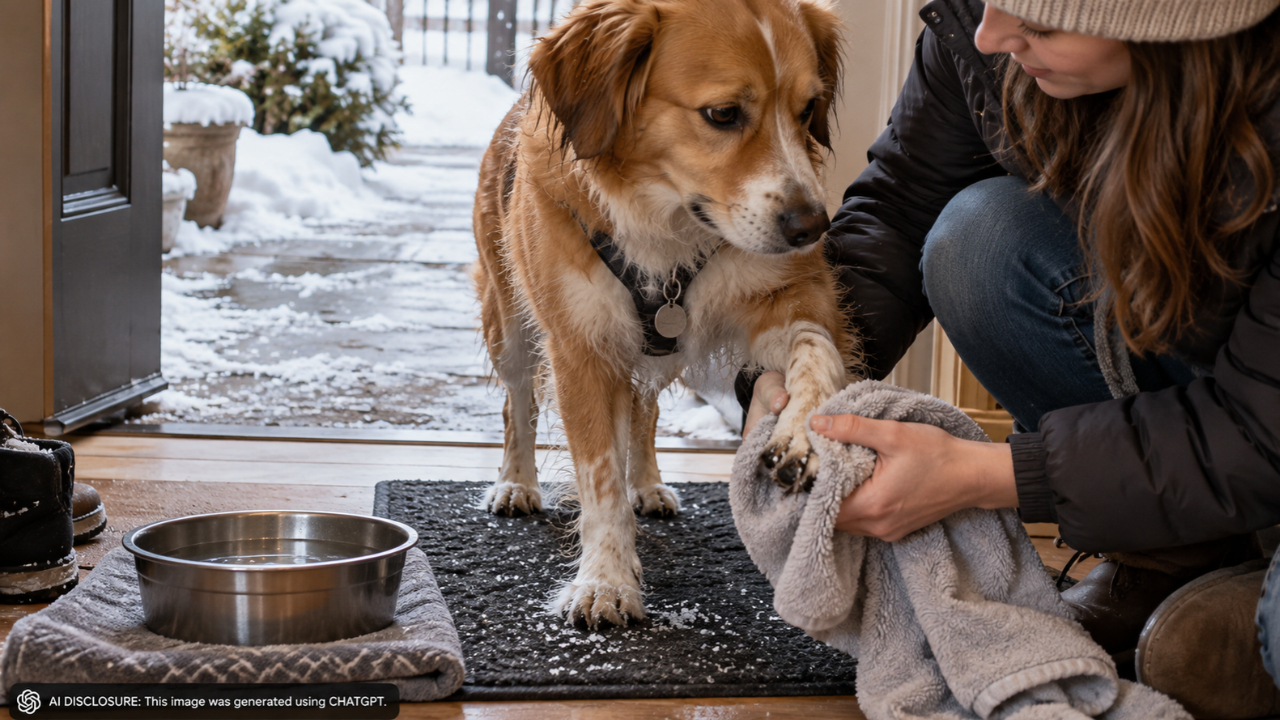
The walk feels fine until the licking starts. Rock salt and many ice melts burn between toes, crack pads, and end up in the gut when your dog cleans their feet.
Switch to pet-friendlier deicers where you control the surface, like your porch, steps, and your own walkway. On public sidewalks, use booties if your dog will tolerate them, or at least rinse paws with lukewarm water at the door and towel dry, especially between toes. If you spread any melt, sweep up the extra so it’s not a crunchy buffet.
4. Cheap Booties That Rub Raw Spots
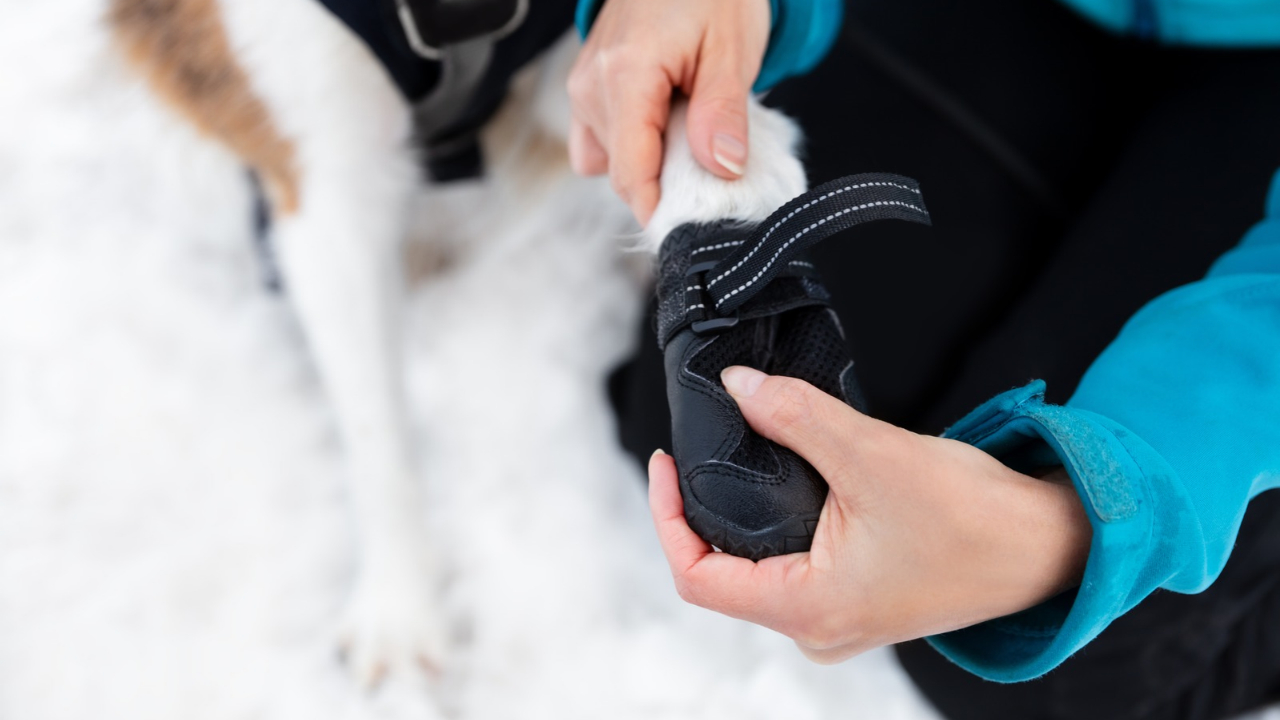
Those bargain bin booties look smart until you find a sore ankle or a torn dewclaw. Poor fit slides around, traps snow balls, and turns a normal walk into a limp.
If you’re going to do boots, measure paws and buy ones that actually tighten above the paw, not just around it. Check for rubbing after the first short walk, then again after a longer one. The honest exception is that some dogs hate boots and fight them hard, for them, paw wax plus quick rinses can be the better choice.
5. Scented Paw Balms And Human Lotion
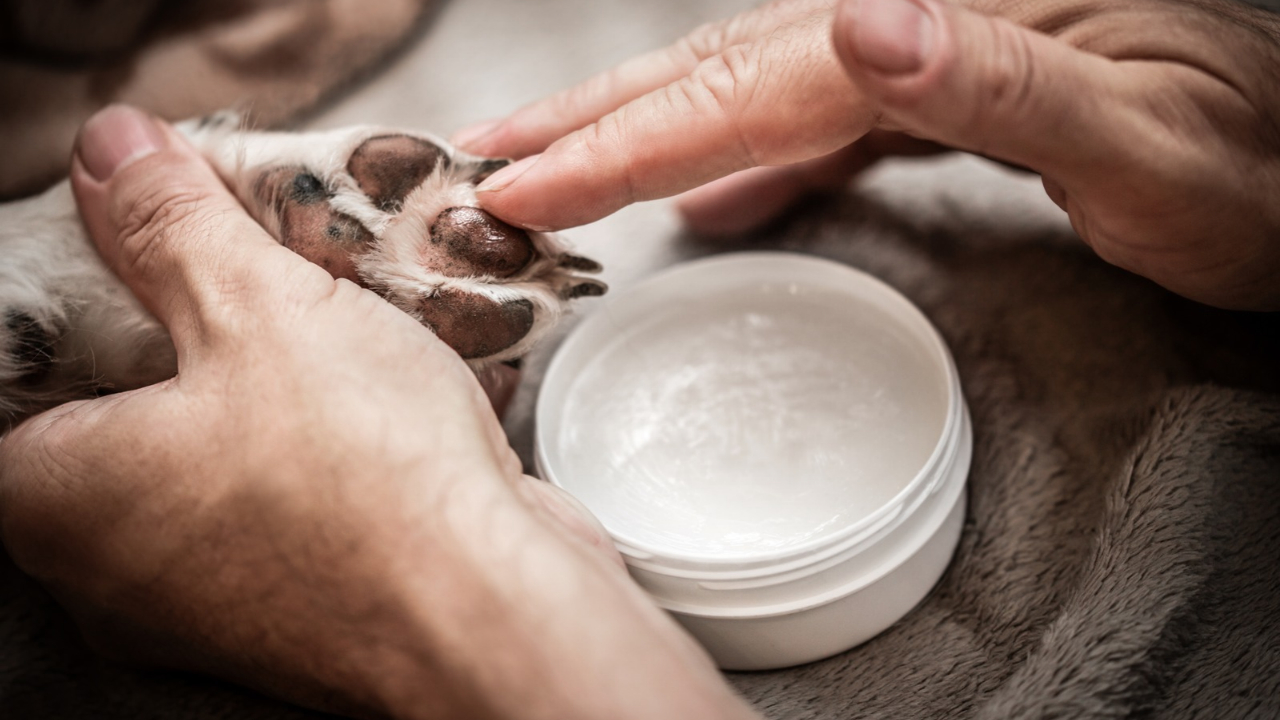
Dry air and salted sidewalks make people reach for whatever is under the sink. Human lotions and strongly scented balms get licked off fast, and some leave paws slick on hardwood or icy steps.
Use products made for paws, or keep it simple with plain petroleum jelly used sparingly right before you head out, then wiped off when you come back in. If pads are cracked, you’re better off shortening walks on treated surfaces and rinsing feet than smearing on more goop and hoping it holds.
6. Space Heaters Aimed At Dog Beds
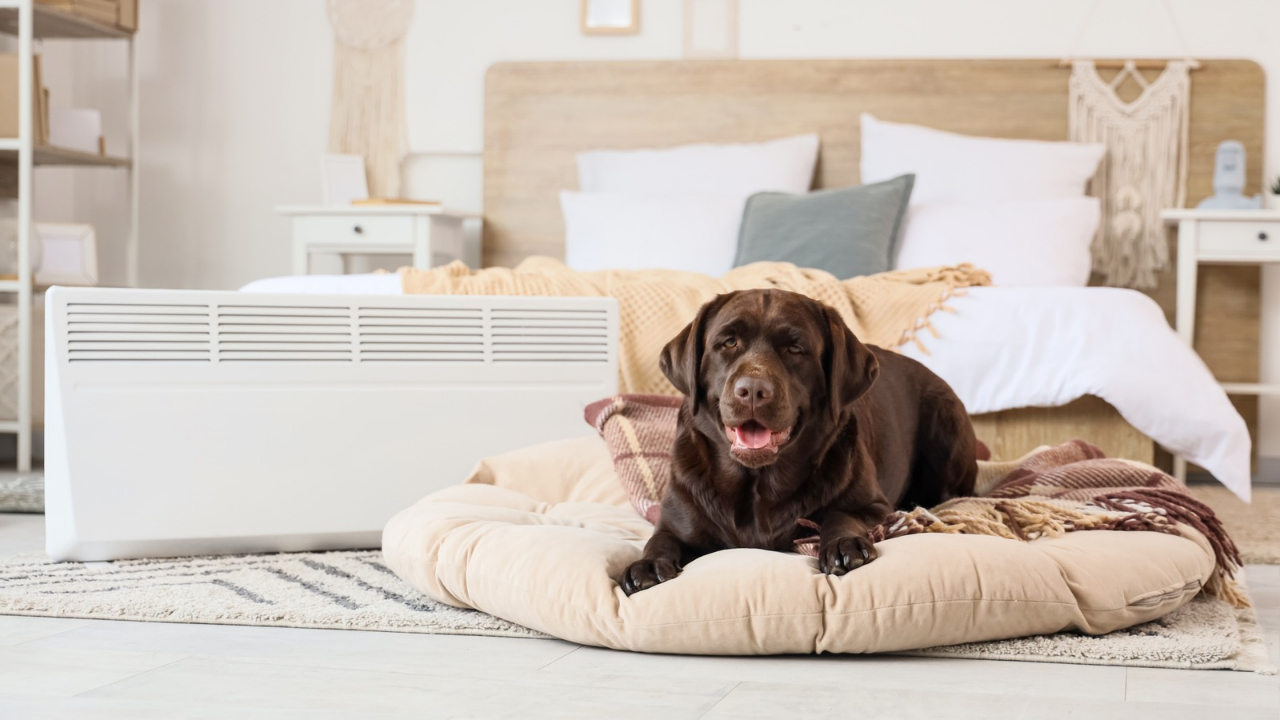
A cold floor makes you want to park a space heater right next to the dog bed. That’s how you get scorched bedding, melted plastic, or a chewed cord, plus a heater full of hair and dust that starts to smell burnt.
Move the bed off concrete with a platform or a thick mat, and block drafts with a door sweep or rolled towel. If you use a heater at all, keep clearance, use one with tip-over protection, plug it straight into the wall, and keep cords out of reach. If your outlets run hot or the breaker trips, stop and have an electrician look at it.
7. Electric Heated Mats Without A Plan
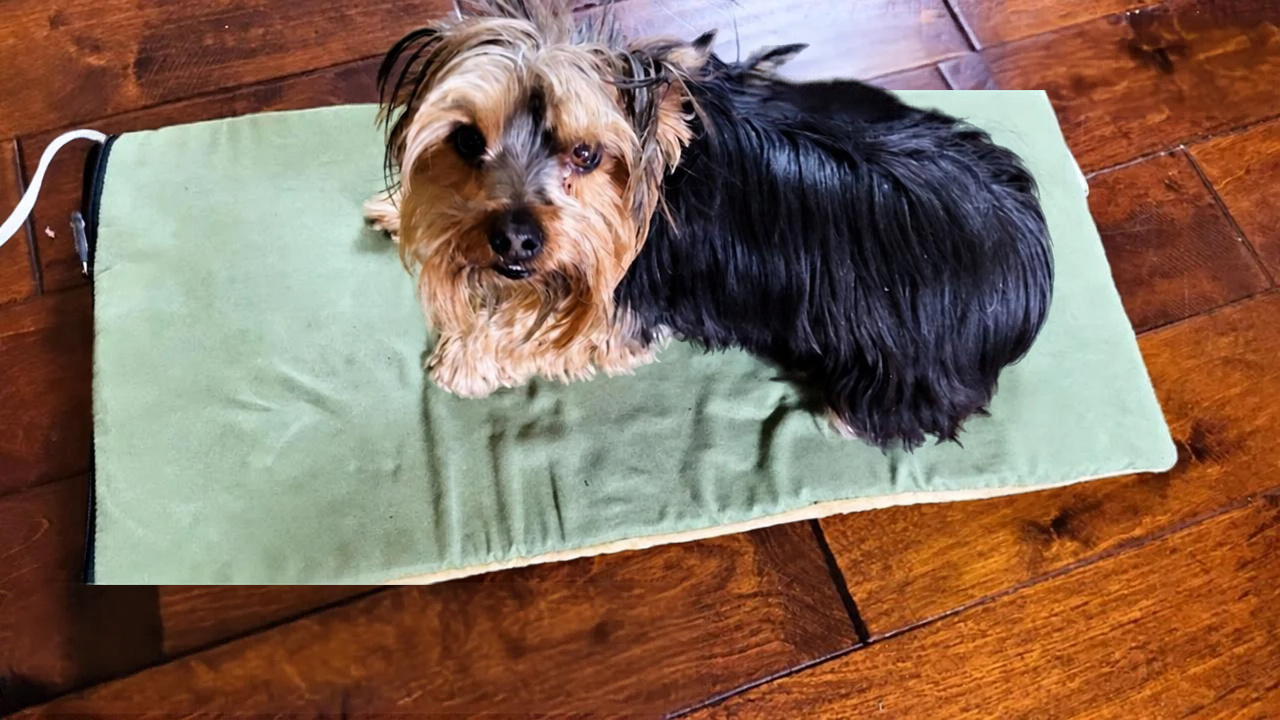
Heated pet mats sound practical, but winter is when they get used hard and watched the least. Dogs dig at them, chew corners, or drag them until the cord is tight, then you’re shopping for a new mat or worse.
If you go this route, buy a mat made for pets, check the cord daily, and run it where teeth can’t get to it. Don’t stack blankets over a heated mat unless the manufacturer says it’s fine, heat buildup is real. Outdoors, you’re usually better off with a thick, dry bed and wind block than any plug-in setup.
8. Wet Blankets That Never Fully Dry
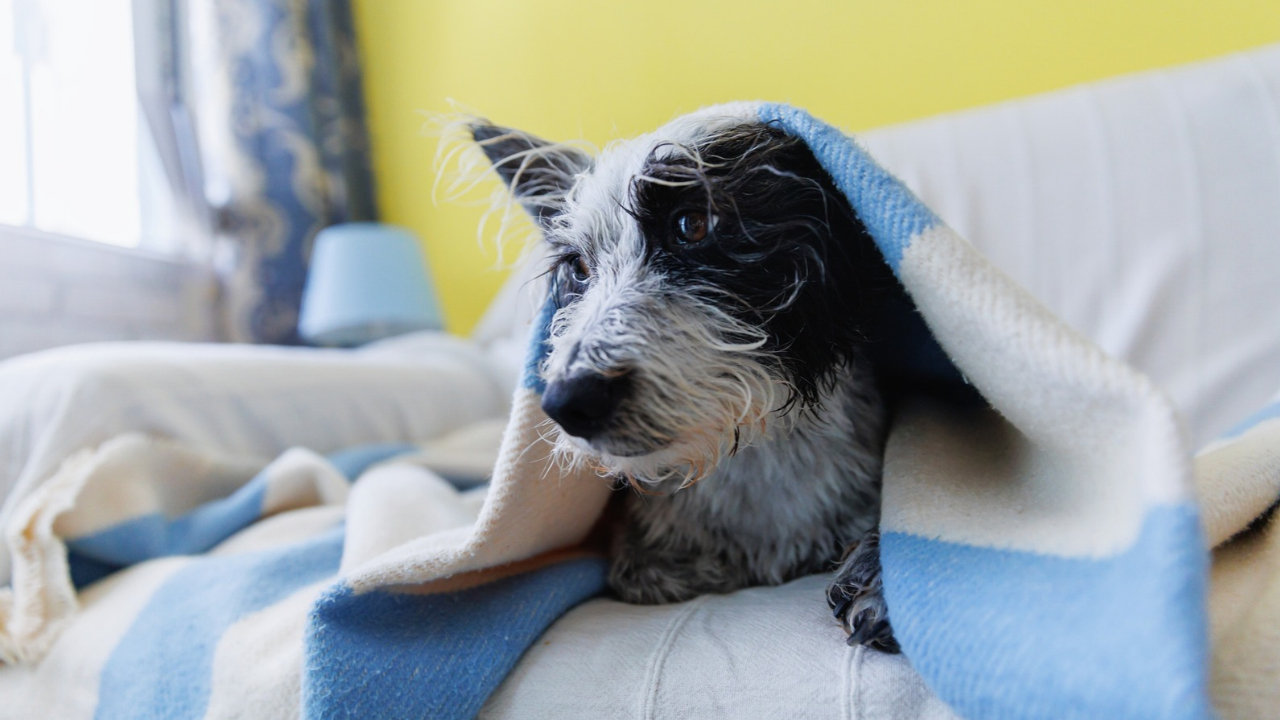
Snow dogs come in damp, then get “tucked in” with a blanket that was damp yesterday. That steady moisture leads to stink, skin irritation, and mildew that lives right where your dog sleeps.
Keep two sets of bedding so one can dry all the way through. Wash and dry on a regular schedule, and don’t forget the foam insert, it can hold odor for a whole season. If you can’t get things fully dry in winter, a cheap box fan in a utility room helps more than turning up the heat.
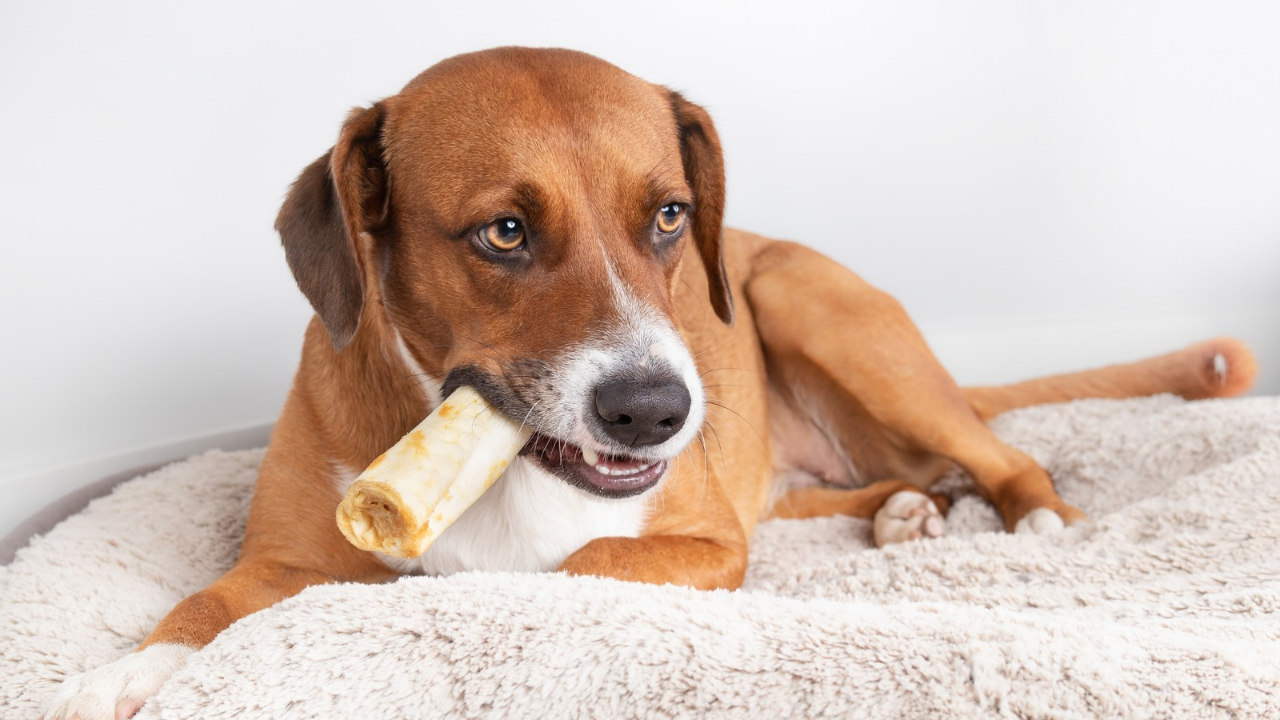
9. Rawhide And Hard Chews For Cabin Fever
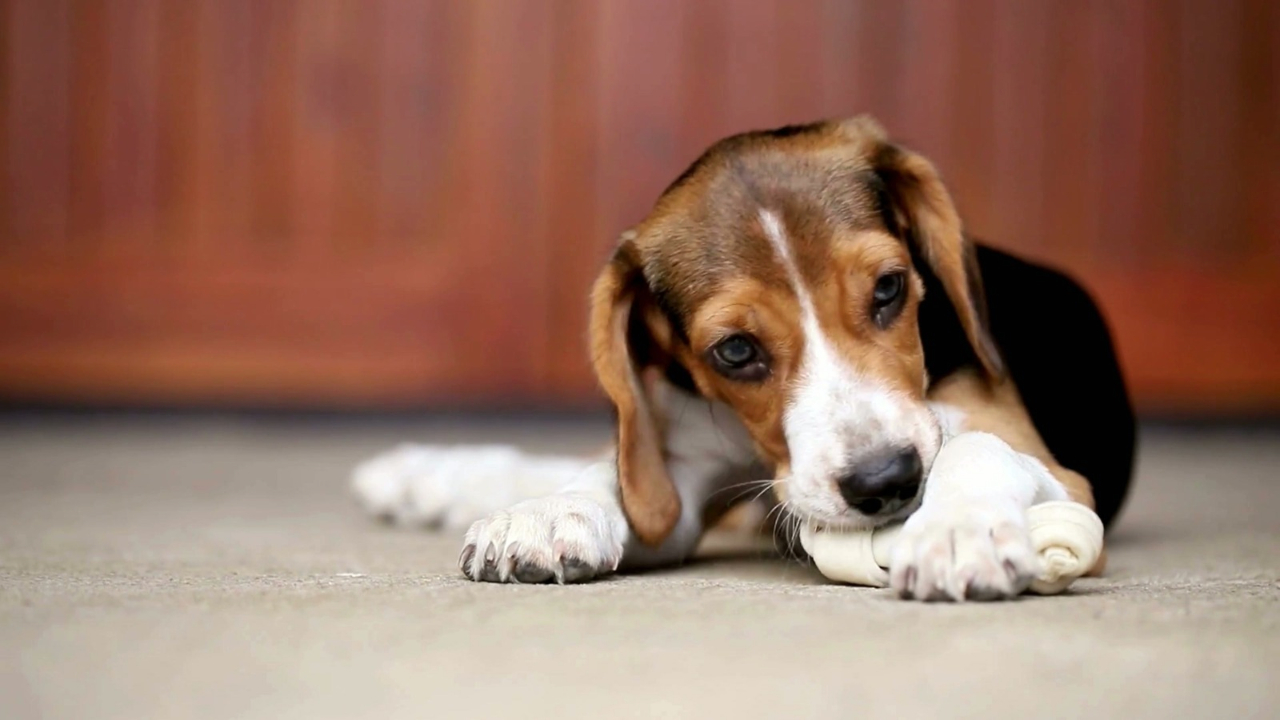
Winter boredom makes people hand out long-lasting chews. Some swell, splinter, or get gulped, and that turns your quiet evening into a problem you can’t fix with a toolbox.
Pick chews sized for your dog, toss anything that gets small enough to swallow, and supervise. For many dogs, a stuffed rubber toy with part of their meal works better than a mystery chew from a big bin. If your dog is a power chewer, ask your vet what types are safest for teeth and digestion.
10. Antifreeze Spills And Sweet Garage Puddles
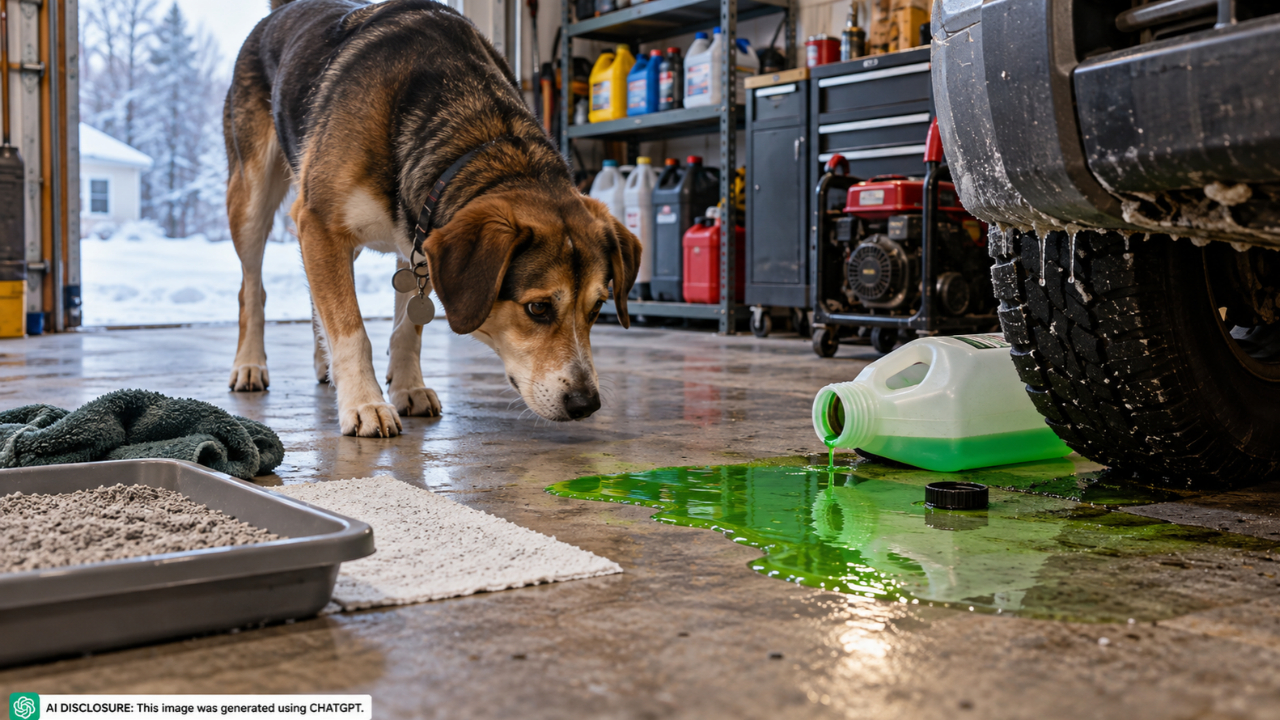
This one catches people because it’s not “given” on purpose. Winter car care leads to drips in the driveway, a knocked-over jug in the garage, or a puddle under a tractor, and pets will lick it.
Store fluids in a closed cabinet, not on the floor, and clean spills right away with absorbent material, then dispose of it properly. If you suspect your dog got into any automotive fluid, call a vet or pet poison hotline immediately. On the homestead, also watch for coolant around generators and equipment you only run when the power goes out.
Winter goes smoother when you treat your dog gear like any other tool on the property. Dry it, size it right, store it where it stays clean, and don’t “fix” cold with random calories or whatever is closest to the door. A few small habit changes save a lot of cleanup.
Like Fix It Homestead’s content? Be sure to follow us.