10 Things to Look at Before Buying a Used Wood Stove
Photo credit: Anatoliy Cherkas/Shutterstock.com
A used wood stove can be a bargain, or it can be a heavy, sooty problem you drag home and regret by the first cold snap. The tricky part is that most of the expensive issues don’t show up in a quick glance across someone’s garage. Slow down, bring a flashlight, and treat the inspection like you’re buying a tool that has to handle fire.
1. Cracks, Warps, And Pitted Iron
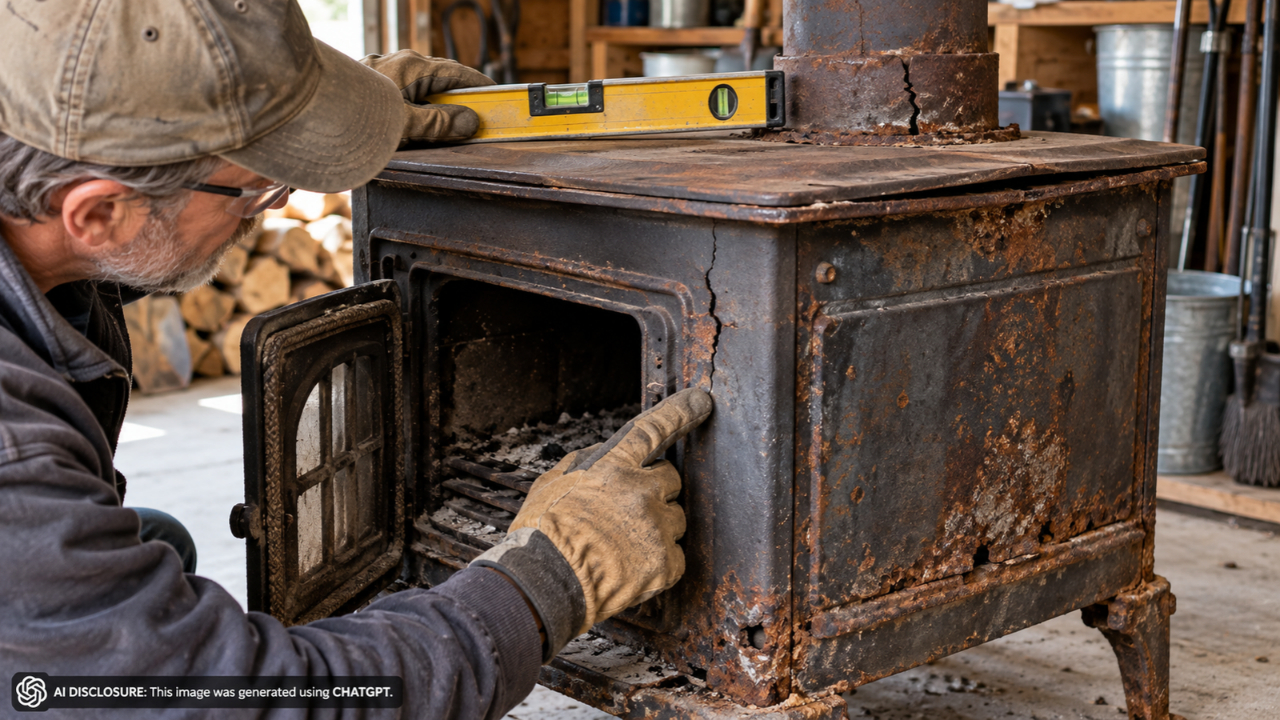
Skip the quick “looks solid” test. Get your face close and look for hairline cracks around the door opening, the top plate, legs, and the flue collar. A crack in cast iron or plate steel is a leak path for smoke and a weak spot that keeps growing with heat cycles.
Run a straightedge across flat areas if you can, even a level or a known-straight scrap of wood. Warped tops and bowed side panels show it was overfired or stressed, and that’s hard to fix right. Light surface rust is normal, but deep pitting around seams and corners is metal already gone.
2. Door Gaskets That Won’t Seal
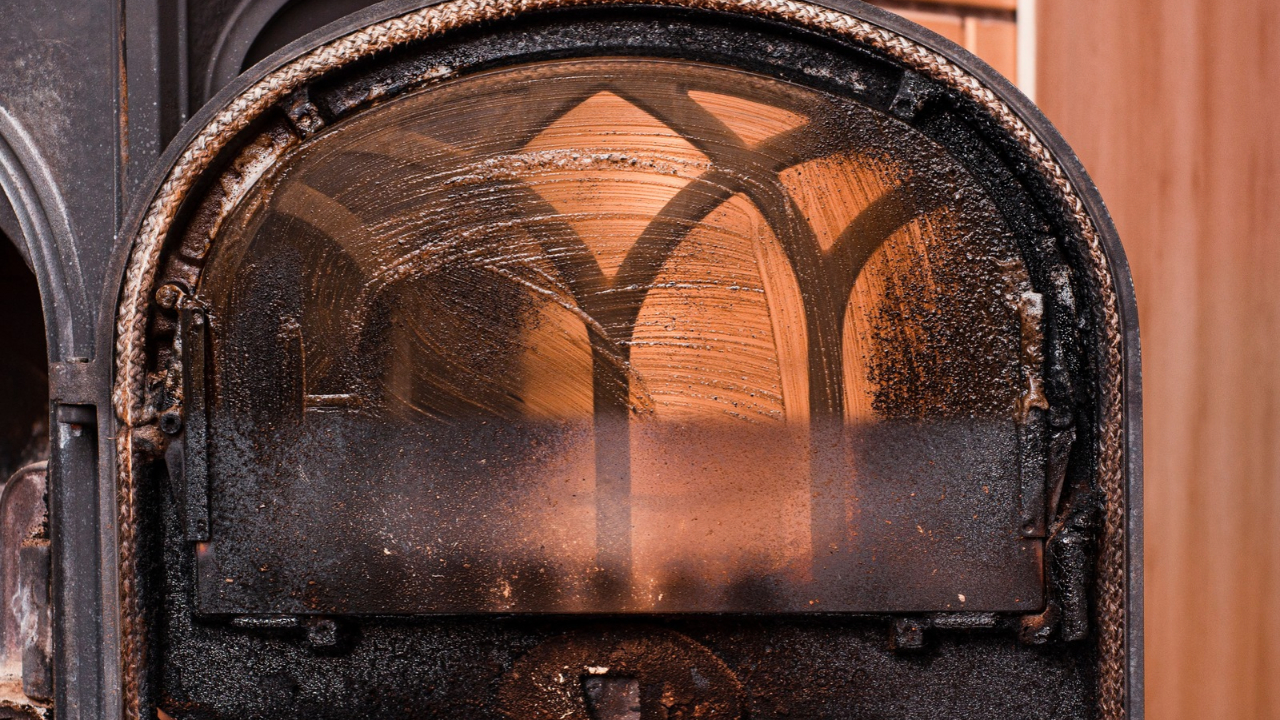
People sell a stove that “just needs a gasket” like it’s nothing. Sometimes it is, a rope gasket and cement is a simple Saturday job. Sometimes the door is bent, the hinge pins are sloppy, or the latch is worn so the gasket never gets squeezed.
Close a dollar bill or a strip of paper in the door and tug. If it slides out easy in one spot, you’ve got a leak there. Leaky doors make a stove hard to control, you’ll burn too hot, and you’ll make more creosote when you try to choke it back.
3. Firebrick Condition And Baffle Plate
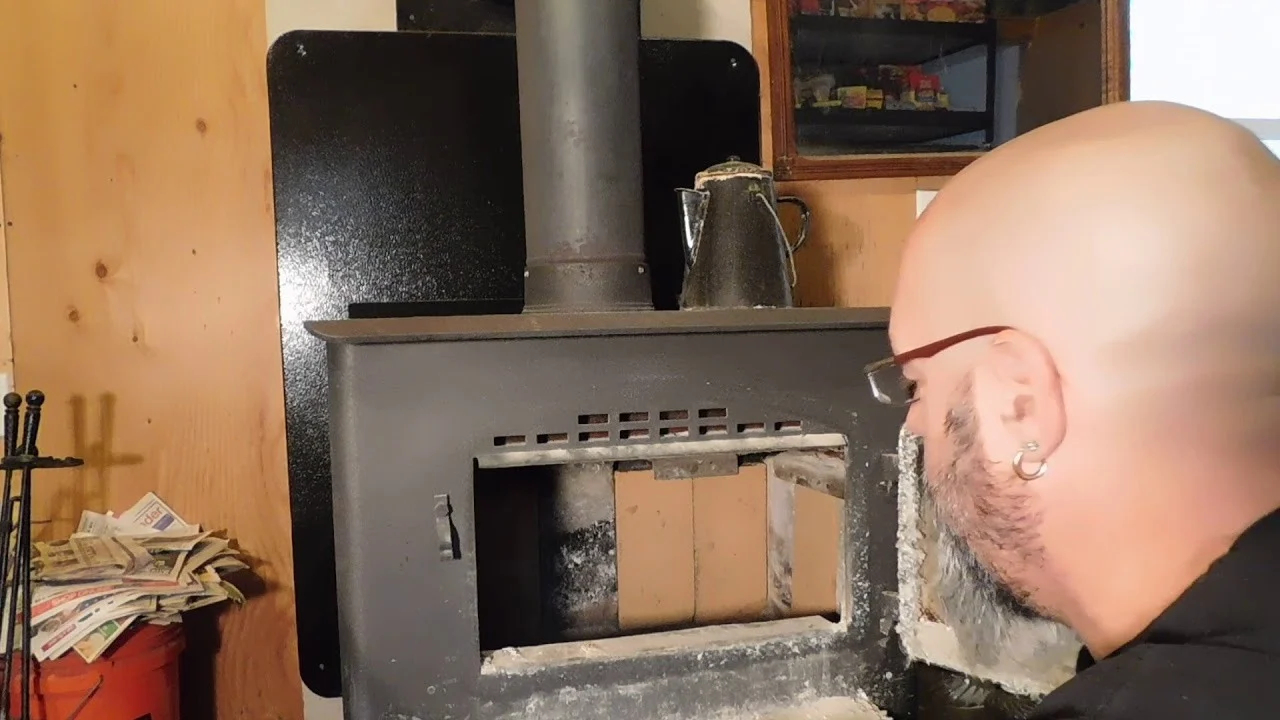
Open the door and look at the firebrick and the parts above it. Cracked bricks aren’t scary, missing bricks are. Bricks protect the steel or cast body from direct flame and they help the stove burn right.
Then check the baffle plate up top, and any tubes or secondary burn parts. A warped, sagging, or missing baffle is a sign of hard use, and replacements can get pricey or hard to find on older models. If the seller can’t show how it’s supposed to be assembled, budget time for research before you buy.
4. Flue Collar Size And Shape Match
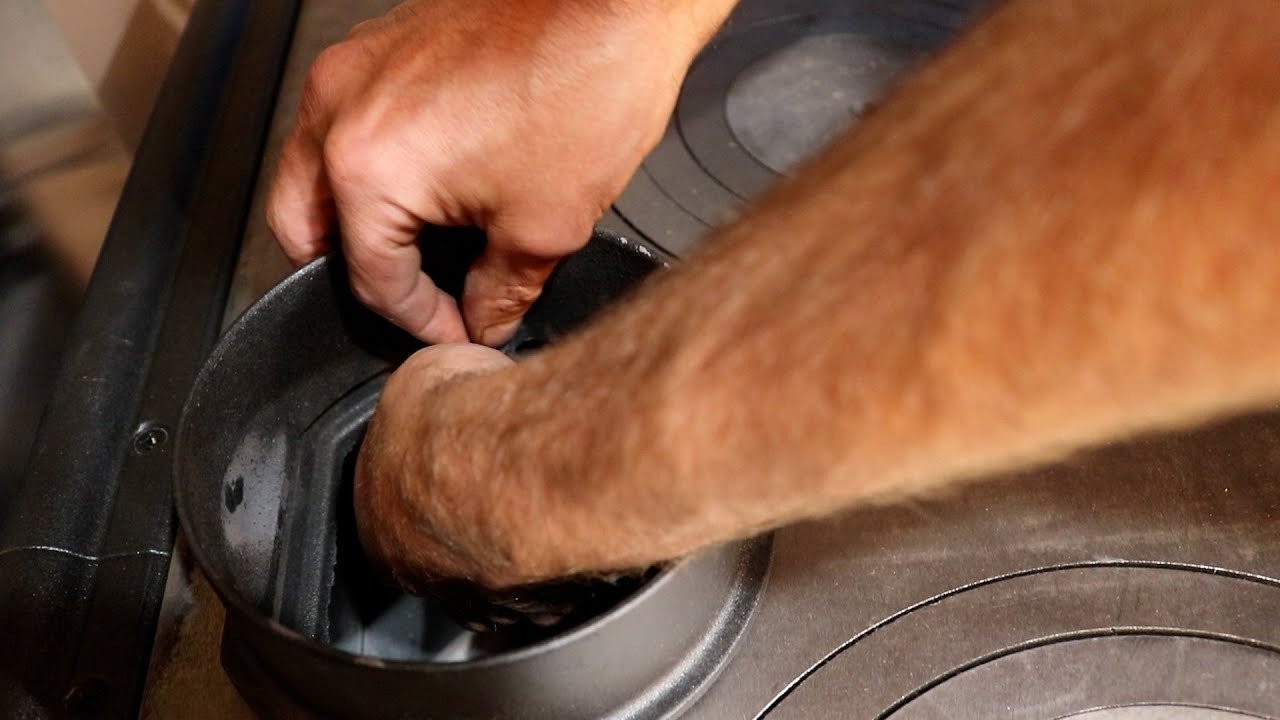
If the collar size doesn’t match your chimney plan, you’re already behind. Measure it. Six inch and eight inch collars aren’t interchangeable without proper parts, and reducing or adapting the wrong way can draft poorly and smoke you out.
Look for an oval collar, a damaged lip, or evidence someone “made it fit” with furnace cement and sheet metal. That’s a headache later. If you’ll need new stovepipe, elbows, or a different chimney adapter, price those out first since pipe costs add up fast.
5. Listing Label, Clearances, And Certification Tag
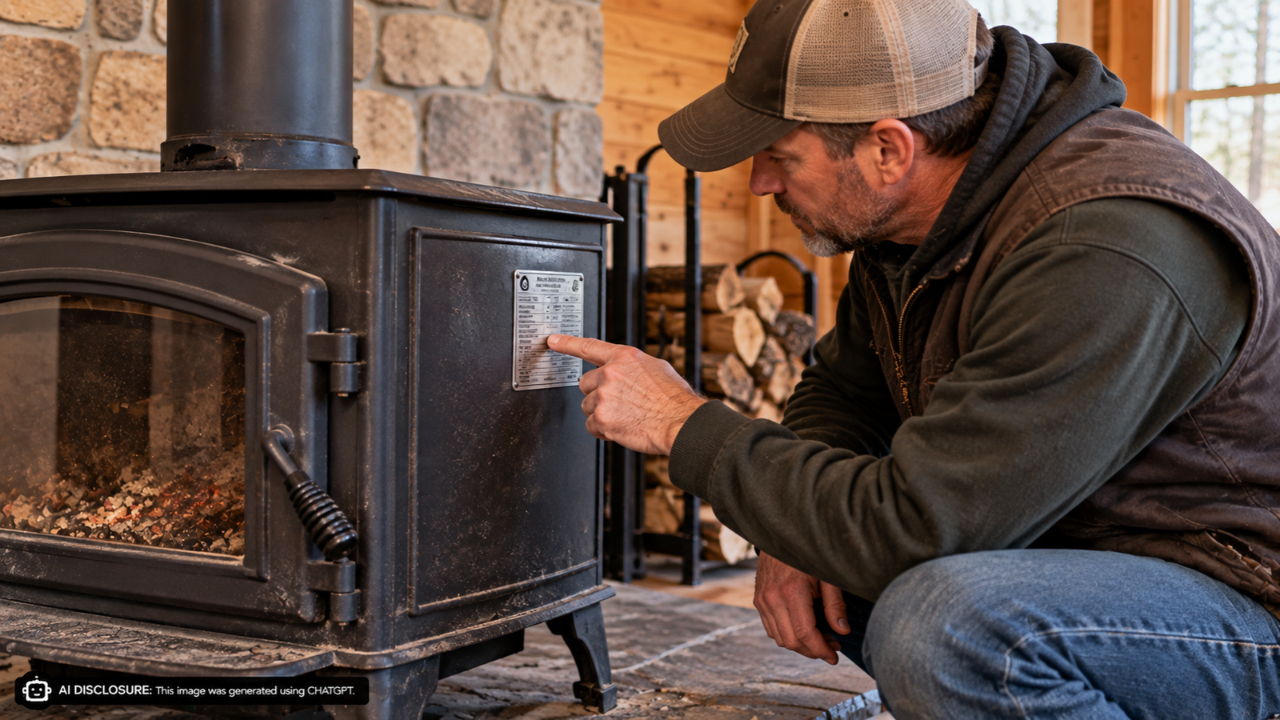
Find the data plate or tag that lists the model and clearance requirements. If it’s missing or unreadable, walk away unless you truly know what you’re doing and your local inspector is fine with it. Many installs need permits, and an unknown stove can turn into a “can’t approve it” situation when you’re trying to do the right thing.
Older stoves without a modern certification can still be legal in some areas, and they can heat well. The catch is clearances are often larger, and you may need a bigger hearth and more wall protection. If you’ve got plenty of space and you like simple steel boxes, the cheap older stove can be fine, just check your local rules before money changes hands.
6. Inside Seams, Welds, And Air Leaks
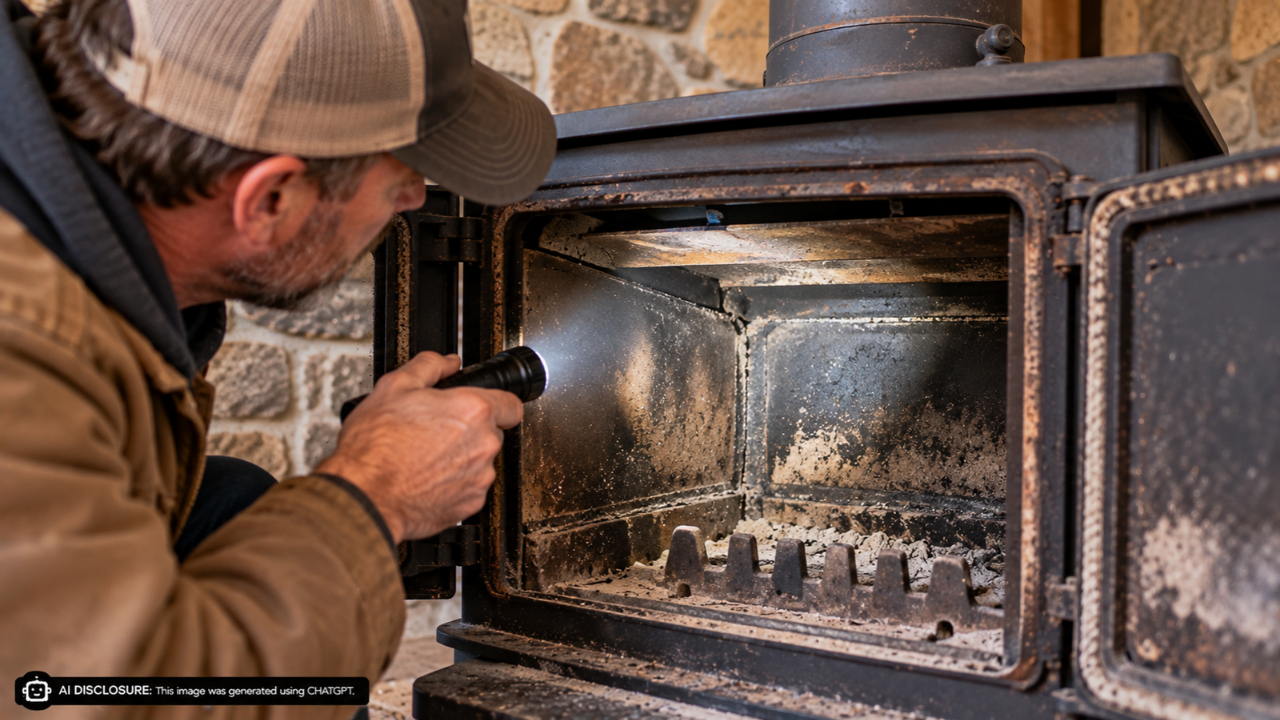
Bring a bright flashlight and look inside, especially along corners and seams. Soot trails in weird places can point to leaks. On welded steel stoves, look for split welds and patches that don’t match the rest of the work.
Also check any bolt-together panels and joints. Missing bolts, rounded heads, or gaps packed with crumbly cement often means someone has been chasing leaks for years. You’re not buying a project unless the price reflects it.
7. Air Controls That Actually Move
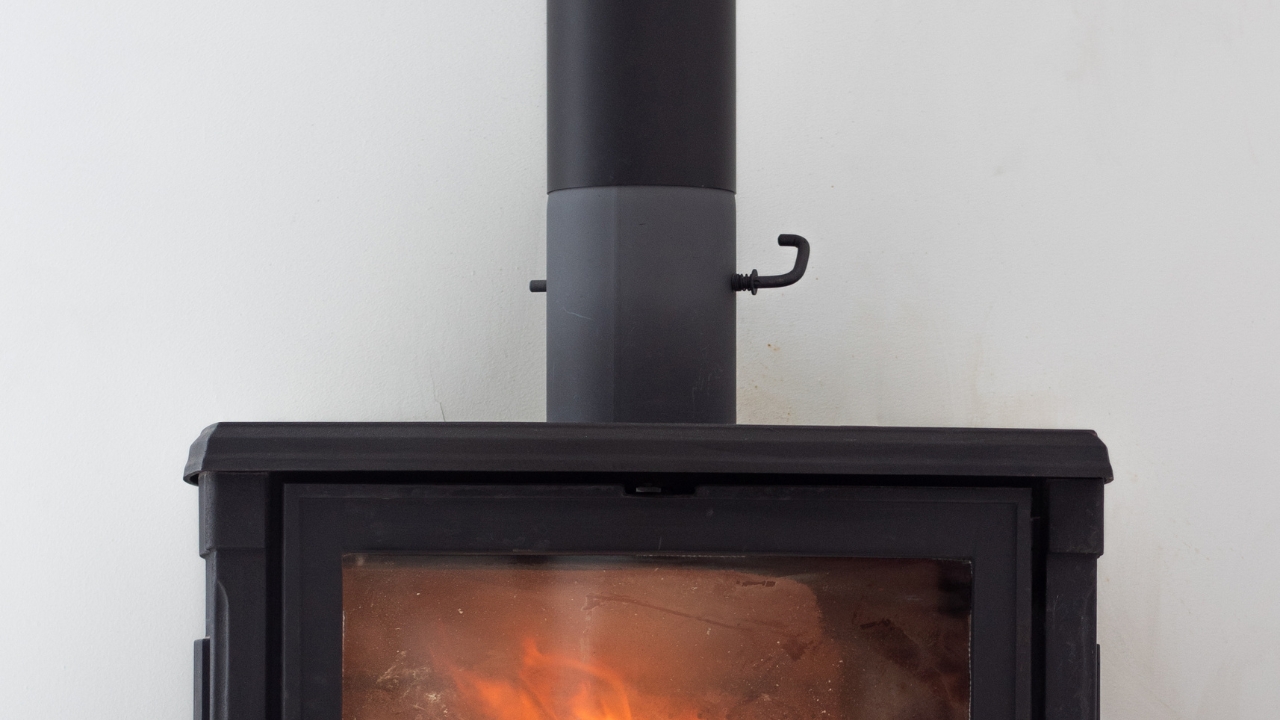
Try every control. Primary air sliders should move smoothly and close fully. Secondary air controls, bypass levers, and damper handles should not be frozen or bent from someone forcing them.
If an air control is stuck, it can be simple ash buildup, or it can be warped metal. A stove you can’t control is a stove you can’t trust.
8. Glass Panel And Retainer Hardware
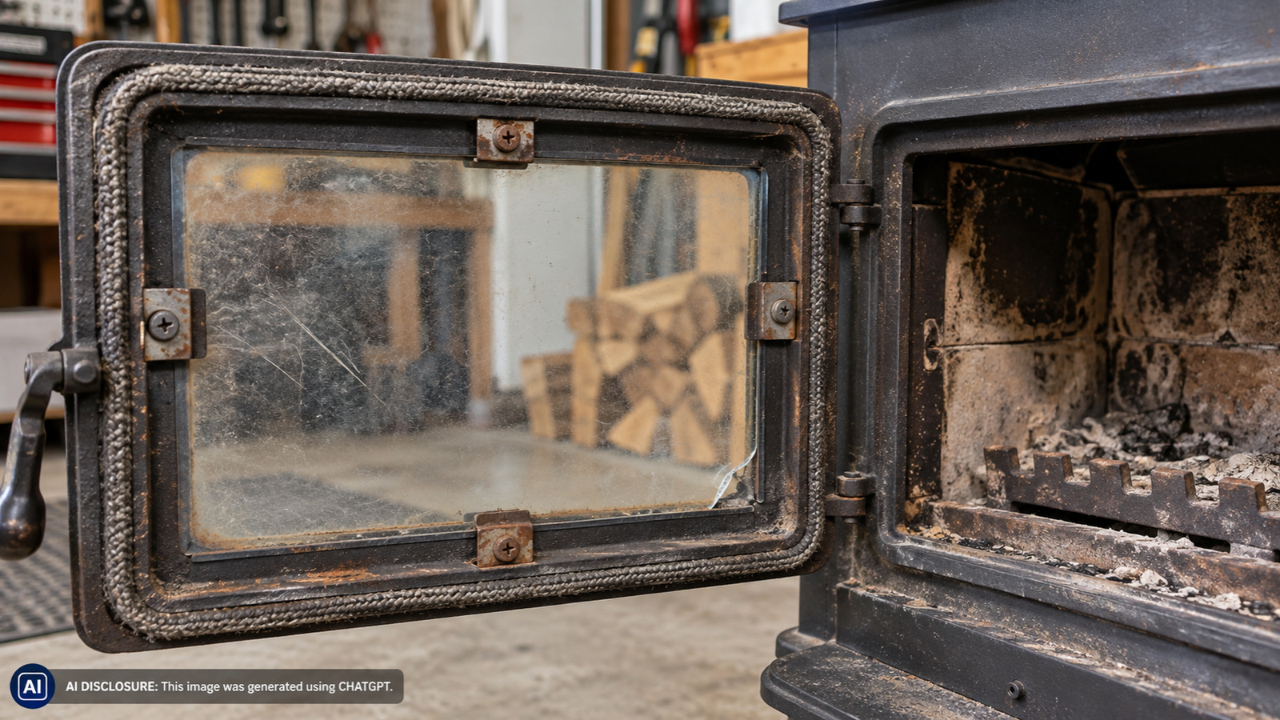
Look at the glass for cloudy spots, scratches, and edge chips. Cloudiness can be normal from use, but deep etching and chips near the frame often mean the glass was overheated or installed wrong. Replacement ceramic glass is not the same as window glass, and it’s not a few bucks.
Check the retainers and screws that hold the glass in. If they’re stripped, snapped off, or rusted into blobs, you’re in for drilling, tapping, and a lot of cussing. Open and close the door and listen for rattles from loose clips.
9. Signs Of Chimney Fire Or Overfiring
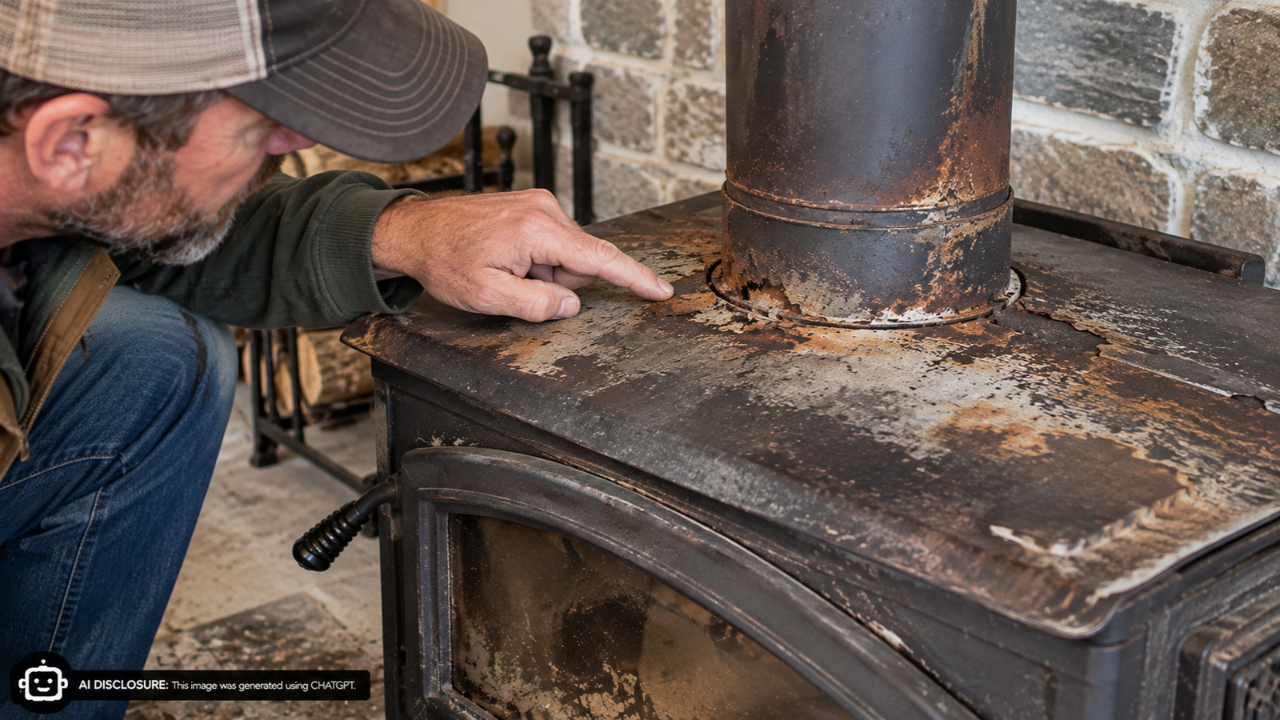
Look for paint that’s blistered, turned chalky, or baked off around the flue collar and top plate. Check for a warped baffle, bowed sides, or cast parts that don’t sit square. Those are the scars of a stove run too hot, too often, or after a chimney event.
A stove can survive a rough life and still work, but you should pay for what it is, not what it once was. If you see extreme heat damage, don’t talk yourself into it because it’s “a good deal.” That deal tends to follow you home in the form of smoke problems and constant gasket failures.
10. Parts Availability And Manual Access

Before you hand over cash, look up whether common parts still exist for that model, gaskets, bricks, baffles, tubes, blowers if it has one. A stove that needs one odd casting can become yard art if the manufacturer is gone and the part is discontinued.
Download the manual and confirm basic specs like flue size, hearth requirements, and clearances. If you can’t find a manual anywhere and the stove has lots of special internal parts, pass. Simple stoves with generic firebrick are more forgiving in the long run.
If the stove passes your inspection, the next money should go to doing the install right, a proper chimney setup, the right floor protection, and a smoke and carbon monoxide alarm. A clean, tight stove hooked to a safe chimney is what makes wood heat feel easy instead of stressful.
Like Fix It Homestead’s content? Be sure to follow us.