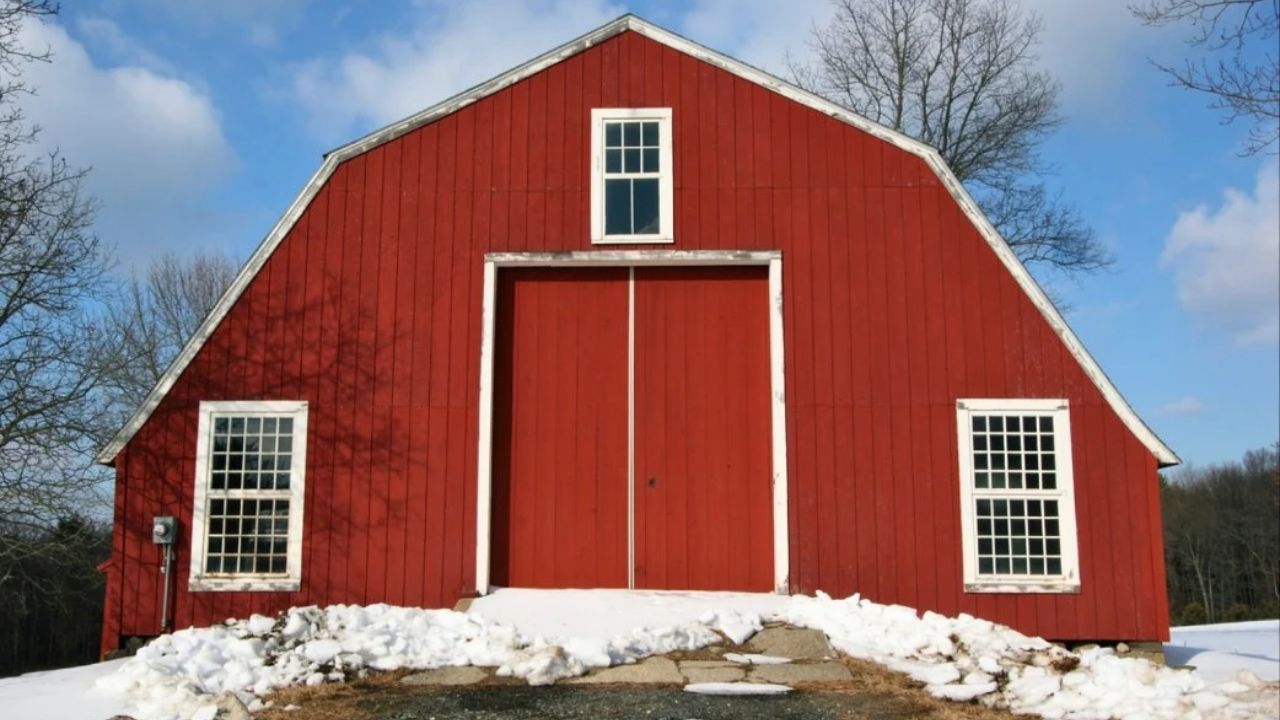
10 Things to Store in a Barn Before It Gets Cold
Photo credit: Joy Brown/Shutterstock.com
The first hard freeze has a way of finding every weak link on a property. Plastic turns brittle, water expands, and the stuff you left “for later” suddenly costs real money. A barn is your best buffer zone, but only if you load it with the right things before the weather settles in.
1. Hoses, Sprayers, And Watering Wands
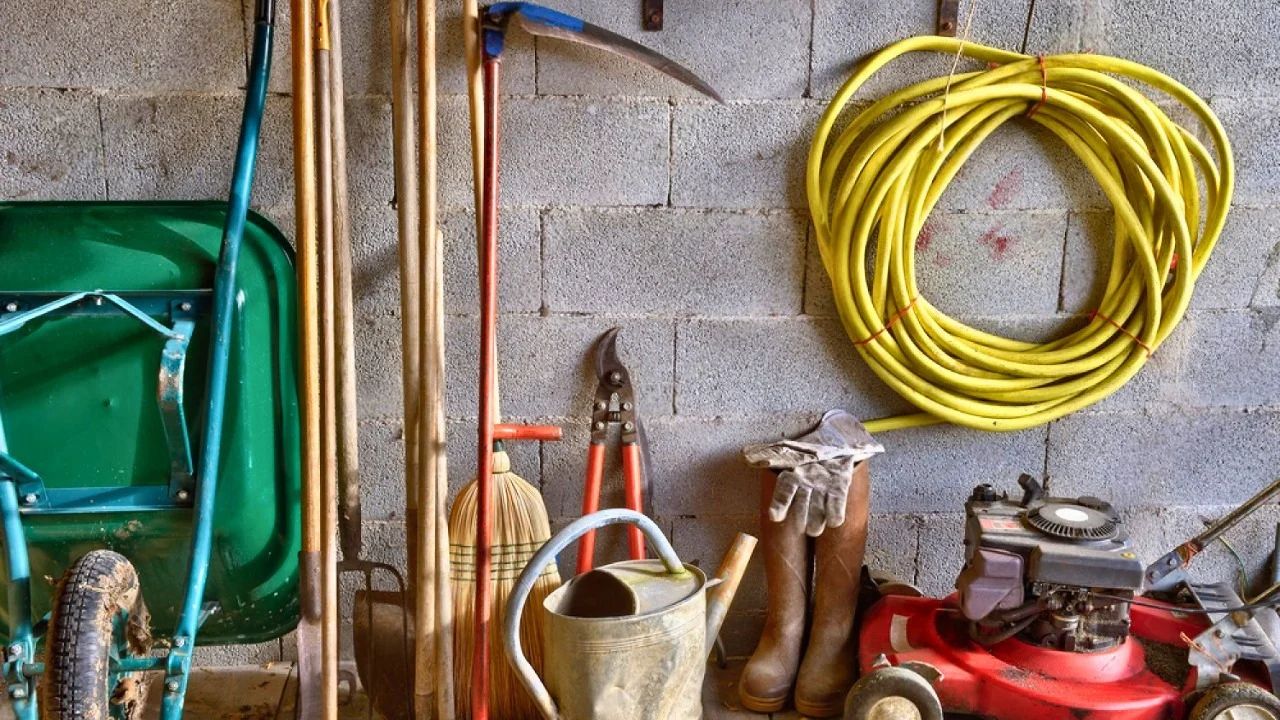
Leave a hose outside with water trapped in it and you’ll hear the ugly crack when you move it on a cold morning. The hose can split, the nozzle can burst, and the next time you turn on the spigot you get a leak right where you don’t want one. Even “heavy duty” hoses don’t like freezing water.
Drag hoses into the barn, stretch them out to drain, then coil them loose so they don’t kink. Pop sprayer tanks and wands open and dump them, then pump the trigger until nothing spits. If you’ve got quick-connects, bring those inside too, they can trap a teaspoon of water and still crack.
2. Pressure Washer And Feed Hose
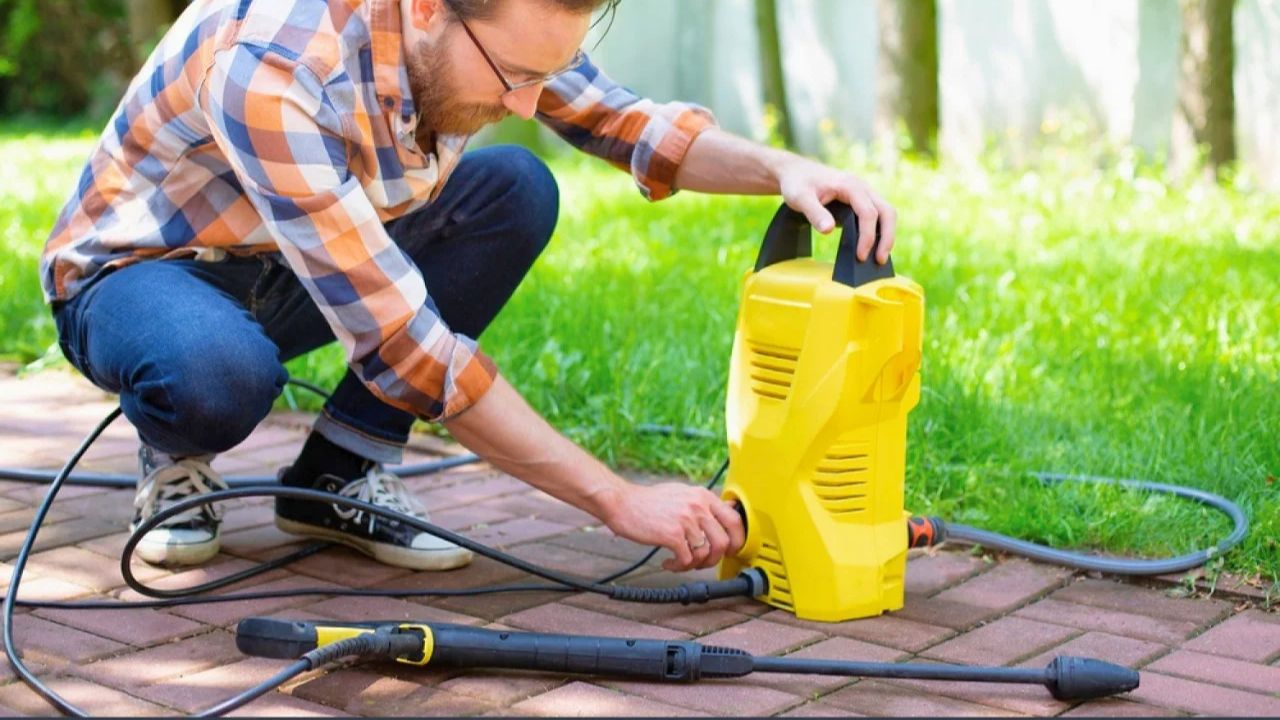
People park the pressure washer and forget it until spring, then wonder why it won’t build pressure or why the pump screams. A small amount of water left inside the pump body can freeze and wreck seals. That’s a repair that’s either fiddly or expensive, sometimes both.
Before it gets cold, run it dry for a few seconds, disconnect hoses, and tip the unit so it drains. Store it in the barn where it stays out of wind, and keep the spray gun and tips together in a bucket so you’re not hunting in April. If your manual calls for pump saver, use it, but just getting the water out is the big win.
3. Batteries For Tractors And Tools
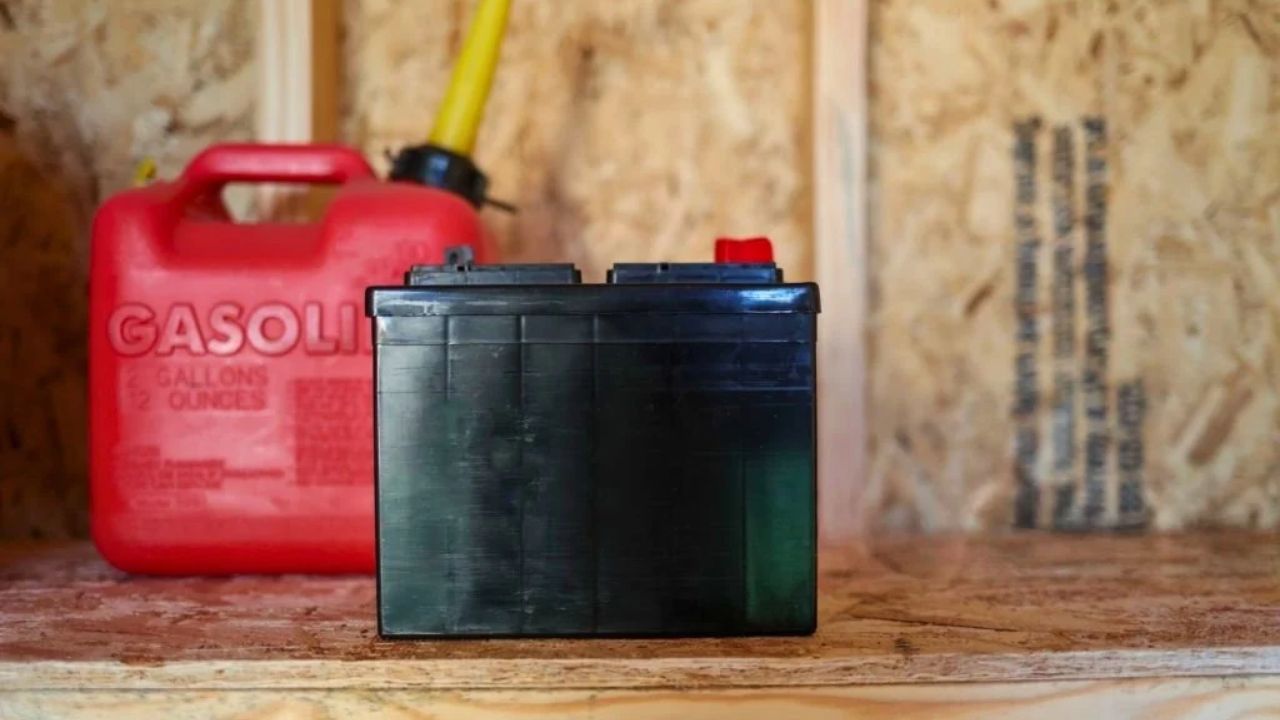
Cold doesn’t kill batteries in one night, it just makes weak ones show their age. You go to start the tractor for snow, it cranks slow, then you’re hauling a charger through slush. Worse, a dead battery can freeze and crack the case.
Bring removable batteries into the barn if the barn stays a bit above outdoor temps, and keep them off bare concrete on a shelf or board. A basic smart charger or maintainer helps if you’re not running equipment weekly. If the barn is as cold as outside and you don’t have power, the better move is to store the battery in a basement or heated shop.
4. Liquid Paint, Caulk, And Adhesives
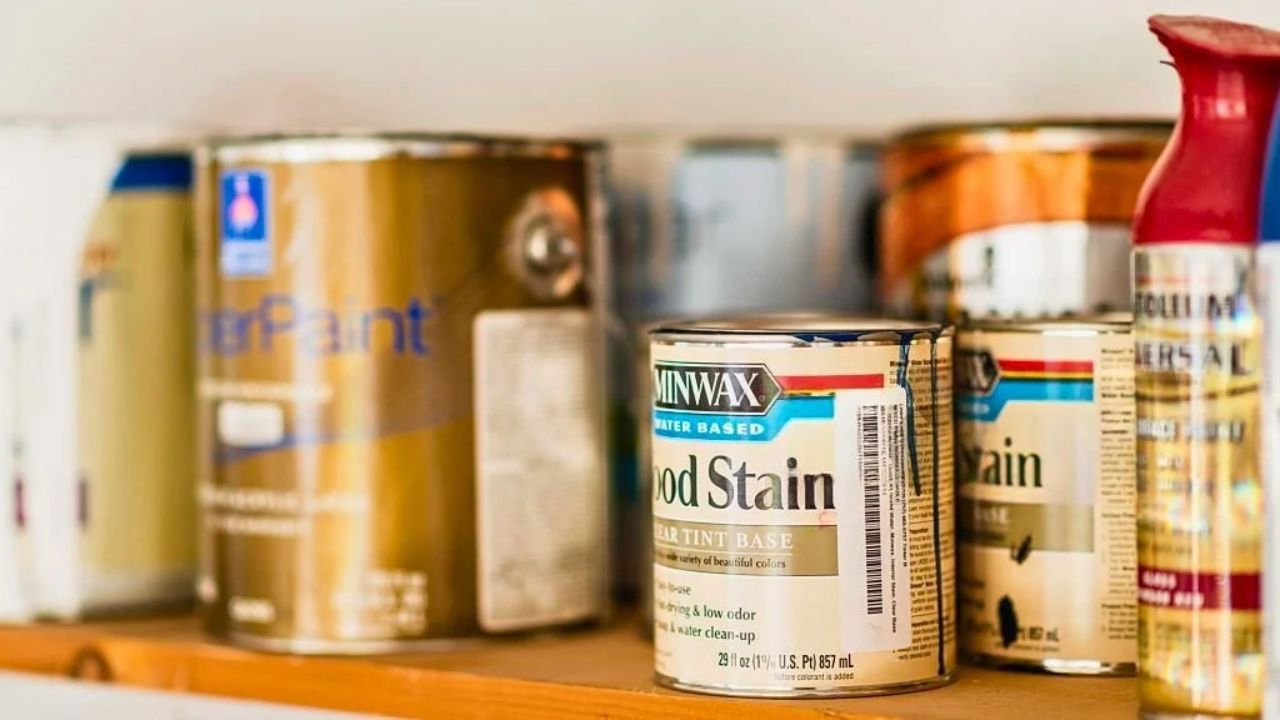
Freezing ruins more than latex paint. Many caulks, wood glues, construction adhesives, and joint compound get lumpy or separate after one freeze. You can stir all day and still end up with a weak bond or a finish that never looks right.
Pull anything labeled “do not freeze” and store it where it stays warm. If your barn has a little insulated room or tack room with a safe heater, that works. An honest exception, unopened oil-based paint usually handles cold storage better than latex, but once it’s been frozen and slushy, treat it as suspect.
5. Bagged Feed, Seed, And Minerals
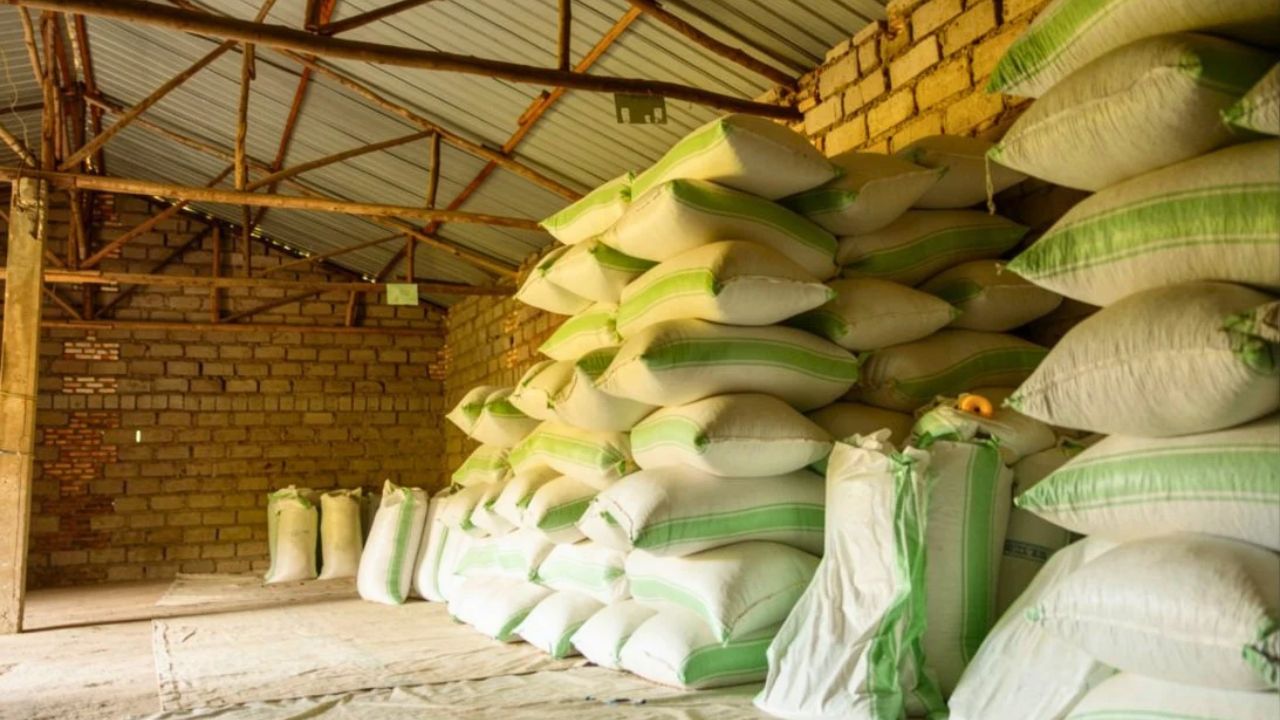
Rodents don’t care that the calendar says November. A stack of feed bags is an open invitation, and once mice move in, they don’t just eat. They pee, they chew holes, and they leave a mess you can smell through the paper.
Get feed and seed into the barn before snow piles up, then store it right. Metal cans with tight lids, heavy-duty bins, or a lidded barrel on a pallet beats bags on the floor. Keep it dry and off the wall so you can spot droppings and gnaw marks early.
6. Empty Buckets, Tubs, And Waterers
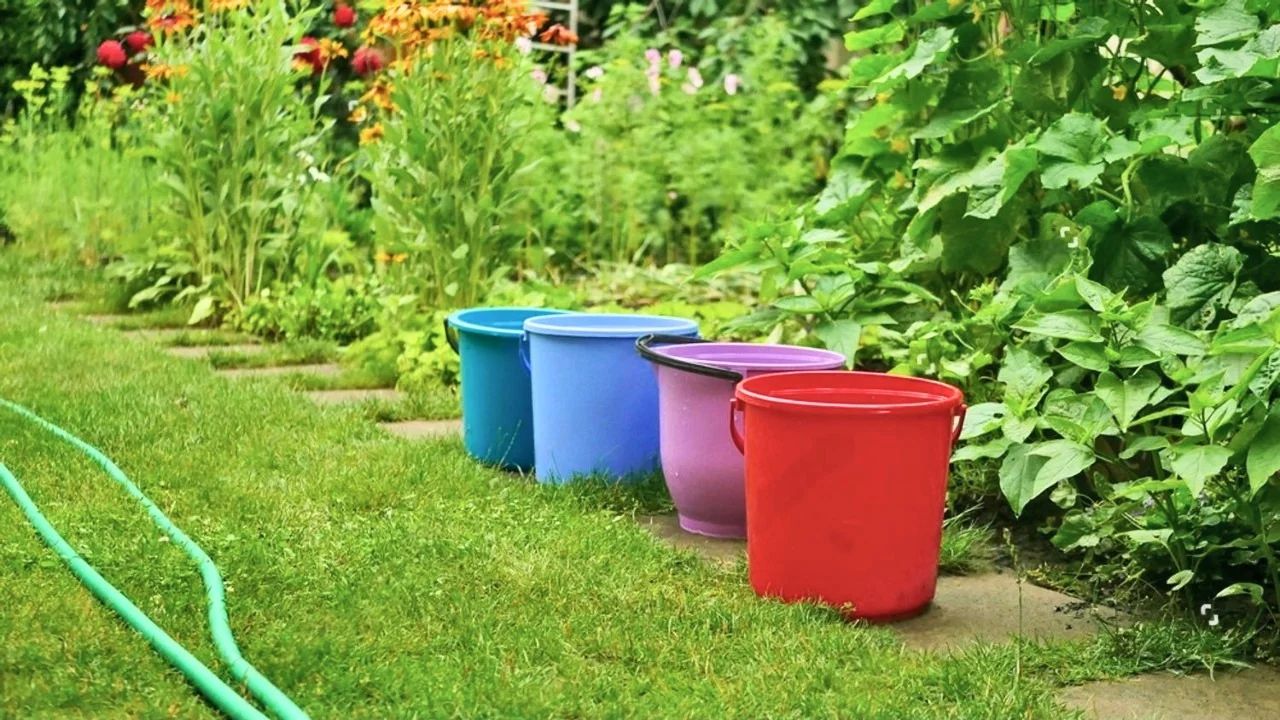
This one is small, but it’s constant. Plastic buckets left outside fill with rain, freeze solid, and split down the side. Even if they survive, you end up chiseling ice when you need a bucket now.
Stack them in the barn, upside down, where they stay clean and don’t collect water. If you’ve got rubber tubs, they handle cold better, but they still turn into a skating rink if left out.
7. Gas Cans, Propane Cylinders, And Fuel Jugs
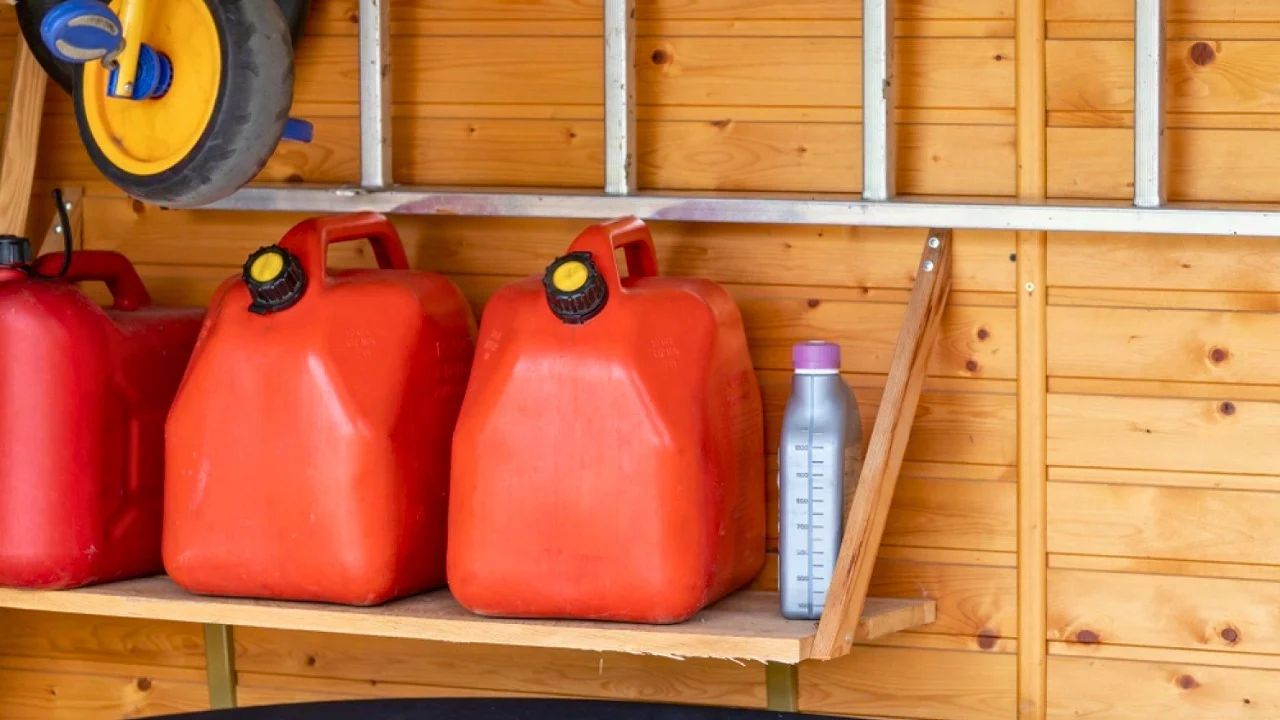
Fuel storage gets sloppy in cold weather. A can left in tall grass or behind the shed is how caps go missing and water gets in. Then the snowblower sputters, and you spend your evening draining carb bowls instead of clearing the driveway.
Store fuel containers in the barn in a spot that stays cool, dry, and away from ignition sources like wood stoves or welding areas. Keep caps tight, label mixed fuel clearly, and set cans in a shallow tray to catch drips. If you’re storing propane cylinders, keep them upright and follow the storage rules on the label.
8. Chain, Straps, And Snow Gear
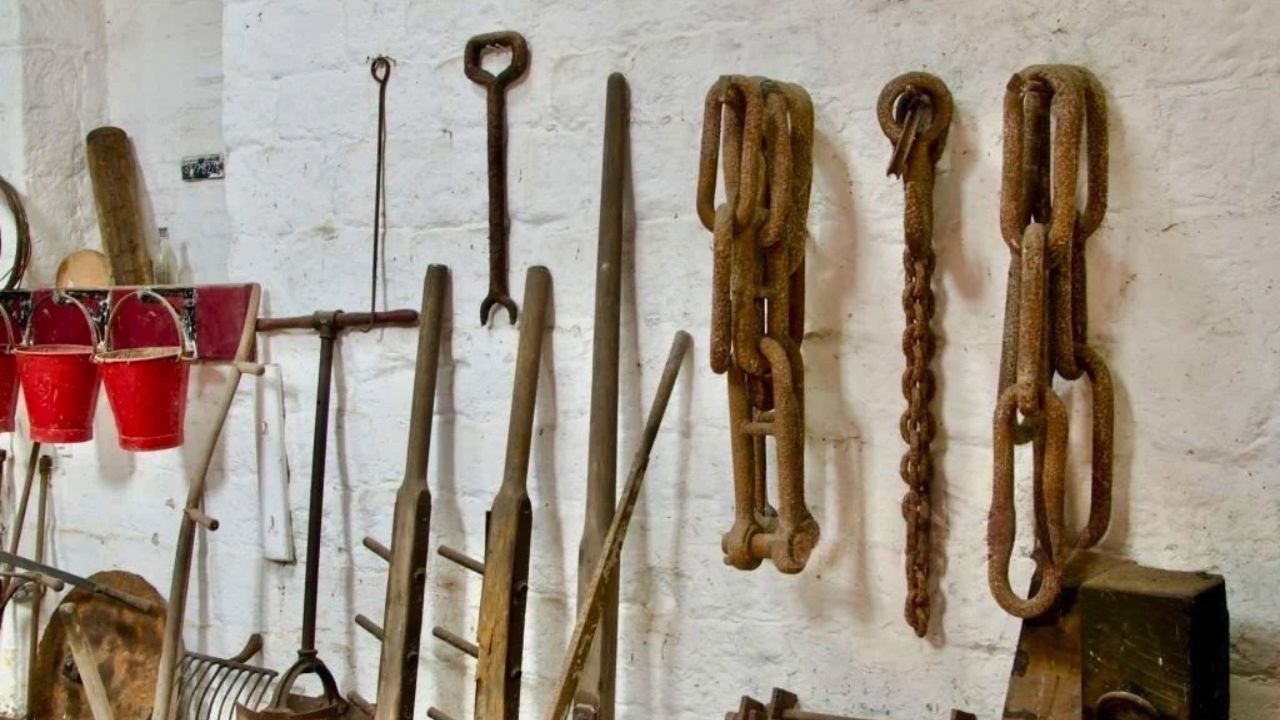
The first storm is not the time to learn you “put the chains somewhere safe.” Same with tow straps, shackles, and the shovel that isn’t cracked. When the driveway is glazed and the truck won’t climb, you need gear you can grab with gloves on.
Hang chains and straps on wall hooks in the barn where they can dry and you can see them. Spray chains lightly with oil if they’re going away wet, and keep a small bin for clevises, pins, and ratchet handles. Put the ice melt and spreader where you don’t have to move three summer tools to reach them.
9. Fertilizer, Herbicide, And Spray Chemicals
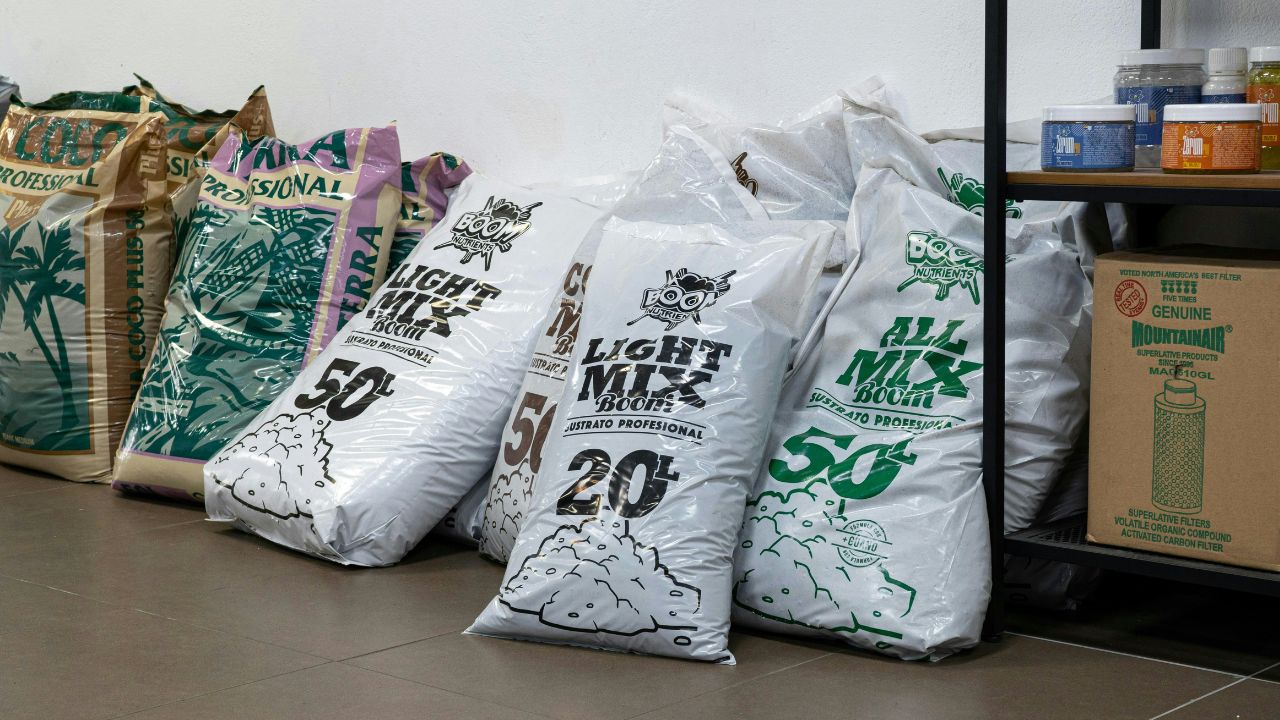
People leave lawn and pasture chemicals out because they’re “sealed.” Then a jug freezes, bulges, and leaks, or a granule bag turns into a brick. Some products separate and never mix right again, which turns “saving money” into pouring a dead product on the ground.
Read the label for temperature limits and move what needs it into a more stable spot. The barn is good if it stays dry and you can keep products off the floor in a cabinet. If you have kids or visitors, treat chemical storage like a serious lock-and-key job, not a top shelf gamble.
10. Portable Generators And Extension Cords
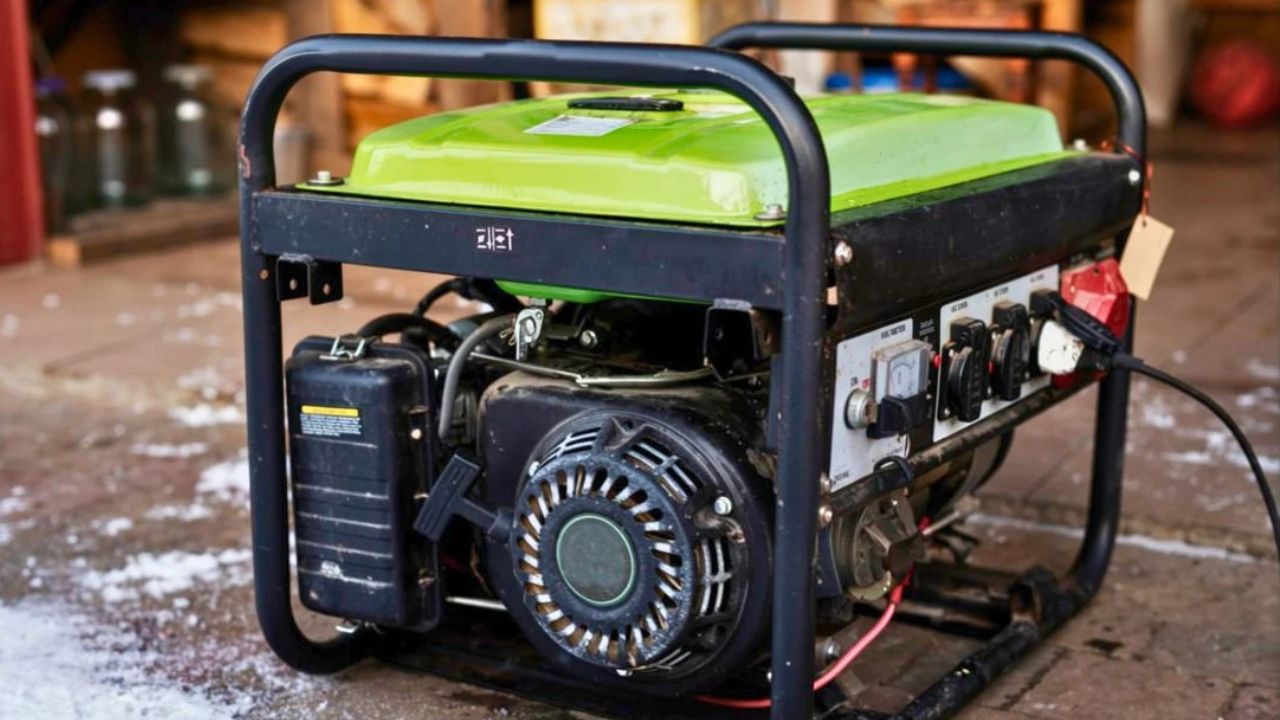
The generator that “ran fine last year” is often the one that won’t start when the power drops at 2 a.m. Stale fuel, a dirty air filter, or a cord with a broken ground pin turns a backup plan into a headache. Cold weather just makes every small problem louder.
Get it into the barn early, then do a quick once-over while your hands aren’t numb. Drain or stabilize the fuel, check the oil, and start it long enough to know it will run. Coil cords big and loose, and toss the brittle, nicked ones now, they aren’t worth a fire risk.
If the barn is going to do its job, it has to be easy to use in the dark and the cold. Clear one dry lane to the door, keep a few hooks and shelves open, and don’t bury winter stuff behind summer projects. A half hour of sorting now beats a full day of repairs later.
Like Fix It Homestead’s content? Be sure to follow us.