10 Tools That Make Cutting Your Own Firewood Easier
Photo credit: Model Republique/Shutterstock.com
Cutting firewood looks simple until you’re standing over a pile of crooked rounds with a dull chain, wet gloves, and a back that’s already tired. The hard part isn’t the first cut, it’s doing the same moves safely for hours without beating up your tools. A few smart pieces of gear turn firewood day from a slog into steady progress.
1. Chainsaw With Enough Bar And Power
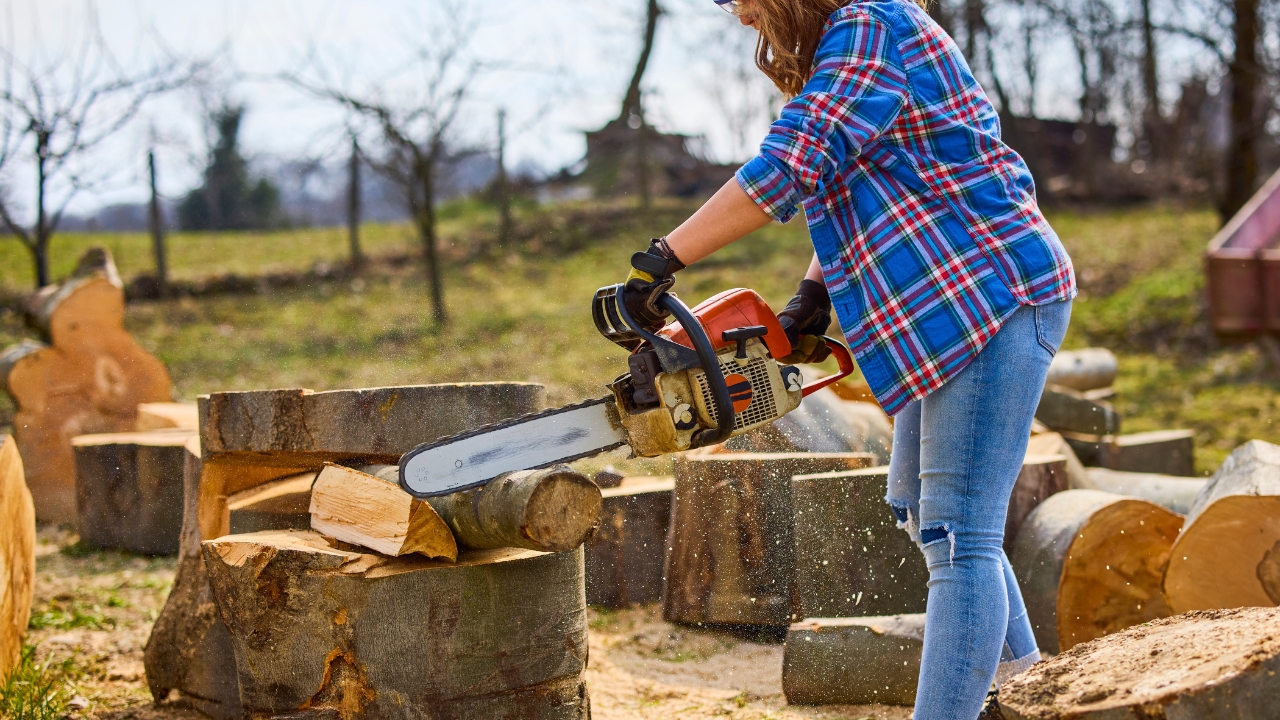
A small saw will cut wood, but it punishes you when the rounds get bigger or the grain goes twisty. You end up leaning on it, pinching the bar, and taking extra cuts because you can’t reach through in one pass. That’s how chains get dull fast and shoulders get wrecked.
Match the saw to your typical log size, not the smallest stuff. For yard trees and average rounds, a mid-size gas saw or a strong battery saw can be plenty, but don’t expect an entry-level pole saw or tiny top-handle style tool to carry the load. If you routinely cut bigger hardwood, it’s often worth stepping up in displacement and bar length so the saw works instead of you.
2. Sharp Chains Plus A Simple Filing Guide
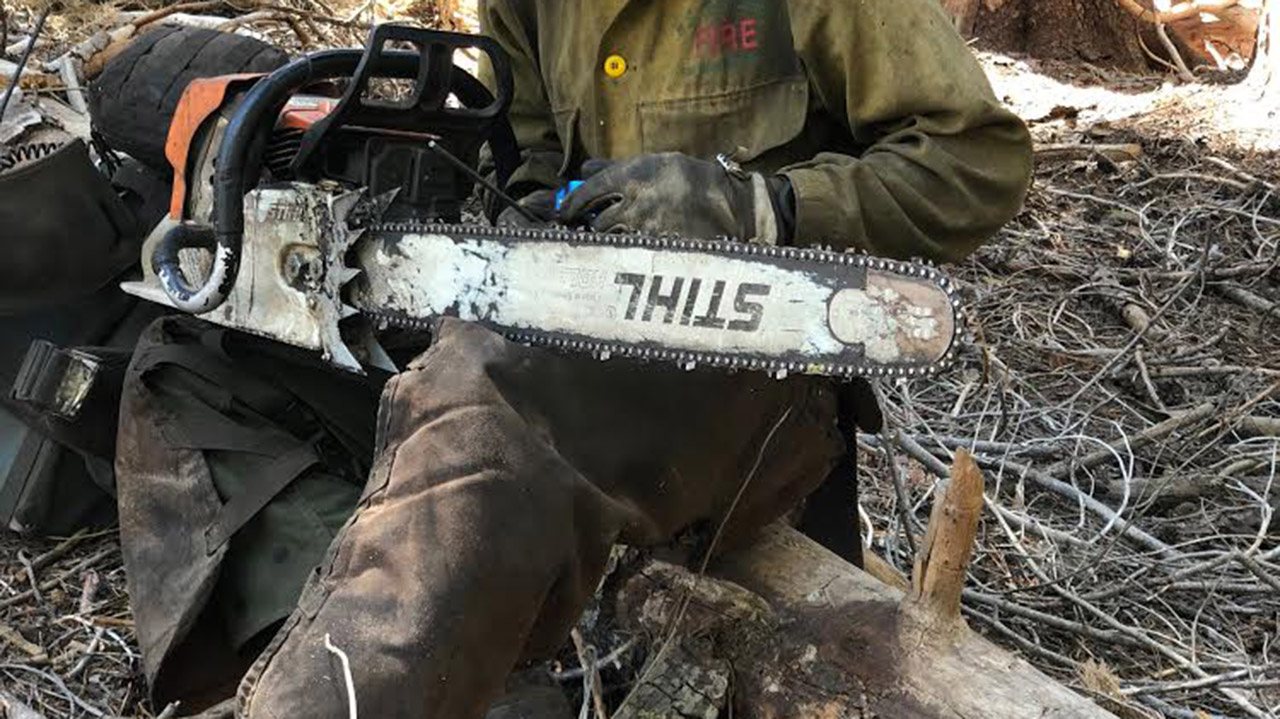
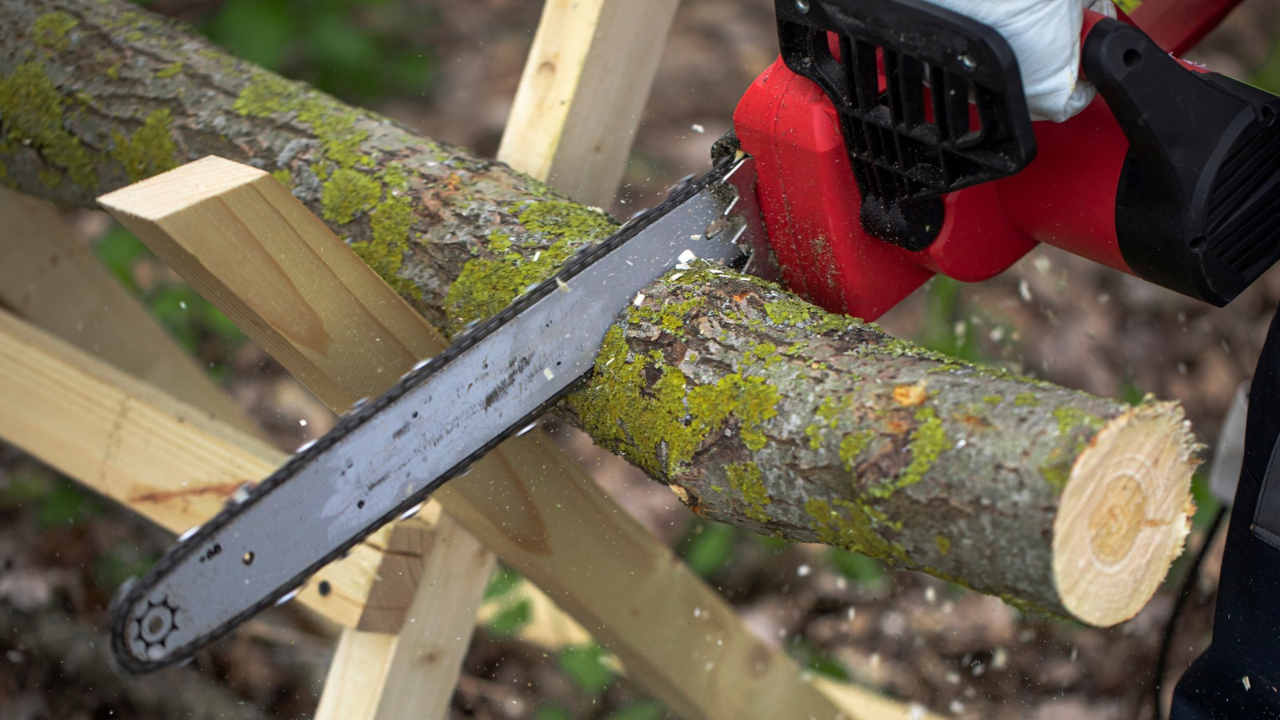
A sharp chain sounds different. It throws chips, not dust, and the saw pulls itself into the cut instead of skating. If you keep cutting with a dull chain, you burn fuel, overheat the bar, and start pushing in ways that make kickback more likely.
Keep at least one spare chain and touch up often. A basic round file with a guide that sets the angle is cheap and it keeps you from guessing. Check the depth gauges too, because a perfectly filed cutter still won’t bite if the rakers are too high.
3. Bucking Stand Or Sawhorse That Grips
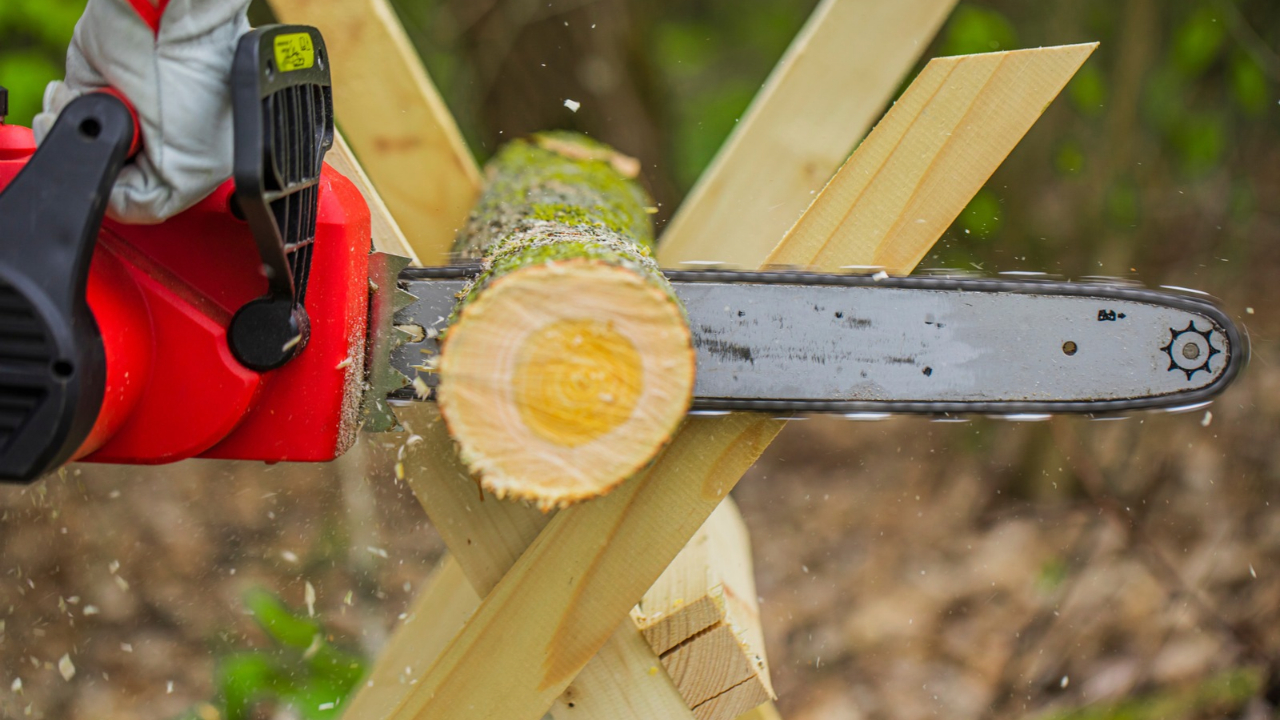
Cutting on the ground wastes time and trashes chains. Dirt and grit dull teeth in a hurry, and bent-over bucking is how backs get tweaked early in the day. Rolling logs also make sloppy cuts and pinched bars.
A bucking stand holds smaller logs at waist height and keeps them from spinning. For larger material, a heavy sawhorse setup with a strap or V-notch cradles the log so you can cut safely without chasing it. If you only cut a couple times a year, a simple homemade stand can be fine, as long as it’s stable and keeps the wood off the soil.
4. Plastic Felling Wedges And A Small Hatchet
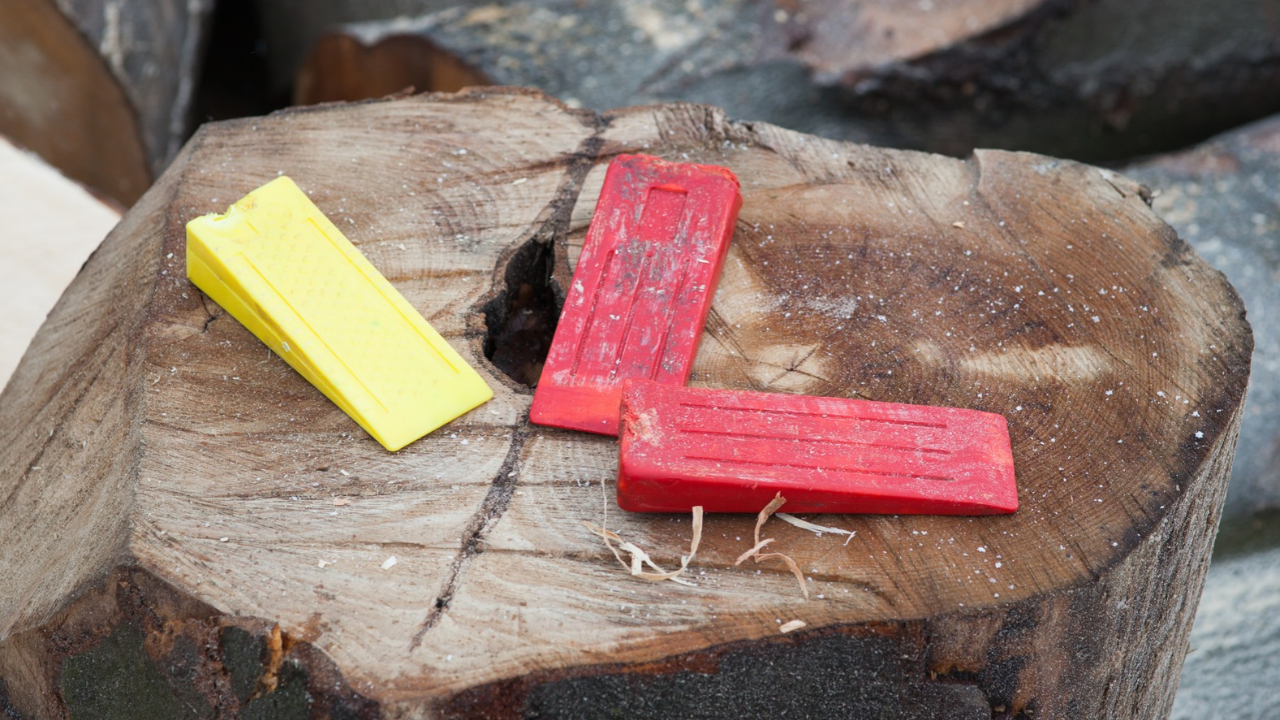
Bars get stuck when the kerf closes and the log settles. People try to yank the saw out with the chain still near the wood, or they start prying with whatever is in their pocket. That’s how you bend a bar, wreck a chain, or take a tumble.
Carry a couple plastic wedges and a light hatchet or mallet. Tap a wedge in as soon as the cut starts to pinch and the log will stay open. Skip metal wedges with a running chain nearby, one touch can chip cutters fast.
5. Log Tongs Or A Timber Jack
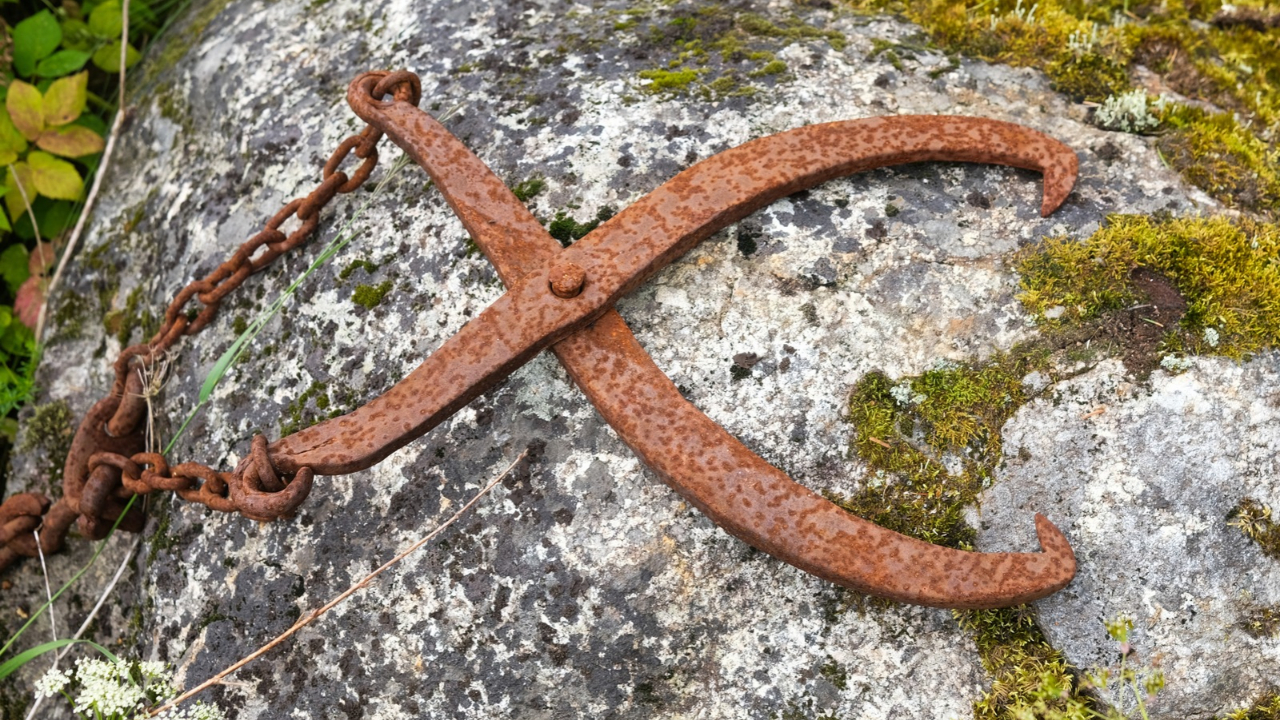
Most of the work around firewood isn’t cutting, it’s moving and positioning. Dragging rounds by hand tears up gloves, grinds dirt into bark, and leaves you lifting awkward weights all day. Then you cut into that gritty bark and wonder why your chain won’t stay sharp.
Log tongs bite into a round so you can drag it without hugging it. A timber jack goes further by lifting one end of a log so you can buck without hitting the ground. If you’re cutting solo, this tool saves a lot of bending and keeps your chain out of the mud.
6. Splitting Maul That Matches Your Wood
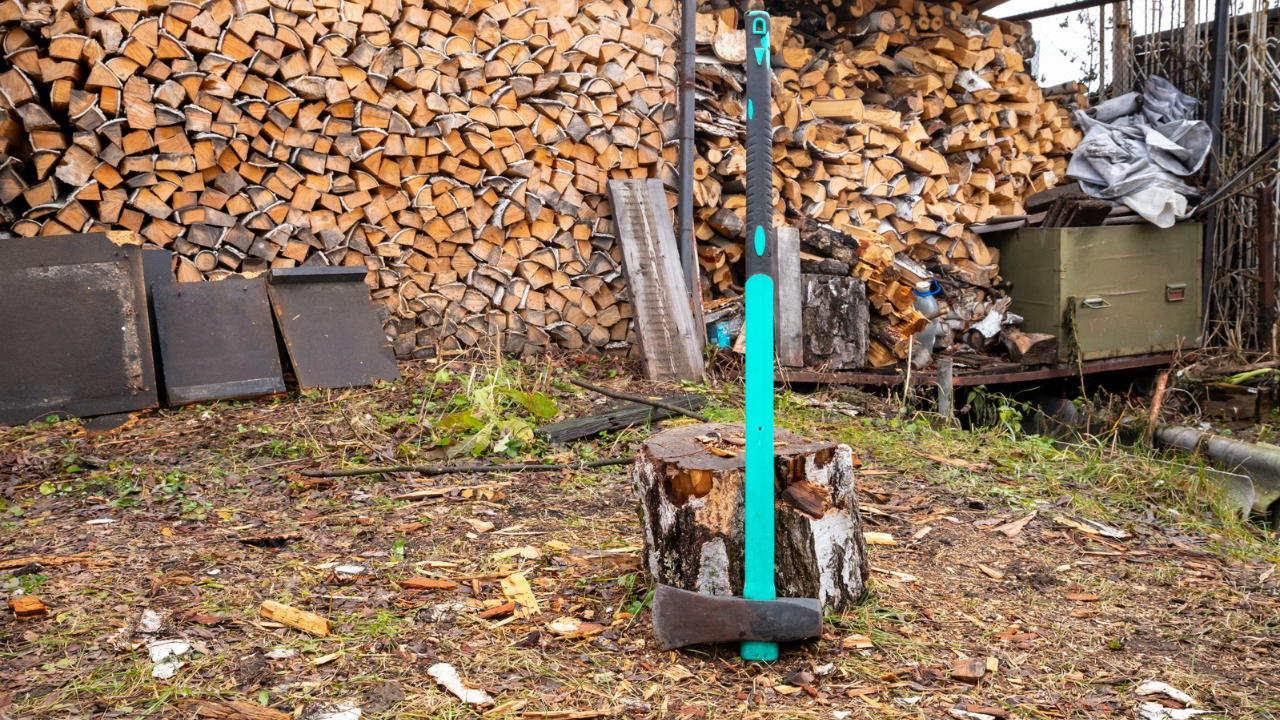
A cheap axe from the big-box store can bounce off knotty hardwood like it’s rubber. Then you start swinging harder, missing more, and wearing yourself out. The wrong tool turns splitting into a bad habit instead of a steady job.
For most rounds, a real splitting maul with some weight does better than a thin axe meant for chopping. If you mostly split straight-grained softwood, a lighter splitting axe is fine and faster. Keep the handle tight, and stop using any tool with a cracked or loose haft.
7. Hydraulic Splitter For Big Or Stringy Rounds
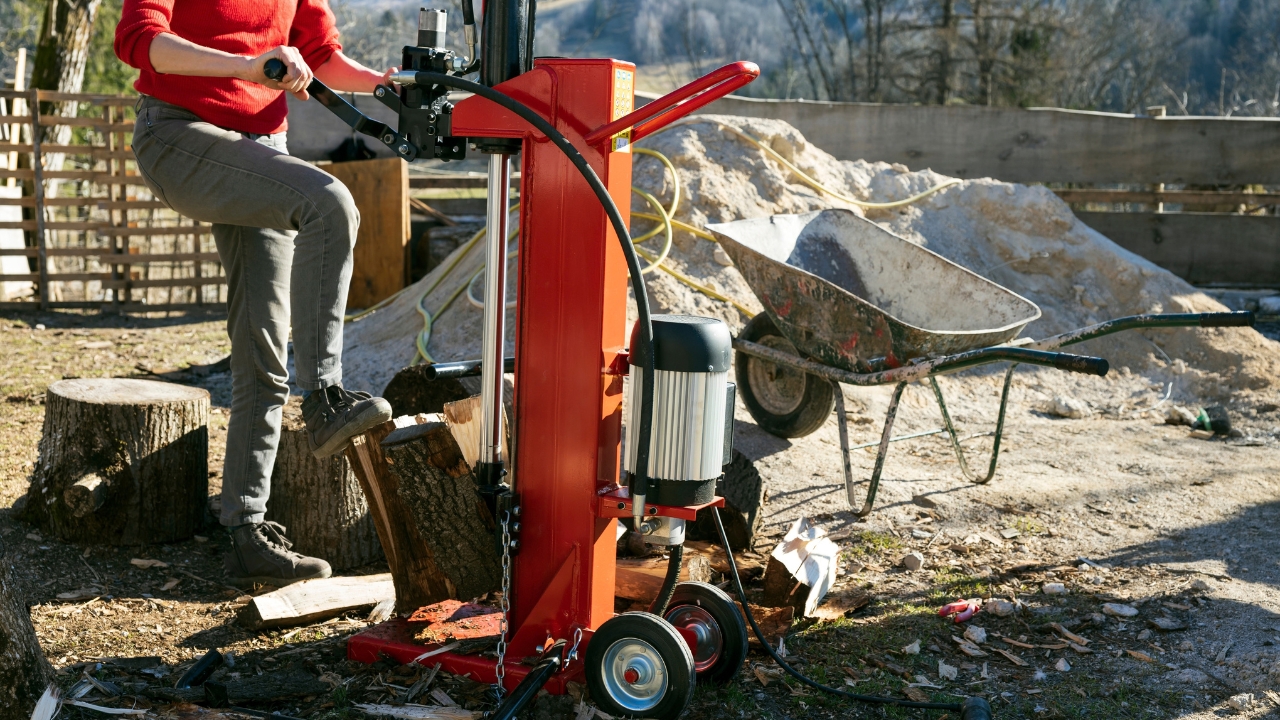
Some wood just doesn’t behave. Elm, gum, twisted maple, big oak crotches, they laugh at hand tools and eat time. You can spend half a day making kindling-sized progress and still have a pile of stubborn rounds staring back at you.
A hydraulic splitter is not for everyone, but it’s the honest answer when your wood supply is heavy and gnarly. Renting one for a weekend can make sense if you only face this a few times a year. If you buy, think about storage, fuel, and maintenance, and don’t overlook electric models if you split close to an outlet and your rounds are manageable.
8. Moisture Meter For Burn Ready Checks
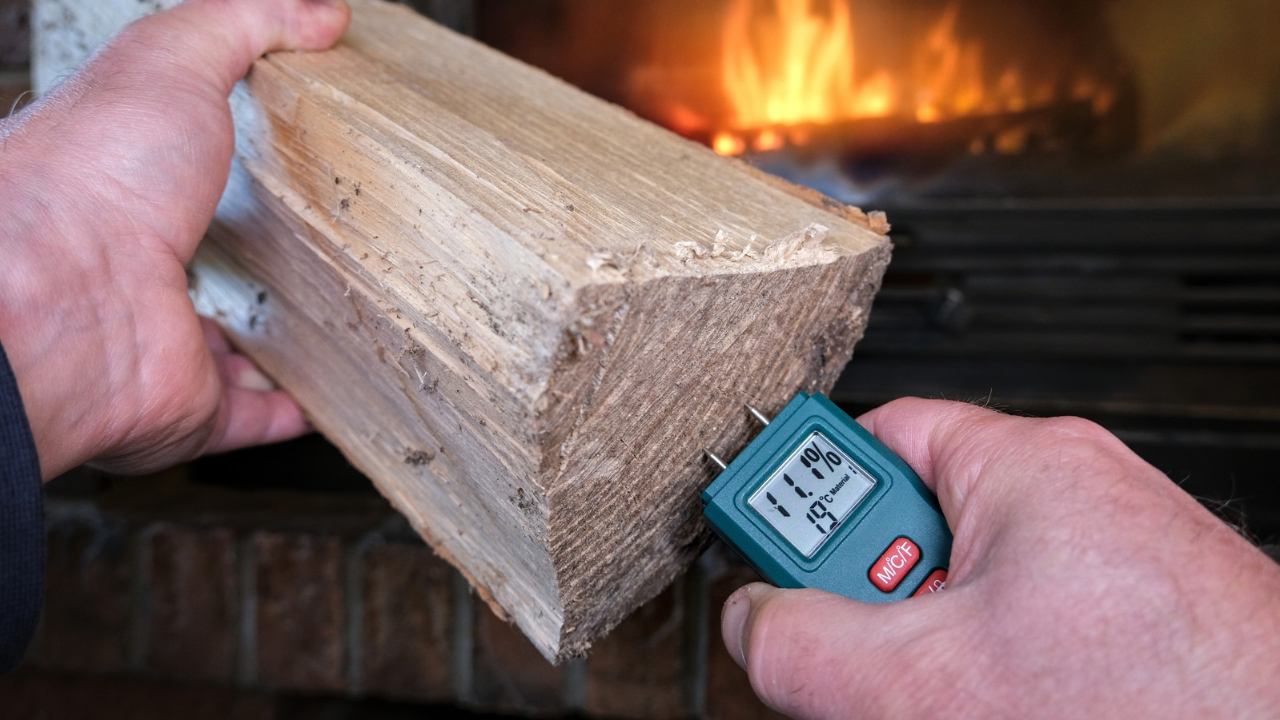
Green wood burns poorly, smokes, and makes creosote. The frustrating part is you can stack something for a season and still get hissing logs if the rounds were large or the stack sat in shade. Guessing based on bark and weight is how you end up hauling the wrong pile to the porch in January.
A basic moisture meter takes the argument out of it. Split a piece and test the fresh face, not the outside. When you know what’s ready, you stop wasting time cutting and stacking wood that won’t heat well this winter.
9. Proper PPE That You Actually Wear
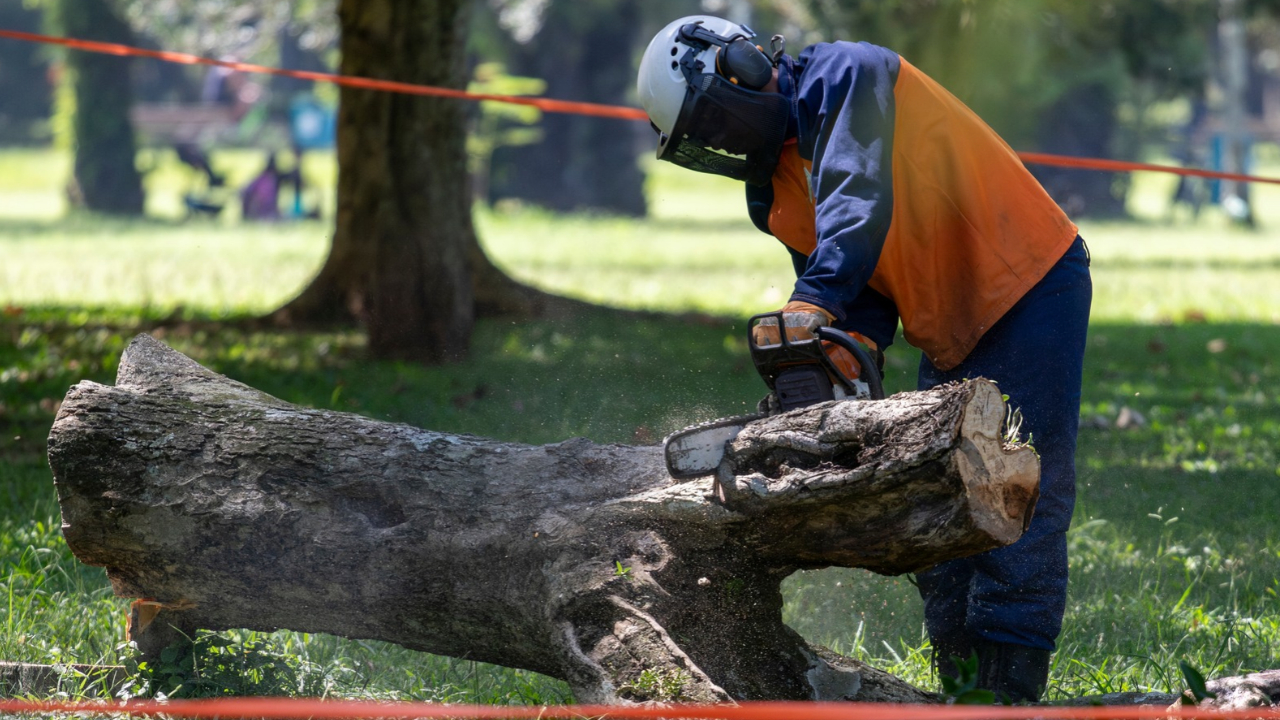
If your gear is uncomfortable, it stays on the hook. Then one slip in wet leaves or one kickback scare turns into a trip to urgent care. Firewood work is repetitive, and repetitive work is when people get casual.
At a minimum, use eye and ear protection and gloves that still let you feel the saw. For chainsaw work, chaps are the big upgrade, along with boots that have grip. If chaps feel like overkill for quick limbing, that’s the exact moment accidents happen.
10. Dry Storage Setup For Fuel And Tools
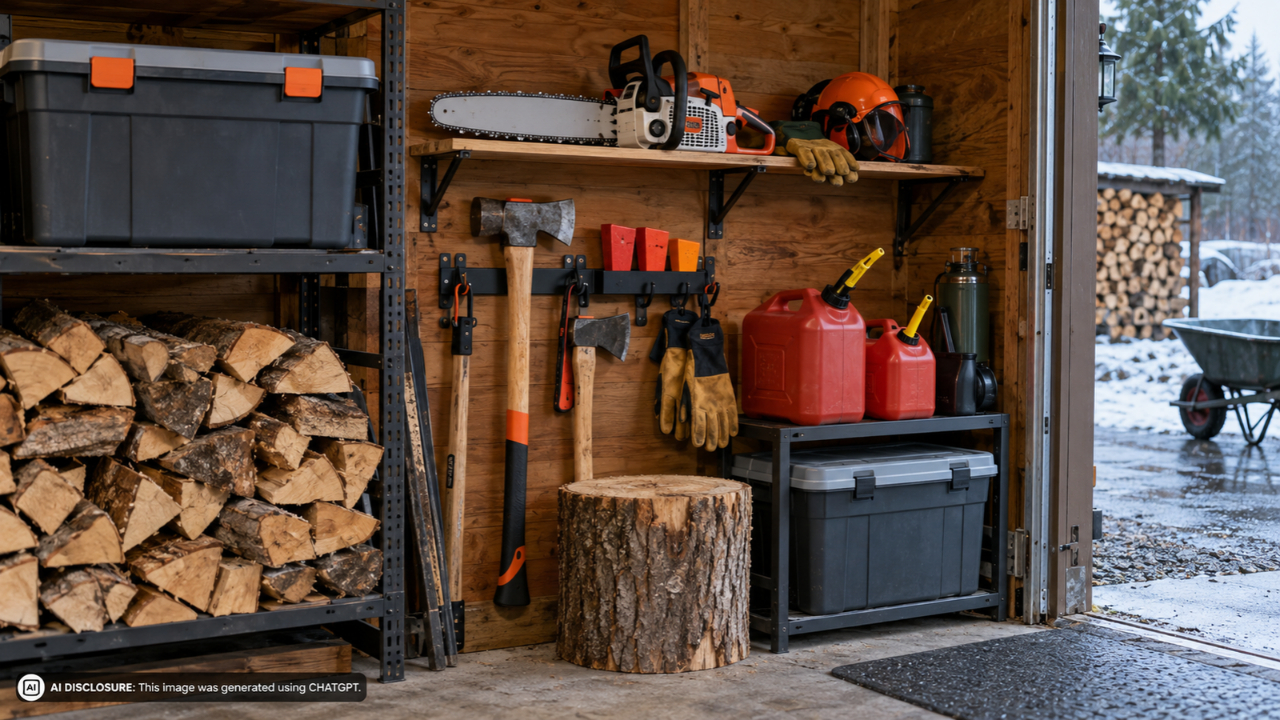
Wet gas cans, rusty wedges, and a chainsaw that sits with old fuel make the next cutting day start with swearing. Cold weather makes it worse, because stiff pull cords and gummy carbs turn a simple job into an hour of tinkering. Leaving tools in the back of a truck bed is a fast way to lose them or ruin them.
Give your firewood tools a home. A small shed corner, a wall rack in the garage, or a tote that stays dry goes a long way. Store mixed fuel only in approved cans, label it, and don’t keep it near flame sources, water heaters, or anything that sparks.
Pick two or three upgrades that solve your biggest pain points, then build from there. The best setup is the one that gets used every time, even when the weather turns and you’re trying to finish before dark.
Like Fix It Homestead’s content? Be sure to follow us.