10 Watering Mistakes That Slowly Turn a Green Lawn Patchy
Photo credit: Vladimir Konstantinov/Shutterstock.com
Watering your lawn might seem like one of those things that’s hard to mess up—but it’s easier than people think. A lot of common habits actually stress your grass out more than they help it. And when your yard starts looking patchy, yellowed, or spongey, the watering schedule is one of the first things worth checking. Here’s what could be working against you without you even realizing it.
Watering Every Day
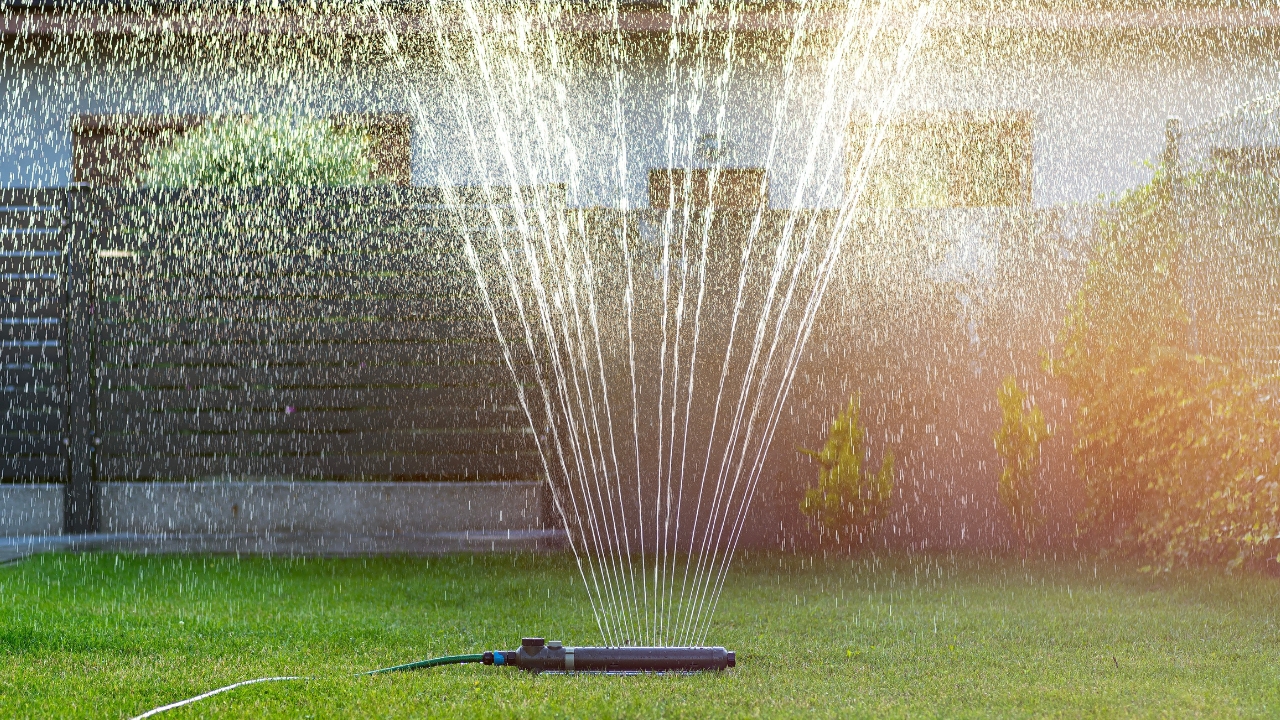
Daily watering trains your grass to grow shallow roots, which makes it more dependent on you and less able to handle heat or drought. It looks fine for a while—until it doesn’t.
Instead, water deeper but less often. Most lawns do better with one or two long soakings a week. That encourages the roots to grow down where the soil stays moist longer, which helps the grass stay stronger overall.
Watering at the Wrong Time
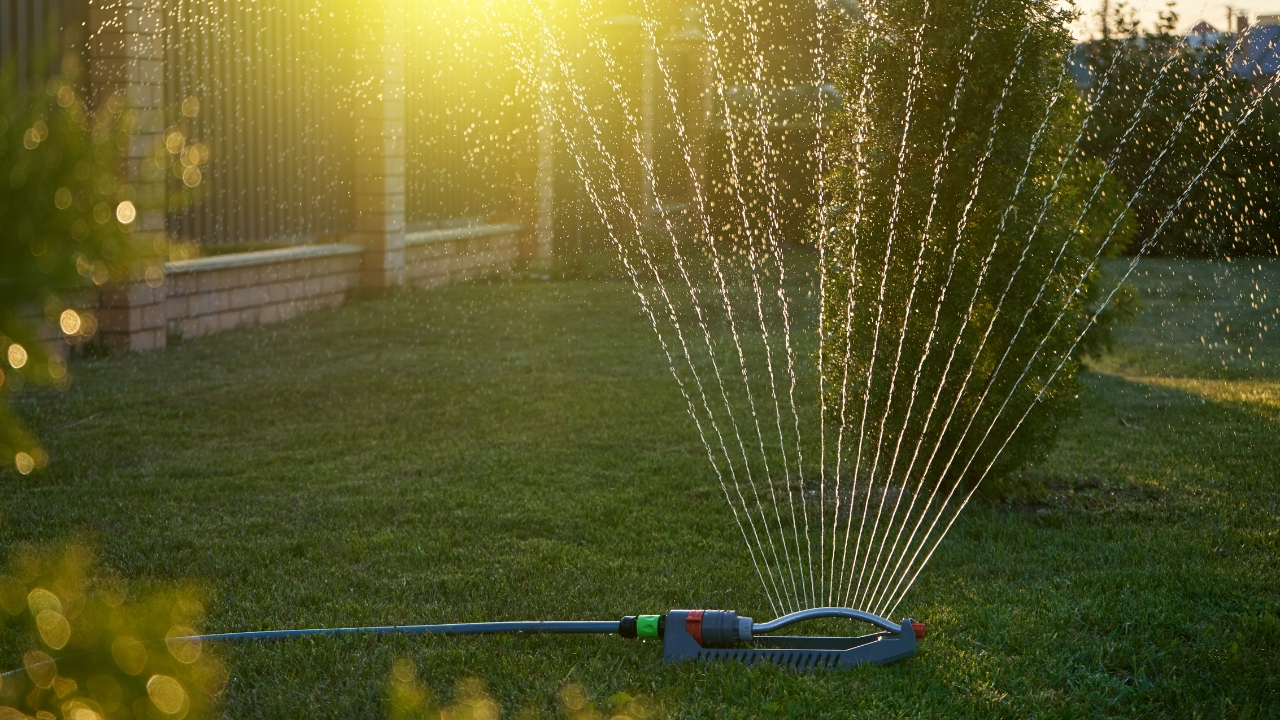
Watering in the heat of the day means most of it evaporates before it even hits the roots. And if you’re doing it late at night, the moisture can sit on the grass too long and invite disease.
The best time to water is early in the morning—ideally before 9 a.m. That way the water has time to soak in before the sun gets intense, and the grass has a chance to dry out properly during the day.
Using a Weak Sprinkler
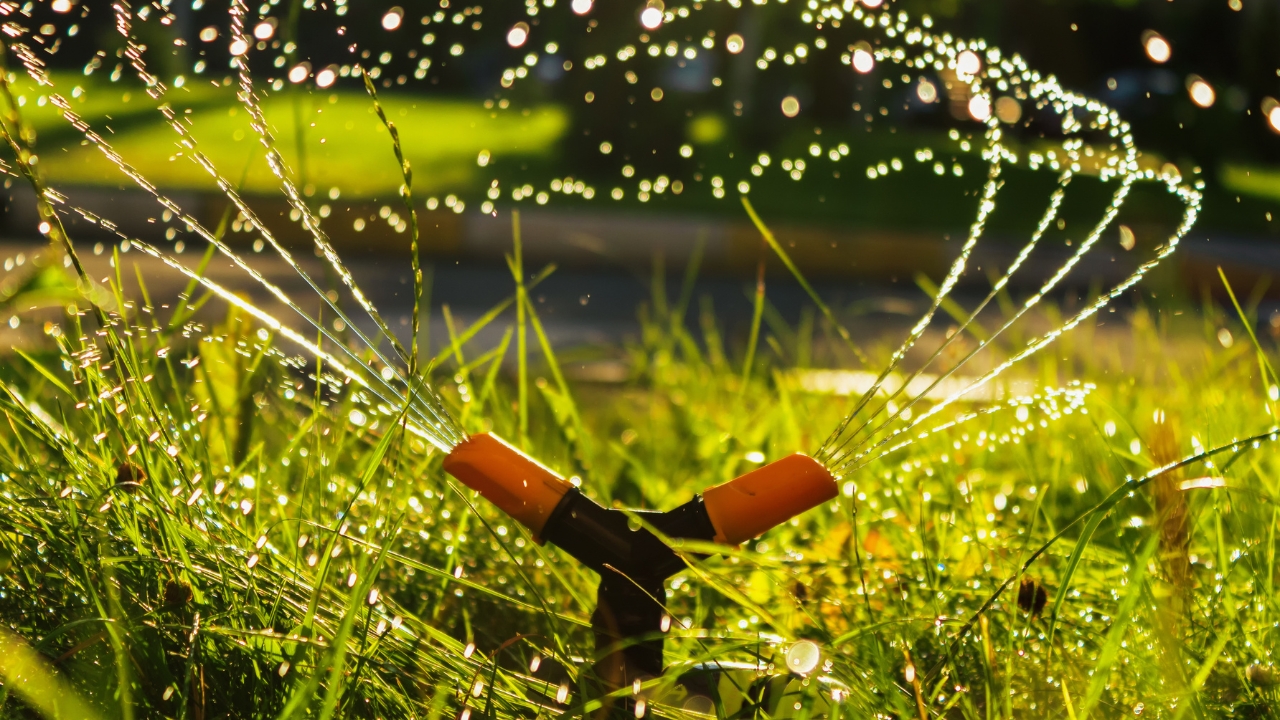
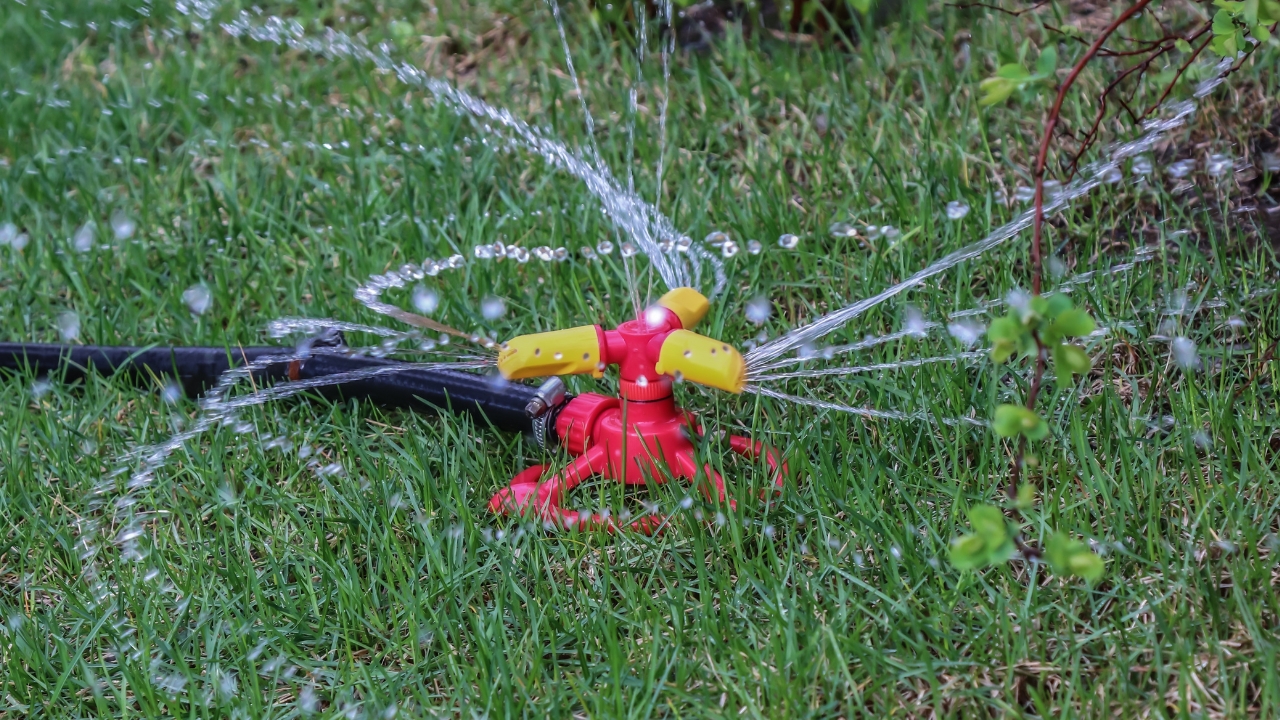
Old or low-pressure sprinklers might look like they’re getting the job done, but they usually water unevenly. Some areas flood, while others barely get anything at all.
Check your sprinkler coverage every once in a while by setting out a few tuna cans and running a cycle. If the water levels vary a lot, it might be time to upgrade or adjust your system.
Watering Too Lightly
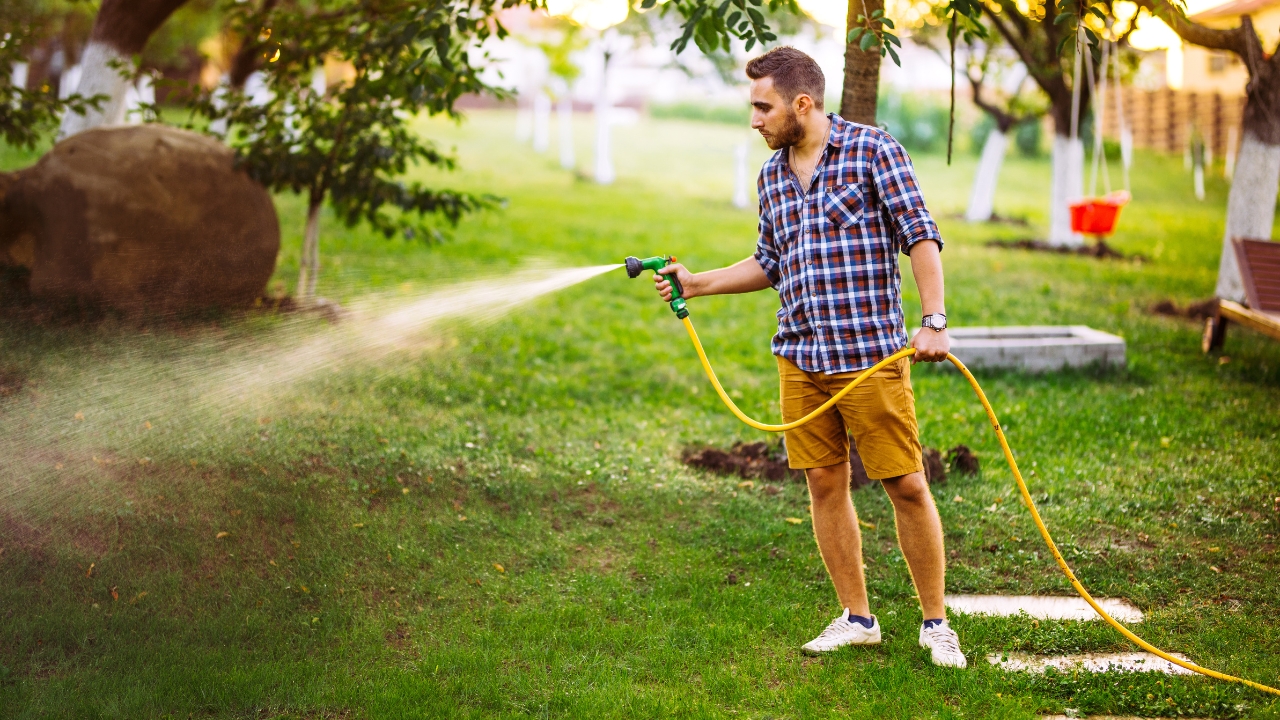
A quick sprinkle isn’t enough to do anything meaningful. It barely reaches the top layer of soil, so the roots stay near the surface and dry out fast.
You need to water long enough for the moisture to soak down a few inches. For most lawns, that means about an inch of water per session. If you’re not hitting that, the grass is constantly stressed.
Letting Water Pool in Low Spots

If parts of your lawn turn into puddles every time the sprinklers come on, those areas are getting overwatered. That can drown the roots and create the perfect setup for fungus or moss.
Try leveling out the area or adjusting your watering time. Aerating compacted soil can help water soak in better, and switching to a cycle-and-soak method can give the ground time to absorb more gradually.
Watering During Rainy Weeks
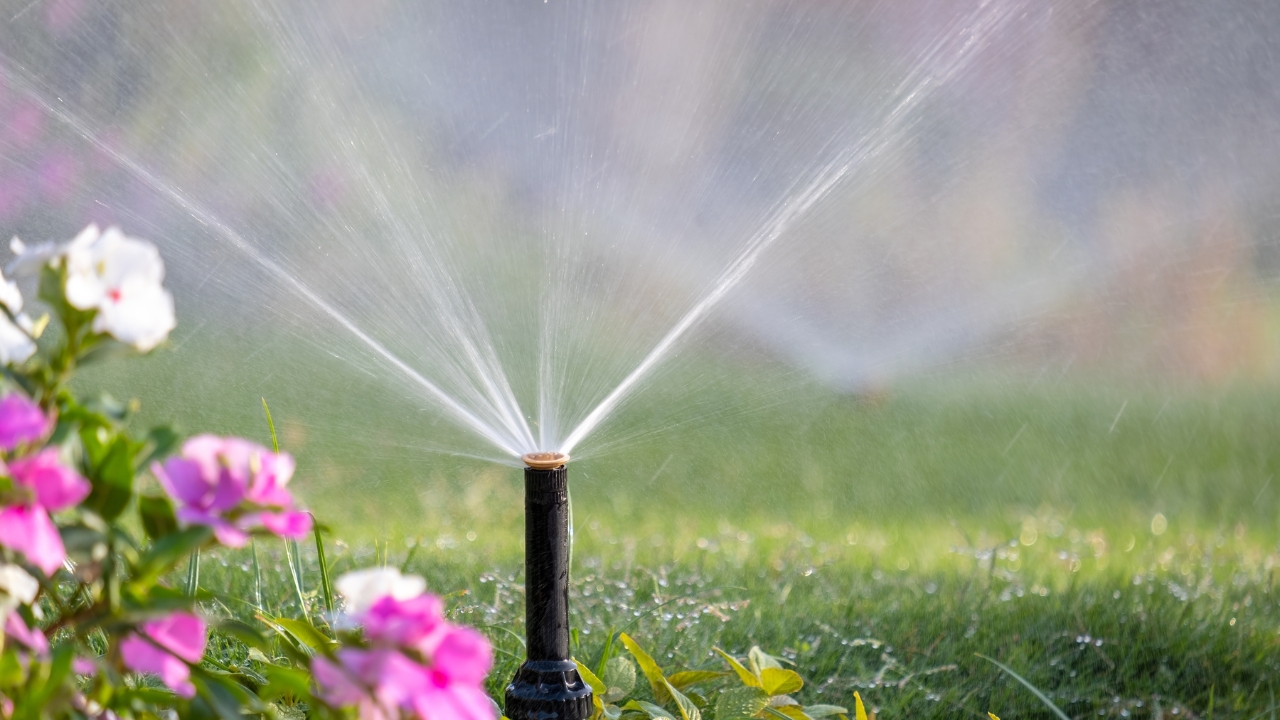
It sounds obvious, but you’d be surprised how many people forget to turn the sprinklers off when it rains. Overwatering can lead to fungal problems and root rot—even if the lawn isn’t visibly flooded.
Keep an eye on your local forecast and adjust your system accordingly. A rain sensor or smart sprinkler controller makes this way easier if you tend to forget.
Ignoring Soil Health
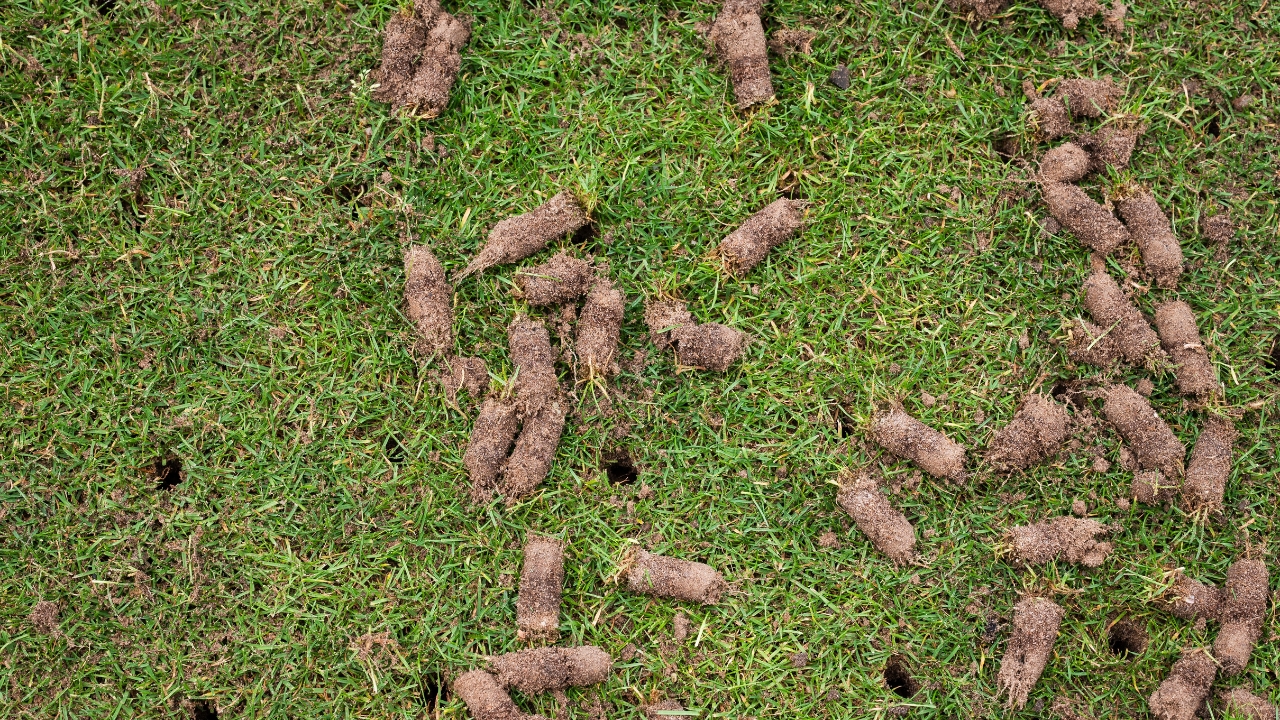
Even if you’re watering the right amount, compacted or poor-quality soil won’t let water reach the roots like it should. It runs off or sits on top instead of soaking in where it’s needed.
Aerating your lawn once or twice a year helps break things up and gives roots room to grow. You might also want to test your soil to see if it needs organic matter or better drainage.
Not Checking for Runoff
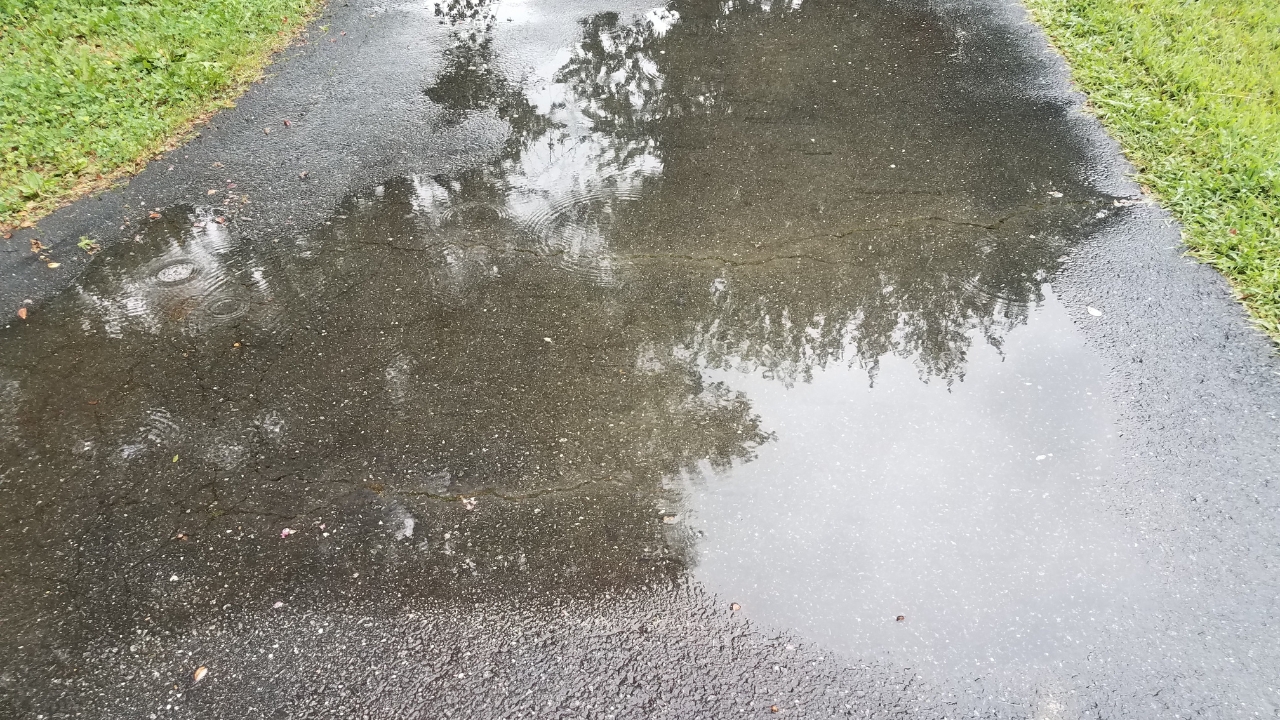
If you see water running down the sidewalk or pooling by the driveway, it’s not helping your grass—it’s washing away. That’s a clear sign you’re watering faster than the soil can handle.
Use shorter watering cycles with breaks in between to give the soil time to absorb. This method—called cycle and soak—prevents waste and helps the roots get more out of every drop.
Watering the Wrong Grass Type

Some grasses need a lot of water to thrive, while others hate being overwatered. If your lawn’s been struggling despite a consistent routine, you might be giving it the wrong care for its type.
Figure out what you’re actually growing—cool-season or warm-season grasses have different needs. Matching your watering habits to your lawn type makes a big difference in how healthy it stays long-term.
Forgetting to Adjust for Seasons

Your lawn doesn’t need the same amount of water year-round. What works in July might be total overkill in October. Sticking to one setting all year can do more harm than good.
Pay attention to the weather and how your lawn is responding. If it’s still damp from recent rains or starting to slow its growth, cut back on the watering. Your grass will thank you—and so will your water bill.
Like Fix It Homestead’s content? Be sure to follow us.