10 Ways Snow Ruins a Wood Pile
Photo credit: Vyktoryia/Shutterstock.com
Snow looks harmless until it sits on your stack for weeks. By the time you need heat the most, that white blanket can turn solid wood into a soggy, frozen mess. A good pile can handle winter, but only if you set it up like winter is coming.
1. Packing Snow Into Every Gap
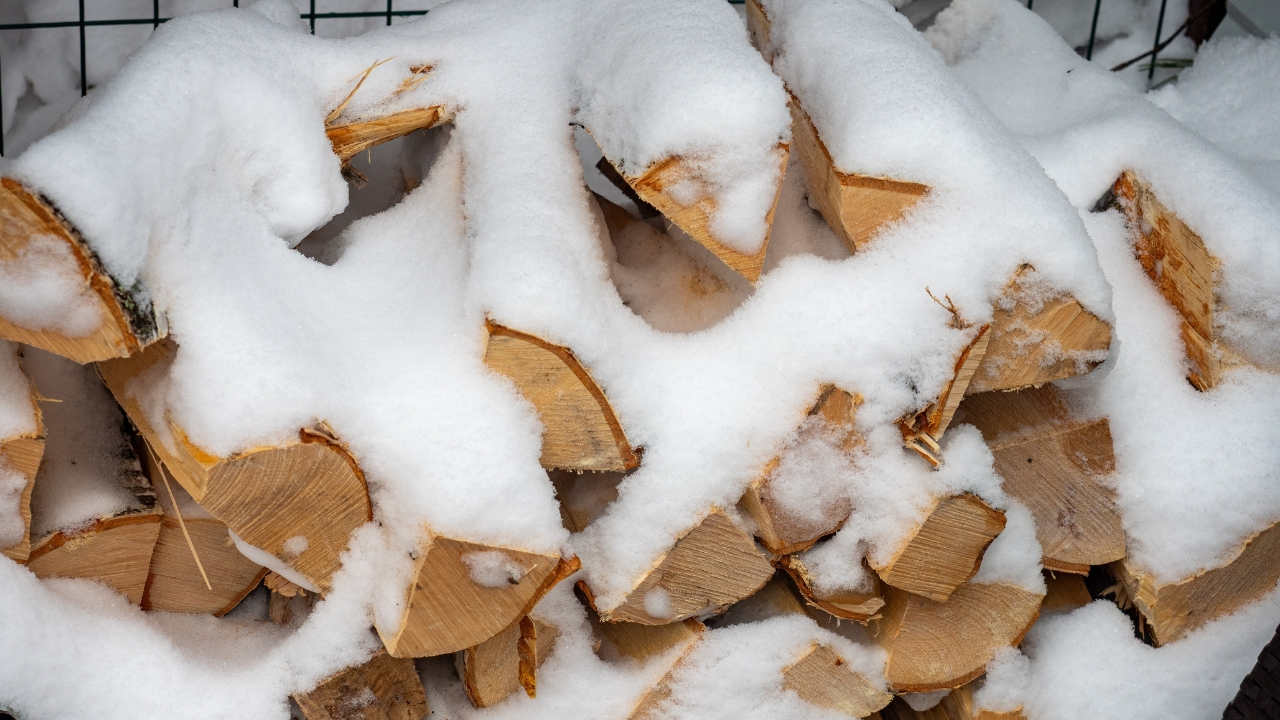
Loose stacking feels neat in fall, then the first wet snow blows sideways and packs into the air spaces. Those pockets melt, run down, and refreeze, and soon you have little ice dams glued to the bark. Wood that should be drying ends up holding water like a sponge.
Stack tighter and flatter where wind hits, and save the extra-ugly pieces for a top row that acts like sacrificial roofing. If your area gets heavy, wet snow, a simple “cribbed” end with squared corners helps the pile stay straight so gaps do not open mid-winter.
2. Letting Meltwater Soak The Bottom Row
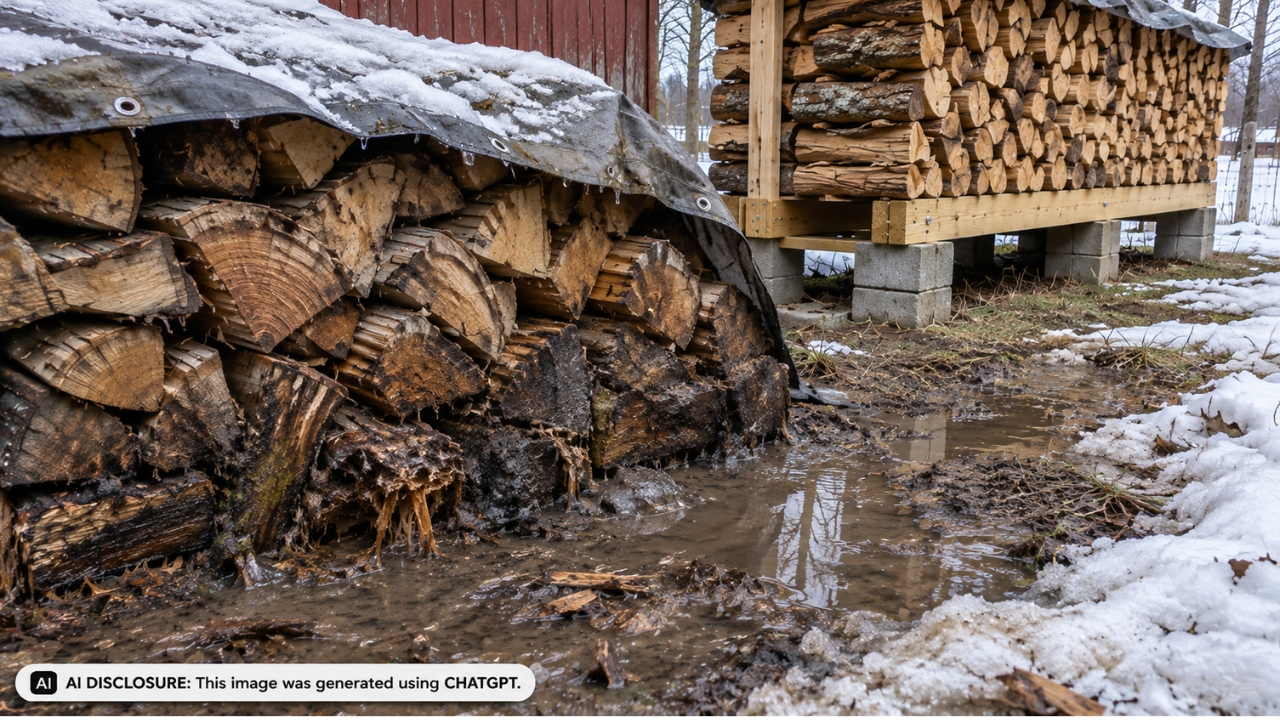
Snow melts from sun and warm spells, then it drains right into the first course of wood if the pile sits low. That bottom row stays dark, punky, and heavy, and it is always the last to burn well. If you are unlucky, it freezes into the ground and you end up prying rounds loose with a bar.
Get the pile up off soil. Pallets work if they are solid and not already rotten, or lay down treated 4×4 runners, old landscape timbers, or a row of concrete blocks with 2x4s across. Keep at least a few inches of air under the wood so meltwater can move away.
3. Freezing A Tarp To The Stack
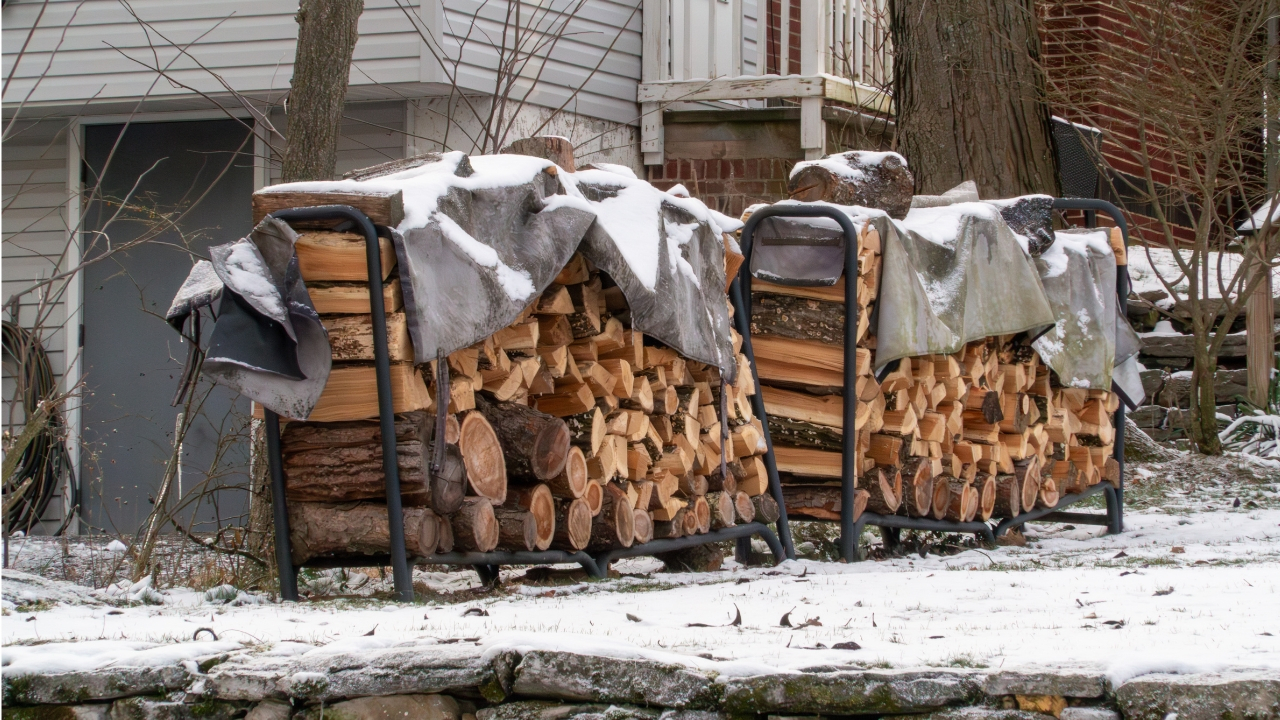
A full tarp wrapped around the pile feels like protection, until the tarp turns into a snow catcher. Water condenses under it, freezes at night, and the whole cover bonds to the wood like shrink wrap. Then you are ripping plastic in January with cold hands.
Cover only the top, and leave the sides open. A sheet of metal roofing, a piece of plywood with bricks on it, or a narrow tarp folded like a cap does the job without trapping moisture. If you do use a tarp, pull it tight and anchor it so it does not sag into a wet pocket.
4. Burying The Pile Under Roof Slides
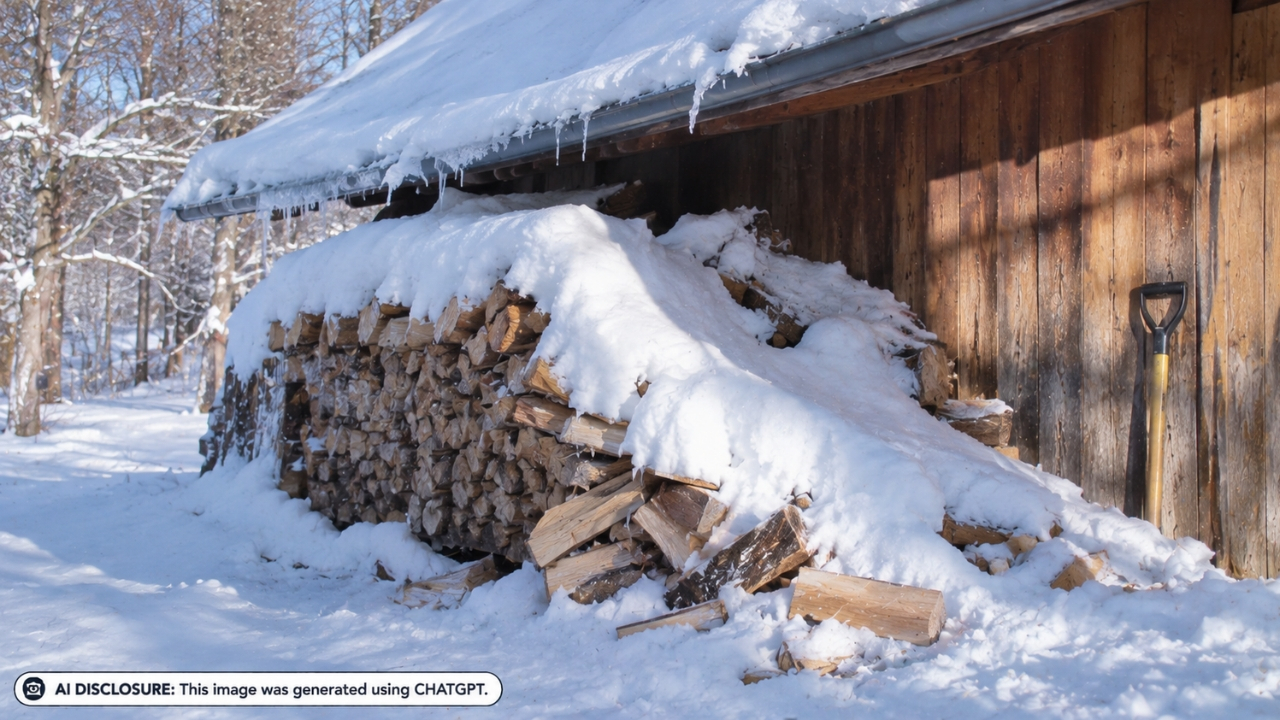
The worst snow is the snow that moves. If your stack sits under an eave, a roof valley, or a metal roof edge, a slide can hit like a slow-motion avalanche. It crushes the face of the pile, knocks your supports out, and buries your access path in a hard ridge.
Move the stack out of the fall zone, even if that means carrying wood a little farther. When that is not possible, put up a simple snow fence or relocate the pile to the gable end where roof shedding is lighter. A collapsed stack is a real injury risk, so do not treat this one as a small annoyance.
5. Letting Ice Glue Logs Together
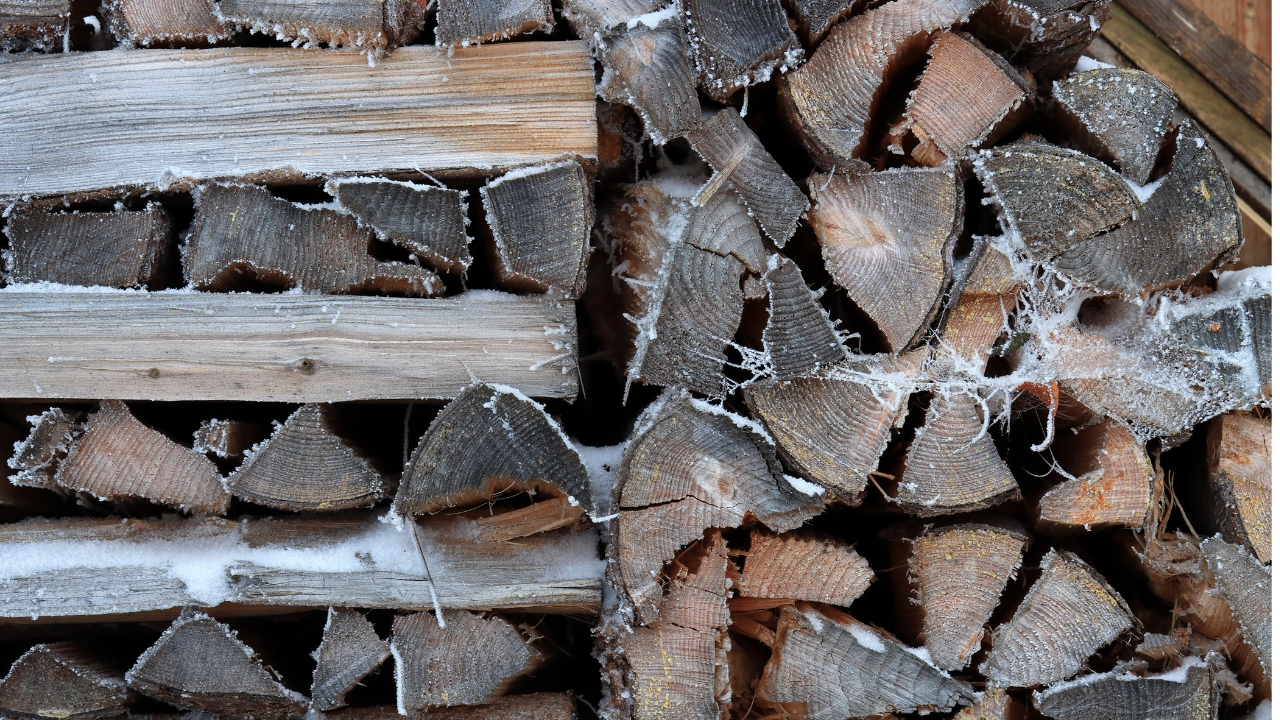
You go to grab an armload and the pieces come up as one frozen brick. Ice forms between rounds and splits, especially when snow melts in the daytime and locks up overnight. Besides being frustrating, it can yank a whole column out of place and start a slump.
Plan on winter access. Keep your “next to burn” wood in a smaller, separate rack that is under a roof or at least under a top cover. If you have to break apart frozen wood, use a shovel handle, a splitting maul, or a small sledge on the end grain, not your fingers and not a kicking fit on slick ground.
6. Turning Your Seasoned Wood Back Wet
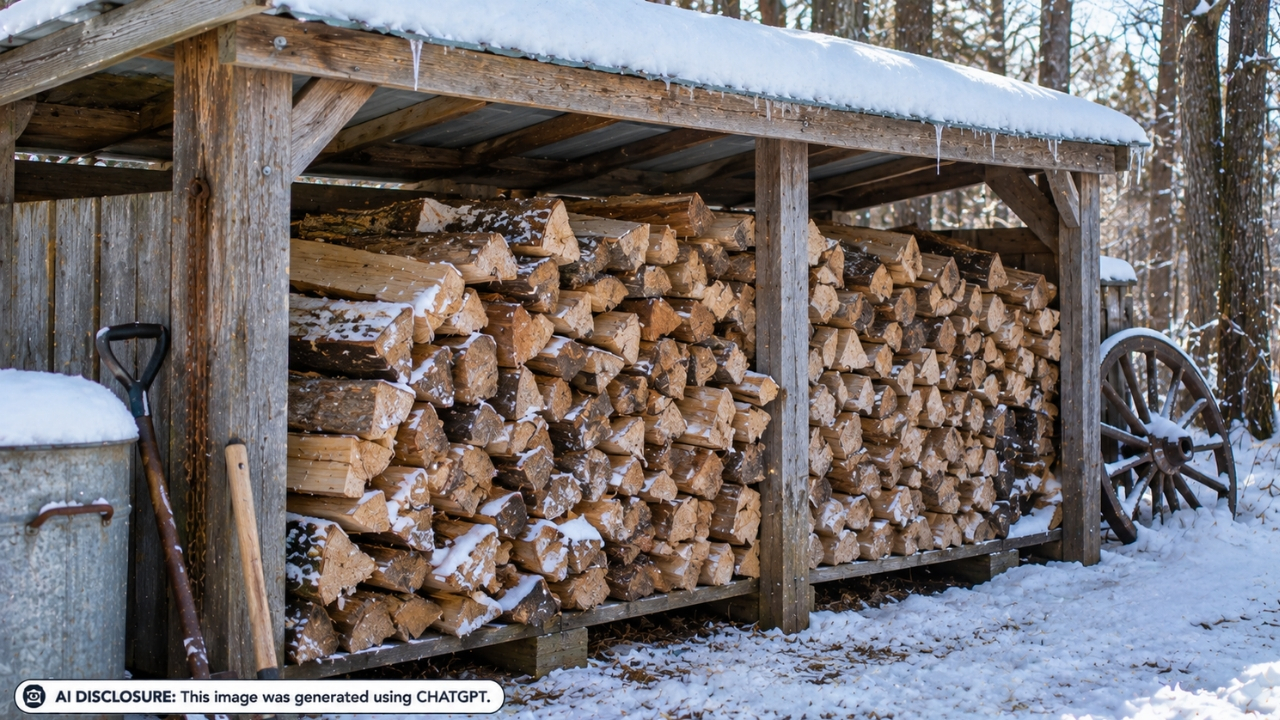
Dry wood does not stay dry when it is buried in snow for a month. Bark holds water, checks fill up, and the ends re-wet fast. Then you get the classic symptoms inside, hissing, sizzling, and that lazy smoke that makes creosote faster.
Keep the best stuff protected, even if you cannot protect all of it. A simple woodshed with an open front and a roof is worth building if you heat with wood regularly. If you are buying firewood, store it right away, do not let it sit uncovered through the first big snow and tell yourself you will fix it later.
7. Collapsing A Stack From Snow Load
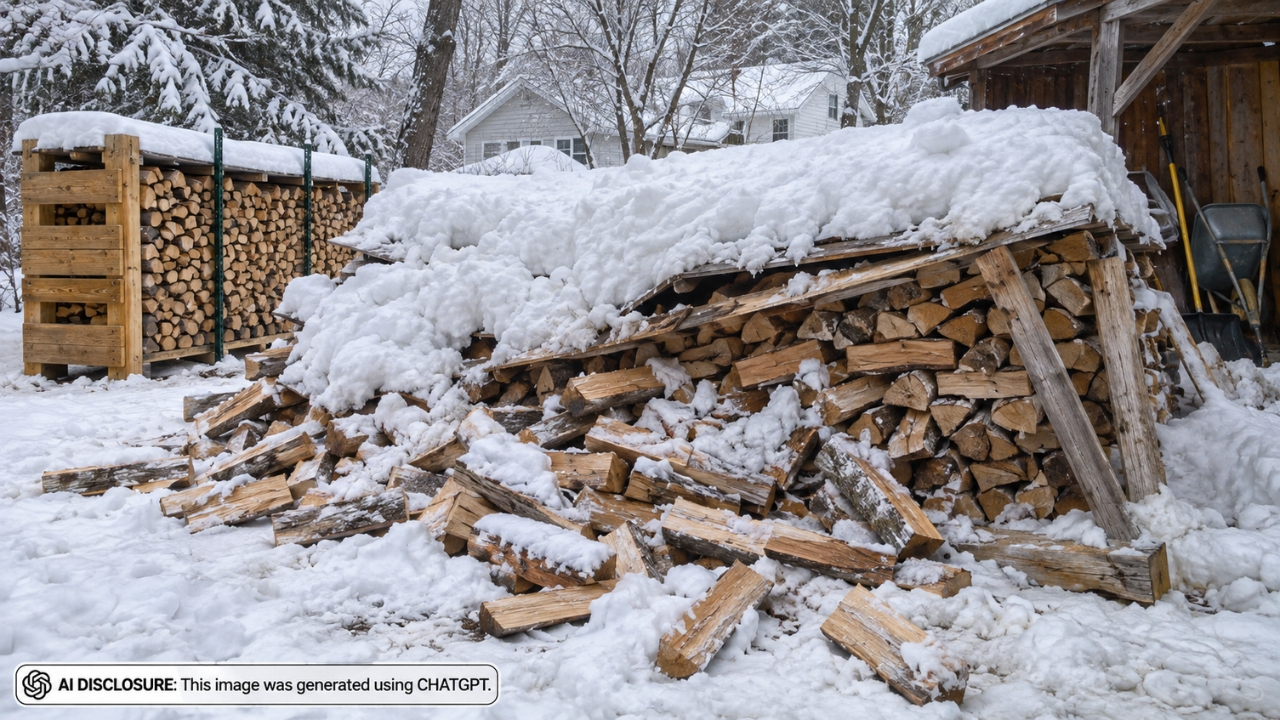
Snow is heavy, and wet snow is heavier. A deep layer on top of a wide, flat pile pushes outward and down, especially if the stack already leans or the ends are weak. When it goes, it goes fast enough to hurt you or dent a vehicle parked nearby.
Build shorter, tighter stacks, and do not rely on a couple of random stakes in soft ground. Use solid end supports, like a proper rack, T-posts driven deep, or cribbed ends made from straight pieces. If you have kids running around, keep stacks away from play areas and do not build tall “walls” of wood just because it looks tidy.
8. Creating A Mouse Hotel Under Snow
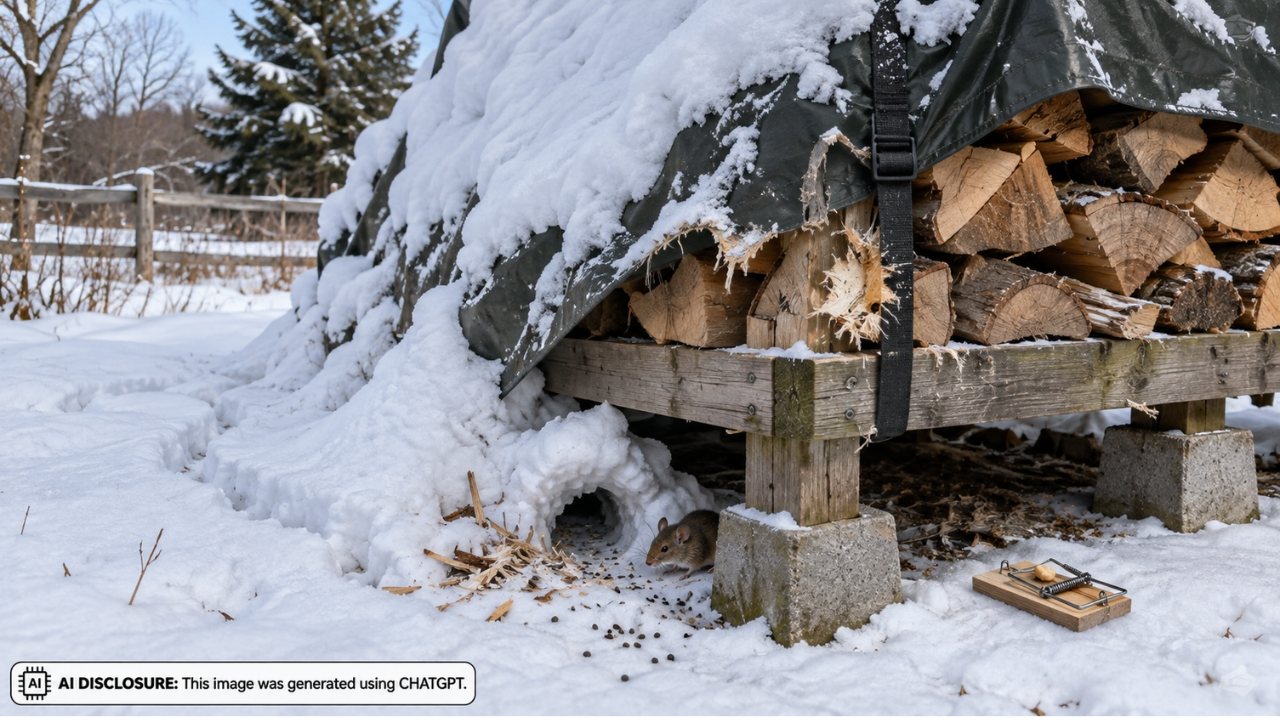
Snow makes a warm roof, and rodents love that steady insulation. Once a pile is banked in, mice and voles tunnel under and start nesting in the soft, protected spots. You find shredded bark, droppings, and sometimes chewed-up straps or covers.
Keep the area around the pile clean, no tall grass, no junk piles, no feed nearby. Raise the wood, keep it off the house, and do not stack right against a shed door where critters will follow the path inside. Traps work better than poison around firewood, especially if you have pets or livestock.
9. Trapping Moisture With Perfectly Wrapped Sides
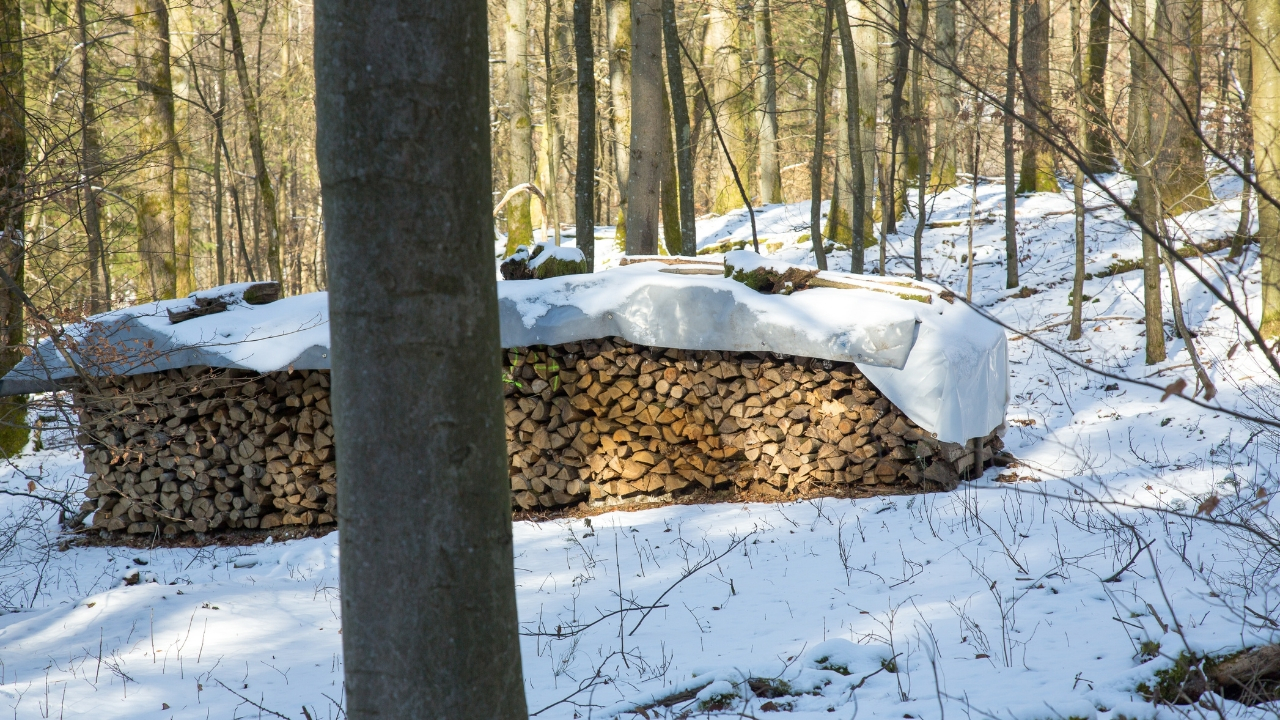
People want a “sealed” pile because it looks finished. In winter, sealed sides stop wind from doing the one job it still can, drying the surface between storms. You end up with moldy bark and a sour smell when you crack the stack open.
The cheap option is often fine here, a top cover only and open sides. Airflow beats plastic walls. If wind-driven snow is brutal at your place, a slatted windbreak a foot or two away from the stack works better than wrapping the wood itself.
10. Burying Your Walking Path In Hardpack
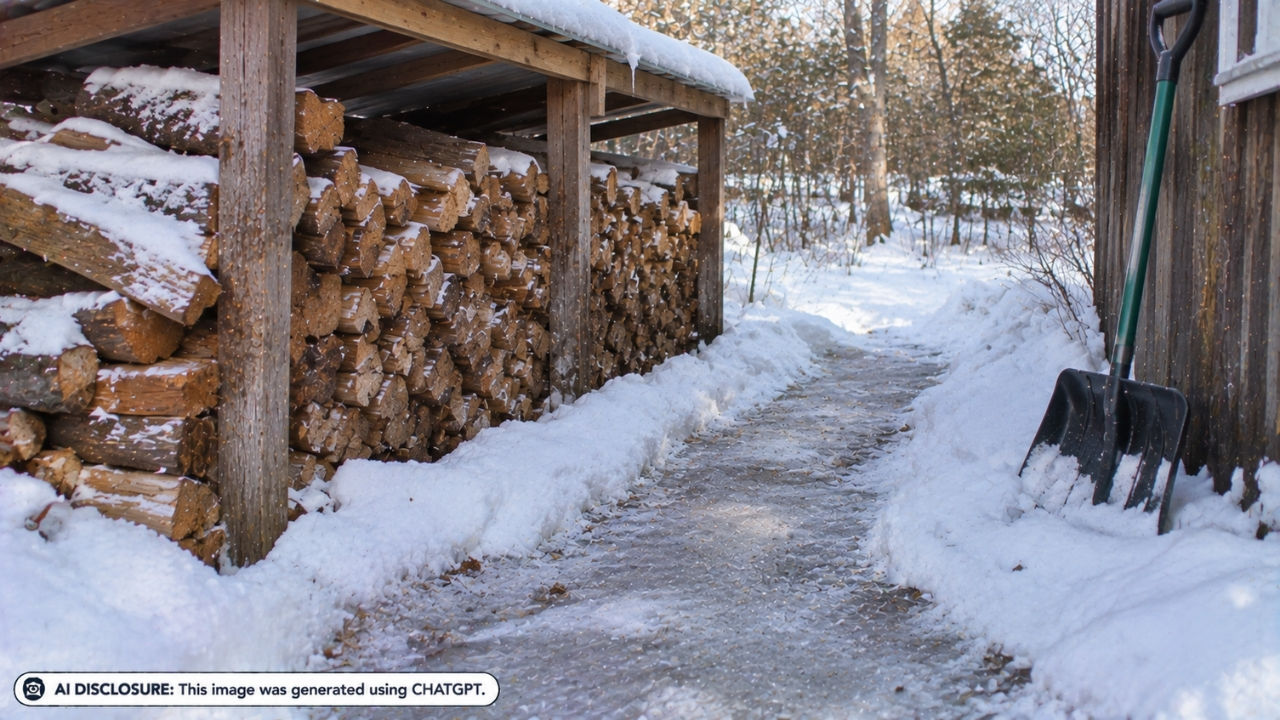
The first couple snows seem manageable, then the path to the pile gets walked down and freezes into rutted hardpack. Now you are carrying armloads over slick, uneven ice. A twisted knee costs more than any tarp you forgot to buy.
Lay out access before winter. Keep a wide path, toss down sand or wood ash for traction, and shovel early so you are not chopping ice later. If the pile is far, a small sled or a garden cart with good tires saves your back, but only if you keep the route clear.
Winter wood is mostly about planning in October, then doing small upkeep during storms instead of one big rescue job in February. A pile that stays off the ground, sheds water from the top, and still gets air on the sides will burn better when the cold really settles in.
Like Fix It Homestead’s content? Be sure to follow us.