12 Animals That Can Get Into a House Through the Chimney
Photo credit: C. Perry Studios/Shutterstock.com
A fireplace looks sealed up, but a chimney is still a tall, open hallway to the outdoors. Once an animal drops in, it doesn’t always find its way back out, and it’ll try the next best option, your living room. If you hear scratching, fluttering, or a dull thump above the firebox, don’t light a fire to “smoke it out.”
1. Raccoons Looking For A Den
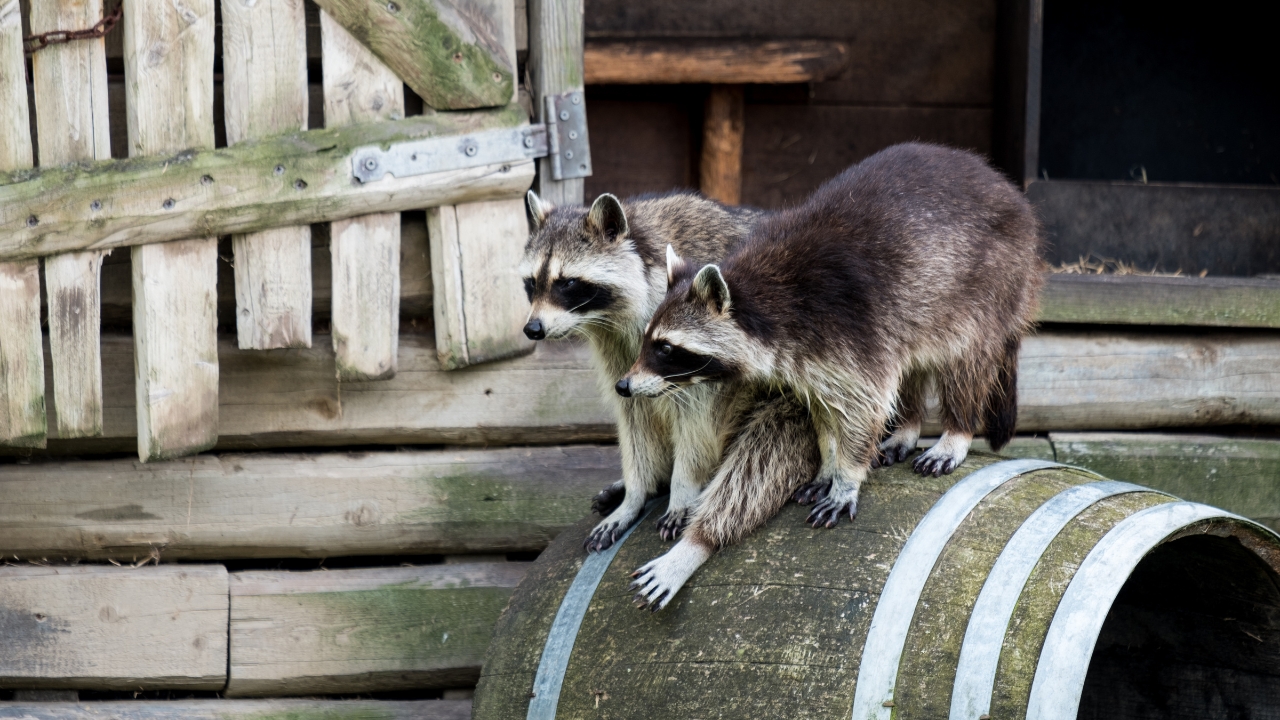
Raccoons don’t slide in by accident very often. A lot of times they’re hunting a safe, dark spot to sleep, or to have kits in spring. You’ll hear heavy shuffling and loud thuds, like someone moving boots around in the flue.
If a raccoon is in the chimney, close the damper if you can do it without getting close to the animal, and keep pets and kids away. The fix is a proper chimney cap with a stainless mesh skirt, sized for your flue, not chicken wire twisted on with baling wire. If you suspect babies, call wildlife control, this is one job where paying someone saves you a mess and a bad bite.
2. Squirrels Chasing Warmth And Nesting

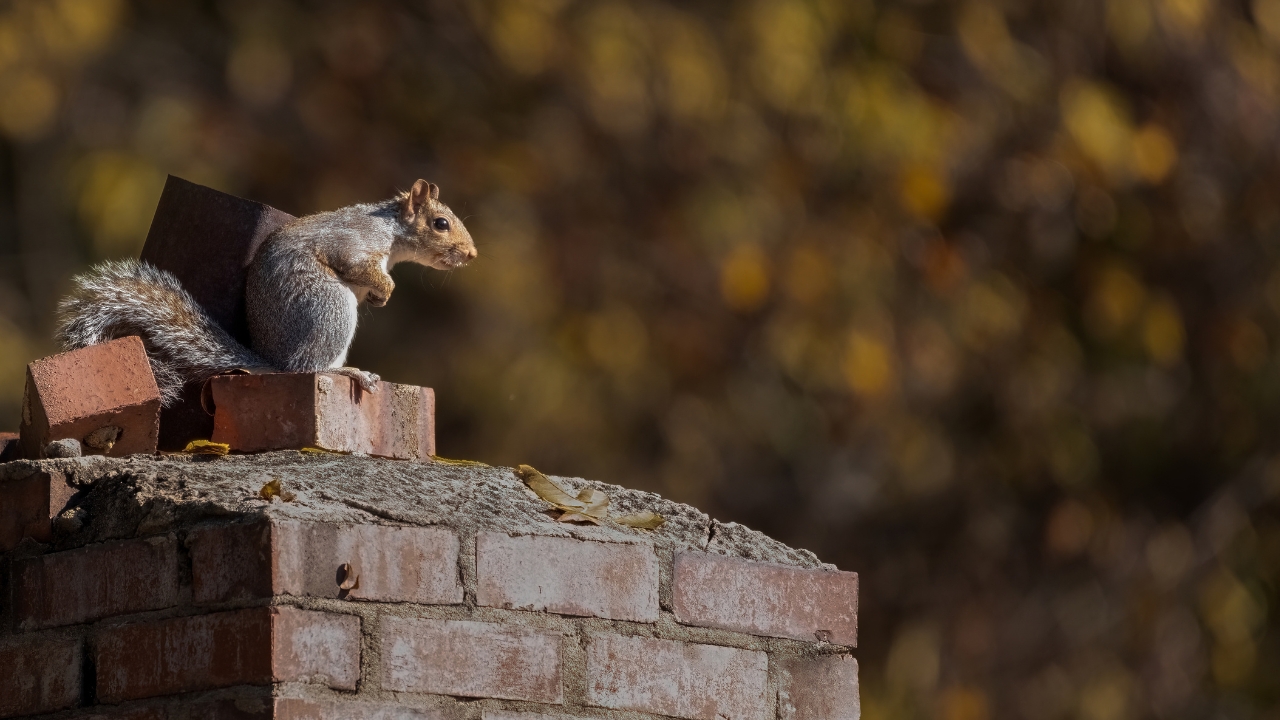
In fall, squirrels get busy and reckless. They’ll run the roofline, find an uncapped flue, and drop in while trying to stash nesting material. The sound is fast scratching and quick pops, and then sudden silence when they wedge themselves somewhere.
Don’t toss nuts down the chimney or try to “lure” them out. Get a bright flashlight and look up from the firebox with the damper open, from a safe distance, to confirm what you’re dealing with. After removal, clean out any sticks and leaves, then add a cap and trim branches back so they can’t jump to the roof as easily.
3. Chimney Swifts In The Wrong Season
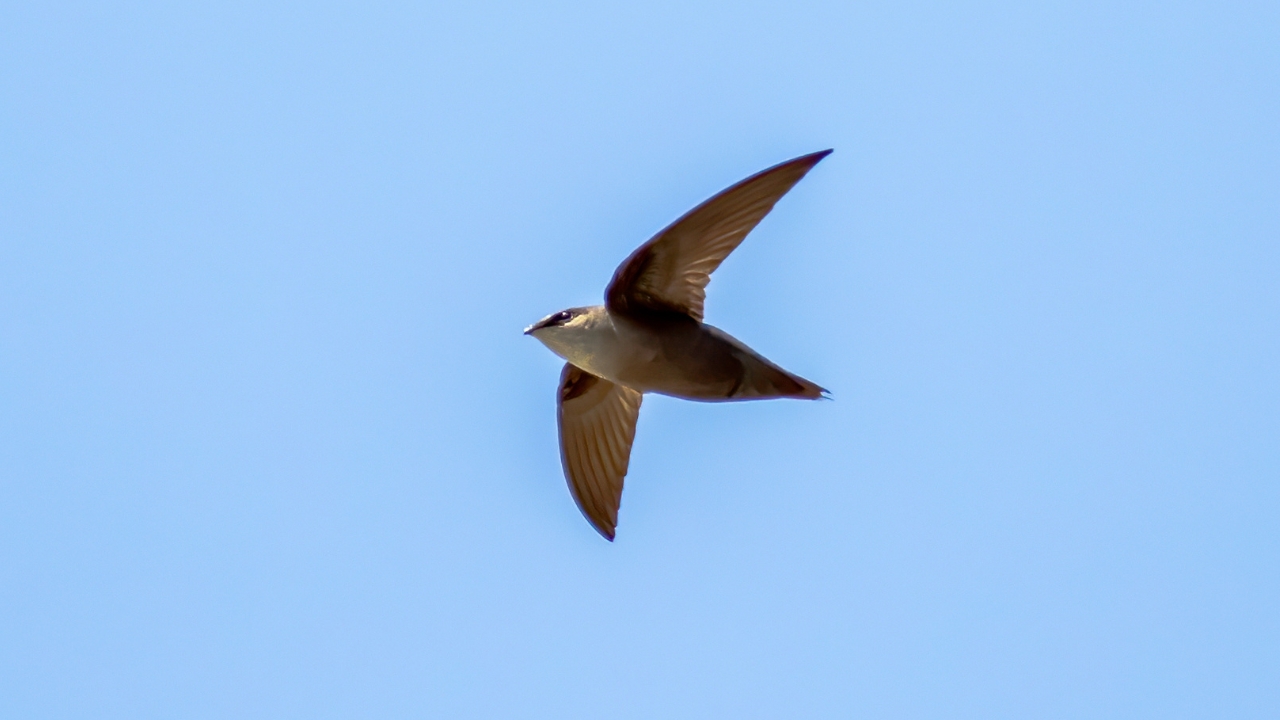
Chimney swifts are the classic “birds in the flue,” especially in late spring and summer. They cling to rough masonry and can drop into fireplaces, then flutter like crazy when they can’t gain height. You’ll hear rapid wingbeats that sound like a deck of cards being shuffled.
This one has a big exception: swifts are protected in many areas, and a nest with young is often illegal to disturb. If you cap your chimney, do it outside nesting season, or use a cap designed to keep animals out without trapping swifts inside if they’re already using the chimney. If you suspect a nest, talk to a local wildlife rehabilitator or your state wildlife office before you do anything.
4. Starlings Packing The Flue With Grass
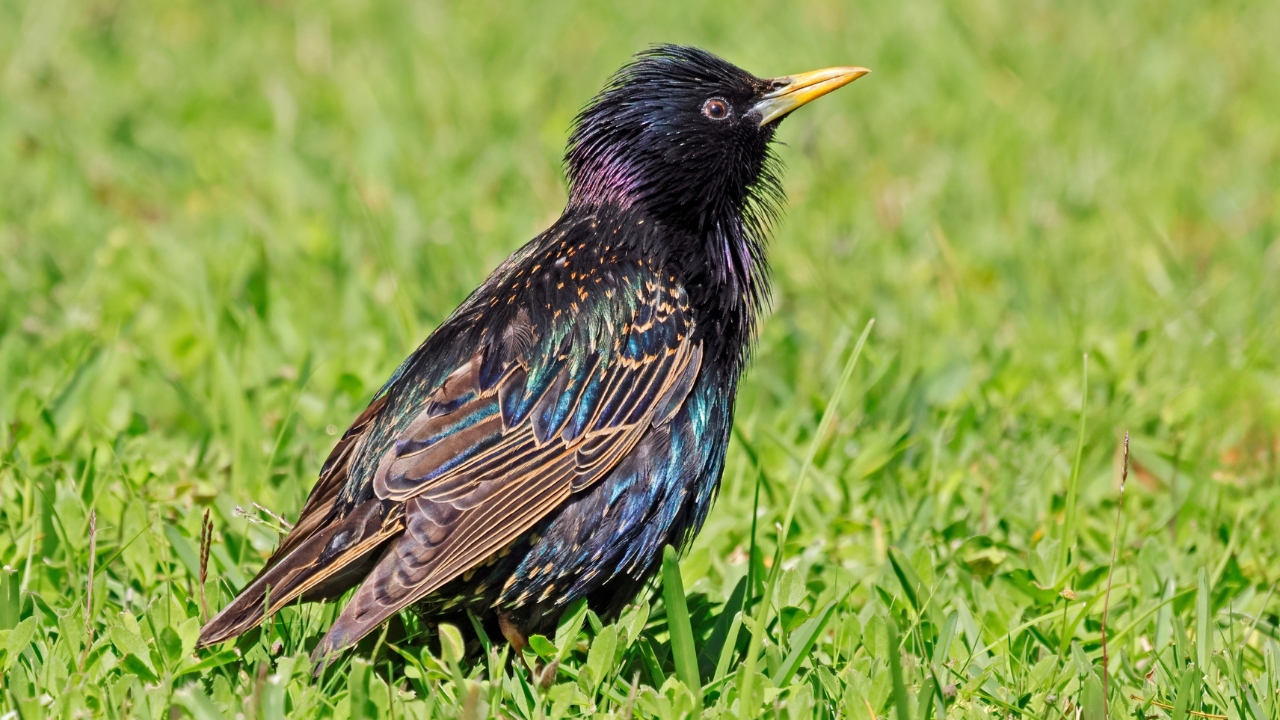
Starlings love building in cavities, and a masonry chimney is a wide-open invite. They’ll bring in long, dry grass and fill the smoke shelf and damper area until the draft is weak. Sometimes you don’t even notice until the first cold fire of the year sends smoke back into the room.
Once nesting material is in there, a simple sweep from below usually won’t get it all. A chimney sweep can pull it out with the right rods and a vacuum, and you want it gone because it’s a fire starter. Then cap the top, and make sure the cap is anchored well, starlings push hard.
5. Bats Dropping Into An Open Damper
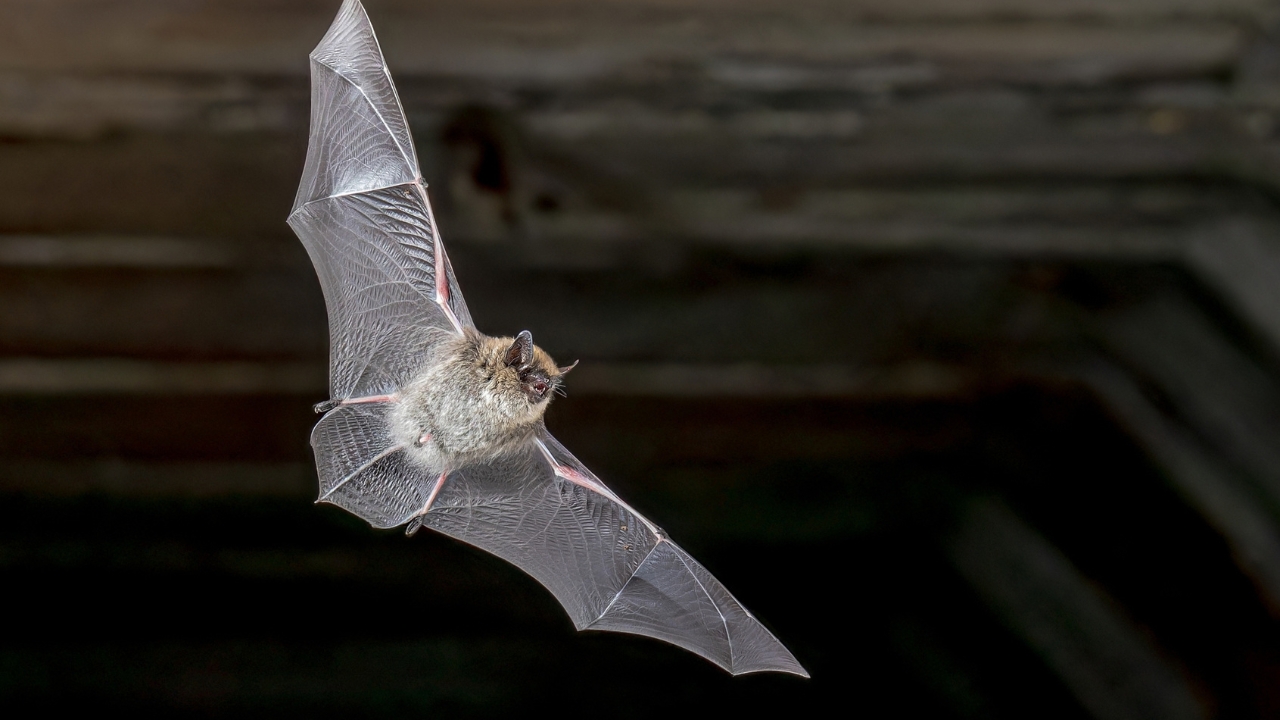
Bats don’t want to be in your house. They end up there because they roost in chimneys or attic spaces, then follow air movement and light and slip through a damper left open. You might notice faint squeaking at dusk, or see one circling a room right after sunset.
Close the damper when the fireplace isn’t in use, and consider a top-sealing damper if your throat damper is leaky or missing. If bats are roosting higher up, exclusion is the right fix, not trapping, and timing matters because young bats can’t fly for a while. This is another situation where a pro is worth it, and cleanup should be done with gloves and a proper respirator, not a dust mask.
6. Chimney Rats Following Rooflines
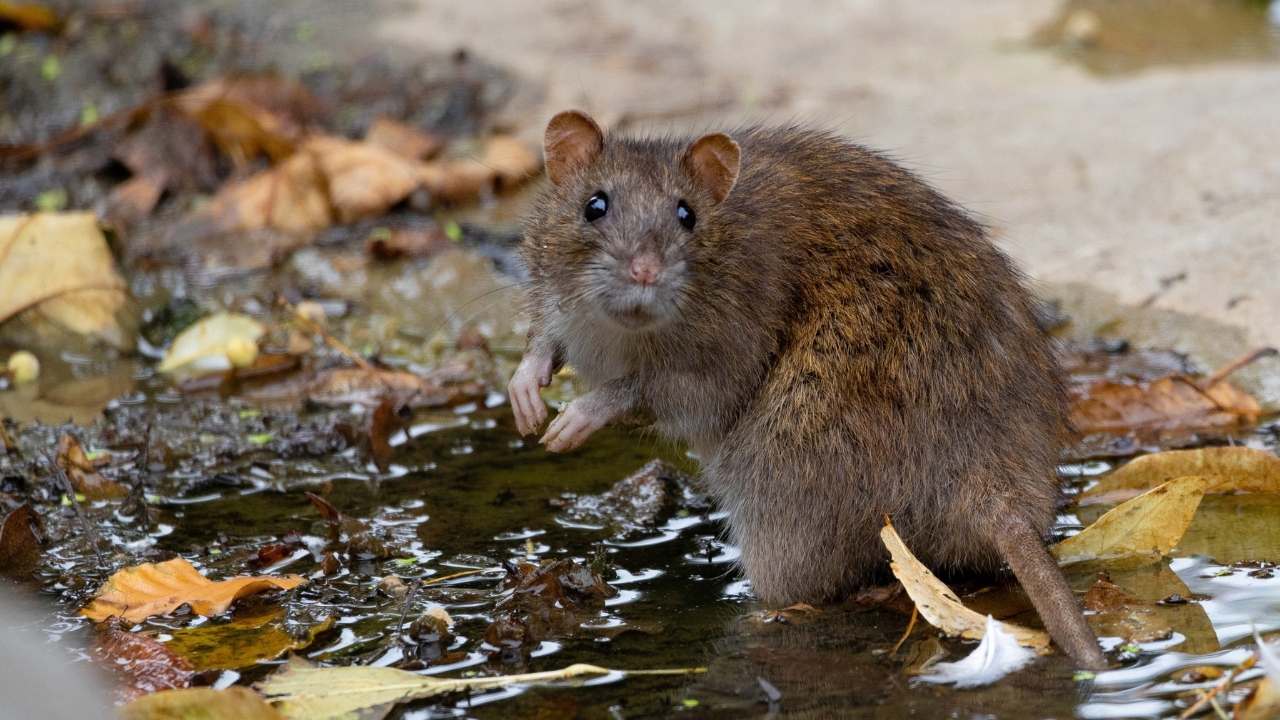
Rats are good climbers and they use gutters, vines, and downspouts like ladders. An uncapped flue, or a cap with wide gaps, is enough space for them to drop in and explore. The clue is gnawing sounds and scratching that keeps going long after dark.
Fix the access first or you’ll be doing this again next week. Cap the chimney with small mesh, repair any loose flashing that creates hiding spots, and cut back ivy or vines that touch the roof. If you’re also seeing droppings in the basement or garage, deal with the whole house perimeter, not just the fireplace.
7. Mice Using The Ash Cleanout Door
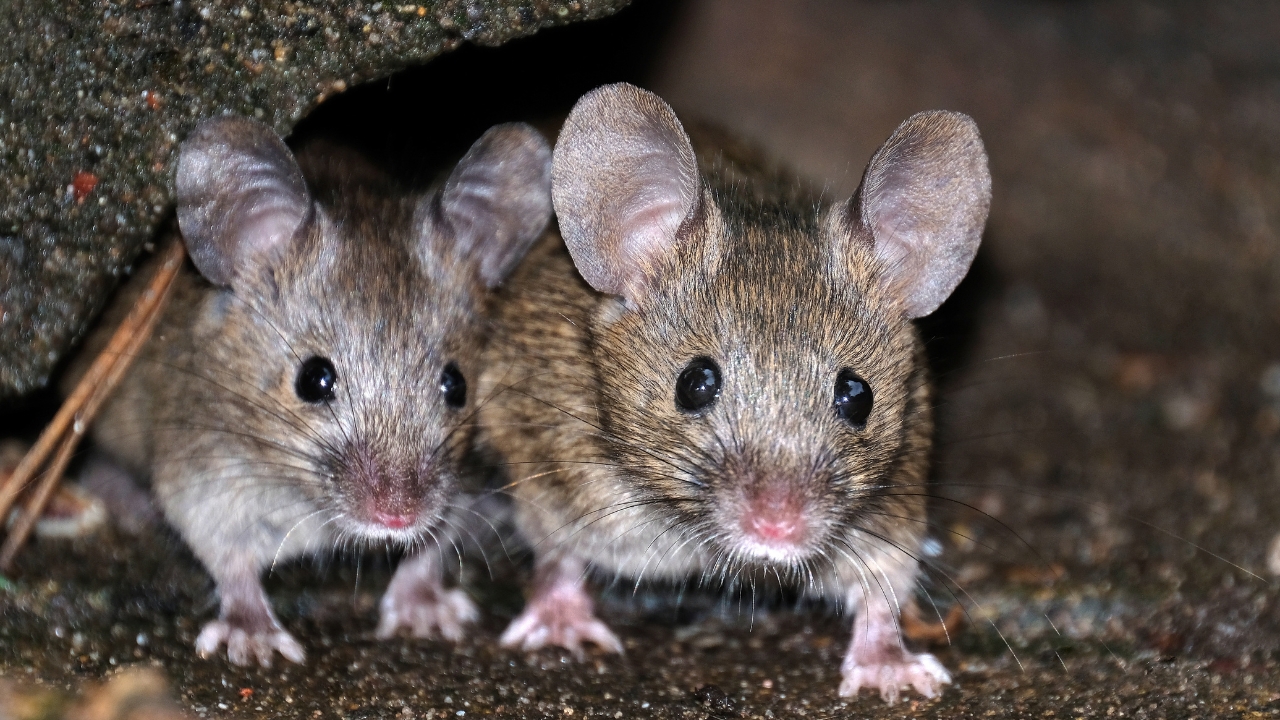
Sometimes the chimney isn’t the entry point you think it is. An old ash dump and cleanout door in the basement or outside can be rusted, warped, or left cracked open, and mice walk right into the firebox from below. You’ll smell mouse odor near the hearth before you ever hear anything in the flue.
Check the cleanout door for a tight seal and replace it if it’s flimsy. A bead of high-temperature silicone around the frame helps if the metal is sound, but if the masonry is crumbling you need mortar work. While you’re down there, vacuum out old ash, mice love it for nesting and it hides droppings.
8. Opossums Taking The Easy Drop
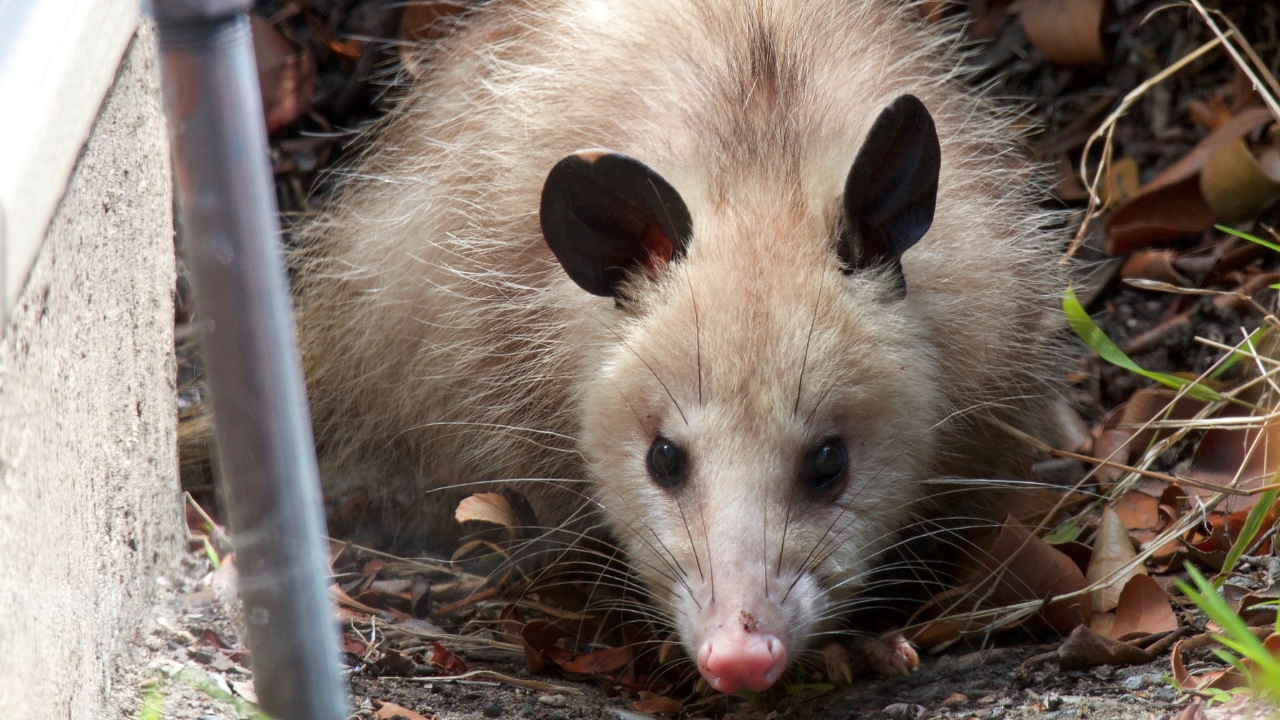
Opossums are heavy, slow, and not great climbers compared to raccoons, but they’ll still end up in chimneys with low roof access. If they slip in, they often can’t get back out and you’ll hear a steady scrape and then a low hiss when you get too close.
If the opossum is in the firebox, give it space and a clear path out by opening the fireplace doors or screen and opening an exterior door nearby. Don’t corner it with a broom. After it’s gone, cap the chimney and look at how it got onto the roof, a leaning ladder, stacked firewood, or a shed roof close to the house makes this more likely.
9. Feral Cats Chasing Birds Down Flues
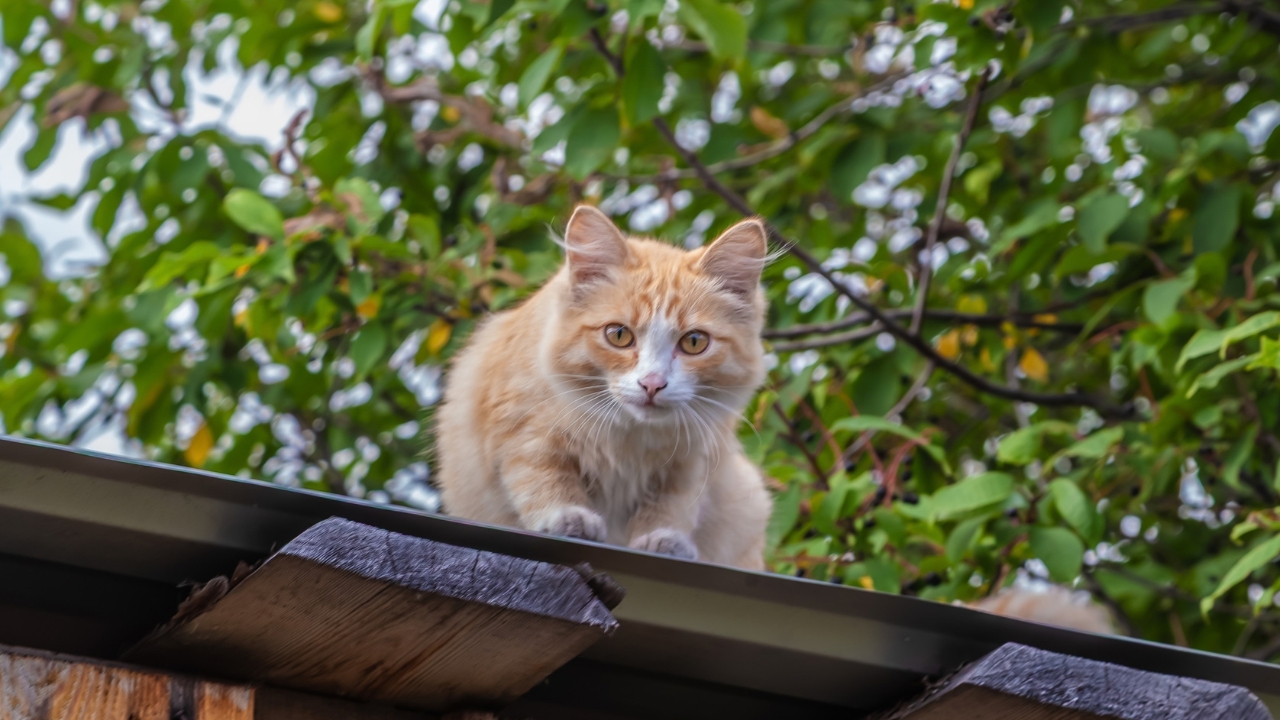
This one surprises people because cats hate confined spaces, until they’re locked onto prey. A cat can go down after a bird and get stuck on the smoke shelf or behind a damper. The noise is a mix of frantic scratching and a deep, unhappy yowl.
Don’t light a fire, and don’t shut the damper on it. If you can see the cat in the firebox, thick gloves and a heavy towel can help you guide it into a carrier, but if it’s higher up, call animal control or a rescue. Afterward, install a cap and keep the damper closed, because a wide-open throat damper makes the drop easier.
10. Snakes Sliding Into Cool Shade

On hot days, a chimney can feel like a shaded rock crevice. Small snakes will follow mice scent or just look for a cooler place and end up in the fireplace. You might not hear a thing, then suddenly see a thin, moving line near the hearth.
Most of the time you’re dealing with a harmless local species, but treating it like a mystery snake is smart. Keep your distance, block pets from the room, and call someone who handles wildlife if you can’t identify it. Prevention is simple, cap the chimney and stop rodent activity around the foundation so snakes aren’t hunting close to the house.
11. Tree Frogs And Toads After Heavy Rain
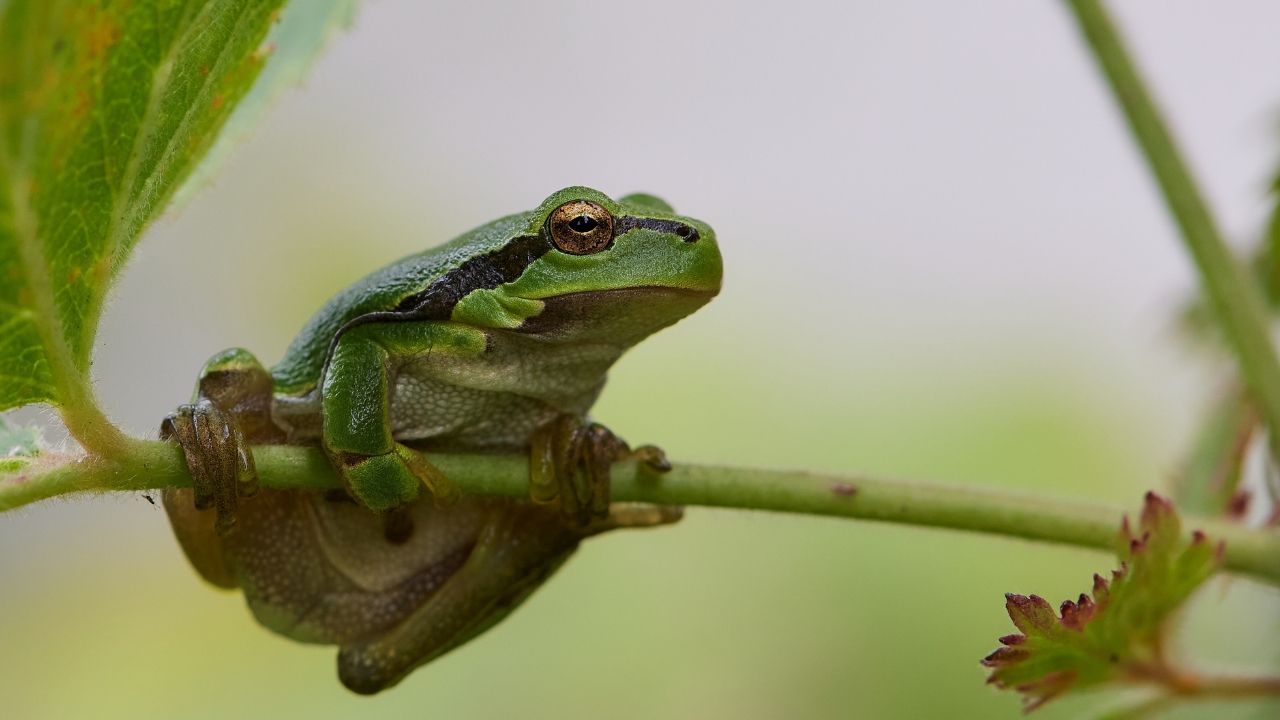
After a big rain, small amphibians roam and fall into all kinds of holes, including chimney tops with no screen. They don’t make much noise, but you may hear faint chirping or see a little shape in the ash when you go to clean. It’s messy, but it’s not a crisis.
Scoop it gently with a dustpan and release it outside away from the foundation. Skip chemicals or salt, that can kill them and it’ll still stink. A simple screened cap keeps them out, and this is one place a basic, no-frills cap is usually fine if it’s sized right and fastened securely.
12. Honey Bees Finding A Warm Cavity
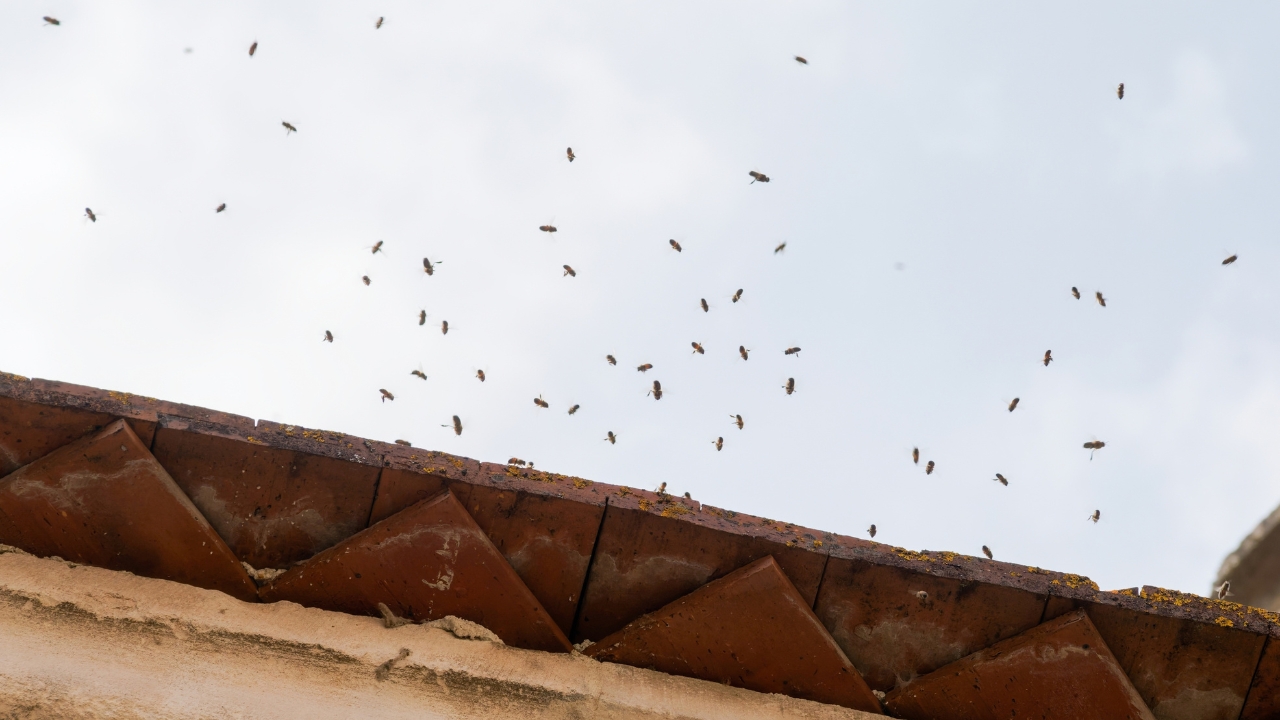
If bees move into a chimney, it’s often because there’s a gap near the top, a loose crown, or a missing cap that lets them build comb in a protected pocket. You won’t hear scratching, you’ll notice steady flight in and out of one spot on warm afternoons. Then you get drips, staining, and a sweet, off smell as comb heats up.
Don’t fog the chimney with insect spray and call it done. Dead comb attracts pests and the wax can melt and run. A beekeeper or pest pro can tell you if it’s honey bees or wasps, and removal can involve opening masonry or the chase, so plan on repair work afterward and fix the entry gap for good.
A chimney cap and a damper that actually closes solve most of these headaches, but only if the rest of the roofline isn’t an animal highway. Look up there once a season, especially after wind storms, and fix the easy stuff before you hear it moving around at midnight.
Like Fix It Homestead’s content? Be sure to follow us.