12 Dog Breeds That Guard a Property Without Being Trained
Photo credit: Zac Barclay/Shutterstock.com
You can hang cameras, put up lights, and lock every gate, and a stranger will still test the place sooner or later. A good property dog changes the whole feel of a yard because it notices things before you do. Some breeds come wired to patrol, bark, and put themselves between your home and whatever just showed up. Training still helps, but these dogs tend to start “the job” on their own.
1. German Shepherd With Built-In Patrol Mode

People pick German Shepherds for a reason: they read movement, track sounds, and take ownership of a space fast. Even without formal work training, many will do a quiet perimeter check, then switch to a hard, serious bark when something feels off. That bark carries, which matters on acreage or long driveways.
The fix-it part is handling their brain, not just their body. If you leave one bored, it’ll find work like shredding tack rooms, chasing equipment, or digging at fence lines. Give a daily job that fits your property, a structured walk, a fetch session, or a “go place” mat routine while you do chores, and you’ll get the guard behavior without the chaos.
2. Rottweiler That Plants And Watches

A Rottweiler doesn’t need to learn to look intimidating. Many naturally post up where they can see the drive, the gate, or the porch, and they don’t waste noise on every squirrel. When they bark, it tends to sound like a problem, and most people hear it and decide to be somewhere else.
They do best when you manage greetings like you manage a chain saw, calm, controlled, no surprises. Use a solid leash and a well-fitted harness, and don’t let random visitors “win them over” with rough play at the fence. If you want a dog that looks like it belongs to the property, this one often does.
3. Doberman With Instant Alarm System
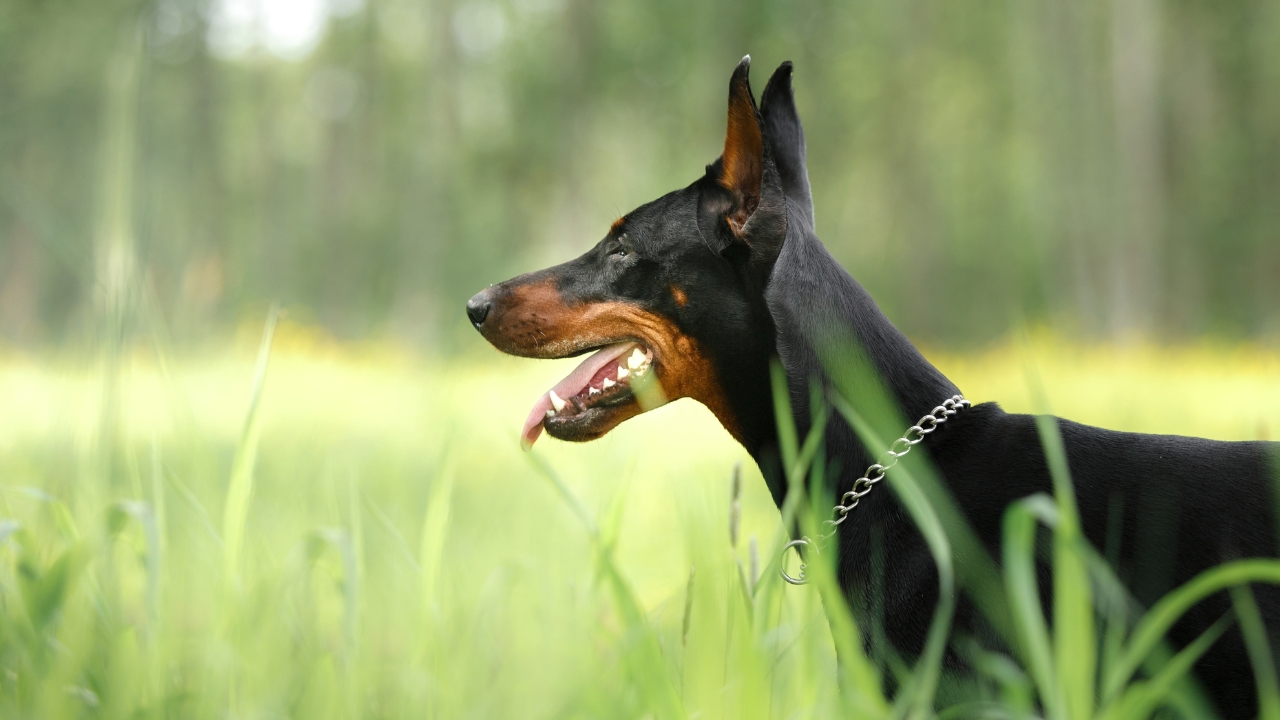
Dobermans are built to notice. They’re quick to react to a car door, a footstep on gravel, or a person walking the property line. That makes them great “heads up” dogs, especially for people who spend time in a shop, barn, or back lot where you can’t see the road.
They can turn into velcro dogs indoors, so set boundaries early. A dog bed in the mudroom and a rule that the dog stays out of your way while you carry feed or tools keeps life smooth. Cold weather matters too, a short coat dog needs a warm spot in winter or it won’t want to do outside checks at night.
4. Giant Schnauzer That Takes Charge
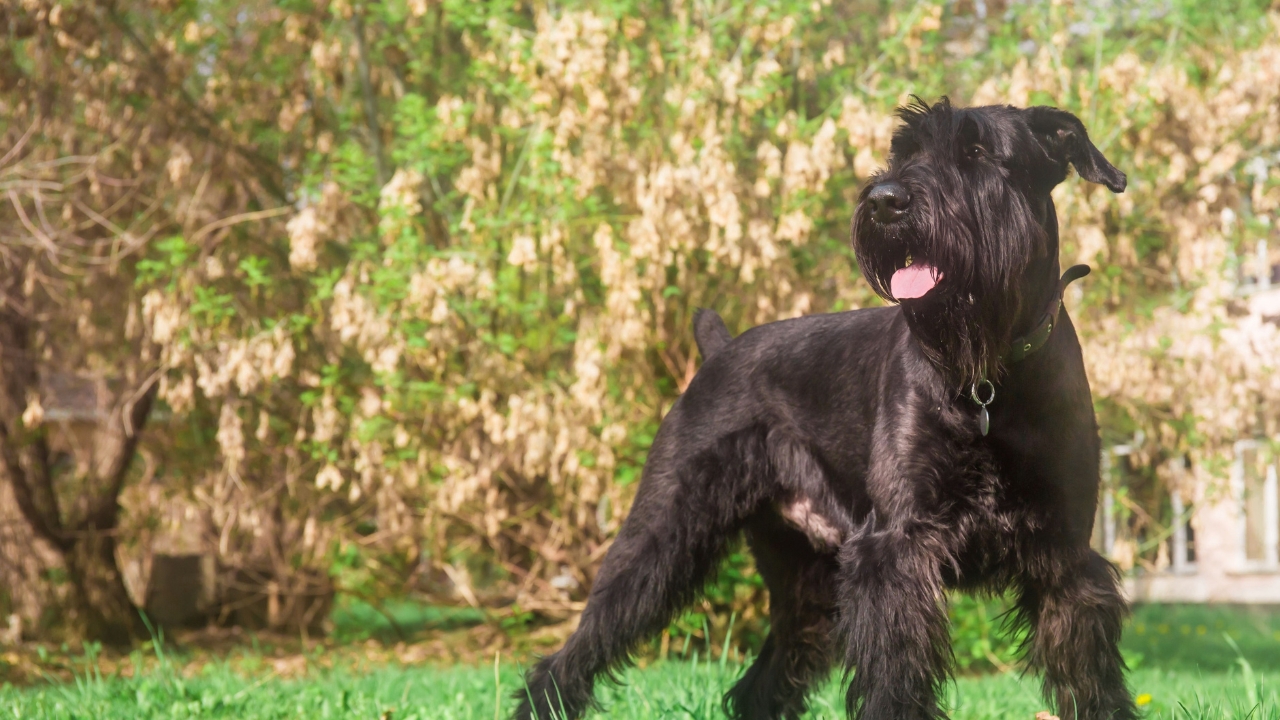
Giant Schnauzers don’t show up on every “guard dog” list, but they should. They’re naturally territorial and often decide on their own what belongs and what doesn’t. Expect a loud, sharp bark and a dog that wants to control the front of the property.
The coat is the hidden cost. If you don’t brush and clip it, you’ll get mats, burrs, and a dog that hates being handled. A simple grooming routine, a slicker brush a couple times a week and trims on a schedule, keeps the dog comfortable so it stays willing to work outside.
5. Belgian Malinois That Never Misses Movement
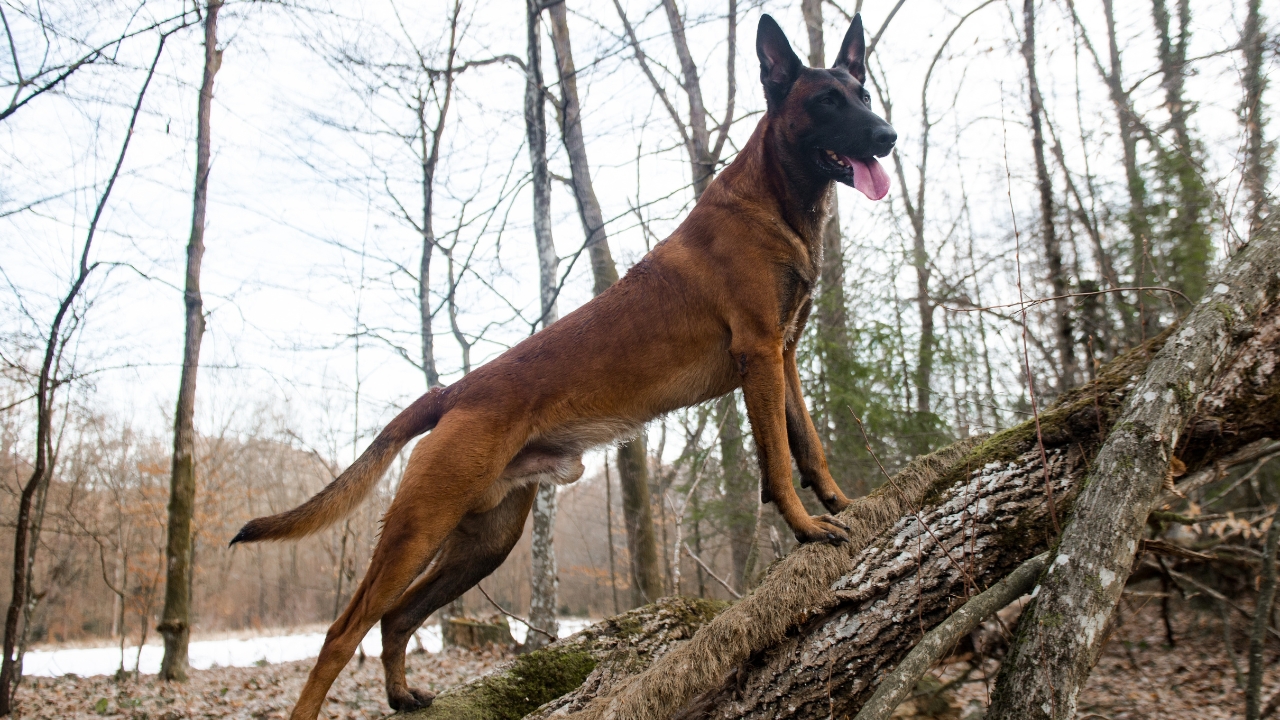
If you want a dog that notices everything, this is it. Many Malinois will light up the second anything changes in the yard, a gate swinging, a truck turning around, a person walking near outbuildings. They’re athletic enough to cover ground fast, which is helpful on big lots.
This breed is also the easiest to live with wrong. If you don’t give it a real outlet, it will invent one, fence running, obsessive shadow chasing, chewing through hoses or extension cords. Plan on daily training sessions and hard exercise, and don’t pretend a quick potty break counts.
6. Akita That Treats The Yard As Home
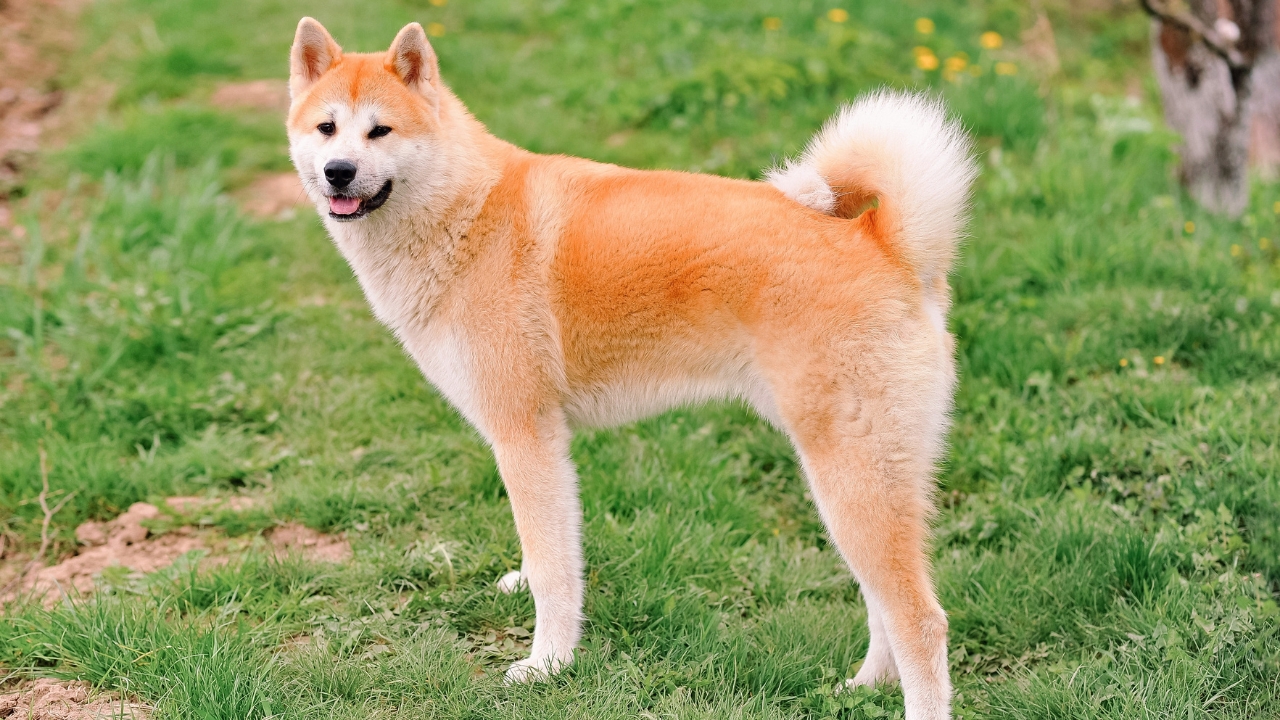
Akitas often have a quiet confidence that reads as “don’t try it.” They tend to bond hard to their people and their place, and they can be naturally suspicious of strangers. For a rural home with fewer visitors, that can feel like the right fit.
The downside is that casual drop-ins don’t go well. If delivery drivers, neighbors, and kids wander through, you’ll need strict management, good fencing, and a routine for bringing the dog inside before you open the gate. This isn’t a breed for a loose, open-door household.
7. Cane Corso That Stands Between You

A Cane Corso is a serious property dog. Many will position themselves between you and a stranger without you teaching it, and they carry a “do not approach” look that works from the road. They’re not usually yappy, they’re more about presence and a deep warning bark.
Skip flimsy gates and tired fence latches if you own one. If the dog leans on a weak section, it will fail, and then you have a bigger problem than a broken hinge. Walk your fence line like you’d check a tractor tire, fix loose boards, sagging wire, and latches that don’t click closed.
8. Great Pyrenees That Works The Night Shift
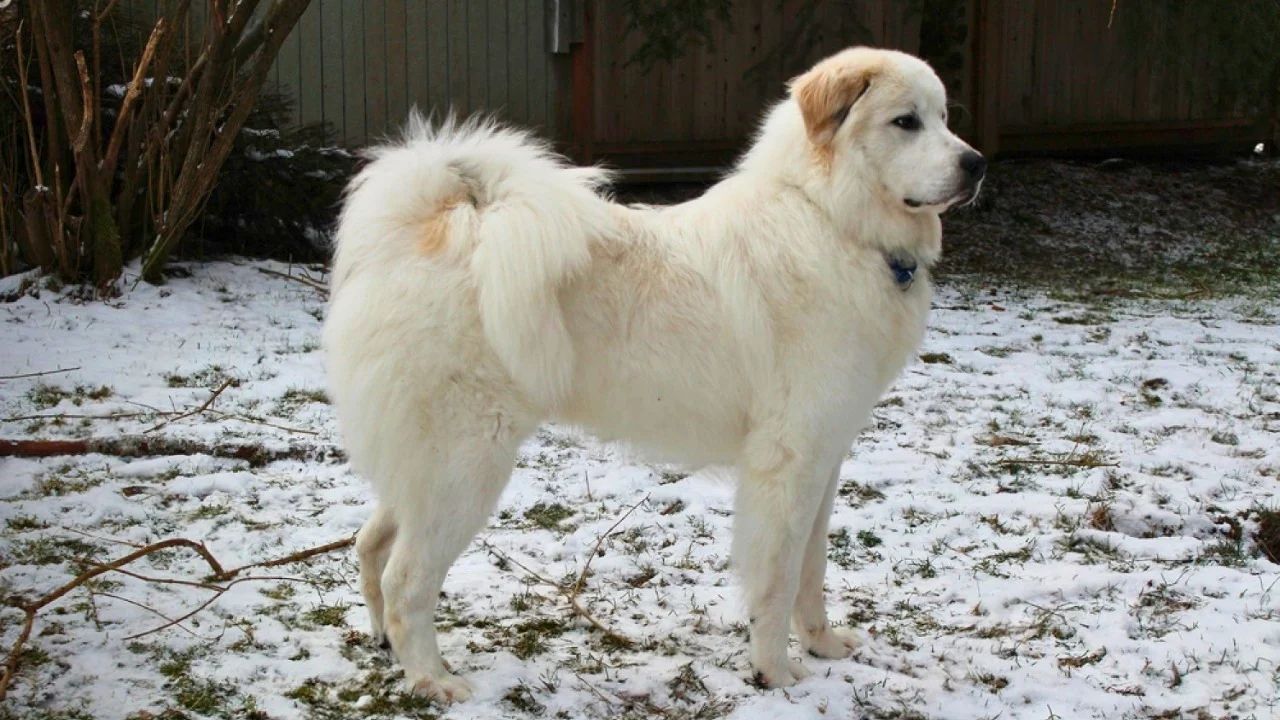
On a homestead, a Great Pyrenees often starts guarding without anybody teaching it. It’s a livestock guardian type, so it listens for predators, strange engines, and anything moving near animals or buildings after dark. The bark is loud and it carries, which is great for deterrence and rough on close neighbors.
They’re famous for roaming if the fence is a suggestion. Make your perimeter real, not just for keeping the dog in, but for keeping it from “patrolling” the county road at 2 a.m. If you’ve got livestock, this breed can earn its feed fast, but it needs boundary work and good gates.
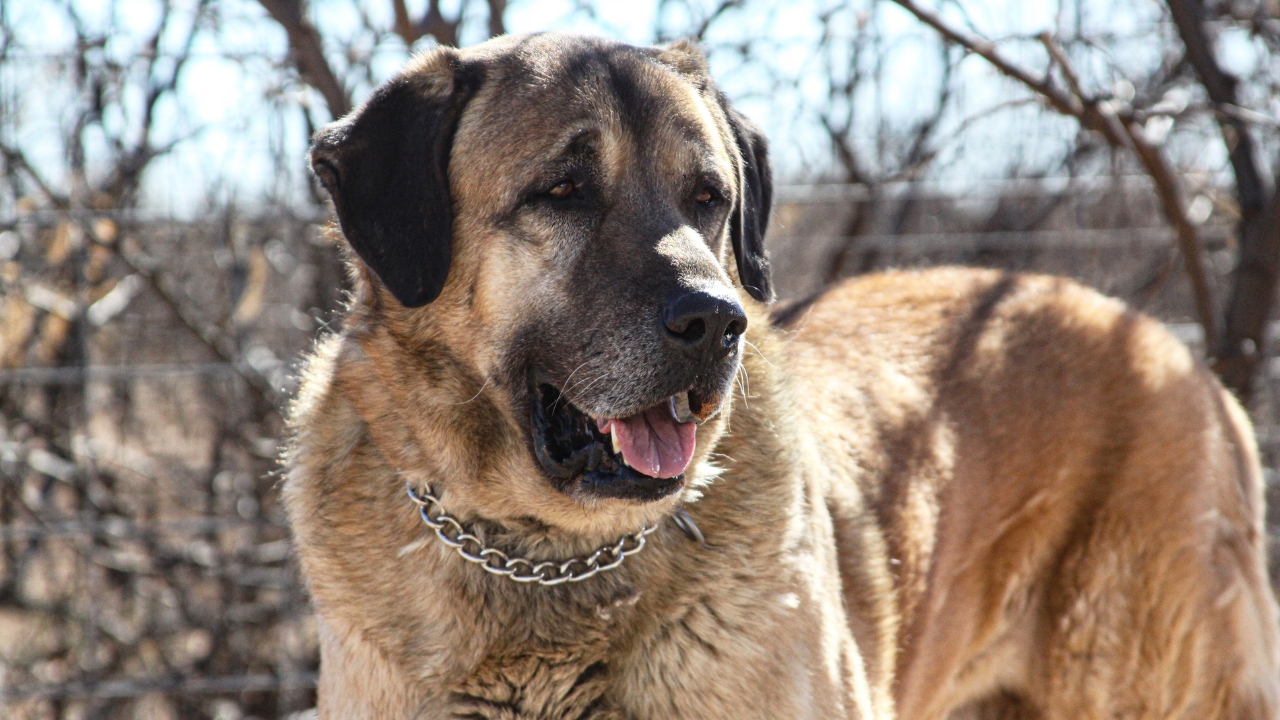
9. Anatolian Shepherd That Claims The Perimeter
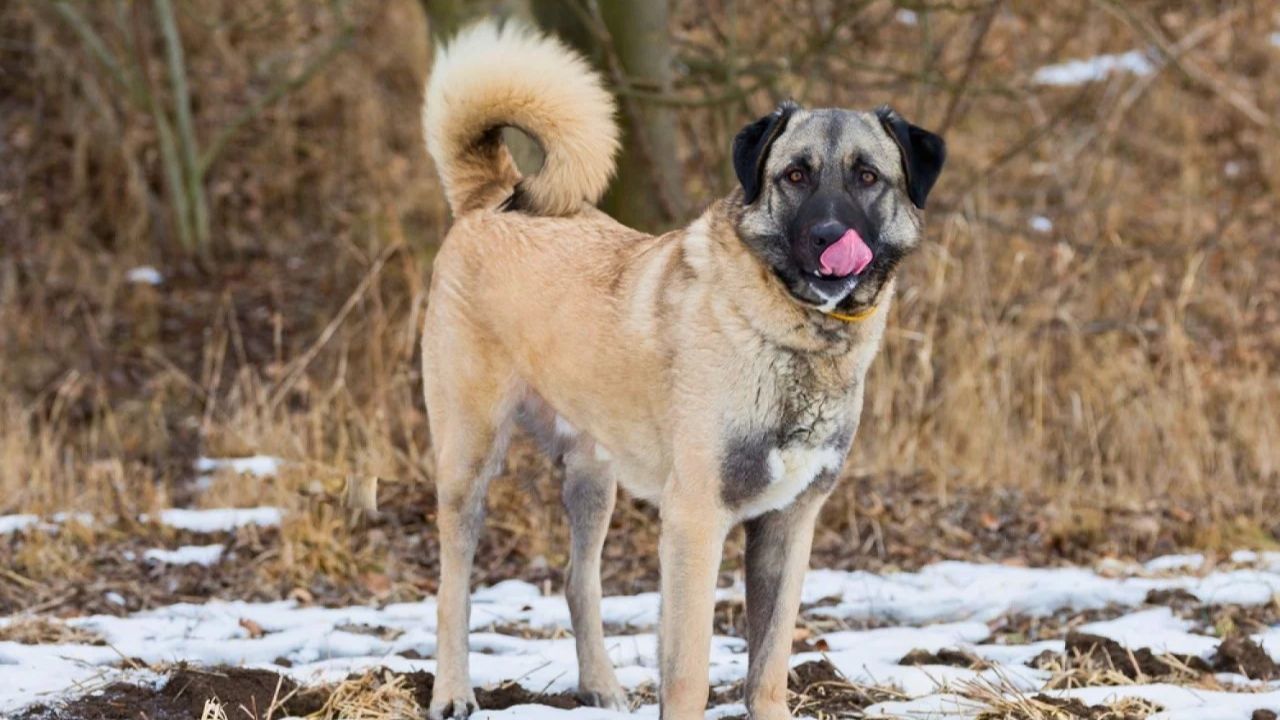
Anatolian Shepherds guard like it’s a trade, not a trick. They scan, they listen, and they’ll post up on high ground to watch the whole place. They’re less clingy than some breeds, which fits people who want a dog that’s outside-focused.
They’re also independent, so don’t confuse “no training” with “no handling.” You still need recall practice, leash manners, and a way to safely contain the dog when repair crews show up. A secure pen or kennel run saves you a lot of stress during deliveries, fence work, or utility visits.
10. Kuvasz That Doesn’t Trust Strangers
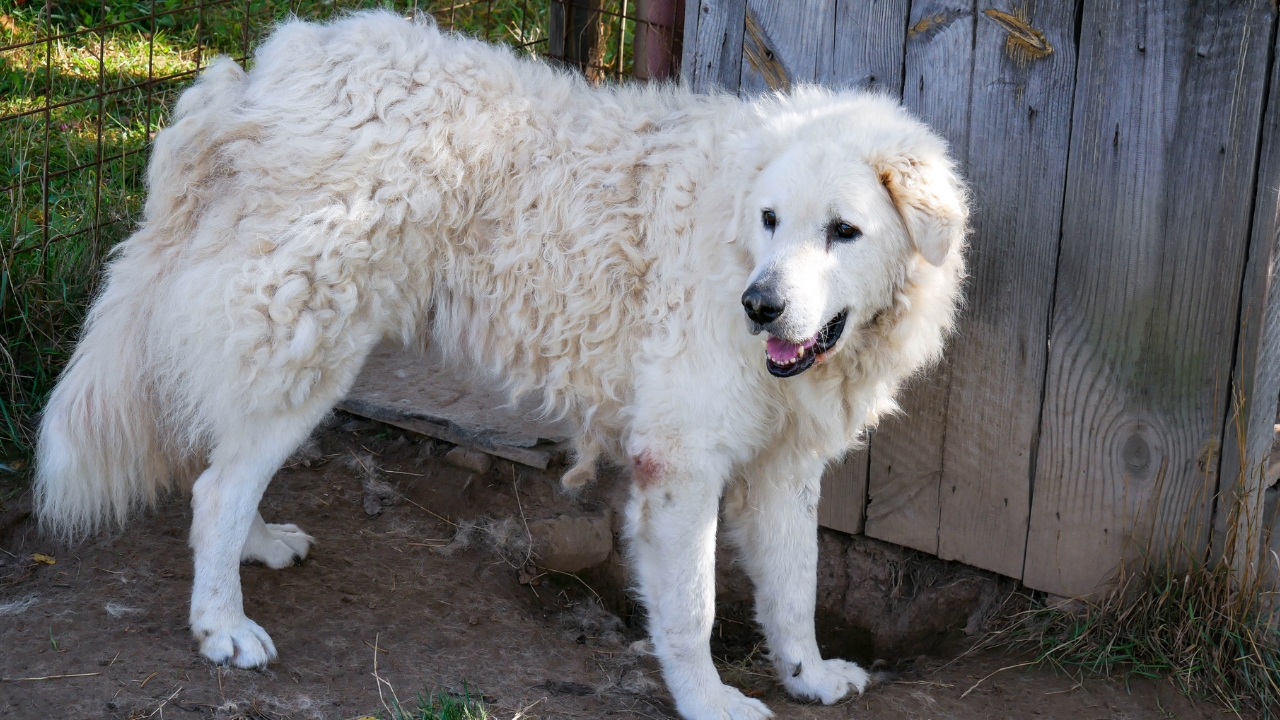
Kuvasz dogs were bred to guard, and it shows. They can go from calm to alert in a second, and they often watch the edge of the property like they were assigned to it. They’re not a beginner’s breed, but they’re naturally tuned to “something’s wrong.”
Here’s the exception where cheap can be fine: you don’t need fancy electronic containment if you already have strong fencing and good gates. Spend money on hardware cloth where needed, solid latches, and a gate you can lock. A Kuvasz respects a boundary it can see and touch, and it doesn’t need a battery-powered reminder to take the job seriously.
11. Boxer With A Big Mouth Alarm
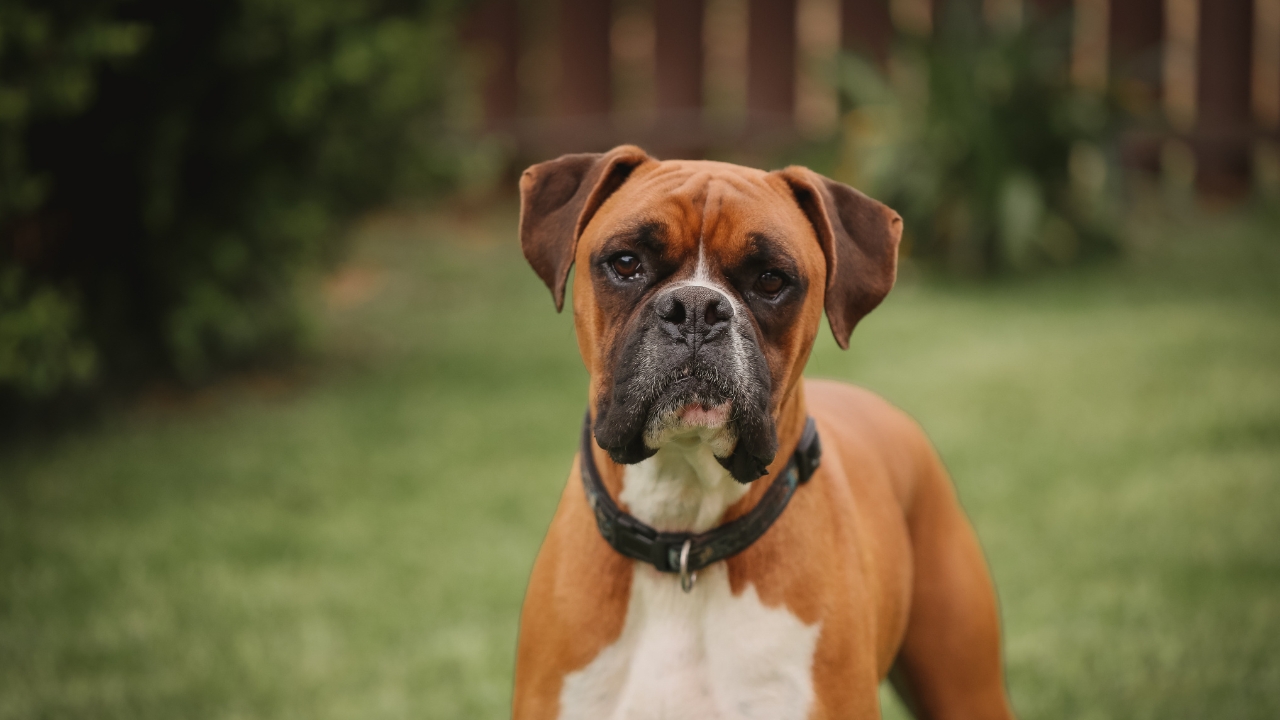
Boxers aren’t usually the first pick for guarding acreage, but they’re excellent early warning dogs. They’re nosy, people-focused, and quick to bark when a stranger hits the porch or a car turns in. That alone stops a lot of nonsense.
They’re not built for cold nights and long outdoor shifts. Give them an indoor home base, and treat them as a “house guard” that alerts you, not a dog that lives outside with the barn cats.
12. Standard Poodle With A Sharp Ear
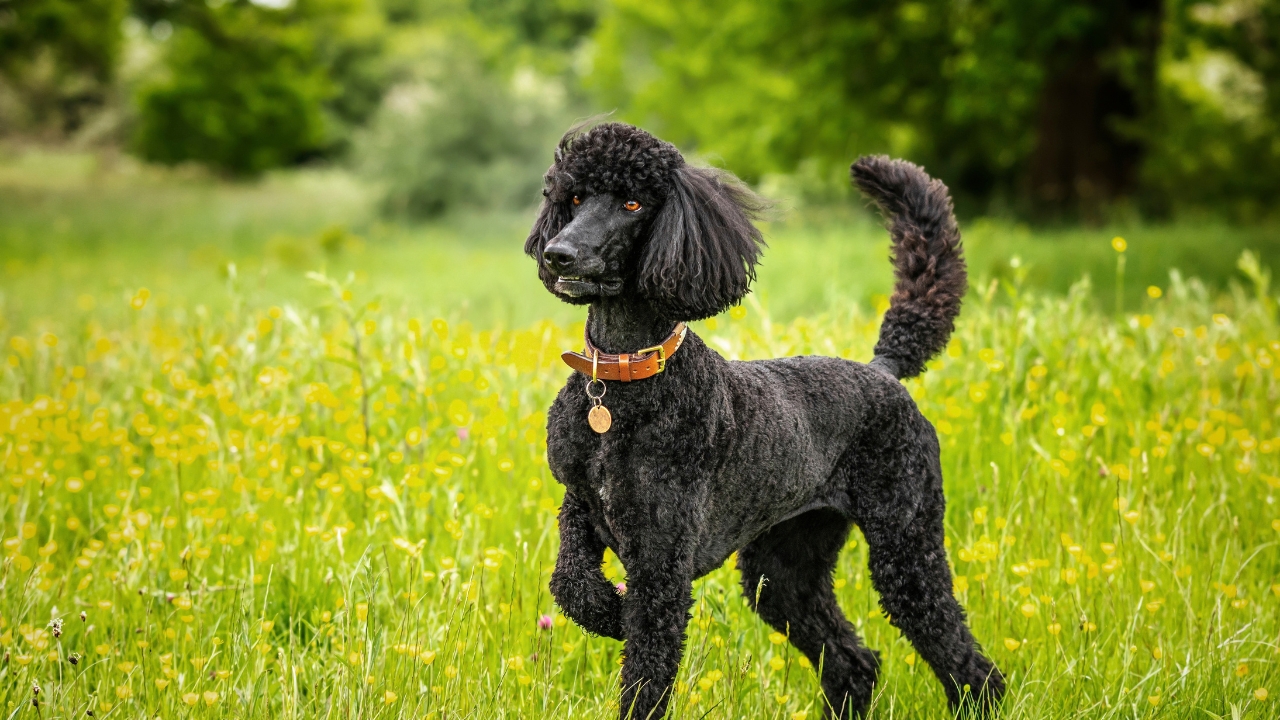
This one surprises people. A Standard Poodle is smart, athletic, and often very aware of who belongs on the property. Many will bark fast at unfamiliar footsteps or vehicles, then settle when you take over.
Don’t let the grooming scare you off if the temperament fits your life. Keep the coat clipped short, brush regularly, and you’ll have less mud, fewer burrs, and a dog that can move through brush without coming back looking like a tumbleweed.
No matter the breed, you still have to manage the basics: a solid fence, clear house rules, and a routine that burns energy before the dog starts inventing problems. A dog that feels like it owns the place will guard it, but it also needs you to run the property like you mean it.
Like Fix It Homestead’s content? Be sure to follow us.