$200 DIYs that make your whole home feel coordinated
When a house feels mismatched, it’s rarely because something’s wrong—it’s because nothing ties together. The good news? You don’t need to hire a designer to fix it.
With around $200, you can pull your home’s look into focus using small, thoughtful DIYs that repeat colors, finishes, and textures. These are the kinds of projects that make every room feel like it belongs in the same home, even if you’ve been decorating one space at a time.
Paint all your interior doors the same color
Matching doors are one of those subtle upgrades that instantly makes a house feel cohesive. A fresh coat of paint—whether it’s black, greige, or deep navy—ties every hallway and room together. Use a durable semi-gloss paint so it’s easy to clean and holds up to daily use.
You’ll spend more time taping than painting, but the result is worth it. The repeated color throughout your home makes everything feel more intentional and connected, especially when paired with matching hardware.
Update hardware across rooms

Mismatched knobs, hinges, and pulls can make a home feel pieced together. Swapping them all for one finish—like matte black, brushed nickel, or brass—gives instant consistency. You don’t have to replace every hinge right away; start with the pieces people see most.
Hardware multipacks make this an affordable DIY that feels high-end. With around $200, you can update handles in your kitchen, bathrooms, and even on interior doors for a look that feels planned, not patched.
Add matching trim or molding
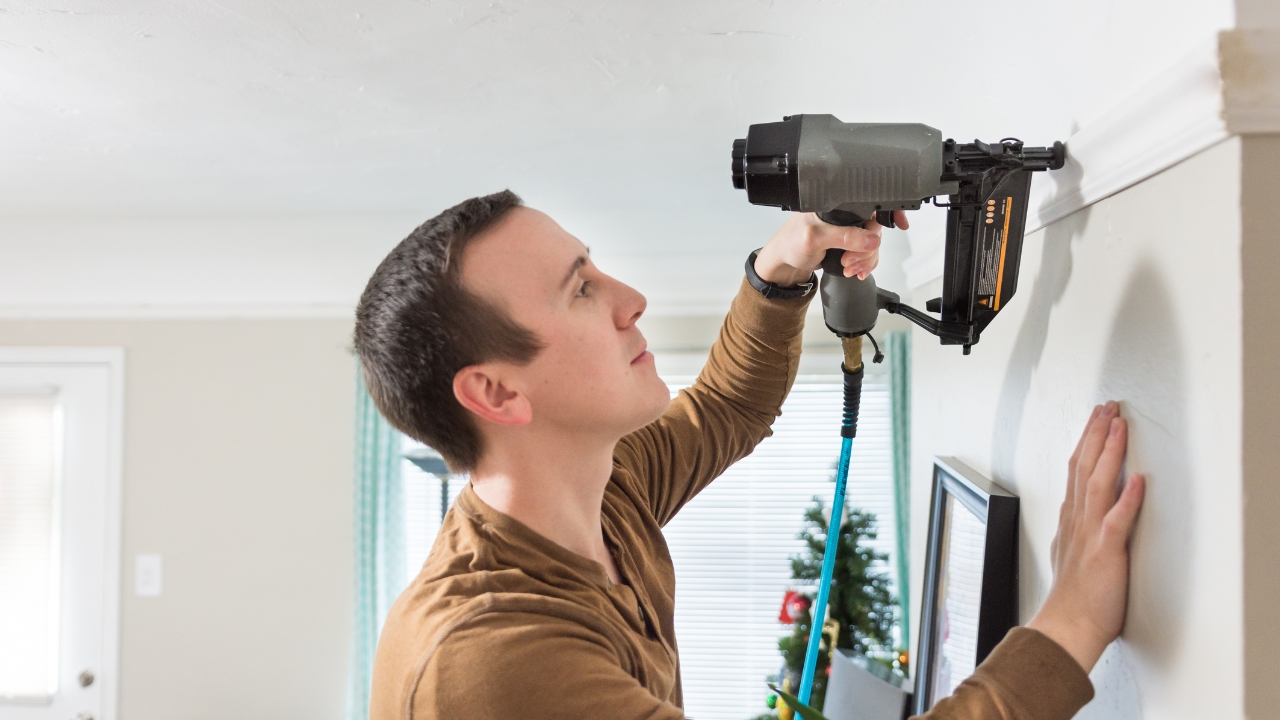
Consistent trim goes a long way toward making a home look polished. If some rooms have basic baseboards and others have detailed molding, choose one style and bring it throughout the house. Even adding picture-frame molding to a few key spaces ties the look together.
Trim is easy to cut and install with a miter saw and finish nails. Once painted, it gives every room that “finished” feel—like someone cared about the details from the start.
Use one wall color throughout main areas
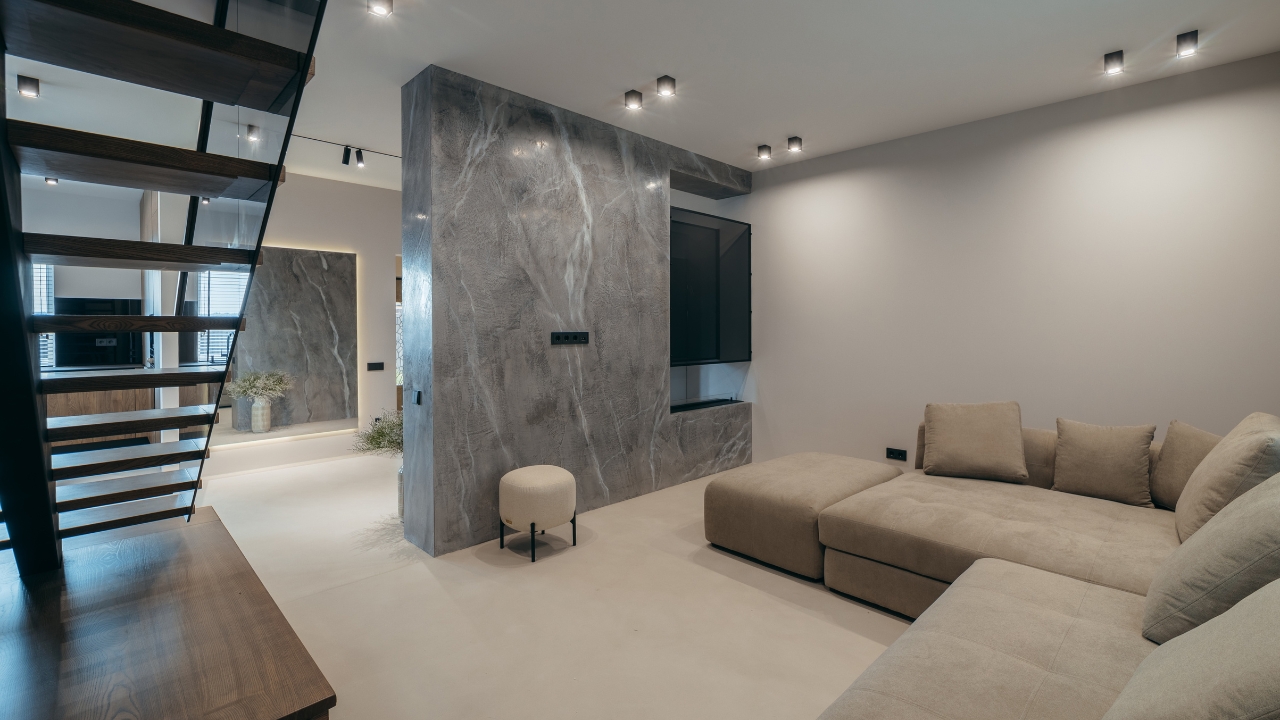
Open floor plans and connecting hallways look best when the wall color flows. Painting your main spaces in the same neutral tone creates a natural connection from room to room.
Warm whites, soft taupes, and light grays work well because they make furniture and accents stand out. A consistent color palette simplifies decorating and makes your home feel calmer and more cohesive without changing your furniture at all.
Frame matching art prints

Gallery walls can feel chaotic if every frame is different. Choosing a set of matching frames and printing coordinating art or photos brings instant harmony. You can even use the same style frame in different sizes for variety that still feels unified.
Many online stores offer downloadable art you can print yourself. For around $200, you can frame pieces for multiple rooms and tie everything together through color, texture, or subject matter.
Install matching light switches and plates
Light switches and outlet covers might seem minor, but inconsistent styles or colors can make your home look older. Replacing them all with clean white or screwless covers creates a consistent, modern look.
It’s a quick DIY that anyone can do with a screwdriver. The best part is that the effect spans the whole house—you’ll notice it every time you flip a switch, and it makes every space feel more streamlined.
Add cohesive lighting fixtures

Lighting makes a big difference in how connected your spaces feel. Choose fixtures that share a finish or shape so they complement each other without being identical. A black metal pendant in the kitchen, a coordinating chandelier in the dining room, and matching sconces down the hallway create visual flow.
Swapping out fixtures can sound expensive, but you can get stylish options online for around $60 each and refresh three or four areas for about $200 total.
Build matching floating shelves
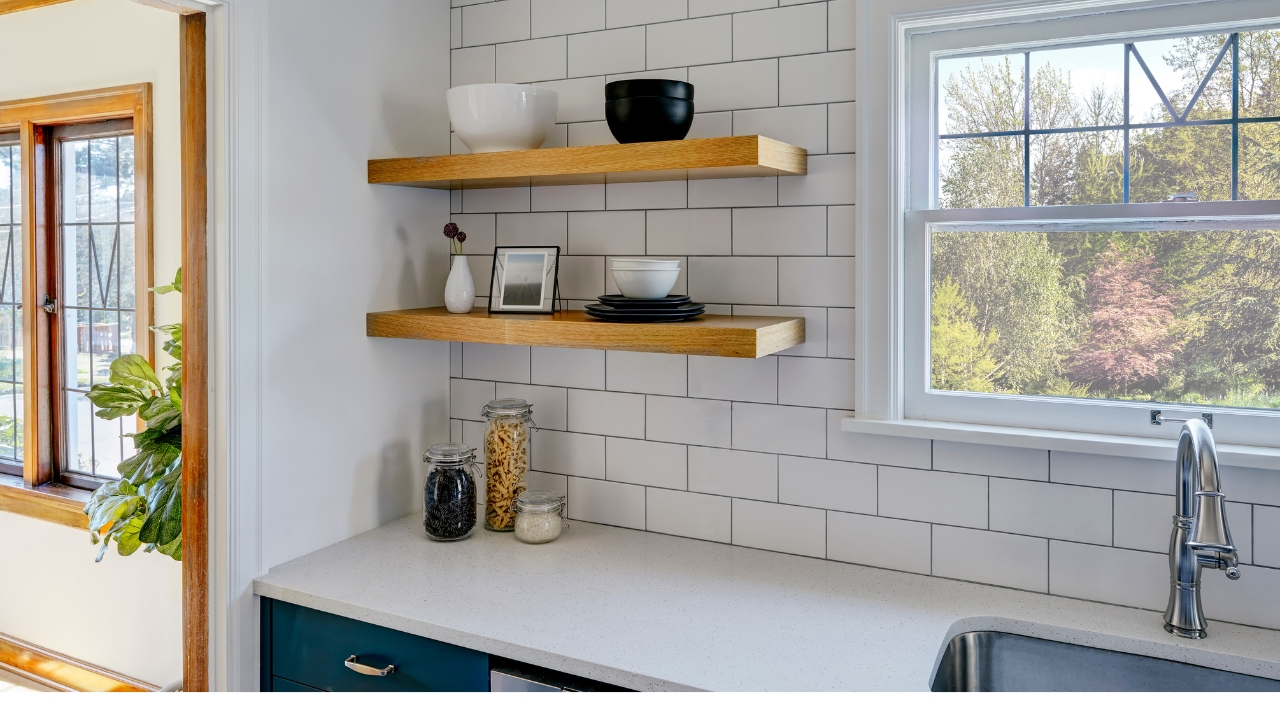
Installing the same type of floating shelf in a few rooms instantly unifies your home. Use stained pine, oak, or painted MDF for a clean, built-in look. Keep the dimensions and finish consistent, even if the shelf sizes vary slightly by wall space.
They’re easy to make with basic tools, and they create visual balance between rooms. Matching shelves in the kitchen, bathroom, and office can make your whole house look like one connected design.
Create consistent flooring transitions
Different flooring materials can make your home feel disjointed, but you can bridge them with matching transitions or area rugs. Installing uniform threshold strips or adding coordinating rugs between spaces helps tie textures and colors together.
It’s an affordable way to make mixed flooring look intentional rather than mismatched. For under $200, you can buy new thresholds or quality rugs that pull your main living areas into visual alignment.
Build a coordinated entryway drop zone

Your entryway sets the tone for the rest of your house. Building a simple drop zone—like a small bench with hooks and baskets—can tie together colors and materials used elsewhere in your home. Use the same stain or paint as your other furniture for a cohesive touch.
This project costs around $200 in wood and hardware, and it instantly makes your home feel more organized and thoughtfully designed. It’s practical, too—you’ll wonder how you went without it.
*This article was developed with AI-powered tools and has been carefully reviewed by our editors.