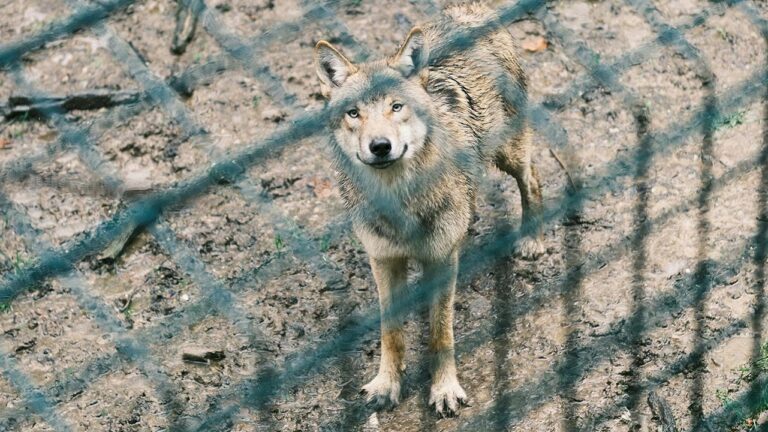
8 animals that don’t listen like you want them to
If you’ve ever worked with livestock, you know some animals act like they were born to ignore you. Training or herding them can turn into a drawn-out battle of wills. It’s not always about bad behavior—sometimes, their natural instincts or stubborn streaks just take over.
Before you bring these animals home, it’s worth knowing you’ll need extra time, patience, and maybe a few tricks up your sleeve to get them to cooperate.
Goats
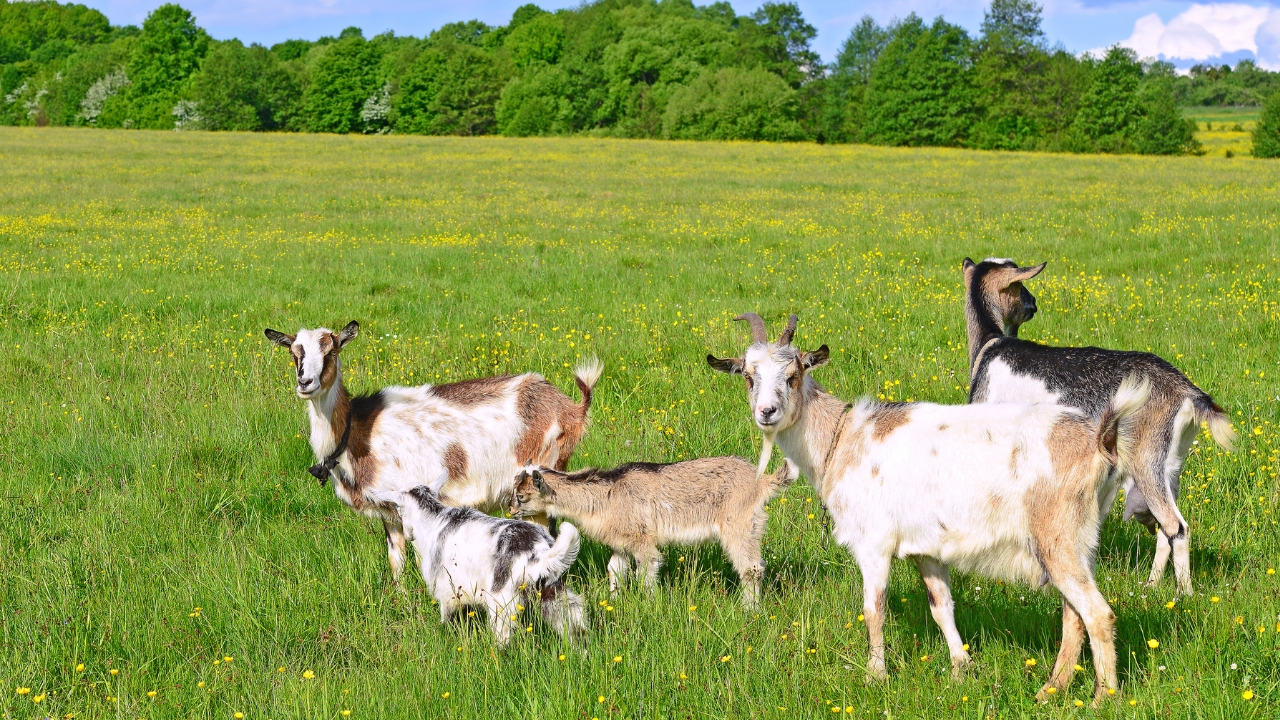
Goats are smart, curious, and easily distracted—which makes them terrible listeners. If you try to call them back while they’re mid-snack on your favorite shrubs, they’ll pretend they didn’t hear you. Even well-trained goats often ignore commands if something else catches their attention.
The more space and obstacles they have, the more they test boundaries. Fencing, routine handling, and a calm but firm approach can help keep them under control, but don’t expect instant obedience.
Turkeys

Turkeys don’t respond well to herding or calling, especially in open areas. They often wander off in unpredictable directions, and once they lock in on something—bugs, seeds, or even their reflection—they’re not quick to come back.
While they can learn to follow a feed bucket, that’s about the extent of their listening skills. If you keep turkeys, plan on using fencing and clear boundaries to keep them from wandering too far or straight into trouble.
Donkeys
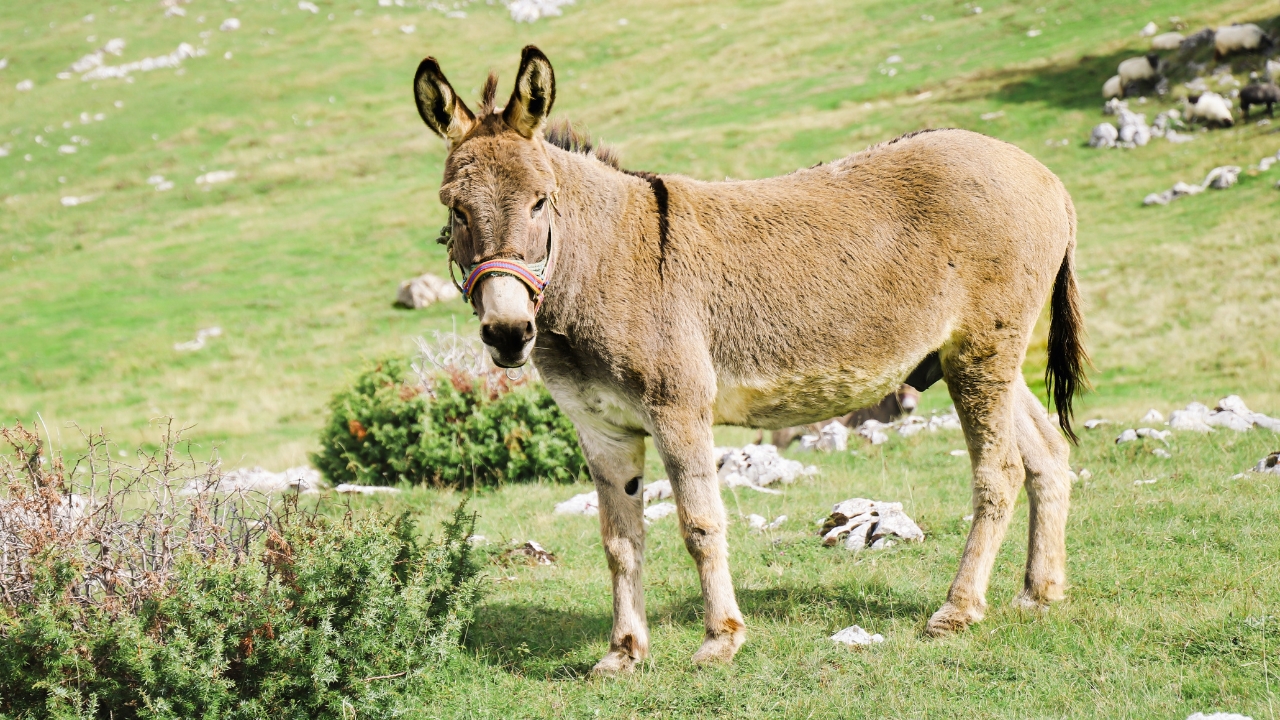
Donkeys have a reputation for stubbornness, and there’s truth to it. They’re cautious animals, which is great for avoiding danger but frustrating when you’re trying to get them to move. If they decide something isn’t safe—or they simply don’t feel like going—they’ll plant their feet and refuse.
Building trust and working with their pace is the best way to improve cooperation, but you’ll still run into times when a donkey just won’t budge.
Guinea Fowl

Guinea fowl can be helpful for pest control, but forget about calling them back into a coop at will. They roam widely, follow their own routes, and respond poorly to herding. Loud noises or quick movements can send them scattering in every direction.
If you want them in a certain place, it’s easier to guide them gradually or use food as bait rather than rely on any sort of trained response.
Peacocks

Peacocks have strong independent streaks. They’re wanderers and can easily end up on a neighbor’s property if not confined. Even if they know where home is, calling them back doesn’t always work—they return when they’re ready.
Their listening problem is more about independence than confusion. To keep them close, many owners use large aviaries or train them to associate certain sounds with feeding time.
Alpacas

Alpacas tend to follow the group rather than the person giving directions. If the herd is heading one way, that’s where they’ll go—regardless of your plans. They’re not naturally responsive to vocal commands, so moving them often means guiding the whole group together.
Consistent handling from a young age helps, but alpacas will always prioritize the herd’s movement over individual instruction.
Geese
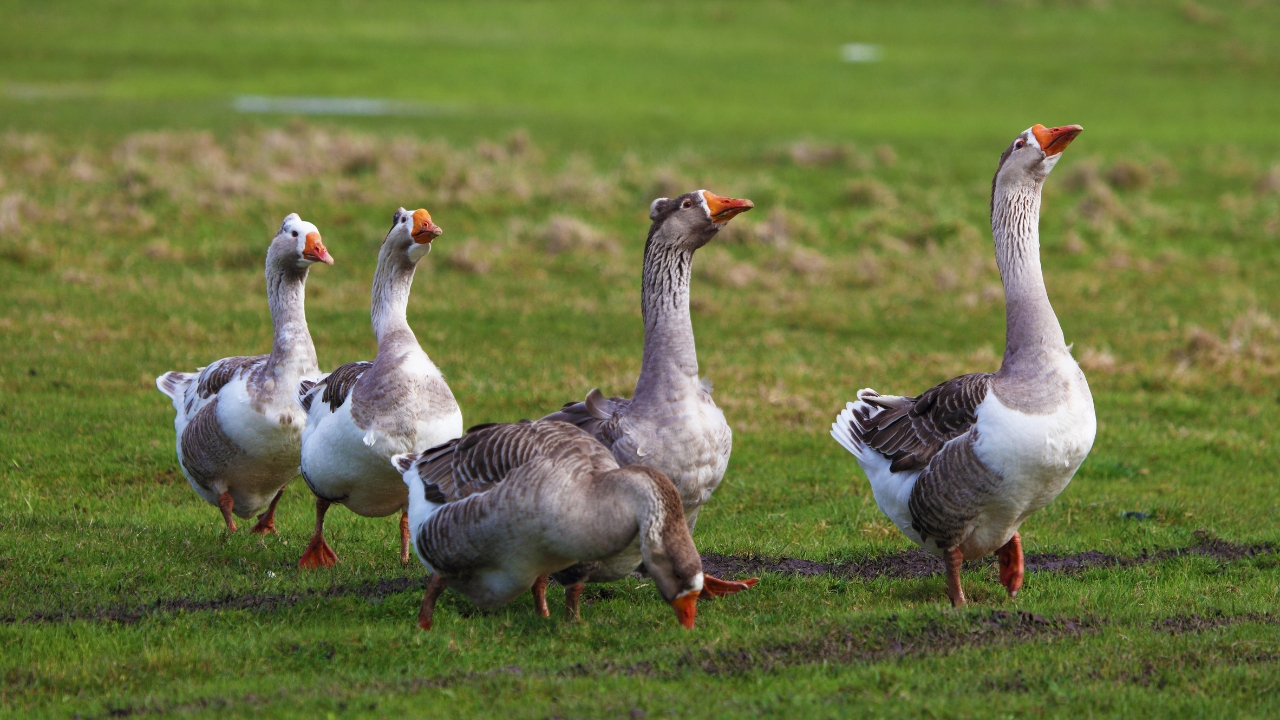
Geese can recognize their owners, but that doesn’t mean they’ll listen. They’re territorial and can be aggressive, especially during nesting season, which makes directing them a challenge.
Even trained geese tend to follow their own instincts first. If you need to move them, guiding with barriers or food usually works better than trying to get them to respond to verbal cues alone.
Llamas
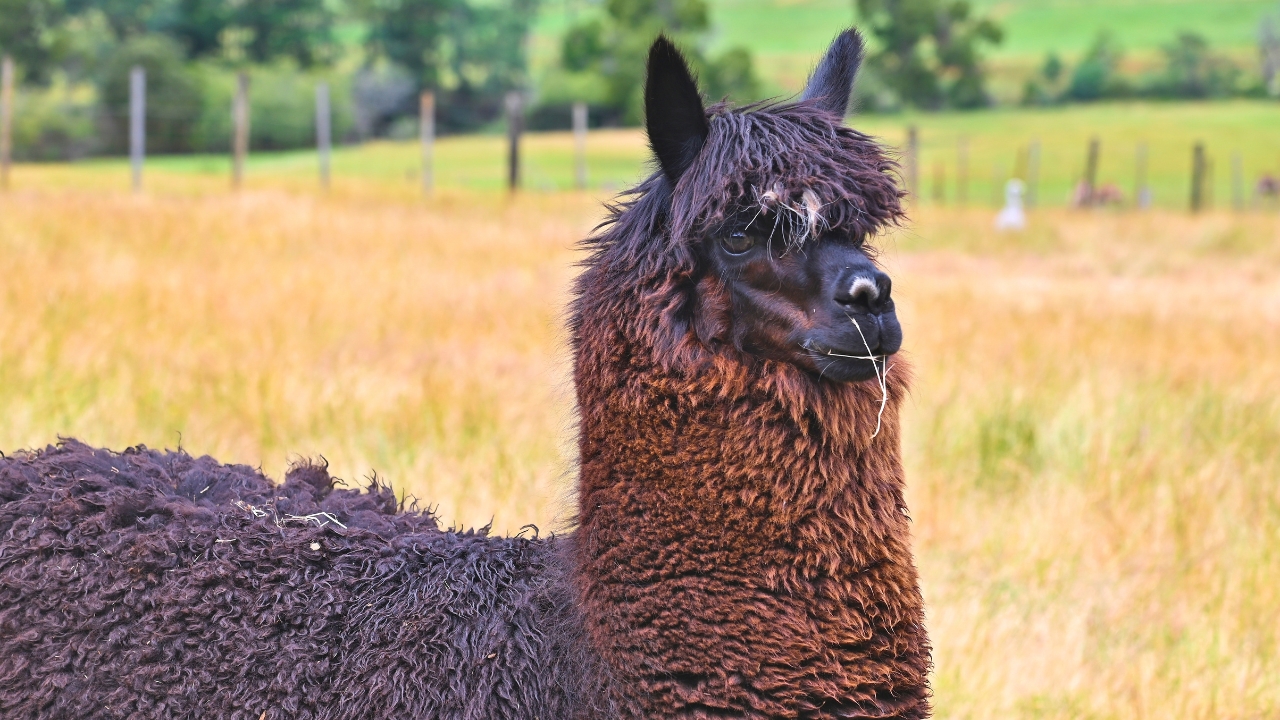
Llamas are observant but not always cooperative. They may follow familiar routines, but if something seems off to them, they’ll stop and assess before moving forward.
Like alpacas, they’re more likely to follow the herd than you, and sudden changes to their environment can make them even less responsive. Working with them requires patience, consistency, and understanding that listening isn’t their strong point.
*This article was developed with AI-powered tools and has been carefully reviewed by our editors.