8 livestock breeds predators love to target first
Photo credit: Nadia Saunte/Shutterstock.com
Some animals naturally draw the attention of predators. Their size, behavior, or lack of defensive skills can make them easy prey, especially if you don’t have the right setup to protect them. If you plan to keep these breeds, extra fencing, secure housing, and nighttime protection should be non-negotiable.
Silkies
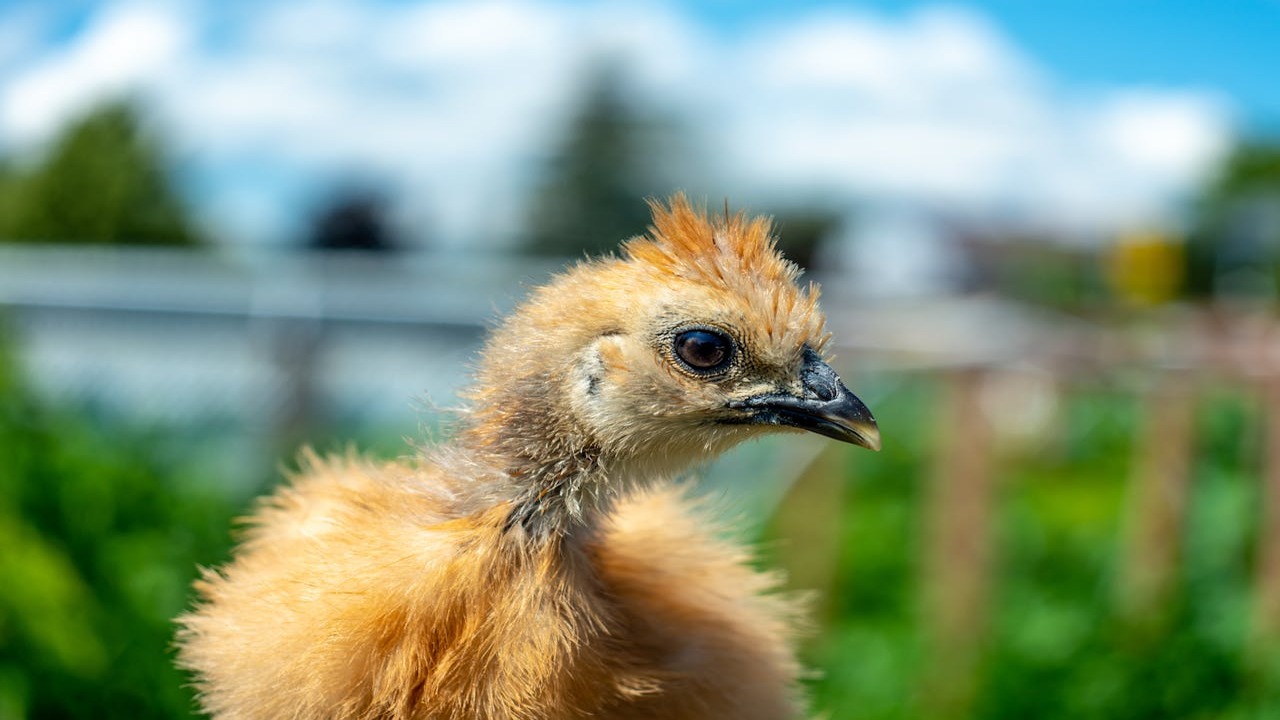
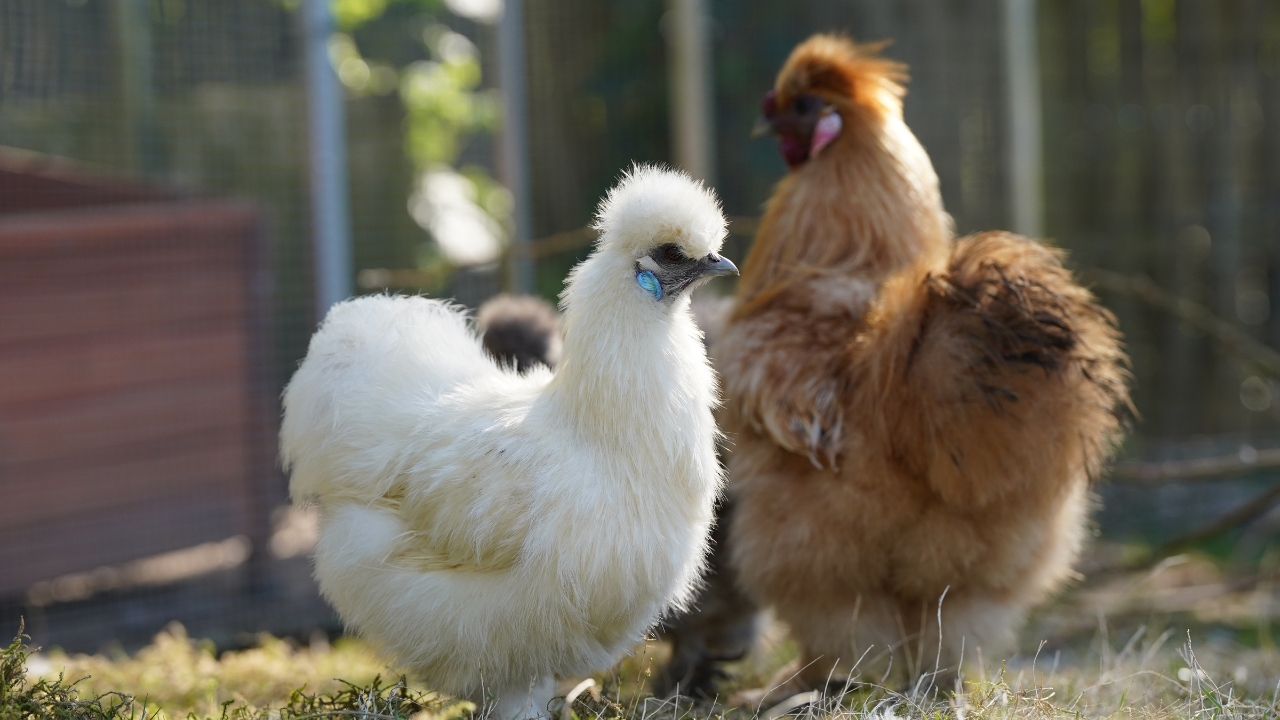
Silkies are small, slow, and have poor vision due to their fluffy crests. They’re easy targets for hawks, foxes, raccoons, and even larger dogs. Because they’re gentle and less alert than other chicken breeds, they often don’t see danger until it’s too late. A secure run with overhead netting and predator-proof locks is a must if you want to keep them safe.
Nigerian Dwarf Goats
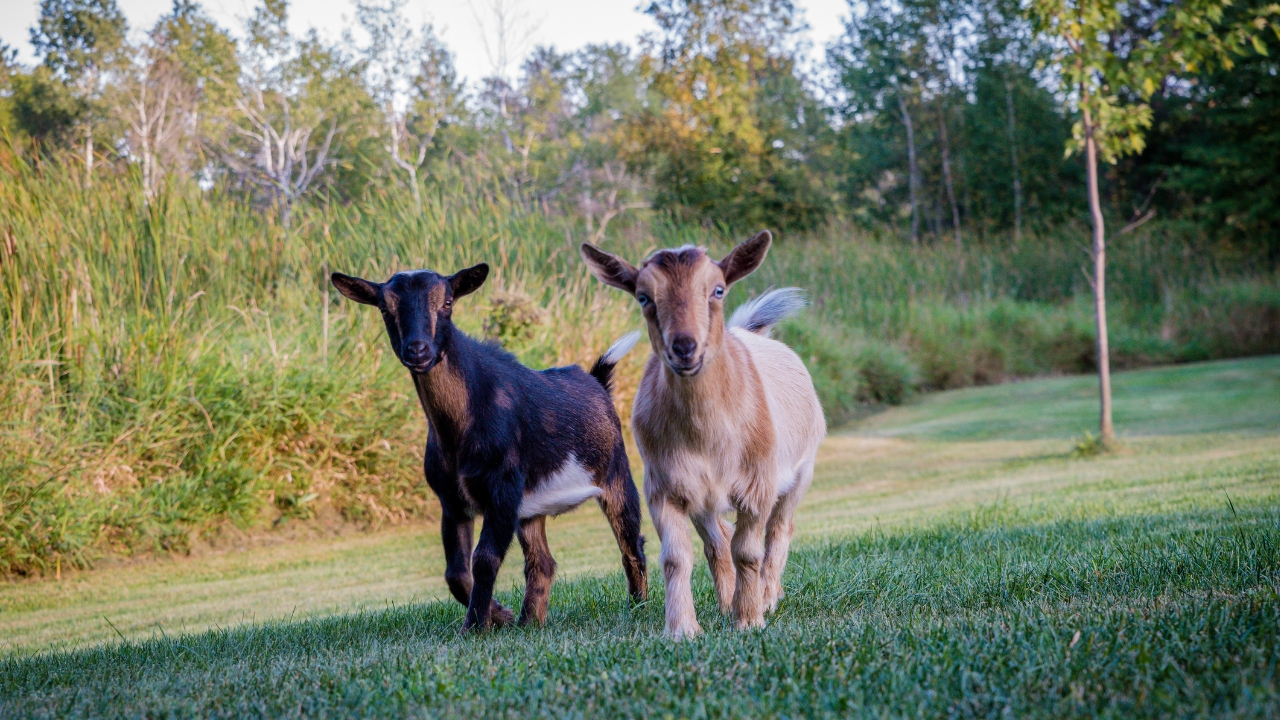
Their small size makes Nigerian Dwarf goats more vulnerable to coyotes, bobcats, and even large stray dogs. They’re friendly and curious, which means they don’t always recognize threats quickly. While they’re great for small farms, you’ll need strong fencing and possibly livestock guardian animals to keep them safe in areas where predators are common.
Young Lambs

Predators like coyotes, foxes, and eagles can easily take down young lambs. They’re smaller, slower, and less aware of their surroundings than adult sheep. Lambing season is especially risky because ewes are focused on their newborns and may not be able to defend them well. Nighttime shelter and close monitoring during the first few weeks are essential.
Ducks

Ducks move slower on land, making them easy prey for foxes, raccoons, and snapping turtles. Even water doesn’t guarantee safety—predators like snapping turtles and large fish can attack from below. Keeping them in a secure pen at night and providing covered runs near water can cut the risk significantly.
Pygmy Goats

Like Nigerian Dwarfs, pygmy goats are small and can be targeted by a variety of predators. They’re agile climbers, which can be both a blessing and a curse—if they get out of their pen, they’re even more exposed. Strong fencing and guardian animals can help keep them safe.
Bantam Chickens
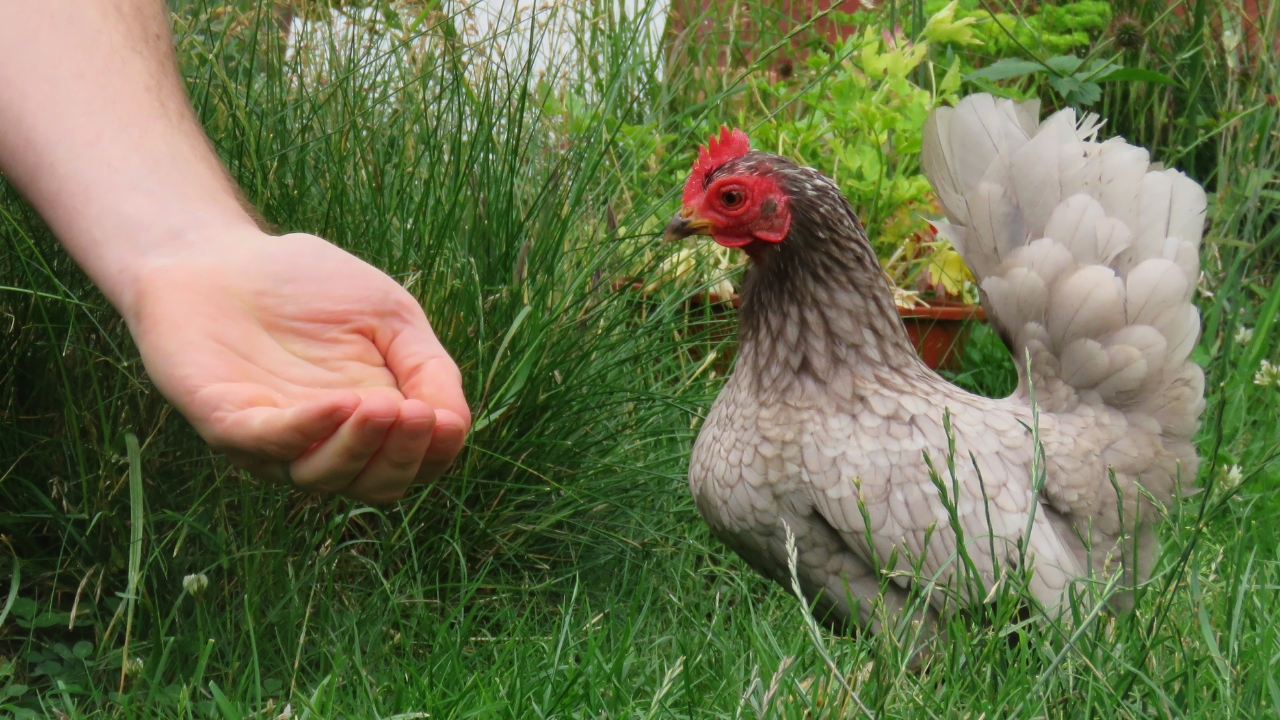
Bantams are lightweight and can be taken by hawks, owls, and ground predators. Their smaller size also makes them easier for predators to carry off quickly. Keeping them in a secure run with overhead protection is one of the best ways to reduce losses.
Rabbits
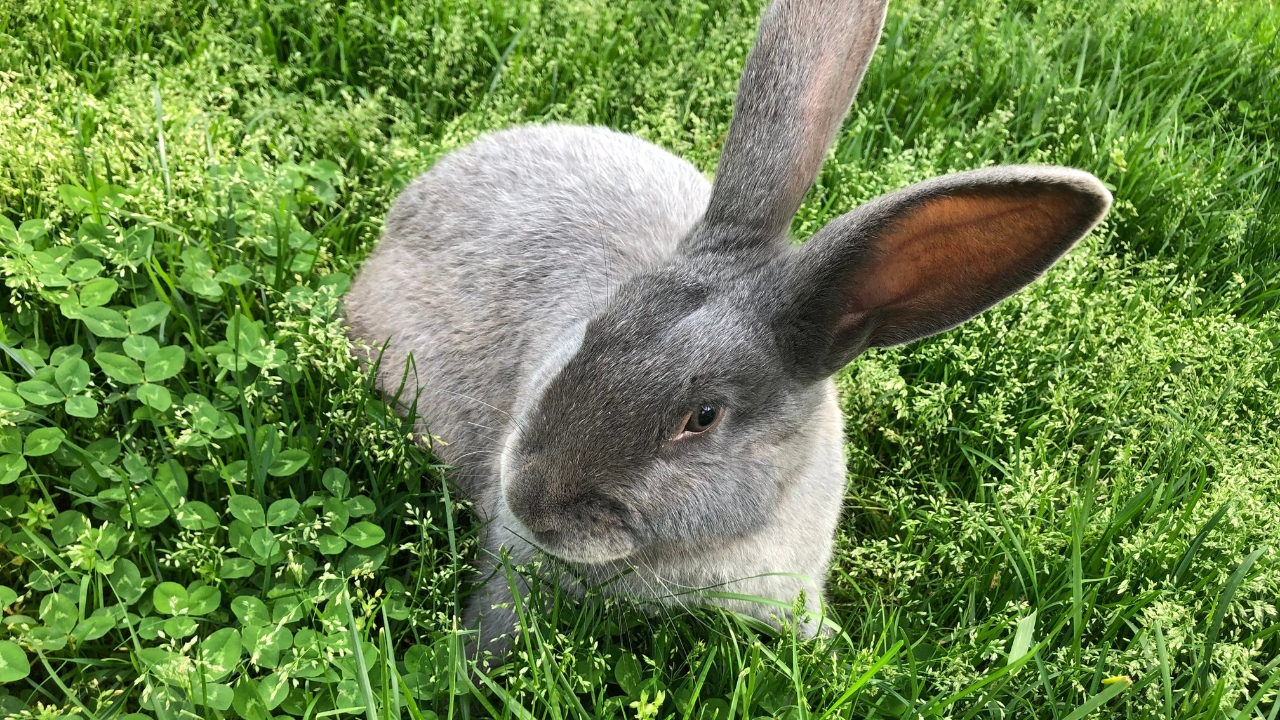
Domestic rabbits are vulnerable to almost any predator, from hawks to neighborhood dogs. They don’t have strong defenses and can panic easily, which sometimes leads to fatal stress before a predator even makes contact. Secure hutches and supervised time outside are key to keeping them safe.
Turkey Poults
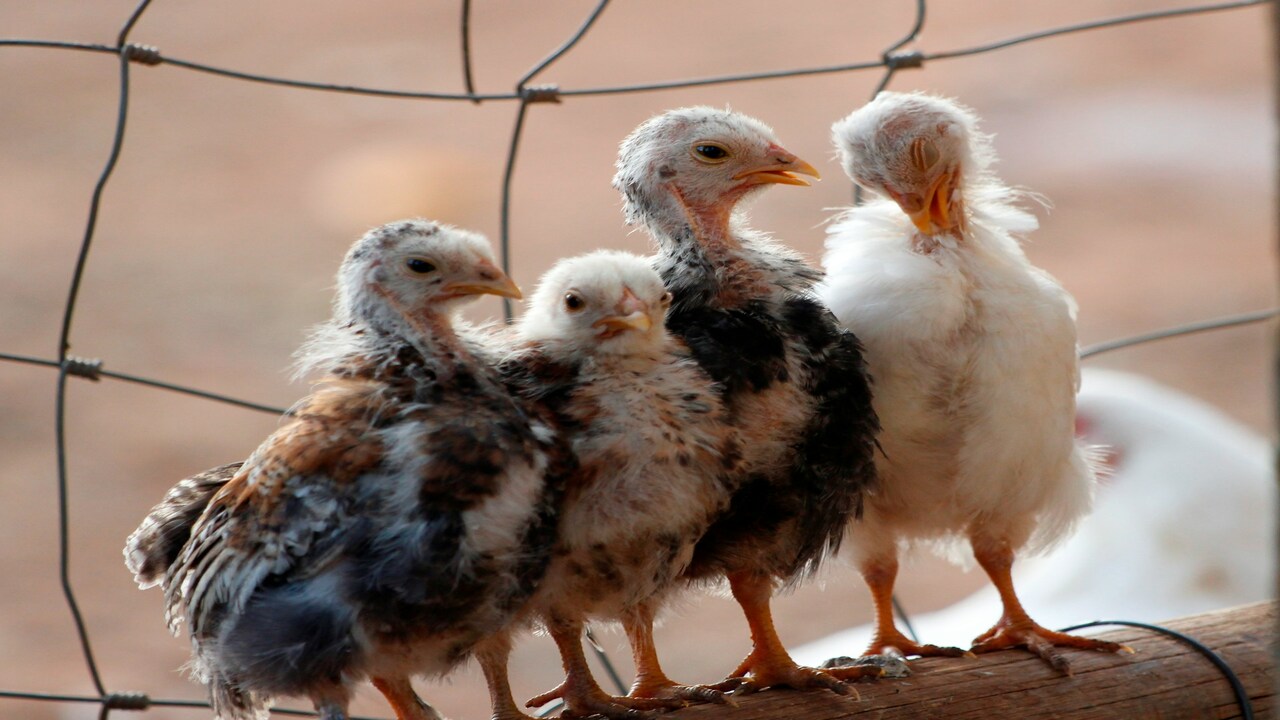
Young turkeys are especially vulnerable before they grow large enough to fend off smaller predators. Raccoons, foxes, and hawks can all make quick work of a poult. Keeping them in a brooder or secure pen until they’re bigger can make a huge difference in survival rates.
*This article was developed with AI-powered tools and has been carefully reviewed by our editors.