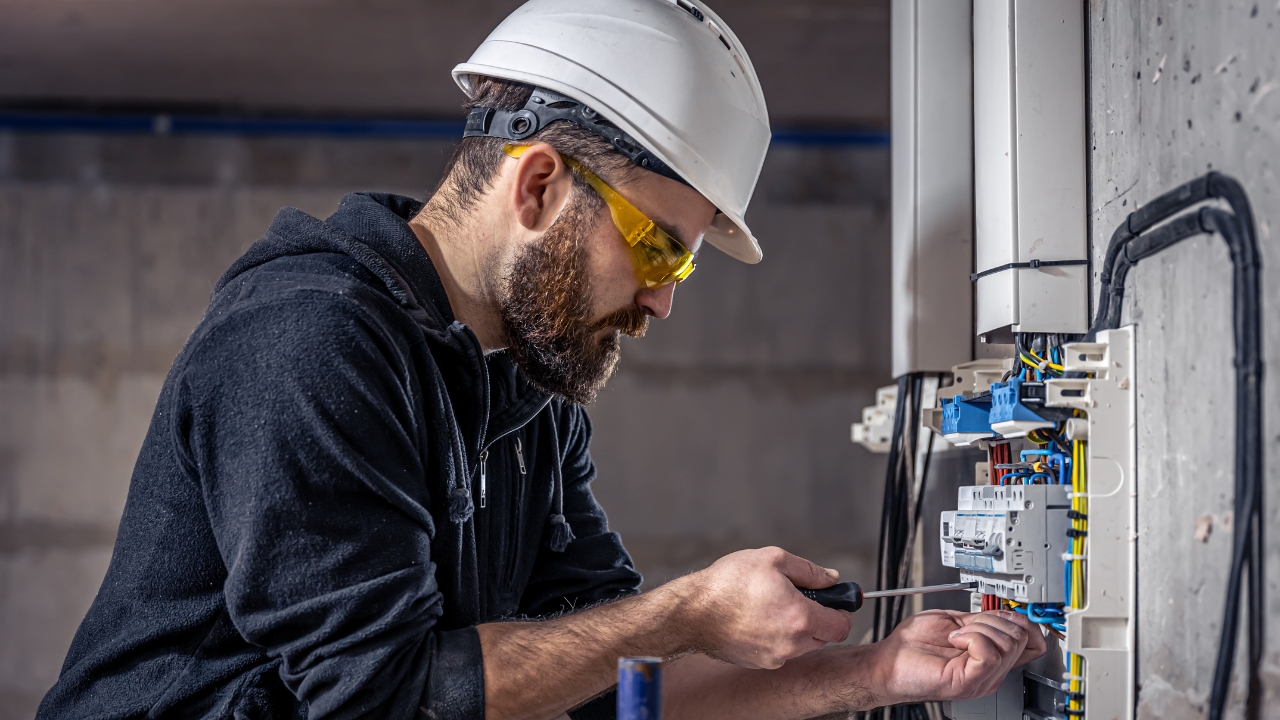
8 Utility Planning Mistakes That’ll Cost You Big
Getting utilities set up on land isn’t like plugging into the grid in a neighborhood. You’ve got to think ahead—and every mistake adds cost, delay, or a whole lot of rework. These are some of the biggest missteps folks make when setting up power, water, and waste from scratch.
Not Finalizing the House Location First

If you run electric or water before your house spot is locked in, you’ll probably end up redoing it. Shifting the house even 50 feet can mess up your whole layout.
Figure out exactly where the house, shop, and driveway are going first. Then trench and install your utilities so everything lines up right the first time.
Skipping the Call to 811
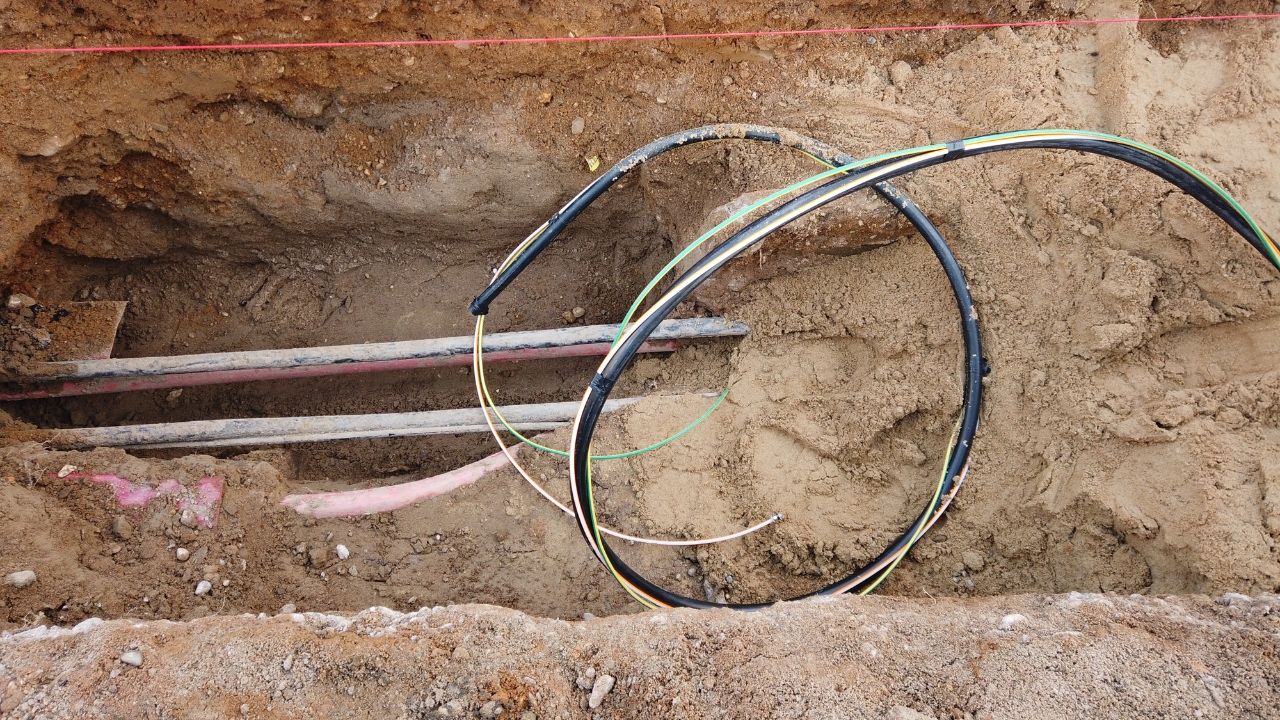
Even on raw land, you can’t assume it’s safe to dig. There might be buried lines or easements you don’t know about.
Call 811 before you trench or drive posts. Hitting a line could not only delay your project—it could also cost you thousands in fines or repairs.
Undersizing the Electric Service
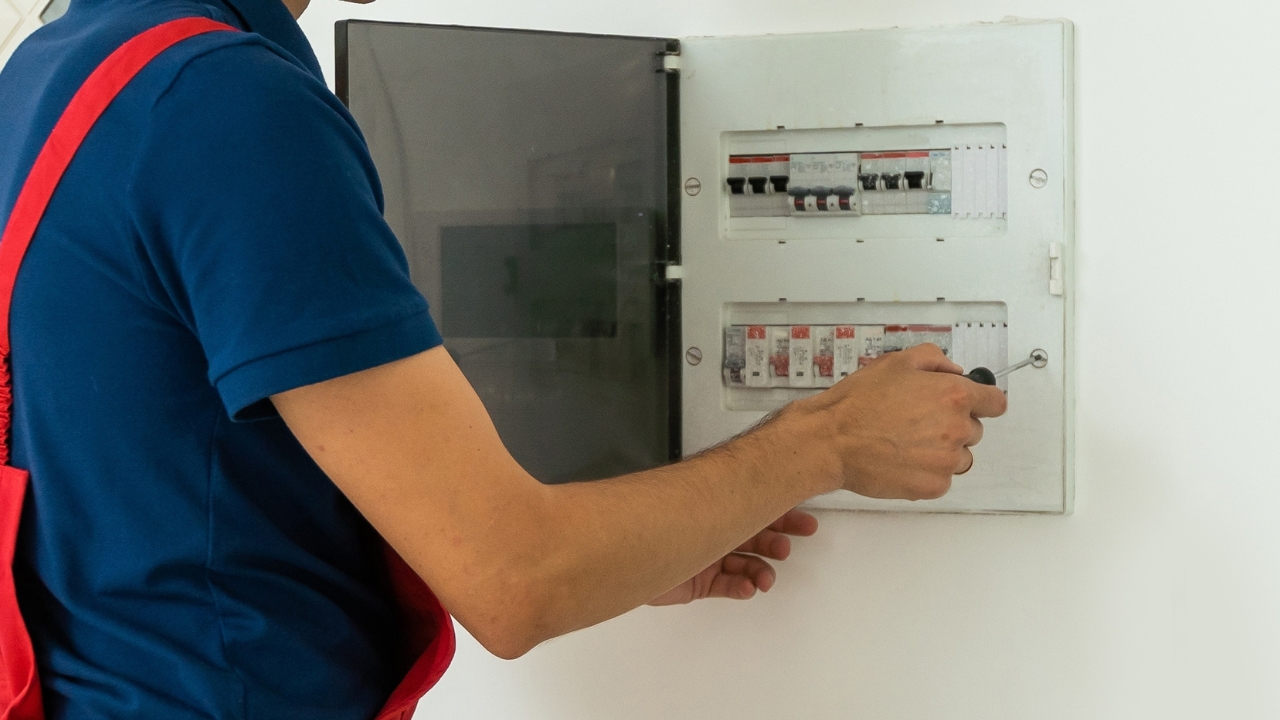
Some people get the cheapest electric setup they can, then regret it as soon as they try to run a shop, RV, or anything else with a load.
Go with 200-amp service at minimum if you’re living full time on the property. It gives you flexibility for add-ons later and keeps everything running without tripping breakers.
Not Installing Enough Outdoor Spigots
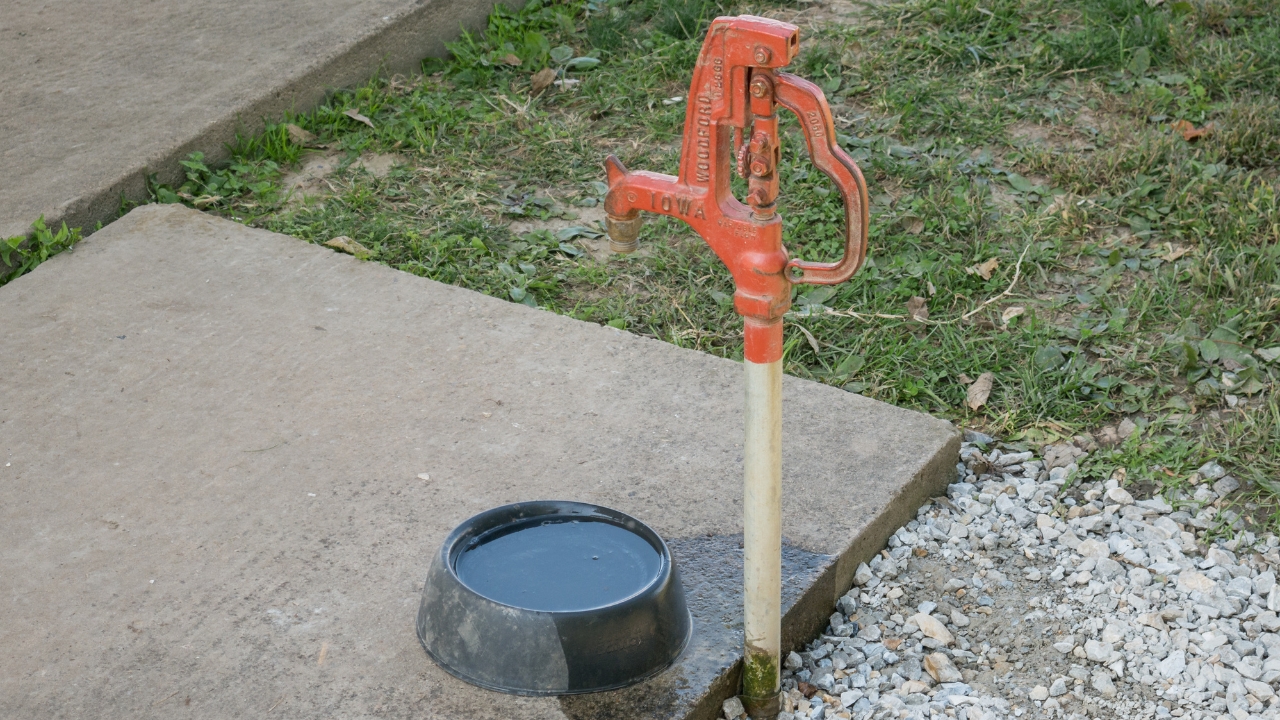
You’ll need water in more places than you think. If you only install one spigot or leave it on the far end of the house, chores take twice as long.
Plan for frost-free hydrants near the garden, animals, and garage. Even one extra line can make daily life way easier.
Assuming the Septic Will Be Easy
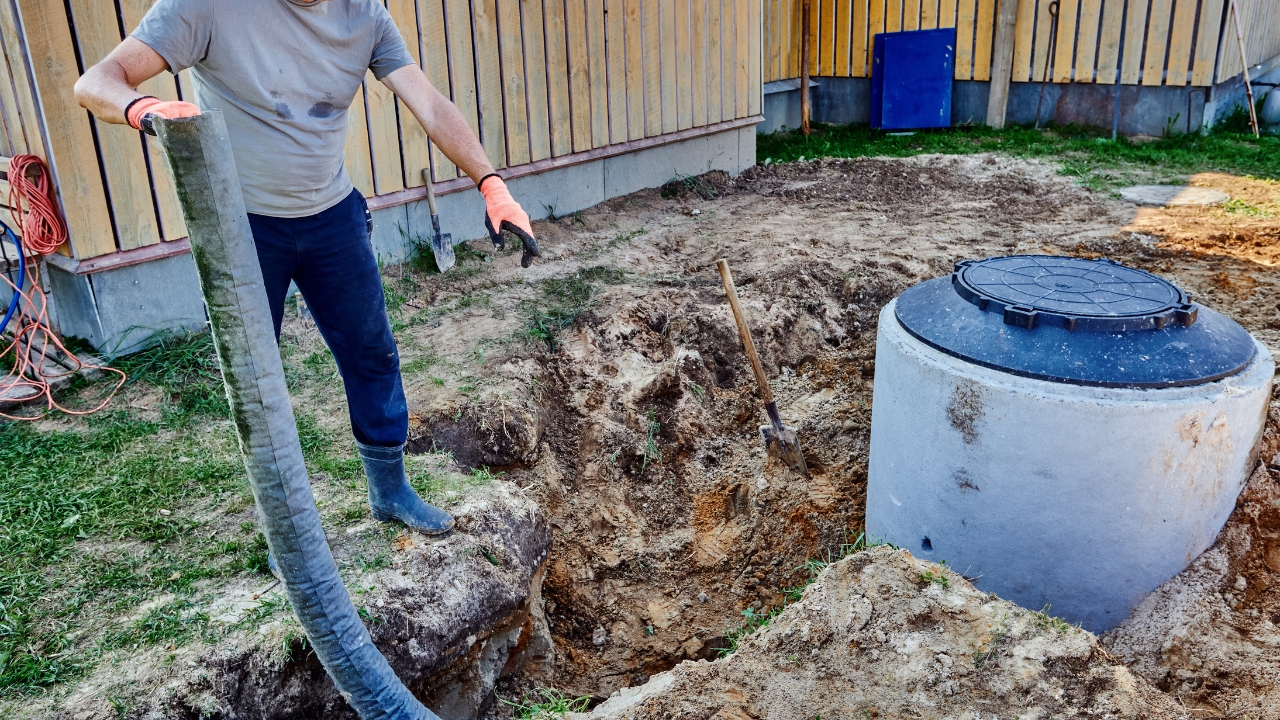
A lot of land looks flat and simple—until you start digging. Rocky soil, a high water table, or slope issues can complicate or even prevent a traditional septic setup.
Before you finalize anything, get a perc test and make sure a system is allowed and feasible on your site. Don’t assume you can fix it later.
Running Lines Without Conduit
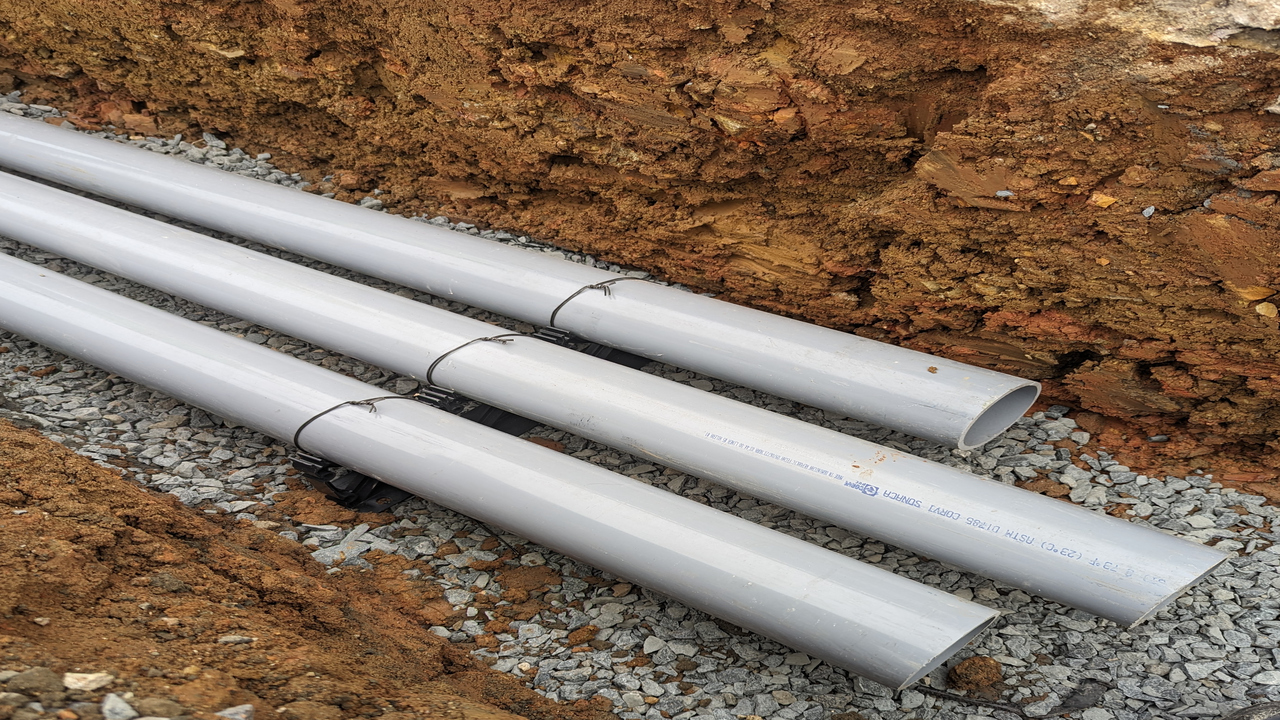
Whether it’s water, electric, or internet, running lines directly underground without conduit is asking for trouble. If anything breaks, you’ll have to dig the whole thing back up.
Conduit protects your lines and makes future repairs or upgrades way easier. It’s a small investment that saves a lot down the road.
Not Planning for Backup Power
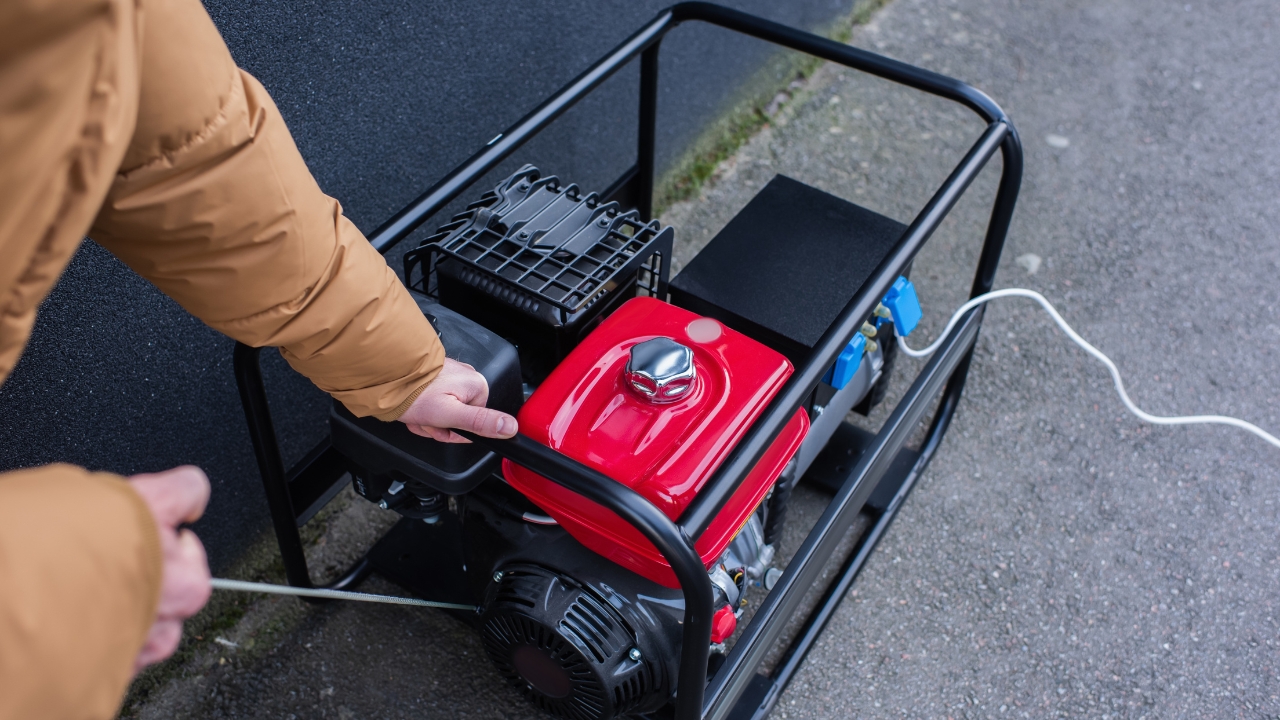
Power outages happen often in rural areas. If your setup doesn’t include a way to hook up a generator or battery backup, you’ll be scrambling when it goes out.
Install a transfer switch or at least a generator-ready outlet when you do your main setup. Waiting until an emergency hits is too late.
Overlooking Internet and Cell Signal

Internet and cell coverage can be spotty on rural land. If you don’t plan for a line-of-sight setup or choose the wrong provider, you’ll struggle to stay connected.
Check local providers, test signal strength, and plan for a tower or booster if needed. Don’t assume it’ll work like it does in town—it won’t.
*This article was developed with AI-powered tools and has been carefully reviewed by our editors.