How to make sure your backup heat source actually works right
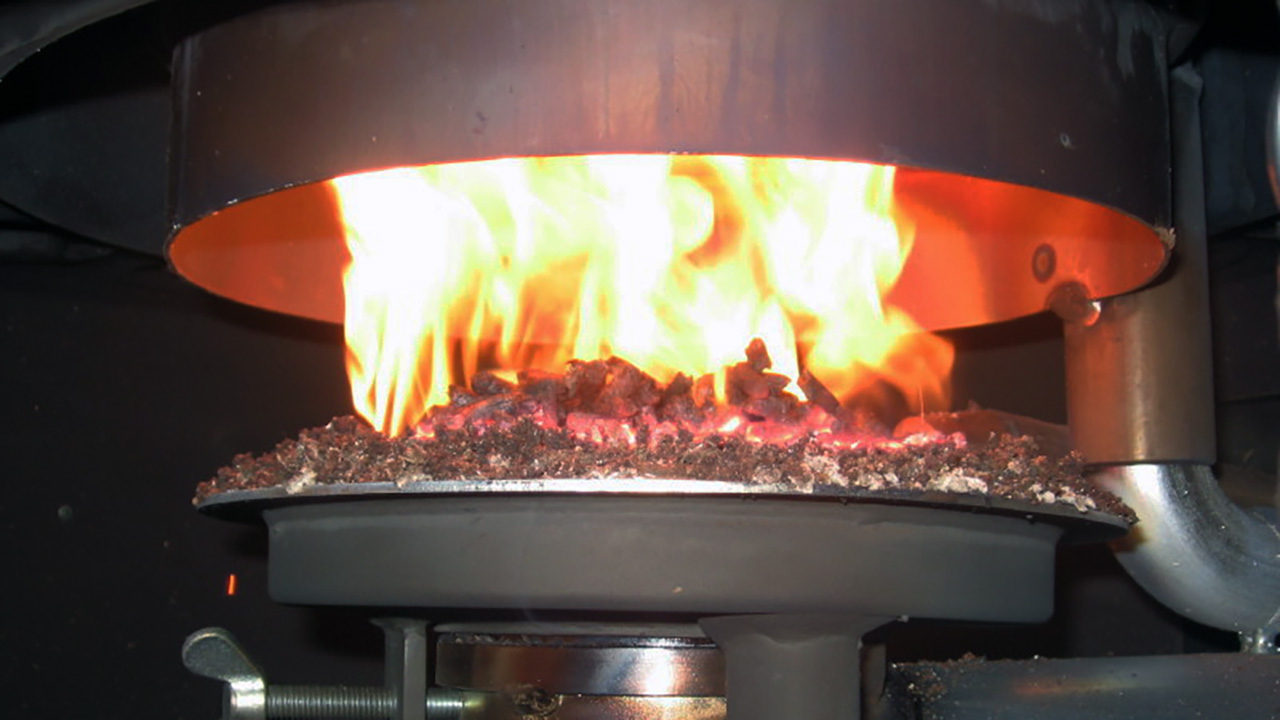
Photo credit: H. Raab (User:Vesta) – CC BY-SA 3.0/Wiki Commons
A lot of people think having a backup heat source automatically means they’re ready for a winter power outage—but that’s not always the case. Whether it’s a propane heater, a wood stove, or a generator-powered furnace, most setups fall short because of one simple issue: lack of airflow.
If your backup heat never seems to warm the house evenly or keeps struggling to maintain temperature, the problem isn’t always the heat source itself. It’s that your system can’t move that warm air where it needs to go. Fixing that airflow—before you actually need the backup—can make all the difference when the temperatures drop.
Heat only works if the air can move
No matter how powerful your backup heater is, it won’t keep you warm if the air around it stays trapped. Warm air naturally rises and collects near the ceiling, while cold air settles low. Without circulation, that temperature difference becomes extreme—leaving one side of the house hot and the other freezing.
Many people try to solve it by cranking the heater higher, but that only burns more fuel or uses more power. What you actually need is movement. Fans, vents, or even small circulation systems can help distribute heat evenly, which makes your backup source work smarter instead of harder.
Ceiling fans and small fans make a big difference
If you have ceiling fans, switch them to spin clockwise on a low setting during winter. This gentle upward push pulls cold air up and pushes the trapped warm air along the ceiling back down the walls. It doesn’t use much energy, but it instantly makes the room feel warmer.
If your backup heater is in one room, place a small fan near a doorway facing out of the warm area. It’ll help pull cooler air into the heated zone and push warm air into the next room. It’s a simple trick, but it turns one heated space into a house that feels evenly comfortable.
Space heaters struggle in closed-off rooms
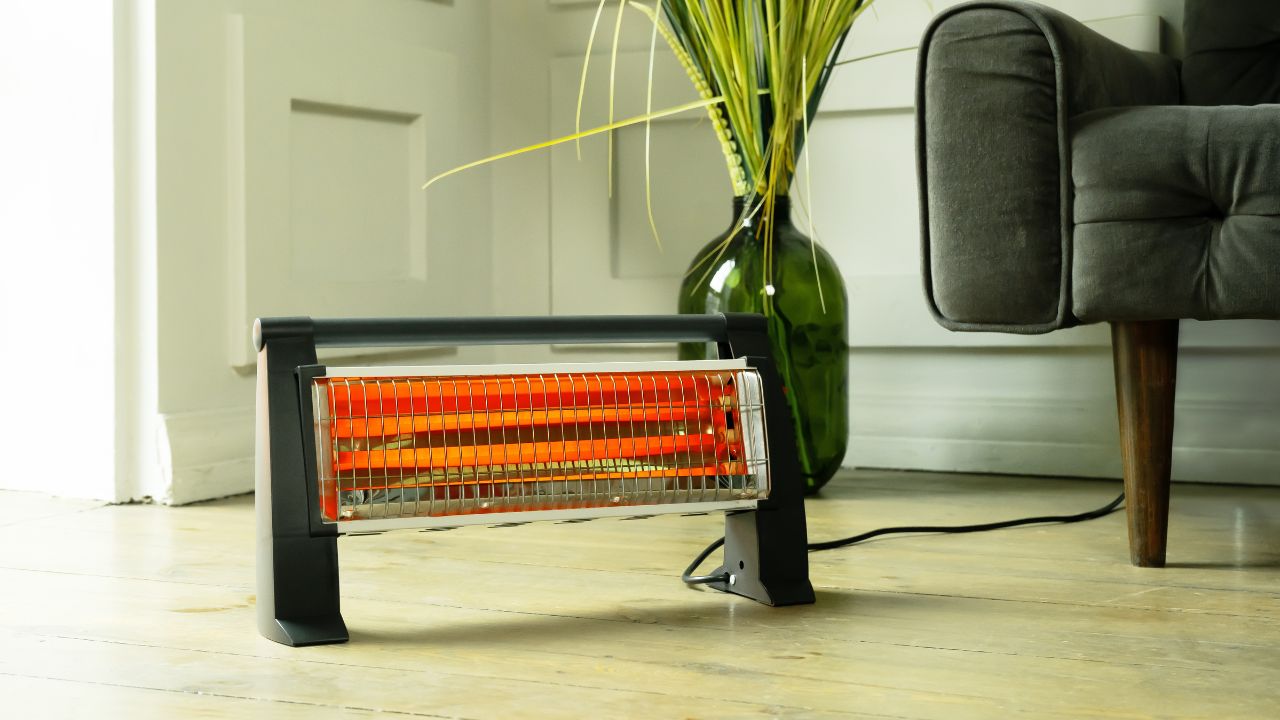
Many people rely on space heaters during power outages or when the main system can’t keep up. But if you’re running one in a closed room with the door shut tight, the air around it quickly warms up, and the heater has nowhere to push that heat.
The result? The heater cycles off and on constantly, using more electricity or fuel while leaving the rest of the house freezing. Keeping the door cracked or setting up a small fan to move air out of the room makes a huge difference. It helps the heater maintain a steady temperature and keeps your power use down.
Wood and propane heaters need air to burn clean
If your backup heat comes from wood or propane, airflow isn’t just about comfort—it’s about safety and efficiency. These systems need oxygen to burn cleanly. When there’s not enough air, they produce soot, carbon monoxide, and incomplete combustion, which means you’re getting less heat from the same amount of fuel.
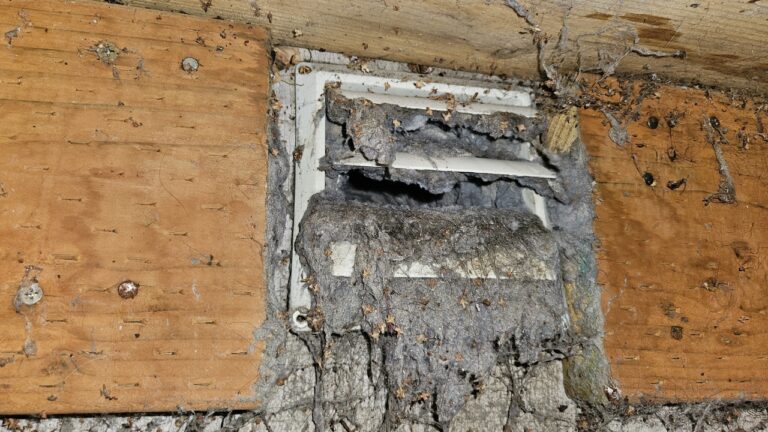
Check that your heater has proper ventilation and that the intake isn’t blocked by dust, debris, or insulation. In tight homes, cracking a window slightly near the heater can actually help it burn more efficiently and reduce dangerous fumes.
If you notice black residue on the glass or walls around your heater, that’s a sign you need better airflow or your venting system checked.
Generators can only help if your ducts are clean and clear
If your backup plan involves running your central furnace or heat pump off a generator, don’t wait until an outage to find out whether the air is moving like it should. Clogged filters, dirty vents, and blocked ductwork can stop warm air from reaching rooms efficiently, wasting the generator’s limited power.
Before winter, check that your filter is clean, vents are open, and ducts aren’t blocked by furniture or buildup. When you’re running on backup power, every watt counts—you want it going to heat, not fighting against poor airflow.
If your generator can’t handle the full HVAC load, consider closing off nonessential rooms and focusing airflow on your main living areas. That helps the system work within its limits without overheating or stalling.
Drafts undo all your effort

Even if your backup heat source is running perfectly, cold air sneaking in through leaks can undo it fast. Doors, windows, and crawlspace vents are notorious for letting freezing air in and warm air out. When that happens, your heater runs nonstop, and the warm air it produces disappears as fast as it’s made.
Sealing up leaks before the first cold snap pays off immediately. Use foam tape or weather stripping around doors and windows, and make sure attic and crawlspace openings are closed tight. A warm home starts with keeping the air you’ve already heated from escaping.
Airflow is what makes backup heat work like it should
Your backup heat source doesn’t have to be fancy or high-tech to keep you warm—it just needs a little help moving that warm air around. Without airflow, even the best heater can’t do its job right.
A few small changes—cleaning vents, checking filters, sealing drafts, and running fans—can make your home hold heat longer and use less fuel doing it. You don’t want to figure this out when the power’s already out and the temperature’s in the twenties.
Fix the airflow now, and when you need that backup heat most, it’ll actually do what it’s supposed to—keep your home warm, safe, and livable all winter long.
Like Fix It Homestead’s content? Be sure to follow us.