9 laundry mistakes that ruin clothes fast
Laundry feels routine, but small habits can quietly break down your clothes. The wrong cycle, detergent, or even how you load the washer can wear things out far quicker than normal. When clothes start fading, stretching, or pilling, it’s often not the fabric’s fault—it’s how they’re washed and dried.
Making a few changes to your laundry routine doesn’t just save money on clothes, it also keeps them looking better for longer. If you’ve ever felt like your shirts lose their shape too fast or your jeans fade after a couple of washes, chances are one of these mistakes is to blame.
Overloading the washer
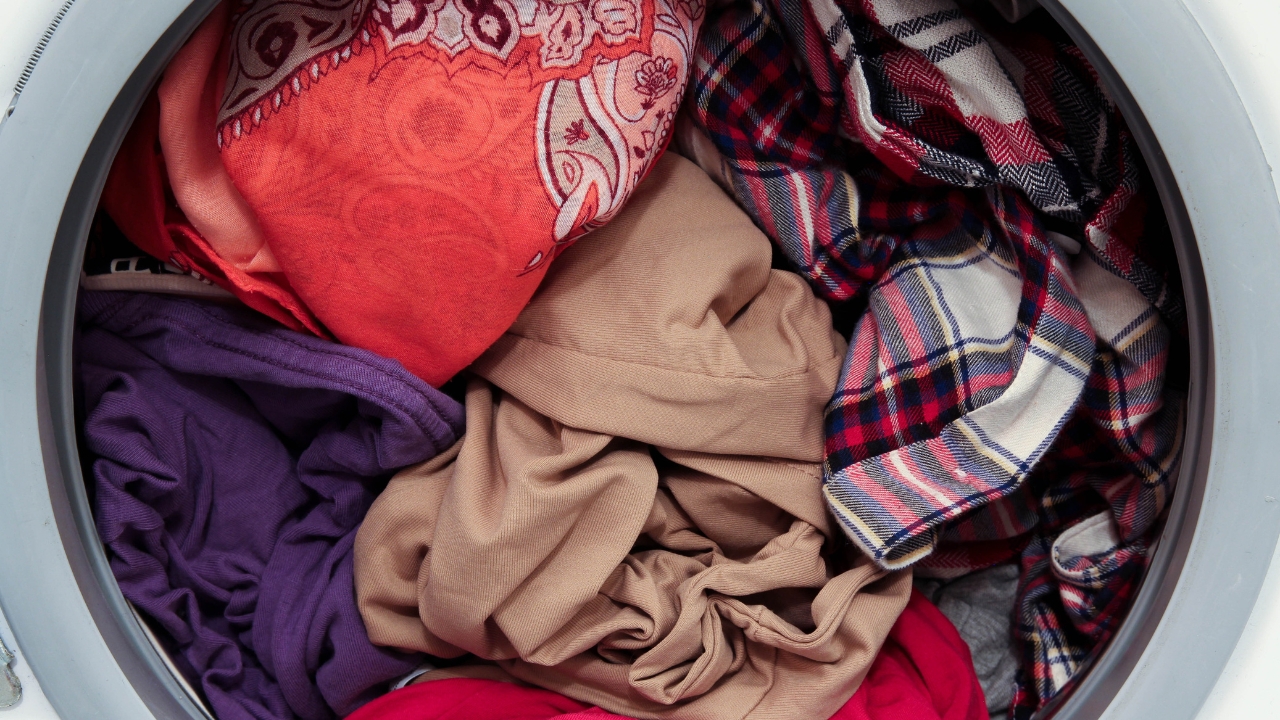
Stuffing the washer full might save time, but it’s tough on clothes. With no room to move around, fabrics rub harshly against each other, causing friction, fading, and wear. Clothes also don’t get rinsed properly, so detergent builds up and makes them stiff.
Leaving space in the drum allows water and detergent to flow evenly, getting things cleaner without that extra strain. Two smaller loads are far easier on your clothes than one overloaded wash.
Using too much detergent

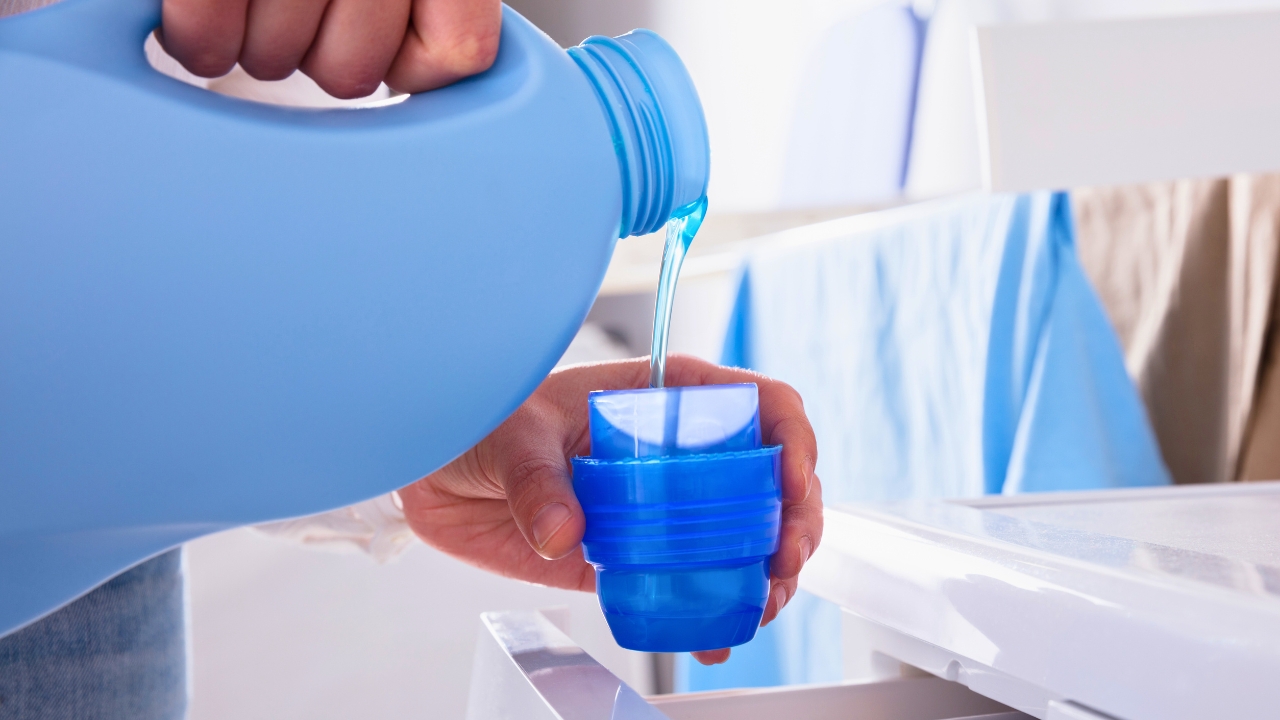
More soap doesn’t equal cleaner clothes. Too much detergent leaves behind residue that weakens fibers, making fabrics dull and stiff over time. It can even trap dirt in instead of washing it away.
Measuring properly and sticking to what’s recommended for your load size will keep fabrics intact longer. If you notice your clothes feel sticky or heavy after drying, detergent buildup may already be happening.
Washing everything on hot
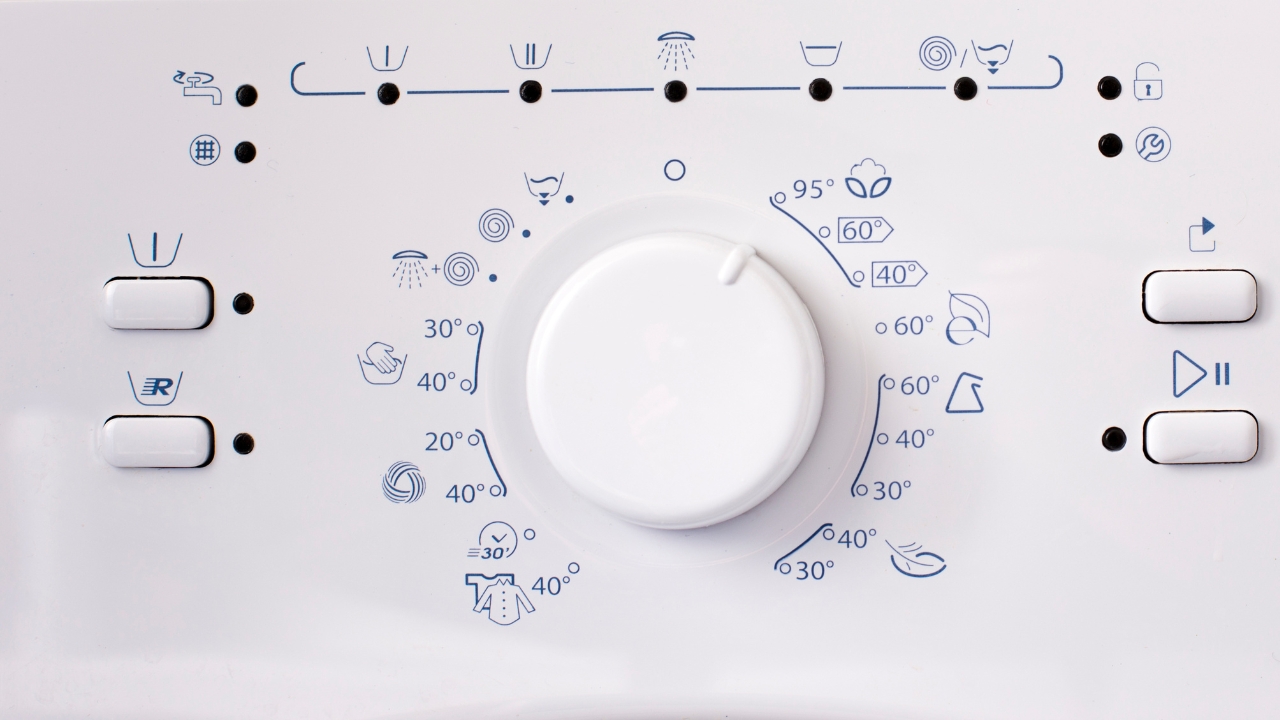
High heat makes fibers shrink, fade, and break down quickly. While hot water is useful for sanitizing towels or bedding, most everyday clothes don’t need it. Cold water is usually enough to clean and is much gentler on fabrics.
Switching to cold or warm washes not only protects your clothes but also saves on energy bills. Reserve hot water for items that truly need it.
Ignoring care labels
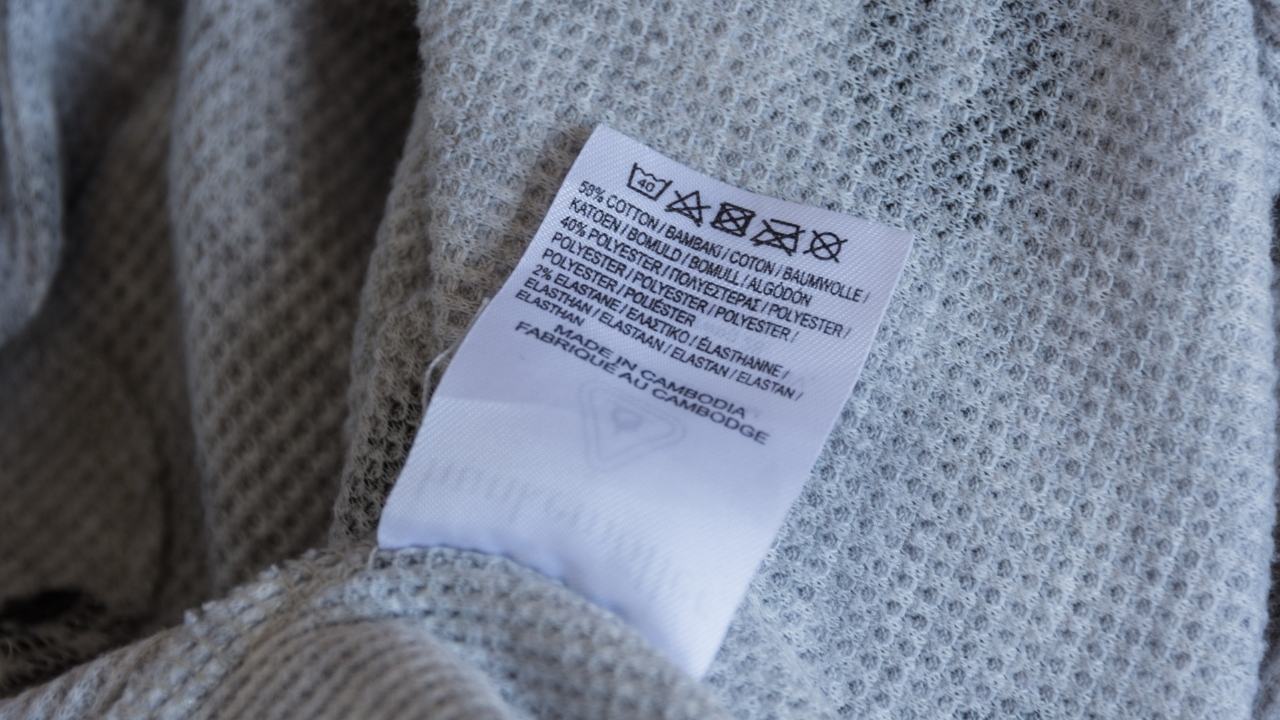
Those tags aren’t just there to annoy you—they’re there to help clothes last. Ignoring instructions like “line dry only” or “wash cold” can ruin fabrics in a single load.
Even if you know your machine well, it’s worth checking labels for new items. Following the instructions keeps clothes looking the way they’re meant to.
Skipping zippers and buttons
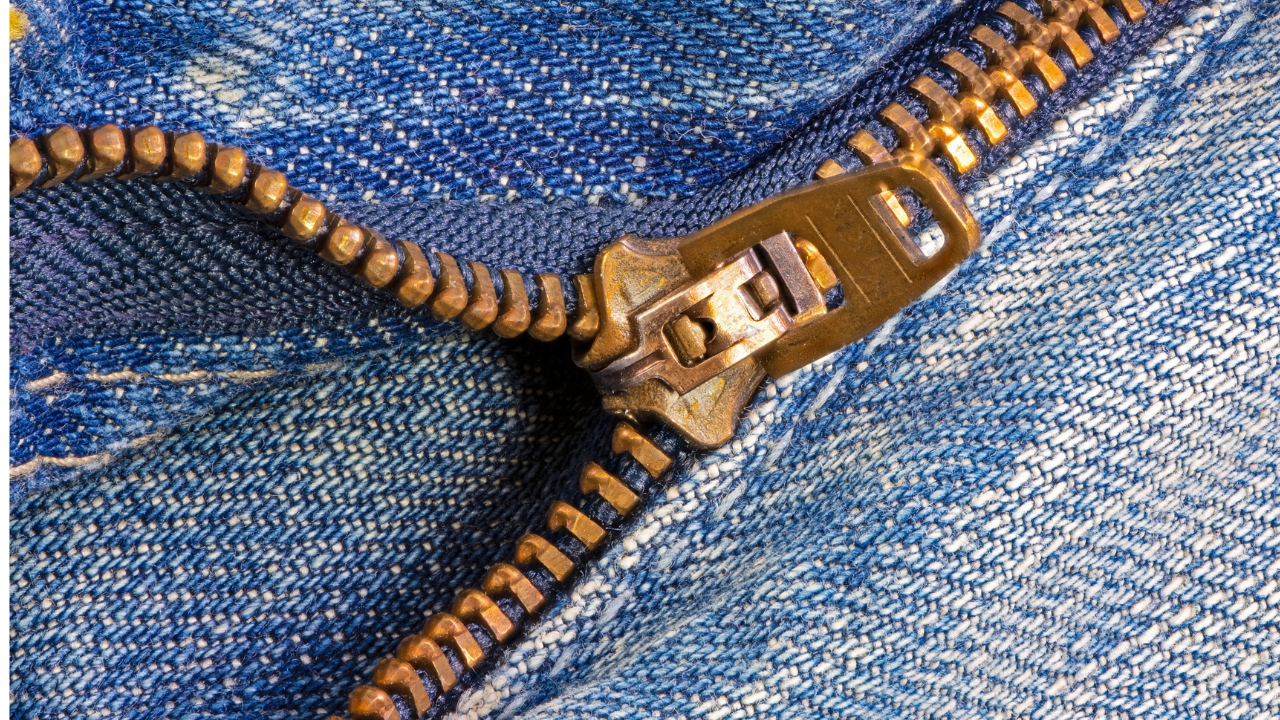
Tossing clothes in without fastening zippers or buttons leads to snagging and pulling. A single zipper can scratch delicate fabrics or tear threads loose.
Closing zippers, fastening hooks, and unbuttoning shirts before washing helps avoid unnecessary damage. It’s a small step that makes a big difference.
Using the wrong cycle
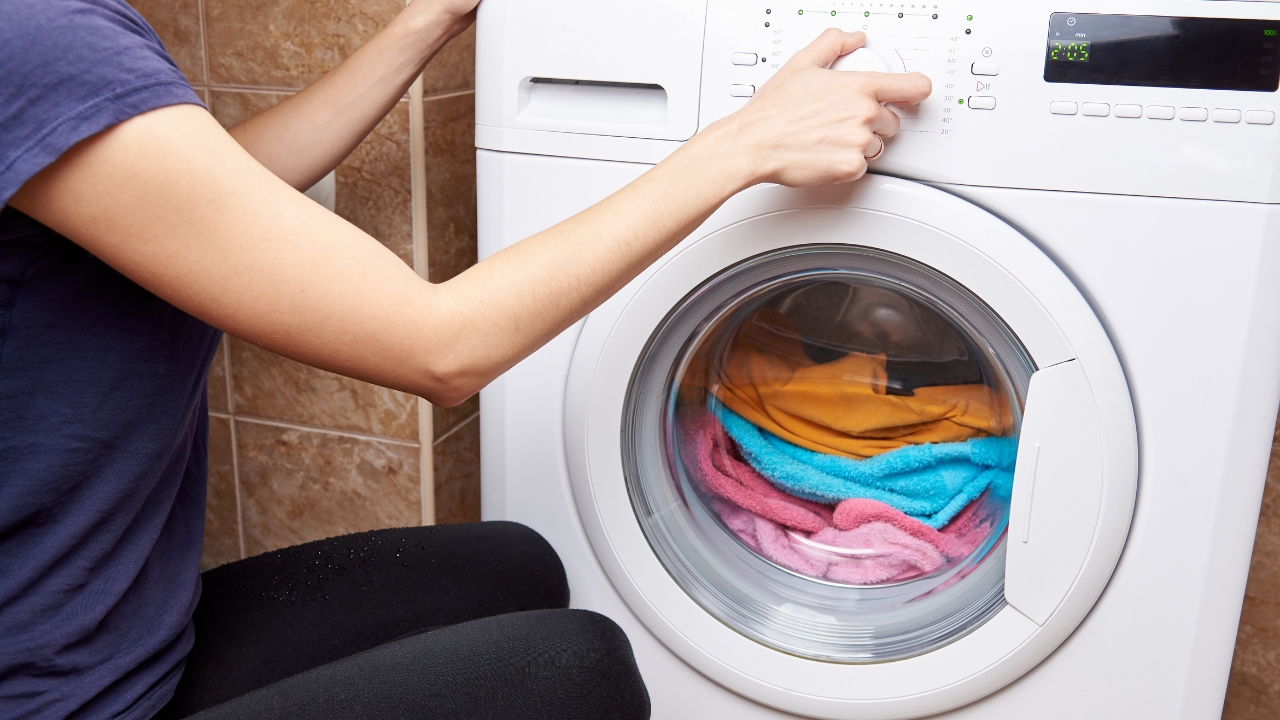
Throwing everything on the same cycle might feel easier, but it doesn’t work for all fabrics. Heavy-duty cycles are too harsh for delicate clothes, and quick cycles may not fully clean thicker fabrics.
Taking a second to pick the right setting keeps clothes intact. It’s an easy fix that prevents fabrics from wearing down too quickly.
Overusing the dryer

Heat from the dryer can shrink, fade, and weaken fibers. It’s one of the fastest ways clothes wear out before their time. Even durable items like jeans lose color and shape with constant high-heat drying.
Air-drying when you can, or using lower heat, slows down this damage. Clothes may take a little longer to dry, but they’ll hold up a lot longer.
Skipping lint trap cleaning
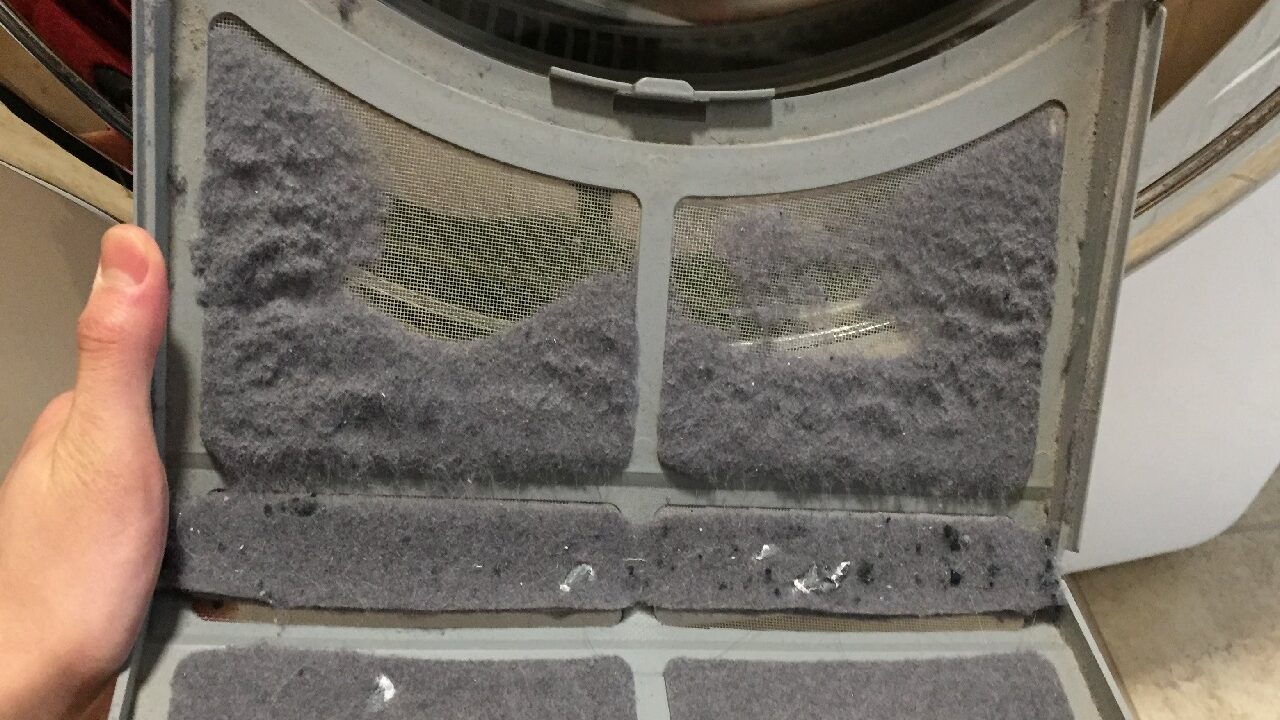
A clogged lint trap makes the dryer run hotter and longer than needed. That extra heat wears out fabrics while also making your dryer less efficient.
Cleaning the lint trap after every load isn’t just about fire safety—it also protects your clothes from unnecessary heat exposure.
Using bleach too often
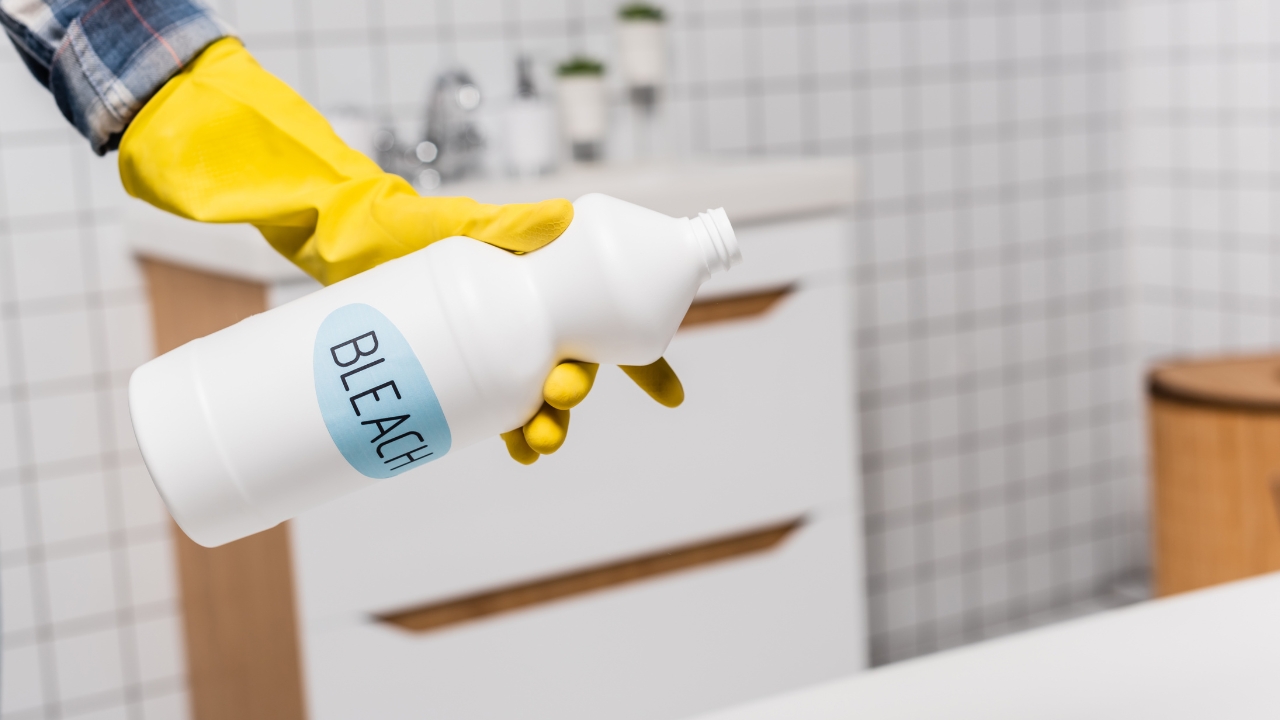
Bleach might brighten whites quickly, but it breaks down fibers fast. Clothes become thinner, weaker, and more prone to tearing.
If you want to keep whites fresh without damage, try oxygen-based whiteners or even sunlight. Save chlorine bleach for rare cases when nothing else works.
*This article was developed with AI-powered tools and has been carefully reviewed by our editors.