7 Common Goat-Keeping Mistakes That Could Cost You Big
Image Credit: Alberto Cavazos/ Shutterstock.
Keeping goats sounds easy—until you’re out there chasing one down because it figured out the weak spot in your fence. Goats aren’t like other livestock. They have their own way of doing things, and if you don’t set them up right from the start, you’ll spend more time fixing problems than enjoying them.
Most of the mistakes people make with goats come from underestimating them—what they eat, how they act, and what it really takes to keep them healthy. A little planning goes a long way, and knowing what not to do will save you time, money, and a whole lot of frustration.
Underestimating How Hard Goats Are to Contain
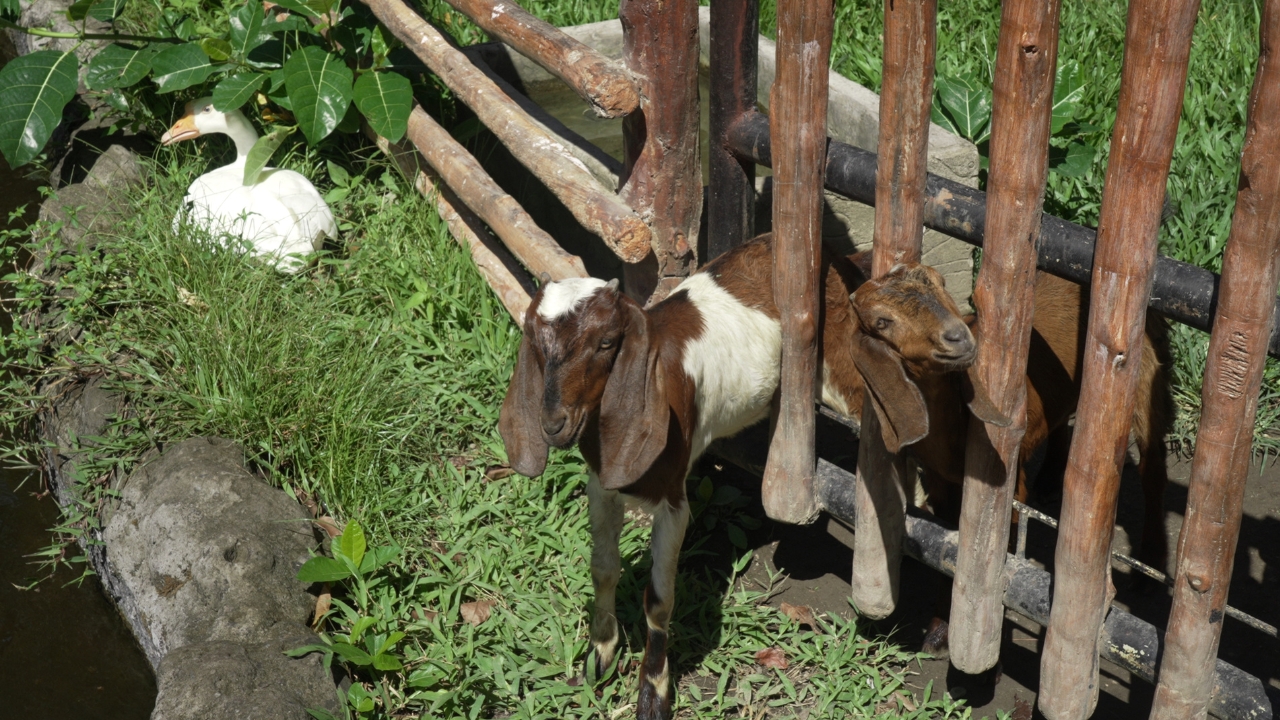
If you think a basic fence is enough to keep goats where they belong, you’re in for a wake-up call. Goats are escape artists. They’ll climb, jump, push, and squeeze through any weak spot they can find. If your fence isn’t solid, you’ll spend more time chasing them than anything else.
You need fencing that’s at least four feet tall—five if you’re dealing with bigger breeds. Welded wire or cattle panels work well, and a hot wire along the top and bottom adds extra insurance. Skip the flimsy stuff, or you’ll learn real quick how determined a goat can be.
Not Providing Proper Nutrition
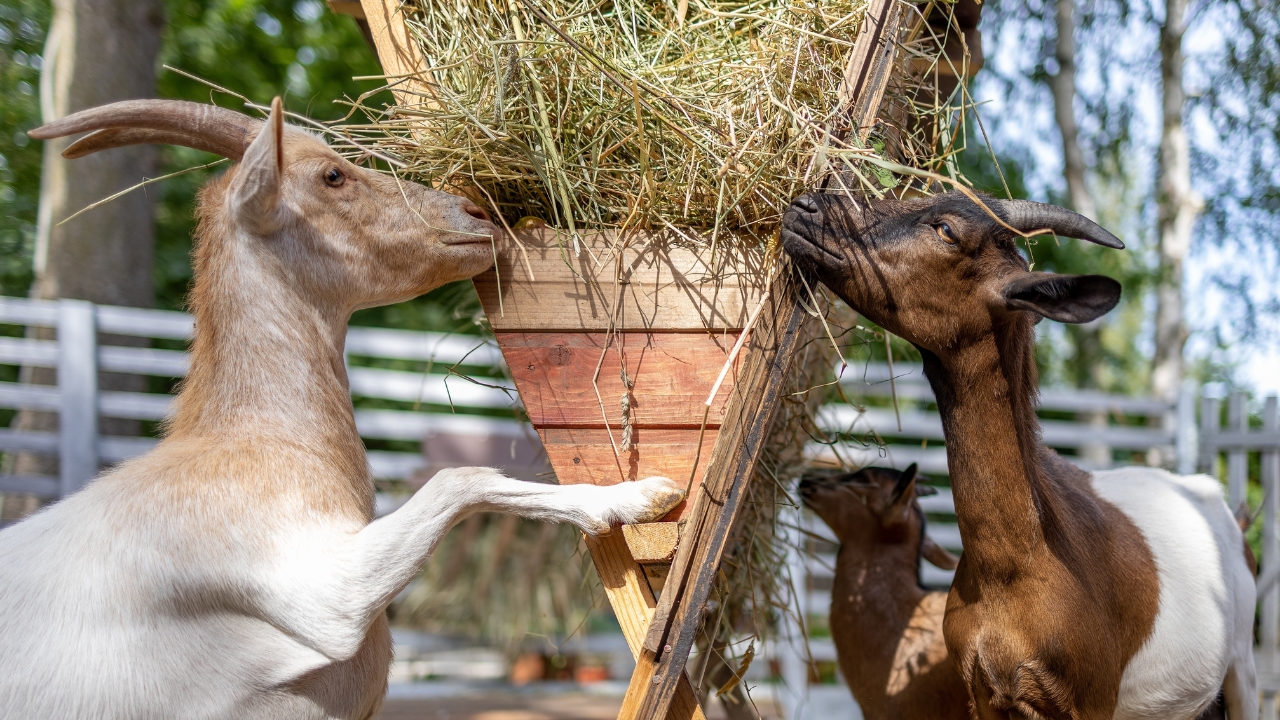
Goats aren’t grazers like cows—they’re browsers, meaning they need a variety of plants, shrubs, and quality hay. If all they’ve got is pasture grass, they’ll be underfed and start looking for trouble (like chewing on your fence or your barn).
Grain can be useful, but too much of it can cause bloating or serious digestive issues. A good mineral supplement is non-negotiable—goats have specific dietary needs, and if they don’t get the right balance, you’ll start seeing health problems. Feed them right, or be ready for costly vet visits.
Ignoring Hoof Care
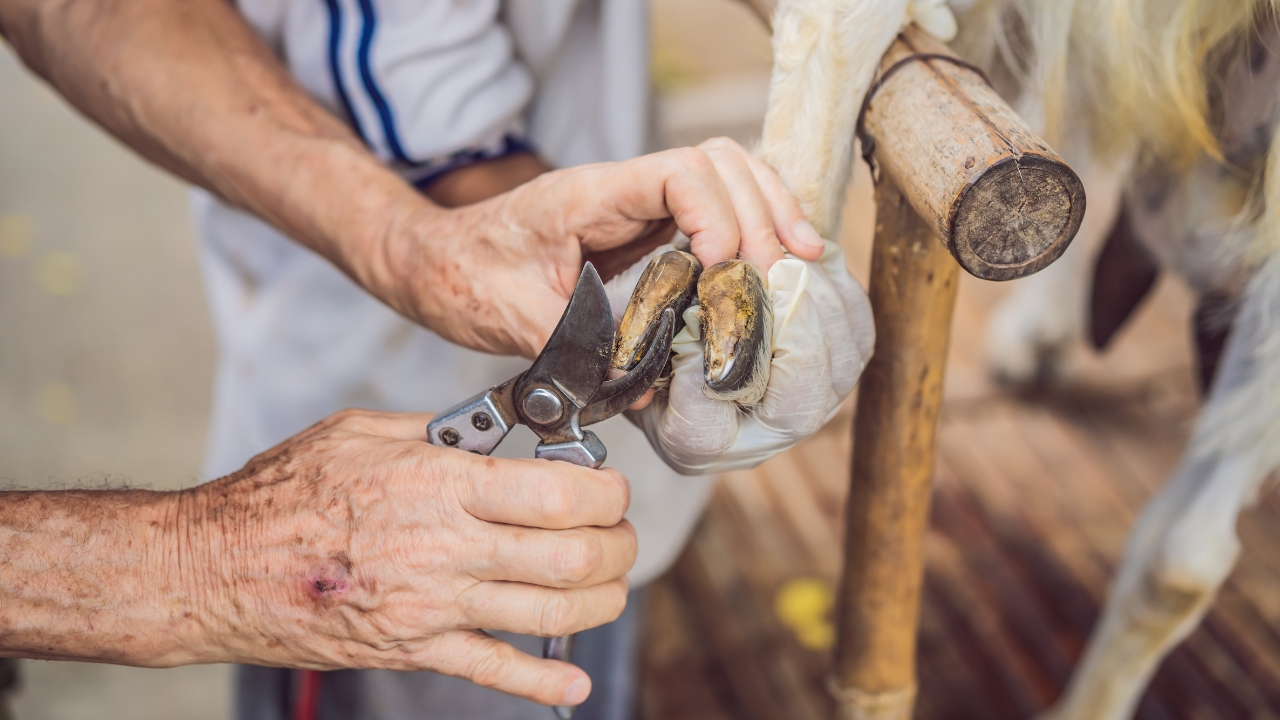
Let a goat’s hooves go too long, and you’ll end up with a lame, miserable animal. Overgrown hooves can lead to joint problems, infections, and a goat that struggles to move around. If they’re not walking right, they’re not eating right.
Hooves need trimming every 4–6 weeks. It’s not a fun job, but it’s a necessary one. Get yourself a good pair of trimmers, and stay on top of it. A goat with bad feet is a goat that won’t thrive, and fixing a hoof issue is a lot harder than preventing one.
Keeping a Single Goat
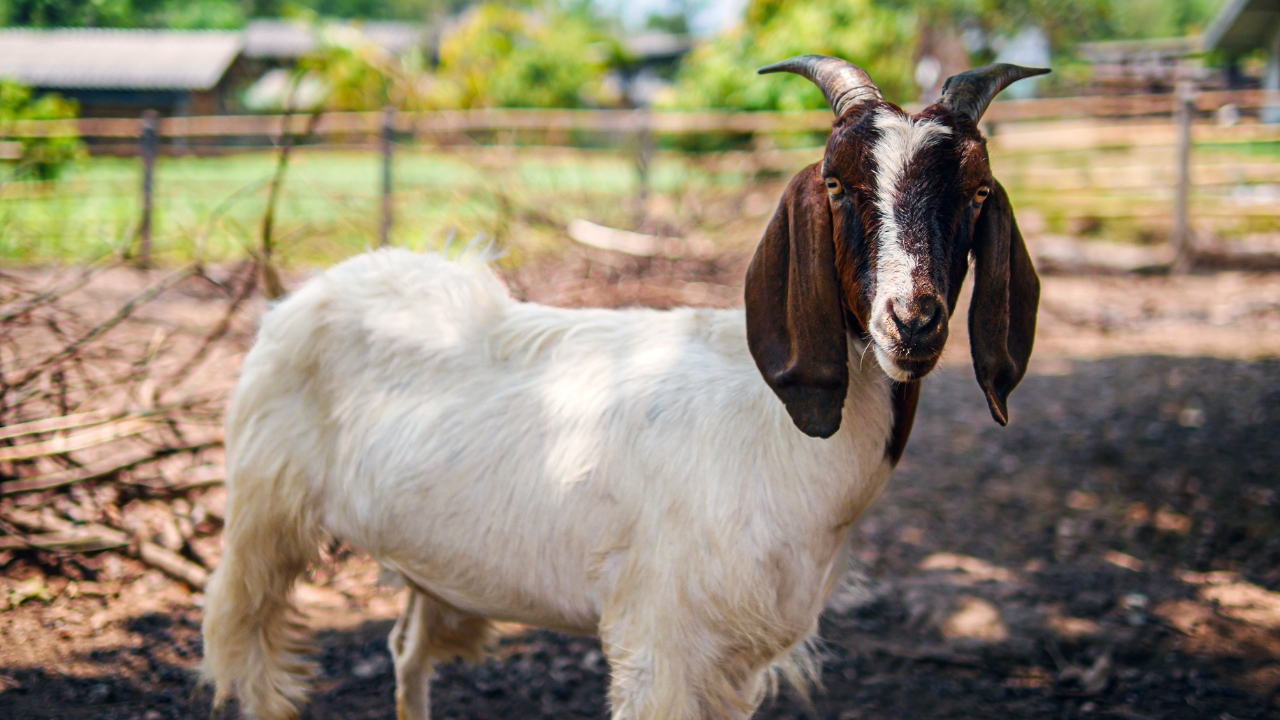
Goats are herd animals. Keep one by itself, and you’ll have a loud, stressed, destructive mess on your hands. A lonely goat will either spend its time trying to escape or making sure you never get a quiet moment.
Even if you’re only raising goats for milk or meat, they need at least one other goat around to stay sane. A stressed goat is more prone to illness, and one that constantly escapes is a danger to itself. Get them a buddy—it’ll save you a lot of frustration.
Letting Parasites Get Out of Control
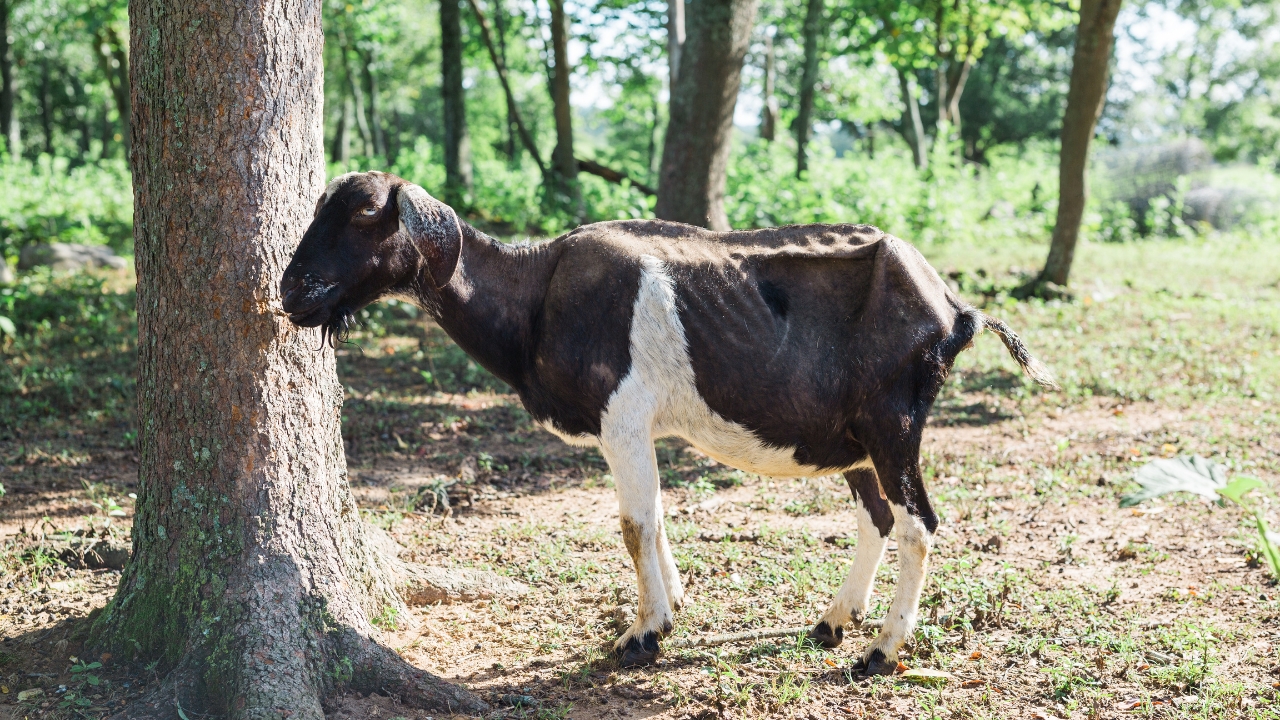
Worms can wipe out a goat faster than you think. If you’re not monitoring for parasites, your healthy-looking herd can go downhill fast. Symptoms like weight loss, rough coats, and anemia mean you’re already behind.
Dewormers aren’t a cure-all—overuse leads to resistance, and that’s a battle you don’t want to fight. Fecal testing, pasture rotation, and keeping their living area dry will go a long way in keeping parasite loads low. Prevention is always easier than treatment.
Not Having a Plan for Breeding
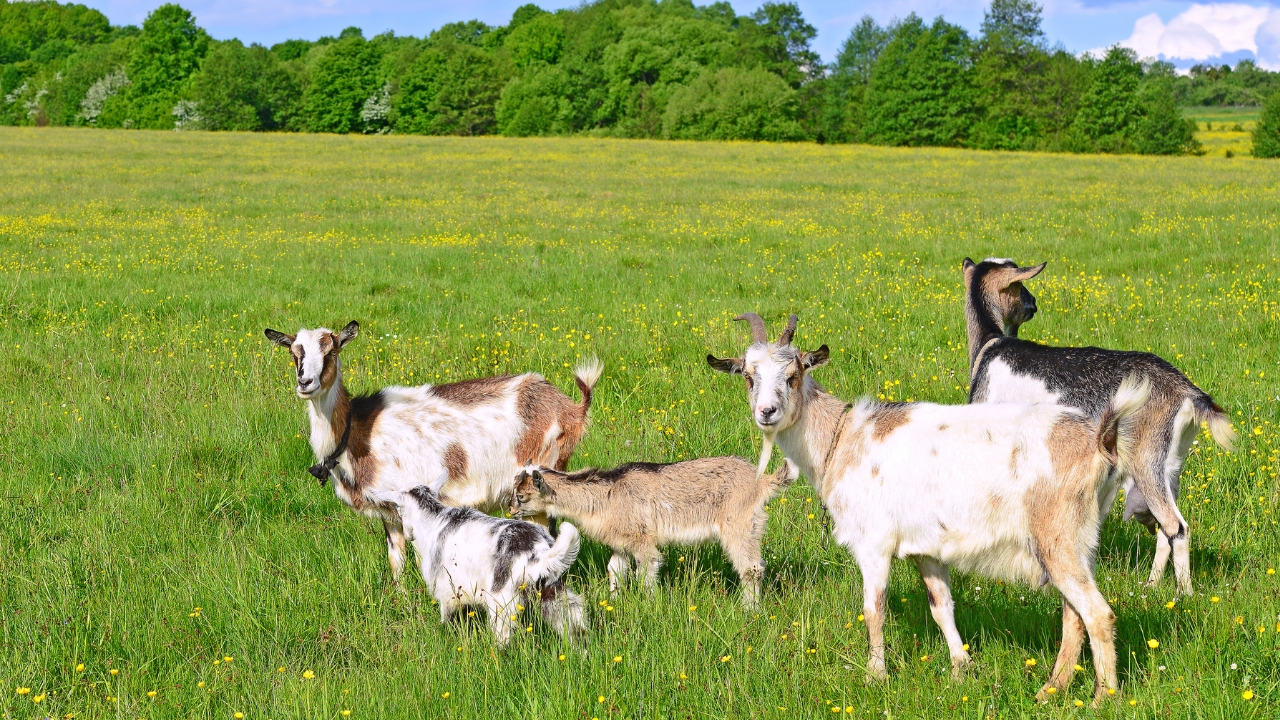
Goats don’t need your permission to breed. If a buck has access to does, you’ll have more kids than you know what to do with before you realize it. An uncontrolled breeding setup means stressed-out does, weak kids, and more mouths to feed than you planned for.
Keep bucks separate until you’re ready for breeding season. Decide ahead of time what your goals are—milk, meat, or herd growth—and plan accordingly. Otherwise, you’ll end up scrambling to manage unexpected litters and trying to find buyers at the last minute.
Thinking Goats Will Eat Anything

People love to joke that goats will eat anything, but that’s a myth that can get them killed. They’re curious animals and will chew on just about anything, but that doesn’t mean it’s safe. Toxic plants, moldy hay, or even too many kitchen scraps can wreck their health.
They need quality hay, fresh water, and a solid mineral supplement to stay healthy. If you’re letting them browse, make sure they’re not getting into anything toxic. A goat with an upset stomach is a headache you don’t want—trust me.
*This article was developed with AI-powered tools and has been carefully reviewed by our editors.