What You’ll Wish You’d Known Before Setting Up a Water Tank
Photo credit: NinaMalyna/Shutterstock.com
A water tank setup seems straightforward until you’re knee-deep in mistakes. Whether you’re collecting rainwater or storing well water, there are a lot of small decisions that make a big difference long-term.
Set it up wrong, and you’ll deal with clogs, leaks, or contamination. Set it up right, and you’ve got a steady backup that runs itself.
Location Affects Everything
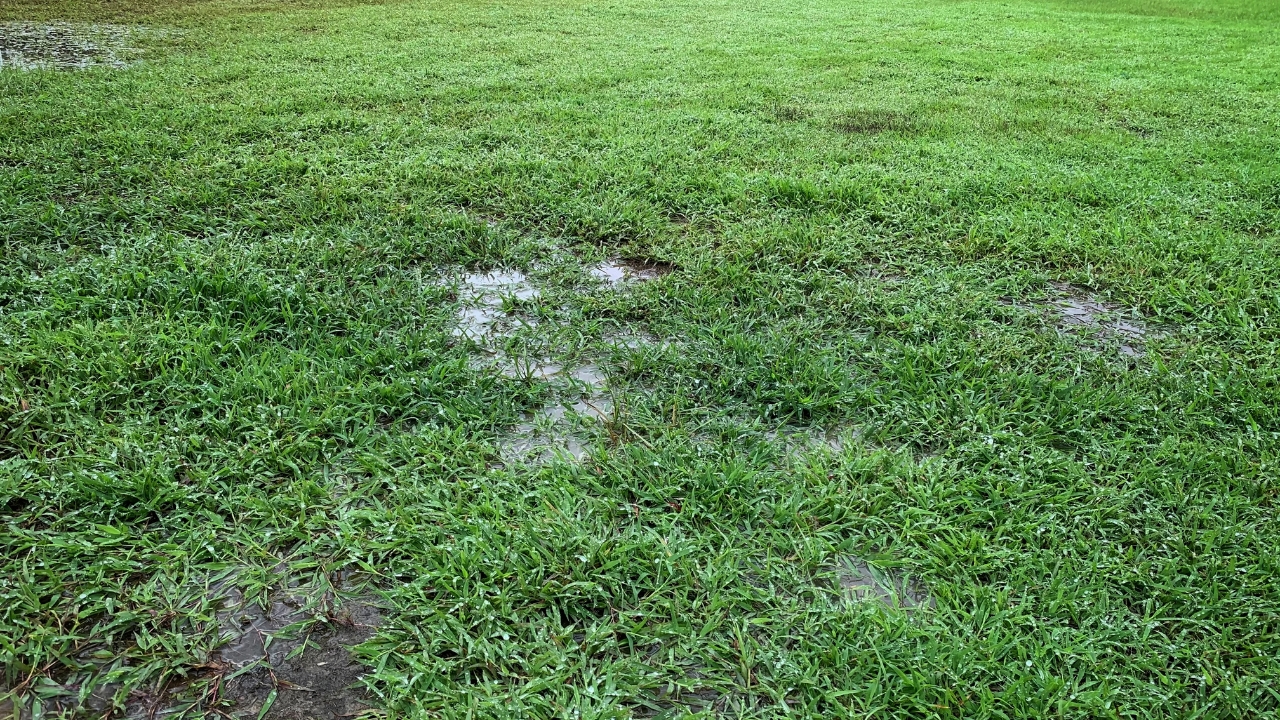
Where you put your tank determines how well it fills, drains, and holds up over time. Low spots make gravity-fed setups useless. Direct sun causes algae growth faster. You need level ground with some shade and space for access—don’t wedge it behind the shed and call it good.
Not All Tanks Are Safe for Potable Water
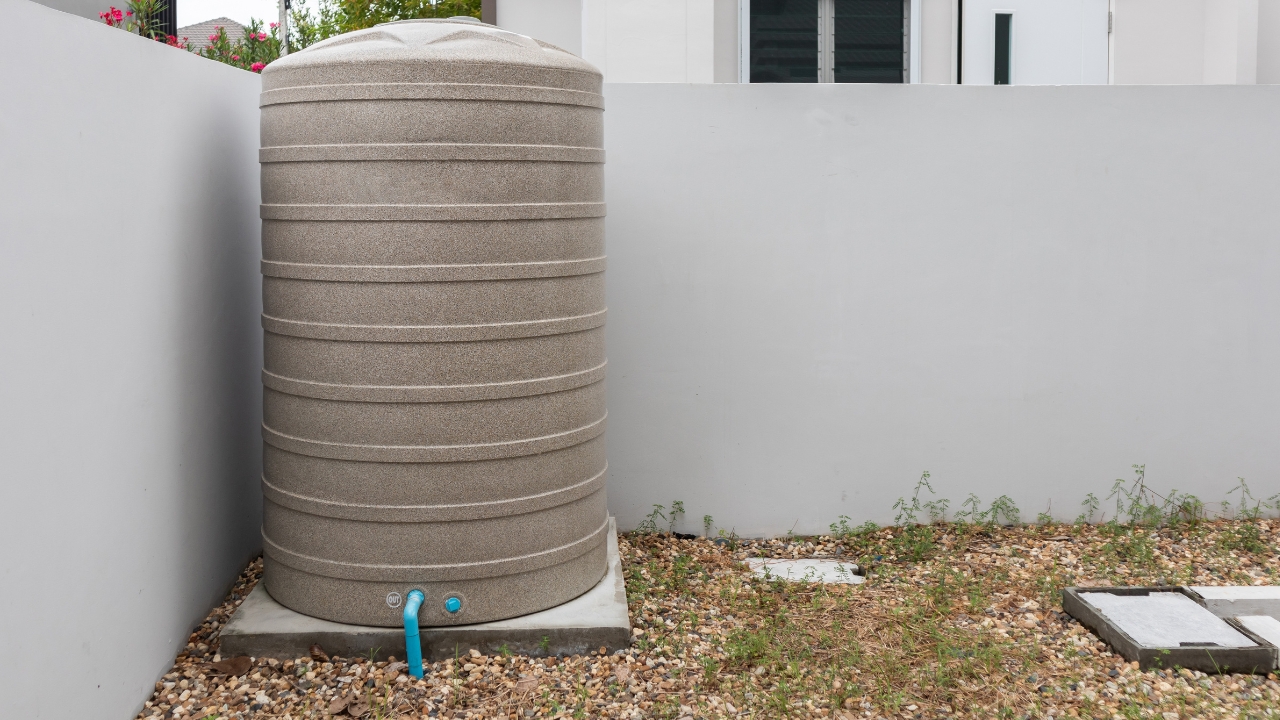
If you plan to drink or cook with stored water, make sure your tank is rated for potable use. Some tanks are only for irrigation or industrial purposes and can leach chemicals. Food-grade plastic or lined metal tanks are your best bet for clean storage.
Your Gutters and Roof Matter

If you’re catching rainwater, the water quality starts at the roof. Dirty shingles, leaves, and animal droppings all end up in your tank if your gutters aren’t cleaned or filtered. Install screens and a first-flush diverter to keep the worst of it out before it gets to your tank.
Overflow Has to Go Somewhere
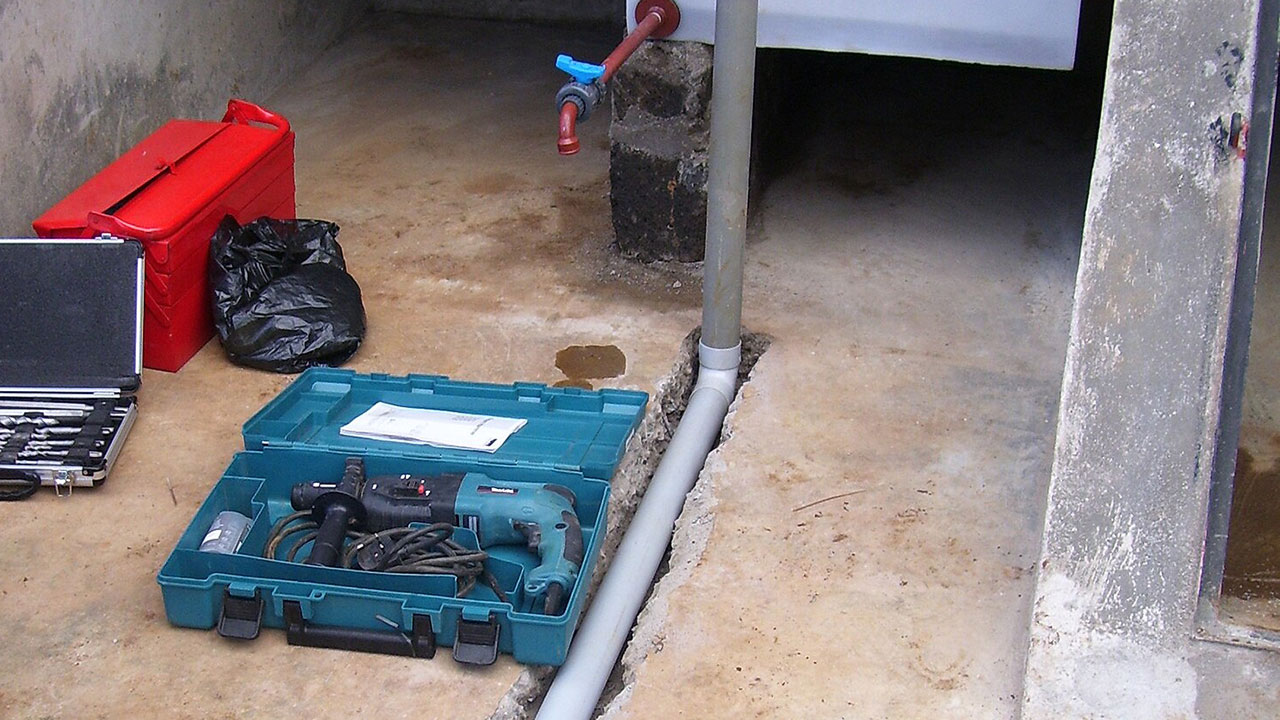
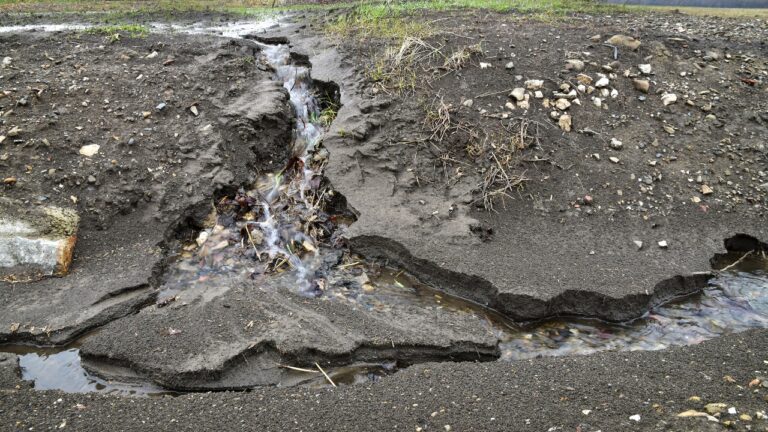
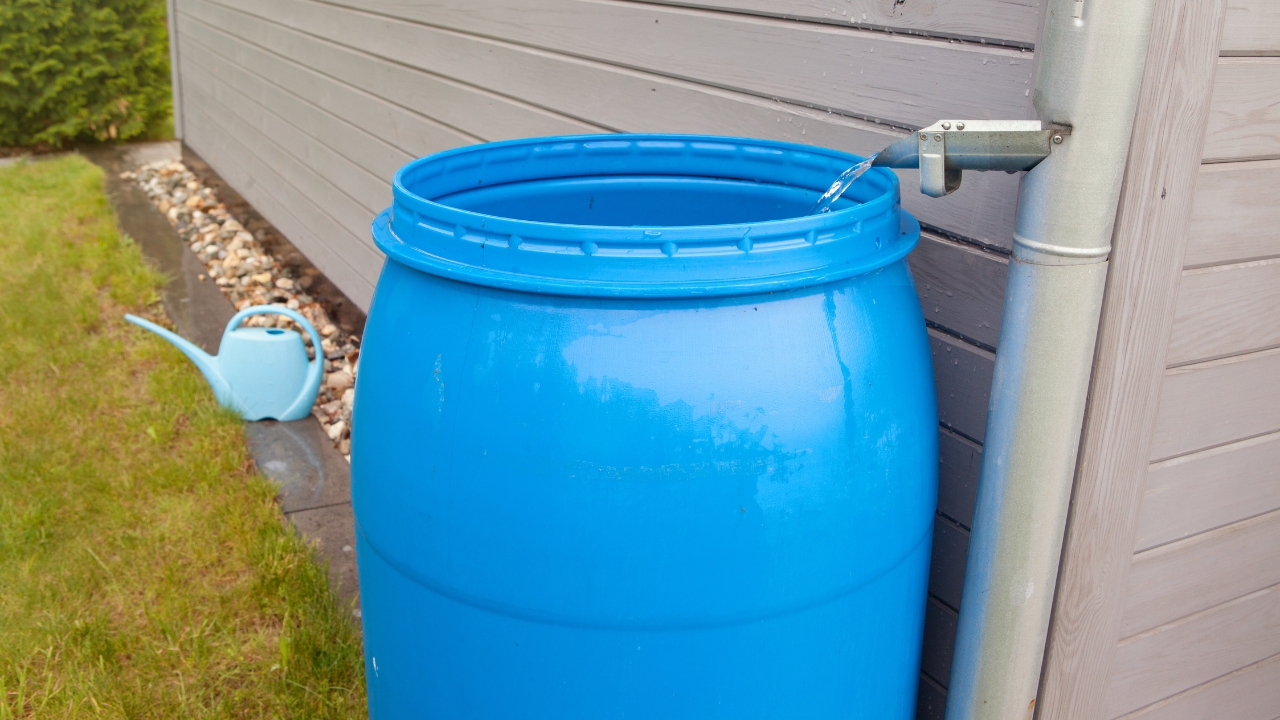
When tanks fill up and there’s nowhere for the overflow to go, you end up with water pooling around the foundation—or worse, seeping into buildings. Run an overflow pipe far away from structures or into a secondary barrel. Don’t just let it spill out the top.
You’ll Need a Filter, Even for Non-Drinking Water
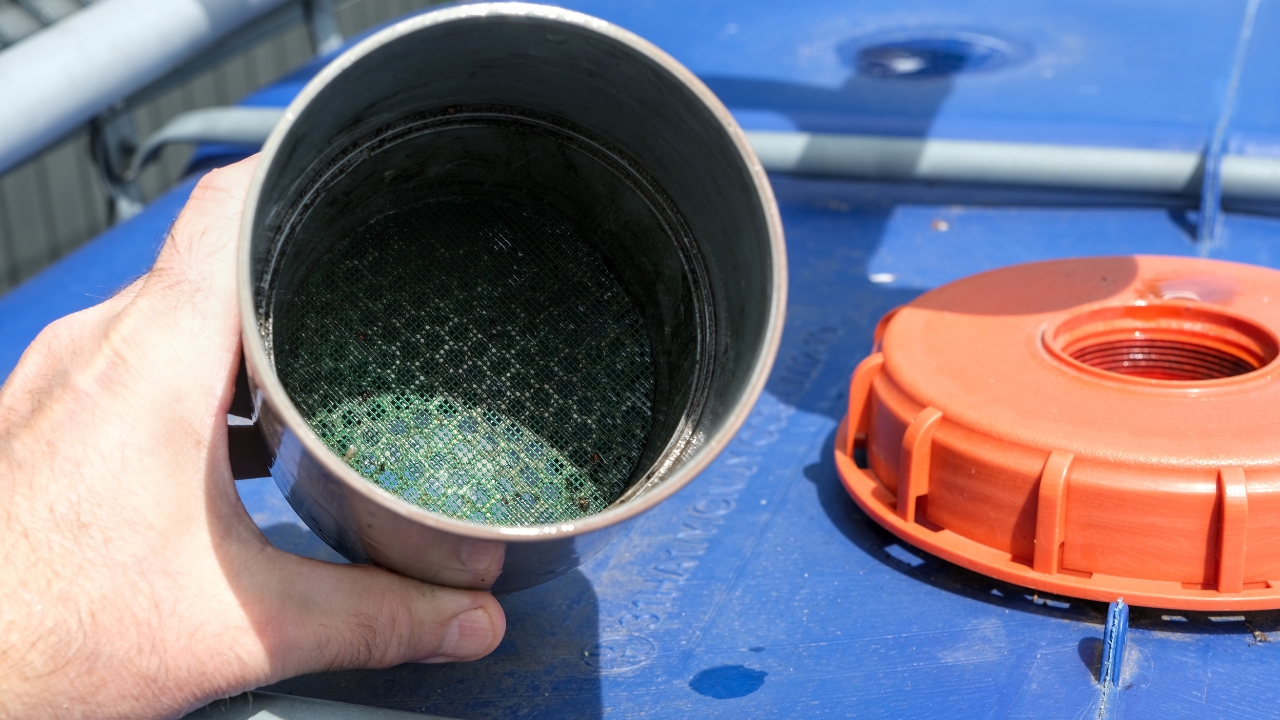
Even if you’re only using the water for animals or irrigation, a basic filter helps keep grit and sludge out of your system. It protects your pump, hoses, and anything else you’ve got connected. Maintenance is easier when you’re not dealing with mud in every line.
Algae Grows Fast in the Wrong Conditions
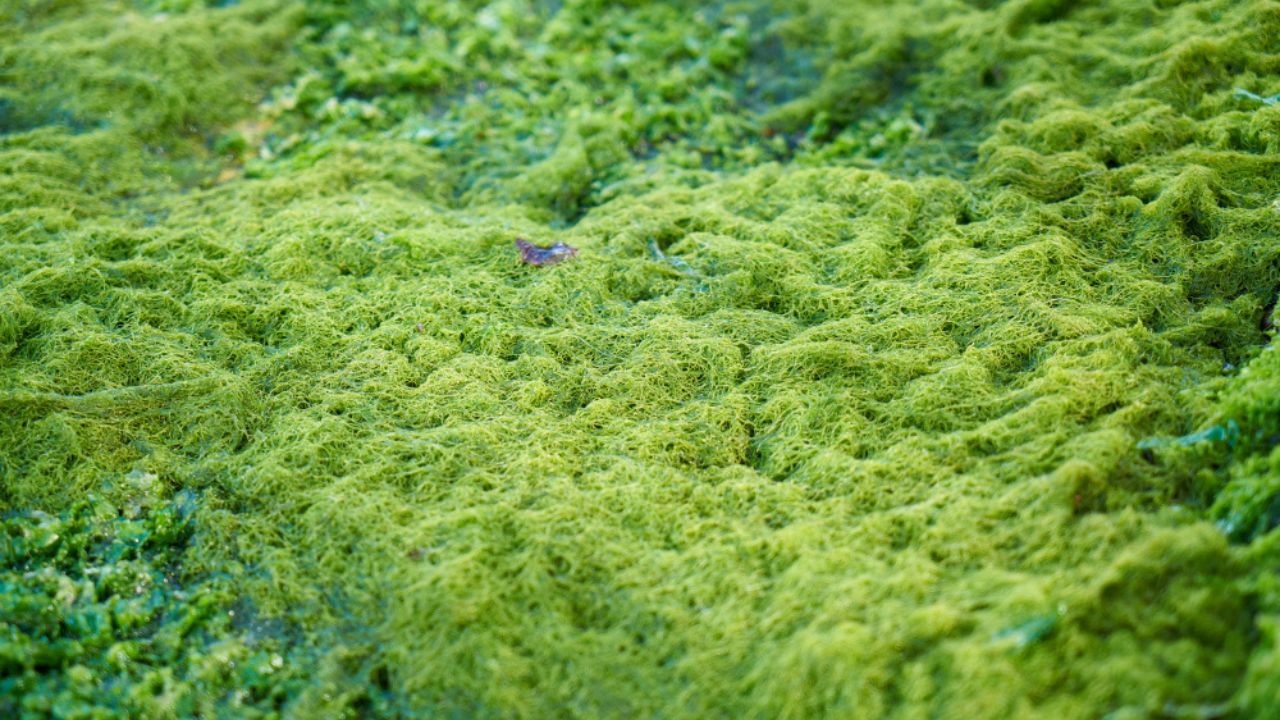
Sunlight and warm temps turn your tank into a science experiment. If the tank isn’t opaque or shaded, algae will show up sooner than you think. Go with a dark-colored tank and place it somewhere that doesn’t get blasted with direct sun all day.
You Can’t Forget About Maintenance
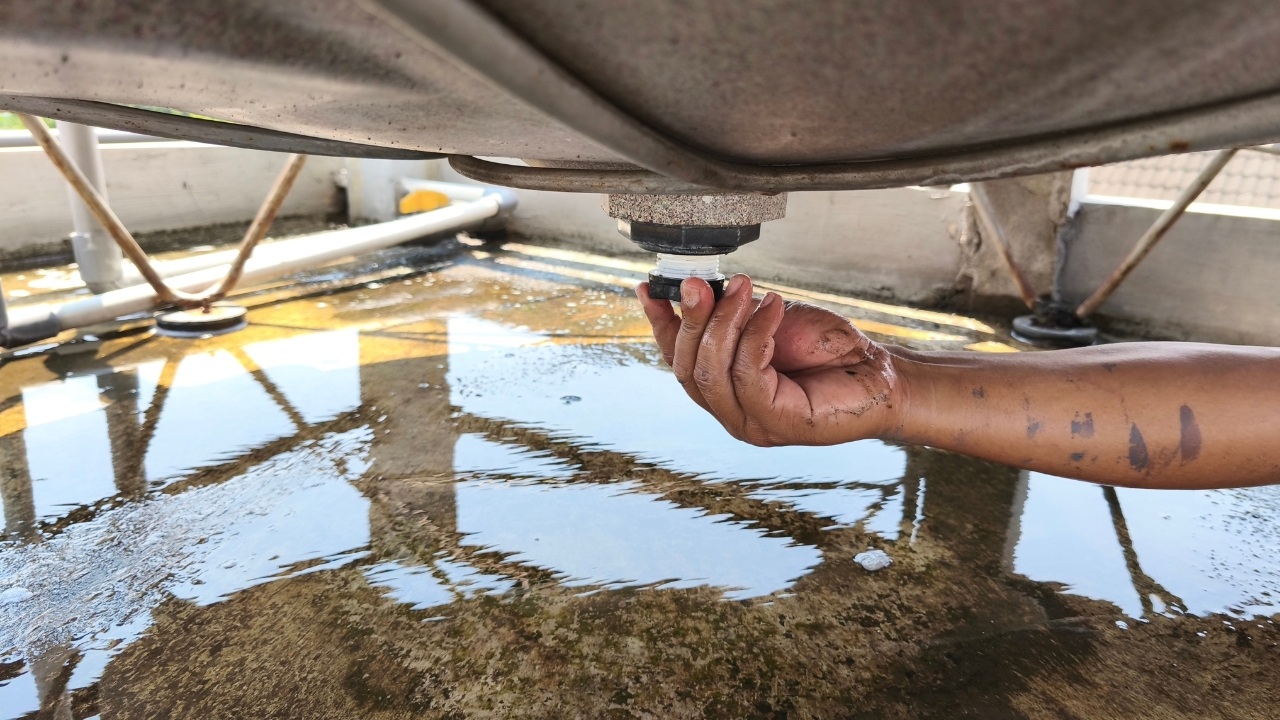
Even the best tank setup needs to be cleaned and checked. Sediment builds up at the bottom. Seals and fittings wear down. Schedule a checkup every few months—flush it, clean filters, and make sure nothing’s leaking or growing where it shouldn’t be.
Bigger Tanks Are Worth the Trouble
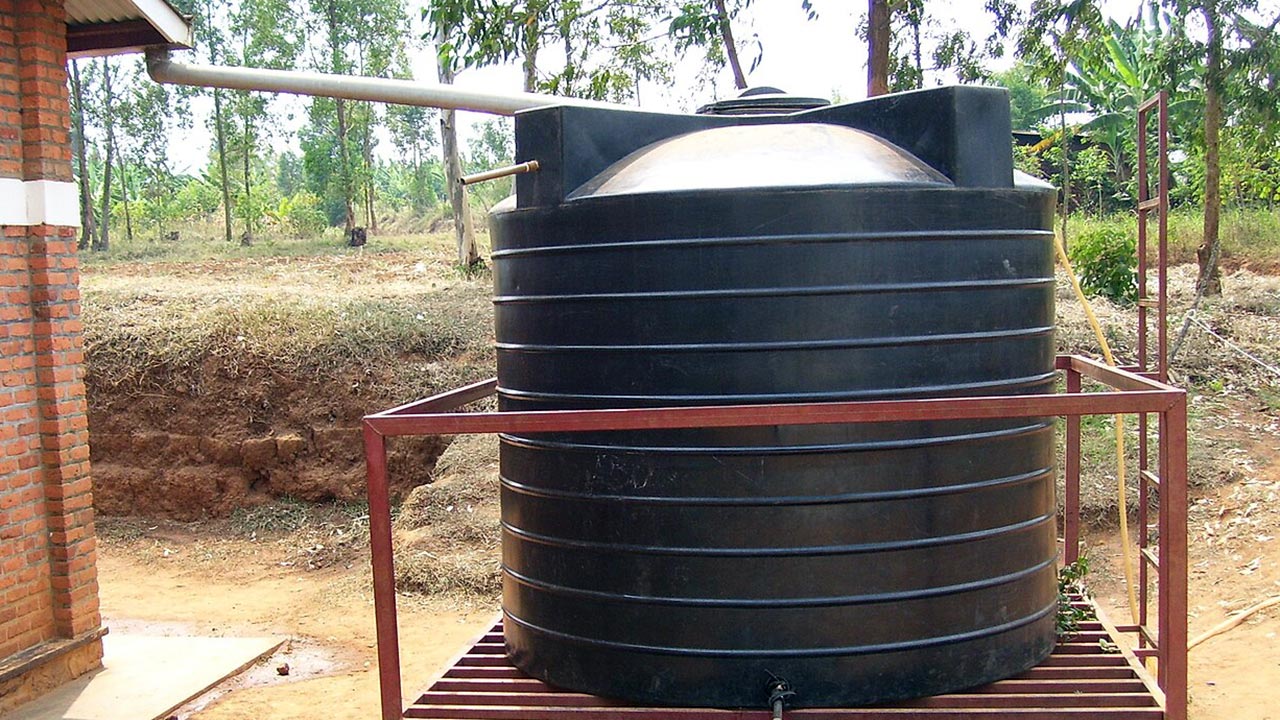
You’ll never regret going bigger on storage. Between animals, garden watering, and emergency use, water disappears fast. It’s better to store too much than not enough—especially if hauling or refilling is a pain where you live.
Don’t Rely on One Hose Connection

Have multiple access points. If your one spigot fails or freezes, you don’t want to be stuck. Adding an extra outlet or even a backup drain valve is easy up front and saves you the headache of having to tear into it later.
Pressure Can Be a Problem Without a Pump
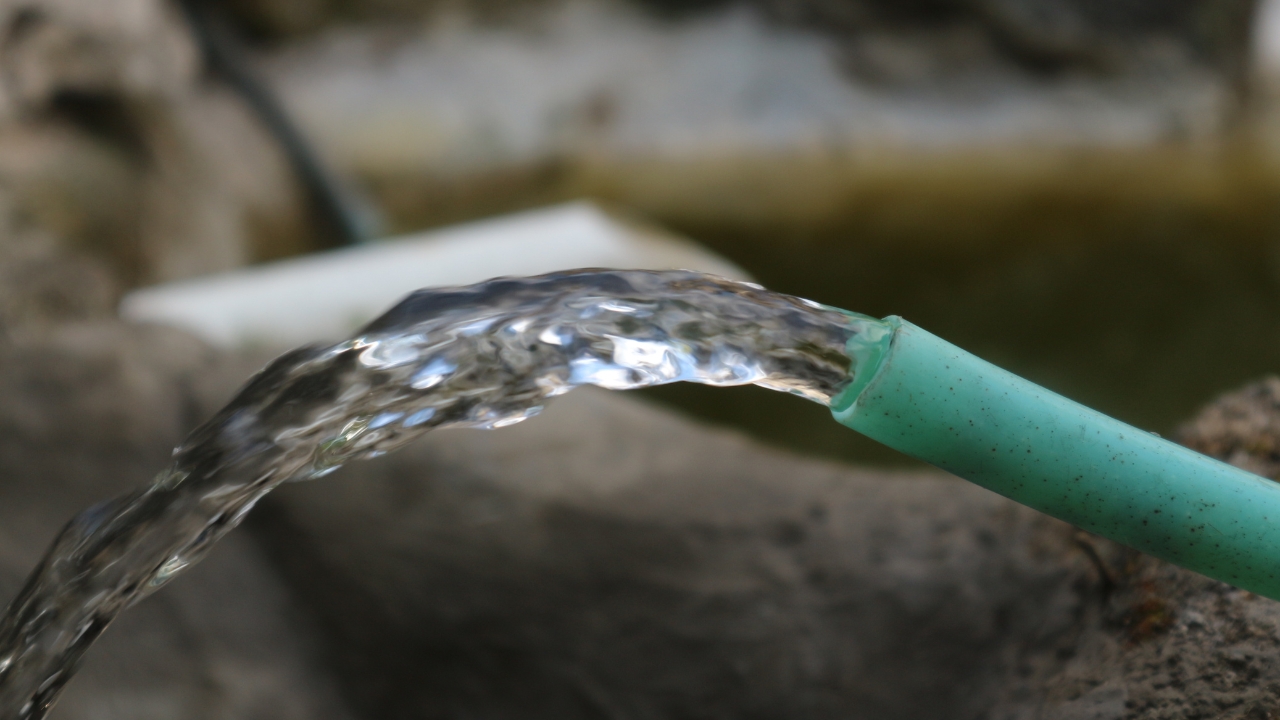
Gravity-fed setups work, but pressure can be weak unless your tank is elevated. If you’re running water to a hose or inside a building, you’ll likely need a small pump to get decent flow. Factor that in early—don’t wait until you’ve already buried the lines.
*This article was developed with AI-powered tools and has been carefully reviewed by our editors.